Why Do Kids’ Eyewear Need Asian-Fit Nose Pads, and What Are the Benefits of Integrated Design?
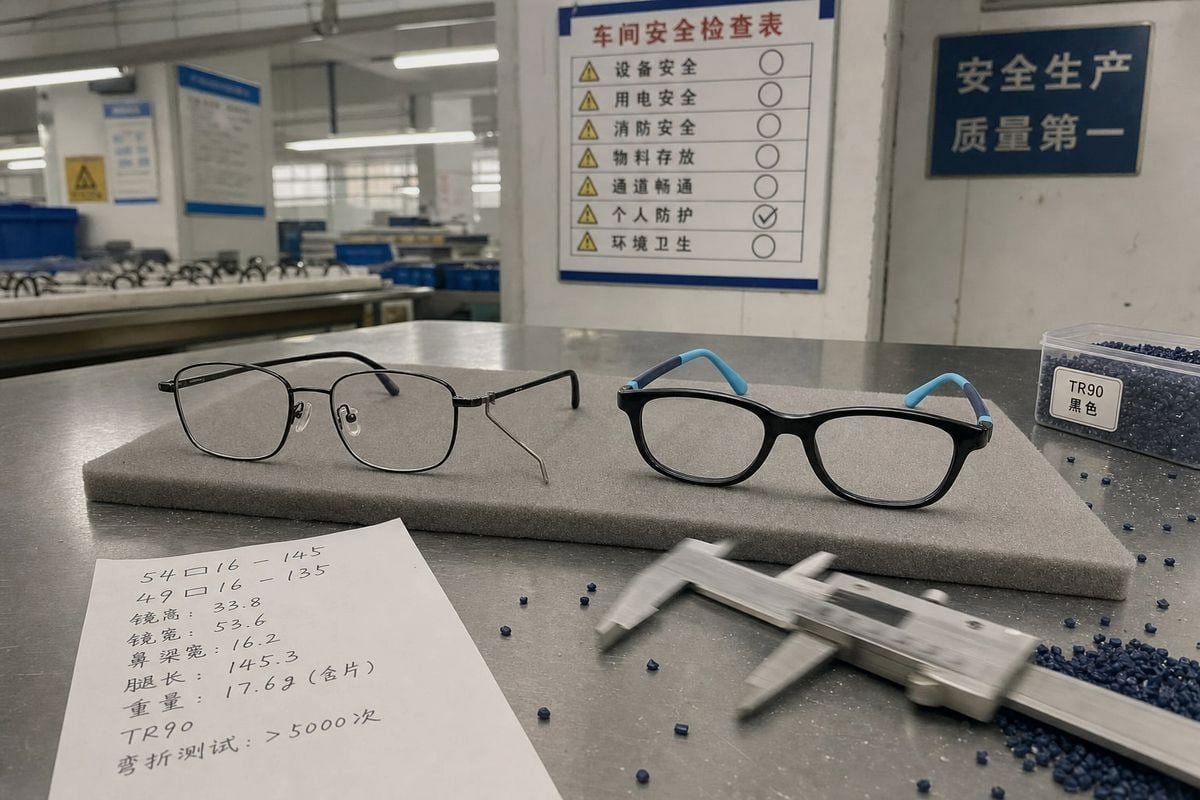
On our production line in Taizhou, Asian-fit nose pads for kids’ eyewear 1 come up in almost every buyer call. Slipping frames frustrate parents, and children simply stop wearing glasses that hurt.
Kids’ eyewear needs Asian-fit nose pads because many children have low nose bridges and high cheekbones that standard frames cannot grip. An integrated design molds the pads into the frame, so glasses sit higher, slip less, resist rough handling, and keep lenses optically aligned all day.
Below, I will walk through how to spot the need for this fit, why integrated design matters, and what it means for your brand and your sourcing decisions.
How do I know if my kids' eyewear needs an Asian-fit nose pad design?
A distributor in Japan once returned a sample batch to us with one note: "Frames slide on every child we tested." That single sentence taught us more than any spec sheet ever did about pediatric frame geometry.
Your kids' eyewear needs an Asian-fit nose pad design if frames slide down during play, rest on the cheeks, sit too close to the eyelashes, or leave red pressure marks on the bridge. These signs indicate a low nose bridge that standard frames cannot support properly.
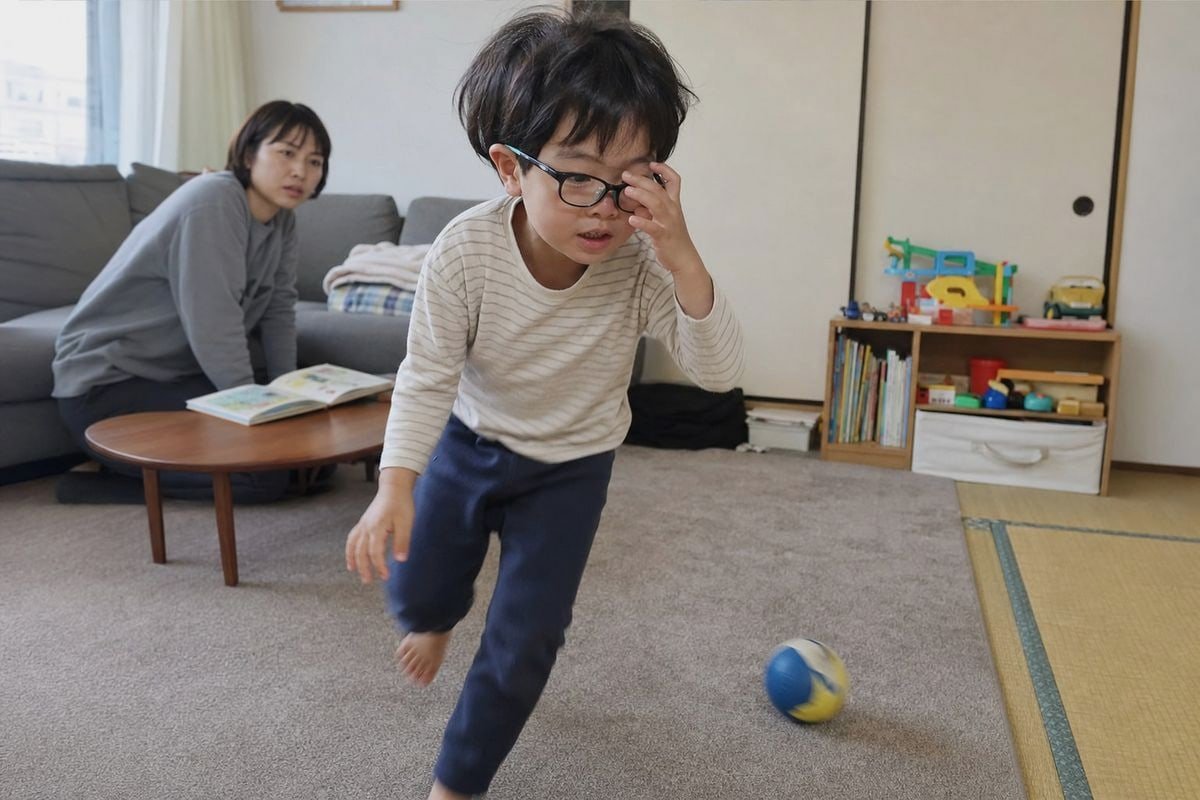
The term "Asian fit" can be misleading. In our experience exporting to more than 20 countries, the real issue is facial geometry, not ethnicity. Retailers often use "low bridge fit 2" or "alternative fit glasses" for the same thing. The fit helps any child with a flatter nasal profile, wherever your market is.
The parent and buyer checklist
Here is the simple checklist we share with brand buyers who are building a kids' line:
| Sign to watch for | What it means | Fit solution |
|---|---|---|
| Glasses slide down when the child looks down | Bridge is too wide or too shallow | Higher, deeper nose pads |
| Frame rests on the cheeks when smiling | Insufficient high cheekbone clearance | Raised bridge that lifts the frame |
| Eyelashes brush the lenses | Vertex distance 3 is too short | Pads that push the frame outward |
| Red marks on the nose after an hour | Weight concentrated on a narrow contact point | Saddle bridge design with wider surface |
| Child tilts head back to see clearly | Lenses have dropped below the pupils | Low bridge fit to restore lens height |
Children make this diagnosis harder than adults do. A five-year-old rarely says "my vertex distance feels wrong." Instead, the child pushes the frame up fifty times a day, or quietly stops wearing the glasses. So we tell buyers to test frames on real children in their target market, in motion — running, reading, and looking down at a tablet. Static try-ons in a showroom hide the exact problems that cause returns later.
If two or more checklist signs appear across your test group, your market almost certainly needs a low bridge option in the range.
What benefits does an integrated nose pad bring to comfort and safety for children?
One trade-off our engineers weigh constantly is adjustability versus durability. Adjustable metal pad arms allow fine-tuning, but on a child's frame, those thin "gooseneck" arms are the first part to bend, snap, or scratch skin.
An integrated nose pad molds the bridge directly into the frame, removing fragile metal pad arms. It spreads weight evenly across the nose, reduces pressure points, keeps lenses optically centered, prevents lash contact and fogging, and survives the drops and impacts of active children.
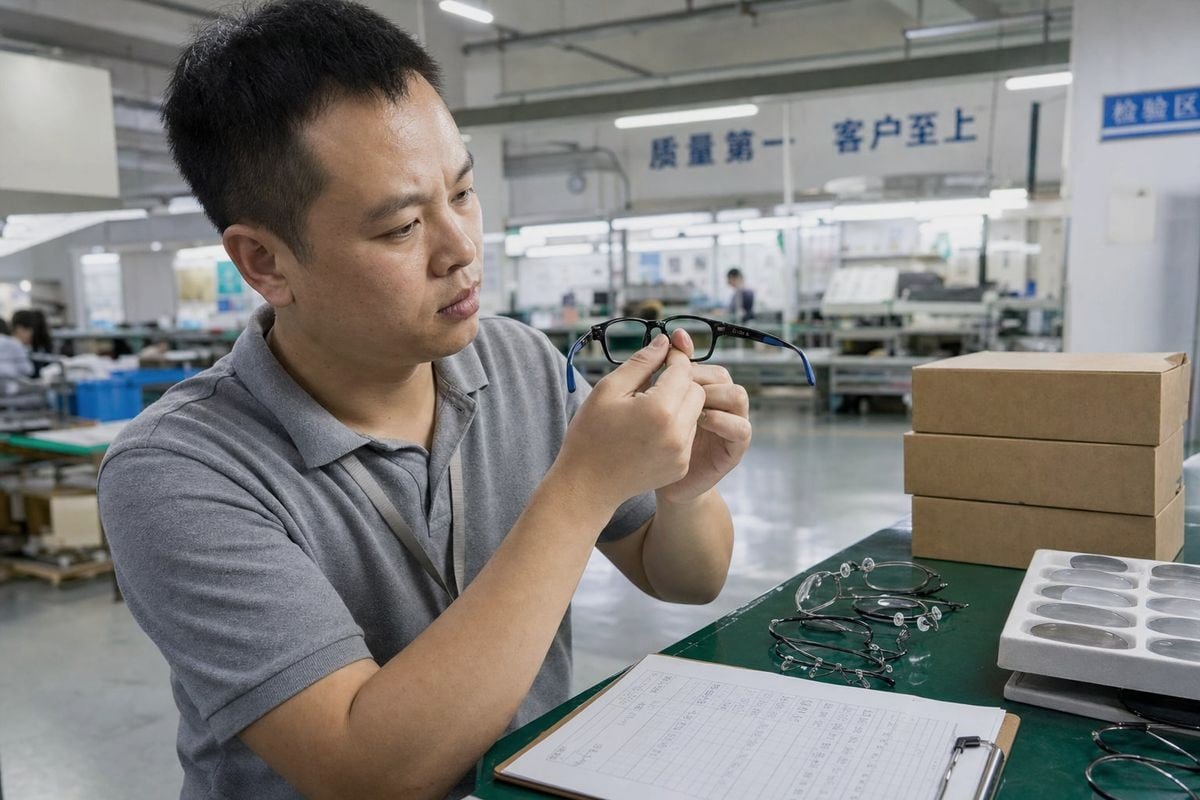
When we develop a TR90 kids optical frame with an integrated molded nose bridge, we are really engineering a single fit system. The frame front, bridge height, pad angle, and temple curve are designed together. Nothing can loosen, detach, or become a small-parts hazard — a genuine safety concern for younger children.
Comfort: weight distribution and skin contact
A narrow standard bridge concentrates the frame's full weight on two tiny contact points. Children wear glasses for eight to twelve hours a day, so those points become sore fast. An integrated saddle bridge design 4 spreads that load across a much larger area of the nose. The result is pressure point reduction you can see: no deep red grooves, no soreness, fewer complaints at bedtime.
Material matters just as much as shape. Our flexible TPEE temples 5 and anti-slip silicone contact zones add high-friction grip that stays secure even when a child's skin is sweaty after recess. Some newer integrated designs use dual-injection molding with soft thermoplastic elastomers over a rigid core, combining structure with a gentle, hypoallergenic touch.
Safety: three benefits buyers often overlook
- Stable optical center alignment. A frame that stays put keeps the lens optical centers 6 matched to the pupils. This protects prescription accuracy and avoids unwanted prismatic effects during visual development.
- No compensatory head tilt. Children tilt their heads back to see through slipping lenses. A stable fit removes that habit and the neck strain it causes.
- Correct vertex distance. Lifting the frame keeps eyelashes off the lenses and improves airflow, which reduces fogging on cold mornings and school bus rides.
Comfort drives compliance, and compliance is the whole point. Ergonomic eyewear that a child forgets they are wearing is the eyewear that actually corrects their vision.
Can Asian-fit nose pads help my brand reduce returns and improve fit across different markets?
A children's brand from Australia came to us after their first eyewear launch struggled. Their frames fit some children beautifully and slid straight off others. Their return rate told the story before their reviews did.
Yes. Offering Asian-fit or low bridge options alongside standard geometry lets one collection fit far more face shapes. Brands that stock both fits report fewer slippage complaints, fewer size-related returns, and stronger repeat purchases in markets across Asia, Oceania, and beyond.
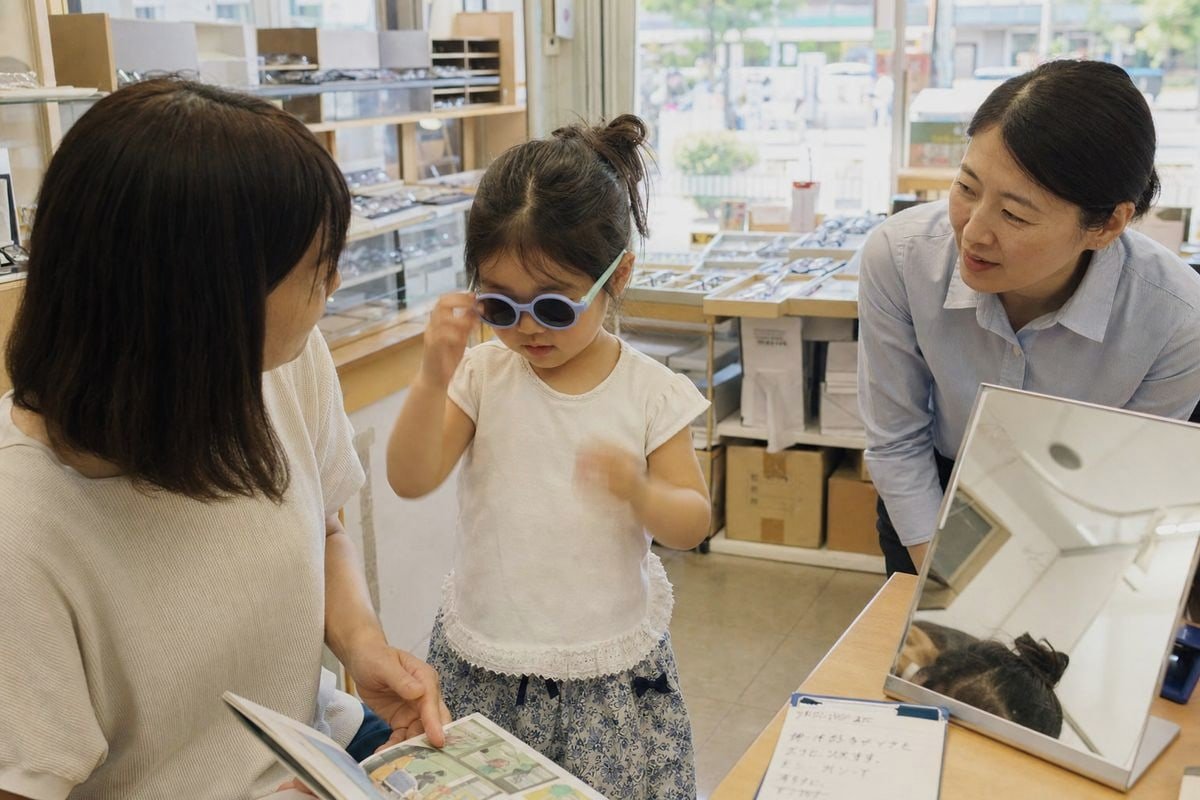
Fit failure is one of the quietest profit killers in kids' eyewear. A parent who buys sunglasses that slide off at the playground does not always return them — but they never buy your brand again, and they say so in reviews. Multiply that across a season and the cost dwarfs the small expense of running a second bridge specification.
How fit strategy maps to markets
From our fifteen years supplying importers and optical companies, here is how we typically see the fit conversation break down by region:
| Market region | Common fit challenge | Recommended assortment |
|---|---|---|
| East and Southeast Asia | Low nose bridges dominate; standard frames slip widely | Lead with low bridge fit as the default |
| Australia and New Zealand | Diverse population; mixed facial profiles | Stock both standard and alternative fit glasses |
| Europe | Higher bridges more common, but diverse urban markets | Standard fit core, low bridge as a growing option |
| North America | Highly mixed; retailers increasingly request "universal fit" | Dual-fit range with clear labeling |
Labeling matters as much as engineering
One lesson we learned from buyer feedback: how you name the fit affects how it sells. "Low bridge fit" and "alternative fit" are increasingly preferred over "Asian fit" in Western retail because they describe anatomy, not ethnicity, and they invite every parent to check the fit rather than assuming it does not apply to them. We help brands adapt product naming and packaging copy for each market as part of our OEM support.
There is a fair objection here: no single bridge shape fits every child, so is a second fit really worth the SKU complexity? In our experience, yes — because two well-chosen geometries cover the vast majority of faces, while one geometry leaves a large slice of your market structurally unfittable. The remaining edge cases are best handled by an optician's final adjustment, not by adding a third or fourth bridge variant.
Should I request custom nose pad options when sourcing kids' eyewear from a manufacturer?
The question I hear most from new buyers at trade shows is not about lenses or colors. It is this: "Do I need custom molds for the nose bridge, or can I launch from existing tooling?"
Yes, ask about nose pad options early — but you rarely need custom molds. A capable factory should offer existing styles in both standard and low bridge geometry, plus interchangeable pad sizes, letting you test market fit before investing in fully custom pediatric frame geometry.
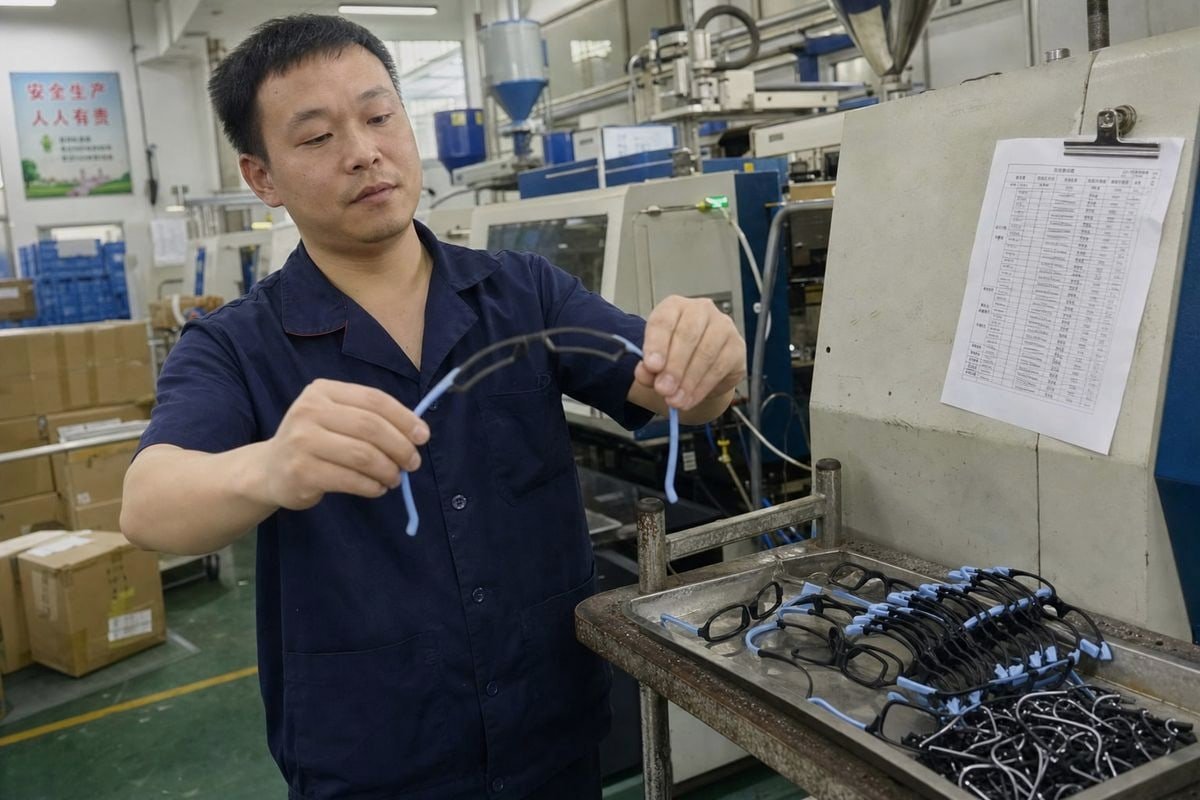
At our factory, we maintain roughly 800 existing styles precisely so brands can avoid heavy mold investment on their first order. Many of those styles already come with integrated low bridge variants or multiple pad heights. That means you can validate demand in your market with real sales data before committing to custom tooling.
A practical sourcing sequence
- Define your target faces. Share your market region and age range with the factory. Bridge needs differ between a three-year-old and a ten-year-old.
- Request both fits in sampling. Order the same style in standard and low bridge versions. Test them on real children, in motion.
- Check the material system. Ask whether the frame uses flexible TR90, TPEE temples, and anti-slip silicone contact points, and whether materials are environmentally friendly and skin-safe.
- Ask about pad interchangeability. Some designs accept multiple pad sizes on one frame — useful if you sell across diverse markets from one SKU.
- Move to custom tooling only with proof. Once sales data confirms your fit mix, invest in custom molded nose bridge geometry, colors, logos, and packaging.
Questions worth asking any supplier
| Question | What a strong answer sounds like |
|---|---|
| Do you offer low bridge versions of existing styles? | Yes, with specific bridge height and pad depth specs on file |
| How do you test fit on children? | Wear trials or fit reviews, not just dimensional checks |
| What materials touch the child's skin? | Named, skin-safe flexible materials, not vague "soft plastic" |
| Can you support custom fit later? | Clear OEM/ODM path from stock styles to custom tooling |
| How is quality controlled? | Documented QC process in an organized, managed workshop |
The industry is also moving toward deeper personalization — 3D facial scanning 7 and custom-contoured bridges are emerging at the premium end. For most brands, though, the smart path today is a well-engineered dual-fit stock range first, and customization once the numbers justify it.
Conclusion
Slipping frames quietly ruin kids' eyewear — vision, comfort, and your brand's reviews. Asian-fit nose pads with integrated design solve this at the source. Choose a partner who engineers fit, and children actually wear the glasses you sell.
Footnotes
1. Authoritative pediatric eye health guide from the American Academy of Ophthalmology. ↩︎
2. Industry leader’s explanation of frame geometry optimized for individuals with lower nose bridges. ↩︎
3. Scientific definition of the distance between the lens and the eye, critical for prescription accuracy. ↩︎
4. Wikipedia entry describing various bridge styles and frame components for corrective lenses. ↩︎
5. Technical overview of thermoplastic elastomers used for flexible components in consumer products. ↩︎
6. Authoritative source for vision health and the importance of correct lens positioning. ↩︎
7. Government research site explaining 3D imaging and facial measurement technologies. ↩︎
More Articles You Might Like
Looking for a Reliable Kids Eyewear Partner?
Explore 800+ ready styles and full OEM/ODM support tailored to your brand.
Get in Touch English
  Español de México
  Deutsch
  Français
  日本語
日本語  العربية
  Português do Brasil