How Effective Are Bio-Based and Recyclable Materials in Kids’ Eyewear?
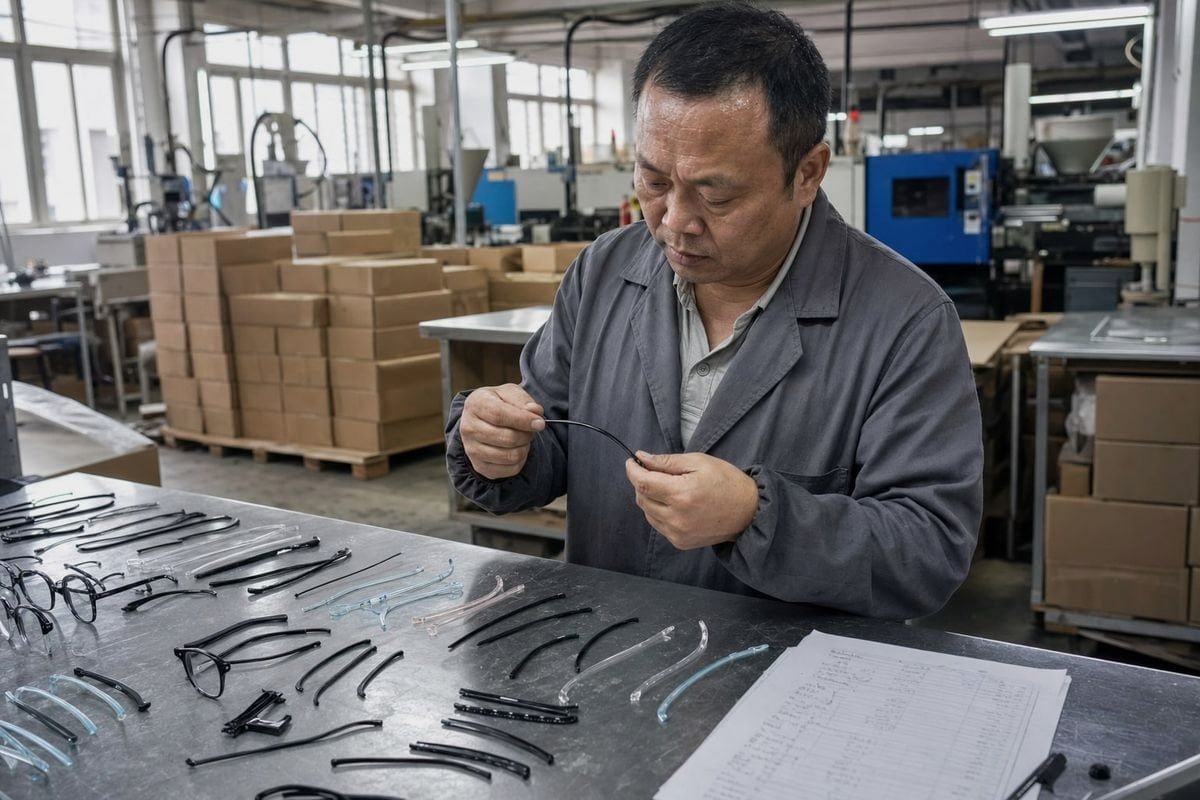
Buyers keep asking me whether bio-based and [recyclable materials](https://okayeyewear.com/kids-sunglasses-frames-made-recyclable-materials-are-from/) in kids’ eyewear actually hold up. On our Taizhou production line, we test that question every single week.
Bio-based and recyclable materials in kids’ eyewear are highly effective when durability comes first. Modern bio-based TPEE, TR90 variants, and bio-acetate match conventional plastics in flexibility and impact resistance, while cutting carbon footprint by 30–65%. Their weak point is end-of-life recycling infrastructure, not daily performance.
That short answer hides a lot of nuance. Below, I break down safety, flexibility, cost, and how to verify supplier claims — the four questions our B2B buyers ask most.
How do bio-based TPEE and TR90 compare to traditional plastics in safety and durability for kids?
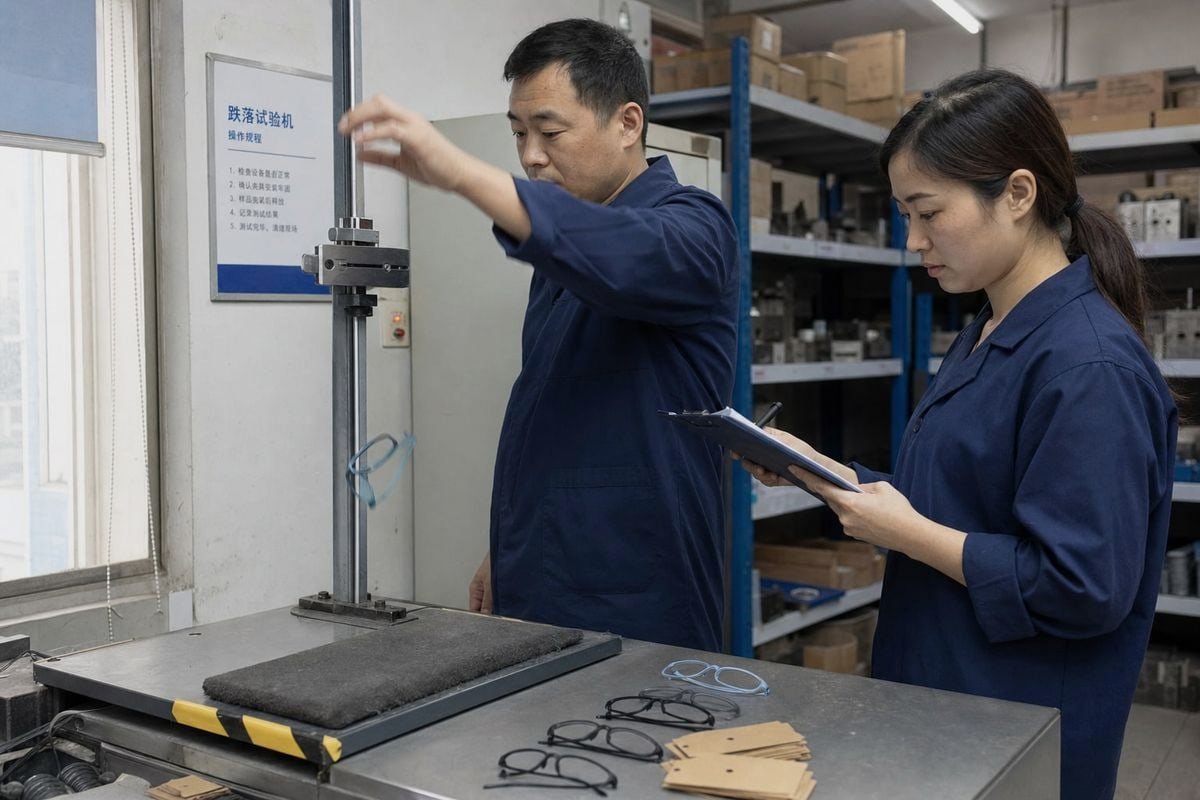
During a drop-test session last year, our QC team compared bio-based samples against our standard TR90 frames. Watching both survive repeated one-meter drops changed how I pitch sustainable eyewear manufacturing to clients.
Bio-based TPEE and TR90 alternatives now match traditional plastics in impact resistance, flexibility, and memory retention for kids' frames. They are typically BPA-free, phthalate-free, and hypoallergenic, making them safer on children's skin than low-cost petroleum plastics, with no meaningful durability penalty in daily wear.
Let me be direct about what the materials actually are. TR90 is a thermoplastic polyamide 1 known for its bend-don't-break behavior. Bio-based versions, often built on castor oil-based polymers 2, keep that same molecular toughness but replace a large share of the fossil feedstock with renewable inputs. TPEE is the flexible elastomer we use for temples and full soft frames on toddler styles. Its bio-based grades behave almost identically in our flex tests.
Safety is where the newer materials genuinely pull ahead. Cheap synthetic frames sometimes contain BPA, phthalates, or lead-based stabilizers. That is unacceptable for a product sitting on a child's face for ten hours a day. Bio-based resins and plant-derived cellulose acetate 3 are formulated with cleaner chemistry. Emerging bio-acetates even use vegetable-derived or citric-acid plasticizers that are gentler on a developing skin barrier.
Head-to-head comparison
| Property | Traditional TR90 | Bio-based TR90 alternative | Bio-based TPEE | Cheap generic plastic |
|---|---|---|---|---|
| Impact resistance | Excellent | Excellent | Excellent | Poor to fair |
| Flexibility / memory | Very high | Very high | Highest | Low |
| Hypoallergenic | Usually | Yes | Yes | Not guaranteed |
| BPA-free plastic | Yes | Yes | Yes | Often unverified |
| Renewable content | 0% | Typically 40–65% | Varies by grade | 0% |
| UV yellowing risk | Low | Low with organic stabilizers | Low | High |
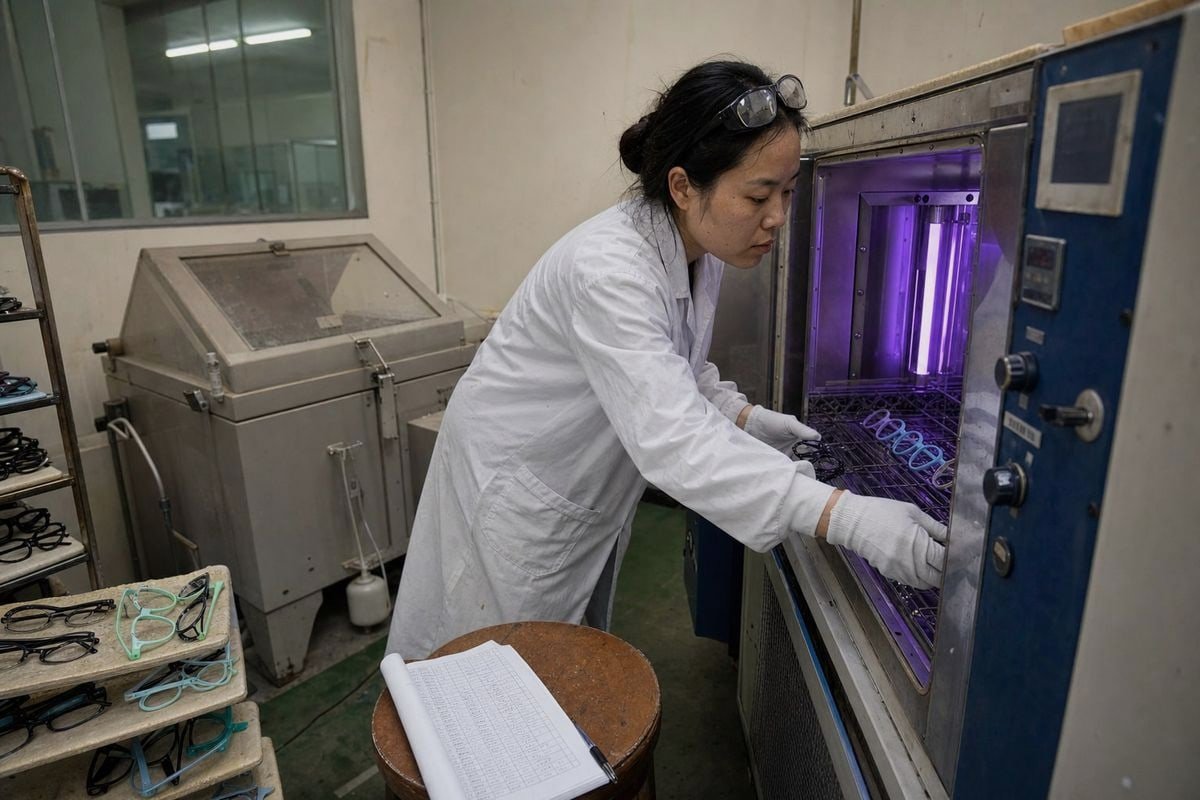
One caveat from our experience: early-generation sustainable materials did show weaker color fastness and chemical resistance. Newer grades, especially bio-polyamides engineered with organic UV stabilizers, have largely closed that gap. This matters for kids who wear frames outdoors in strong sun. We still run salt-spray, sweat, and UV-aging tests on every new bio-based batch before approving it for production, because material certificates alone never tell the full story.
Can recyclable eyewear materials still deliver the flexibility my brand needs for active children?
A buyer from Australia once twisted one of our recycled-content temple samples into a full loop in front of me at a trade fair. He was trying to break it. He couldn't, and he placed an order.
Yes. Recyclable materials like mono-material TR90, recycled polyamides, and quality rPET deliver the flexibility active children demand, provided resin quality is controlled. Well-processed recycled and recyclable polymers retain over 90% of virgin-material flex performance, and mono-material designs actually improve real-world recyclability.
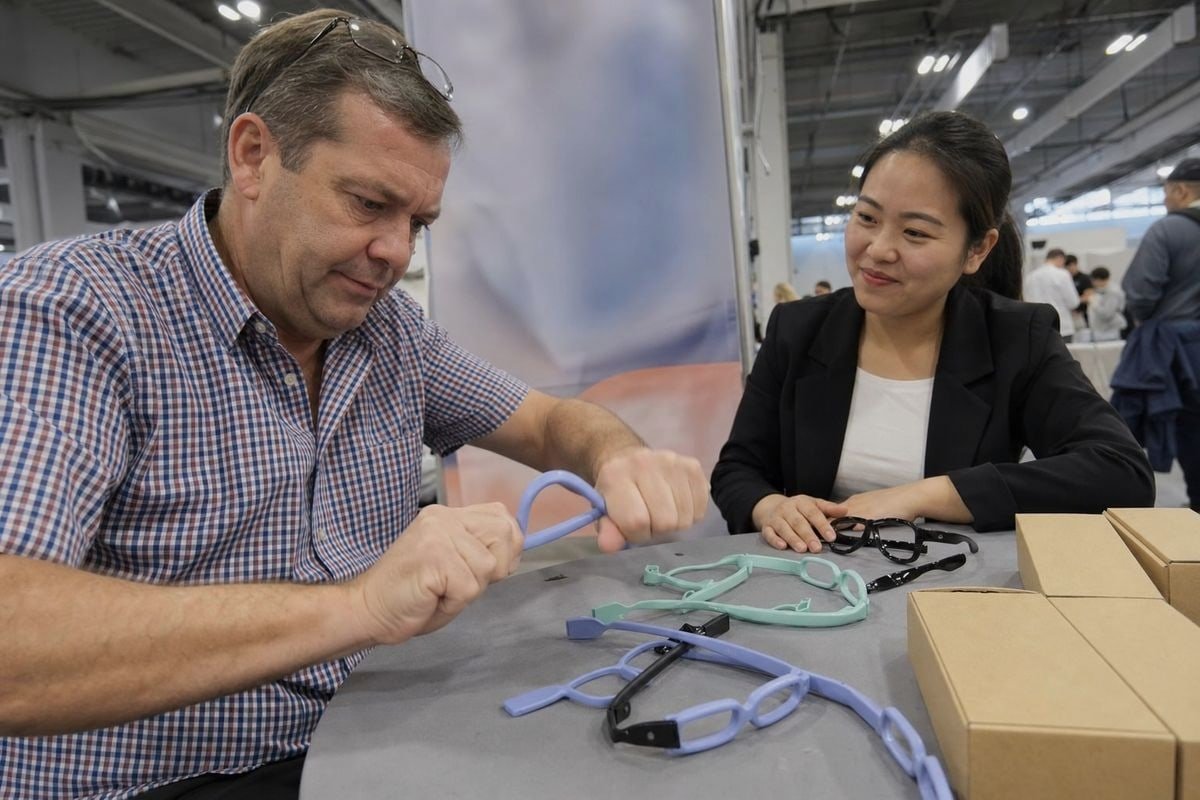
Flexibility is non-negotiable in children's eyewear. Kids sleep in their glasses, sit on them, and pull them off with one hand. Any material we approve must survive thousands of flex cycles at the temple joint without whitening or cracking. So the honest question is not "is it recyclable?" but "does the recycled or recyclable grade meet the same flex spec?"
Here is what we have learned in fifteen years of running flexible materials through our workshop. Resin quality varies enormously between suppliers. Post-consumer rPET, for example, can perform beautifully or terribly depending on contamination levels 4 and how many heat cycles the material has been through. Upcycled ocean plastics carry a great sustainability story, and they divert real waste from landfills, but they demand tighter incoming inspection. We reject batches that fail melt-flow consistency checks, because inconsistent resin means inconsistent frame durability at the hinge.
Design choices that protect flexibility and recyclability
- Mono-material construction. A frame made entirely of one polymer family flexes predictably and is far easier to re-pelletize later.
- Screwless or minimal-metal hinges. Fewer mixed materials means fewer failure points and simpler disassembly.
- TPEE temple tips on TR90 fronts. Our most popular hybrid keeps the soft, grippy comfort kids need while both materials remain individually recoverable.
- Thicker cross-sections at stress zones. Recycled resins tolerate slightly generous wall thickness better than aggressive thin-wall designs.
There is also a quieter benefit worth mentioning. Bio-based polymers shed fewer persistent micro-plastics 5 under the high-friction abuse of playgrounds and school bags. For brands marketing to health-conscious parents, that is a story with real substance behind it, not just a green label.
Will switching to eco-friendly materials affect my production costs or minimum order quantities?
Cost is the first thing procurement managers ask me about, usually within five minutes of a sampling call. So let me give you the numbers the way I give them to our clients.
Expect a 10–40% material cost premium for bio-based or recycled resins versus standard plastics, which typically translates to a smaller 5–15% increase at finished-frame level. MOQs stay unchanged when you use a factory's existing molds and styles rather than developing new tooling.
The premium exists for understandable reasons. Renewable feedstocks like castor beans and wood pulp cost more to source at scale. Certification adds cost. Production runs for specialty resins are smaller, so per-kilo prices run higher. But material cost is only one slice of a finished frame. Labor, lenses, hinges, packaging, and QC do not change when you switch resin. That is why the finished-unit impact is much softer than the raw-material premium suggests.
MOQ is where many brands worry unnecessarily. The real MOQ driver in eyewear is tooling, not material. If a supplier already runs bio-based grades through existing molds — we currently offer around 800 existing styles that can be produced in eco-friendly materials — you can test the market with a modest first order and zero mold investment. New custom tooling is where minimums climb, regardless of material choice.
Cost impact breakdown
| Cost factor | Standard plastics | Bio-based / recycled switch | Practical impact |
|---|---|---|---|
| Raw resin | Baseline | +10–40% | Moderate |
| Molds / tooling | Baseline | No change (existing styles) | None |
| Labor and assembly | Baseline | No change | None |
| Certification / documentation | Minimal | Slightly higher | Low |
| Finished frame price | Baseline | Roughly +5–15% | Manageable |
| Retail positioning | Standard | Supports premium pricing | Often positive |
Here is the commercial upside our clients report back to us. Sustainable eyewear carries a well-documented retail price premium, and parents in markets like Europe, Japan, and Australia increasingly expect a lower carbon footprint 6 story from kids' brands. Several of our customers found the eco-material upcharge more than paid for itself in margin and shelf differentiation. Some are now exploring circular economy models — take-back and refurbish programs that fit naturally with how fast children outgrow frames.
How do I verify that a supplier's sustainability claims for kids' eyewear are genuine?
Early in my export career, a competitor's "biodegradable" frames turned out to be ordinary plastic with a green hangtag. That incident taught me why serious buyers audit claims, and why we welcome it.
Verify sustainability claims by requesting material datasheets, bio-content certification such as ASTM D6866 testing, third-party lab reports for BPA and phthalate absence, and factory audits. Genuine suppliers provide traceable documentation per batch; vague claims without paperwork are the clearest red flag.
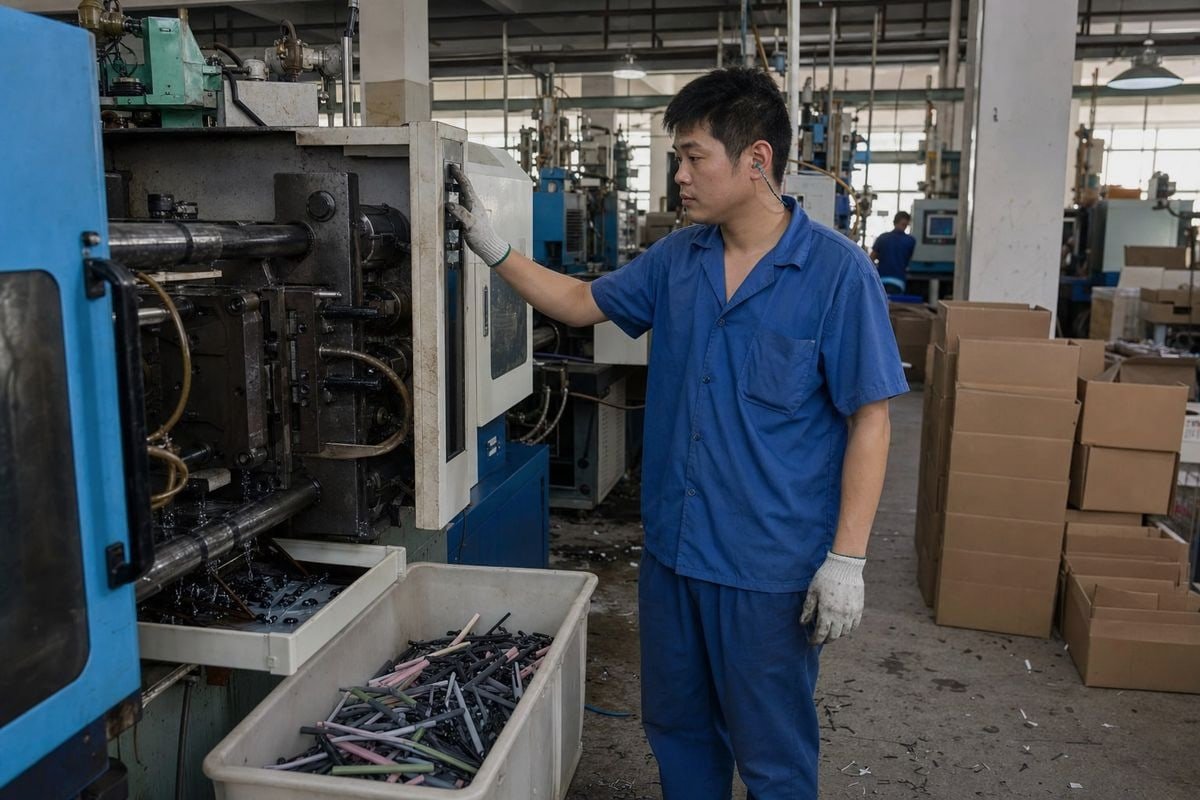
Greenwashing is the biggest risk in this category, and I say that as someone selling eco-materials. The word "bio-based" legally means very little on its own. A frame with 20% renewable content and a frame with 65% renewable content can wear the same label. Similarly, "biodegradable" claims often rely on industrial composting standards 7 — controlled conditions of heat, moisture, and microbes that no landfill or home compost bin replicates. Biodegradable resins are real, but the claim must specify the standard and timeframe, such as verified biodegradation over 120–180 days under certified composting conditions.
Recyclability claims deserve equal scrutiny. A polymer can be technically recyclable while the finished frame is practically unrecyclable, because hinges, screws, coatings, and lenses block standard municipal processing. Ask how the frame is designed for disassembly, not just what resin it uses.
A verification checklist that works
| What to request | What it proves | Red flag if missing |
|---|---|---|
| Resin technical datasheet | Exact polymer grade and bio-content percentage | Supplier can't name the resin producer |
| ASTM D6866 or equivalent test | Measured renewable carbon content | Only marketing language, no lab data |
| SGS/lab reports for BPA, phthalates, lead | Clean chemistry for hypoallergenic frames | Reports older than 12–18 months |
| EN 71 / CE / FDA compliance docs | Child-product safety compliance | Certificates that don't match the product |
| Batch traceability records | Claims apply to your order, not a sample | One-time certificate reused forever |
| Factory audit or video tour | Real production, not trading-company markup | Refusal to show the workshop |
From our side of the table, we keep material traceability by batch and share test documentation with every eco-material order, because our buyers in twenty-plus countries face their own retailers’ compliance questions. A supplier who hesitates to open the workshop, name the resin source, or repeat a lab test on your specific production run is not a partner — they are a risk. Sustainability in kids' eyewear only means something when the paperwork, the polymer, and the product all tell the same story.
Conclusion
Bio-based and recyclable materials now deliver real durability, safety, and marketing value in kids' eyewear. Choose proven resins, verify every claim, and partner with a factory that tests, not just talks.
Footnotes
1. Wikipedia entry explaining the chemical structure and properties of polyamides like TR90. ↩︎
2. Explains how castor oil is used as a renewable feedstock for high-performance polymers. ↩︎
3. Authoritative overview of cellulose acetate, a common plant-derived material in eyewear. ↩︎
4. EPA data on plastic recycling and the impact of contamination on material quality. ↩︎
5. Authoritative Wikipedia entry detailing the persistence and environmental impact of microplastics. ↩︎
6. Comprehensive Wikipedia overview of carbon footprinting and its environmental significance. ↩︎
7. Official ASTM standard for labeling plastics designed to be aerobically composted in municipal facilities. ↩︎
More Articles You Might Like
Looking for a Reliable Kids Eyewear Partner?
Explore 800+ ready styles and full OEM/ODM support tailored to your brand.
Get in Touch English
  Español de México
  Deutsch
  Français
  日本語
日本語  العربية
  Português do Brasil