子供用メガネにおけるバイオベース素材とリサイクル素材の効果は?
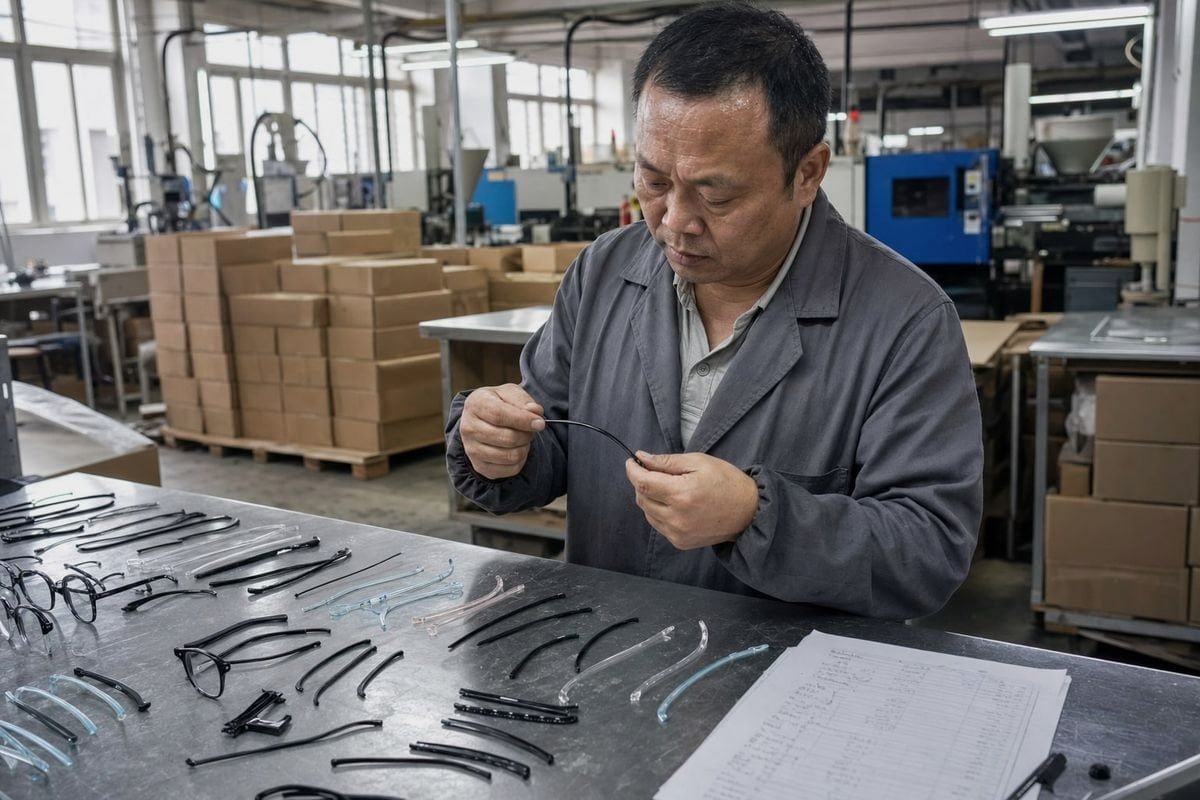
バイヤーは、子供用メガネに使用されるバイオベース素材や[リサイクル素材](https://okayeyewear.com/kids-sunglasses-frames-made-recyclable-materials-are-from/)が実際にどれだけ耐久性があるのか、私によく尋ねてきます。当社の台州生産ラインでは、毎週その疑問を検証しています。.
子供用メガネにおけるバイオベース素材とリサイクル素材は、耐久性を最優先する場合に非常に効果的です。最新のバイオベースTPEE、TR90のバリアント、バイオアセテートは、従来のプラスチックと同等の柔軟性と耐衝撃性を持ちながら、二酸化炭素排出量を30〜65%削減します。それらの弱点は、日々の性能ではなく、終末処理のリサイクルインフラです。.
その簡単な答えには多くのニュアンスが隠されています。以下では、安全性、柔軟性、コスト、そしてサプライヤーの主張をどのように検証するかという、B2Bバイヤーが最もよく尋ねる4つの質問について詳しく説明します。.
バイオベースのTPEEとTR90は、子供向けの安全性と耐久性において従来のプラスチックと比較してどうですか?
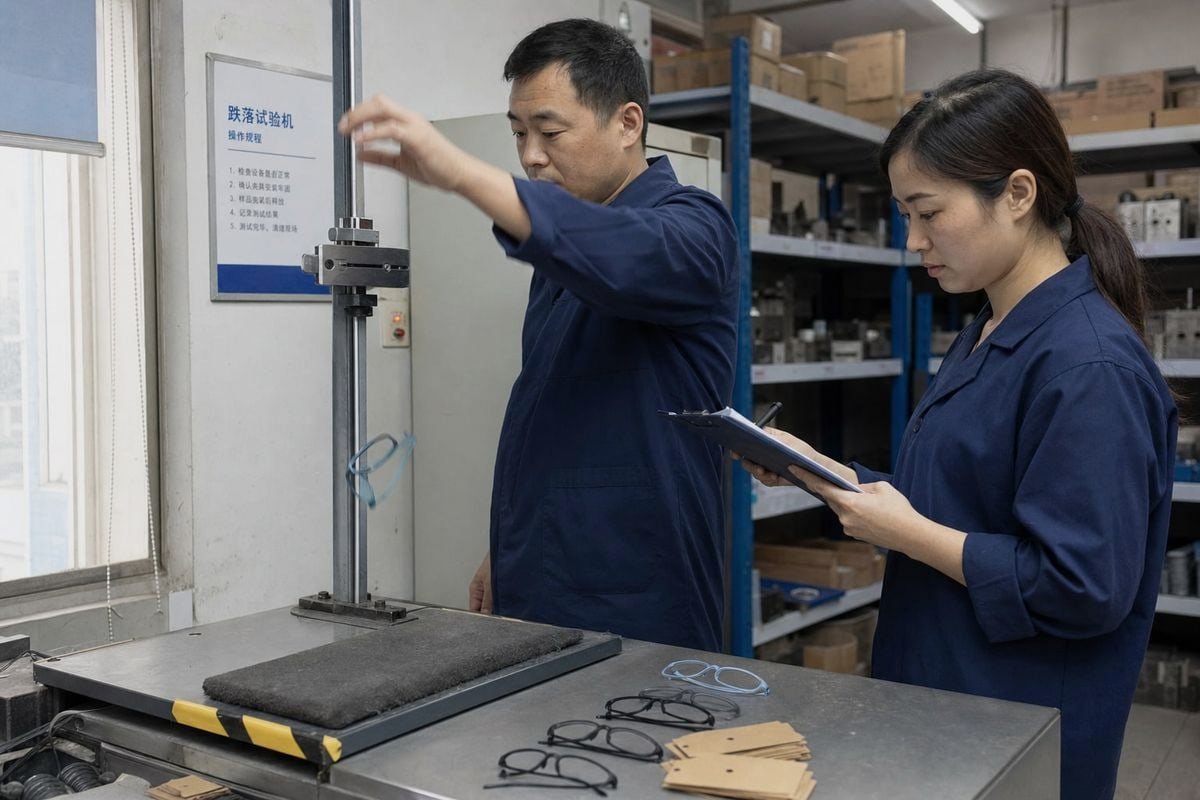
昨年の落下試験セッション中に、当社のQCチームはバイオベースのサンプルを当社の 標準TR90フレーム. と比較しました。どちらも1メートルの高さからの繰り返し落下に耐えたのを見て、クライアントへの持続可能なメガネ製造の売り込み方が変わりました。.
バイオベースのTPEEおよびTR90代替品は、子供用フレームの耐衝撃性、柔軟性、形状記憶性において、従来のプラスチックに匹敵するようになりました。通常、BPAフリー、フタル酸フリー、低アレルギー性であり、低コストの石油系プラスチックよりも子供の肌に安全で、日常的な摩耗での耐久性の低下もありません。.
素材が実際に何であるかについて、率直に申し上げましょう。TR90は 熱可塑性ポリアミド 1 で、その「曲がるが壊れない」特性で知られています。多くの場合、 ひまし油ベースのポリマー 2, を基盤とするバイオベースバージョンは、同じ分子強度を維持しながら、化石原料の大部分を再生可能な入力に置き換えています。TPEEは、幼児用スタイルのテンプルやフルソフトフレームに使用される柔軟なエラストマーです。そのバイオベースグレードは、当社の柔軟性試験でほぼ同じように機能します。.
安全性においては、新しい素材が本当に優位に立っています。安価な合成フレームには、BPA、フタル酸エステル、または鉛ベースの安定剤が含まれている場合があります。これは、子供の顔に1日10時間装着される製品としては許容できません。バイオベース樹脂と 植物由来セルロースアセテート 3 は、よりクリーンな化学で配合されています。新しいバイオアセテートは、発達中の皮膚バリアに優しい植物由来またはクエン酸ベースの可塑剤さえ使用しています。.
直接比較
| プロパティ | 従来のTR90 | バイオベースTR90代替品 | バイオベースTPEE | 安価な汎用プラスチック |
|---|---|---|---|---|
| 耐衝撃性 | 素晴らしい | 素晴らしい | 素晴らしい | 不良〜普通 |
| 柔軟性/形状記憶性 | 非常に高い | 非常に高い | 最高 | 低 |
| 低刺激性 | 通常 | はい | はい | 保証なし |
| BPAフリープラスチック | はい | はい | はい | しばしば検証されていない |
| 再生可能含有量 | 0% | 通常40〜65% | グレードによる | 0% |
| UVによる黄変リスク | 低 | 有機安定剤による低減 | 低 | 高い |
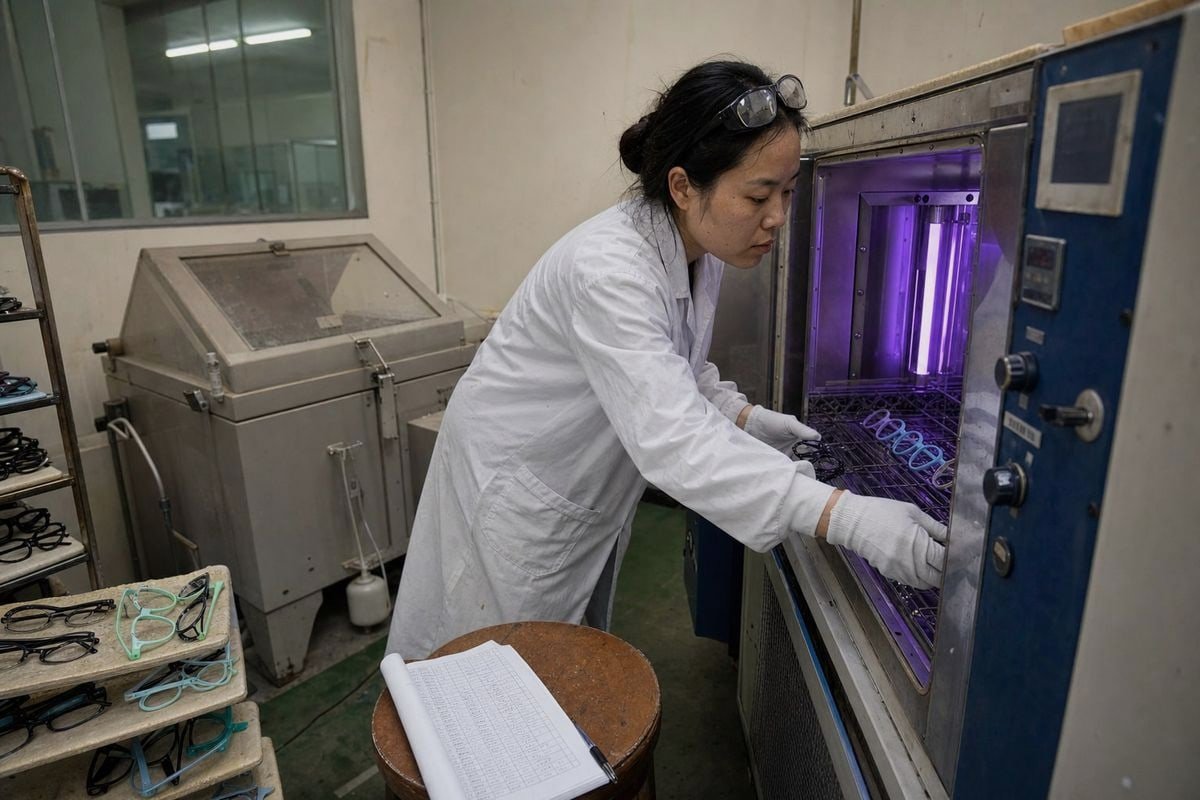
当社の経験からの注意点として、初期世代の持続可能な素材は、色の堅牢性や耐薬品性が低いことがありました。新しいグレード、特に有機UV安定剤でエンジニアリングされたバイオポリアミドは、そのギャップを大幅に埋めました。これは、強い太陽の下で屋外でメガネを着用する子供たちにとって重要です。素材証明書だけでは全体像は決して把握できないため、当社は承認前にすべての新しいバイオベースバッチに対して塩水噴霧、汗、UVエイジングテストを実施しています。.
リサイクル可能なアイウェア素材は、私のブランドがアクティブな子供向けに必要とする柔軟性を依然として提供できますか?
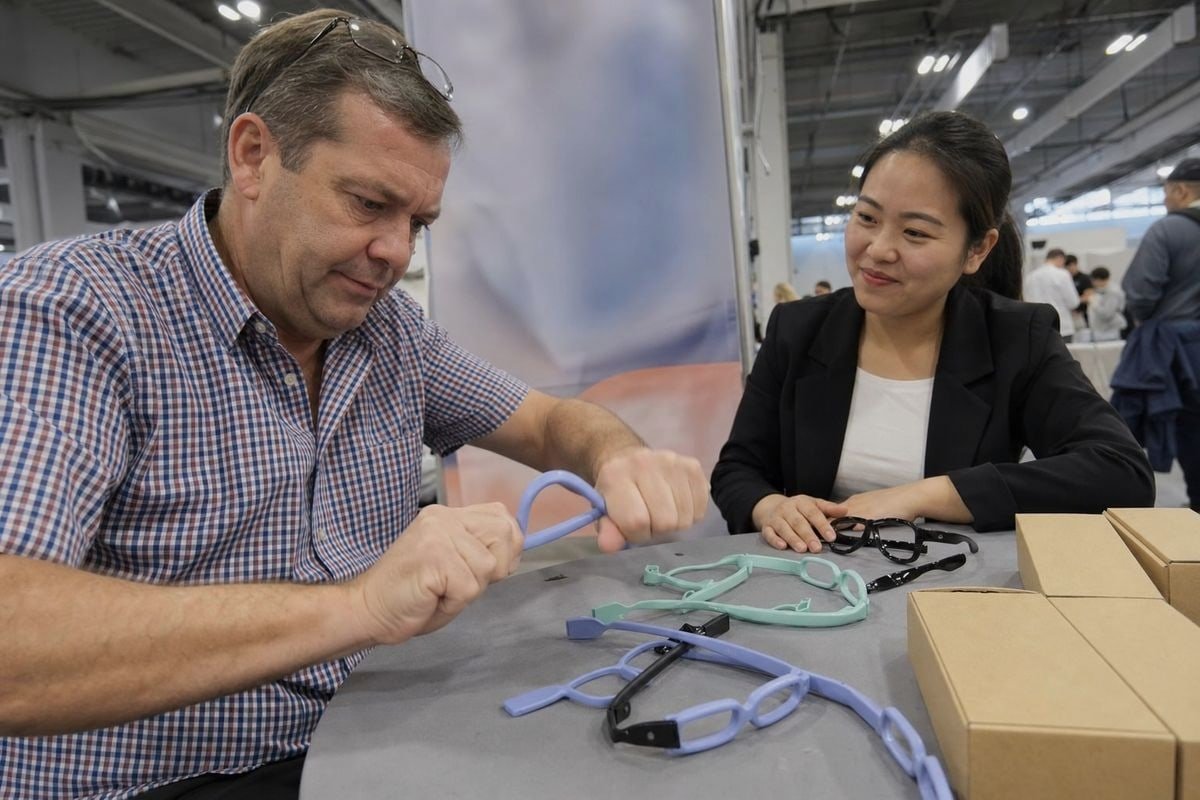
オーストラリアのバイヤーが、以前トレードフェアで、当社のリサイクル素材テンプルサンプルの1つを目の前で完全なループにねじりました。彼はそれを壊そうとしていました。彼は壊すことができず、注文をしました。.
はい。モノマテリアルTR90、リサイクルポリアミド、高品質rPETなどのリサイクル可能な素材は、樹脂品質が管理されていれば、アクティブな子供たちが求める柔軟性を提供します。適切に加工されたリサイクルおよびリサイクル可能なポリマーは、バージン素材の柔軟性性能の90%以上を維持し、モノマテリアル設計は実際の回収可能性を向上させます。.
子供用メガネでは、柔軟性は譲れません。子供たちはメガネをかけたまま寝たり、座ったり、片手で外したりします。承認する素材はすべて、白くなったりひび割れたりすることなく、テンプルの接合部で数千回の屈曲サイクルに耐える必要があります。したがって、正直な質問は「リサイクル可能か?」ではなく、「リサイクルまたはリサイクル可能なグレードが同じ屈曲仕様を満たしているか?」です。"
15年間、当社のワークショップで柔軟な素材を扱ってきた経験から学んだことは次のとおりです。樹脂の品質はサプライヤーによって大きく異なります。例えば、使用済みrPETは、 汚染レベル 4 や素材が經過した熱サイクルの回数によって、見事に機能することもあれば、ひどく機能することもあります。アップサイクルされた海洋プラスチックは、素晴らしいサステナビリティのストーリーを持ち、実際の廃棄物を埋立地から転用していますが、より厳格な受け入れ検査が必要です。当社は、溶融フローの一貫性チェックに失敗したバッチを拒否します。なぜなら、樹脂の一貫性がなければ、ヒンジでのフレーム耐久性も一貫しないからです。.
柔軟性とリサイクル可能性を保護する設計上の選択
- モノマテリアル構造。. A frame made entirely of one polymer family flexes predictably and is far easier to re-pelletize later.
- ネジなしまたは最小限の金属ヒンジ。. 混合材料が少ないほど、故障点が少なくなり、分解が容易になります。.
- TR90フロントのTPEEテンプルチップ。. 当社の最も人気のあるハイブリッドは、子供たちが必要とする柔らかくグリップ力のある快適さを維持しながら、両方の素材が個別に回収可能であることを保証します。.
- 応力集中部での厚い断面。. リサイクル樹脂は、アグレッシブな薄肉設計よりも、わずかに余裕のある壁厚をより良く許容します。.
There is also a quieter benefit worth mentioning. Bio-based polymers shed fewer persistent micro-plastics 5 under the high-friction abuse of playgrounds and school bags. For brands marketing to health-conscious parents, that is a story with real substance behind it, not just a green label.
環境に優しい素材への切り替えは、私の生産コストや最低注文数量に影響しますか?
Cost is the first thing procurement managers ask me about, usually within five minutes of a sampling call. So let me give you the numbers the way I give them to our clients.
バイオベースまたはリサイクル樹脂は、標準的なプラスチックと比較して10〜40%の材料費プレミアムが見込まれますが、完成フレームレベルでは通常5〜15%の増加に留まります。既存の金型やスタイルを使用する場合、MOQは変更されません。新しい金型を開発する場合とは異なります。.
The premium exists for understandable reasons. Renewable feedstocks like castor beans and wood pulp cost more to source at scale. Certification adds cost. Production runs for specialty resins are smaller, so per-kilo prices run higher. But material cost is only one slice of a finished frame. Labor, lenses, hinges, packaging, and QC do not change when you switch resin. That is why the finished-unit impact is much softer than the raw-material premium suggests.
MOQ is where many brands worry unnecessarily. The real MOQ driver in eyewear is tooling, not material. If a supplier already runs bio-based grades through existing molds — we currently offer around 800 existing styles that can be produced in eco-friendly materials — you can test the market with a modest first order and zero mold investment. New custom tooling is where minimums climb, regardless of material choice.
Cost impact breakdown
| コスト要因 | Standard plastics | Bio-based / recycled switch | Practical impact |
|---|---|---|---|
| Raw resin | ベースライン | +10–40% | 中程度 |
| Molds / tooling | ベースライン | No change (existing styles) | アクティブな子供のための安全性 |
| 人件費と組み立て | ベースライン | No change | アクティブな子供のための安全性 |
| Certification / documentation | ミニマル | わずかに高い | 低 |
| Finished frame price | ベースライン | Roughly +5–15% | Manageable |
| Retail positioning | 標準 | Supports premium pricing | Often positive |
Here is the commercial upside our clients report back to us. Sustainable eyewear carries a well-documented retail price premium, and parents in markets like Europe, Japan, and Australia increasingly expect a lower carbon footprint 6 story from kids' brands. Several of our customers found the eco-material upcharge more than paid for itself in margin and shelf differentiation. Some are now exploring circular economy models — take-back and refurbish programs that fit naturally with how fast children outgrow frames.
子供用アイウェアのサプライヤーのサステナビリティに関する主張が本物であることをどのように確認しますか?
Early in my export career, a competitor's "biodegradable" frames turned out to be ordinary plastic with a green hangtag. That incident taught me why serious buyers audit claims, and why we welcome it.
マテリアルデータシート、ASTM D6866テストなどのバイオコンテンツ認証、BPAおよびフタル酸エステル非含有の第三者検査機関のレポート、工場監査を要求することにより、サステナビリティに関する主張を検証します。正規のサプライヤーはバッチごとに追跡可能な文書を提供します。書類のない曖昧な主張は、最も明白な警告サインです。.
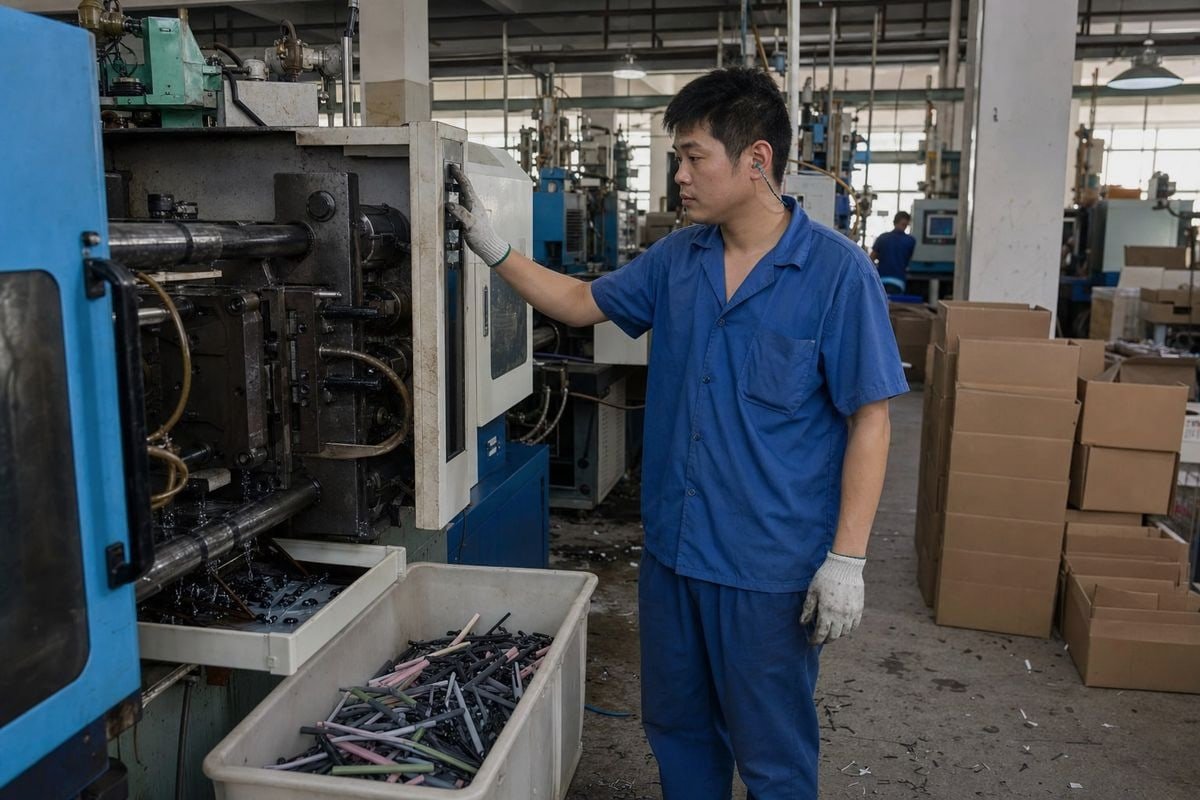
Greenwashing is the biggest risk in this category, and I say that as someone selling eco-materials. The word "bio-based" legally means very little on its own. A frame with 20% renewable content and a frame with 65% renewable content can wear the same label. Similarly, "biodegradable" claims often rely on industrial composting standards 7 — controlled conditions of heat, moisture, and microbes that no landfill or home compost bin replicates. Biodegradable resins are real, but the claim must specify the standard and timeframe, such as verified biodegradation over 120–180 days under certified composting conditions.
Recyclability claims deserve equal scrutiny. A polymer can be technically recyclable while the finished frame is practically unrecyclable, because hinges, screws, coatings, and lenses block standard municipal processing. Ask how the frame is designed for disassembly, not just what resin it uses.
A verification checklist that works
| 依頼内容 | 登録番号 | してきましたが、バイヤーが早期に適切な書類を求めることで、ほぼすべての下流の問題を回避できることを学びました。注文する前に要求することをお勧めします。 |
|---|---|---|
| Resin technical datasheet | Exact polymer grade and bio-content percentage | Supplier can't name the resin producer |
| ASTM D6866 or equivalent test | Measured renewable carbon content | Only marketing language, no lab data |
| SGS/lab reports for BPA, phthalates, lead | Clean chemistry for hypoallergenic frames | Reports older than 12–18 months |
| EN 71 / CE / FDA compliance docs | Child-product safety compliance | Certificates that don't match the product |
| バッチトレーサビリティ記録 | Claims apply to your order, not a sample | One-time certificate reused forever |
| Factory audit or video tour | Real production, not trading-company markup | Refusal to show the workshop |
From our side of the table, we keep material traceability by batch and share test documentation with every eco-material order, because our buyers in twenty-plus countries face their own retailers’ compliance questions. A supplier who hesitates to open the workshop, name the resin source, or repeat a lab test on your specific production run is not a partner — they are a risk. Sustainability in kids' eyewear only means something when the paperwork, the polymer, and the product all tell the same story.
結論
Bio-based and recyclable materials now deliver real durability, safety, and marketing value in kids' eyewear. Choose proven resins, verify every claim, and partner with a factory that tests, not just talks.
脚注
1. Wikipedia entry explaining the chemical structure and properties of polyamides like TR90. ↩︎
2. Explains how castor oil is used as a renewable feedstock for high-performance polymers. ↩︎
3. Authoritative overview of cellulose acetate, a common plant-derived material in eyewear. ↩︎
4. EPA data on plastic recycling and the impact of contamination on material quality. ↩︎
5. Authoritative Wikipedia entry detailing the persistence and environmental impact of microplastics. ↩︎
6. Comprehensive Wikipedia overview of carbon footprinting and its environmental significance. ↩︎
7. Official ASTM standard for labeling plastics designed to be aerobically composted in municipal facilities. ↩︎
 English
  Español de México
  Deutsch
  Français
  日本語
日本語  العربية
  Português do Brasil