How to Disinfect Kids’ Eyewear Without Damaging Lenses and Frames?
Disinfecting kids’ eyewear sounds simple until a wipe [clouds a lens coating](https://okayeyewear.com/?p=5811). On our production line in Taizhou, we see returned samples ruined by the wrong cleaner every season.
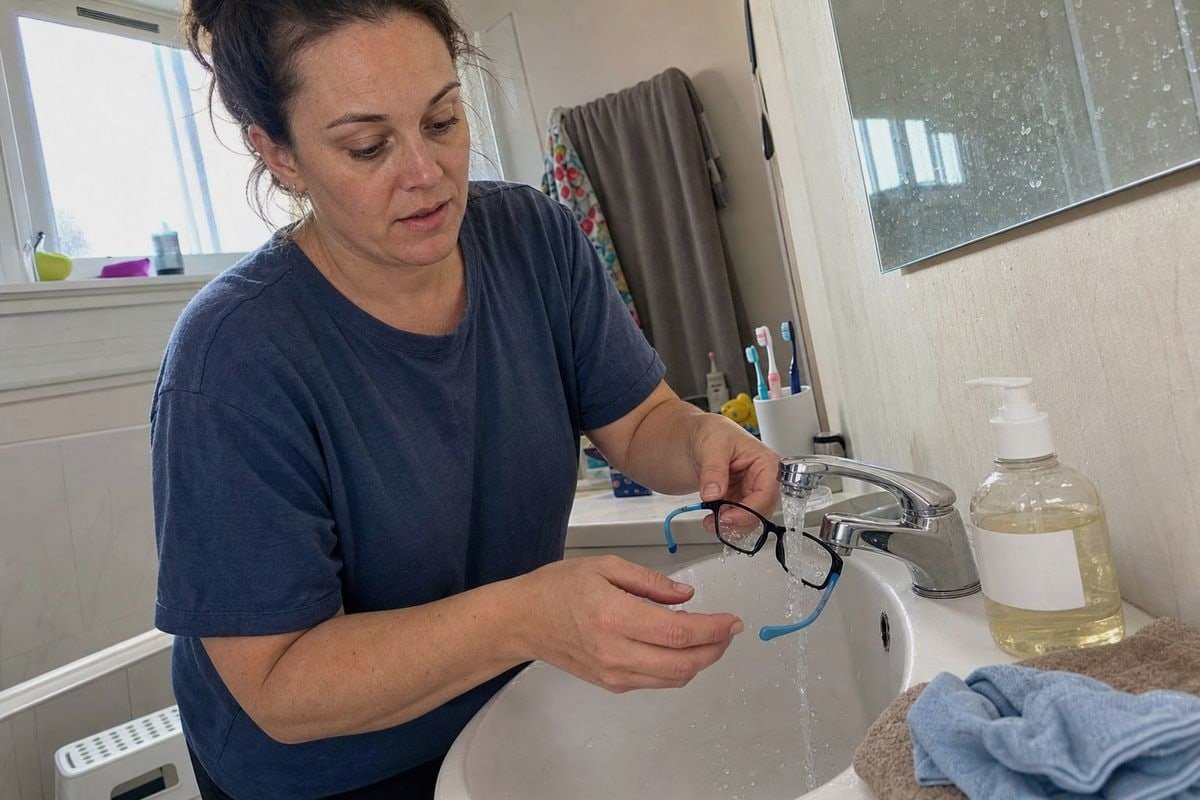
To disinfect kids’ eyewear safely, rinse frames under lukewarm water, wash with a drop of lotion-free mild dish soap, rinse again, and dry with a microfiber cleaning cloth. For extra disinfection, use only eyewear-safe wipes or sprays approved for coated lenses and plastic frames.
That is the short answer. But the details matter, especially for children’s frames made from flexible materials. Let me walk you through what actually works, and what quietly destroys eyewear.
What Cleaning Methods Are Safe for TR90 and TPEE Kids' Frames?
During a QC round last year, our team soaked a batch of TR90 sample frames in a harsh solvent to test resistance. The finish dulled within hours. That test shaped our care guidance.
Safe methods for TR90 and TPEE kids' frames are lukewarm water, lotion-free mild dish soap, gentle fingertip rubbing, and microfiber drying. Avoid hot water, bleach, ammonia, acetone, and prolonged solvent contact, because these can warp flexible frames, fade colors, or degrade the material's surface finish.
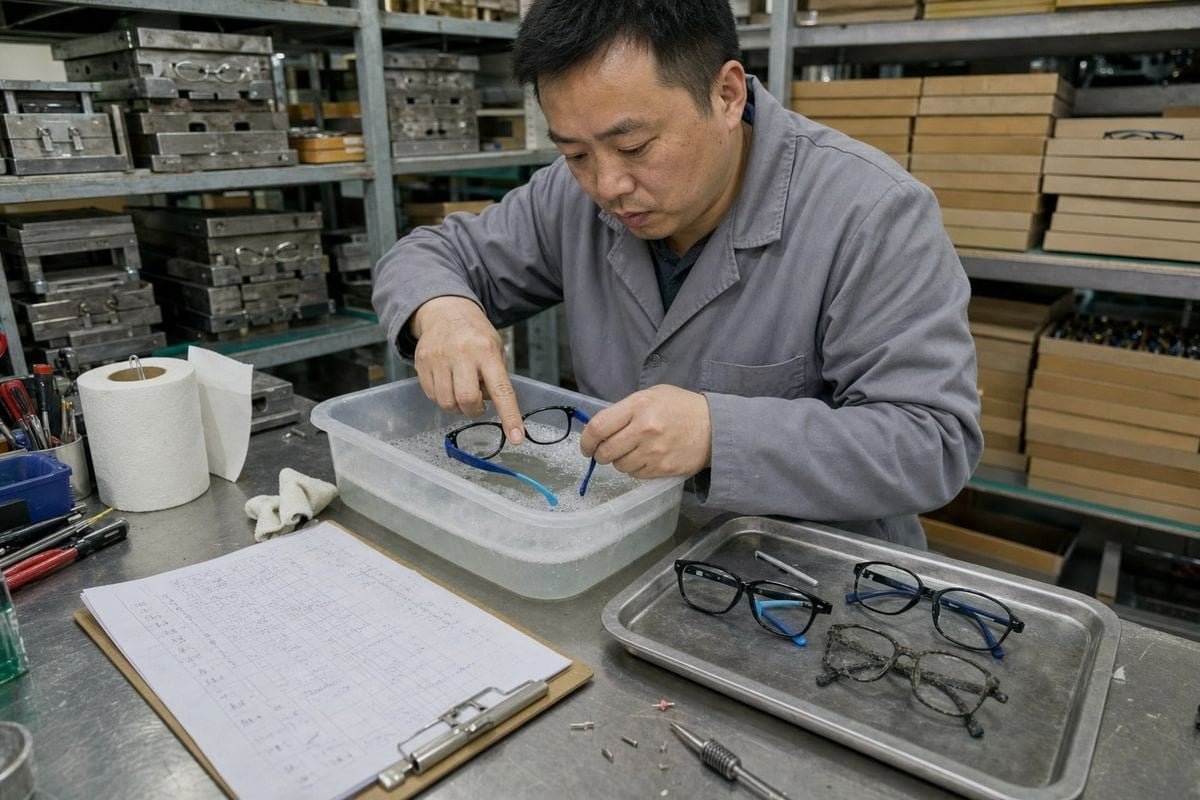
TR90 and TPEE are excellent materials for children. They flex, they bounce back after drops, and they sit softly on small faces. That is exactly why we build most of our roughly 800 styles around them. But flexibility comes from polymer chemistry, and that chemistry has limits. Heat and harsh chemicals are the two enemies.
Why Lukewarm Water Is Non-Negotiable
Hot water can soften TR90 and stress the bond between the frame and polycarbonate lenses 1. Cold water works but dissolves oils poorly. Lukewarm water is the consensus sweet spot. It flushes away playground grit before you touch the lens, which prevents micro-scratches. Always rinse first. Never wipe dry dust off a lens.
The Soap-and-Water Routine
One small drop of mild dish soap 2, free of lotions and moisturizers, breaks down nose oils, sunscreen, and food residue. Rub gently with clean fingertips. Pay attention to hinges, silicone temple tips, and nose pads, because flexible textured surfaces trap residue in ways flexible elastomer materials 3 rigid acetate frames do not.
| Method | TR90 Frames | TPEE Temples | Silicone Tips |
|---|---|---|---|
| Lukewarm water + mild dish soap | Safe | Safe | Safe |
| Hot water (above 40°C) | Risk of warping | Risk of deforming | Generally tolerant |
| Ammonia or bleach cleaners | Damages finish | Degrades material | Discolors |
| Ultrasonic cleaner (professional) | Safe if lens-approved | Safe | Check pad seating |
An ultrasonic cleaner at an optical shop can deep-clean hinges safely, but home solvent soaks cannot.
Can I Use Alcohol Wipes or UV Sanitizers Without Damaging the Lens Coating?
A distributor in Australia once asked us why demo lenses on his shelf stock turned hazy. His staff had been using strong alcohol wipes daily. The anti-reflective coating 4 never stood a chance.
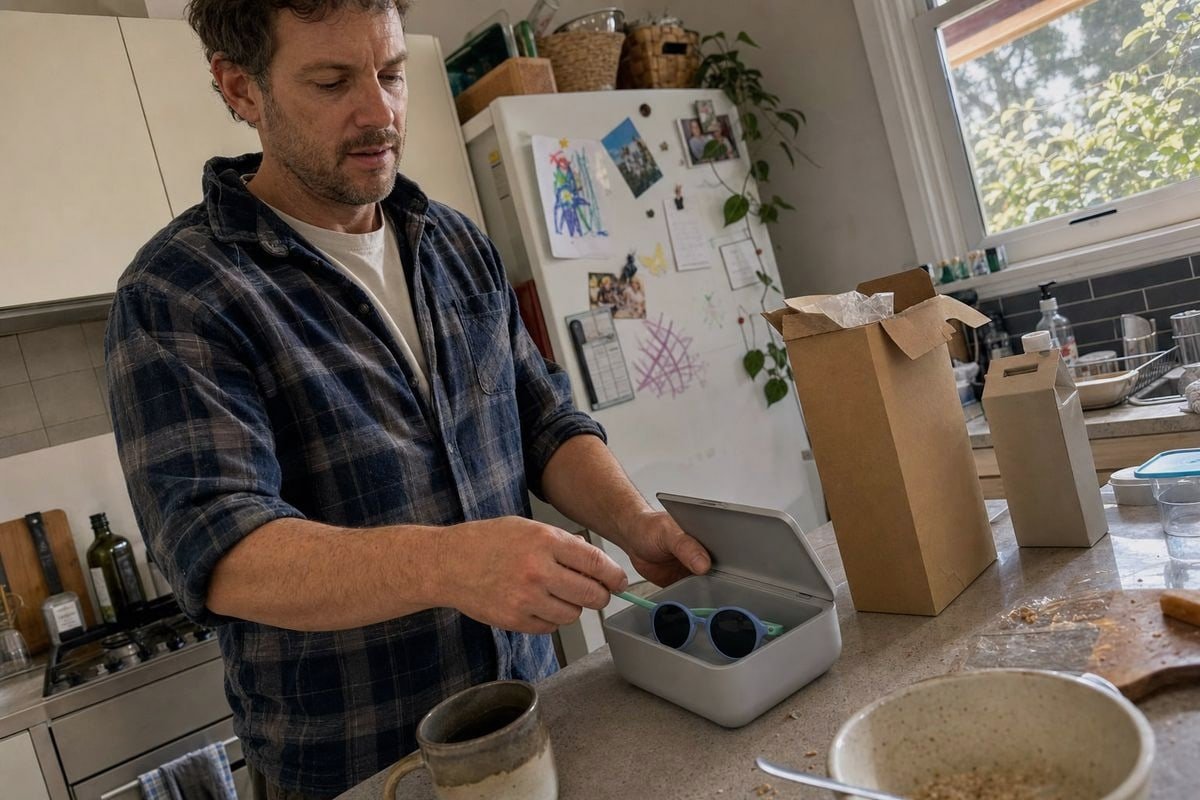
Alcohol wipes are risky on coated lenses; high-strength isopropyl alcohol can degrade anti-reflective and anti-fog coatings over time. Diluted alcohol may be acceptable on frame surfaces only, if the manufacturer approves. UV-C light sanitizers are generally coating-safe when used briefly and correctly.
The confusion here is understandable. Alcohol wipes work well on phones and door handles, so parents and retail staff reach for them instinctively. Post-pandemic hygiene habits made this worse. But eyewear is not a phone screen. Modern kids' lenses usually carry an anti-reflective coating, a hard scratch-resistant layer, and sometimes an anti-fog treatment. These layers are microns thick.
How Alcohol Attacks Coatings
Repeated exposure to concentrated isopropyl alcohol 5 can dry out and micro-crack coating layers. The damage is cumulative. One wipe looks harmless. Fifty wipes over a school term leaves visible haze. Polycarbonate lenses themselves also stress-craze under some solvents, especially at the edges where the lens meets the frame.
| Sanitizing Option | Lens Coating Safety | Frame Safety | Our Verdict |
|---|---|---|---|
| 70%+ alcohol wipes | Risky, cumulative damage | Can dull glossy finishes | Avoid on lenses |
| Diluted alcohol (frame only) | N/A if kept off lenses | Usually acceptable | Manufacturer-approved only |
| Eyewear-safe disinfecting wipes | Safe by design | Safe | Best convenience option |
| UV-C light sanitizer | Generally safe, brief cycles | Safe | Good for frequent sanitizing |
| HOCl (hypochlorous acid) spray | Gentle, coating-safe | Safe | Good medical-grade option |
Safer Alternatives That Actually Disinfect
A dedicated lens cleaning solution handles daily cleaning. For genuine disinfection after illness, an eyewear-safe wipe, an HOCl spray, or a short UV-C cycle covers the need without chemical contact. In our lab checks on coated demo lenses, gentle methods left no measurable haze; aggressive solvent wiping did.
How Should I Train Staff or Retail Buyers to Care for Eyewear Before Sale?
In our experience exporting to buyers in over twenty countries, most pre-sale damage happens in the stockroom, not in shipping. Untrained handling costs margin quietly.
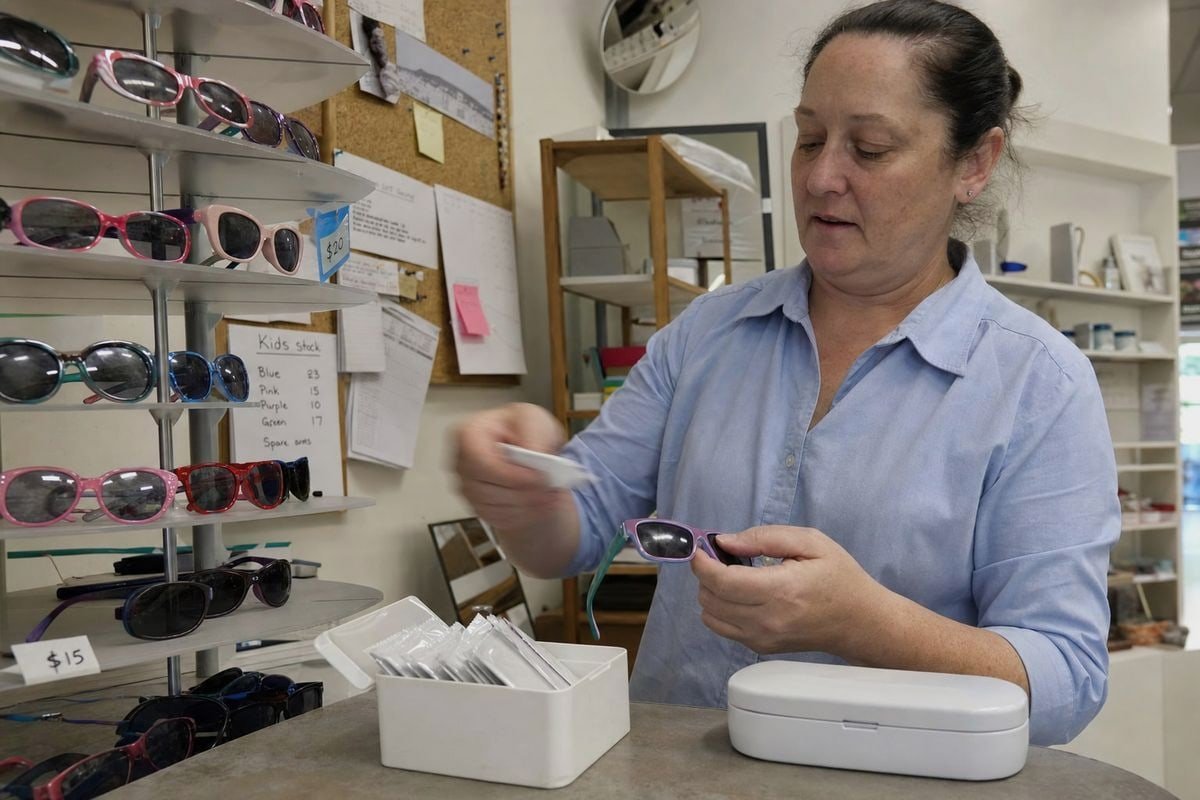
Train staff with a simple written protocol: handle frames with clean hands, clean demo pairs using mild dish soap and water, dry with dedicated microfiber cloths, never use paper towels or household sprays, and store eyewear in cases away from heat and direct sunlight.

Retail buyers and floor staff are the last people to touch the product before a parent does. If a demo pair looks smudged or a lens shows swirl marks, the perceived quality drops instantly, no matter how good the frame is. So we encourage every brand we supply to build eyewear care into onboarding, not leave it to common sense.
A Simple Five-Step Staff Protocol
- Wash hands before handling stock or fitting frames on children.
- Rinse demo pairs under lukewarm water at the start of each day.
- Clean with one drop of mild dish soap, rinse, and shake off water.
- Dry using the double-microfiber protocol: one cloth for frames, a second pristine cloth for lenses, to prevent cross-contamination of skin oils.
- Sanitize try-on pairs between customers with eyewear-safe wipes or a UV-C light sanitizer, never alcohol on lenses.
What to Ban Outright
Put these in writing: no paper towels, no tissues, no shirt sleeves, no breath-fogging, no glass cleaner, no ammonia sprays. Each acts like sandpaper or solvent on delicate coatings. We include a laminated care card with our retail-ready packaging for exactly this reason. Staff follow what they can see. A card taped near the display case beats a training memo nobody rereads. For optical retailers working alongside pediatric optometry clinics, aligned protocols also reassure parents that hygiene is taken seriously at every touchpoint.
What Disinfection Guidelines Should I Include in My Product Packaging or Manual?
When we developed our OEM packaging program, one lesson stood out: parents follow the care card in the box far more than any website page. The insert does the teaching.
Your packaging or manual should include a step-by-step soap-and-water cleaning routine, a clear list of banned chemicals, guidance on when true disinfection is needed, approved disinfection methods for your specific materials, and a recommendation to consult an optician when in doubt.
A good care insert protects three things at once: the child's glasses, your warranty costs, and your brand reputation. Vague instructions like "clean regularly" invite parents to improvise with baby wipes or vinegar. Specific instructions prevent that. Here is the content structure we recommend to brands ordering custom packaging from us.
Core Sections Your Care Card Needs
| Section | What to Include | Why It Matters |
|---|---|---|
| Daily cleaning | Rinse, mild dish soap, microfiber cleaning cloth | Prevents scratches from dry wiping |
| Do-not-use list | Alcohol on lenses, bleach, ammonia, vinegar, acetone, hot water | Blocks the most common damage causes |
| When to disinfect | After illness, shared use, or visible contamination | Stops unnecessary daily sanitizing |
| Approved disinfection | Eyewear-safe wipes, HOCl spray, brief UV-C cycles | Gives parents a safe path |
| Wear-part replacement | Replace silicone nose pads and ear socks periodically | Removes biofilm cleaning cannot reach |
| Storage | Hard case, away from car dashboards and heat | Protects flexible frames from warping |
Tailor It to Your Materials
Guidelines must match the actual product. Advice written for acetate frames does not transfer directly to TPEE temples with silicone tips. If your line includes polarized sunglasses 6, mirrored shield lenses, or an anti-reflective coating on optical pairs, say so on the card and adjust the banned list accordingly. Through our ODM service, we adapt the care copy, translate it for your market, and print it to fit your box format, so the guidance ships with every unit rather than living on a forgotten webpage.
Conclusion
Wrong disinfectants quietly destroy kids' eyewear. Soap, lukewarm water, microfiber, and eyewear-safe sanitizers protect it. Build that routine into your care cards, and contact us for material-matched guidance.
Footnotes
1. Replaces 404 link with high-authority medical source from the American Academy of Ophthalmology. ↩︎
2. Authoritative guidance on the chemical properties of mild dish detergents. ↩︎
3. Replaces 403 link with authoritative Wikipedia entry on therm
More Articles You Might Like

Looking for a Reliable Kids Eyewear Partner?
Explore 800+ ready styles and full OEM/ODM support tailored to your brand.
Get in Touch English
  Español de México
  Deutsch
  Français
  日本語
日本語  العربية
  Português do Brasil