How to Prevent Kids’ Eyewear from Fogging Up in Winter or Sports?
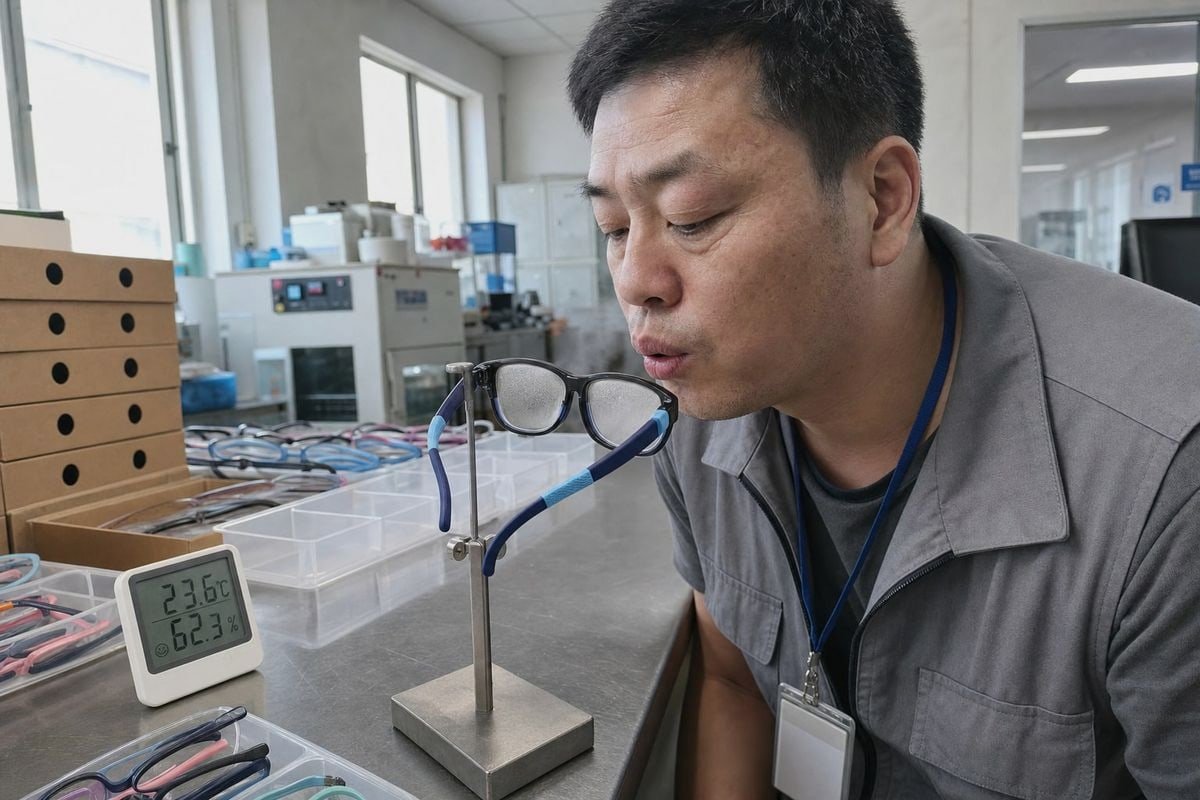
Every winter, buyers ask our factory how to prevent kids’ eyewear from fogging up. Foggy lenses frustrate children, worry parents, and trigger returns that damage a brand’s reputation fast.
To prevent kids’ eyewear from fogging up, combine anti-fog lens coatings, ventilated frame designs, and a proper fit that allows airflow behind the lenses. Add good habits — gentle microfiber cleaning, dry storage, and keeping warm breath away from the lens — for reliable results.
Fogging is not a “bad glasses” problem. It is a heat, moisture, and airflow problem. Let me walk you through what causes it and how to design against it.
What Causes Kids' Sunglasses and Optical Frames to Fog Up in Cold or Active Conditions?
During a QC review at our Taizhou workshop, we breathed on sample lenses in a chilled test room to compare fogging. The physics surprised even some of our experienced team members.
Kids' eyewear fogs up when warm, humid air from breathing or sweat meets a colder lens surface, causing condensation on lenses. Poor airflow, tight-fitting frames, scarves, masks, and helmets trap moisture near the face, which makes the fogging faster and heavier.

The science is simple. Warm air holds more water vapor than cold air. When a child's warm breath touches a lens that is colder than the surrounding air, that vapor condenses into thousands of tiny droplets. Those droplets scatter light, and the lens turns white.
Why Children Fog Up More Than Adults
Children face this problem more often than adults, and there are clear reasons why. In our fitting tests with kids' head forms, we see three recurring factors.
| Factor | Why It Increases Fogging |
|---|---|
| Smaller face shapes | Lenses sit closer to the cheeks and nose, trapping exhaled air |
| Active breathing during play | Kids exhale harder and more often during sports, pushing more moisture upward |
| Loose or ill-fitting frames | Frames that slide down channel breath directly behind the lens |
| Winter accessories | Scarves, balaclavas, and masks funnel warm air toward the eyes |
| Helmets and hoods | They block natural airflow that would normally clear moisture |
Winter Fogging vs. Sports Fogging
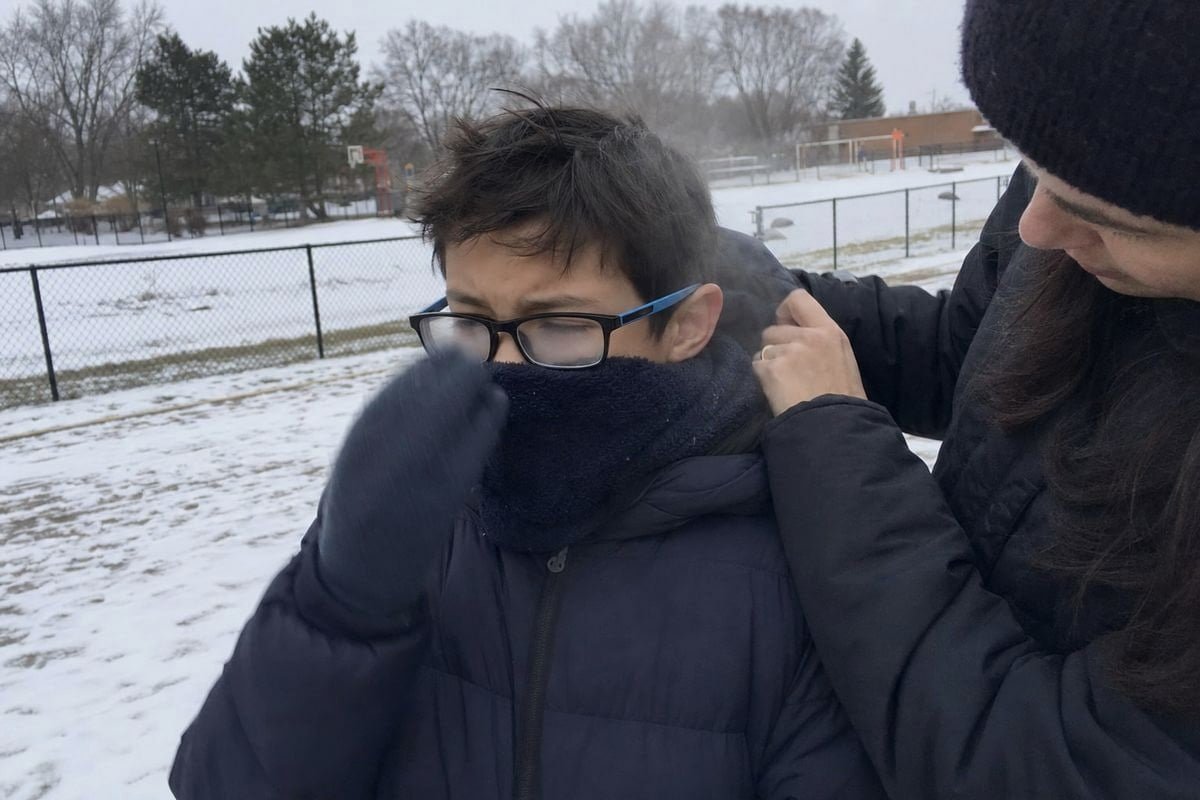
Winter fogging and sports fogging are the same basic problem in different conditions. Cold-weather fogging comes from rapid temperature swings 1 — a child walks from a warm house into freezing air, and the lens temperature lags behind. Sports fogging comes from exertion. Sweat and heavy breathing raise humidity around the face even in mild weather.
There is one more hidden cause. If a lens already has an interior anti-fog lens coating 2, harsh rubbing or aggressive cleaning can strip it. We have inspected returned samples where a damaged coating made fogging worse than an untreated lens. Understanding these causes tells you exactly where to intervene: materials, coatings, fit, and habits.
Which Frame Materials and Lens Coatings Help Prevent Fogging During Winter or Sports Use?
One trade-off we weigh constantly in development: a coating that resists fog perfectly may cost more per lens, while a cheaper spray-dependent lens frustrates parents within weeks.
Anti-fog coated polycarbonate lenses paired with lightweight TR90 or TPEE frames offer the best fog resistance for kids. Plastic frames avoid the cold-sink effect of metal, while factory-applied hydrophilic or hydrophobic treatments stop droplets from forming or clustering on the lens.
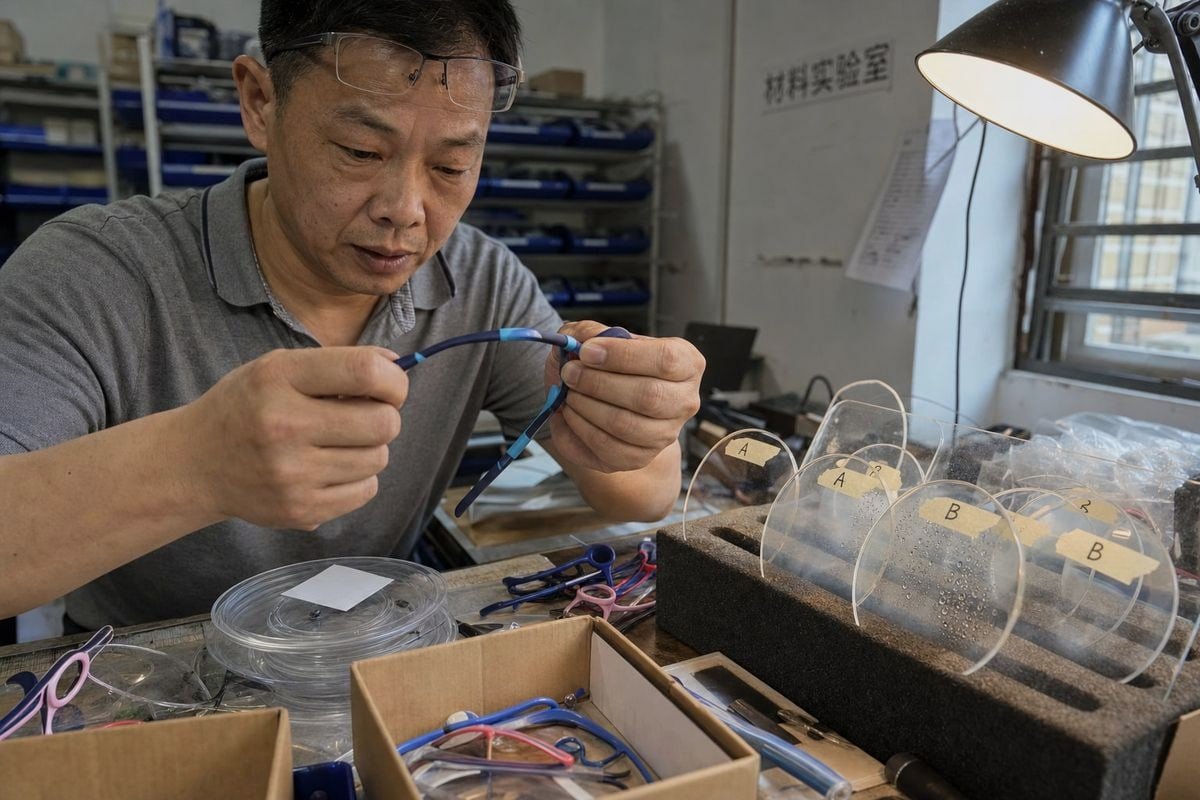
Material choice matters more than most buyers expect. Metal frames conduct heat away from the lens edges quickly. This "cold-sink" effect chills the lens and accelerates condensation. That is one reason we build almost all our children's lines in TR90 and TPEE. These flexible plastics insulate better, stay comfortable in cold weather, and survive the drops and twists of active kids.
Comparing Lens Treatment Options
On the lens side, you have three main paths. Here is how we explain the trade-offs to buyers developing a winter or sports line.
| Treatment Type | How It Works | Durability | Best For |
|---|---|---|---|
| Factory anti-fog coating (hydrophilic) | Absorbs moisture into an invisible layer so droplets never form | 1–2 years with gentle care | Frequent sports use, ski goggles |
| Hydrophobic treatment | Repels water so droplets sheet off instead of clustering | Moderate; often combined with anti-fog layers | Rain, snow spray, splash sports |
| Anti-fog spray for glasses or wipes | Temporary film applied by the user | Hours to days; needs reapplication | Occasional fogging, retrofit fixes |
Some suppliers now offer hydrophilic lens materials with moisture-absorbing molecules built into the substrate itself, rather than a surface layer. These resist wear better, but they cost more and suit premium performance lines rather than everyday optical frames.
Why Polycarbonate Is the Default for Kids
For children’s sports eyewear, polycarbonate lenses 3 remain our standard recommendation. They are impact-resistant, lightweight, and accept anti-fog and UV400 treatments 4 well. Combined with a flexible TR90 front 5 and TPEE temples, you get a package that handles cold, sweat, and rough play without becoming a safety risk. One caution: always confirm whether a lens already carries a factory coating before adding sprays, because some spray chemistries degrade existing treatments.
How Can I Work with My Manufacturer to Add Anti-Fog Features to Our Kids' Eyewear Designs?
A distributor in northern Europe once came to us after a winter season of complaints. We rebuilt their line with coated lenses and vented temples, and their return rate dropped noticeably the next year.
Work with your manufacturer by specifying anti-fog coatings at the quotation stage, requesting fogging tests on pre-production samples, and choosing existing ventilated styles to avoid mold costs. A capable OEM/ODM partner can combine coatings, frame venting, and adjustable fit into one retail-ready product.
Adding anti-fog performance is a specification decision, not an afterthought. If you raise it during sampling instead of at the quote stage, you lose time and often pay for a second sample round. Based on fifteen years of running our production line, here is the process I recommend to buyers.
A Step-by-Step Development Path
- Define the use case first. Tell your supplier whether the eyewear targets winter commuting, skiing, or team sports. Each scenario points to a different coating and venting balance.
- Choose from existing styles where possible. We keep roughly 800 existing styles in our catalog, so brands can select a frame shape already suited to airflow and add anti-fog lenses without investing in new molds. This lowers launch risk dramatically for new brands.
- Specify the lens package clearly. State whether you need UV400, polarized, or prescription-ready polycarbonate lenses, and whether the anti-fog lens coating goes on the inner surface, outer surface, or both.
- Request a fogging test on samples. A simple steam-breath test over warm water reveals coating performance in minutes. Ask for video documentation if you cannot visit the factory.
- Lock in care instructions for packaging. Anti-fog coatings need gentle care. We help buyers add a microfiber cleaning cloth and printed care card to retail packaging, which protects the coating and reduces warranty claims.
- Confirm QC checkpoints. Ask how the factory verifies coating adhesion and consistency across the production run, not just on the golden sample.
Custom options go further. We regularly adjust temple flexibility, add adjustable nose pads 7 for better standoff distance, and tune vent placement on wraparound sports styles — all under the buyer's own branding. The key is treating anti-fog as a system: lens, frame, fit, and packaging working together.
What Ventilation or Design Adjustments Reduce Fogging Without Compromising Comfort and Safety?
Early in developing one wraparound shield style, we learned a hard lesson: oversized vents cleared fog beautifully but let cold wind sting a child's eyes. Balance is everything.
Effective anti-fog design uses small vents at the frame top and temples, a lens positioned slightly away from the face, and adjustable nose pads to fine-tune airflow. These changes clear moisture continuously while keeping impact protection, UV coverage, and comfort intact for children.

Ventilation works because moving air carries moisture away before it can condense. But children's eyewear cannot simply copy adult cycling glasses. Kids have smaller nose bridges, softer skin, and less tolerance for wind or pressure. Every design adjustment must respect safety first.
Design Adjustments That Actually Work
| Adjustment | Fogging Benefit | Safety and Comfort Consideration |
|---|---|---|
| Top-edge brow vents | Release rising warm air before it reaches the lens | Keep vents small so debris and UV leakage stay controlled |
| Temple channel vents | Create cross-flow behind the lens during movement | Round all edges; no sharp cutouts near the face |
| Increased lens standoff | Larger air pocket resists saturation | Do not push lenses so far out that side protection drops |
| Adjustable nose pads | Let parents raise the frame for more airflow | Use soft silicone, not hard PVC, for child skin |
| Flexible TPEE temples | Prevent over-tight fit that seals in warm air | Flexibility also prevents injury during falls |
Sport-Specific and Winter-Specific Choices
For high-exertion sports, ventilated frames or purpose-built sports goggles for kids outperform standard optical frames. Wraparound shield designs, like the sport styles on our line with mirrored polycarbonate lenses, pair a wide field of view with brow venting that channels air across the inner lens surface. For children who need corrective lenses, prescription sports eyewear with vented rims solves fogging and vision in one product, instead of layering goggles over regular glasses.
Winter needs different tuning. Foam-sealed or moisture-chamber styles suit extreme cold and heavy foggers, though they are a specialty solution rather than a universal one. Simpler habits help everyone: teach kids to exhale downward toward the chin, avoid scarves that funnel breath upward, pre-warm eyewear in an inner jacket pocket, and never park goggles on a warm forehead or helmet before use. Also remind parents to blot moisture rather than rub the inner lens, and to dry eyewear fully before storing it — trapped dampness in a case degrades coatings over time.
Conclusion
Foggy lenses drive returns and frustrate families. The fix is a system: anti-fog coatings, ventilated flexible frames, proper fit, and smart habits — designed in from day one.
Footnotes
1. Explains how rapid changes in temperature and humidity lead to condensation. ↩︎
2. Technical overview of chemicals and treatments used to prevent condensation. ↩︎
3. Authoritative source on the safety and durability of polycarbonate in eyewear. ↩︎
4. Standard for blocking ultraviolet radiation to protect children’s eyes from sun damage. ↩︎
5. Defines the flexible plastic materials used for durable, insulating eyewear frames. ↩︎
6. Explains how metal frames conduct heat and contribute to lens fogging. ↩︎
7. Professional overview of eyeglass components and fitting for optimal vision. ↩︎
More Articles You Might Like

Looking for a Reliable Kids Eyewear Partner?
Explore 800+ ready styles and full OEM/ODM support tailored to your brand.
Get in Touch English
  Español de México
  Deutsch
  Français
  日本語
日本語  العربية
  Português do Brasil