How to Manage Slow-Selling Kids Optical Frame Sizes While Keeping Them in Stock?
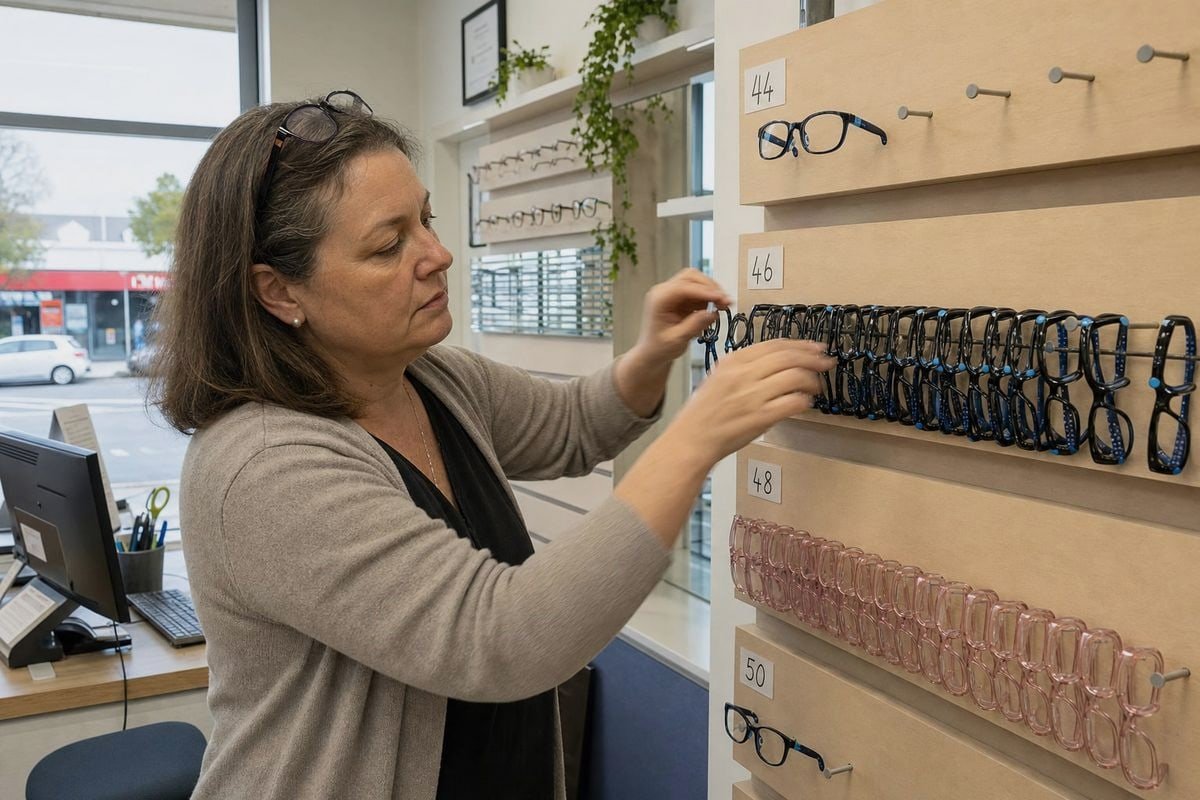
Managing slow-selling kids optical frame sizes is a problem our production team in Taizhou hears about constantly from optical buyers across 20+ countries.
Manage slow-selling kids optical frame sizes by stocking core sizes deep, keeping secondary sizes at minimal depth, and moving rare sizes to special order. Use sell-through data, weekly reorder cadence, low-MOQ restocking, and a flexible OEM/ODM partner to stay in stock without dead inventory.
The problem is real. Families want an immediate pediatric eyewear fitting 1, so you must carry a size range. But rare sizes tie up cash and rot on the board. Here is how to balance both. I will walk through dead stock reduction, MOQ strategy, forecasting, and how the right factory partnership changes the math.
How can I reduce dead stock risk when ordering a full size range of kids optical frames?
A buyer from Australia once asked us to ship equal quantities of every eye size from 42 to 52. We talked her out of it, and her sell-through numbers thanked us later.
Reduce dead stock risk by weighting your order toward proven core sizes, capping fringe sizes at sample depth, tracking SKU-level sell-through monthly, and setting exit rules like a six-month reassessment window. Never order flat quantities across a full size range.
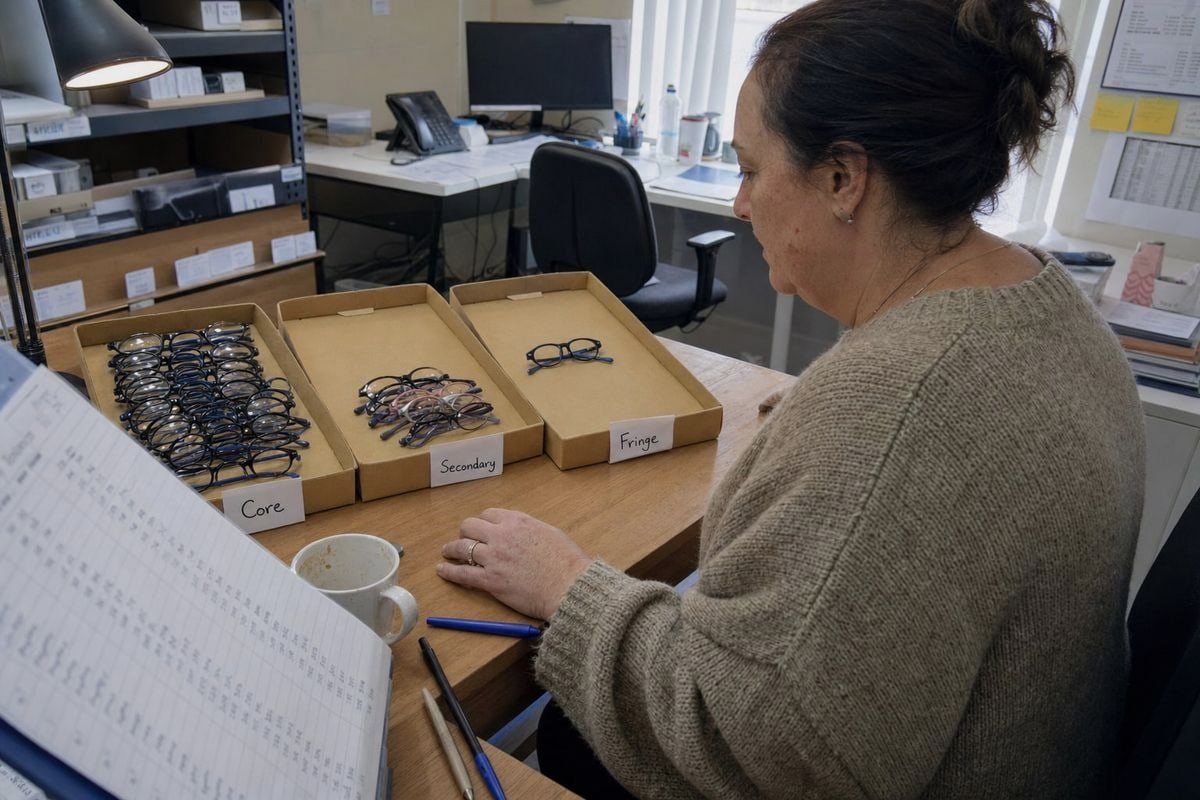
The biggest mistake we see in purchase orders is symmetry. Buyers order 50 pieces of every size because it feels safe and complete. But eye size distribution in children is not flat. Demand clusters around a middle band, and the tails move slowly. When we help brands plan an assortment from our ~800 existing styles, we always suggest a weighted pyramid, not a flat wall.
The three-bucket sizing framework
Sort every kids' size into one of three buckets before you place an order:
| Bucket | Typical sizes | Stock depth | Review cadence |
|---|---|---|---|
| Core | 46–48 (varies by market) | Full depth, multiple colors | Weekly reorder |
| Secondary | 44–45, 49–50 | One display + one backup | Biweekly review |
| Fringe | 42–43, 51+ | Display sample only, order on demand | Monthly review |
The pediatric band of roughly 44 to 50 is a sensible starting point, but your own dispense data should refine it. Practices with strong toddler traffic will shift the core downward. Practices fitting pre-teens shift it upward.
Set exit rules before you buy
Dead stock is not created at the shelf. It is created at the purchase order. So write your exit rules in advance. A practical benchmark is six months: if a size has not moved in six months, it goes to a clearance rotator, a bundle promotion, or a donation program. Dead stock liquidation is far less painful when it happens early and in small quantities. A one-in, one-out rule also helps. Every new frame added to the board should push an underperformer off it. That discipline keeps your Umschlagsrate des Lagerbestands 2 closer to the respectable 3x-per-year target that optical inventory guidance repeatedly cites.
Finally, remember that flexible materials 3 reduce fit risk. Our TR90 frames with TPEE temples flex to accommodate a wider range of head widths and bridge and temple measurements, which means one size can genuinely fit more children. That alone shrinks the number of slow sizes you need to carry.
What MOQ options can help me restock slow-moving frame sizes without overcommitting?
Trade-offs around minimum order quantities 4 come up in almost every negotiation we handle. Buyers want small, frequent top-ups for slow sizes, while factories want efficient runs. There is a workable middle ground.
Use mixed-size MOQs, open-stock reordering from existing styles, and small-batch replenishment agreements. A flexible factory can let you combine multiple sizes and colors within one MOQ, so you restock slow movers in units of 20–50 pieces instead of committing to full production runs.
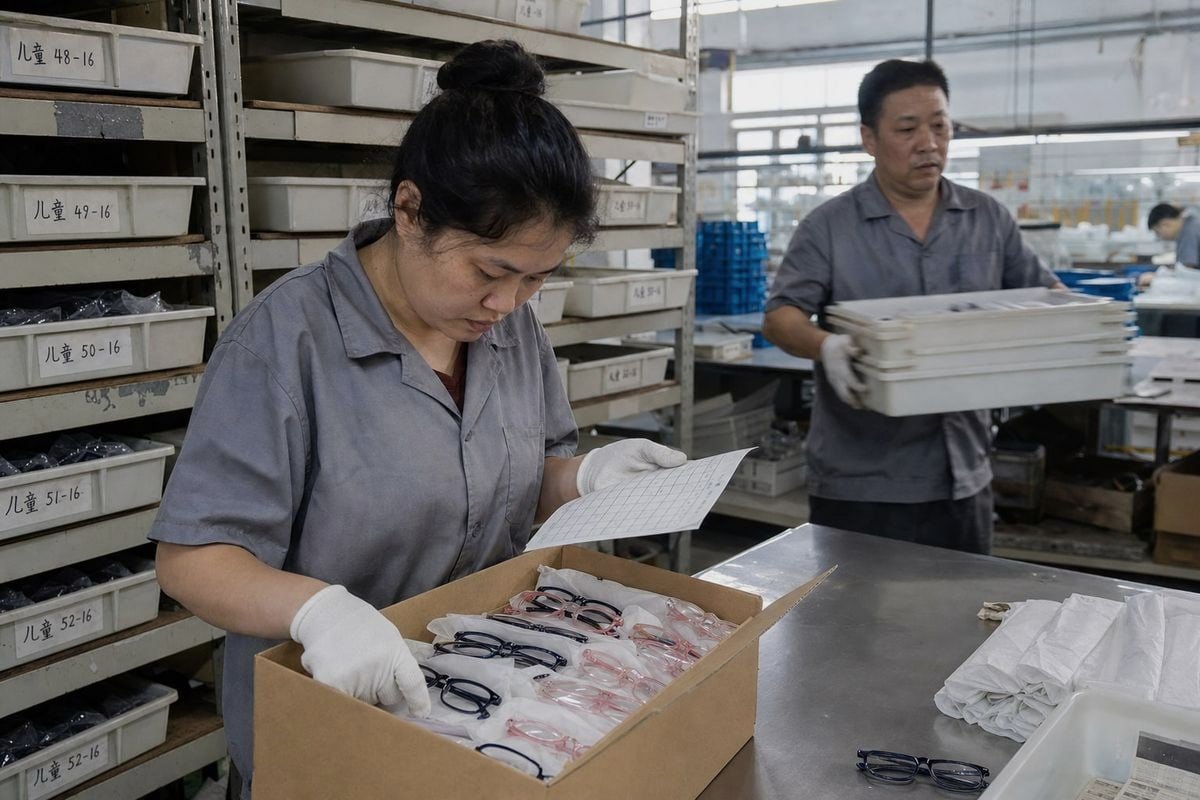
The reason MOQs punish slow sizes is simple. A standard MOQ assumes you need volume of one SKU. But a slow-moving size 44 in pastel pink might only sell a handful of units per quarter. Committing to hundreds of pieces of that exact SKU is how dead stock is born. The fix is to restructure how the MOQ is counted, not to fight the MOQ itself.
MOQ structures that protect you
| MOQ model | Wie es funktioniert | Sie handhaben |
|---|---|---|
| Mixed-size MOQ | One MOQ split across several sizes of the same style | Keeping a full size range shallow |
| Open-stock reorder | Small top-ups from a factory's existing style library | Slow sizes needing occasional refills |
| Color-pooled MOQ | One color run split across size variants | Fashion colors in secondary sizes |
| Staged delivery | One PO, shipped in two or three tranches | Testing demand before full commitment |
At our factory, the ~800 existing styles matter here. When a style already exists with tooling, colorways, and tested components, we can run smaller batches economically. That is why we push new brands toward existing molds first. You avoid heavy mold investment, and you gain the freedom to reorder slow sizes in modest quantities as real demand appears.
Pair low MOQs with reorder discipline
Low MOQs only help if your reorder logic is sound. The guidance from optical inventory practice is consistent: reorder on a weekly or biweekly cadence, and reorder only what sold. Keep under-stock of best sellers at 10% or less of total inventory. For slow sizes, hold one display unit plus one backup, and trigger a small mixed reorder only when the backup sells. This "one for show, one to go" approach keeps every size fittable on the board without duplicating depth. Some buyers also negotiate a vendor exchange policy, swapping aged units for fresher styles in the same size category. We support that conversation, because a partner whose stock stays fresh reorders more, not less.
How do I forecast which kids' frame sizes will sell slowly before I place my order?
One lesson our export team learned early: the same style ships in different size mixes to Japan, Germany, and Australia. Pediatric size demand is local, and forecasting starts with your own data, not ours.
Forecast slow sizes by comparing last year's sales share to current inventory share by size, mapping your patient or customer age distribution against size bands, and checking turn rates per SKU. Any size whose stock share far exceeds its sales share will sell slowly.
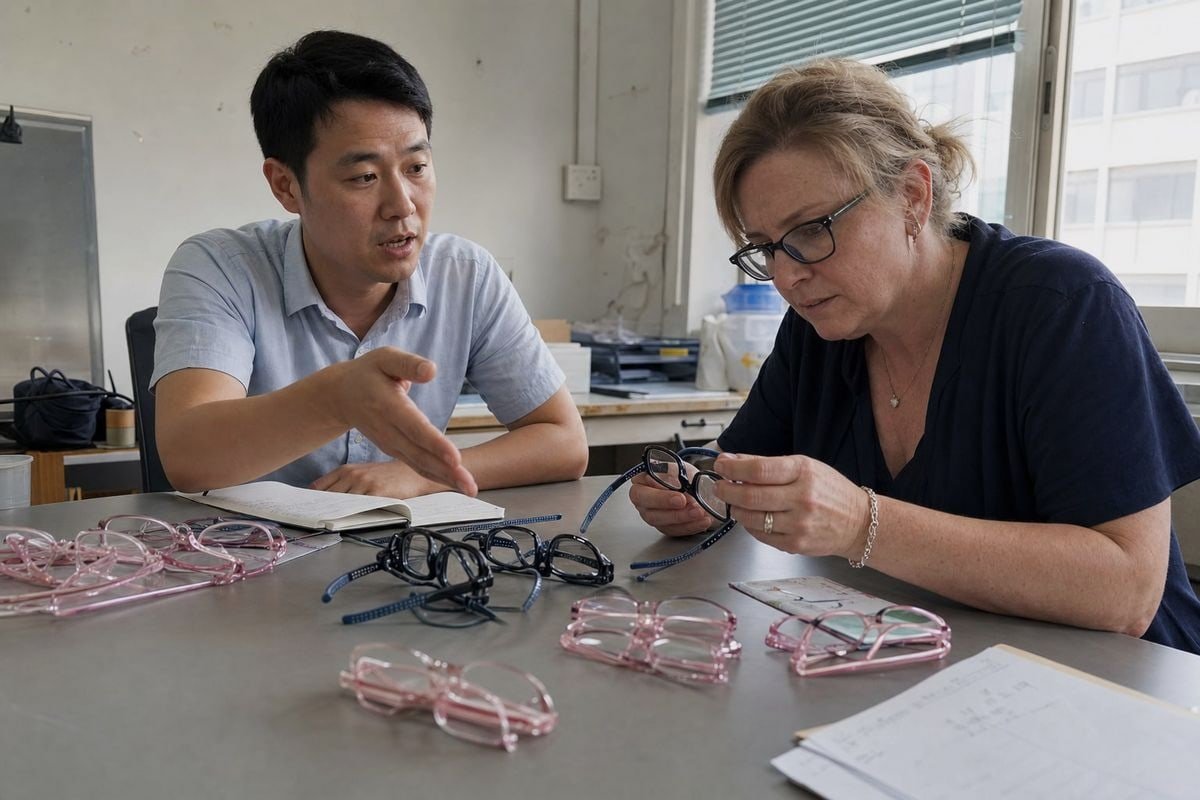
Forecasting sounds complex, but for pediatric frames it comes down to three honest comparisons. Most buyers skip them and order on habit. Do not.
A simple four-step forecast process
- Pull last year's sales by size. Verwenden Sie SKU-level digital tracking 5 so you see exact bridge and eye-size combinations, not just style names. This is the foundation of frame board management.
- Compare sales share to inventory share. If children's frames are 8% of your sales but 20% of your board, your pediatric depth is out of balance. Apply the same math within kids' sizes: if size 50 is 5% of kids' sales but 15% of kids' stock, it is a slow seller in waiting.
- Map your demographics. Align your size mix with the actual age clusters in your customer base. Local school enrollment data 6 can even signal upcoming shifts, since a wave of new primary-school children means demand moving into smaller size bands. Practices that skew older should cut pediatric depth, not expand it.
- Set turn targets per size. Divide expected annual sales in a size by your target inventory turnover rate (around 3x is a fair benchmark). That gives you a maximum stock level for that size. Anything above it is speculative.
Watch the demand signals you already have
Special-order records are a forecasting goldmine. If parents keep requesting a size you do not stock, that size deserves board space. If a stocked size generates zero special orders and slow sell-through, it is a candidate for SKU rationalization. Some retailers also use virtual try-on data 7 to spot frames popular online but overlooked in-store, then move them to high-traffic display spots before writing them off. Forecasting is not prediction. It is disciplined listening to signals you already collect.
Can working with a flexible OEM/ODM factory help me manage inventory across all size ranges?
A distributor in Europe recently told our sales lead, Alan, that his previous supplier forced full-container commitments per size. That single constraint had created most of his dead stock. Changing the supplier relationship changed his inventory problem.
Yes. A flexible OEM/ODM factory helps by offering existing styles with no mold investment, mixed-size low-MOQ reorders, short replenishment lead times, custom size runs matched to your market, and consistent quality control, so you can keep all sizes available without speculative bulk buying.
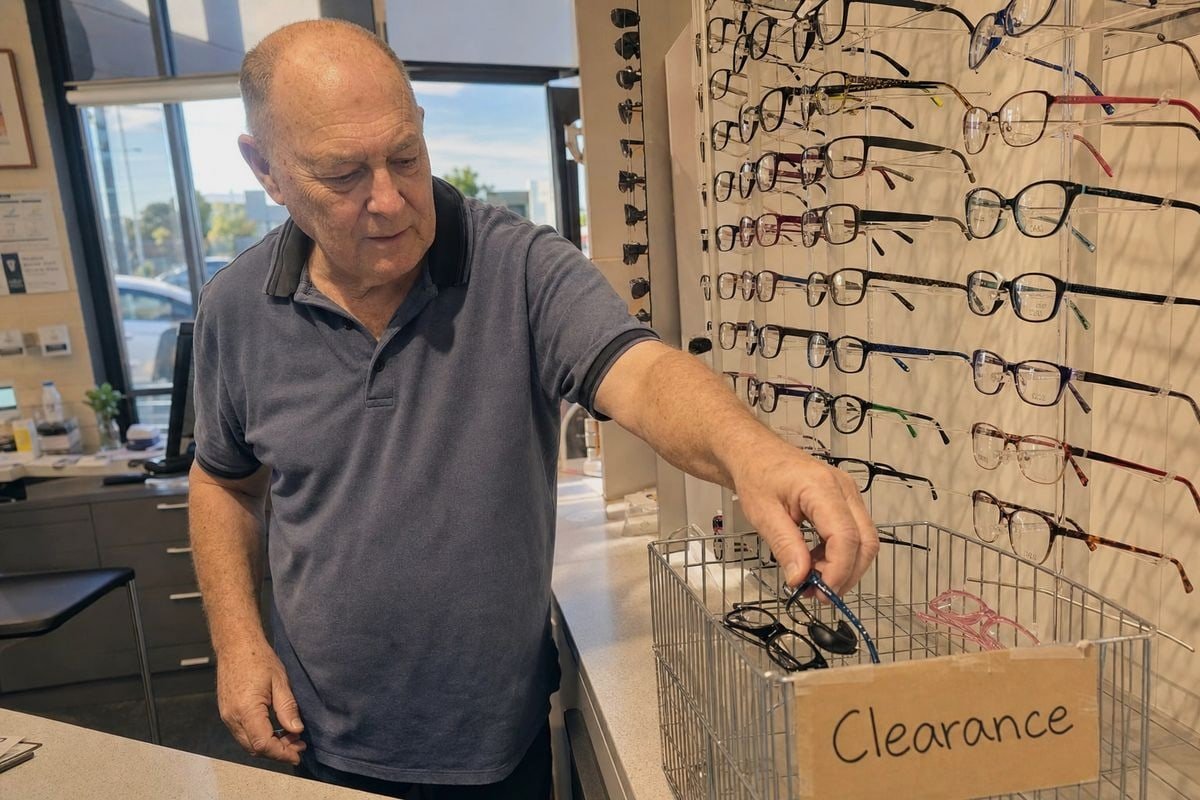
Your inventory risk is shaped upstream, before any frame reaches your board. The factory's flexibility determines how lean you can afford to run. In our 15 years making children's eyewear, we have seen the same pattern repeatedly: buyers with rigid suppliers carry fat, slow inventories, while buyers with responsive partners run lean and reorder often.
Where factory flexibility changes your inventory math
| Inventory problem | Rigid supplier outcome | Flexible OEM/ODM outcome |
|---|---|---|
| Slow size 44 needs a top-up | Wait for full MOQ or overbuy | Small mixed reorder from existing tooling |
| New market, unknown size mix | Guess and commit big | Test with a shallow spread across ~800 styles |
| Size mix wrong after 6 months | Liquidate at a loss | Rebalance next PO; discuss exchange terms |
| Custom colors for core sizes only | All-or-nothing customization | OEM colors on winners, stock colors on fringe |
There is a fair objection here. Some buyers worry that lean ordering weakens their service level, since families expect frames in stock today. We agree, and that is exactly why the answer is not minimal stock at all costs. It is visible, data-backed minimums: every size present for fitting, with depth concentrated where demand is proven. Flexible materials support this too. Our TPEE and TR90 constructions with adjustable ear hooks and silicone hinge connectors stretch each size's effective fit range, which supports optical dispensary optimization with fewer SKUs.
Full OEM/ODM support also lets you customize intelligently. Put your logo, custom colors, and retail-ready packaging on core sizes where volume justifies it. Keep fringe sizes in standard finishes at sample depth. Some partners also explore consignment frame programs for their retail accounts, keeping full ranges visible downstream without upfront capital. A factory that treats you as a long-term partner will help you structure all of this, because your healthy sell-through is our repeat order.
Schlussfolgerung
Availability is not depth. Stock proven kids optical frame sizes deep, keep slow sizes shallow, reorder on data, exit early, and let a flexible factory partner carry the risk with you.
Fußnoten
1. Professional medical guidance on the importance of correct sizing and fit for children’s prescription eyeglasses. ↩︎
2. Authoritative Wikipedia entry defining inventory turnover and its calculation. ↩︎
3. Technical overview of thermoplastic elastomers used to create durable and flexible eyewear frames. ↩︎
4. Explanation of minimum order quantities and their role in manufacturing and supply chain management. ↩︎
5. Standard definition of SKU management and its role in digital inventory tracking systems. ↩︎
6. Primary source for demographic and education statistics used to forecast local market demand. ↩︎
7. Peer-reviewed academic research on AI-based virtual try-on systems for eyewear. ↩︎
Weitere Artikel, die Ihnen gefallen könnten
August 2026
Bio-Based vs Regular Cellulose Acetate: What's the Difference for Kids' Frames?

August 2026
How Recyclable Are Kids' Optical Frame Materials, and What Eco-Friendly Alternatives Exist?
August 2026
Bleichen Kinderbrillengestelle im Lager aus oder altern sie, und wie kontrolliert man die Lagerbedingungen?
Auf der Suche nach einem zuverlässigen Partner für Kinderbrillen?
Entdecken Sie über 800 sofort verfügbare Modelle und umfassenden OEM/ODM-Support, der auf Ihre Marke zugeschnitten ist.
Kontakt aufnehmen English
  Español de México
  Deutsch
  Français
  日本語
日本語  العربية
  Português do Brasil