Kids Eyewear Insights & Industry Updates
Explore articles about TPEE and TR90 materials, kids eyewear safety, OEM/ODM manufacturing tips, and industry trends from OKAY EYEWEAR.
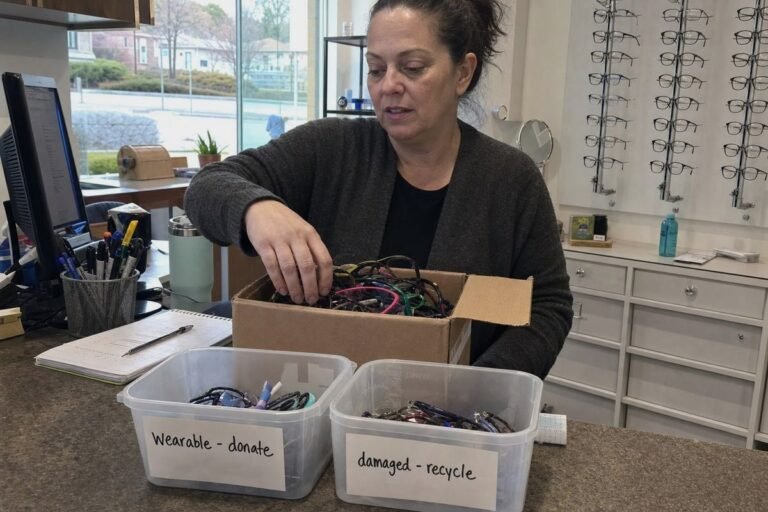
Wie können zu klein gewordene Kinderbrillen recycelt oder wiederverwendet werden?
Erfahren Sie, wohin ausrangierte Kinderbrillen gehen: Spende, TR90/TPEE-Recycling oder kreatives Upcycling – damit alte Brillen nicht auf der Mülldeponie landen.
Read more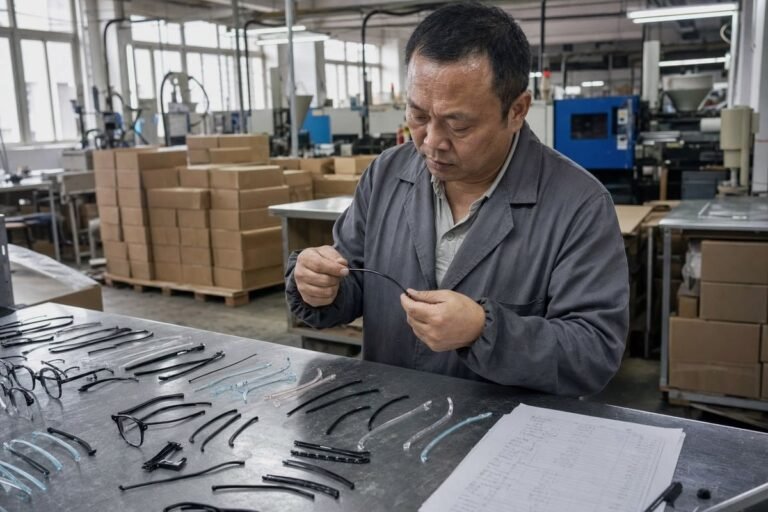
How Effective Are Bio-Based and Recyclable Materials in Kids’ Eyewear?
Kids' eyewear buyers, this is your answer: bio-based, recyclable frames match TR90 durability while cutting carbon footprint by up to…
Read more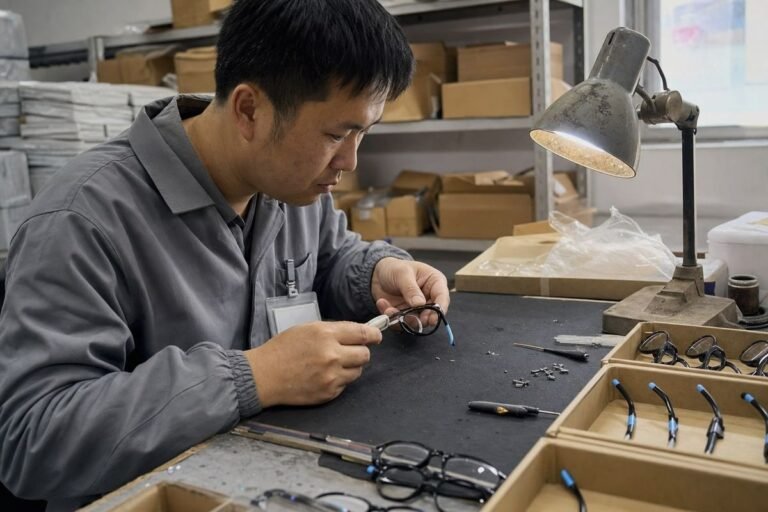
Können Brillengläser nach einer Änderung der Sehstärke für Kinderbrillen ausgetauscht werden?
Full-rim TR90 frames make lens replacement after a prescription change safe and easy for kids eyewear; brittle or semi-rimless designs…
Read more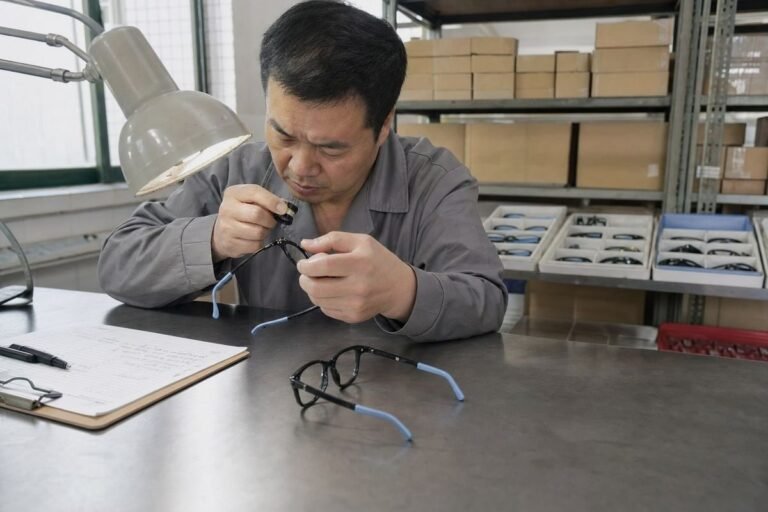
Does Kids’ Eyewear Warranty Cover Frame Breakage?
Kids' eyewear warranties often exclude accidental frame breakage; learn what manufacturer defects, protection plans, and retailer policies actually cover...
Read more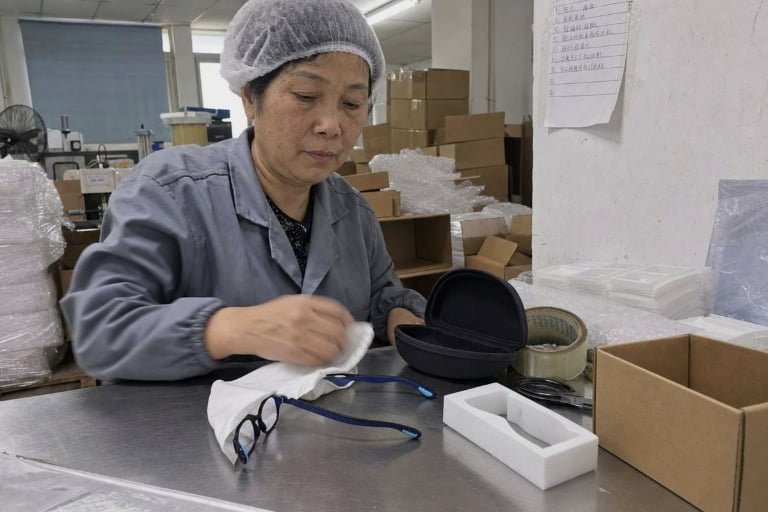
How to Prevent Deformation and Scratches When Shipping Kids’ Eyewear?
Prevent deformation and scratches when shipping kids' eyewear with layered packaging: microfiber pouches, rigid cases, foam inserts, and snug corrugated…
Read more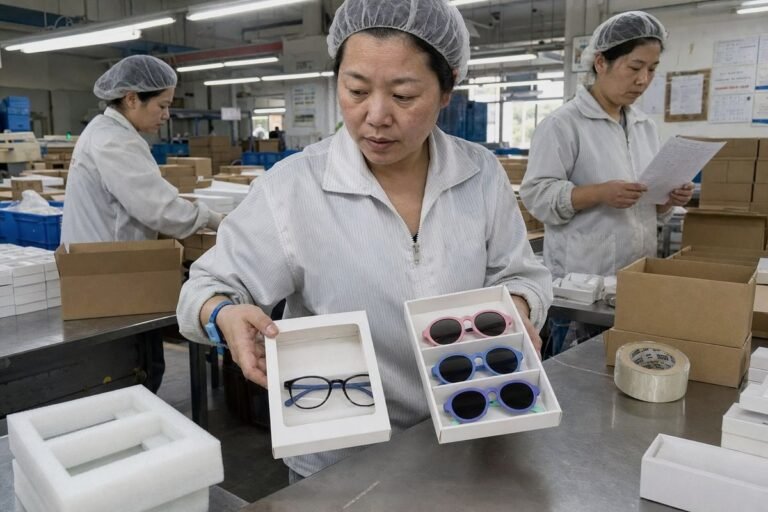
Wie wählt man Einzelpaar- vs. Multipack-Verpackungen für Kinderbrillen?
Struggling between single-pair and multi-pack kids eyewear packaging? Learn how age tier, sales channel, and parent priorities determine the right…
Read more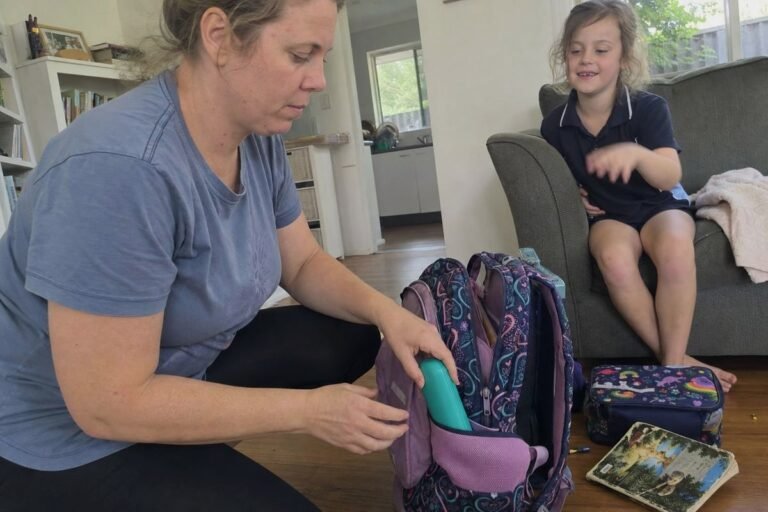
How to Store Kids’ Eyewear and Choose the Right Glasses Case?
Learn how to store kids' eyewear safely and choose a hard-shell glasses case that resists backpack crushing, drops, and scratches…
Read more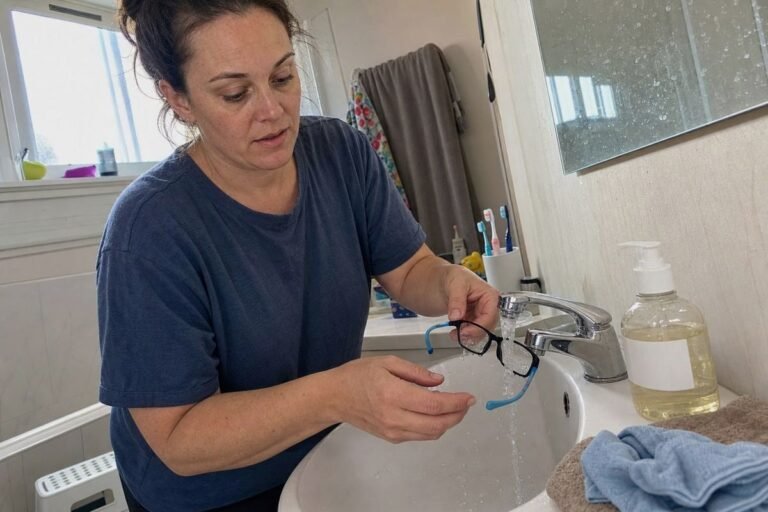
How to Disinfect Kids’ Eyewear Without Damaging Lenses and Frames?
Learn how to disinfect kids' eyewear the right way: safe, dermatologist-approved steps that clean thoroughly without warping frames or clouding…
Read more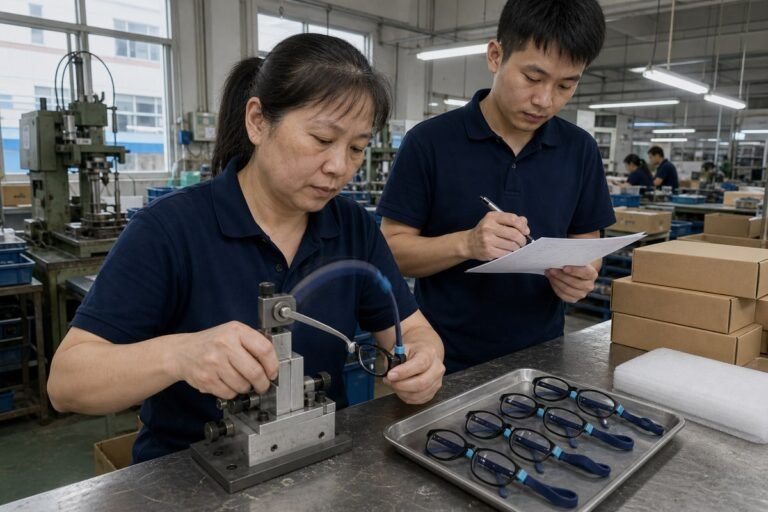
Überprüfung von Lieferanten für Kinder-Optikrahmen: Interne oder externe Inspektion?
Kids optical frames supplier audits work best combining in-house checks for product depth with third-party inspections for CPSIA verification, cutting...
Read more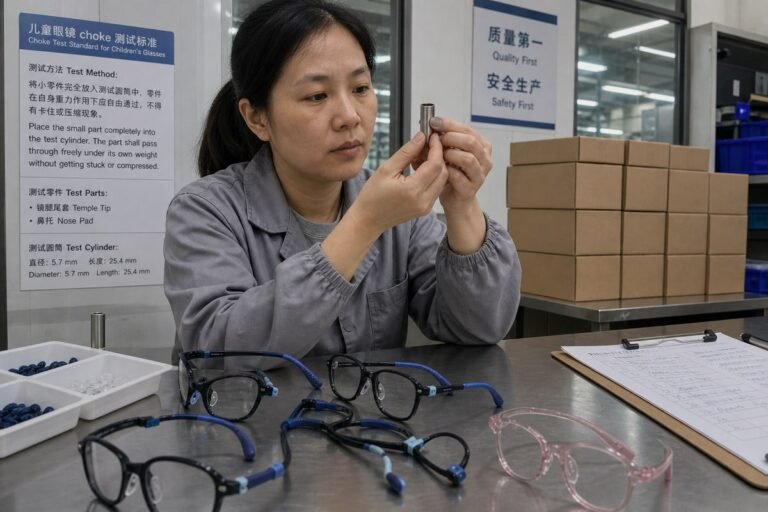
Wie stellt man sicher, dass Kinder-Optikrahmen-Giveaways frei von Erstickungsgefahren sind?
Ensure kids optical frames giveaways are choking-hazard free by checking CPSC, ASTM F963, and CPSIA rules before distribution—avoid loose parts…
Read more
Vor-Ort- vs. Drittanbieter-Audits: Wie unterscheiden sie sich in der Abdeckung für Lieferanten von Kinderbrillen?
On-site audits verify TR90 material authenticity and real production practices at kids optical frames suppliers, catching risks that standardized...
Read more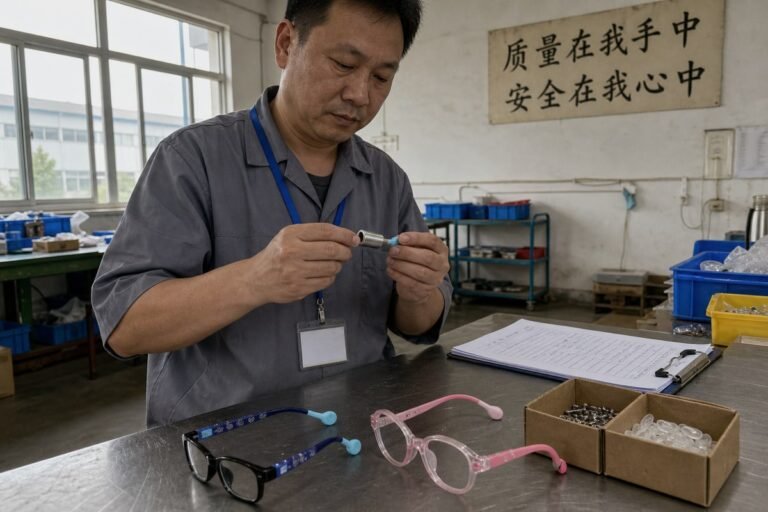
Wie stellt man sicher, dass Werbegeschenke mit Kinderbrillen keine Erstickungsgefahr darstellen?
One-piece flexible kids optical frames avoid choking hazards; learn the CPSC size test, ASTM F963 checks, and labeling steps to…
Read more English
  Español de México
  Deutsch
  Français
  日本語
日本語  العربية
  Português do Brasil