How to Diversify Your Supplier Base for Kids Optical Frames to Reduce Supply Risk?
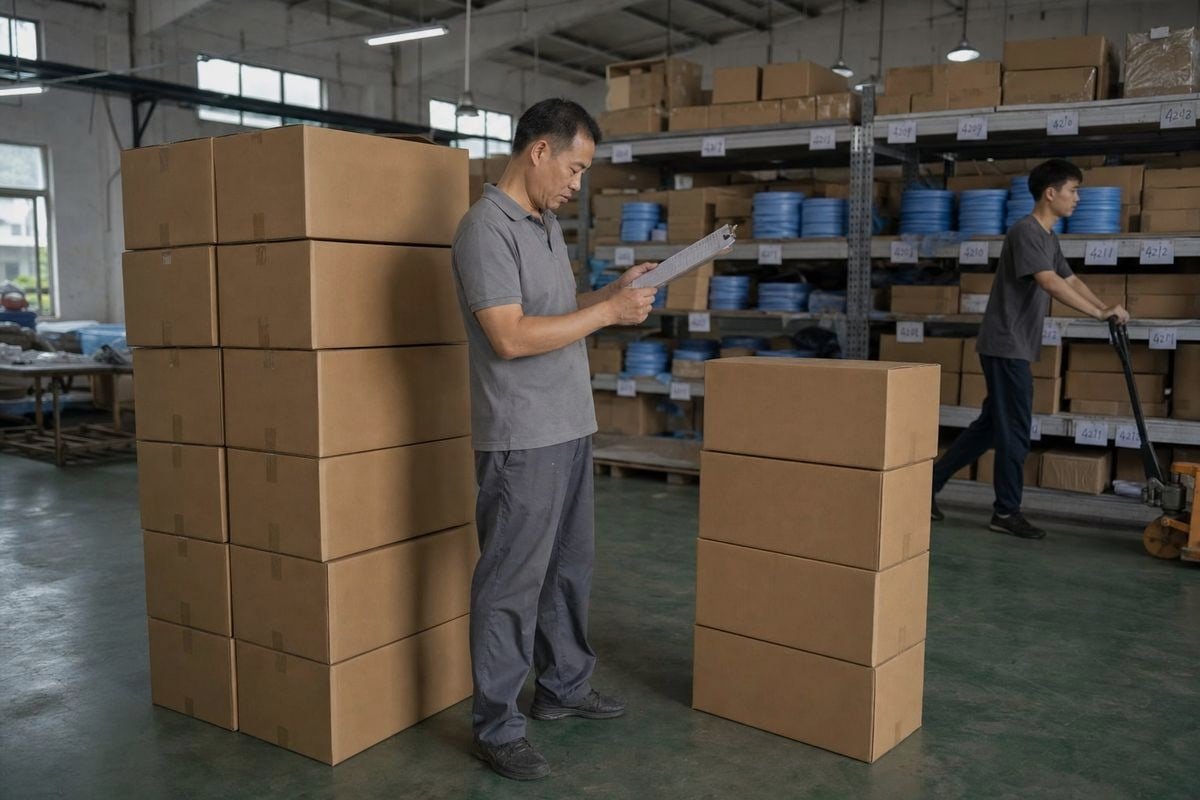
Diversifying your supplier base for kids optical frames is a question I hear weekly from buyers visiting our Taizhou factory floor. One delayed shipment can wipe out an entire back-to-school season.
To diversify your supplier base for kids optical frames, build a core-plus-backup model: keep one primary strategic factory, pre-qualify one or two secondary suppliers with verified CPSIA and REACH reports, shift volume gradually, and keep no single supplier above roughly 30–40% of total spend.
That answer sounds simple. The execution is not. Below, I break down the four questions buyers ask us most often, based on fifteen years of making children’s eyewear.
How can I find a reliable backup supplier without disrupting my current production schedule?
A distributor from Australia once told me she waited eight months to contact a second factory. She feared her primary supplier would notice and deprioritize her orders. That fear is common — and costly.
Find a backup supplier by running a parallel pilot: place a small trial order of 100–200 pieces across 3–5 existing styles with a pre-vetted factory, while your primary supplier continues normal production. Qualify the backup fully before shifting any meaningful volume.
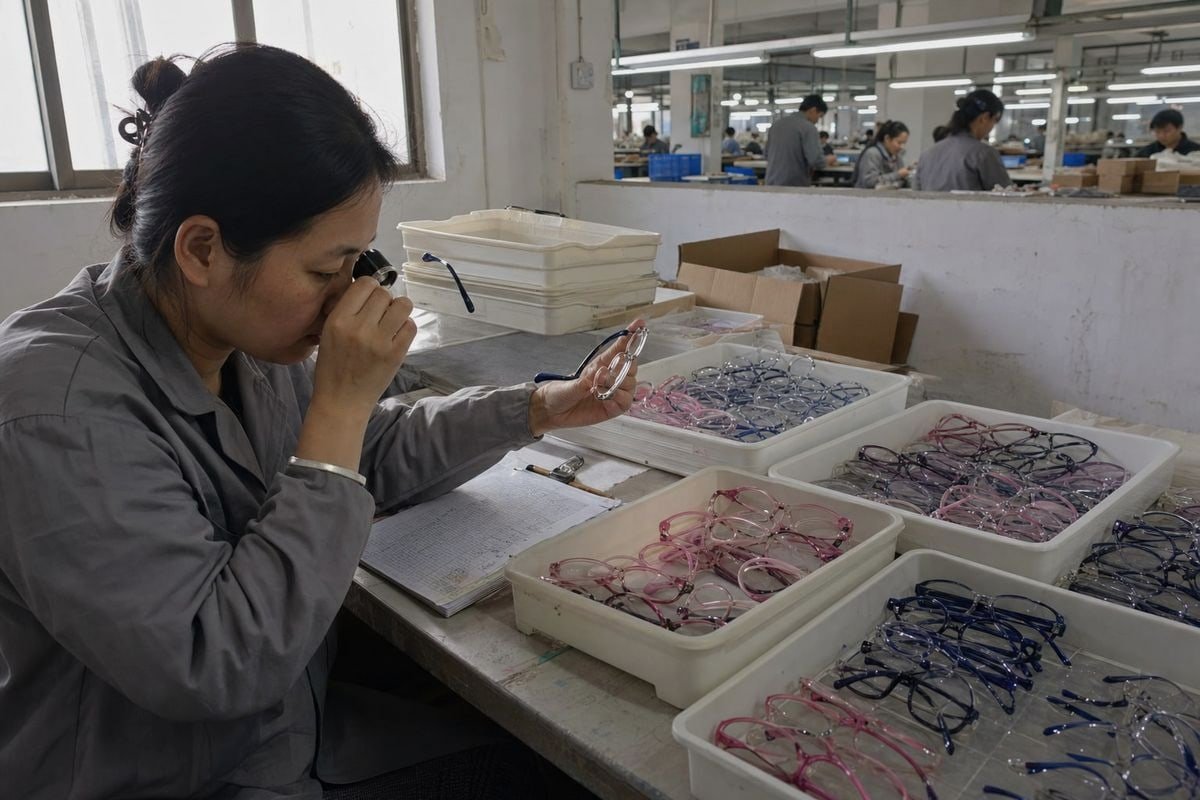
The key idea is separation. Your backup search 1 should run beside your current schedule, not inside it. In our experience exporting to 20+ countries, buyers who treat backup qualification as a quiet side project never disrupt their main pipeline. Buyers who suddenly split a live purchase order in half almost always do.
A step-by-step onboarding sequence
Here is the sequence we recommend, and the one our own B2B customers follow when they add us as a second source:
- Shortlist by capability, not price. Look for factories, not trading companies. Verify business licenses, export eligibility, and third-party audits first.
- Request samples from existing molds. This costs the backup factory little and tells you a lot about finish quality and fit.
- Place a trial order of 100–200 pieces across 3–5 styles. This is the standard benchmark in kids eyewear sourcing, and it is small enough to absorb if something goes wrong.
- Run the trial through your full QC and compliance check. Treat it exactly like a production batch.
- Shift volume gradually. Move one reorder SKU first, then a second. Never split production randomly.
Why gradual matters
Procurement risk mitigation works best when the backup proves itself over two or three cycles. Eyewear Herstellungs-Vorlaufzeiten 2 typically run several weeks, so one trial cycle tells you about quality, but only repeated cycles tell you about reliability. A supplier who ships one great sample batch may still miss deadlines under real volume. Patience here is what protects your production schedule.
What should I look for in a manufacturer to make sure quality stays consistent across multiple suppliers?
There is a real trade-off we weigh every time a brand adds us as a second source: more suppliers reduce disruption risk, but they multiply the chances of color drift, fit variation, and labeling errors between batches.
To keep quality consistent across multiple suppliers, require sealed master samples, written specifications with tolerances, batch-level quality control inspections, current CPSIA and REACH test reports from accredited labs, component traceability, and age-grade labeling capability — then judge every factory against the identical checklist.
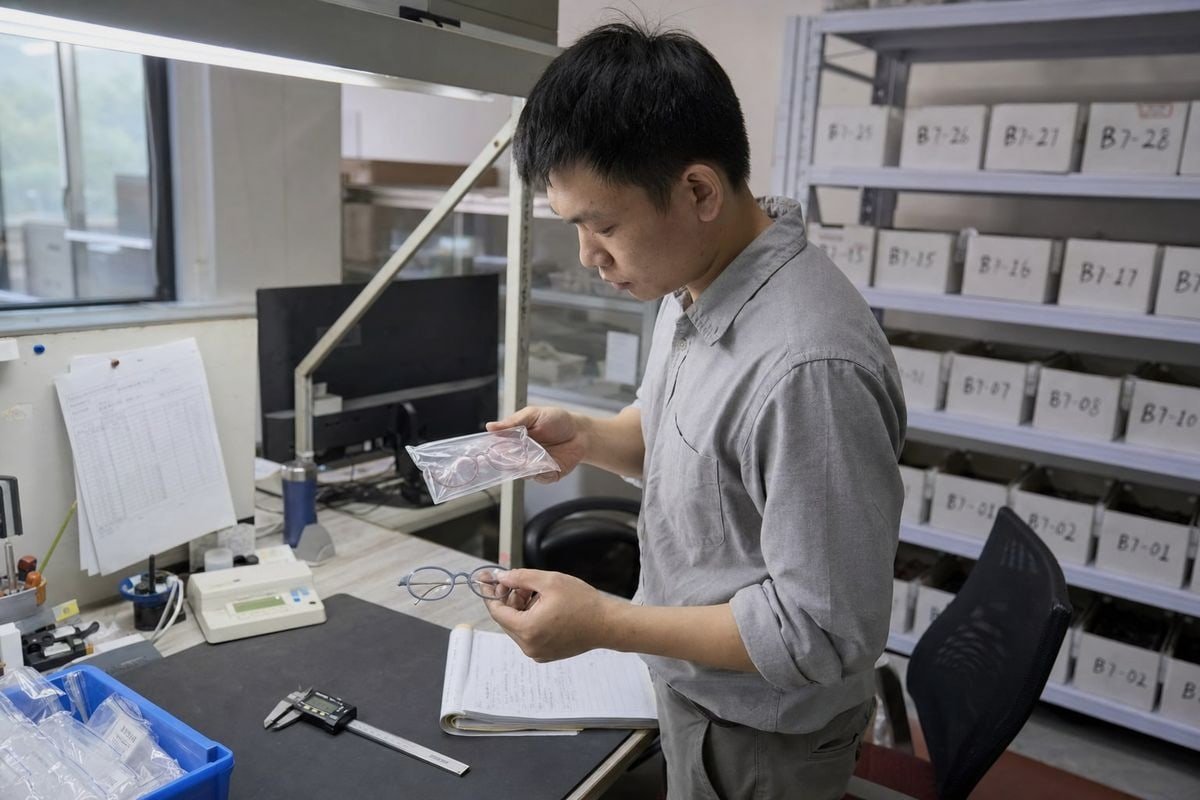
Kids frames are less forgiving than adult frames. Children's faces demand repeatable sizing, flexible materials, and strict safety documentation. TR90 material safety 3, hinge durability, and coating compliance all matter more when the wearer is a six-year-old who drops the frame ten times a day. So your vendor risk assessment must go deeper than price and appearance.
The evaluation checklist we recommend
| Evaluation area | What to verify | Why it matters for kids frames |
|---|---|---|
| Compliance readiness | Recent CPSIA and REACH reports from recognized labs; FDA compliance for frames where required | Children's products face stricter regulatory scrutiny than adult eyewear |
| Component traceability | Material certificates for frame body, temple tips, hinges, screws, coatings | One non-compliant screw can fail an entire shipment |
| Master samples | Sealed golden samples held by both parties | The only objective reference when disputes arise |
| QC process | Incoming, in-line, and random pre-shipment inspections | Catches drift before goods leave the factory |
| Traceability depth | Defects traceable to worker, line, and production day | Enables root-cause fixes, not just rework |
| Age-grade labeling | Ability to print or engrave required age indicators | A legal requirement in many markets, often overlooked |
Standardize the judging, not just the specs
Here is a lesson from our own 5S-managed workshop: two factories can both "pass" QC and still ship visibly different products, because each interprets the specification differently. The fix is one standardized QC checklist, one color standard, one measurement method — applied identically to every supplier. Quality consistency across a multi-sourcing strategy is a documentation problem before it is a manufacturing problem.
How do I avoid MOQ and mold investment risks when adding a new supplier to my mix?
A procurement manager from a Japanese baby brand once asked me a blunt question: "Why should I pay for new tooling twice just to have a backup?" She was right to push back. Duplicate mold investment is the single biggest financial barrier to diversification.
Avoid MOQ and mold risks by choosing backup suppliers with large existing style libraries, using their open molds instead of building new tooling, negotiating trial-order MOQs of 100–200 pieces, and standardizing shared components like hinges and screws across your product line.
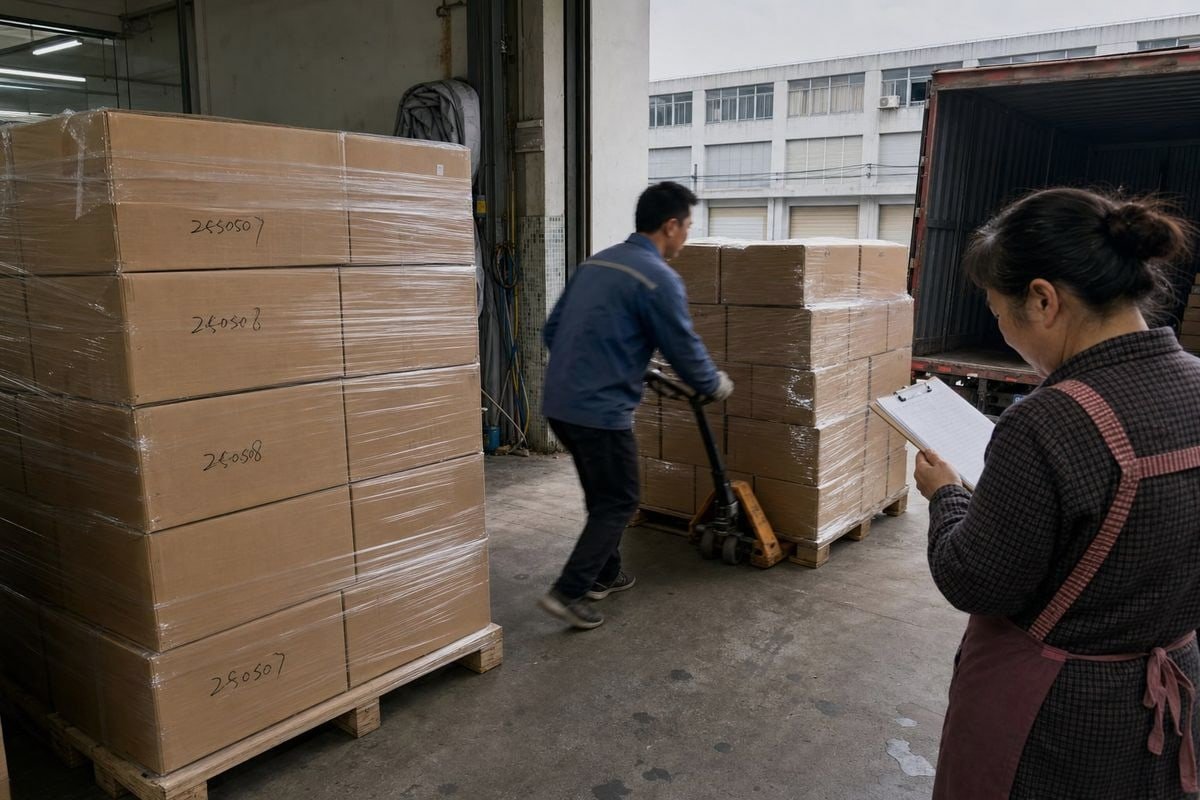
Custom molds for TR90 injection frames 4 are expensive, and they lock you to one factory. If diversification requires paying for tooling twice, most small and mid-sized brands simply will not do it. The smarter path is to design your supply base so mold duplication is rarely necessary.
Four tactics that reduce upfront risk
| Tactic | Wie es funktioniert | Risk it removes |
|---|---|---|
| Use open molds | Select from the factory's existing style catalog and customize colors, logos, lenses, and packaging | Eliminates new tooling cost entirely |
| Negotiate trial MOQs | Start at 100–200 pieces across a few styles before committing to standard MOQs | Limits capital tied up in an unproven supplier |
| Standardize components | Use universal hinges, screws, and nose pads across your collection | Allows switching factories without unique tooling per style |
| Hold raw-material safety stock | Reserve core materials for long-running styles instead of stockpiling finished goods | Shortens recovery time after disruption without heavy inventory cost |
Watch the hidden cost of splitting orders
I will be honest about the downside, because our wholesale eyewear distributors raise it constantly: smaller split orders can weaken your purchasing leverage 5 und raise unit cost. Logistics and freight costs can also climb when you ship partial containers from two origins. The answer is not to abandon diversification. The answer is to split intelligently — give each supplier full ownership of specific SKUs or frame types, rather than splitting the same SKU across two factories. That preserves volume efficiency per style while still spreading your risk. And ask each factory how many alternative sources it has for core materials like acetate, TR90 pellets, and hinges. Two factories buying from the same upstream supplier is not real diversification; it is one bottleneck wearing two logos.
Can working with a factory that offers hundreds of existing styles help me switch or add suppliers faster?
When we were developing our current catalog of roughly 800 existing styles, the goal was exactly this scenario: letting brands add or switch suppliers in weeks, not seasons, without betting money on new molds.
Yes. A factory with hundreds of ready-made styles lets you skip tooling, sample from stock molds within days, run low-MOQ trial orders, and apply your own colors, logos, and packaging through private label manufacturing — cutting supplier switching time from months to weeks.
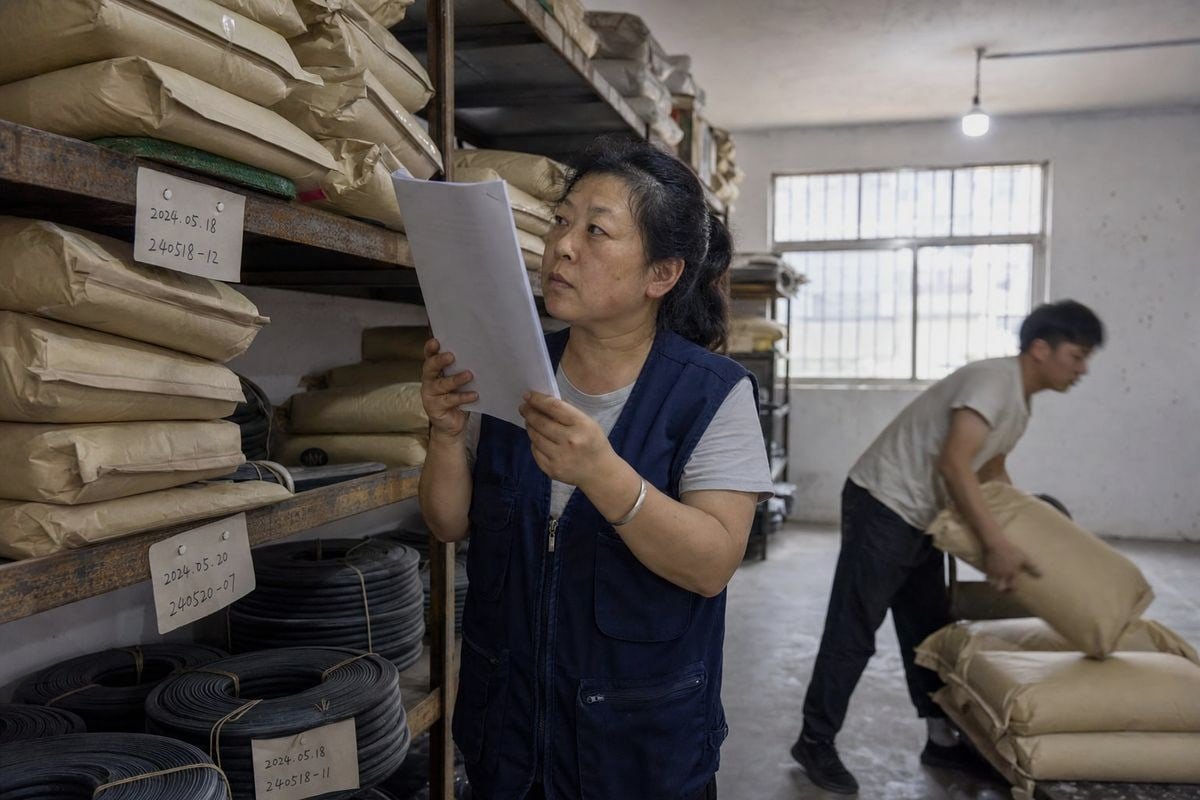
The math is straightforward. A new custom mold adds design cycles, tooling lead time 6, and sample revisions before the first production run. An existing style skips all of that. You review physical samples, pick frames close to your current line, and move straight to color matching and branding. In our experience, this is the fastest legitimate route to supply chain resilience for kids eyewear.
What a large style library changes in practice
| Phase | New custom mold route | Existing style library route |
|---|---|---|
| Design and tooling | Weeks to months of development | Skipped — molds already exist |
| First samples | After tooling completes | Often within days from stock |
| MOQ exposure | High, to amortize mold cost | Low trial orders are feasible |
| Konformitätstests | Full testing from zero | Materials often pre-tested; verify current reports |
| Branding | Built into new design | Custom colors, logos, lenses, packaging via OEM/ODM |
Match capability, not just catalog size
A big catalog only helps if the styles fit your positioning. For active kids, that means genuine flexible-material expertise 7 — TR90 frames with TPEE temples, soft hinge connectors, adjustable ear hooks, and rounded shapes with no sharp angles. It also means the factory can support age-grade labeling, batch inspections, and sustainable eyewear sourcing expectations that European and Australian buyers increasingly require. A library of 800 adult frames resized for children is not the same as 800 styles engineered for children's faces from the start. Ask which lines are kids-dedicated, ask for material certificates on the exact styles you shortlist, and ask how fast the factory can reorder an existing style. Fast, reliable reorders on proven styles are what actually make a backup supplier activatable when your primary source stumbles.
Schlussfolgerung
Single-source dependence is a silent risk until the week it costs you a season. Build a core-plus-backup model, qualify every supplier against one checklist, and use existing styles to diversify without heavy mold investment.
Fußnoten
1. Overview of strategic sourcing processes used to identify, evaluate, and qualify alternative suppliers to mitigate risk. ↩︎
2. Defines lead time in a manufacturing context and its impact on supply chain efficiency and responsiveness. ↩︎
3. Authoritative Wikipedia entry for Polyamide 12, the chemical base of TR90, detailing its safety and properties. ↩︎
4. Authoritative Wikipedia entry for the injection molding process used to manufacture TR90 eyewear frames. ↩︎
5. Describes the economic principle of bargaining power and how order volume influences procurement negotiations and costs. ↩︎
6. Authoritative Wikipedia entry defining lead time within manufacturing and supply chain management. ↩︎
7. Authoritative Wikipedia entry for thermoplastic elastomers (TPE), the primary flexible material used in kids’ frames. ↩︎
Weitere Artikel, die Ihnen gefallen könnten
August 2026
Bio-Based vs Regular Cellulose Acetate: What's the Difference for Kids' Frames?
August 2026
How Recyclable Are Kids' Optical Frame Materials, and What Eco-Friendly Alternatives Exist?
August 2026
Bleichen Kinderbrillengestelle im Lager aus oder altern sie, und wie kontrolliert man die Lagerbedingungen?
Auf der Suche nach einem zuverlässigen Partner für Kinderbrillen?
Entdecken Sie über 800 sofort verfügbare Modelle und umfassenden OEM/ODM-Support, der auf Ihre Marke zugeschnitten ist.
Kontakt aufnehmen English
  Español de México
  Deutsch
  Français
  日本語
日本語  العربية
  Português do Brasil