Kids’ Sunglasses vs Sports Goggles: Can They Be Used Interchangeably?
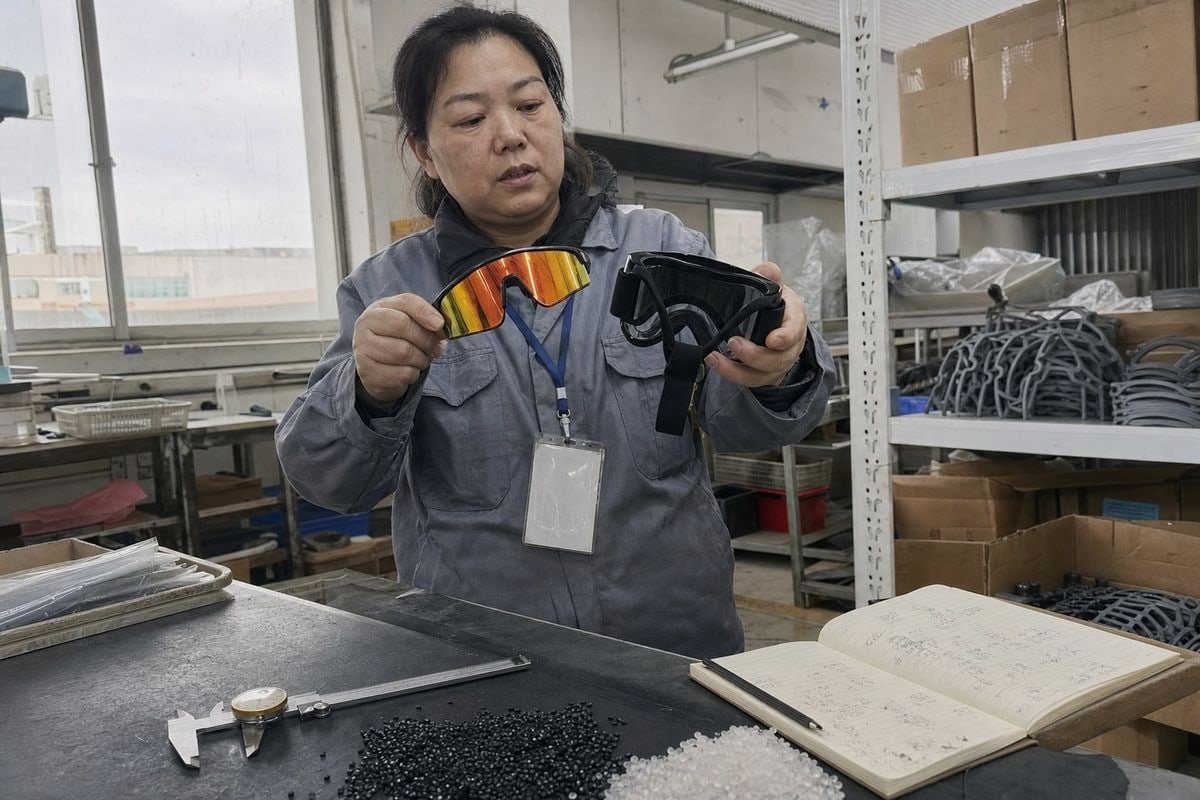
On our production line in Taizhou, buyers often ask whether kids’ sunglasses 1 and sports goggles are interchangeable. The confusion is real, and the wrong answer can hurt a young athlete.
Kids’ sunglasses and sports goggles are not fully interchangeable. Sunglasses handle UV protection and glare for casual play, while sports goggles meet impact standards like ASTM F803 for contact sports. Choose based on impact risk, fit security, and environment, not appearance.
The distinction matters more than most parents and brand buyers realize. In this article, I will break down the differences, the safe use cases, and how to source both styles correctly.
What are the key differences between kids' sunglasses and sports goggles?
During a QC review last year, our team compared a wraparound sports sunglass against a strapped goggle sample side by side. The construction differences were obvious the moment we flexed both frames.
Kids' sunglasses prioritize UV400 protection, glare reduction, and lightweight comfort with hinged temples. Sports goggles prioritize impact resistance, secure adjustable straps, and a close-to-face seal. Goggles are built to survive collisions; sunglasses are built for everyday sun exposure and casual wear.
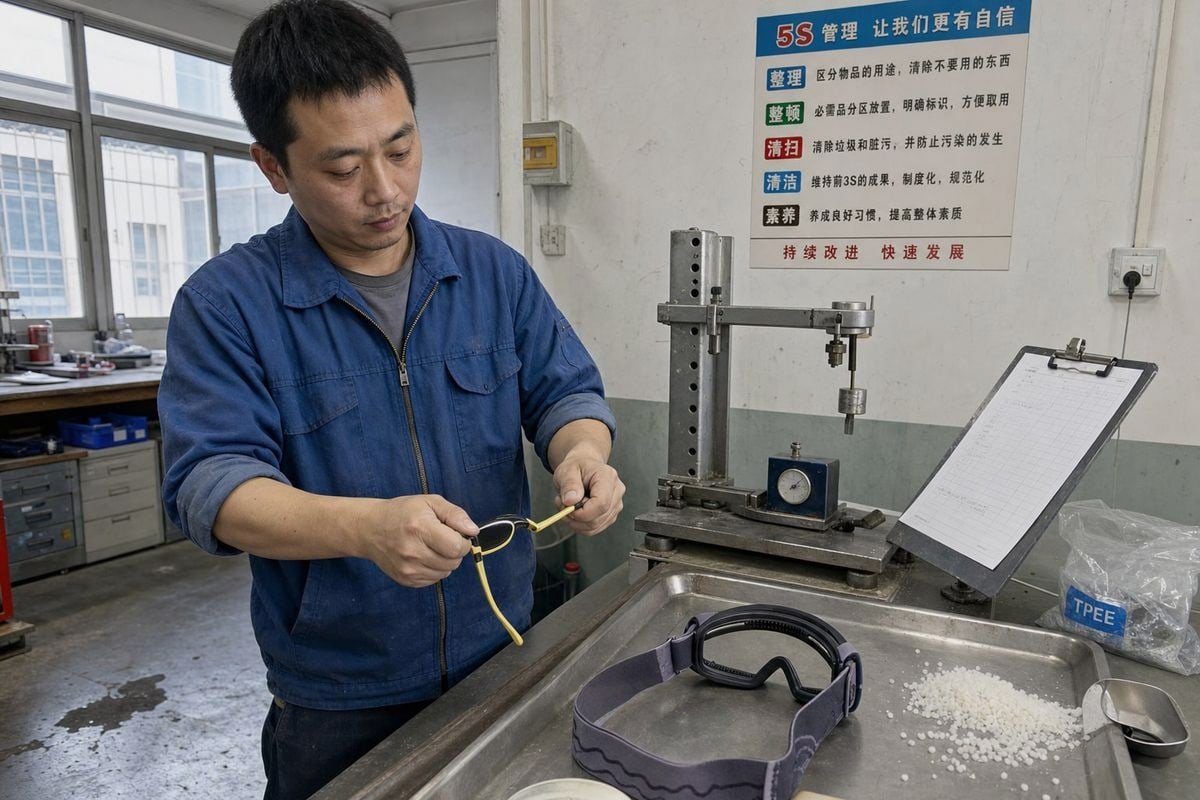
The easiest way to understand the gap is to look at what each product is engineered to do. Sunglasses fight light. Goggles fight force. Both jobs matter, but they demand different structures.
Construction and retention
Sunglasses use hinged temple arms. They rest on the ears and nose. That design is comfortable, but it can slip during hard movement. Worse, a traditional hinge can snap on impact and create a sharp point near the face. Sports goggles replace hinges with a wrap-around frame design and secure adjustable straps. The strap keeps the goggle locked in place even when a child sweats, jumps, or takes a bump.
Lens and frame engineering
Sports goggles typically use impact-resistant polycarbonate lenses 2 seated in deep-grooved eye wires. Those grooves stop the lens from popping inward toward the eye during a hit. Standard sunglass frames rarely have this feature. In our own tooling, we design kids' sunglasses in flexible TPEE and TR90 because those materials bend instead of breaking — a real safety gain for casual wear — but flexibility alone does not equal certified blunt force trauma protection.
| Feature | Kids' Sunglasses | Sports Goggles |
|---|---|---|
| Primary purpose | UV and glare protection | Impact and debris protection |
| Retention | Hinged temples | Elastic strap or wraparound band |
| Lens standard | UV400 protection | ASTM F803 standard impact rating |
| Lens material | Polycarbonate or acrylic | Impact-resistant polycarbonate lenses |
| Fit | Loose, comfortable | Snug, sealed to the face |
| Best environment | Casual outdoor play | Contact sports, dust, wind, snow |
Both categories should always offer 100% UVA-UVB blocking. UV performance is the one area where the two products genuinely overlap.
Can I use kids' sunglasses for active sports or outdoor play?
A buyer from Australia once asked us to quote a single frame for both beach wear and junior cricket. We had to explain why one product could not honestly serve both purposes.
Kids' sunglasses are suitable for low-impact activities like walking, distance running, cycling, and casual field play. They are not safe substitutes for goggles in any sport involving projectiles, physical contact, or flying debris, where certified impact-rated eyewear is required for eye injury prevention.
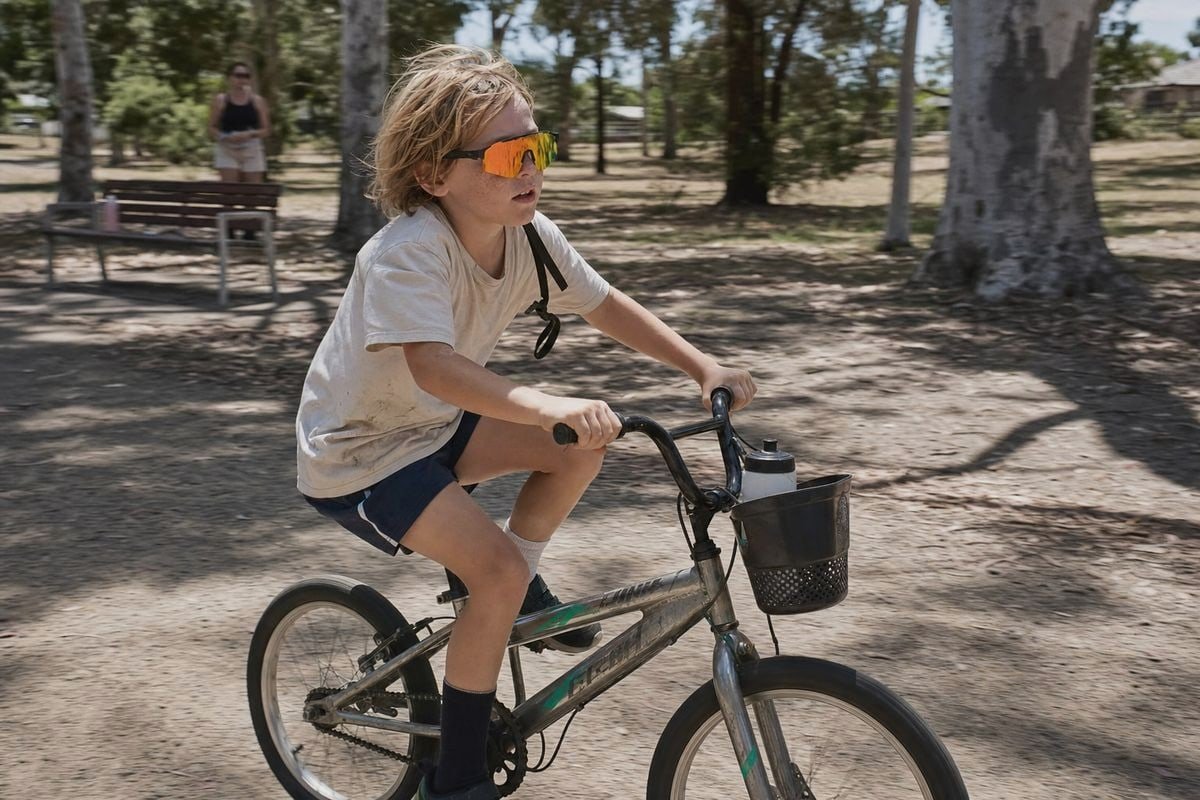
The answer depends on the activity, so let me give you a simple sorting framework. I use it with our own B2B customers when they build their product ranges.
Where sunglasses work well
Linear, low-impact activities are the sweet spot. Think hiking, scootering, cycling on quiet paths, playground time, and beach days. A well-made wraparound kids' sunglass — like the shield-lens styles we mold in flexible TR90 with TPEE temples — handles glare, wind, and UV very well. Wraparound curvature also improves peripheral vision clarity, which helps young cyclists notice movement at the edges of their view.
Where sunglasses fail
Any sport with a ball, a bat, a racket, or another child's elbow changes the risk profile completely. Health guidance is consistent on this point: regular eyeglasses 3 and sunglasses do not provide enough protection for sports. A casual sunglass lens can crack under a direct hit, and a hinged frame can shift or fly off at the worst moment.
Here is the quick decision list I share with buyers:
- Is there a projectile (ball, puck, shuttlecock)? Choose goggles.
- Is there body contact or fast, crowded movement? Choose goggles.
- Is the environment dusty, snowy, or windy at speed? Choose goggles.
- Is the activity linear and low-risk? Sports sunglasses are fine.
- Unsure? Default to the option built for the higher-risk activity.
One more nuance worth noting: children who switch frequently between flat lifestyle lenses 4 and curved goggle lenses may need a short adjustment period for depth perception. Consistency in eyewear during a season helps young players judge fast-moving balls accurately.
Which option offers better safety and eye protection for children?
Fifteen years of building children's eyewear has taught me one hard lesson: safety is defined by the worst moment of use, not the average day.
Sports goggles offer superior protection for high-risk activities because they meet the ASTM F803 standard, use shatterproof lens technology, and stay secured under impact. For everyday sun exposure, quality UV400 sunglasses protect adequately. The safest choice always matches the eyewear to the activity's risk level.
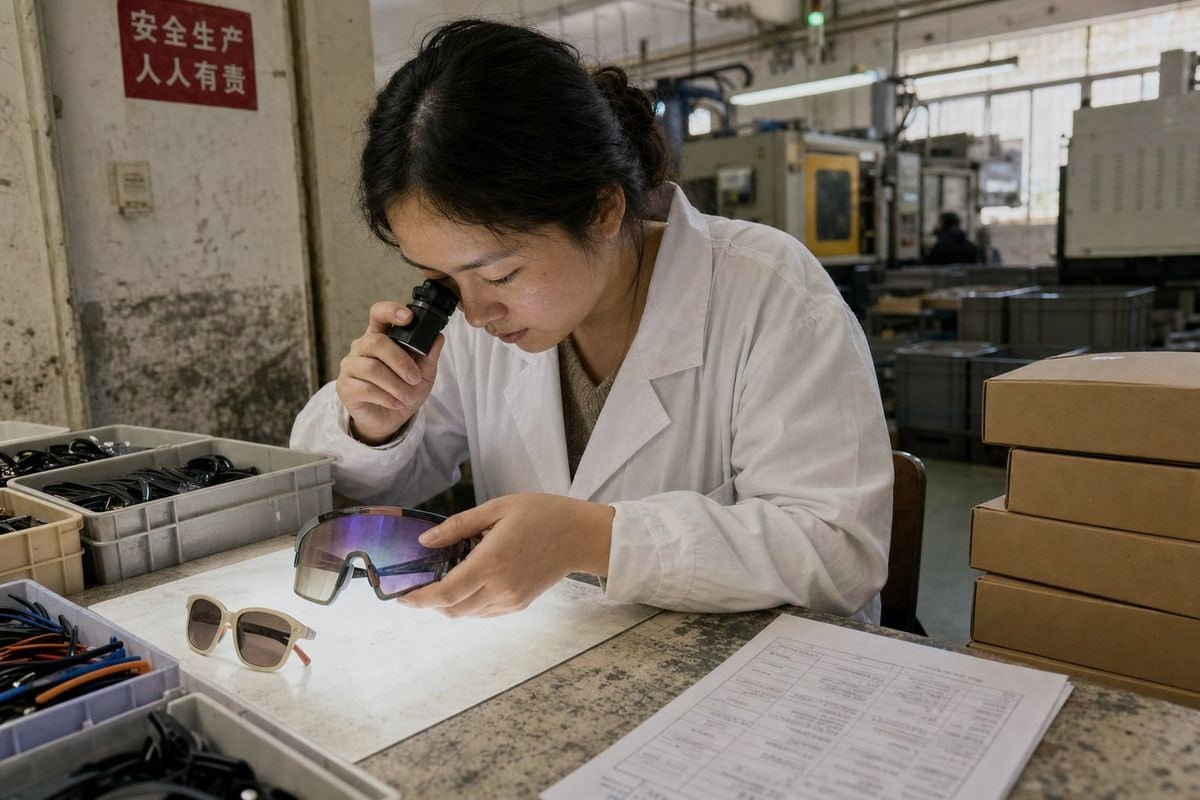
There is no single winner here. Instead, there are two different threats, and each product defends against one of them better.
Understanding the two protection categories
UV damage is slow and cumulative. Impact damage is instant and sometimes permanent. High-risk sports cited across safety sources include baseball, softball, basketball, soccer, skiing, and biking at speed. For those, certified goggles with impact-resistant polycarbonate lenses are the clear answer. For daily sun exposure at the park, comfortable UV400 sunglasses that a child actually keeps on are the practical answer.
| Risk Scenario | Recommended Eyewear | Key Protective Feature |
|---|---|---|
| Beach, playground, walking | UV400 kids' sunglasses | Full UVA-UVB blocking |
| Cycling, running | Wraparound sports sunglasses | Wind shielding, glare control |
| Basketball, soccer, racket sports | ASTM F803-rated goggles | Blunt force trauma protection |
| Skiing, dusty or windy conditions | Sealed sports goggles | Face seal, strap retention |
| Child needing vision correction 5 | Prescription sports eyewear | Rx lenses in impact-rated frames |
Compliance is part of safety
A protective product only works if the child wears it. In our sampling work, we have seen goggles rejected by kids because they fog up or pinch. Modern designs answer this with anti-fog venting, silicone nose padding 6, and softer strap materials. There is also a psychological bonus: children in secure goggles often play more confidently because the fear of getting hit in the eye fades.
The prescription question
If a child needs vision correction, contact lenses improve sight but provide zero eye protection. Prescription sports eyewear or Rx goggle inserts solve both problems at once, and optical companies increasingly ask us for frames that accept prescription lenses.
How do I choose the right supplier to source both styles for my brand?
A European kids' brand recently visited our 5S-managed workshop before placing their first order. What convinced them was not price — it was material traceability and process discipline.
Choose a supplier with proven children's eyewear expertise, safe flexible materials like TPEE and TR90, a broad ready-made style library, verified UV400 and impact testing, and full OEM/ODM capability. Confirm they are a factory, not a trader, with consistent quality control.
Sourcing children's eyewear is different from sourcing adult fashion frames. The end user is a child, so material safety 7, flexibility, and durability sit above styling on the priority list. Here is the evaluation process I recommend, based on what our most successful long-term partners actually check.
A practical supplier vetting checklist
- Verify factory status. Ask for workshop photos, worker counts, and a video call tour. A trader cannot control tolerances or fix defects at the source. Our own facility runs about 120 workers under 5S management, and serious buyers always want to see it.
- Check material expertise. Kids' frames should use flexible, environmentally friendly materials. TPEE temples on TR90 fronts bend and recover instead of snapping. Cheap rigid plastics are the biggest hidden risk in this category.
- Review the existing style library. A deep catalog lowers your launch risk. With around 800 existing styles available, a new brand can test the market without heavy mold investment, then invest in custom tooling once sales data confirms demand.
- Confirm testing and certification support. UV400 protection should be verifiable on every lens batch. For goggle lines, ask how the supplier supports ASTM F803 standard testing and shatterproof lens technology documentation for your target market.
- Assess OEM/ODM depth. Custom colors, logos, lens options, packaging, and accessories should all be available in-house or through managed partners, so your product arrives retail-ready.
| Vetting Criterion | What to Ask For | Red Flag |
|---|---|---|
| Manufacturing capability | Factory tour, production photos | Vague answers, no facility access |
| Material safety | TPEE/TR90 specs, eco-friendly claims with data | "Standard plastic" with no detail |
| Testing | UV400 and impact test reports | No third-party verification path |
| Customization | Logo, color, packaging samples | Catalog-only, no OEM support |
| Communication | Named contact, fast sampling | Slow, inconsistent replies |
The right partner behaves like a product development ally, not a vendor. When we develop a new style, we discuss the target age group, the intended activities, and the retail positioning before we ever cut a sample — because those answers determine whether the buyer needs a sunglass, a goggle, or both in the range.
Conclusion
Kids' sunglasses and sports goggles solve different problems, and treating them as interchangeable risks a child's eyesight. Match eyewear to impact risk, and source both styles from a proven children's eyewear factory.
Footnotes
1. Authoritative guide from the AAO on selecting safe and effective sunglasses for children. ↩︎
2. Explains the properties of polycarbonate, the standard material for impact-resistant sports lenses. ↩︎
3. Government resource explaining the role of eyeglasses and contact lenses in vision health. ↩︎
4. Provides technical background on corrective lenses and their use in vision correction eyewear. ↩︎
5. Official health information regarding refractive errors and the necessity of vision correction. ↩︎
6. Technical overview of silicone, a material used for comfort and safety in eyewear padding. ↩︎
7. Federal safety standards and regulations for materials used in children’s consumer products. ↩︎
More Articles You Might Like
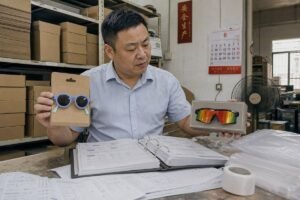
August 1, 2026
Should Factory Handle Kids Sunglasses Packaging & Labeling, or Use a Designated Supplier?
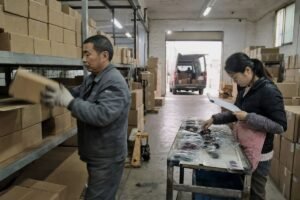
August 1, 2026
Own Warehouse vs Supplier Direct Fulfillment: Which Cuts Return Costs for Kids Sunglasses Brands?
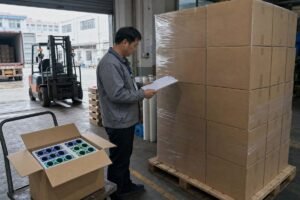
August 1, 2026
Direct-to-Port Warehouse or Overseas Staging: Which Saves More on Kids Sunglasses Shipping?
Looking for a Reliable Kids Eyewear Partner?
Explore 800+ ready styles and full OEM/ODM support tailored to your brand.
Get in Touch English
  Español de México
  Deutsch
  Français
  日本語
日本語  العربية
  Português do Brasil