How to Choose Single-Pair vs Multi-Pack Packaging for Kids Eyewear?
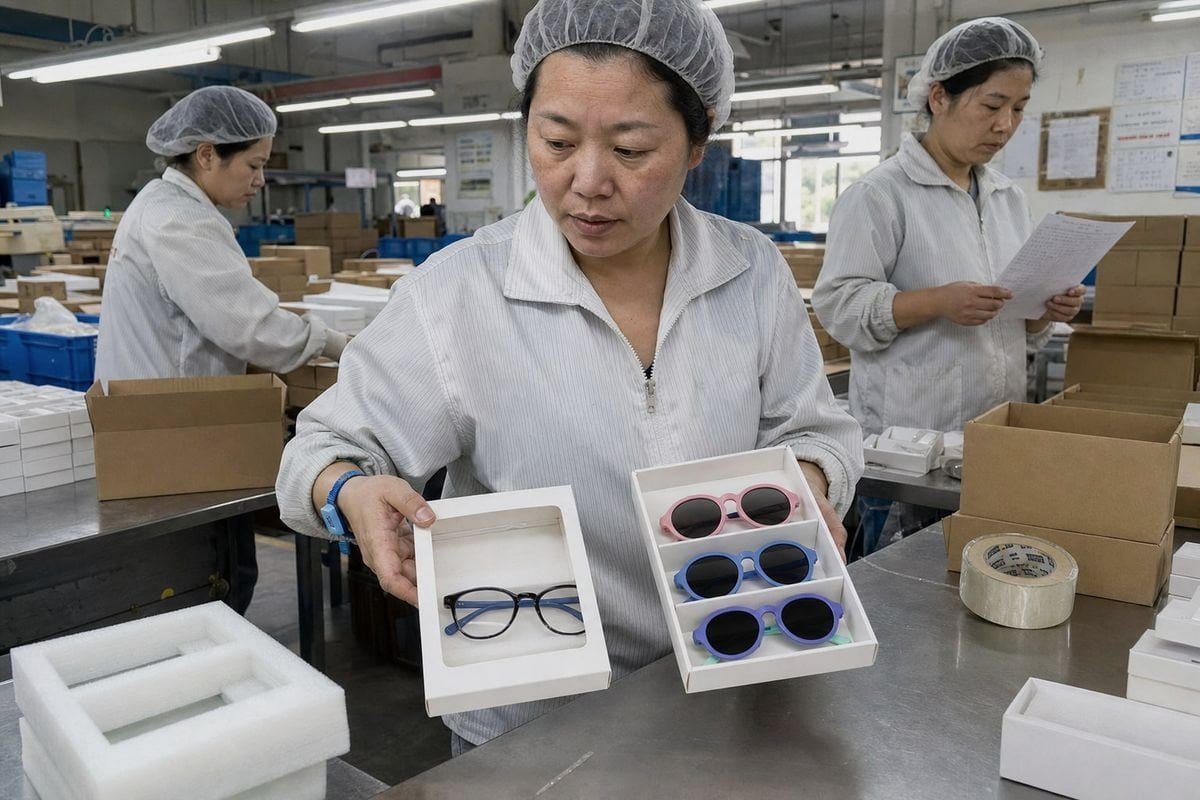
Choosing single-pair vs multi-pack packaging for kids eyewear 1 stalls many brand launches. On our Taizhou packing line, I have watched this one decision delay entire shipments. Kids lose glasses, break frames, and outgrow sizes fast. Pick the wrong format and you either look cheap or price yourself out. The good news: a few clear criteria settle it quickly.
Choose single-pair packaging for kids eyewear when premium presentation, prescription frames, or gifting matter most. Choose multi-pack packaging when parents need backup pairs, value bundles, or replacement convenience. Match the format to your age tier, retail channel, and price point — many brands succeed with a hybrid of both.
That is the short answer. But the details matter, because packaging affects safety, perceived value, and your [landed cost per unit](https://okayeyewear.com/?p=5561). Let me walk you through how I help buyers decide, step by step.
How do I decide between single-pair and multi-pack packaging for my kids eyewear brand?
Last spring, a buyer from Australia asked me to quote the same TR90 optical frame two ways: one boxed pair, and a two-pair bundle. Our answer changed her whole product line plan.
Decide by asking three questions: who is the child (age tier), where does the sale happen (channel), and what does the parent fear most (loss, breakage, or overpaying)? Premium, prescription, and gift purchases favor single-pair packs. Replacement-driven, value-driven, and activity-driven purchases favor multi-packs.
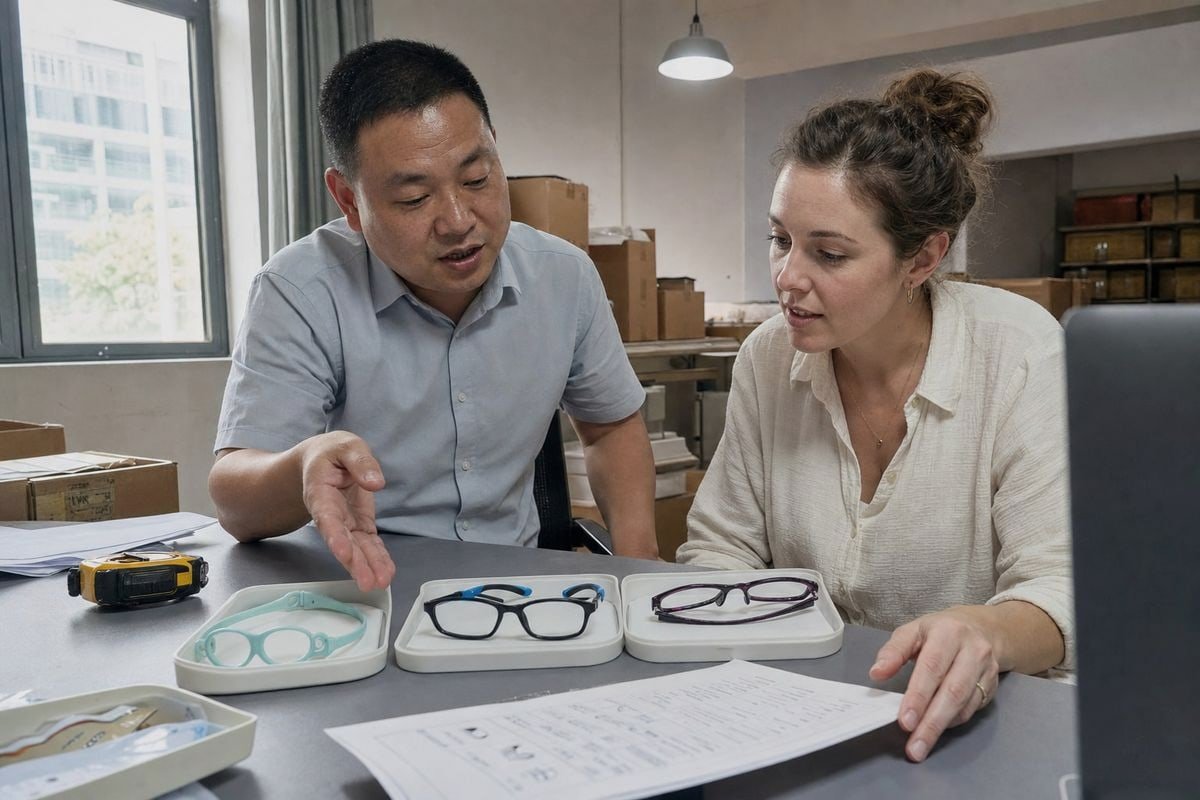
Here is the core truth I share with every new brand we work with: packaging is not a box decision. It is a merchandising decision. The format you choose tells parents what your product is worth and how they should use it. In our fifteen years of building children's eyewear for brands in more than twenty countries, the strongest predictor of the right format has always been the child's age tier and the buying occasion — not the frame itself.
Start with the age tier
Frame sizing for toddlers is very different from pre-teen sizing, and packaging should follow. Younger children need simpler, tamper-visible packs and careful attention to small parts. School-age kids are the most flexible tier. Pre-teens can move toward adult-style single-pair presentation.
| Age Tier | Typical Frame | Best Packaging Lean | Why |
|---|---|---|---|
| Infant / Toddler | Flexible silicone frames, strap styles | Single-pair, tamper-visible | Safety scrutiny, first-fit purchase |
| School-age (5–10) | TR90 frames with TPEE temples | Either — strongest hybrid candidate | High loss rate, spare glasses for school make sense |
| Pre-teen (10–13) | Slimmer TR90 memory plastic 2 styles | Single-pair, more refined | Style-led, closer to adult expectations |
Then check the buying occasion
A first purchase or a fit-test visit favors one clean, giftable box. A repeat purchase — after a pair vanished at the playground — favors a bundle. Parents rarely buy kids' eyewear only once. If your brand strategy is built around replacement behavior, a multi-pack solves the "lost pair" problem before it happens. If your strategy is built around premium quality and prescription lens warranty support, a single-pair pack reinforces that promise.
My honest advice: do not pick one format forever. Pick one format per SKU role. Premium hero styles go in single-pair boxes. Basics and sunglasses can carry the bundle.
What packaging format works best for my target retail channel and price point?
One trade-off comes up in nearly every quotation we prepare: a rigid window box looks wonderful on a shelf, but it eats carton space in a sea shipment. Channel decides which cost you can afford.
Match packaging to the channel: lightweight protective mailers for DTC e-commerce, rigid window boxes for retail shelves, simple pouches with sleeves for optical practices, and standardized bulk cartons for wholesale. Higher price points justify single-pair rigid boxes; value price points support multi-pack sleeves and trays.
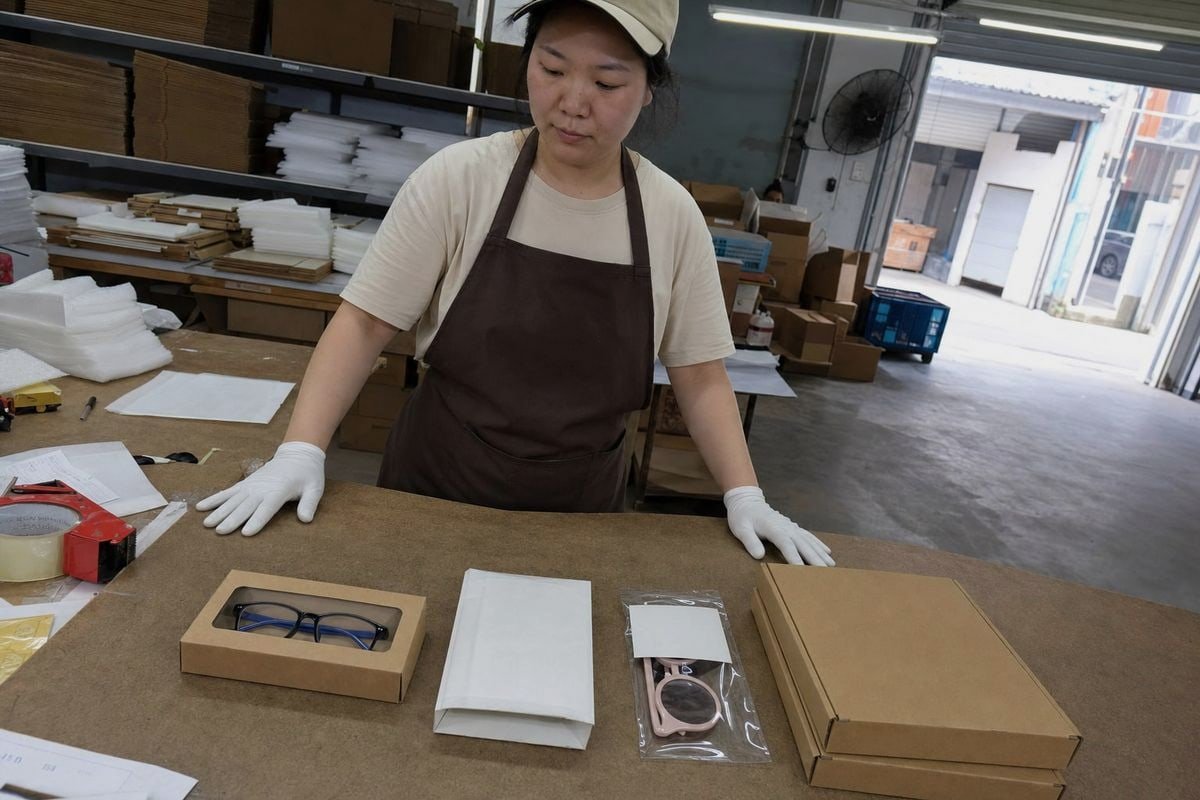
The fastest way to see this is side by side. This is the framework I sketch for buyers during sampling calls:
| Channel | Recommended Format | Price Point Fit | Key Priority |
|---|---|---|---|
| DTC / online store | Single-pair mailer-safe box or pouch | Mid to premium | Unboxing experience, shipping protection |
| Retail shelf / boutique | Rigid or folding window box, single pair | Premium | Shelf appeal, brand story |
| Optical practice | Case plus pouch; optional second-pair bundle | Mid to premium | Second-pair selling, prescription lens warranty card inclusion |
| Supermarket / value retail | Multi-pack tray or blister sleeve | Value | Price-per-pair clarity |
| Promotional / corporate | Bulk poly-free multi-unit cartons | Value | Cost-effective eyewear bundles, transport efficiency |
DTC brands: protect the unboxing
Online buyers never see your shelf. They see a parcel. In our experience exporting to European and Japanese DTC brands, a compact single-pair box with a molded insert 3 survives parcel networks 4 better than a large decorative pack. The insert protects the scratch-resistant coating on the lenses during transit, which cuts return rates.
Optical practices: enable the second pair
Optical channels love bundle logic. A frame with impact-resistant polycarbonate lenses 5 sold alongside a discounted backup pair of glasses raises the ticket without discounting the hero product. Your packaging should make that comparison easy — for example, a single premium box plus a simpler pouch-packed second pair.
Wholesale: standardize everything
Wholesale buyers care about carton dimensions and unit counts. Nesting case designs and standardized inner boxes reduce volumetric weight and lower your landed cost per pair. We pre-plan carton math during sampling, because fixing it after production is painful for everyone.
Can multi-pack options help me reduce per-unit costs without hurting my brand image?
A German importer once pushed back hard on my bundle proposal. He worried a three-pack of sunglasses would "look like a supermarket toy." Six months later, his family bundle was his best-selling SKU. The difference was execution.
Yes — multi-packs lower per-unit packaging and freight costs and raise average order value, without damaging brand image, if the bundle has a clear purpose (backup, activity set, or family pack), quality internal separation, and the same print and finish standards as your single-pair boxes.
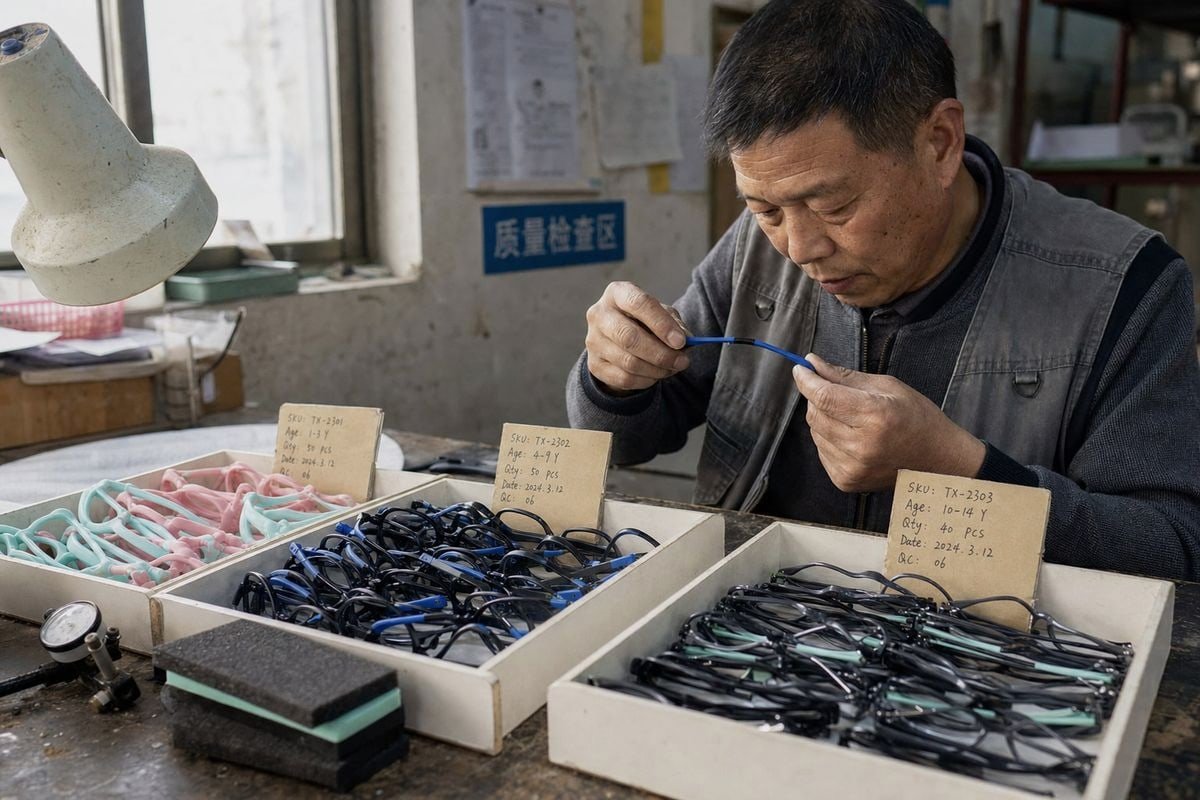
Let me be direct about the economics, because this is where I see brands make mistakes in both directions.
Where the savings actually come from
Multi-packs save money in three places: fewer outer boxes per pair, denser carton loading, and bulk eyewear discounts on the frames themselves when order volume rises. When we quote a two-pair or three-pair set from our roughly 800 existing styles, the buyer avoids mold investment entirely and still gets a differentiated retail unit. That is the low-risk way to test a bundle concept.
Where the hidden costs appear
But savings are not automatic. Multi-packs need internal trays or dividers so frames do not rub and scratch each other. Pick-and-pack labor rises slightly. Inventory forecasting gets harder, because a bundle locks specific colorways together. Our packaging MOQs are quoted per style and per colorway, so a five-color bundle carries more operational weight than a single black frame. Run a contribution margin check before you commit.
| Factor | Single-Pair | Multi-Pack |
|---|---|---|
| Packaging cost per pair | Higher | Lower |
| Freight density | Lower | Higher (better) |
| Perceived value | Premium, giftable | Practical, family value |
| Inventory complexity | Low | Higher (fixed colorway sets) |
| Average order value | Lower | Higher |
| Internal protection needed | Simple | Trays or dividers required |
Protecting the brand image
The rule I give buyers is simple: never let the bundle look like leftovers. Use the same paper stock, the same print quality, and a clear story on the pack — "School & Sport set" or "Day & Night pair." Purposeful bundles read as smart parenting solutions. Random bundles read as clearance.
Which packaging style will keep my sunglasses safe and appealing on the shelf?
Our QC team approves every order as a full unit pack — never just a loose frame sample. We learned this lesson years ago, when a beautiful frame arrived at a customer's warehouse with pressure marks because the insert was an afterthought.
Use a structured pack with a molded or die-cut insert that immobilizes each frame, a soft barrier protecting the lenses' scratch-resistant coating, and a window or strong print face for shelf appeal. For multi-packs, add individual compartments so pairs never touch each other in transit.
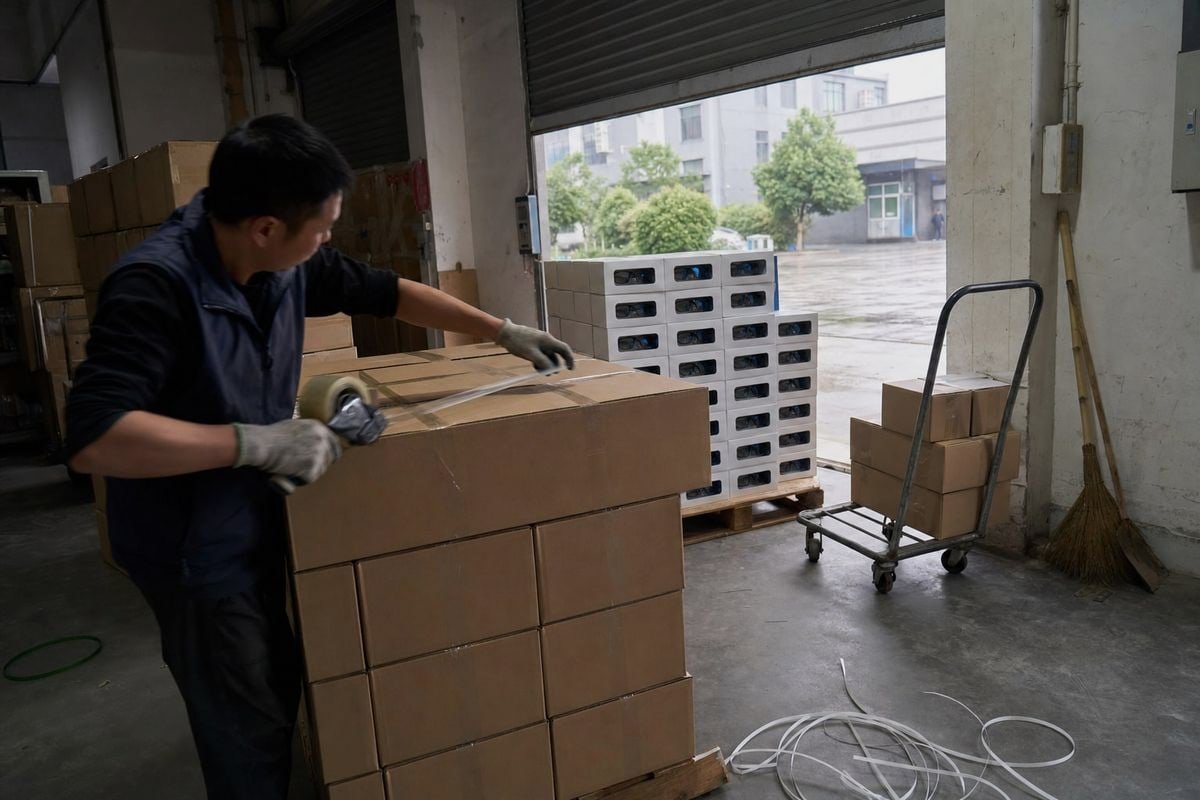
Safety and shelf appeal are not competing goals. A well-engineered pack delivers both. Here is how I break the problem down for buyers during development.
Protection comes from immobilization
Frames get damaged by movement, not by drops alone. Whether you pack one pair or three, each frame needs its own seat. Flexible materials help here — TR90 memory plastic and TPEE temples tolerate compression far better than brittle acetate, which is one reason we build most children's styles from them. But even flexible frames need lens protection. A pouch or tissue barrier keeps mirrored and polarized lens surfaces pristine, and impact-resistant polycarbonate lenses 6 still deserve scratch protection during shipping.
Shelf appeal comes from honesty
Parents want to see the product. A window box that shows the actual colorway outsells a fully closed box in most kids' retail settings, because color is the first purchase trigger for children. Keep claims visible too: UV400 protection, flexible safety materials, and age fit should be readable in two seconds.
Small details that earn loyalty
A few low-cost additions punch above their weight. A case sized to fit a school bag side pocket reduces loss and quietly solves a real parent headache. A QR code inside the box that links to instant replacement ordering turns a lost pair into a repeat sale instead of a churned customer. Reward stickers that encourage kids to return glasses to their case cost almost nothing and make your brand memorable. Eco-conscious parents also notice paper-based, recyclable materials 7 — we increasingly recommend them over plastic clamshells, and they usually print better anyway.
Finally, always approve the complete pack — insert, case, pouch, carton — as one system before mass production. The packaging protects your reputation as much as it protects the frame.
Conclusion
Packaging failures cost brands twice: damaged frames and damaged trust. Match single-pair packs to premium SKUs, multi-packs to replacement needs, and test both — we can help you sample either.
Footnotes
1. Authoritative guide on children’s vision and eyewear requirements. ↩︎
2. Technical background on the polymer used in flexible frames. ↩︎
3. General technical background on protective packaging components. ↩︎
4. Explains the logistics environment mentioned for DTC shipping. ↩︎
5. FDA safety standards for impact resistance in optical lenses. ↩︎
6. Background on polycarbonate material properties relevant to impact-resistant eyewear lenses. ↩︎
7. EPA overview of recycling practices supports the claim about eco-friendly packaging materials. ↩︎
More Articles You Might Like



Looking for a Reliable Kids Eyewear Partner?
Explore 800+ ready styles and full OEM/ODM support tailored to your brand.
Get in Touch English
  Español de México
  Deutsch
  Français
  日本語
日本語  العربية
  Português do Brasil