What Key Terms Should Be Specified in a Kids Optical Frames Purchase Contract?

A kids optical frames purchase contract can protect your brand—or quietly expose it. After fifteen years running our Taizhou eyewear factory, I have seen vague contracts sink promising launches.
A kids optical frames purchase contract should specify product specifications, safety compliance (CPSIA, FDA impact resistance standards), quality and defect definitions, payment terms and conditions, lead times, inspection rights, IP and mold ownership, warranty coverage, acceptable defect rates, and after-sales replacement responsibility.
Each of those terms deserves its own clause. Below, I break the contract down section by section, based on what actually goes wrong in real orders.
What Quality and Safety Standards Should I Require in the Contract?
A buyer from Australia once asked me why our TR90 1 frames cost more than a quote she got elsewhere. I answered with one question: does that quote name a single safety standard? Ours always do, because our production line is built around them.
Your contract should require CPSIA compliance for children's products, FDA impact resistance standards for lenses sold in the US, hypoallergenic and non-toxic materials (lead-free, BPA-free), third-party test reports per batch, and conformity to an approved pre-production sample—all documented, not verbal.
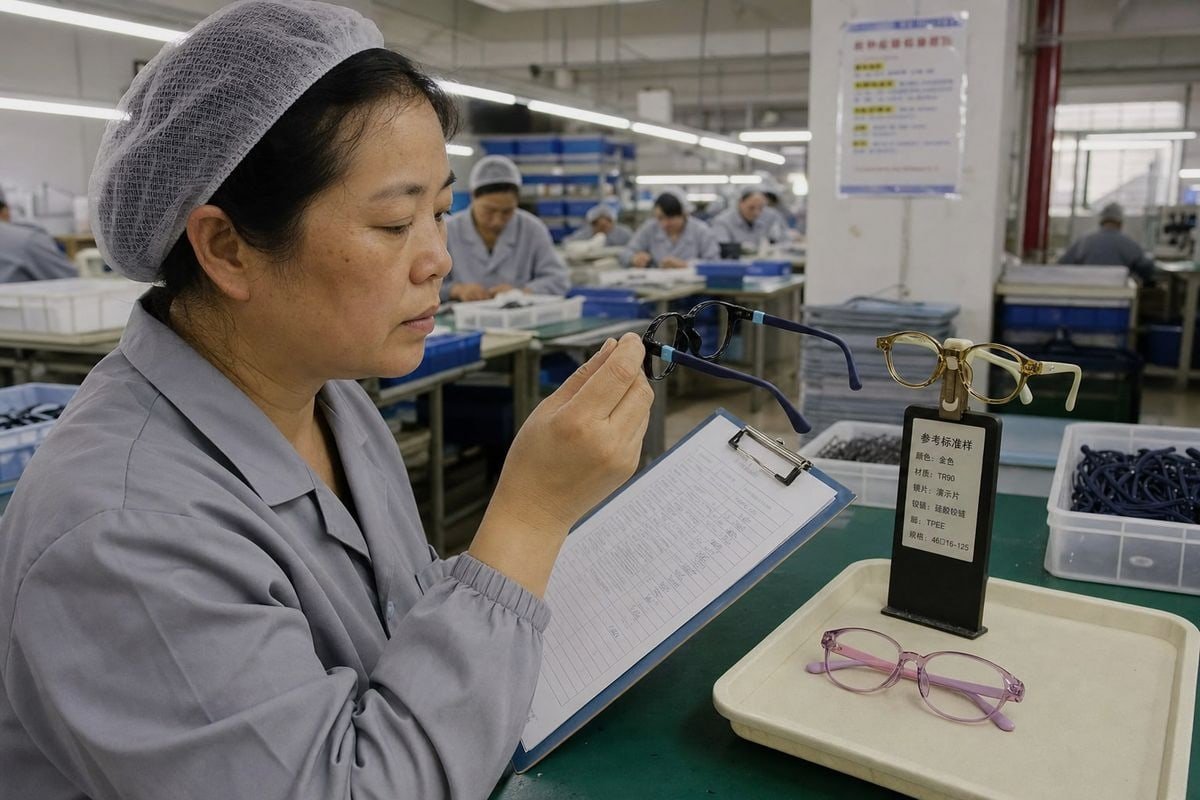
Safety clauses are the heart of any children's eyewear contract. Kids' frames are not small adult frames. They face chewing, bending, dropping, and hours of contact with sensitive skin. So the contract must turn safety from a marketing claim into a legal obligation.
Name the Standards Explicitly
Do not write "frames must be safe for children." That sentence is unenforceable. Instead, name each standard and tie it to a document the supplier must deliver. In our experience exporting to 20+ countries, serious buyers ask for test reports before the first payment, and we expect that.
| Contract Requirement | What to Specify | Proof to Demand |
|---|---|---|
| CPSIA-Konformität 2 | Lead and phthalate limits for children's products (US) | Third-party lab report, CPC certificate |
| Impact resistance standards | FDA 21 CFR 801.410 3 for prescription lenses/demo lenses | Drop-ball test documentation |
| EN 71 / EU rules | Chemical and mechanical safety if selling in Europe | Test report per material batch |
| Hypoallergenic materials | TR90, TPEE, silicone parts; lead-free, BPA-frei 4 | Material data sheets |
| FDA medical device registration | Required for prescription frames entering the US | Registration number in the contract |
Define Quality Against a Sample
Your contract should state that all production must conform to a signed pre-production sample. List what counts as a defect: snapping hinges, warped rims, rough edges, loose screws, discoloration, or weak temple joints. On our 5S-managed workshop floor, inspectors check frames against a golden sample at three stages. Your contract should give you the same reference point.
Materials Matter More for Kids
Specify the material by name—TR90 for the front, TPEE for flexible temples, food-grade silicone for nose pads and ear hooks. One of our styles pairs a glossy black TR90 front with soft two-tone TPEE temples and silicone ear hooks, precisely because rigid plastic behind a child's ear causes pressure sores. Write the material into the contract so a supplier cannot quietly substitute cheaper resin.
How Can I Protect My Order With Clear Payment and Delivery Terms?
The trade-off I weigh most often with new clients is deposit size versus lead time priority. Buyers who negotiate clear, fair payment terms and conditions up front almost always get smoother production scheduling from our side too.
Protect your order by fixing the wholesale pricing structure for the contract term, defining the minimum order quantity, setting deposit and balance milestones tied to inspection, stating Incoterms and risk transfer, and adding penalties or cancellation rights for late delivery.
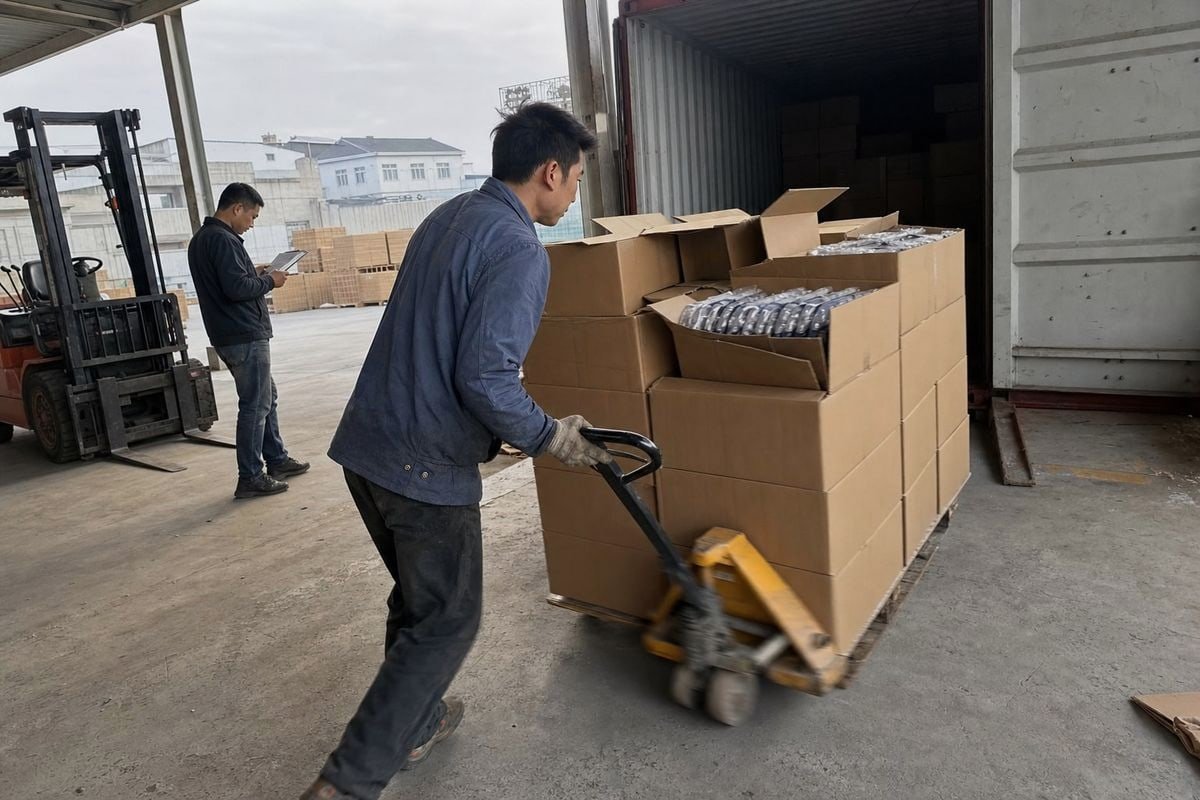
Money and timing clauses are where vendor-friendly boilerplate hides most often. Read every line. Here is how I recommend structuring this part of the contract.
Lock the Price and the MOQ
State whether the wholesale pricing structure is fixed Incoterms 5 for the contract term or reviewable, and require written approval for any increase. Prohibit invoicing above the contract price. Also define the minimum order quantity for both the first order and reorders. At our factory, buyers picking from our ~800 existing styles enjoy lower MOQs than fully custom projects, and we write that distinction into every agreement—your supplier should too.
Tie Payments to Milestones
| Milestone | Typical Payment | Buyer Protection Clause |
|---|---|---|
| Order confirmation | 30% deposit | Deposit refundable if pre-production sample fails |
| Pre-shipment inspection passed | Balance due | Payment only after third-party or buyer QC approval |
| Goods received | Net terms (net 15/30) if negotiated | Align billing with your accounting cycle |
Never let the balance become due before you have an inspection right. That single sequencing decision prevents most payment disputes.
Pin Down Lead Times and Logistics
Children's eyewear is time-sensitive. Kids outgrow frames and prescriptions change, so a delayed shipment can miss an entire retail season. Your contract should state the production lead time in days, the shipping method, and who pays freight, insurance, and duties under a named Incoterm. Specify when risk of loss transfers—on shipment, delivery, or acceptance. Add a notice obligation for delays and backorders, plus the right to cancel late orders without penalty. Clear lead times and logistics clauses also help us plan honestly; I would rather commit to a realistic 45 days than promise 30 and disappoint you.
What IP and Custom Design Clauses Do I Need When Working With an OEM Factory?
A European baby-brand founder once emailed me at midnight, worried she had found her "exclusive" design on another site. It was not ours—but the scare taught her why IP clauses belong in the contract, not in trust intellectual property 6.
Your contract needs clauses stating that custom molds, tooling, logos, packaging artwork, and colorways belong to you after payment; that the factory cannot sell your custom designs to third parties; and defining whether open-catalog styles carry any exclusivity in your market.
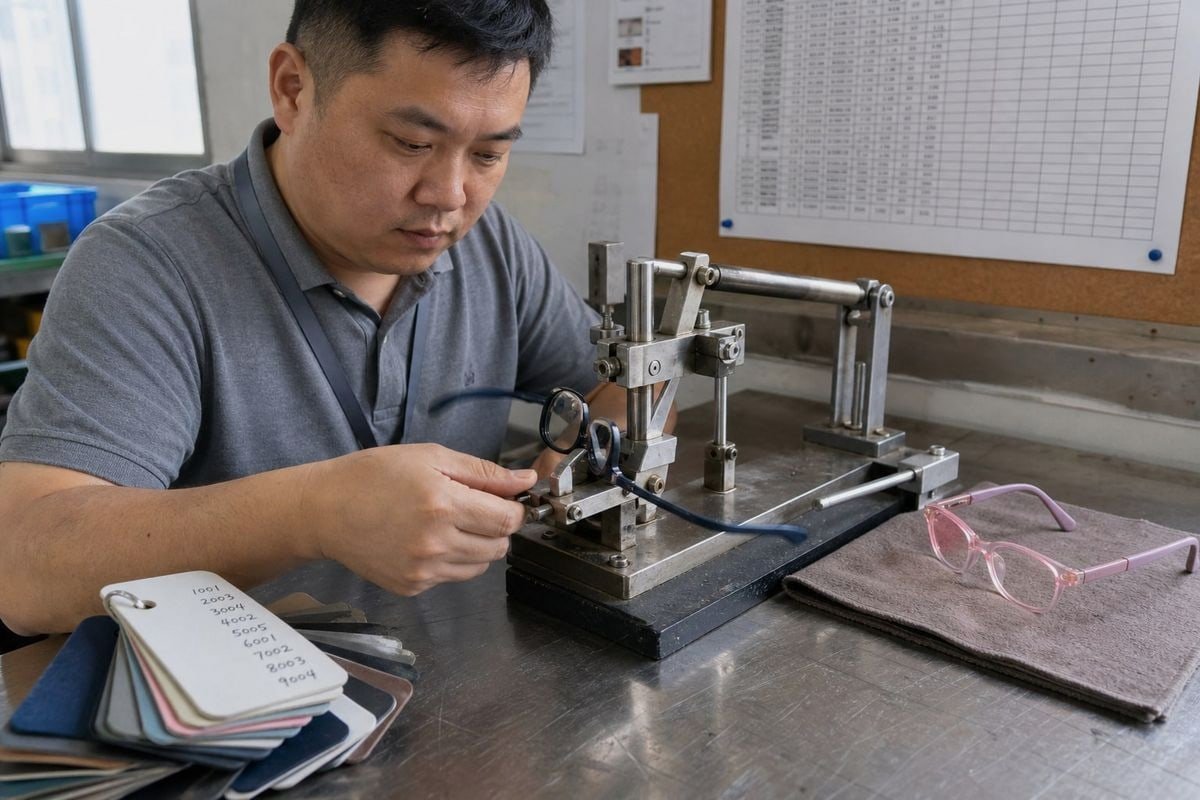
OEM and ODM relationships create shared assets, and the contract must say who owns what. Let me separate the categories, because they carry very different rights.
Three Levels of Design Ownership
- Open catalog styles. When a buyer selects from our existing ~800 styles, the mold remains factory property. You own your logo and packaging, not the frame shape. You can, however, negotiate territory or channel exclusivity for a specific style—define the region, duration, and any minimum purchase commitment that keeps it active.
- Custom colorways and branding. Your Pantone colors, temple prints, logo placement, and retail-ready packaging artwork should be contractually yours. The clause should ban the factory from offering your exact color-and-logo combination to anyone else.
- Fully custom molds. If you pay a mold fee for an original frame design—say, a translucent pink acetate-look TR90 front with two-tone matte temples developed from your sketches—the contract must state that the mold is your property, held by the factory only for your production, and transferable to you on request.
Practical IP Clauses to Include
Require the factory to sign the confidentiality terms before you share tech packs or 3D files. State who owns improvements: if our engineers refine your hinge design for manufacturability, the contract should say the refined version stays within your project. Clarify whether the supplier may use your brand name in its own marketing—many buyers forbid this; others trade it for co-op advertising support. Finally, add an indemnity: the factory warrants its own base designs do not infringe third-party IP, and you warrant the artwork you supply is yours.
How Should I Define Warranty, Defect Rate, and After-Sales Responsibility?
Early in my career, I learned a hard lesson: a Japanese distributor returned a shipment over hinge stiffness we considered "within tolerance." We had never defined tolerance in writing. That order changed how we draft every warranty clause since.
Define an acceptable AQL defect rate at inspection, a warranty period covering manufacturing defects like hinge failure and material weakness, a defective goods return policy stating who pays return freight, and replacement rules for discontinued models—substitute, refund, or backorder.
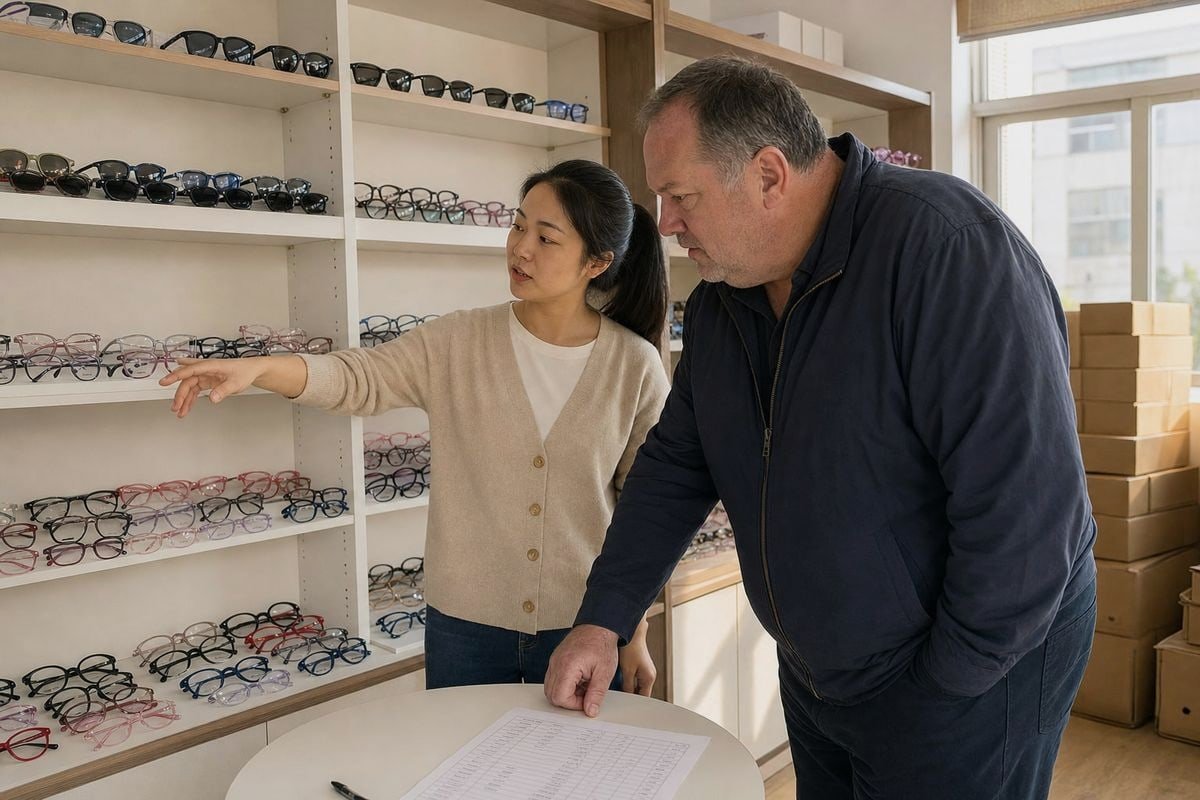
Warranty language is where vendors and buyers pull in opposite directions. Suppliers want narrow coverage and substitution rights; buyers want tight definitions and free replacement. Here is how to land somewhere fair—and enforceable.
Separate Inspection Defects From Warranty Defects
These are two different problems, and your contract should treat them differently.
| Phase | Was es abdeckt | Standard Remedy |
|---|---|---|
| Pre-shipment / receiving inspection | Wrong model, size, color; visible defects; quantity shortfall | Reject, rework, or replace at seller's expense before balance payment |
| Warranty period (e.g., 12 months) | Manufacturing defects: broken flexible spring hinges, premature material failure, delamination | Free replacement frames in next shipment or credit note |
| Excluded | Accidental breakage, chewing, sitting on frames, normal wear | Buyer's own consumer warranty program |
Set the inspection window in days after receipt. Set an AQL 7 level for batch acceptance and state what happens if a batch fails—100% re-inspection, rework, or full replacement at the seller's cost. On our line, we run incoming material checks, in-process checks, and final AQL sampling, so a written defect-rate clause simply matches what a disciplined factory already does.
Make Replacement Predictable
Children's frames get replaced often, so after-sales terms matter more than in adult eyewear. Your defective goods return policy should state the claim procedure (photos and batch numbers usually suffice—do not accept a policy requiring you to ship broken frames back to China at your cost), the response deadline, and who files carrier claims for transit damage. For discontinued models, require the supplier to offer an equivalent substitute, a refund, or advance notice before discontinuation. Some buyers also negotiate spare parts—screws, nose pads, replacement temples—shipped with each order to cut long-term service costs. Finally, add a recall clause: prompt notice, coordinated replacement, and cost allocation if any frame model is found unsafe. That one paragraph protects both your customers and your brand reputation.
Schlussfolgerung
A vague contract leaves your brand carrying every risk. A precise one—covering safety standards, payment milestones, IP ownership, and warranty terms—turns your kids optical frames purchase contract into real protection. In my experience, buyers who negotiate these clauses up front build the longest, most profitable factory partnerships.
Fußnoten
1. Explains thermoplastic materials like TR90 used in children’s eyewear frames. ↩︎
2. Official source defining CPSIA requirements referenced for children’s product safety compliance. ↩︎
3. FDA regulatory reference for impact resistance standards on eyewear lenses. ↩︎
4. FDA background on BPA safety relevant to hypoallergenic, non-toxic material requirements. ↩︎
5. Background explanation of Incoterms used to define shipping risk transfer in contracts. ↩︎
6. WTO reference on IP protection standards relevant to mold and design ownership clauses. ↩︎
7. Defines Acceptable Quality Limit concept used for batch inspection defect rate clauses. ↩︎
Weitere Artikel, die Ihnen gefallen könnten
August 2026
Bio-Based vs Regular Cellulose Acetate: What's the Difference for Kids' Frames?

August 2026
How Recyclable Are Kids' Optical Frame Materials, and What Eco-Friendly Alternatives Exist?
August 2026
Bleichen Kinderbrillengestelle im Lager aus oder altern sie, und wie kontrolliert man die Lagerbedingungen?
Auf der Suche nach einem zuverlässigen Partner für Kinderbrillen?
Entdecken Sie über 800 sofort verfügbare Modelle und umfassenden OEM/ODM-Support, der auf Ihre Marke zugeschnitten ist.
Kontakt aufnehmen English
  Español de México
  Deutsch
  Français
  日本語
日本語  العربية
  Português do Brasil