Beim Kauf von optischen Kinderbrillen, wie kann ich feststellen, ob der angebotene Preis eines Lieferanten angemessen ist?
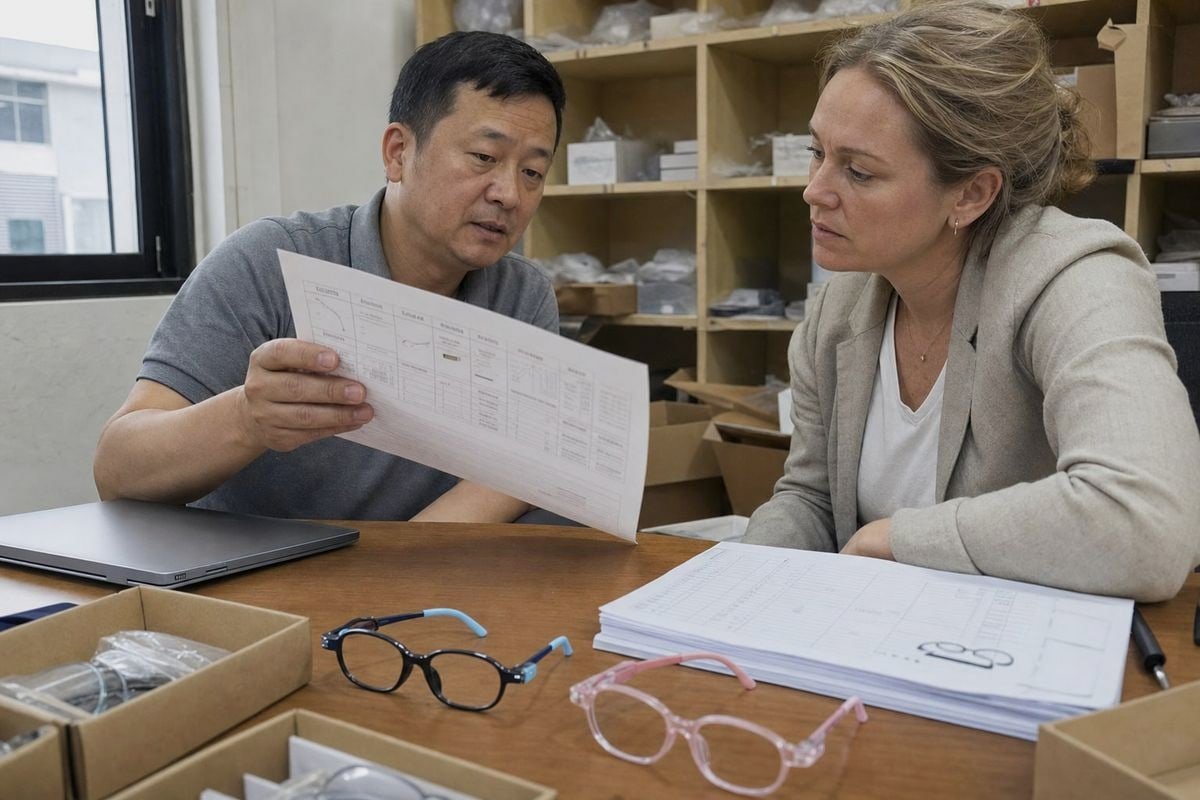
Angebote für optische Kinderbrillen verwirren viele Käufer, die ich auf Messen treffe CPSIA-Anforderungen 1. Zwei Lieferanten, das gleiche Foto und Preise, die sich um 40% unterscheiden. Welcher von beiden lügt? Normalerweise keiner von beiden – und das ist das eigentliche Problem. Wenn wir Käufern unsere eigenen Kostenblätter in der Fabrik durchgehen, stellen sie oft fest, dass sie einen nackten Rahmen mit einem vollständig zertifizierten, verkaufsfertigen Produkt verglichen haben. Die Lösung ist eine einfache Audit-Methode, die ich unten vorstellen werde.
Ein Angebot eines Lieferanten für optische Kinderbrillen ist angemessen, wenn es dem Marktbereich für diese Materialqualität entspricht, eine nachweisbare Sicherheitskonformität beinhaltet und transparent die Kosten für den Rahmen, die Scharniere, die Verpackung, die Prüfung und den Versand auflistet. Vergleichen Sie die gesamten Lieferkosten pro Einheit – niemals nur den reinen Stückpreis allein.
Das klingt einfach, aber jeder Teil birgt Fallen. Lassen Sie mich die gesamte Frage Abschnitt für Abschnitt aufschlüsseln, anhand realer Zahlen aus unserer eigenen Produktionslinie.
Welche Faktoren beeinflussen tatsächlich den Preis von Kinderbrillenfassungen und wie erkenne ich, ob sie angemessen sind?
Ein Käufer aus Australien fragte mich einmal, warum unser TR90-Rahmen mehr kostete als ein "TR90"-Rahmen, den sie woanders gefunden hatte. Die Antwort lag im Materialzertifikat, nicht im Foto.
Fünf Faktoren bestimmen den Preis von Kinderbrillenfassungen: Polymerqualität (neuwertig im Vergleich zu recyceltem TR90 oder TPEE), Scharnierqualität, Herkunft der Form (echte pädiatrische Formen im Vergleich zu vergrößerten Erwachsenenwerkzeugen), Konformitätstests und Bestellmenge. Ein Preis ist angemessen, wenn er dem Spezifikationsniveau entspricht und nicht dem Produktfoto.
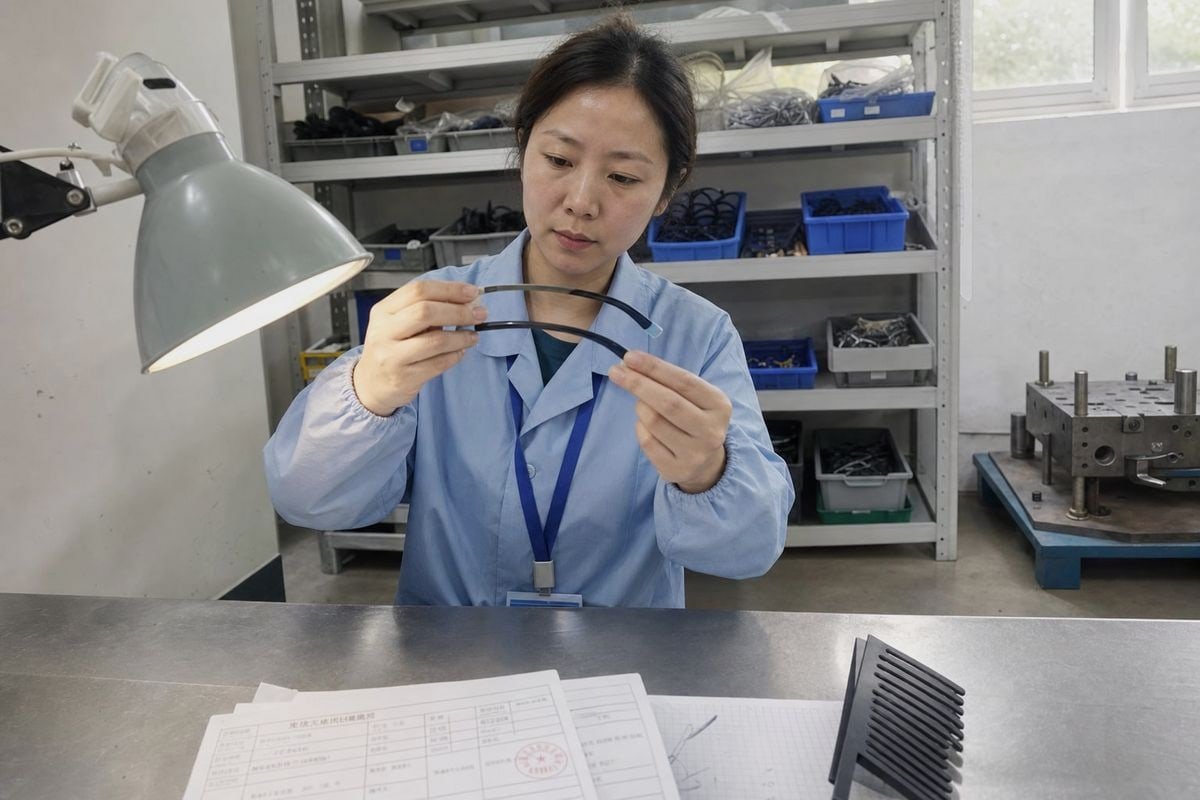
Die größte versteckte Variable ist Materialqualität. TR90-Material 2 Die Kosten variieren stark, da "TR90" eine Familie von Nylonpolymeren ist, nicht ein festes Produkt. Medizinische, hautfreundliche TR90 mit guter Formgedächtnis-Eigenschaft kostet merklich mehr als recyceltes oder gemischtes Harz. In unserer Produktion verwenden wir virgin TPEE für flexible Bügel, gerade weil Kinder an ihren Brillen kauen, sie verdrehen und sich darauf setzen. Eine billige Mischung verliert nach einigen Monaten ihr Formgedächtnis, und der Rahmen federt nicht mehr zurück.
Die wichtigsten Kostentreiber, geordnet
| Kostentreiber | Typischer Einfluss auf den Stückpreis | Wie man es verifiziert |
|---|---|---|
| Polymerqualität (TR90/TPEE) | Hoch | Fordern Sie Materialzertifikate und Datenblätter an |
| Scharniertyp und Zyklusbewertung | Mittel bis hoch | Fragen Sie nach Federgelenk-Haltbarkeit 3 Zykluszahlen |
| Pädiatrische Form vs. vergrößerte Erwachsenenform | Mittel | Prüfen Sie die Passform des Stegs und die Krümmung der Bügel |
| Konformitätsprüfung (CE, CPSIA, BPA-frei) | Mittel | Fordern Sie Prüfberichte pro Charge an |
| Oberflächenveredelung und Zweifarben-Spritzguss | Gering bis mittel | Prüfen Sie physische Muster |
Die Größenanpassung von Kinderbrillen ist wichtiger, als die meisten neuen Käufer erwarten. Echte Kinderformen haben flachere Stege, kürzere Vertex-Distanzen und weichere Bügelkrümmungen für sich entwickelnde Gesichter. Vergrößerte Werkzeuge für Erwachsene sind für die Fabrik billiger, passen aber schlecht, was zu Rücksendungen führt. Als wir unsere Zweifarben-Brillen mit Silikon-Scharnierverbindern und verstellbaren Ohrhaken entwickelten, waren die Werkzeugkosten real – und sie spiegeln sich ehrlich im Angebot wider. Ein Lieferant, der für echte pädiatrische Konstruktion Erwachsenenpreise verlangt, verlangt nicht zu viel. Ein Lieferant, der für vergrößerte Erwachsenenformen Kinderpreise verlangt, ist derjenige, den man hinterfragen sollte.
Wie kann ich Angebote von verschiedenen Lieferanten fair vergleichen, wenn Material und Mindestbestellmenge unterschiedlich sind?
Jede Woche hört unser Verkaufsteam die gleiche Einwandbehauptung: "Ihr Preis ist höher als der einer anderen Fabrik." Meine ehrliche Antwort ist immer die gleiche – lassen Sie uns zuerst beide Angebote auf einem normalisierten Blatt vergleichen.
Normalisieren Sie jedes Angebot auf die gleiche Basis: identische Materialqualität, Scharnierspezifikation, Verpackungsstufe, Prüfumfang und Mengenebene. Vergleichen Sie dann die gesamten Lieferkosten pro Einheit, einschließlich Versand und Zöllen. Ein höherer Stückpreis bei einer niedrigeren Mindestbestellmenge gewinnt oft beim tatsächlichen Kosten.
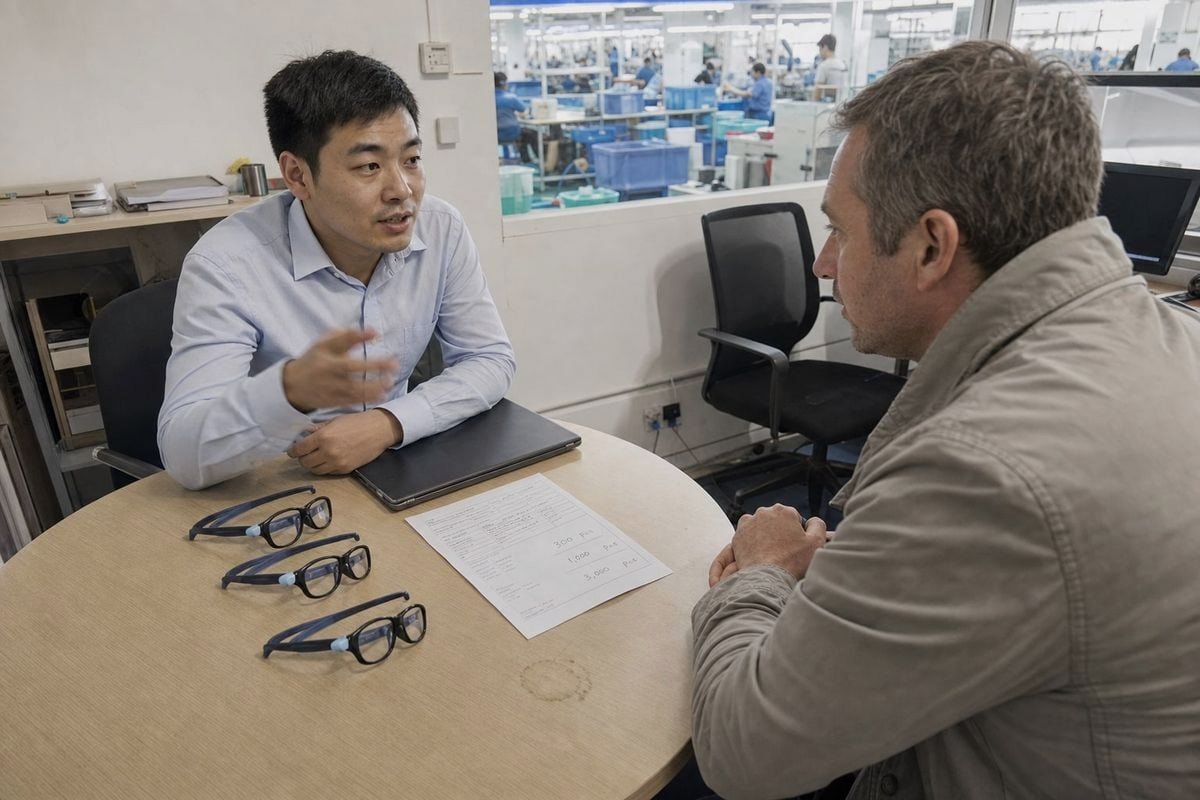
Hier ist der praktische Prozess, den ich Einkaufsmanagern empfehle:
- Legen Sie die Spezifikation fest. Schreiben Sie eine Datenblatt – Material, Scharnier, Beschichtung, Verpackung – und senden Sie sie an jeden Lieferanten. Angebote auf Basis unterschiedlicher Spezifikationen sind bedeutungslos.
- Fordern Sie Mengenrabattstufen an. Fragen Sie nach Preisen für 300, 1.000 und 3.000 Stück. Die Kurve zeigt Ihnen, wo die tatsächliche Effizienz der Fabrik liegt.
- Passen Sie für das MOQ-Risiko an. Ein niedriger Stückpreis mit einer Mindestbestellmenge von 5.000 Stück bindet Bargeld und Lagerplatz. Bewerten Sie dieses Risiko ehrlich.
- Fügen Sie Lieferkosten hinzu. Berücksichtigen Sie Fracht, Zölle und schützende Verpackung. Ein Angebot, das ab Werk 10% billiger aussieht, kann diese gesamte Marge am Hafen verlieren.
- Bewerten Sie den Katalog. Eine Fabrik mit bestehenden Modellen eliminiert die Werkzeugkosten vollständig. Wir halten etwa 800 fertige Modelle aus genau diesem Grund – neue Marken können den Markt ohne Werkzeugrisiko testen.
MOQ-Szenarien und ihre tatsächlichen Kosten
| Szenario | Stückpreis | Mindestbestellmenge | Bestandsrisiko | Sie handhaben |
|---|---|---|---|---|
| Kleinserie aus Lagerbeständen | Höher | Niedrig (z. B. ein paar hundert) | Niedrig | Neue Marken testen die Nachfrage |
| Standard-OEM-Auflage | Mittel | Mäßig | Mittel | Etablierte SKUs |
| Kundenspezifische Form, hohe Stückzahl | Niedrigste | Hoch | Hoch | Nur bewährte Bestseller |
Die Kleinserienfertigung verdient besondere Aufmerksamkeit. Ja, die Kosten pro Einheit sind höher. Aber bei Kinderbrillen ändern sich Trends und Farbvarianten schnell. Käufer, die sich zu einem Stil zu einem 'großartigen" Großhandelspreis verpflichten, müssen oft ein Jahr später Lagerbestände abschreiben. Nach unserer Erfahrung im Export in über 20 Länder wachsen die Käufer, die am schnellsten wachsen, klein in mehreren Stilen, lesen Verkaufsdaten und bestellen dann tief nach. Wenn Sie die Großhandelspreise für Brillen so gestalten, ist die "teure" kleine Bestellung oft der günstigste Weg zu einer profitablen Palette.
Ein Distributor zeigte mir einmal ein konkurrierendes Angebot, das unseres um 8% schlug. Dann listeten wir auf, was es ausschloss: Testberichte, Einzelhandelsverpackungen und Inspektion vor dem Versand. Seine "Einsparungen" verdampften Zeile für Zeile.
Achten Sie auf ausgeschlossene Compliance-Tests, unbranded oder nur Bulk-Verpackungen, Muster- und Werkzeuggebühren, Inspektion vor dem Versand, Fracht- und Zollannahmen sowie vage Mängelersatzbedingungen. Jedes Angebot, das diese sechs Bereiche nicht aufschlüsseln kann, wird nach Ihrer Unterschrift teurer – manchmal um 15% oder mehr.
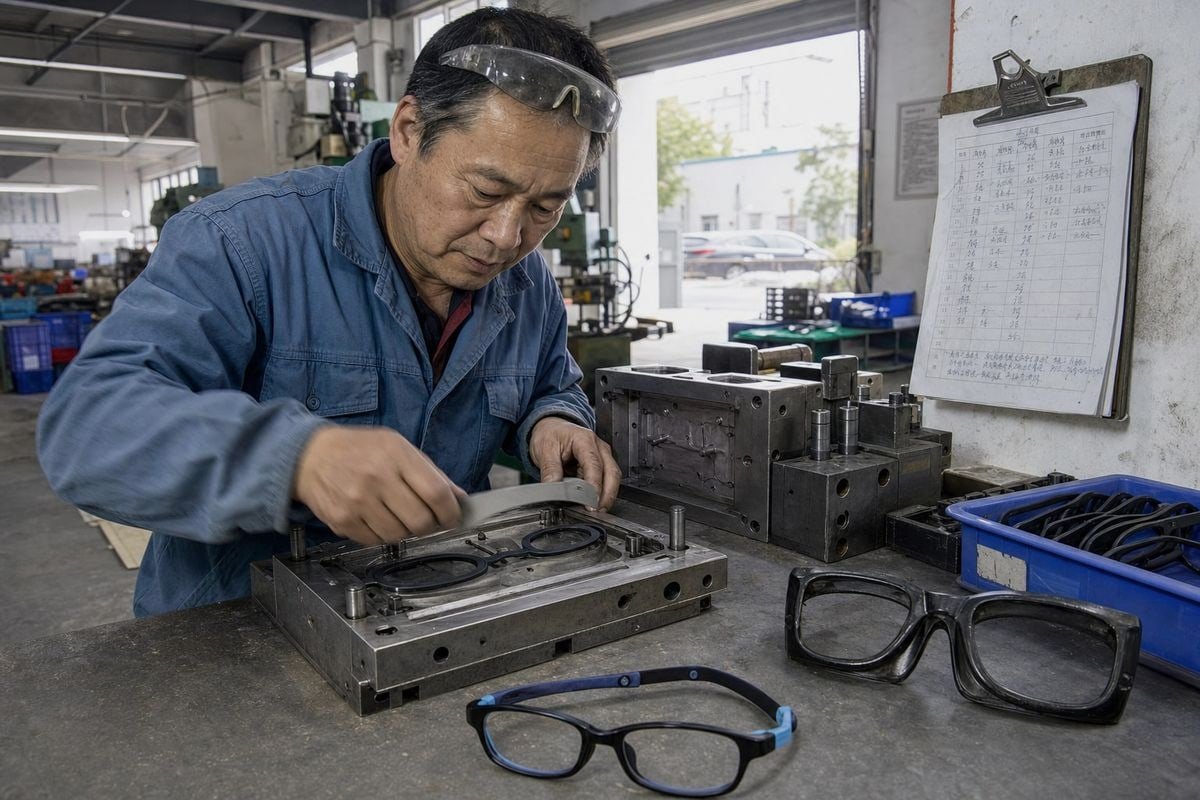
Die Einhaltung ist die gefährlichste Auslassung. Kinderbrillen, die in die EU verkauft werden, müssen die CE-Zertifizierungsstandards 4, erfüllen, und Brillen für den US-Markt unterliegen den CPSIA-Anforderungen sowie, für optische Produkte, Schließlich ein Hinweis zum Umfang: Brillenfassungen, die als Korrektionsbrillen verkauft werden, können je nach Vermarktung des Produkts auch 5 Überlegungen auf Importebene. Einige Fabriken zitieren ohne jegliche Chargentests. Die Rahmen können in Ordnung sein – oder sie können Aufprallschutzprüfung 6 beim Zoll oder bei einer Prüfung durch den Einzelhändler fehlschlagen, und diese Kosten gehen vollständig auf Sie. Fragen Sie vor der Unterzeichnung drei direkte Fragen: Welche Standards deckt dieses Angebot ab? Wer bezahlt für die Chargentests? Kann ich aktuelle Testberichte für dieses genaue Modell sehen?
Eine Checkliste für versteckte Kosten
| Versteckte Kosten | Typischer Einflussbereich | Frage zu stellen |
|---|---|---|
| Konformitätsprüfung (CE, CPSIA, BPA-frei) | Moderat pro Charge | Sind Tests enthalten, und pro Charge oder pro Modell? |
| Einzelhandelsfertige Verpackung | Klein pro Einheit, groß insgesamt | Ist das Angebot für Polybeutel oder Markenbox? |
| Werkzeug- oder Formenbaugebühren | Einmalig, kann groß sein | Amortisiert im Stückpreis oder separat in Rechnung gestellt? |
| Charakter- oder Lizenzdesigns | 5–15% Prämie | Deckt dies IP-Lizenzgebühren oder nur Styling ab? |
| Frachtbedingungen (EXW vs. FOB vs. DDP) | Variiert stark | Was genau beinhaltet Ihre Preisbedingung? |
| Mangel- und Garantiepolitik | Schwer zu quantifizieren | Was ist Ihre Ersatzrate und Ihr Prozess? |
Die Verpackung verdient eine eigene Zeile. Unsere OEM-Brillenherstellungsangebote trennen immer den Rahmen von der Verpackungsoption, da ein Käufer von Werbeartikeln eine andere Präsentation benötigt als eine Boutique-Brillenmarke. Wenn ein Angebot zur Verpackung schweigt, gehen Sie vom Schlimmsten aus: lose Brillen in einem Polybeutel. Charakter-Brillen tragen weitere stille Kosten – diese 5% bis 15% Prämie zahlt normalerweise Lizenzgebühren für geistiges Eigentum, nicht bessere Materialien, also beurteilen Sie sie als Marketingkosten und nicht als Qualitätsmerkmal.
Woran kann ich erkennen, ob ein niedrigerer Preis die Sicherheit oder Qualität der Rahmen beeinträchtigt?
Bei einer Qualitätskontrollrunde im letzten Jahr bog ich einen Bügel einer Konkurrenzprobe neunzig Grad und er wurde an der Belastungsstelle weiß – ein klassisches Zeichen für abgebautes oder recyceltes Polymer. Unser eigener TPEE-Bügel sprang sauber zurück. Gleiches Aussehen, sehr anderer Rahmen.
Ein verdächtig niedriger Preis deutet normalerweise auf recycelte Polymergemische, nicht bewertete Scharniere, fehlende Schlagfestigkeitsprüfungen oder vergrößerte Erwachsenenformen hin. Überprüfen Sie die Qualität, indem Sie physische Muster anfordern, die Bügel auf Flexibilität testen, die Zyklusbewertungen der Scharniere überprüfen und aktuelle Sicherheitsprüfberichte verlangen, bevor Sie eine Bestellung aufgeben.
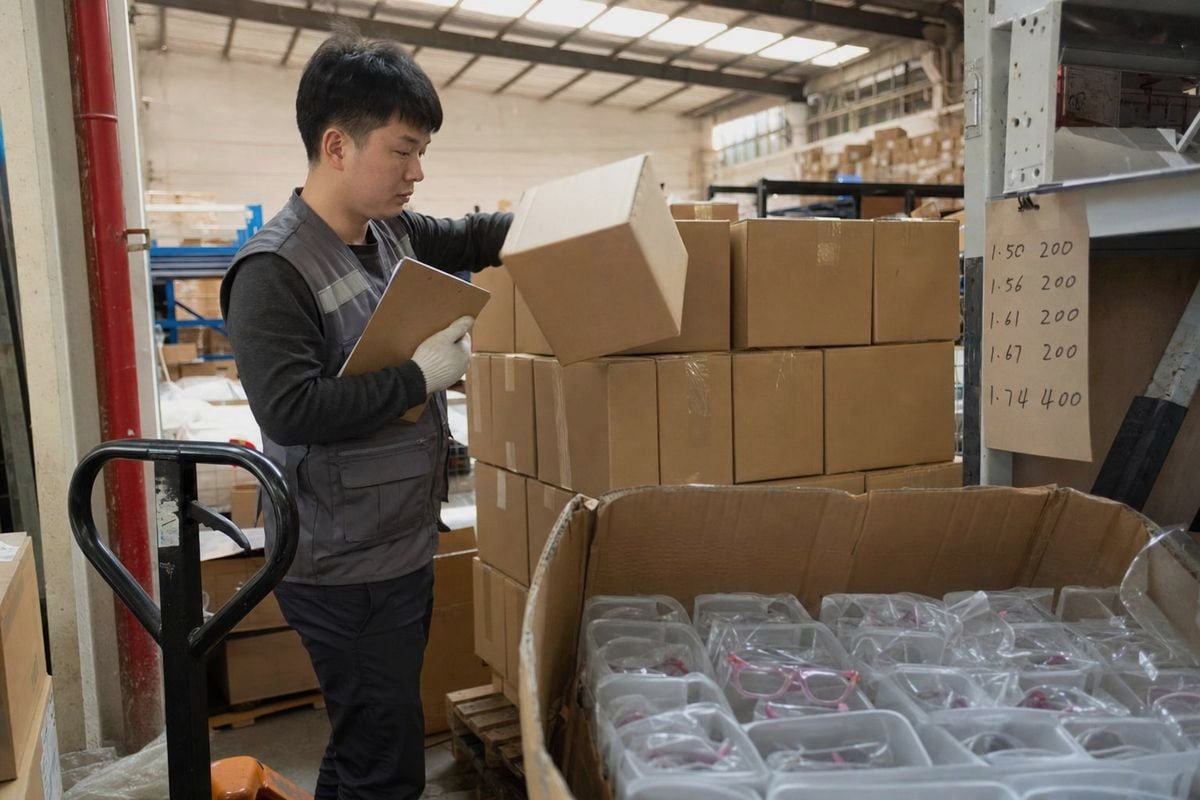
Manche Käufer wehren sich hier mit einem fairen Einwand: Wenn ein Kind oft Brillen verliert oder zerbricht, ist dann nicht die billigste Brille die rationale Wahl? Für einen Einweg-Werbeartikel vielleicht. Aber für optische Brillen, die ein Kind acht Stunden am Tag trägt, kehrt sich die Rechnung um. Ein Rahmen, der im zweiten Monat am Scharnier versagt, kostet Sie eine Rücksendung, einen Ersatz, ein Versandetikett und – am schlimmsten – einen Elternteil, der Ihre Marke nie wieder kauft. Die Haltbarkeit von Federscharnieren wird in Öffnungs-Schließ-Zyklen gemessen; ein Hochzyklus-Scharnier kostet Cent mehr pro Einheit und verhindert den häufigsten Ausfall, den wir bei zurückgegebenen Kinderbrillen sehen.
Eine praktische Musterprüfungspraxis
Sie benötigen kein Labor, um Muster zu prüfen. Hier ist die Routine, die ich neuen Käufern beibringe:
- Biegetest. Biegen Sie jeden Bügel weit über den normalen Verschleiß hinaus nach außen. Hochwertiges TR90 und TPEE kehren ohne Aufhellung oder Knarren in ihre Form zurück.
- Scharniertest. Öffnen und schließen Sie die Bügel fünfzigmal schnell. Jede Lockerheit oder jedes Schleifen deutet auf einen frühen Ausfall hin.
- Hautkontaktprüfung. Riechen Sie am Rahmen und inspizieren Sie die Oberfläche. Starker chemischer Geruch deutet auf billige Weichmacher hin; fragen Sie nach BPA-freier Bestätigung 7.
- Passformprüfung. Setzen Sie den Rahmen auf eine Kopfpuppe in Kindergröße. Vergrößerte Erwachsenenformen rutschen sofort von der Nase.
- Brillenglasfassung prüfen. Für Käufer, die Myopie-Management-Gläser planen, bestätigen Sie die Stabilität des Rahmens und den konstanten Scheitelabstand – diese Gläser erfordern eine starre, gut sitzende Vorderseite.
Premium-Funktionen können auch in die andere Richtung ein höheres Angebot rechtfertigen. Antimikrobielle Oberflächenbehandlungen bieten einen echten Hygienewert für Kleinkinder und Schulkinder. Verstärkte Brückenpunkte reduzieren Garantieansprüche. Silikon-Ohrhaken, wie die, die wir auf unsere Sportmodelle aufspritzen, halten Brillen bei aktiven Kindern und reduzieren Bruchschäden durch Stürze. Ein niedriger Preis ohne diese ist kein Schnäppchen – es ist ein anderes, geringeres Produkt.
Schlussfolgerung
Ein angemessenes Angebot für optische Kinderbrillen listet Materialien, Scharniere, Tests, Verpackung und Fracht auf. Überprüfen Sie die gesamten Landekosten, verifizieren Sie die Sicherheit mit Mustern und Berichten und bewerten Sie das Risiko – nicht nur die Einheiten.
Fußnoten
Offizielle Quelle der US-Regierung, die die CPSIA-Regeln für Kinderprodukte detailliert beschreibt. ↩︎
Erklärt die Polymerchemie hinter TR90 und hilft Käufern, Unterschiede in der Materialqualität zu verstehen. ↩︎
ISO bietet Standard-Testrahmen, die für Haltbarkeitsansprüche im Scharnierzyklus relevant sind. ↩︎
Hintergrund zu den CE-Kennzeichnungsanforderungen, die für die Konformität von Brillen in der EU referenziert werden. ↩︎
Die offizielle Seite der FDA für Medizinprodukte klärt Überlegungen zur Importregistrierung für optische Produkte. ↩︎
Maßgebliche Wikipedia-Eintragung, die Schutzstandards für Augen und ANSI Z87.1-Aufpralltests beschreibt. ↩︎
FDA-Seite, die BPA-Sicherheitsdaten für Kunststoffrahmenmaterialien erklärt. ↩︎
Weitere Artikel, die Ihnen gefallen könnten

Auf der Suche nach einem zuverlässigen Partner für Kinderbrillen?
Entdecken Sie über 800 sofort verfügbare Modelle und umfassenden OEM/ODM-Support, der auf Ihre Marke zugeschnitten ist.
Kontakt aufnehmen English
  Español de México
  Deutsch
  Français
  日本語
日本語  العربية
  Português do Brasil