Overseas Warehouse vs Cross-Border Shipping: Which Is Better for Kids’ Optical Frames?
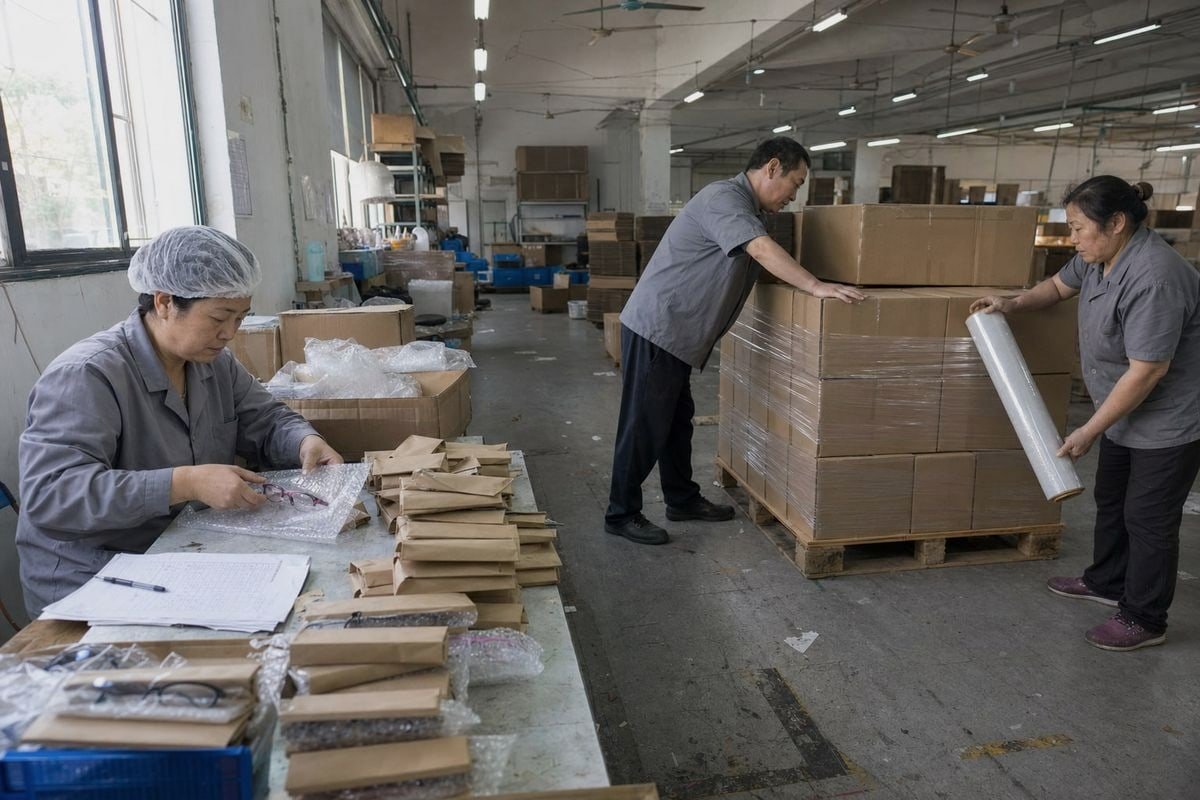
Choosing between an overseas warehouse and cross-border shipping for kids’ optical frames 1 worries almost every buyer who visits our Taizhou factory. Pick wrong, and cash gets trapped or parents cancel orders.
For kids’ optical frames, cross-border shipping is better when launching or testing demand, while an overseas warehouse wins once orders are steady, because parents expect 2–5 day delivery, easy exchanges, and local returns. Most successful eyewear brands eventually run a hybrid model.
Let me unpack this properly. I will compare both models on decision criteria, real costs, delivery speed, and inventory risk, using what we see across the 20+ countries we ship to.
How Do I Decide Between Overseas Warehouse and Cross-Border Shipping for My Kids' Optical Frames?
Last year, a buyer from Australia asked me this exact question during a factory tour. She sold pediatric eyewear online and could not decide where her stock should sit.
Decide based on demand stability: use cross-border shipping if you are entering a new market, selling many low-volume SKUs, or protecting cash flow; choose an overseas warehouse once demand is predictable, delivery speed drives conversion, and fit-related exchanges are frequent — as they are with children's frames.

Kids' optical frames are not ordinary fashion accessories. The buyer is a parent, not the wearer. A child's face changes fast, frames slip or pinch, and prescriptions get corrected. That makes this category unusually service-sensitive. So the decision is less about "which model is cheaper" and more about "which model fits how parents actually buy."
Here is the quick comparison we walk buyers through:
| Faktor | Cross-Border Shipping | Overseas Warehouse |
|---|---|---|
| Sie handhaben | New markets, unproven demand | Stable, repeat-order markets |
| Delivery time | 7–20 days or more | 2–5 days typically |
| Upfront capital | Niedrig | High (bulk stock pre-positioned) |
| Returns handling | Difficult, international | Easy, domestic address |
| SKU variety | Very wide, from one central stock | Limited to warehoused bestsellers |
| Bestandsrisiko | Minimal | Dead stock risk of roughly 3–5% |
A simple three-question test
First, is your monthly order volume above roughly 500 orders, or is your average order value above $50? If yes, warehousing likely pays for itself. Second, do fit-related returns and exchanges happen often? For kids' frames, they usually do, and that favors localized distribution. Third, is your catalog wide but shallow? Many colors and sizes with thin sales each are better served by centralized cross-border stock.
Our compact TR90 frames with soft silicone temple tips come in many colorways — glossy black with navy-to-sky-blue temples, translucent pale pink acetate looks, and more. No brand should warehouse all of them. The core sizes in basic colors are warehouse candidates. The long-tail fashion SKUs are not.
What Are the Real Cost Differences Between Overseas Warehousing and Direct Cross-Border Shipping for My Brand?
One trade-off I weigh with buyers constantly: the cheapest shipping rate is almost never the cheapest total system. A low per-parcel quote hides expensive problems downstream.
Cross-border shipping has lower upfront costs but higher per-order shipping, individual customs clearance fees, and costly international returns. Overseas warehousing adds storage, pick-pack, and dead-stock costs, yet bulk sea freight, cheaper last-mile delivery, and higher conversion often produce a lower total landed cost at volume.
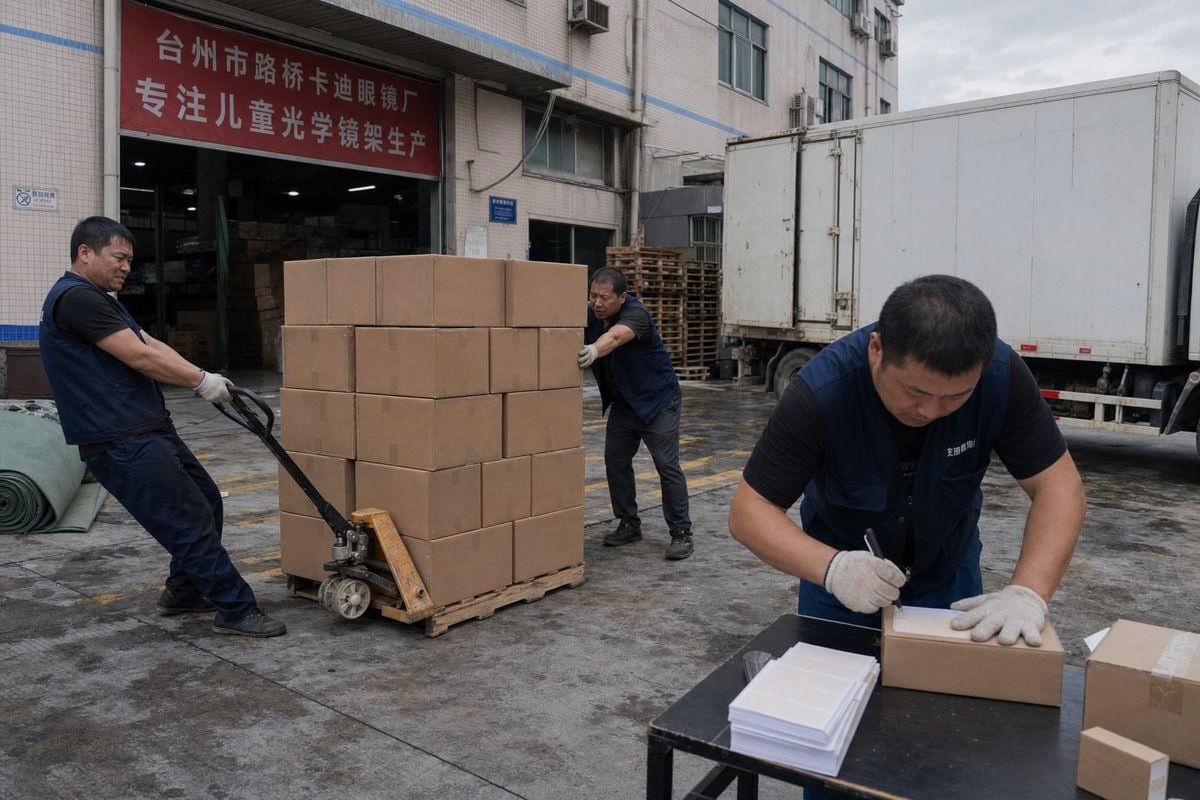
The mistake I see most often is comparing only freight quotes. The right comparison is total landed cost plus customer-experience economics. That means product cost, import duties and VAT, storage, pick-pack fees, last-mile delivery 2, reverse logistics, and a dead-stock allowance.
Where each cost actually lands
| Cost Item | Cross-Border Shipping | Overseas Warehouse |
|---|---|---|
| Freight per unit | High (air parcel per order) | Low (bulk shipping by sea) |
| Customs clearance | Per parcel, delay-prone | Once, in bulk at import |
| Import duties and VAT | Deferred, paid per order | Paid upfront on bulk stock |
| Storage fees | Keine | Monthly, per pallet or bin |
| Returns cost | Very high, international | Low, domestic |
| Dead stock allowance | Near zero | Budget roughly 3–5% of stock |
| Cash flow impact | Leicht | Heavy, capital pre-committed |
The hidden threshold
A practical rule from logistics guides: above roughly 500 monthly orders, or above a $50 average order value, warehousing fixed costs are usually offset by bulk savings and repeat-purchase lift. Below that, cross-border keeps you lean.
There is also a regulatory factor buyers should not ignore. De minimis exemptions like U.S. Section 321 3, which let low-value parcels enter duty-free, are under pressure. If per-parcel import duties tighten, brands relying purely on direct shipping of low-value pediatric eyewear will feel it first. An overseas warehouse, cleared in bulk, is a strategic hedge against that shift.
From our side of the equation, we help by keeping the manufacturing entry point low. With around 800 existing styles, brands can test cross-border with small mixed orders, then commit to bulk warehouse stock only for proven winners. That sequencing protects cash flow at both ends of the supply chain.
How Can I Keep Delivery Times Fast and Reliable When Importing Kids' Optical Frames?
A German distributor once told me the phrase that stuck with me: "A child cannot wait two weeks to see the blackboard." Speed is not a luxury in this category.
Keep delivery fast by pre-positioning your top-selling frames in an overseas warehouse for 2–5 day fulfillment, reserving cross-border shipping for long-tail SKUs, and planning replenishment around sea freight lead times of 20–65 days so local stock never runs dry.

Delivery speed shapes buying confidence for parents more than almost any other factor. Once a prescription is in hand, the parent wants frames now — especially replacements for glasses broken during school term. Local warehousing can cut transit from 14+ days to under 3 days, and that difference directly reduces cart abandonment.
Know your real fulfillment lead time
The numbers most buyers underestimate:
- Direct cross-border parcels commonly take 7–20 days, depending on route and mode.
- Overseas warehouse delivery typically runs 2–5 days, sometimes 2–7 depending on the market.
- Replenishing that warehouse by sea from China to Europe or the US can take 20–65 days depending on lane and mode.
That third number is the trap. Fast last-mile delivery means nothing if the shelf is empty. So build a replenishment rhythm: hold 30–45 days of sales for your top SKUs, and trigger reorders before stock dips below your sea-freight lead time. Peak seasons — back-to-school above all for kids' frames — need buffers planned months ahead, and it is worth stress-testing customs clearance and port-congestion scenarios before you commit.
Where the factory fits in
Our role in your fulfillment lead time is upstream reliability. On-time production is what makes a lean warehouse strategy safe. In our 5S-managed workshop, we schedule repeat orders of core styles — like our lightweight TR90 frames with flexible TPEE temples — so that replenishment containers leave on predictable cycles. Reliable factory dates let you carry less safety stock, which cuts inventory carrying costs without risking stockouts.
One more speed advantage worth naming: an overseas warehouse can act as a staging hub for local prescription labs. Frames sitting domestically can be glazed with Rx lenses locally, offering full prescription service with domestic lead times that direct-from-factory shipping simply cannot match.
Which Option Helps Me Better Manage Inventory Risk and Quality Control for My Kids' Eyewear Line?
During a QC review with a Japanese buyer, we learned a hard lesson together: inventory risk is not just about money tied up. Stock in the wrong place erodes quality control too.
Cross-border shipping minimizes inventory risk by keeping all stock centralized and flexible, while an overseas warehouse improves quality of service through domestic returns, home try-on programs, and local Rx fitting. The best control comes from a hybrid: warehouse your 3–5 bestsellers, ship the rest cross-border.
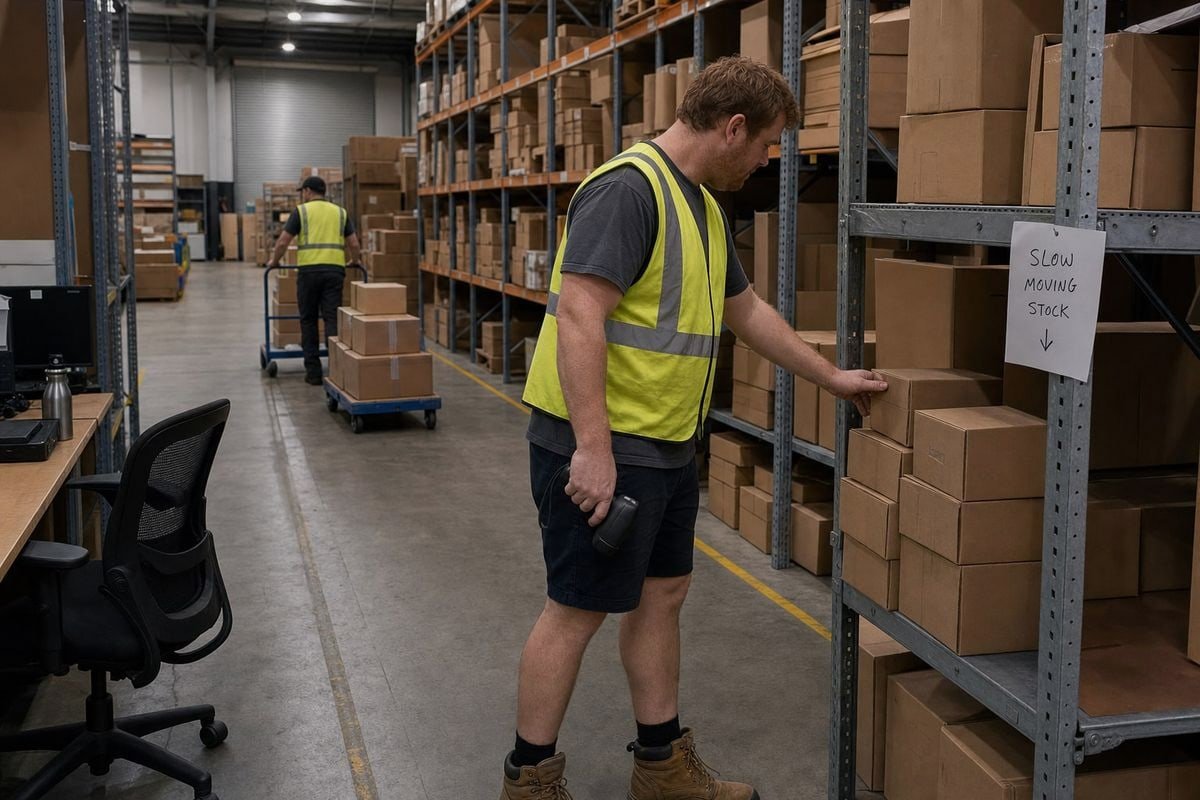
These two goals pull in opposite directions, so it helps to separate them clearly.
Inventory risk: centralization wins
Cross-border shipping keeps every frame in one place. You never need to balance stock across regions, and a color that sells slowly in one market can still ship anywhere. For catalogs with many colors, sizes, and materials — normal in kids' eyewear — this flexibility is genuinely valuable. Overseas warehousing, by contrast, requires demand forecasts per market. Guess wrong, and you own dead stock in a country where you cannot easily redeploy it.
Service quality and reverse logistics: local wins
But quality of experience flows the other way. A domestic return address transforms exchanges. Sizing errors are frequent in the kids' category, and parents will not pay international return postage for a frame that pinches. Local stock is also the only viable way to run home try-on programs for children — the return-to-shipment ratio of trial kits makes international parcel rates unsustainable.
| Risk / Control Area | Cross-Border | Overseas Warehouse | Hybrid |
|---|---|---|---|
| Capital lockup | Niedrig | Hoch | Mittel |
| Stock balancing effort | Keine | Hoch | Low–medium |
| Exchange experience | Poor | Ausgezeichnet | Excellent for bestsellers |
| Home try-on feasibility | Nein | Ja | Yes, core styles |
| SKU breadth offered | Full catalog | Bestsellers only | Full, tiered by speed |
The factory's contribution to lower risk
Quality control starts before any warehouse decision. Consistent frames mean fewer fit failures and fewer returns, whichever model you choose. That is why we focus on flexible TPEE and TR90 construction, controlled temple flexibility, and retail-ready packaging checks before goods leave Taizhou. Fewer defects entering your supply chain means less reverse logistics 4 leaving it. And because buyers can select from our existing styles rather than funding new molds, the inventory bet on any single SKU stays small — which supports real supply chain scalability as you add markets one by one.
Schlussfolgerung
For kids’ optical frames, start cross-border to validate demand, then move bestsellers into an overseas warehouse. Parents reward speed and easy exchanges — a hybrid model delivers both without trapping your cash.
Fußnoten
1. Authoritative source for international standards regarding ophthalmic optics and eyewear quality. ↩︎
2. Standard authoritative definition for the final leg of the logistics and delivery process. ↩︎
3. Official International Trade Administration page explaining the Section 321 de minimis threshold. ↩︎
4. Comprehensive overview of the process and management of products returning through the supply chain. ↩︎
Weitere Artikel, die Ihnen gefallen könnten

August 2026
Bio-Based vs Regular Cellulose Acetate: What's the Difference for Kids' Frames?

August 2026
How Recyclable Are Kids' Optical Frame Materials, and What Eco-Friendly Alternatives Exist?

August 2026
Bleichen Kinderbrillengestelle im Lager aus oder altern sie, und wie kontrolliert man die Lagerbedingungen?
Auf der Suche nach einem zuverlässigen Partner für Kinderbrillen?
Entdecken Sie über 800 sofort verfügbare Modelle und umfassenden OEM/ODM-Support, der auf Ihre Marke zugeschnitten ist.
Kontakt aufnehmen English
  Español de México
  Deutsch
  Français
  日本語
日本語  العربية
  Português do Brasil