How to Respond to a Delayed Delivery from a Kids’ Optical Frames Supplier?
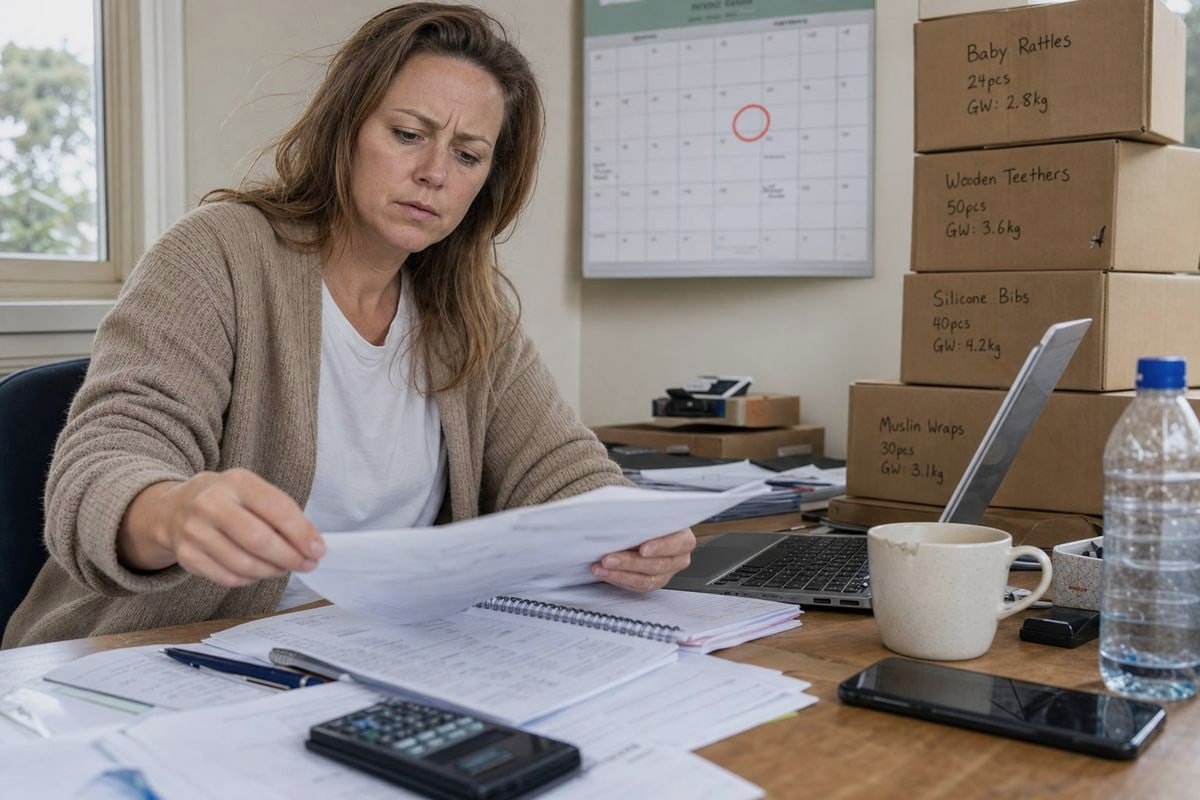
A delayed delivery from a kids’ optical frames supplier can stall your launch, upset parents, and drain cash Spritzgussverfahren 1. On our production line, we have seen how fast that pressure builds.
To respond to a delayed delivery from a kids’ optical frames supplier, confirm the order facts, contact the supplier in writing for the root cause and a revised ETA, document everything, request remedies like split shipments, and escalate with deadlines if answers stay vague.
That is the short version. Below, I will walk you through each step in plain terms, using what we have learned from fifteen years of shipping children’s eyewear to buyers in more than twenty countries.
What should I say first when my kids' optical frames supplier tells me my order is delayed?
Last spring, a buyer from Australia emailed our team in a panic about a competitor's delayed container. Her first message to that supplier was pure frustration. It got her nothing useful.
Start with a calm, factual message: state the order number, the promised ship date, and the current delay. Then ask three direct questions — what caused the delay, where the order physically is, and what the realistic revised delivery date will be.

Your first message sets the tone for everything that follows. In our experience handling purchase order fulfillment for kids' and baby product brands, the buyers who get the fastest, most honest answers are the ones who make it easy for the factory to respond with facts instead of excuses.
Here is why. When a message is emotional, the supplier's sales rep often stalls while drafting a defensive reply. When a message is factual and specific, the rep can forward it straight to the production manager and get a real answer. You want your email to travel to the workshop floor, not sit in an inbox.
The structure that works
Keep the first message to four parts:
- Identify the order: PO number, style numbers, quantities, agreed ship date.
- State the problem: the date has passed, or you were told of a delay.
- Ask your three questions: cause, current location, revised ETA.
- Set a response deadline: usually 24 to 48 business hours.
A line like "We need a response by Thursday so we can plan our retail commitments" is firm without being hostile. It also starts your paper trail, which matters later if you need to discuss compensation or invoke a service level agreement 2.
Sample language you can adapt
| Situation | What to write |
|---|---|
| First inquiry | "I am writing to request an update on order [number], due on [date]. Please confirm the reason for the delay and provide a revised delivery estimate." |
| Urgent follow-up | "We have not received a reply to our message of [date]. Please respond by [deadline] with a confirmed revised ETA." |
| Requesting options | "If the original timeline cannot be met, please advise on alternatives, including partial shipment or expedited delivery." |
One more point from our side of the table: always put the request in writing, even after a phone call. At our factory, written requests get logged and tracked; verbal ones can slip through, especially during peak season before back-to-school.
How can I find out the real reason behind my supplier's delayed delivery?
A trade-off we weigh constantly in our 5S-managed workshop is transparency versus reassurance. Some factories tell buyers what they want to hear. The real cause is what you actually need.
Ask the supplier to name the specific stage where the order sits: raw materials, injection molding, painting, assembly, QC, packaging, customs, or carrier. Then request evidence — photos, production records, or tracking numbers — so you can verify the claim independently.
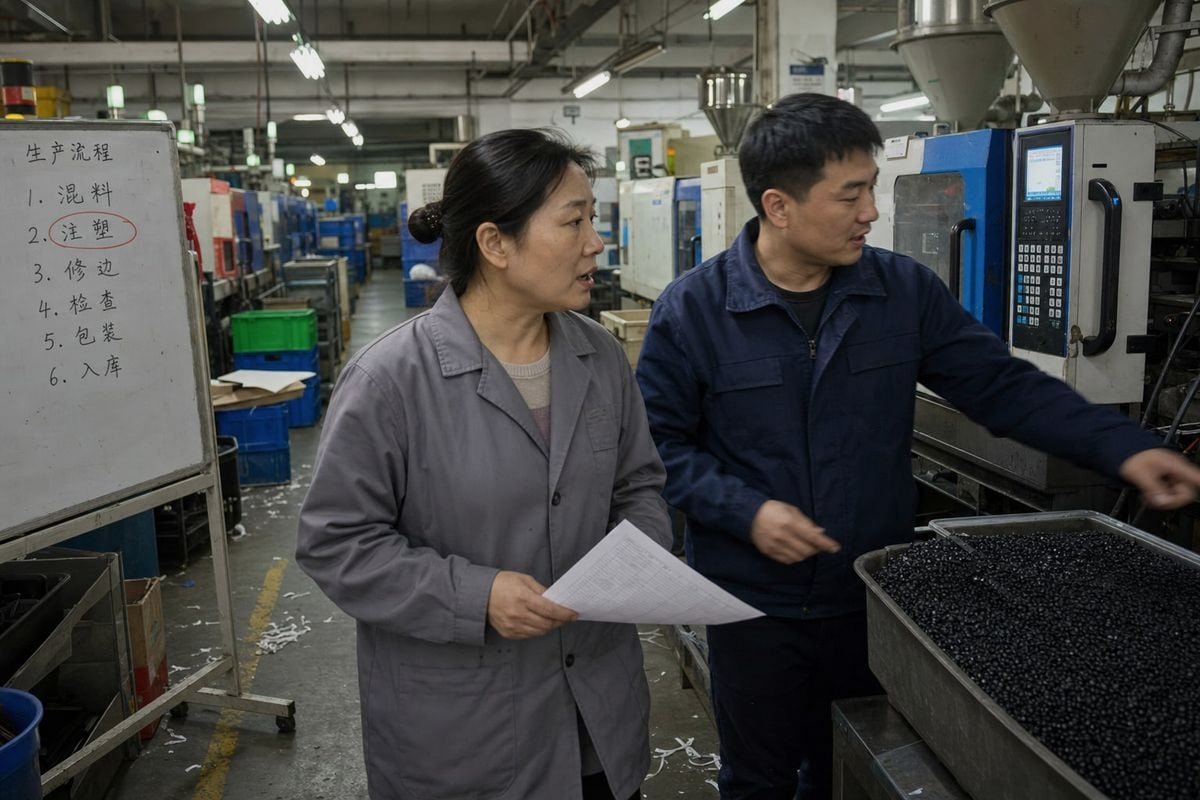
Vague answers like "small production issue" or "logistics problem" tell you nothing about recovery time. A genuine root-cause conversation does. When we produce TR90 kids optical frames 3 with TPEE temples, an order passes through clearly defined stages, and each stage fails in a different way with a different fix time. Your supplier's order does too, whatever their process looks like.
So ask stage-specific questions. If they say materials are late, ask which material and when it arrives. If they blame molding, ask how many cavities are affected and the daily output once running. If it is customs, ask which document is missing. A supplier who can answer these questions has real visibility. A supplier who cannot may be hiding a deeper supply chain disruption 4 — or worse, may not have started your order at all.
Common causes and what they mean for your timeline
| Reported cause | Typical recovery time | What to ask for as proof |
|---|---|---|
| Raw material shortage (TR90, TPEE, acetate) | 1–3 weeks | Material purchase order or supplier confirmation |
| Production bottleneck or defect rework | 1–2 weeks | Photos of work-in-progress, daily output plan |
| Failed QC batch (hinge, coating, fit) | 1–2 weeks | Inspection report and corrective action |
| Packaging or accessory delay | 3–7 Tage | Photos of finished frames awaiting packing |
| Customs or paperwork issue | 3–10 Tage | Document list and broker communication |
| Carrier exception or port congestion | Variable | Tracking number and carrier reference |
Verify, then decide
Evidence lets you improve your own lead time estimation instead of relying on hope. Ask for dated photos of your actual order, not stock images. Cross-check tracking numbers yourself. Honest factories will not resent this; we send production photos to our OEM/ODM clients as standard practice, because informed buyers plan better and complain less. If a supplier refuses all evidence, treat that refusal as your answer.
What steps can I take to minimize the impact of a delayed shipment on my brand's launch?
A lesson we learned early: a Japanese distributor once split one of our orders so the best-selling pink translucent frames shipped first by air. Her launch happened on time. The rest followed by sea.
Minimize launch impact by negotiating a split shipment of your highest-demand styles, upgrading urgent units to air freight, notifying retailers or parents early with a revised date, prioritizing clinically urgent prescriptions, and offering a goodwill gesture before customers complain.
Children's eyewear is not a generic accessory. A late shipment can mean a child waiting on prescription frames for school, reading, or sports. That raises the stakes — and it also gives you strong, legitimate leverage when negotiating remedies with your supplier.
Triage the order, then split it
Not every SKU in your container is equally urgent. Sort your order into three tiers: frames tied to confirmed prescriptions or pre-orders, best-selling sizes and colors for launch, and replenishment stock. Then negotiate a phased delivery. Ask the supplier to finish and air-ship tier one immediately while tiers two and three follow by sea. Expedited shipping options cost more, so negotiate who pays; if the delay is the factory's fault, a fair supplier should absorb part or all of the air freight 5 difference. Some optical retailers also build a local safety net — informal agreements with nearby independent shops to borrow or trade specific frame models during a disruption. It is not elegant, but it keeps a child in glasses.
Communicate downstream before customers complain
Proactive communication is now the standard. A clear backorder notification with a specific revised date protects trust far better than silence followed by an apology. For clinics and optical retail management teams, prioritize outreach to families with high-need prescriptions, since the patient satisfaction impact of a missed pediatric appointment is severe. For consumer brands, a short honest email works: acknowledge the delay, give the new date, explain briefly, and offer something tangible.
Goodwill that actually lands
| Audience | Practical gesture |
|---|---|
| Retail partners | Price protection, extended payment terms, priority on next shipment |
| Parents with pre-orders | Shipping refund, small credit, or discount on the next purchase |
| Waiting children | A fun printable activity kit or a virtual try-on image of their frames |
| Clinics | A confirmed delivery window plus a loaner-frame arrangement |
Notice the distinction: you request compensation from the supplier, and you separately decide what to offer your own customers. Do not let the supplier's problem silently become your margin's problem — document your extra costs, because they belong in the remedy conversation.
How do I choose a more reliable optical frames manufacturer to avoid future delays?
When buyers visit our Taizhou factory after a bad supplier experience, they usually ask about price first. We gently redirect them: ask about process first, because process predicts delivery.
Choose a manufacturer with proven on-time history, a real factory rather than a trading company, transparent production updates, written lead times in a service level agreement, existing stock styles for fast launches, and clear penalty or remedy terms for missed dates.
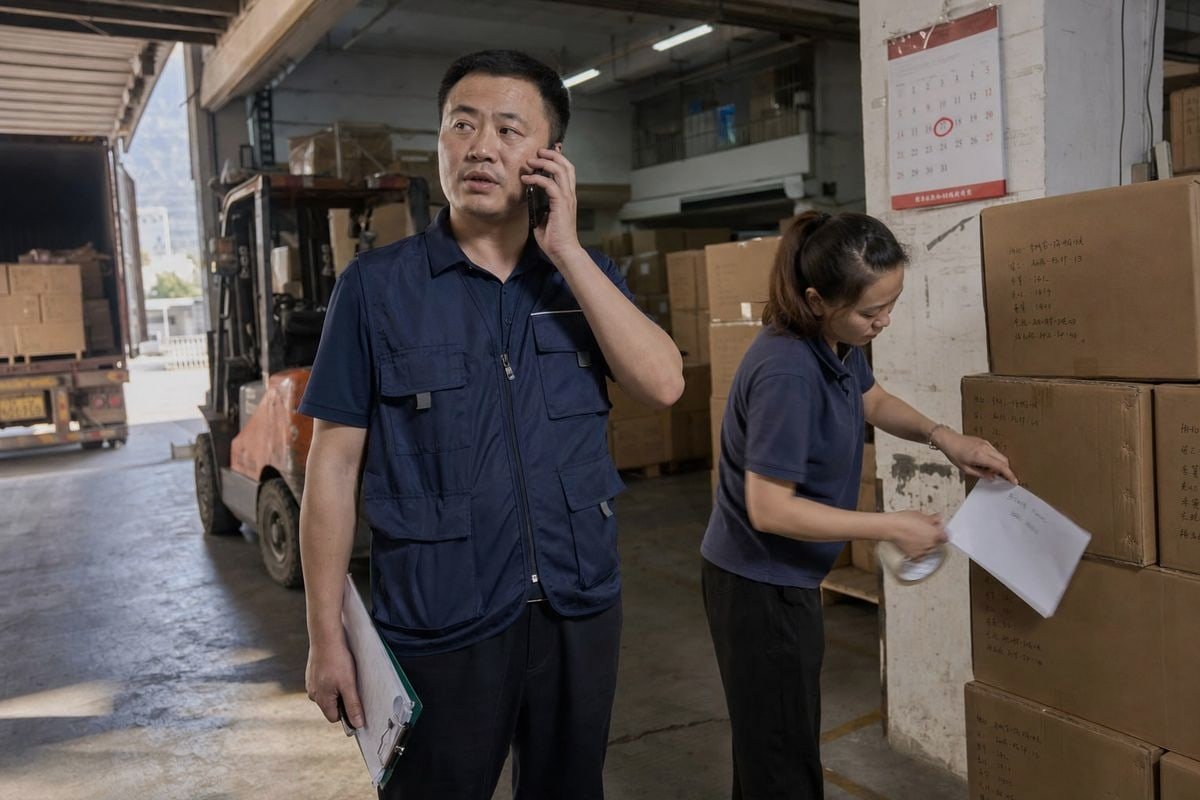
Avoiding the next delay starts long before the next purchase order. It starts with how you vet, contract, and manage the vendor relationship. Here is the checklist we would apply to ourselves if we were the buyer.
Verify you are dealing with a factory
Trading companies add a communication layer between you and the workshop. When a delay hits, that layer slows every answer. Ask for a video factory tour, worker headcount, and photos of the actual molding and assembly lines. Our own operation runs about 120 workers under 5S-Management 6; any genuine factory can show you equivalent basics within a day. A factory also controls its own production schedule, which is what you are really buying.
Reduce risk with existing styles
Custom molds are a common hidden delay. Tooling, sampling, and revision cycles can add months before production even begins. One reason we maintain roughly 800 existing styles — from glossy black sporty frames with slip-resistant silicone ear hooks to soft translucent pink acetate designs — is that new brands can launch through pediatric eyewear wholesale programs without mold investment. You test the market faster, and the supplier's lead time estimation becomes far more reliable because the process is already proven.
Put delivery in writing
A handshake lead time is a wish. A contractual one is a commitment. Your purchase orders should include:
- A confirmed production lead time and ship date.
- A time-is-of-the-essence clause 7 with defined remedies for missed dates.
- Milestone updates — materials in, production start, QC passed, packed.
- Agreed alternative frame sourcing or replacement terms if the date fails badly.
Manage the relationship after the contract
Good vendor relationship management is ongoing, not annual. Keep a timestamped log of every commitment and every miss; it becomes leverage at renewal. Connect supplier milestones to your inventory management software 8 so a slipping date triggers reordering decisions early, not after stockout. Finally, hold a small buffer stock of your core sizes. Even the best factory faces the occasional typhoon, port closure, or material squeeze — buffers turn a crisis into a footnote.
Schlussfolgerung
Verify the facts, demand a root cause, document everything, negotiate split shipments, protect your customers, and choose factories that put delivery in writing. That is how a delay becomes manageable.
Fußnoten
1. Authoritative Wikipedia entry explaining the injection molding manufacturing process. ↩︎
2. Defines the contractual framework for performance standards and remedies in supplier relationships. ↩︎
3. Technical specifications for the high-performance thermoplastic material commonly used in children’s eyewear. ↩︎
4. Contextualizes the risks and management strategies for delays within global production networks. ↩︎
5. Authoritative source for air cargo standards used for expedited shipping of urgent inventory. ↩︎
6. Defines the workplace organization method used to improve efficiency and production reliability in manufacturing. ↩︎
7. Legal definition of a contract provision that makes timely performance a material obligation. ↩︎
8. Explains the technology used to track stock levels and automate replenishment during supply delays. ↩︎
Weitere Artikel, die Ihnen gefallen könnten

August 2026
Bio-Based vs Regular Cellulose Acetate: What's the Difference for Kids' Frames?

August 2026
How Recyclable Are Kids' Optical Frame Materials, and What Eco-Friendly Alternatives Exist?

August 2026
Bleichen Kinderbrillengestelle im Lager aus oder altern sie, und wie kontrolliert man die Lagerbedingungen?
Auf der Suche nach einem zuverlässigen Partner für Kinderbrillen?
Entdecken Sie über 800 sofort verfügbare Modelle und umfassenden OEM/ODM-Support, der auf Ihre Marke zugeschnitten ist.
Kontakt aufnehmen English
  Español de México
  Deutsch
  Français
  日本語
日本語  العربية
  Português do Brasil