How to Negotiate Tiered Pricing with a Kids Optical Frames Supplier for BOGO Promotions?

Negotiating tiered pricing with a kids optical frames supplier can make or break a BOGO promotion. I’ve watched buyers at our Taizhou factory get this both right and painfully wrong.
To negotiate tiered pricing for a BOGO promotion, request written quantity-break quotes, calculate the landed cost of two frames per sale, commit forecasted volume in exchange for lower unit prices, and lock quality specs, MOQ flexibility, and payment terms into a signed tier table.
That is the short version. The rest of this article breaks each step down. I will show you the exact numbers, questions, and clauses that matter when the “free” frame still has to be paid for by someone.
What tiered pricing structures should I request for a BOGO promotion on kids optical frames?
Last spring, a European optical chain asked us for one flat discount on a BOGO order. We rebuilt their quote as a three-tier structure instead, and their margin improved noticeably.
Request at least three quantity bands — typically 100–300, 300–500, and 1,000+ pieces — with unit prices dropping at each tier, plus mixed-style flexibility within each band and a retroactive rebate clause if total promotional volume crosses the top threshold.
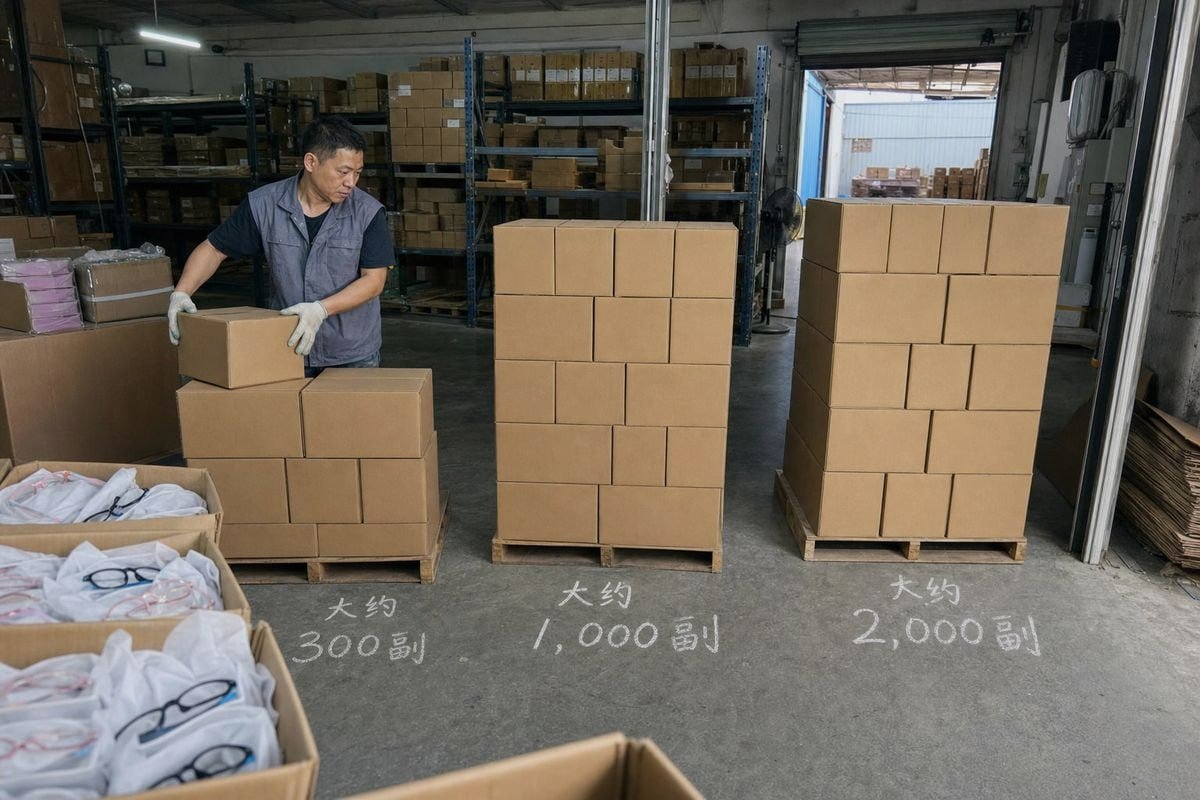
A BOGO promotion is not a discount request. It is a two-unit economics model. Every promoted sale moves two frames out of your stock, so your negotiation must cover double the inventory commitment. Volume-based discounts are the natural tool for this, because eyewear wholesalers already price by quantity bands. Your job is to shape those bands around your promotion, not accept the default ones.
The tier structure that works for BOGO
In our experience quoting for buyers in 20-plus countries, a workable BOGO tier table looks like this:
| Tier | Quantity | Typical price behavior | Best use in a BOGO plan |
|---|---|---|---|
| Starter | 100–300 pcs | List wholesale unit cost | Test the promotion in one region |
| Growth | 300–500 Stück | Meaningful per-unit drop | Main promotional run |
| Volume | 500–1.000 Stück | Deeper discount, better freight | Multi-store or seasonal campaign |
| Enterprise | 1,000+ pcs | Best pricing, custom terms | Annual program with repeat orders |
Ask for three specific things inside this structure. First, mixed-style eligibility: you should be able to combine colors and models — say, a glossy black TR90 frame with flexible TPEE temples and a translucent pink acetate style — within one tier. Kids never want identical frames, and mixing protects your Umschlagsrate des Lagerbestands 1. Second, a Tier-Crossed BOGO clause: a deep discount on one designated "value tier" SKU that serves as the free pair, while the paid frame stays at standard tier pricing. Third, dynamic tiering: a retroactive rebate if your combined orders during the promotion window exceed the top band. That rewards success instead of forcing you to over-order upfront.
Suppliers rarely volunteer these terms. But a factory with hundreds of existing styles — we hold around 800 — can say yes to mixed-tier requests far more easily than a trader can, because there is no new mold cost blocking flexibility.
How can I calculate minimum order quantities that make tiered pricing profitable for my BOGO campaign?
One trade-off we discuss with buyers constantly: a lower Minimum Order Quantity feels safer, but it often locks you into a tier where the BOGO math simply fails.
Divide your forecasted BOGO redemptions by your promotion window, double that number for the free frames, add 10–15% for breakage and returns, then match the total against tier breakpoints — your profitable MOQ is the tier where the paid frame's margin covers both units.

The core rule is simple: BOGO only works if the second frame is priced into the first. That means your target retail profit margins 2 on the paid frame must absorb the wholesale unit cost of the free one. Let me show the math with round numbers.
The two-unit margin test
| Line item | Tier 1 (150 pcs) | Tier 2 (400 pcs) | Tier 3 (1,000 pcs) |
|---|---|---|---|
| Unit cost per frame | $6.50 | $5.40 | $4.60 |
| Cost per BOGO pair (2 frames) | $13.00 | $10.80 | $9.20 |
| Retail price of paid frame | $39.00 | $39.00 | $39.00 |
| Gross margin per pair | $26.00 | $28.20 | $29.80 |
| Gross margin % | 66.7% | 72.3% | 76.4% |
Notice what happens. The retail price never moves, but the tier you land in changes your pair margin by nearly four dollars. Across 500 redemptions, that is roughly $1,900 — real money for a small brand.
Ground the forecast in your own sales data
Do not guess your volume. Pull sales by frame type for the last three months, six months, and one year. A back-to-school BOGO behaves differently from a quiet spring month, so weight your seasonal periods. Then run this sequence:
- Forecast BOGO redemptions for the promotion window.
- Multiply by two for total frames needed.
- Add a breakage and return buffer — children's eyewear sees more damage than adult frames, so 10–15% is realistic.
- Compare the total against the supplier’s tier breakpoints.
- If you sit just below a breakpoint, negotiate up: a small extra commitment often unlocks the next band.
One caution from our export experience: if the higher tier forces you to hold stock for six months, factor in your inventory turnover rate and storage cost. A cheaper unit that sits in a warehouse is not cheap. Extended payment terms — Net 60 aligned with your promotion timeline — can close this gap, because the BOGO revenue arrives before the invoice does.
What should I know about a supplier's production costs before negotiating tiered discounts?
A procurement manager from Australia once asked me directly: "Where does your price actually come from?" That honest question got her a better deal than any hardball tactic would have.
Understand the supplier's material costs (TR90 versus cheaper plastics), mold amortization, labor and QC steps, compliance testing, and packaging expenses before negotiating — this shows you which tiers have real room to move and which discounts would force hidden quality cuts.
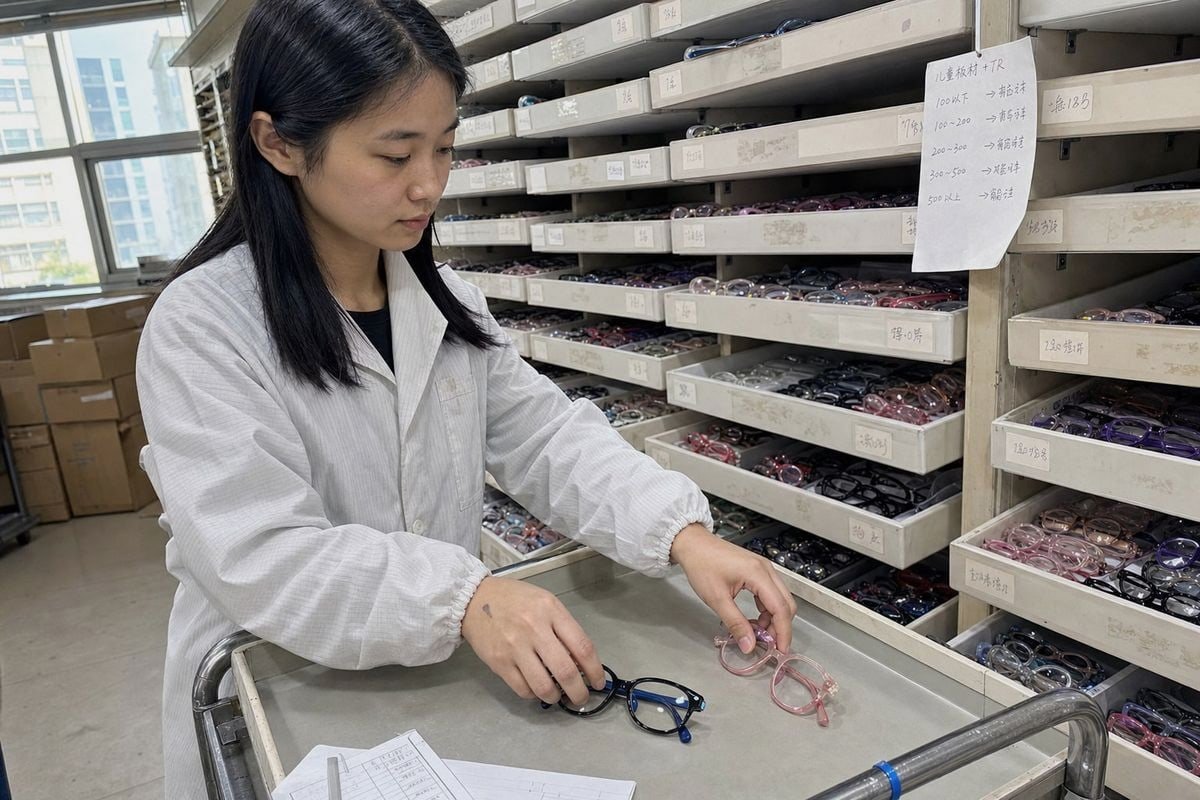
Knowing a factory's cost structure changes the entire conversation. You stop asking "can you go lower?" and start asking "which cost drivers can we reduce together?" That second question gets answered far more generously, because it does not threaten the supplier's survival.
Where the money actually goes in a kids frame
At our workshop, a child's optical frame carries several distinct cost layers. TR90 material 3 frames cost more than generic injection plastics, but they flex instead of snapping — which matters enormously for pediatric eyewear. Flexible TPEE temples add material cost too, but they cut warranty claims. Then come mold amortization, skilled assembly labor, multi-stage QC, third-party safety testing 4 for children's products, and retail-ready packaging.
Here is why this matters for your tiers. Some costs scale down with volume and some do not:
- Scales with volume: material purchasing, machine setup, freight per unit, packaging print runs. These fund your tier discounts honestly.
- Fixed or rigid: compliance testing, mold costs on custom designs, QC labor per piece. Squeezing these means squeezing safety.
This is also where the "cheap supplier" objection deserves a direct answer. Yes, you can find a lower headline price. But children's products face higher compliance expectations 5, and a supplier who cannot produce third-party test reports and material certificates transfers that risk to you. One recall, one broken hinge near a child's eye, and every cent saved is gone. When we quote a tier discount, we can show exactly which scalable costs fund it — and a serious buyer should expect that transparency from any supplier.
Questions to ask before you name a target price
- Which of your costs drop at higher quantities, and by how much?
- Are existing molds available, or does my design need private label manufacturing with new tooling?
- What testing documentation comes standard, and what costs extra?
- How do supply chain lead times 6 change between tiers?
How do I ensure quality stays consistent across all pricing tiers when running a BOGO promotion?
During a 5S audit walk-through with a Japanese client, she raised the concern every buyer should raise: does the "free" frame come off the same line as the paid one?
Write identical material and QC specifications into every pricing tier, require pre-shipment inspection reports for all batches including promotional stock, negotiate a breakage allowance for BOGO inventory, and add a stock-rotation clause so slow movers can be exchanged after the event.
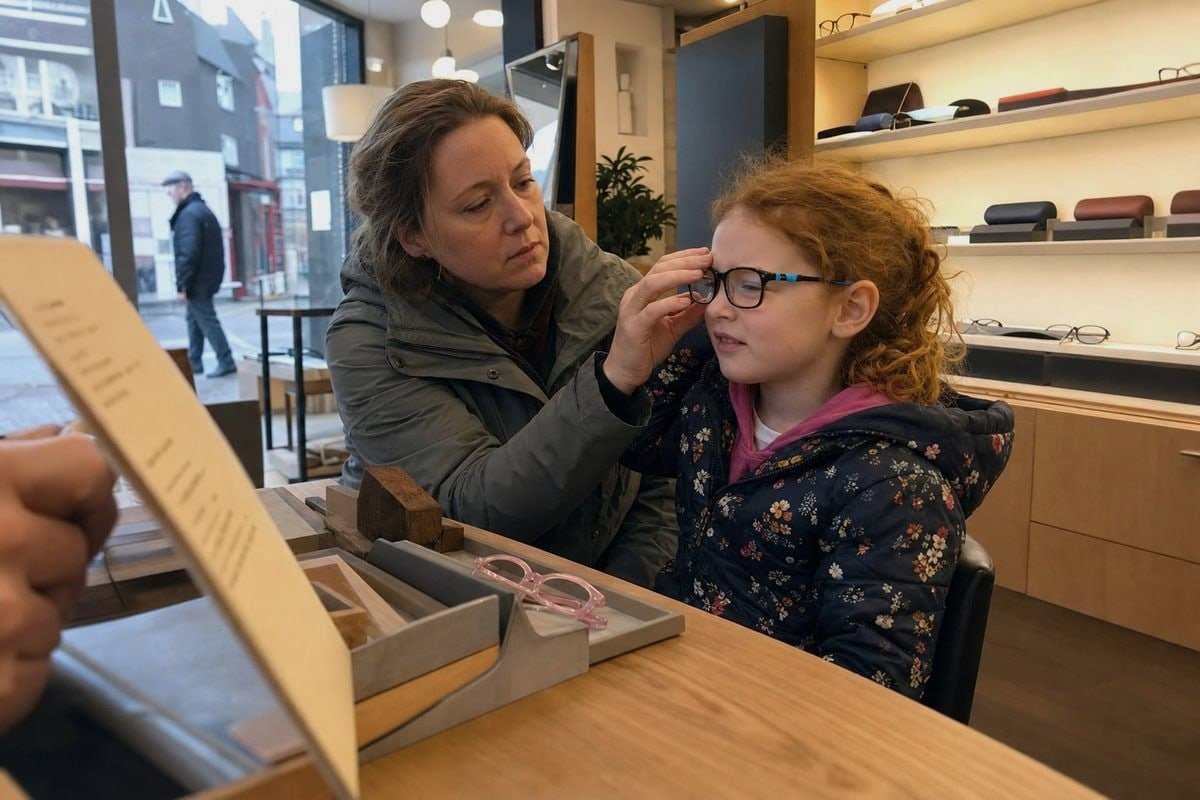
The biggest hidden risk in tiered BOGO deals is silent specification drift. A supplier under price pressure may quietly switch to a thinner hinge, a lower-grade lens, or a recycled resin blend on the discounted tier. The parent who receives that free frame does not know it was "the promotional one." They only know your brand put a flimsy product on their child's face.
Contract clauses that lock quality across tiers
Your written agreement should state, explicitly, that all tiers share one specification sheet. In practice, this means:
- One BOM for all tiers. Same TR90 frame material, same TPEE temple compound, same UV400 lens spec, whether the frame is the paid unit or the giveaway.
- Batch-level inspection reports. Require AQL-based Inspektion vor dem Versand 7 for every batch, including promotional stock. Our QC team inspects hinge torque, temple flexibility, and lens fit the same way on every run — a buyer should demand that as standard, not as a favor.
- A breakage allowance. Children's frames get sat on, chewed, and dropped. Negotiate a higher-than-standard warranty replacement rate for BOGO inventory so damage claims do not eat the promotion's margin.
- Stock rotation rights. If certain promotional colors sell slowly, a buy-back or exchange clause lets you swap them for fresher styles after the event ends.
- Golden samples. Keep signed reference samples from the first tier. Every later shipment gets compared against them, not against memory.
There is one more lever worth using: shared data. Send your supplier sell-through numbers after the promotion. Factories reward accounts that behave like partners — with promotional-only pricing tiers, co-op marketing credits, merchandising support like child-height displays, and priority in production scheduling. As part of a long-term bulk procurement strategy, that trust compounds. We have buyers in their fifth year with us, and their tier tables today look nothing like their first quote — in the best possible way.
Schlussfolgerung
A profitable BOGO deal trades forecasted volume for tiered pricing, prices the free frame into the paid one, and locks quality into writing. Negotiate a structure, not a discount.
Fußnoten
1. Explains the inventory metric buyers must weigh against storage cost when choosing higher volume tiers. ↩︎
2. Background concept explaining how retail margin absorbs the free frame’s wholesale cost in BOGO math. ↩︎
3. ASTM sets material standards relevant to TR90 versus generic plastics used in frame manufacturing. ↩︎
4. CPSC oversees children’s product safety compliance mentioned as a cost driver in frame production. ↩︎
5. EU regulatory guidance illustrates the higher compliance expectations children’s products must meet. ↩︎
6. Background on supply chain concepts relevant to how lead times shift across pricing tiers. ↩︎
7. Official WTO page explaining the international Agreement on Pre-shipment Inspection and its regulatory framework. ↩︎
Weitere Artikel, die Ihnen gefallen könnten
August 2026
Bio-Based vs Regular Cellulose Acetate: What's the Difference for Kids' Frames?

August 2026
How Recyclable Are Kids' Optical Frame Materials, and What Eco-Friendly Alternatives Exist?
August 2026
Bleichen Kinderbrillengestelle im Lager aus oder altern sie, und wie kontrolliert man die Lagerbedingungen?
Auf der Suche nach einem zuverlässigen Partner für Kinderbrillen?
Entdecken Sie über 800 sofort verfügbare Modelle und umfassenden OEM/ODM-Support, der auf Ihre Marke zugeschnitten ist.
Kontakt aufnehmen English
  Español de México
  Deutsch
  Français
  日本語
日本語  العربية
  Português do Brasil