How to Negotiate Quote Validity and Price Terms for Kids Optical Frames?
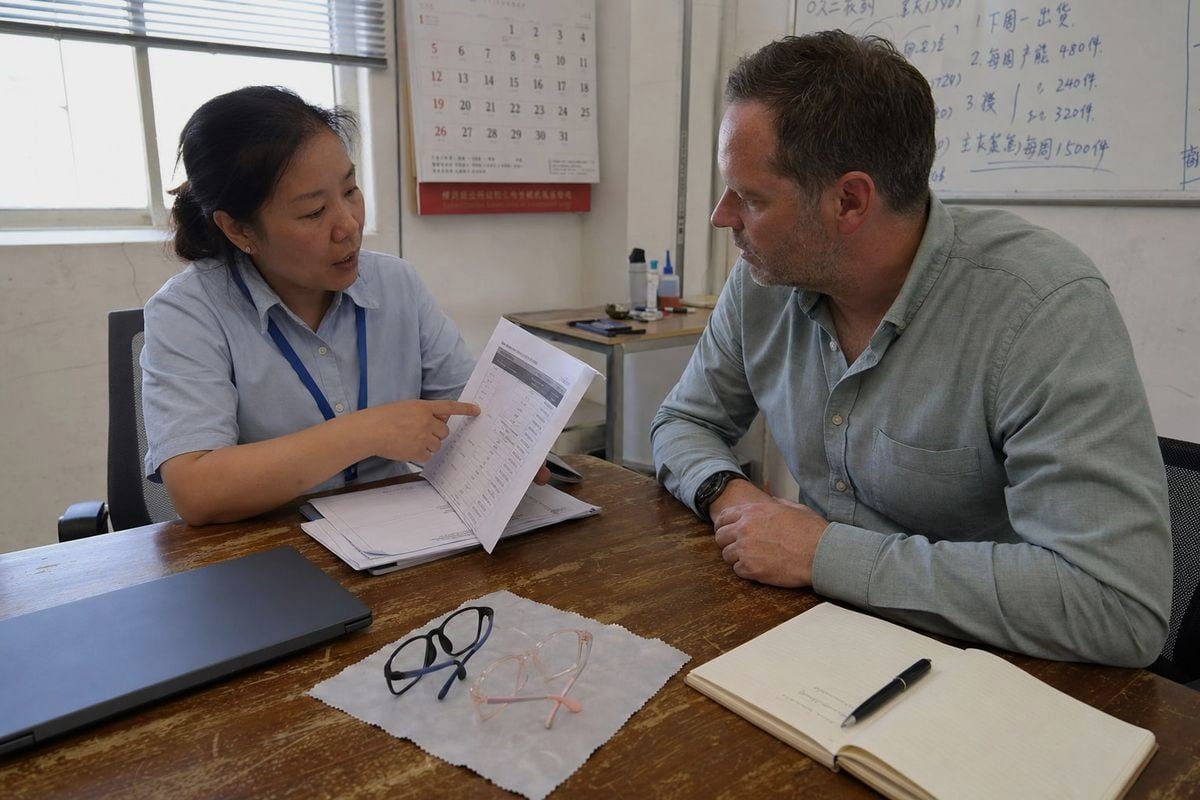
Quote validity and price terms for kids optical frames trip up more buyers than product quality ever does. I see it weekly on our production line in Taizhou. A buyer delays sign-off, the quote expires, raw material costs shift, and suddenly the whole project budget breaks. That pain is avoidable — with written terms, clear expiry dates, and a few smart negotiation moves I will share below.
Negotiate quote validity and price terms for kids optical frames by requesting a written quote with a 30–60 day expiration date, itemized pricing for frames, lenses, and certifications, milestone-based payment terms, and volume-based pricing tiers tied to a 6–12 month frame contract.
Below, I break down each part of the negotiation. I cover validity windows, hidden costs, price-versus-quality trade-offs, and standard payment and MOQ terms. Let’s start with timing.
How long should I expect a quote to stay valid before prices change?
A buyer from Australia once sat on our quote for four months, then asked why the price rose. Our team had to explain: TR90 resin 1 costs had moved, and the quote had clearly expired.
Most kids optical frames quotes stay valid for 30–60 days. During peak production seasons from January to April, validity often shrinks to 10–15 days because raw material and capacity costs change fast. Always confirm the written expiration date before planning your budget.
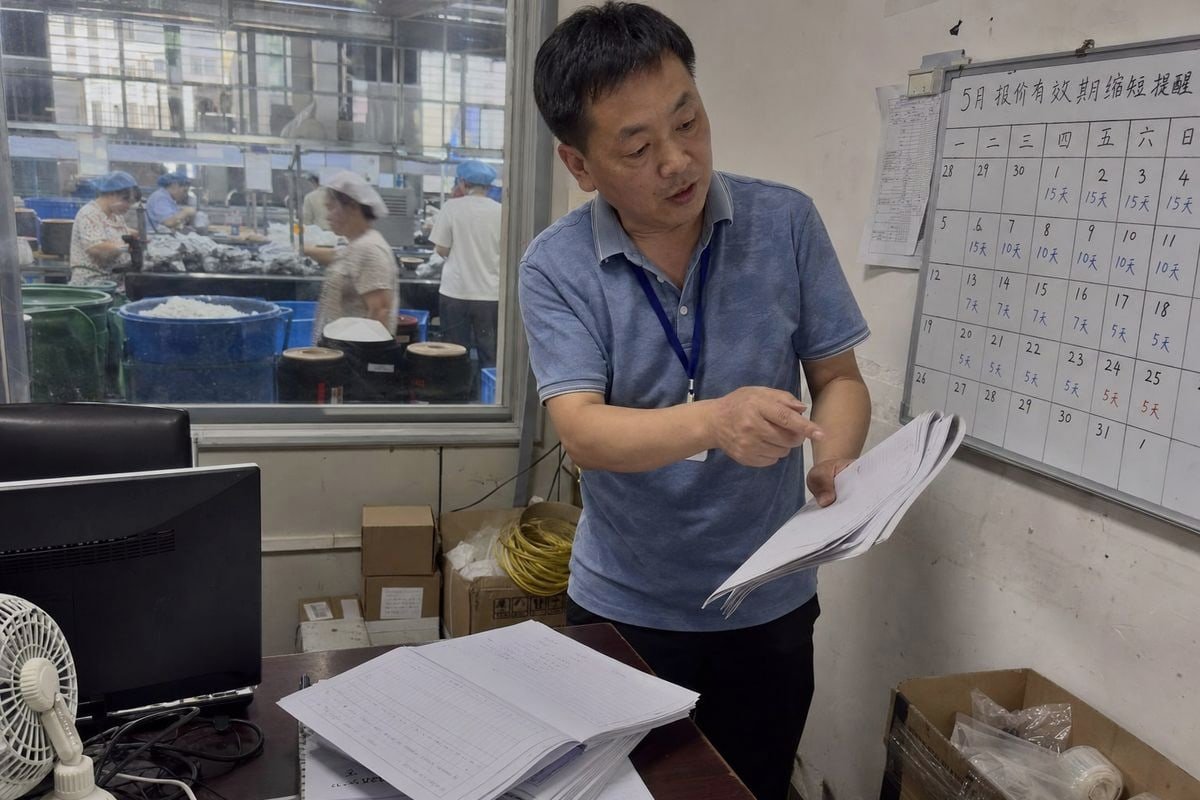
Quote validity is simply the window in which a supplier promises to honor the stated price. It is not a courtesy. It is a risk-management tool for both sides. At our factory, we set validity windows based on three inputs: raw material futures for TR90 material specifications and TPEE, our booked production capacity, and currency movement between RMB and USD.
Why validity windows shrink in peak season
Children's eyewear has a strong seasonal rhythm. Brands stock up before back-to-school and summer. So January through April is our heaviest quoting period. In those months, resin suppliers reprice frequently, and our lines fill quickly. A quote that would hold for 60 days in October may only hold for 10–15 days in March. If your quote arrives with a short window, that is usually a sign of a busy, honest factory — not a pressure tactic.
What a fair validity clause looks like
| Season | Typische Gültigkeit | What to Negotiate |
|---|---|---|
| Off-peak (May–Dec) | 30–60 Tage | Ask for 60 days with a written extension option |
| Peak (Jan–Apr) | 10–15 Tage | Ask for 30 days if you commit to a deposit date |
| Long-term contract | 6–12 months | Lock pricing via a frame contract with volume commitment |
Two extra protections are worth requesting. First, a currency exchange rate clause that only triggers repricing if the RMB/USD rate moves beyond an agreed band, such as ±3%. Second, for myopia-management or clinical-fit frames, ask for a clinical-fit validity clause that holds the quoted price stable until vertex distance and pantoscopic tilt are verified through prototype testing. We grant both to serious buyers, because clear rules protect the relationship.
Our sales team once rebuilt an entire quote for a European baby-brand buyer because her first supplier had quietly excluded EN71 2 testing fees. The surprise surcharge arrived after her order was placed. She never went back.
Clarify whether the quote includes safety certification costs (CPSIA, EN71), Incoterms shipping terms, sample order costs, tooling or mold fees, packaging, logo printing, and after-sales warranty policy coverage. Insist on fully itemized pricing so bundled numbers cannot hide compliance surcharges later.
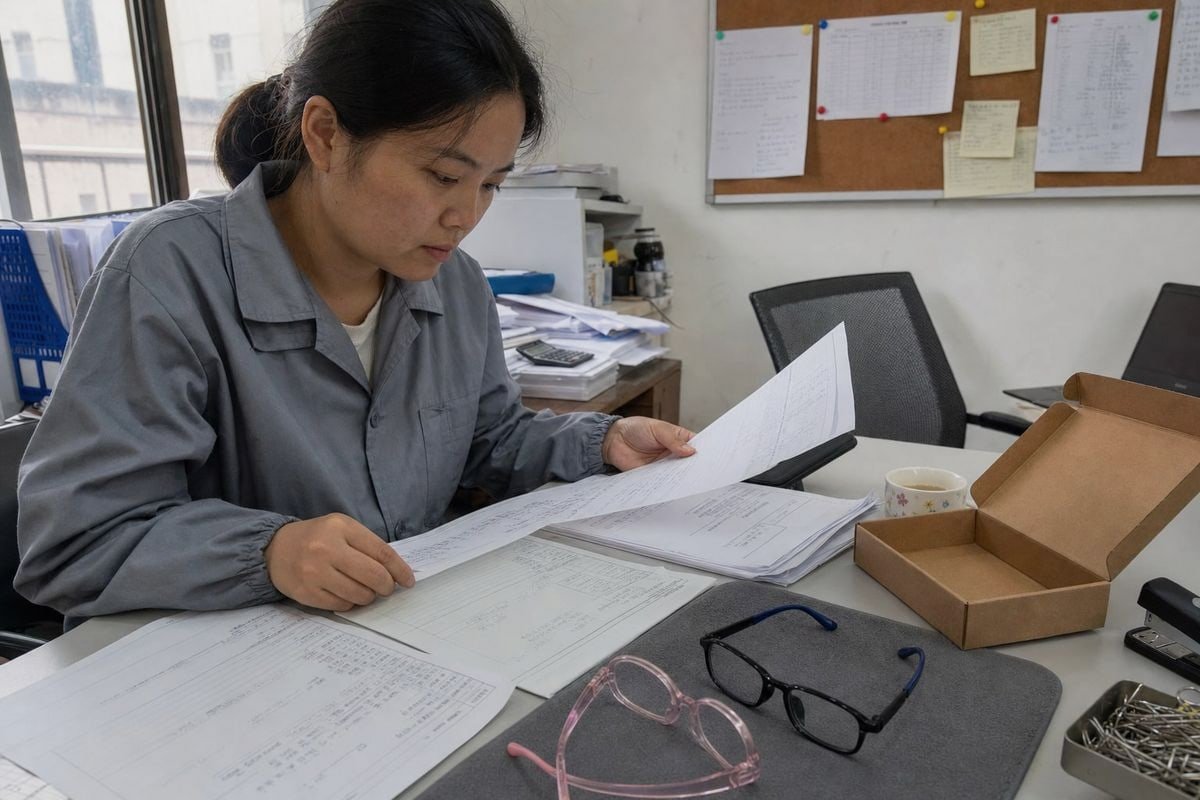
Package pricing is common in eyewear, and it is where hidden costs live. A single bundled number looks tidy, but it makes comparison impossible. When we quote our TR90 kids optical frames with TPEE temples, we itemize every line — because buyers who compare three quotes side by side always come back to the transparent one. Consumer guidance says the same thing for retail: gathering at least three quotes and comparing them directly is the strongest lever you have. It works even better in B2B.
The line items that must appear in writing
- Frame unit price, with the exact model, size, and color code.
- Lens type and coatings — UV400, polarized, or blue-light — priced separately.
- Mandatory safety certification costs, such as Die erste Frage ist immer die Klassifizierung. Sind Ihre Sonnenbrillen wirklich ein Kinderprodukt? Betrachten Sie die Größe, das Marketing, die Verpackung und den beabsichtigten Benutzer. Unsere kompakten runden Rahmen in Periwinkle-Blau mit mint-türkisen Bügeln sind eindeutig für kleine Gesichter konzipiert. Niemand würde argumentieren, dass es sich um Produkte für den allgemeinen Gebrauch handelt. Diese Klassifizierung löst den gesamten Satz von 3 for the US or EN71 for Europe. If these are missing, expect a compliance surcharge after you commit.
- Sample order costs and whether they are refundable against a bulk order.
- Tooling fees, if any custom mold is involved.
- Incoterms shipping terms 4 — FOB, EXW, or CIF — because the same unit price means very different landed costs.
- Packaging, hang tags, and pre-ticketed retail presentation.
- After-sales warranty policy: remake terms, defect thresholds, and replacement pricing.
A hidden-cost comparison at a glance
| Cost Item | Often Hidden? | Was zu fragen ist |
|---|---|---|
| Safety certification (CPSIA/EN71) | Frequently | "Is testing included in the unit price?" |
| Mold/tooling fees | Manchmal | "Is this an open mold or custom tooling?" |
| Sample charges | Frequently | "Are sample costs credited on bulk orders?" |
| Freight & Incoterms | Fast immer | "Is this FOB Ningbo or EXW factory?" |
| Warranty/remake terms | Frequently | "What is your defect replacement policy?" |
One more clause worth negotiating: a breakage-buffer pricing tier. Children break temples and bridges at a high rate. Ask for a dedicated stock of spare parts priced 15–20% below the initial frame price. We offer this to distributors because it reduces their after-sales pain — and ours.
How can I negotiate better pricing without compromising frame quality or safety?
Choosing between shaving cents off a hinge and keeping a flexible silicone connector is a trade-off our engineers refuse to make. A child's face is not the place to save two cents on materials.
Negotiate on structure, not substance: choose from existing open-mold styles to avoid tooling fees, commit to volume-based pricing tiers through a 6–12 month frame contract, request value-added concessions like retail-ready packaging, and use competing written quotes — never ask to downgrade materials or safety features.
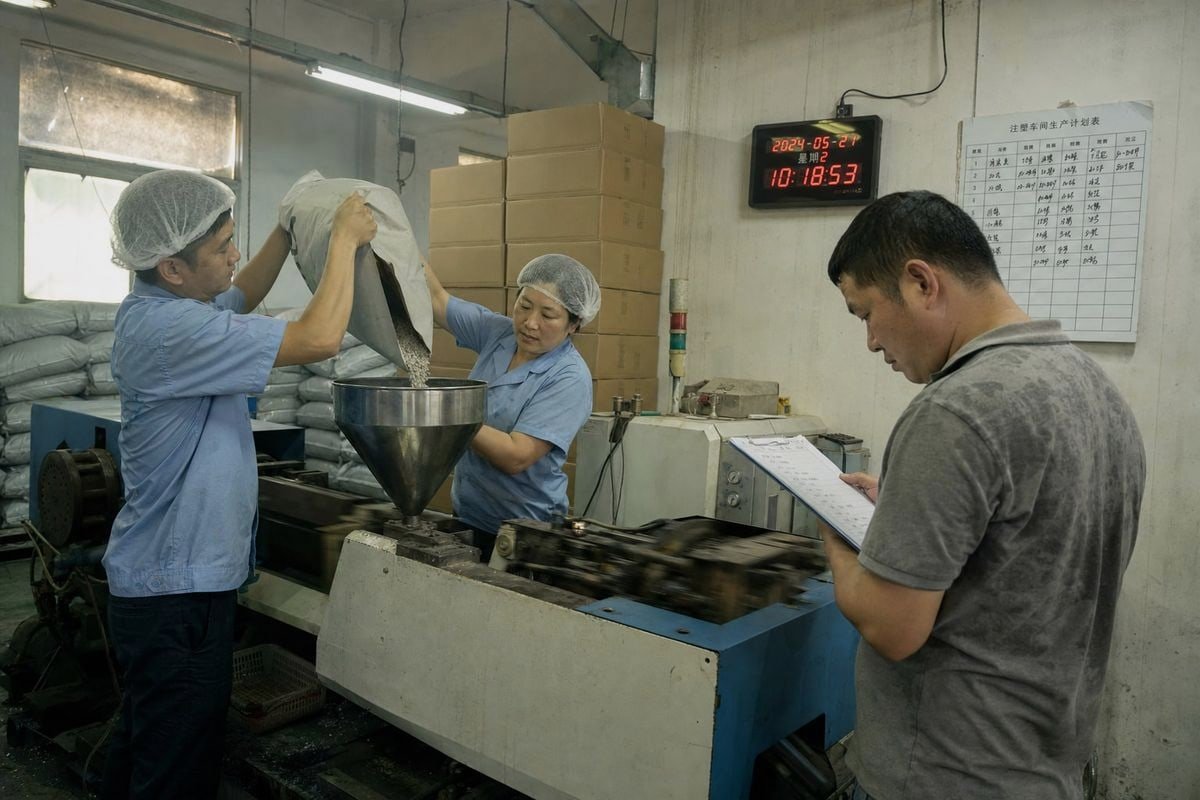
The buyer objection I hear most is blunt: "Your price is higher than another factory's." Fair enough. But the lowest sticker price on kids' frames is rarely the best deal, because children outgrow, drop, sit on, and bend their glasses constantly. Replacement risk is the real cost driver. A frame with genuine TR90 fronts, flexible TPEE temples, and secure silicone hinge connectors survives daily wear; a brittle knock-off generates returns, refunds, and one-star reviews. So negotiate around value, not just unit price.
Levers that lower price without touching quality
- Use open molds. We keep roughly 800 existing styles. Choosing from them means zero tooling cost and lower Minimum Order Quantity (MOQ) 5 — new brands can test the market without heavy mold investment.
- Sign a frame contract. Guaranteeing total volume over 6–12 months earns better bulk purchase discounts 6 than haggling order by order. We reward predictability with real tiers.
- Spread mold costs across a growth series. If you do need custom tooling, negotiate amortizing the mold across three age-graded sizes of the same design. The whole collection gets cheaper.
- Trade price for value-adds. Pre-ticketed retail packaging, custom hang tags, or child-height POP displays often protect your margin better than a 5% unit price cut.
- Bring competing quotes. A written quote from another supplier is legitimate leverage. We respect it — and we respond with better terms or better value, not defensiveness.
What never to negotiate away
Do not accept substitutions of recycled unknown resins for certified TR90 or TPEE. Do not drop safety testing to hit a target price. Do not accept sharp edges, rigid temples, or glued hinges on children's frames. A supplier who agrees to those cuts will cut elsewhere too. In our 15 years of eyewear experience, the buyers who thrive are the ones who push hard on structure and stay firm on safety.
What payment and MOQ terms are standard when working with a kids optical frames manufacturer?
The lesson that reshaped our payment policy came from a first order that went sideways years ago: the buyer wanted 100% payment after delivery, we wanted 100% upfront, and neither of us trusted the other. Milestones fixed it.
Standard terms are a 30% deposit with 70% balance before shipment, and MOQs of roughly 300–1,200 pieces per style depending on customization. Negotiate the 70% balance to release only after a passed third-party pre-shipment inspection, and use open molds to lower MOQ without price penalties.
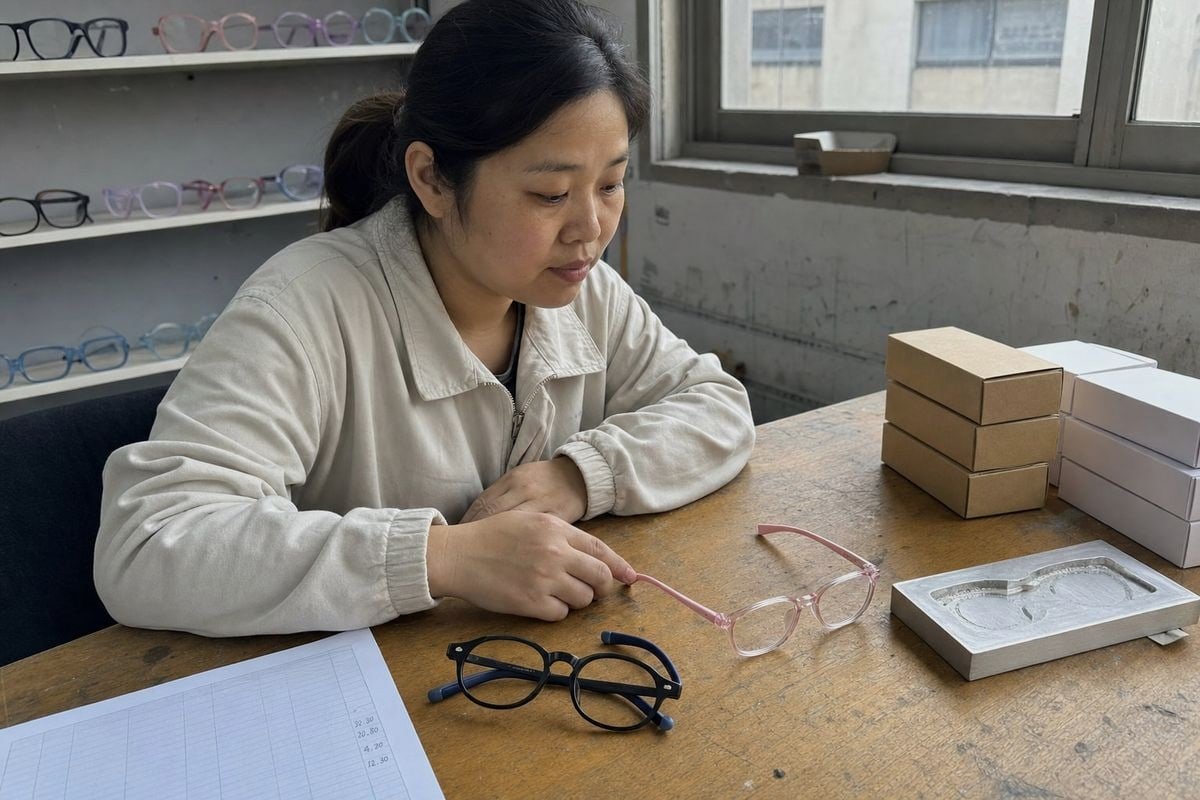
Payment terms and MOQ are where new buyers feel the most friction, yet both are more flexible than they appear — if you know which structures suppliers actually accept. At our workshop, we run a 5S-managed floor with about 120 workers, and our terms are built to keep both sides protected while cash flows predictably.
Standard versus negotiable terms
| Hier ist, wie die drei Bedingungen für eine typische Kinder-Sonnenbrillenbestellung verglichen werden: | Industry Standard | Negotiable Version |
|---|---|---|
| Payment split | 30% deposit / 70% before shipment | 70% balance tied to passed third-party inspection |
| Credit terms | Rare for new buyers | Payment terms Net 30 after 3–4 successful orders |
| MOQ (open mold) | 300–600 pcs per style/color | Mixed colors within one style to reach MOQ |
| MOQ (custom mold) | 000–3.000 Stück | Growth-series amortization across sizes |
| Lieferzeit | 30–45 days after deposit | Confirmed in writing with penalty-free grace window |
How to negotiate each piece
Tie the balance payment to proof, not promises. Making the final 70% conditional on a passed Inspektion vor dem Versand 7 by SGS or a similar third party costs you a few hundred dollars and removes almost all quality risk. Reasonable factories agree readily; hesitation is a red flag.
On credit, do not expect Net 30 on a first order. Build it. After several clean transactions, request extended terms — and here is a modern angle: some buyers now propose sustainability-linked credit extensions, asking for Net 45 or Net 60 in exchange for committing to certified bio-based or recycled TPEE materials. We find these conversations productive because they align commercial terms with product direction.
Finally, always confirm production lead times in writing alongside payment milestones. A deposit paid in March against peak-season capacity behaves very differently from one paid in September. Clear dates, clear Incoterms, clear inspection gates — that is what a professional order looks like.
Schlussfolgerung
Expired quotes and hidden fees drain budgets silently. Demand written validity dates, itemized pricing, inspection-linked payments, and open-mold MOQs — and negotiate structure, never child safety.
Fußnoten
1. Authoritative Wikipedia entry for Nylon 12, the chemical basis of TR90 resin used in eyewear. ↩︎
2. EN71 is the European safety standard referenced for children’s product testing. ↩︎
3. Reliable Wikipedia overview of the CPSIA safety regulations, avoiding 403 errors on
Weitere Artikel, die Ihnen gefallen könnten

August 2026
Bio-Based vs Regular Cellulose Acetate: What's the Difference for Kids' Frames?

August 2026
How Recyclable Are Kids' Optical Frame Materials, and What Eco-Friendly Alternatives Exist?

August 2026
Bleichen Kinderbrillengestelle im Lager aus oder altern sie, und wie kontrolliert man die Lagerbedingungen?
Auf der Suche nach einem zuverlässigen Partner für Kinderbrillen?
Entdecken Sie über 800 sofort verfügbare Modelle und umfassenden OEM/ODM-Support, der auf Ihre Marke zugeschnitten ist.
Kontakt aufnehmen English
  Español de México
  Deutsch
  Français
  日本語
日本語  العربية
  Português do Brasil