How Long Do Kids’ Sunglasses Last, and When to Replace Them?

Buyers ask me how long kids’ sunglasses last more than almost any other question UVA/UVB 1. On our production line in Taizhou, we see why: children destroy weak frames fast, and worried parents blame the brand. A cracked hinge or scratched lens does not just annoy a customer — it quietly removes UV-Schutz 2 from a child’s eyes while everyone assumes the glasses still work. The good news is that lifespan is predictable once you understand fit, materials, and wear patterns, and that is exactly what I will break down here.
Kids’ sunglasses typically last six months to two years, depending on materials, use, and care. Replace them when the child outgrows the frame, the lenses get scratched, the frame bends or breaks, or the fit loosens — condition and fit matter more than a fixed expiration date.
There is no single expiry date printed on a pair of children’s sunglasses Polycarbonat-Gläser 3. So the real skill is knowing what to check, and when. Let’s start with the end-of-life signs.
How can I tell if my kids' sunglasses have reached the end of their lifespan?
A distributor in Australia once sent our QC team a box of returned frames to inspect CE-Kennzeichnung 4. Most had nothing wrong with the lenses — the failures were loose hinges, stretched temples, and frames the kids had simply outgrown.
Kids' sunglasses have reached the end of their lifespan when lenses are scratched or hazy, frames are bent or loose, hinges wobble, the fit slips or pinches after growth, or the pair no longer sits level and snug on the child's face.
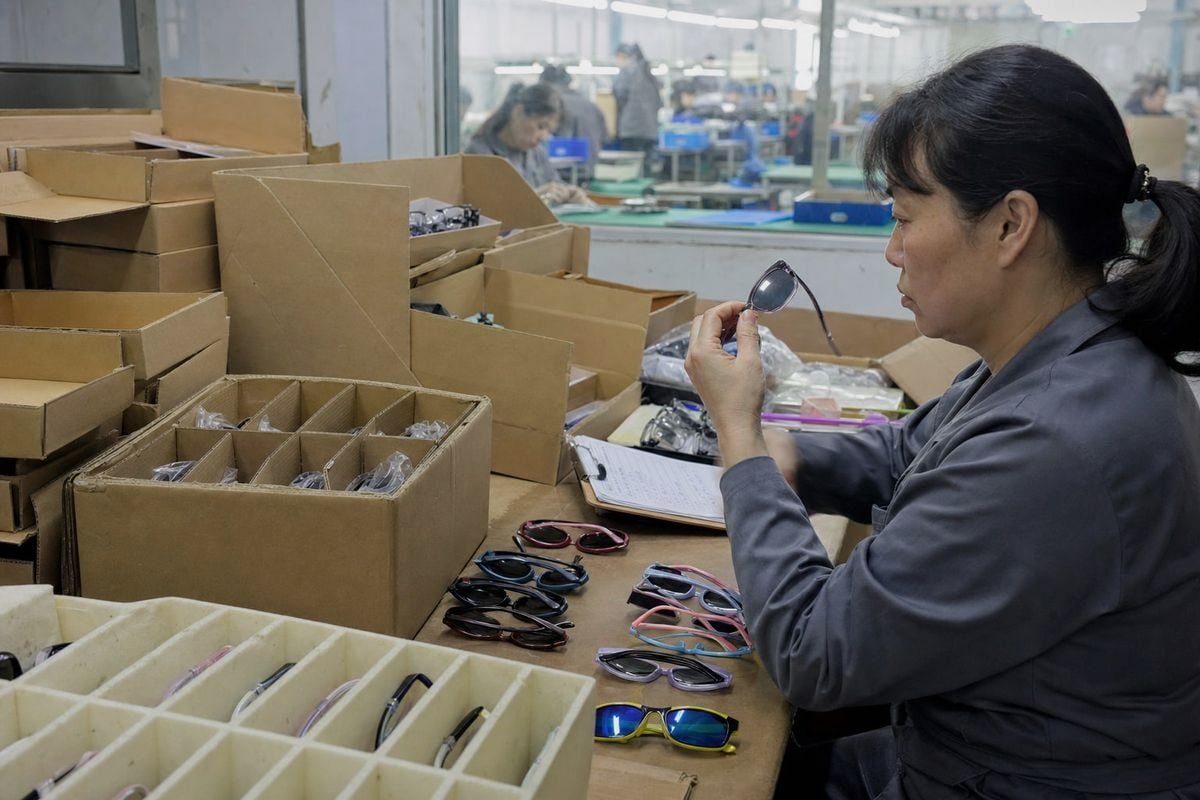
The trick is to think of lifespan in two separate ways. First, physical durability: is the pair still intact? Second, continued suitability: does it still fit and protect this specific child? A pair can pass the first test and fail the second. In our experience, the second failure is actually more common, because children grow faster than good frames wear out.
The five-point end-of-life check
I tell our brand customers to teach parents this simple inspection. It takes under a minute.
| Check point | Worauf Sie achten sollten | What it means |
|---|---|---|
| Gläser | Scratches, pits, haze, warping | Reduced clarity; child may squint or refuse to wear them |
| Rahmenfront | Cracks, whitened stress marks, twisting | Structure is weakening; sudden breakage risk |
| Hinges | Wobble, looseness, missing screws | Fit becomes unstable; temples splay outward |
| Fit | Sliding down the nose, pinching temples, red marks | Child has outgrown the frame; coverage gaps appear |
| Alignment | One lens sits higher; frame looks twisted on a flat table | Warped frame, often from heat or being sat on |
Why fit failure counts as end of life
A frame that slips down exposes the eyes to light from above and the sides. A frame that pinches gets pulled off and left in a bag. Either way, protection drops to zero. When we develop children's frames, we design the fit for a target age range precisely because growth, not breakage, ends most product lifespans. If the pair no longer stays put comfortably, its useful life is over — even if it looks brand new.
What materials make children's sunglasses more durable and long-lasting?
Material choice is the biggest trade-off we weigh in every new development project. A rigid frame holds its shape beautifully in the showroom — and snaps the first time a toddler bends it backwards.
Flexible, impact-resistant materials last longest in children's sunglasses. TR90 and TPEE frames bend without snapping, nylon and polyamide resist stress, and polycarbonate lenses are shatter-resistant. Scratch-resistant lens coatings and sturdy hinge designs further extend real-world lifespan.
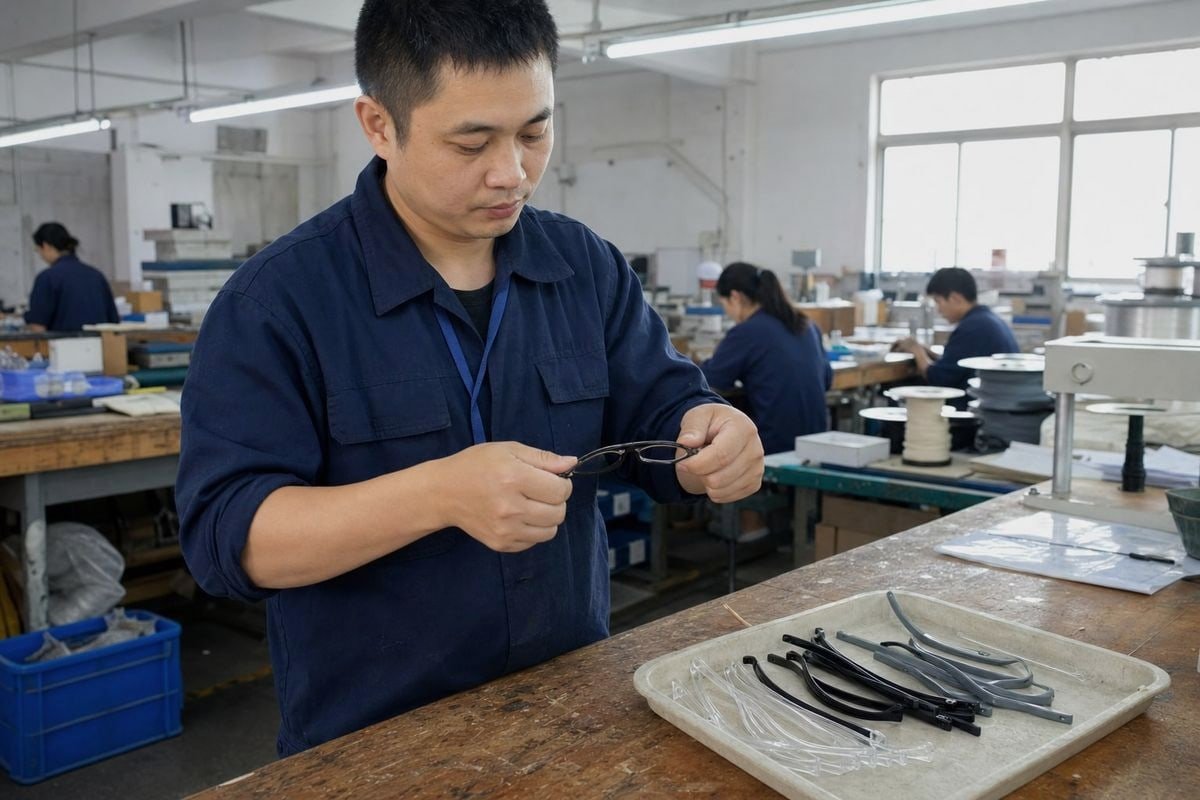
After fifteen years making children's eyewear, our engineers have a simple rule: assume the frame will be twisted, chewed, dropped, and stepped on. Then choose materials that survive all four. That thinking is why most of our roughly 800 existing styles use TR90 5 frames, often paired with soft TPEE temples. TR90 gives structure with memory flex — it bends and returns to shape. TPEE adds a soft, rubbery touch on the temples, which protects small ears and survives rough handling. Both are also environmentally friendly, which matters more every year to the brands we supply.
Vergleich von Fassungsmaterialien
| Material | Flexibilität | Schlagfestigkeit | Best use in kids' eyewear |
|---|---|---|---|
| TR90 | High, with shape memory | Ausgezeichnet | Main frame body for ages 3+ |
| TPEE | Very high, soft touch | Ausgezeichnet | Temples, baby and toddler frames |
| Nylon / polyamide | Hoch | Sehr gut | Sport and wraparound styles |
| Standard rigid plastic | Niedrig | Poor to fair | Not recommended for active kids |
Lenses matter as much as frames
Polycarbonat-Gläser 6 are the standard we recommend. They are lightweight and shatter-resistant, which is critical when a ball or handlebar meets a child's face. Add a hard scratch-resistant coating and the lens survives pockets, backpacks, and sandy beach bags far longer. For high-glare use — water, snow, cycling — polarized options reduce eye strain, though UV400 protection remains the non-negotiable core. Durable materials will not stop a growth spurt, but they do make sure the pair survives until the child genuinely outgrows it.
How often should I replace sunglasses for my brand's young customers?
A product manager at a European kids' brand once asked me for one number she could print on packaging. I told her honestly: give parents a checking rhythm, not a countdown, because condition beats age.
Advise parents to replace kids' sunglasses every one to two years for quality pairs, and sooner for budget ones. More importantly, recommend inspections at the start of each sunny season, after vacations, and after any impact — replacing whenever fit or condition fails.
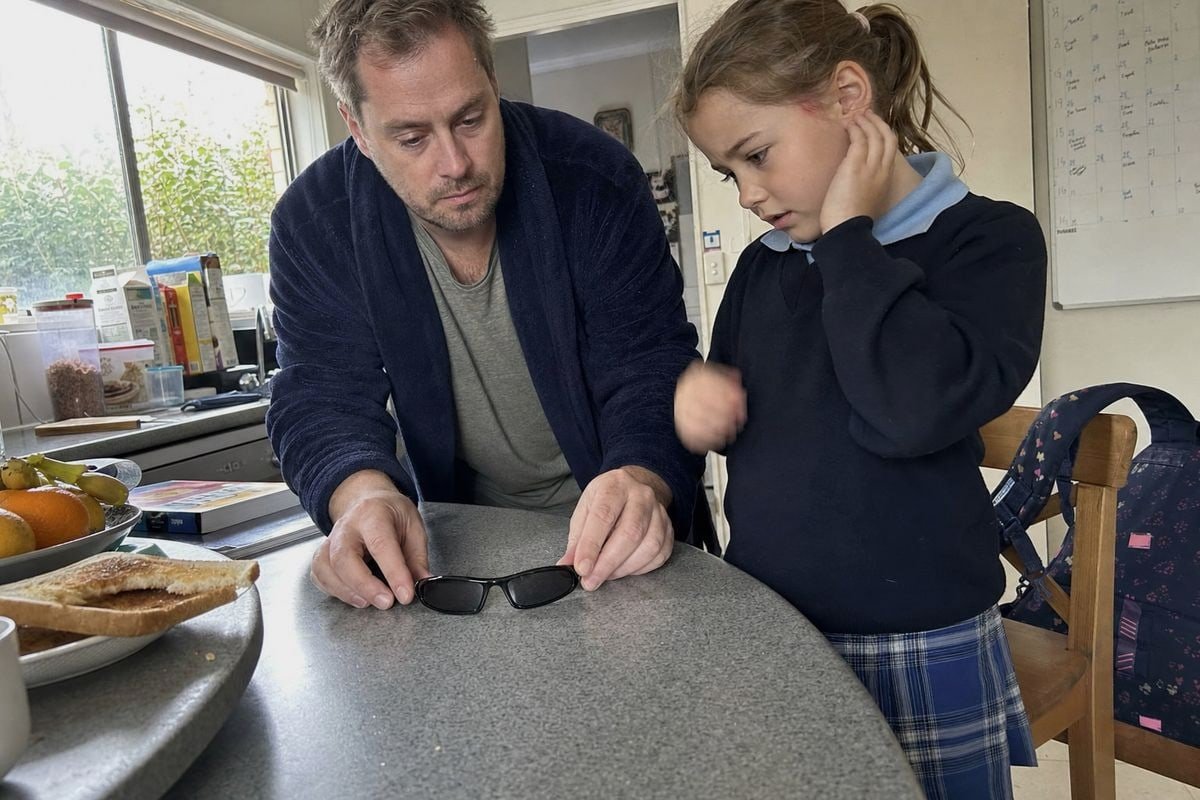
For brands, the smartest position is condition-based replacement guidance with realistic timelines behind it. Here is the framework I share with our B2B customers, based on the use patterns we see across twenty-plus export markets.
Replacement rhythm by use pattern
| Use pattern | Typische Lebensdauer | Suggested check cadence |
|---|---|---|
| Occasional use (weekends, holidays) | 18–24 months, often growth-limited | Start of each sunny season |
| Everyday use (school runs, playground) | 12–18 months | Every 3 months, plus after any drop |
| Sports and outdoor-heavy use | 6–12 months | Monthly, plus after every impact |
| Babies and toddlers (6 months–3 years) | 6–12 months, growth-driven | Every 2–3 months as the face grows |
Growth is the hidden clock
Children's faces change quickly, especially around ages three to seven when eye spacing and head width shift noticeably. A frame sized perfectly last summer may sit crooked this summer. That is why we build our size ranges in careful steps, so a brand can move a young customer up a size instead of losing the sale. Some retailers now run growth-based trade-in programs, and I think that is a smart model: it keeps replacement affordable for parents and keeps the child in properly fitting protection.
What to tell your customers
Give parents three trigger events, not just a date: a growth spurt, a visible change in fit, and any accident. Pair that with a seasonal check and you cover nearly every failure mode. Brands that communicate this clearly build trust — and earn the repeat purchase when replacement time genuinely arrives.
What signs of wear or damage mean it's time to replace kids' sunglasses immediately?
During a QC session last year, I flexed a competitor's returned frame and it snapped clean at the bridge with almost no force. The stress cracks had been invisible. That pair should have been retired weeks earlier.
Replace kids' sunglasses immediately if lenses are cracked, deeply scratched, or warped; if the frame is broken, twisted, or has whitened stress marks; if hinges are loose or screws missing; or if the pair lacks verified UV400 protection or CE marking.
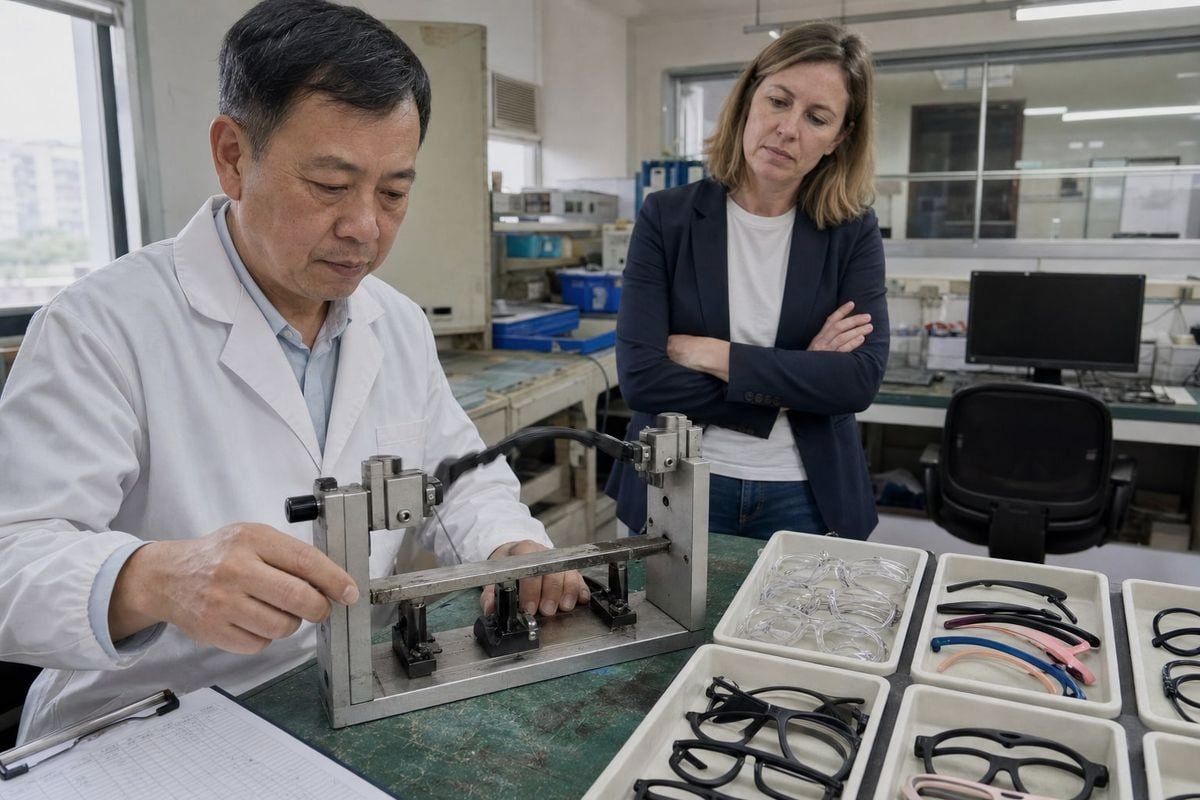
Some wear allows a grace period. Some does not. The signs below mean the sunglasses should come off the child's face today, because they either fail to protect or actively create risk.
Immediate replacement triggers
- Cracked or chipped lenses. A cracked polycarbonate lens can still shield UV, but the structure is compromised and edges can be sharp. Retire it.
- Deep scratches across the vision zone. Scratches scatter light, cause squinting, and reduce clarity. A child squinting behind dark lenses is worse off than one squinting in open shade, because the dark tint dilates the pupil.
- Warped frames or lenses. Heat is the usual culprit — a car dashboard in summer can deform frames and degrade lens coatings even when nothing looks broken afterward.
- Broken or unstable frames. Snapped temples, cracked bridges, and whitened stress lines mean sudden failure is near. Tape repairs never restore proper fit.
- Loose hinges or missing screws. The frame splays, coverage gaps open at the sides, and UV enters around the lens.
- Missing or doubtful certification. If a pair has no CE-Kennzeichnung 7, no UV400 or 100% UVA/UVB claim you can trust, or came from an unclear source, it should not be on a child's face at all. Dark tint without UV filtering is more dangerous than no sunglasses.
One caution on tint versus protection
Parents often judge lenses by darkness. That is a mistake. UV protection comes from the lens material and filter, not the tint level. This is why our factory validates UV400 performance on lens batches and why we recommend category 3 filters for everyday sun exposure. A pale lens can protect fully; a dark uncertified lens can harm.
Schlussfolgerung
Kids' sunglasses fail quietly — through growth, scratches, and loose hinges — while parents assume protection continues. Replace on condition and fit, choose flexible certified materials, and inspect seasonally. Our team is always glad to help brands get this right.
Fußnoten
1. CDC resource on UV radiation risks supports the article’s UV filtering claims. ↩︎
2. EPA guidance explains why UV protection matters for eye health in children. ↩︎
3. Background on polycarbonate material properties supports the shatter-resistance claim. ↩︎
4. Explains what CE marking certifies, supporting the certification safety warning. ↩︎
5. Background on nylon-based polymers used in flexible TR90 frame construction. ↩︎
6. Background on polycarbonate material properties relevant to shatter-resistant lenses. ↩︎
7. Explains the certification standard referenced for safe children’s eyewear. ↩︎
Weitere Artikel, die Ihnen gefallen könnten
August 2026
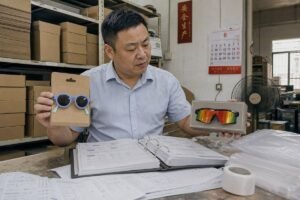
Sollte die Fabrik die Verpackung und Kennzeichnung von Kinder-Sonnenbrillen übernehmen oder einen bestimmten Lieferanten nutzen?
August 2026
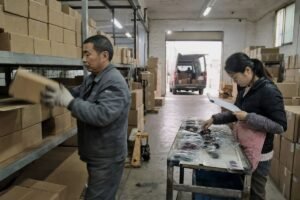
Eigenes Lager vs. Direktlieferung durch den Lieferanten: Was senkt die Retourenkosten für Marken von Kinder-Sonnenbrillen?

August 2026
Direkt zum Lagerhafen oder Lagerung in Übersee: Was spart mehr bei den Versandkosten für Kinder-Sonnenbrillen?
Auf der Suche nach einem zuverlässigen Partner für Kinderbrillen?
Entdecken Sie über 800 sofort verfügbare Modelle und umfassenden OEM/ODM-Support, der auf Ihre Marke zugeschnitten ist.
Kontakt aufnehmen English
  Español de México
  Deutsch
  Français
  日本語
日本語  العربية
  Português do Brasil