How to Ensure Kids Optical Frames Suppliers Guarantee Restock Availability During Warranty?
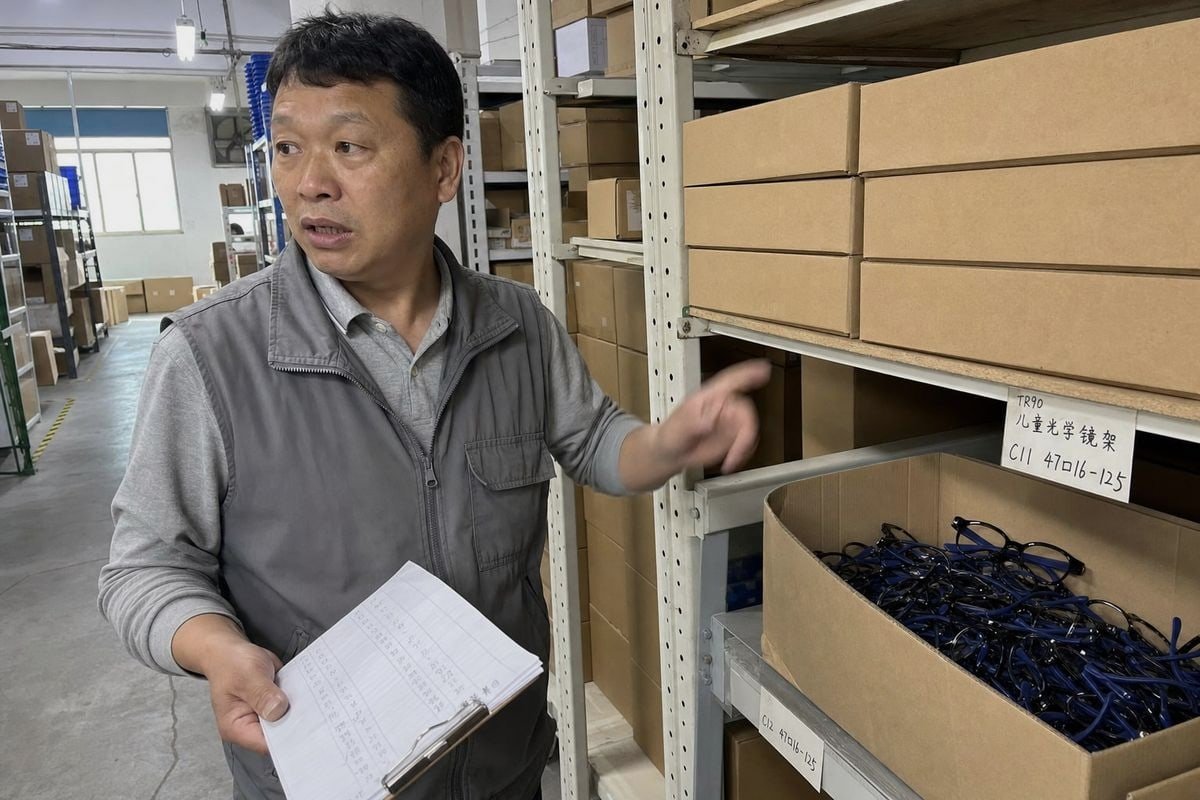
Kids optical frames suppliers who cannot restock during warranty leave your brand exposed safety stock policy 1. I have watched buyers learn this the hard way, long after our production line shipped their first order. A child breaks a frame, the parent files a claim, and the SKU is gone. Your warranty becomes a broken promise, your reviews suffer, and your retail partners lose trust. The solution is to lock restock availability into writing before you ever place a purchase order — and that is exactly what this guide covers.
To ensure kids optical frames suppliers guarantee restock availability during warranty, require a written Guaranteed Availability Period of 12–24 months, a comparable-replacement clause for discontinued SKUs, dedicated safety stock reserves of 5–10% per batch, and defined lead times for warranty fulfillment before signing.
Those four commitments sound simple, but most supply agreements skip them entirely. Below, I walk through how to confirm each one, what warranty language actually protects you, how to verify real production capacity, and which questions reveal a supplier’s true after-sales support before you commit.
How can I confirm my kids optical frames supplier keeps enough stock for warranty replacements?
At our Taizhou factory, one of the first questions serious buyers ask is not about price — it is whether we hold reserve inventory against the styles they select from our 800 existing designs. That question separates experienced procurement managers from first-time importers.
Confirm stock for warranty replacements by requesting the supplier's written safety stock policy, SKU continuity commitments, batch reserve percentages, and stock replenishment cycles. Ask for real inventory reports on your chosen styles, and get a contractual promise that warranty claims are filled from current stock or the next production run.
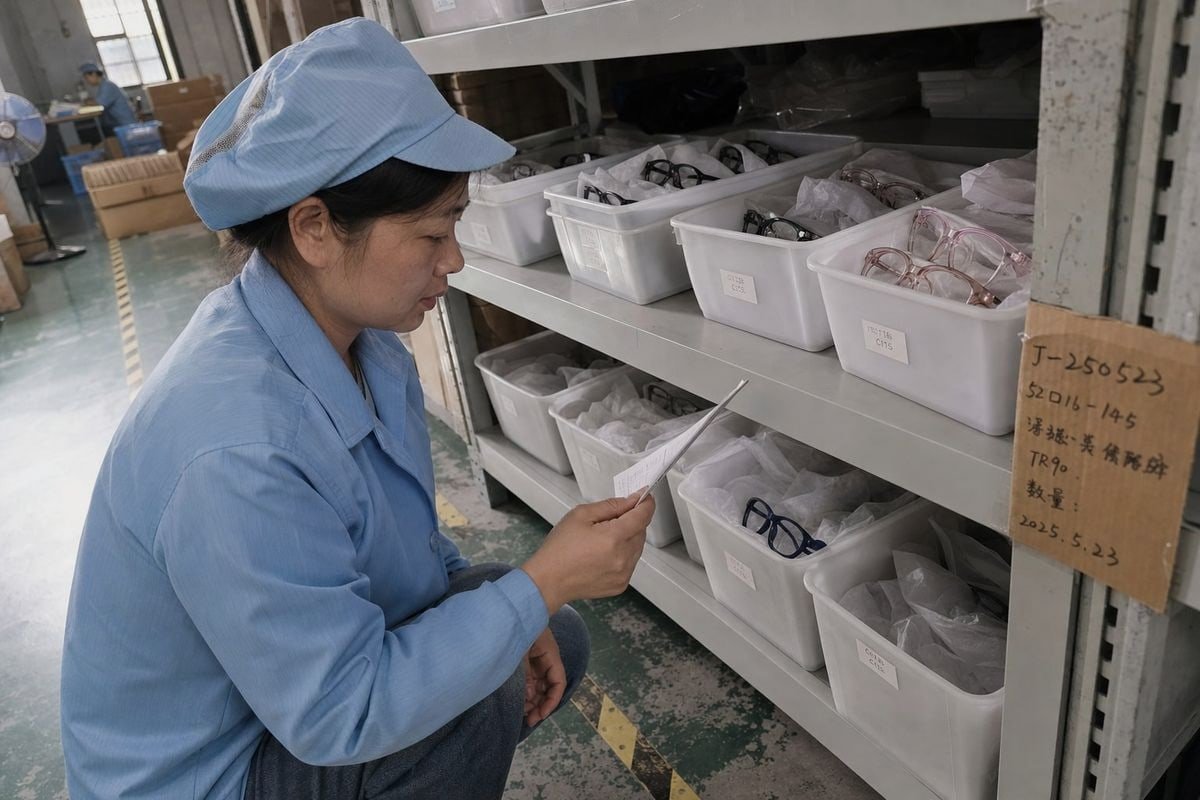
A verbal "yes, we keep stock" means nothing twelve months into a warranty period. You need evidence, and you need it in three specific forms.
Ask for documented safety stock buffers
Strong suppliers hold back a dedicated reserve — typically 5–10% of every production batch — specifically for future warranty fulfillment. When we run TR90 2 kids optical frames for a repeat client, we discuss upfront how much of that run stays in reserve and for how long. If a supplier cannot explain their reserve policy in one email, they probably do not have one. Ask them to name the percentage, the storage location, and the release rules.
Check SKU continuity and colorway longevity
Children's frame styles rotate out of production quickly. A style may survive, but a specific colorway or size may not. Ask your supplier which of your chosen SKUs are core catalog items versus seasonal runs. Core items from a large existing-style library carry far lower discontinuation risk, because the factory sells them to many markets and keeps molds active.
Verify stock replenishment cycles in writing
Wholesale suppliers often treat warranty replacements as replenishment from future production runs, not guaranteed immediate stock. That is acceptable — but only if the cycle is defined. Use a simple verification checklist:
| What to Verify | Weak Answer | Strong Answer |
|---|---|---|
| Safety stock buffer | "We usually have some stock" | "5–10% of each batch reserved, documented per SKU" |
| SKU continuity | "This style is popular" | "Core catalog item, mold active 3+ years" |
| Replenishment cycle | "We restock when needed" | "Restock triggered at defined threshold, 30–45 day cycle" |
| Spare parts | "We only sell full frames" | "Temples, hinges, and screws stocked separately" |
| Inventory visibility | No reporting | Monthly stock report or EDI-style data sharing |
Suppliers who share inventory data — even a simple monthly spreadsheet, or synchronized reporting for larger accounts — give you real-time visibility into warranty-related stock depletion. That transparency is the single best predictor of supply chain reliability 3 during a warranty period.
What warranty terms should I request from a children's eyewear manufacturer to protect my brand?
A distributor from Australia once sent me a competitor's warranty document and asked, "Would you sign this?" I would not have — it promised a two-year warranty but never defined what happened when a frame was discontinued. That gap is where brands get hurt.
Request a 12–24 month coverage period, explicit defect and accidental-breakage definitions, an exact-replacement obligation, a comparable-replacement clause for discontinued frames, a credit or refund fallback, defined claim documentation rules, and clarity on who pays shipping. Put every term in the supply agreement, not an email.
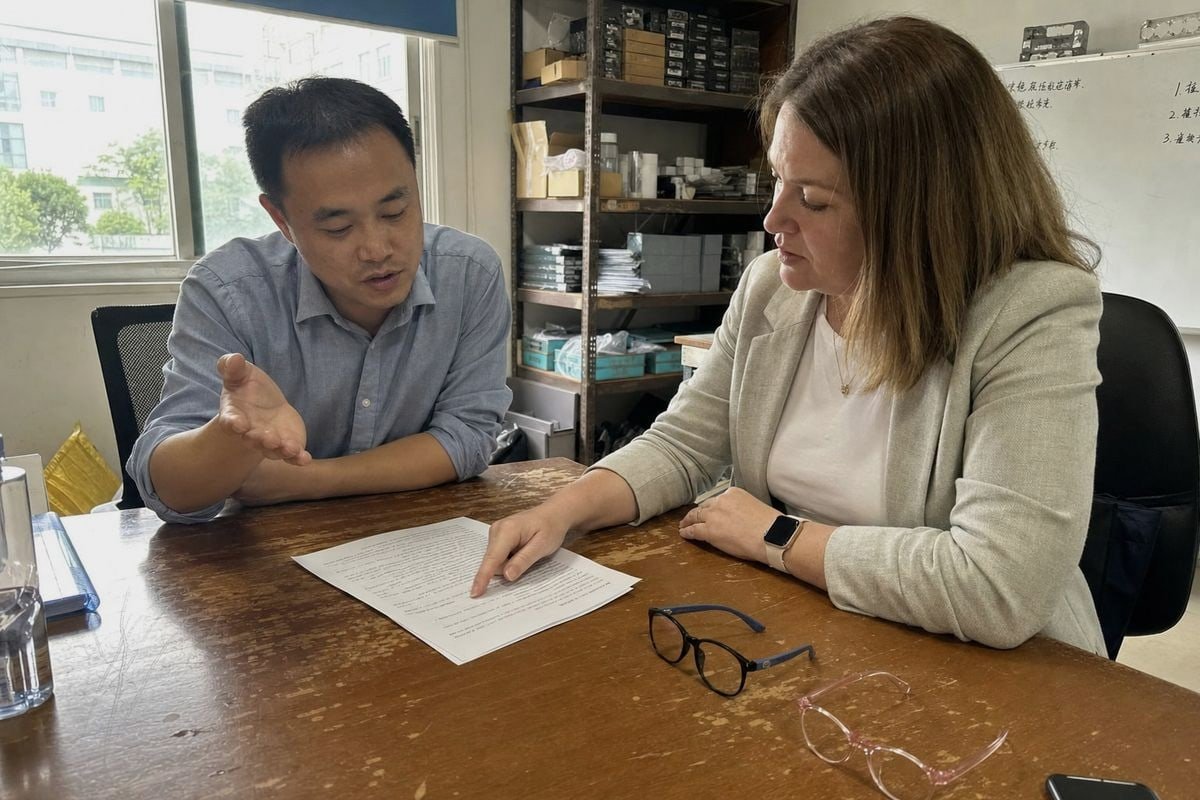
A frame replacement policy is only as strong as its weakest clause. Kids' eyewear takes more abuse than adult frames — playgrounds, sports, school bags — so claims will come. Market examples show three fallback models: exact replacement, same-style substitution, or credit toward a future purchase. The best contracts stack all three in a defined hierarchy.
The replacement hierarchy you should demand
- Best case: exact replacement — same style, color, and size.
- Middle case: same frame in another color, or a similar style of equal value, with your approval.
- Fallback: frame credit against your next order.
- Last resort: refund if no suitable substitute exists.
Real policies in the market illustrate the range. Kids Bright Eyes offers a one-time, one-year frame warranty and replaces out-of-stock or discontinued frames with a same-size frame of equal value. Optiplex offers a two-year accidental-breakage warranty and replaces the entire pair with the same prescription if the original frame is discontinued. Seesaw Eyes uses a credit-based fallback for frames that cannot be restocked. Your contract should specify which model applies, because "similar replacement" can mean a different fit, material, or look — a real problem for children's faces and for your brand consistency.
Core clauses in a protective warranty
| Klausel | What to Specify | Why It Protects You |
|---|---|---|
| Coverage period | 12, 24, or 36 months from delivery | Longer warranties are now a selling point in kids' eyewear |
| Covered defects | Manufacturing defects, hinge failure, frame faults, accidental breakage if offered | Prevents disputes over "wear vs. defect" |
| Discontinued-item clause | Comparable or upgraded frame at no extra cost | Keeps the warranty meaningful after SKU rotation |
| Guaranteed Availability Period | 12–24 months of parts/frames post-discontinuation | Covers all active warranties on sold units |
| Claim documentation | Photo-verified claims, proof of purchase | Bypasses slow physical returns |
| Shipping and fees | Who pays freight; no hidden restocking fees | Some policies charge shipping even on free replacements |
Watch for soft costs. Restocking fees and shipping charges can quietly erode a warranty's real value. Also confirm exclusions — most policies exclude lost or stolen frames, which is reasonable, but it should be stated so your customer service team can set expectations.
When we structure OEM agreements 4 at our factory, we treat these clauses as Service Level Agreements 5, not marketing copy. That is the standard you should hold every children's eyewear manufacturer to.
How do I verify a supplier's production capacity before committing to a restock agreement?
Factory audits taught me something early in my fifteen years in eyewear: capacity claims on a website and capacity on a workshop floor are two different things. Buyers who visit our 5S-verwalteten Werkstatt 6 in Taizhou check machine counts, staffing, and mold storage — and they should do the same everywhere.
Verify production capacity by auditing the factory directly or via a third party, confirming worker count, machine capacity, mold ownership, and monthly output, reviewing existing-style depth, and testing responsiveness with a small repeat order before signing any restock agreement.
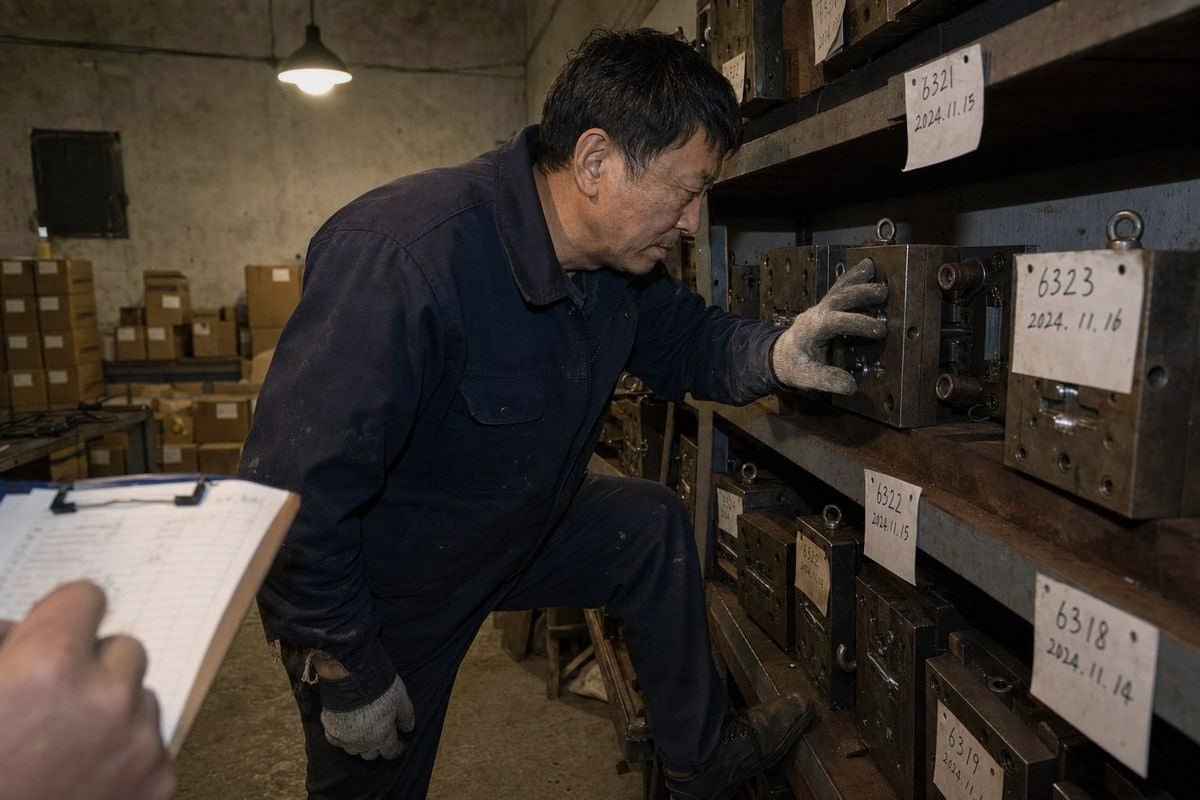
A restock agreement is only credible if the factory behind it can actually produce on demand. Manufacturing capacity is not just headcount — it is the combination of molds, materials, skilled labor, and scheduling flexibility.
Confirm you are dealing with a factory, not a trader
Traders cannot guarantee restock availability because they do not control production. Ask for the Gewerbeanmeldung 7, factory address, workshop photos or video calls, and mold ownership records. A genuine factory — ours runs with around 120 workers — can show you the injection machines 8, the assembly lines, and the QC stations for the exact TPEE and TR90 processes used in your frames. A trader will stall or redirect.
Check mold and material continuity
For flexible kids' frames, material expertise matters as much as machines. TPEE and TR90 behave differently in production and in failure patterns. Ask whether the supplier keeps molds active for your SKUs, how long molds are retained after a style is paused, and whether spare components — temples, hinges, silicone parts — are produced alongside full frames. Modular component restocking maximizes efficiency and reduces waste, because a broken temple should not require replacing an entire frame.
Test before you trust
Run this simple verification sequence:
- Request current output data — monthly unit capacity and current utilization rate.
- Ask about peak-season scheduling — can warranty orders jump the queue, and what is the emergency-run trigger if a batch exceeds a defect threshold?
- Place a small repeat order — measure quoted versus actual lead time. This is your best proxy for future backorder fulfillment performance.
- Review the existing-style library — deep catalogs (in our case roughly 800 styles) signal active molds and lower discontinuation risk, which lets new brands launch without heavy mold investment.
- Ask about batch traceability — lifecycle batch ID tracking lets a supplier flag when a production run's warranty reserve is nearly depleted batch traceability 9 and schedule a last-call run.
Some buyers push back here: "Isn't this overkill for kids' frames?" In my experience exporting to 20+ countries, the opposite is true. Children depend on their glasses daily, defect claims skew higher than adult eyewear, and a supplier with real capacity turns warranty claims into routine replenishment instead of crisis management.
What questions should I ask about lead times and communication during a warranty claim?
Lesson learned from a European optical client: their previous supplier honored every warranty claim on paper, but each replacement took eleven weeks to arrive. For a child who needs glasses now, an eleven-week replacement is functionally a rejection. Speed and communication are part of availability.
Ask how fast the supplier acknowledges a claim, whether photo-verified claims skip physical returns, the guaranteed ship time for warranty replacements, whether regional stock shortens transit, who your named after-sales contact is, and how backorders are escalated and tracked to resolution.
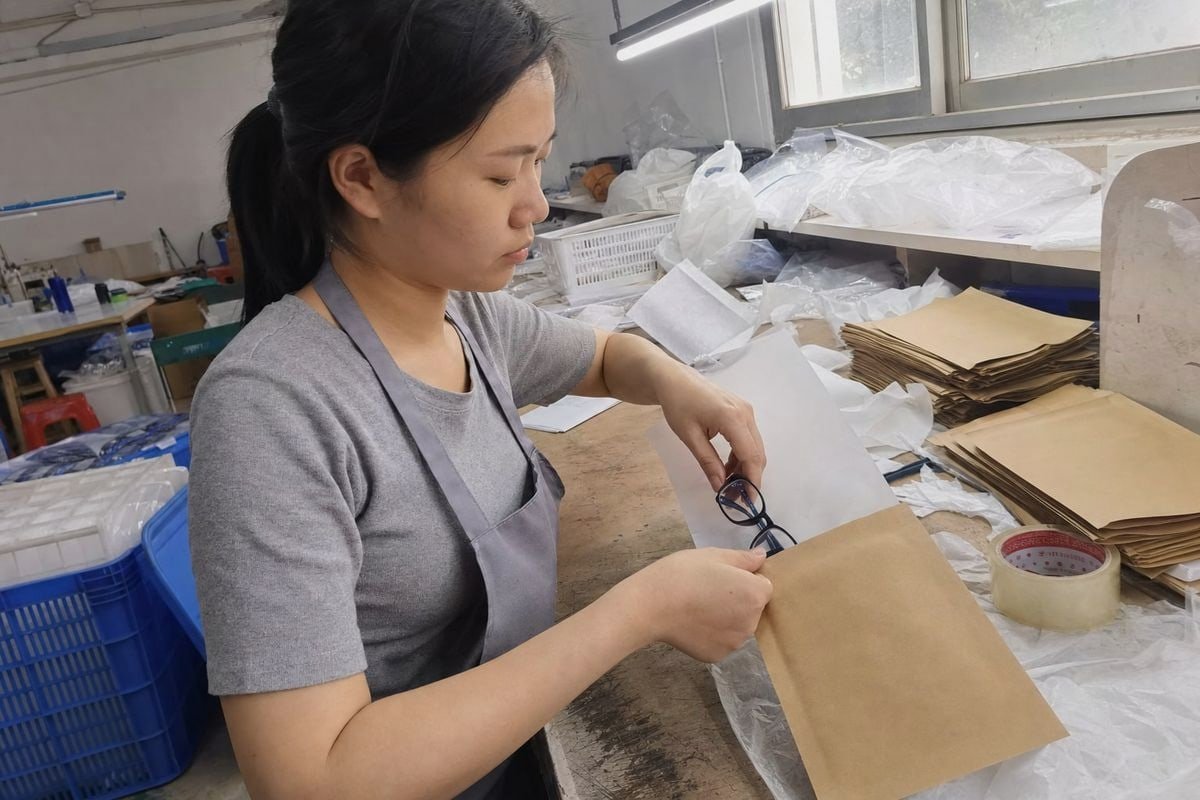
A warranty process is a workflow, and every step in that workflow either adds or removes days. Your job before signing is to map that workflow question by question.
The claim timeline, step by step
| Phase | Frage zu stellen | Target Standard |
|---|---|---|
| Claim intake | How do we submit — email, portal, form? | Digital submission with photo upload |
| Verifizierung | Do photos suffice, or must we return the frame? | Photo-verified claims for most cases |
| Authorization | How fast do you approve or reject? | 24–48 hours, named contact |
| Fulfillment | Do you ship from reserve stock or next run? | Reserve stock first, defined ship window |
| Backorder handling | What happens if the SKU is unavailable? | Automatic substitution rules or credit, with dates |
| Escalation | Who handles disputes? | Named after-sales manager, response SLA |
Photo-verified claims are becoming standard across the industry, and for good reason: they bypass the delays and cost of physical returns and let replacements ship immediately from ready-to-ship inventory. Some policies still require returning the broken frame or components like the front piece and temples — acceptable, but confirm it does not block the replacement shipment.
Push for lead time optimization, not just promises
Ask for a specific time-to-ship target for warranty orders, separate from regular production lead times. Then ask what shortens it. Regional micro-hubs — consolidated reserves in local warehouses — bypass international shipping entirely for high-volume accounts. If that is not available, ask whether warranty replacements can ride along with your regular stock replenishment cycles, or ship independently by courier when urgent.
Communication quality is the final filter. Wholesale eyewear distributors and brand buyers consistently tell me the same thing: they can forgive a delay they were warned about, but not silence. At our factory, every OEM account gets a direct contact, because a warranty claim handled in two clear emails builds more trust than a perfect product ever will. Test this before committing — send a detailed pre-sales question and time the response. Pre-sale responsiveness reliably predicts after-sales support.
Schlussfolgerung
A warranty without restock availability is a promise without a plan. When a child's frame breaks, your brand is judged in that moment — not by the warranty card, but by whether a replacement actually arrives. Demand a written Guaranteed Availability Period, a clear replacement hierarchy, verified manufacturing capacity, safety stock reserves, and fast, photo-verified claims handling. Choose a supplier who treats after-sales support as part of the product. Get every commitment in writing before your first purchase order, and your warranty becomes what it should be: proof that your brand keeps its word.
Fußnoten
Weitere Artikel, die Ihnen gefallen könnten
August 2026
Bio-Based vs Regular Cellulose Acetate: What's the Difference for Kids' Frames?
August 2026
How Recyclable Are Kids' Optical Frame Materials, and What Eco-Friendly Alternatives Exist?
August 2026
Bleichen Kinderbrillengestelle im Lager aus oder altern sie, und wie kontrolliert man die Lagerbedingungen?
Auf der Suche nach einem zuverlässigen Partner für Kinderbrillen?
Entdecken Sie über 800 sofort verfügbare Modelle und umfassenden OEM/ODM-Support, der auf Ihre Marke zugeschnitten ist.
Kontakt aufnehmen English
  Español de México
  Deutsch
  Français
  日本語
日本語  العربية
  Português do Brasil