How Long Do Kids’ Sunglasses Typically Last?

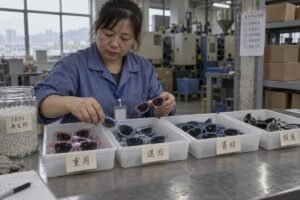
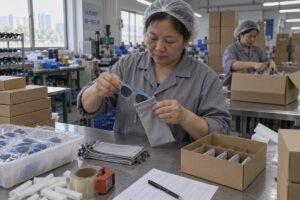
Parents ask me about kids’ sunglasses lifespan more than any other topic. On our production line in Taizhou, I see exactly why some pairs fail early — and why others survive years of playground abuse.
Kids’ sunglasses typically last 1 to 3 years. Heavy-use or rough-use children may need replacements every 6 to 12 months, while premium pairs with TR90 frames and polycarbonate lenses can last 2 to 3 years or longer with proper care and storage.
That range is wide. So let me break down what shortens or extends it, and how you can judge your child’s pair honestly.
How long should my kids' sunglasses last before I need to replace them?
During a quality review last spring, a European buyer asked our team to define "acceptable lifespan" in a contract. That single question forced us to separate physical durability from actual UV protection.
Replace kids' sunglasses every 6 to 12 months for heavy outdoor users, and every 1 to 3 years for average use. Even if frames survive longer, check UV400 protection, lens condition, and fit at least once a year before continuing use.

The word "last" hides two different timelines. One is physical: can the frame and lenses survive daily handling? The other is protective: are the lenses still blocking UVA and UVB rays 1 effectively? These two timelines rarely match. A pair can look intact while its protective performance quietly declines.
Here is the honest breakdown we share with our B2B buyers when they plan product warranties and replacement messaging:
| Sunglasses type | Typical lifespan | Best replacement window |
|---|---|---|
| Cheap basic plastic pairs | Under 1 year with heavy use | Every 6–12 months |
| Decent everyday kids' pairs | 1–3 years | Every 12–18 months |
| Premium TR90 + polycarbonate pairs | 2–3 years, sometimes longer | Every 18–24 months with checks |
| Any pair in high-UV climates (Australia, tropics) | Shorter than rated | Every 6–12 months |
Why kids' pairs wear out faster than adults' pairs
Children drop their sunglasses. They sit on them. They chew the temple tips. They also grow, which means a perfectly intact pair can stop fitting within a single year. In our experience shipping to brands in over 20 countries, buyers in high-sun markets like Australia consistently request shorter replacement guidance than European buyers, because intense sun accelerates coating wear.
The practical rule I give parents
Inspect monthly. Replace at the first sign of real damage or poor fit. Otherwise, plan on a usable life of roughly one to three years, and never assume a pair "still works" just because it looks fine on the shelf.
What factors affect the lifespan of my children's sunglasses?
One trade-off we weigh constantly in product development is flexibility versus stiffness. A frame that bends survives drops, but the material must also spring back reliably — and not every plastic can do both.
Five factors decide lifespan: frame and lens materials, how roughly the child handles them, UV intensity in your climate, heat exposure during storage, and chemical contact from sunscreen or sweat. Material quality and daily habits matter far more than price alone.
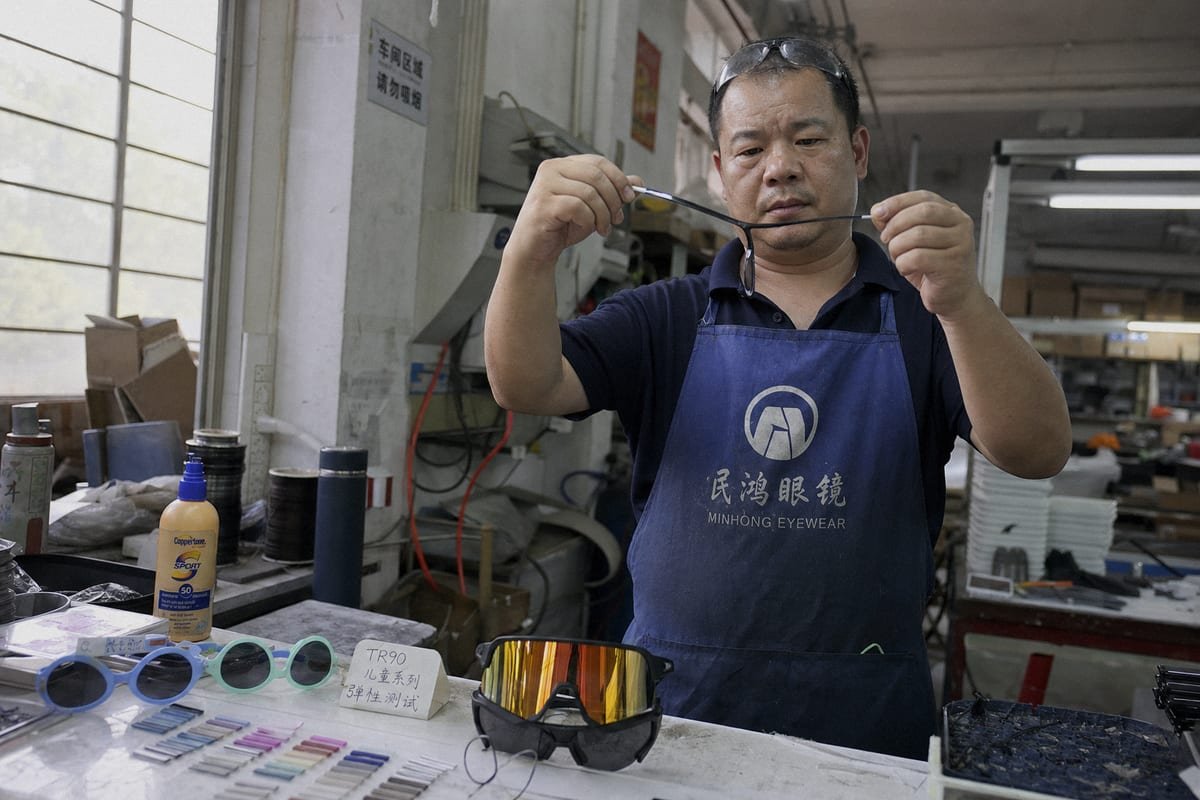
Lifespan is never one variable. It is a stack of small stresses that add up. Let me walk through the biggest ones, because parents can control most of them.
Material quality comes first
Cheap rigid plastic snaps under twisting force. Flexible materials like TR90 and TPEE bend and return to shape thousands of times. Polycarbonate lenses 2 resist impact far better than acrylic ones. Shatterproof materials also protect pediatric eye health 3 directly, because a lens that cracks near a child's eye is a safety hazard, not just a durability problem.
Heat is the silent killer
Leaving sunglasses in a hot car causes crazing — a web of microscopic cracks in the lens coatings. This permanently distorts vision and weakens UV filtering. We warn every buyer about this because it is the most common "invisible" failure mode we see in returned samples.
Chemistry matters too
Common sunscreen ingredients 4, such as avobenzone, react with some frame plastics. The result is peeling finishes and clouded coatings. Sweat and salt water add to the wear. Rinsing frames with fresh water after beach days genuinely extends their life.
| Stress factor | Effect on lifespan | How to reduce it |
|---|---|---|
| Rough handling and drops | Bent hinges, cracked rims | Choose flexible rubber frames or TR90 |
| Strong UV climates | Faster coating degradation | Replace every 6–12 months |
| Hot car storage | Lens crazing, warped frames | Store in a hard case, never in vehicles |
| Sunscreen contact | Peeling finish, cloudy lenses | Wipe frames after application |
| Repeated over-stretching | Material fatigue, loose fit | Use adjustable head straps for toddlers |
Material fatigue is real
Even flexible polymers have limits. Repeated over-stretching eventually makes a frame lose its "memory," leaving a permanently loose fit that adjustments cannot fix. When that happens, replacement is the only answer.
How can I tell if my kids' sunglasses need replacing?
A distributor in Japan once returned a batch of competitor samples to us for analysis. The frames looked perfect. Under inspection, the lens coatings were hazed and pitted. Looks deceive.
Replace kids' sunglasses when you see scratches or haze on the lenses, peeling coatings, loose or warped frames, a fit that pinches or slides, or if the pair is over two years old with heavy sun exposure. Any one sign is enough.
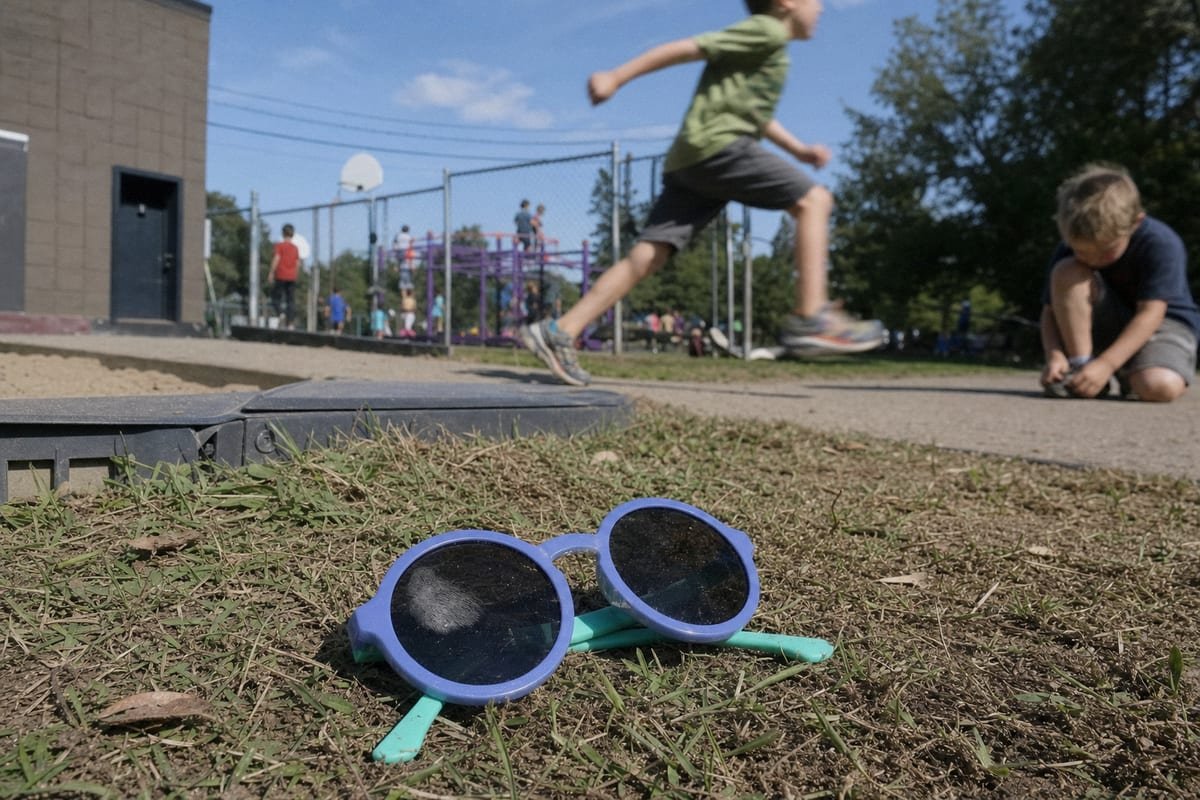
Most parents wait for a dramatic break. But the real warning signs are quieter, and they usually appear on the lenses first. Deep scratches do more than annoy the wearer. They can create "leaks" in the UV shield, letting concentrated rays reach the eye through the damaged zones. A scratch-resistant coating slows this down, but no coating is scratch-proof against sand and playground concrete.
A simple parent checklist
Run through these five questions every month or two:
- Do the sunglasses still fit snugly, without pinching the temples or sliding down the nose?
- Are the lenses clear — no haze, deep scratches, or peeling coatings?
- Do the frames still spring back when gently flexed, rather than staying bent?
- Is the pair less than one to two years old?
- Has the pair avoided hot cars and sunscreen smears?
If you answer "no" to any question, replace the pair sooner rather than later.
Watch the fit, not just the frame
Fit is a genuine expiration factor. A frame that pinches causes headaches, and a frame that slides lets UVA and UVB rays sneak in from above and around the lenses. Children often stop wearing uncomfortable sunglasses entirely — which means zero protection, no matter how good the lenses are.
Beware the hand-me-down trap
Passing sunglasses to a younger sibling feels thrifty. But the UV-absorbing molecules inside older lenses may have reached their saturation point and lost efficacy, even if the frame looks intact. For older pairs, some optical shops can test UV transmittance 5 with a photometer. If you are unsure, that quick test settles the question.
What materials help my kids' sunglasses last longer?
Fifteen years of eyewear production taught our engineers one clear lesson: material choice decides most of a frame's fate before a child ever touches it. That is why we standardized on TPEE and TR90 early on.
TR90 memory polymer frames, TPEE flexible temples, and polycarbonate lenses give kids' sunglasses the longest life. These shatterproof materials bend without snapping, resist impact, and hold UV400 protection reliably, extending durability to two or three years even under rough daily use.
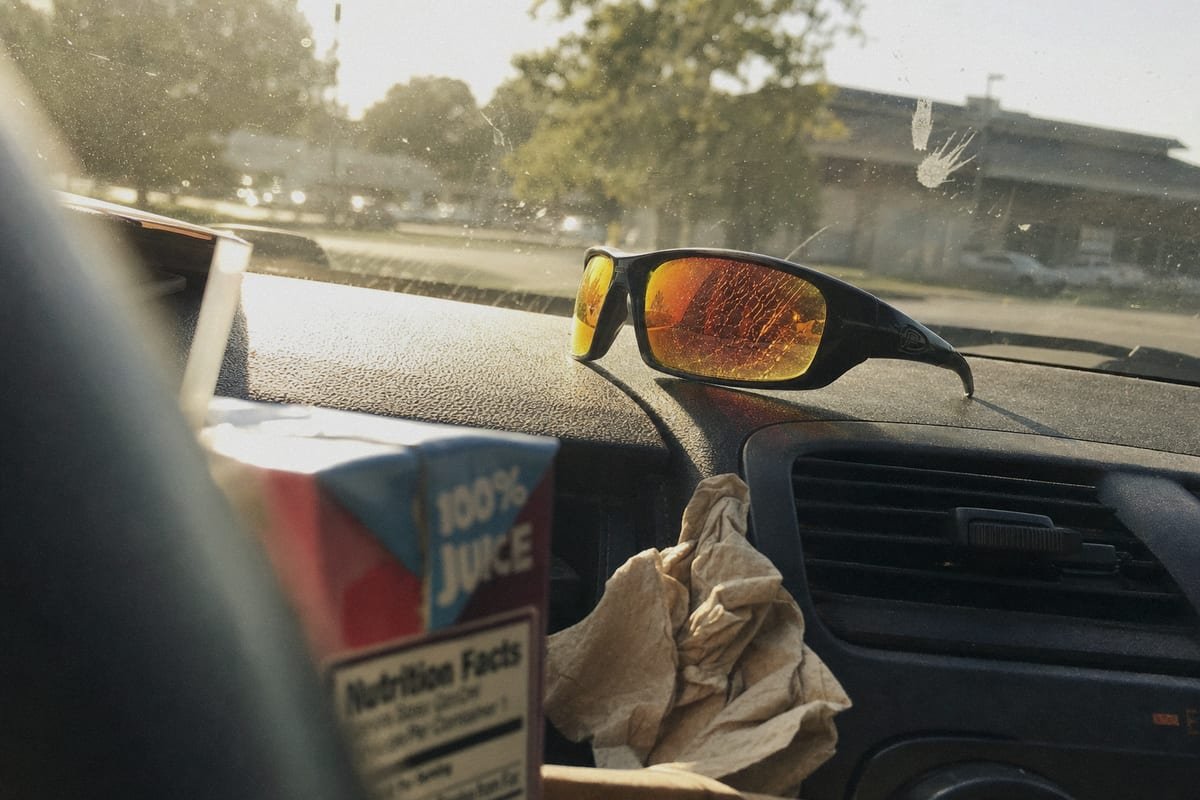
Materials are where budget pairs and quality pairs truly separate. When we develop a new style at our factory — often a TR90 front with TPEE temples — we twist it, drop it, and flex the hinges repeatedly, because a child will do worse within a week.
Frame materials compared
| Material | Flexibility | Impact resistance 6 | Typical lifespan | Best for |
|---|---|---|---|---|
| Basic rigid plastic | Low | Poor, snaps easily | Under 1 year | Occasional use only |
| Flexible rubber frames | Very high | Excellent | 1–2 years | Babies and toddlers |
| TPEE (thermoplastic elastomer) | Very high | Excellent | 2–3 years | Toddlers and active kids |
| TR90 (memory polymer) | High, springs back | Excellent | 2–3+ years | Everyday kids' wear |
TR90 is a memory polymer. It bends under stress and returns to its original shape without cracking. TPEE goes further on softness, which matters on small faces where comfort decides whether a child actually wears the pair. Both materials are lightweight and environmentally friendly options, which is why they dominate serious children's eyewear.
Lenses deserve equal attention
Polycarbonate lenses are the standard we recommend to every brand we supply. They offer strong impact resistance, block UVA and UVB rays inherently, and pair well with a scratch-resistant coating for daily wear. For water, snow, or bright-glare environments, polarized lenses 7 reduce reflected glare and eye strain. Whatever the lens type, insist on genuine UV400 protection — that rating means the lenses block rays up to 400 nanometers.
Small features that add years
Adjustable head straps stop toddlers from stretching temples out of shape. Rubberized temple grips reduce drops. A hard case prevents heat and pressure damage in backpacks. These small details, more than any single material, are what push a pair from one year of life to three.
Conclusion
Kids' sunglasses last one to three years on average, but rough use, heat, and growth shorten that. Check fit and lenses often, choose durable materials, and replace early — young eyes deserve it.
Footnotes
1. Official FDA explanation of ultraviolet radiation types and their effects. ↩︎
2. Technical details on the durability and impact resistance of polycarbonate materials. ↩︎
3. Expert advice on maintaining eye health in children. ↩︎
4. Official FDA resource listing active sunscreen ingredients and safety guidelines. ↩︎
5. Scientific explanation of transmittance, the fraction of incident light passing through a material. ↩︎
6. Academic overview of impact resistance properties in engineering materials. ↩︎
7. Medical guidance on how polarized lenses reduce glare and improve visual comfort. ↩︎
More Articles You Might Like
Looking for a Reliable Kids Eyewear Partner?
Explore 800+ ready styles and full OEM/ODM support tailored to your brand.
Get in Touch English
  Español de México
  Deutsch
  Français
  日本語
日本語  العربية
  Português do Brasil