Kids’ Sunglasses: Polarized vs Regular Lenses—What’s the Difference?
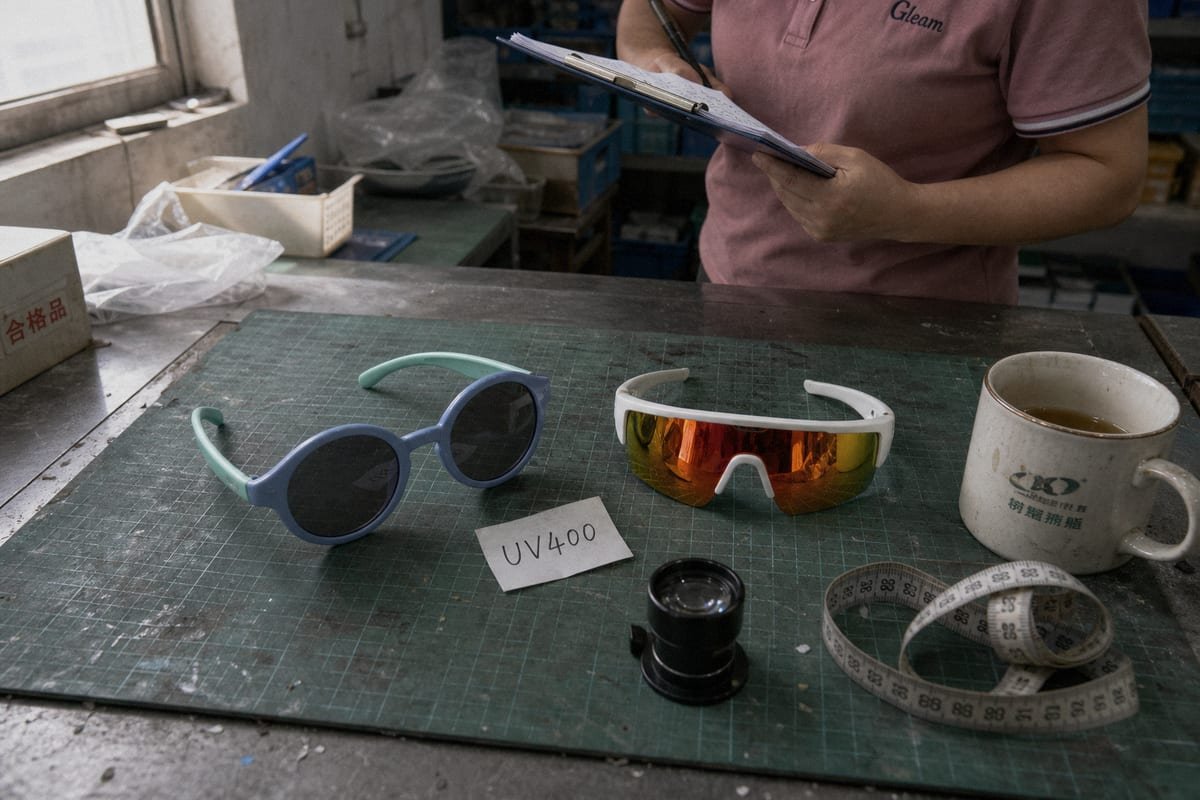
Kids’ sunglasses buyers ask me one question constantly on our production line in Taizhou: polarized or regular lenses? Choose wrong, and your inventory sits unsold while competitors win the shelf.
Polarized kids’ sunglasses contain a filter that blocks glare from reflective surfaces like water, snow, and pavement, while regular tinted lenses only dim overall brightness. Both can offer full UV400 protection, so UV safety—not polarization—should be your first sourcing priority.
That short answer hides several business decisions. Let me walk you through each one, from product positioning to costs and MOQs, based on what I see daily in our factory.
How do I know if my kids' sunglasses brand really needs polarized lenses or if UV400 is enough?
A buyer from Australia once told me she almost paid double for polarized lenses her toddler line never needed. Our sampling process helped her avoid that mistake.
Your brand needs polarized lenses if your customers use sunglasses near water, snow, or bright pavement. For everyday playground wear, school runs, and stroller walks, regular UV400 lenses that block both UVA and UVB rays are fully sufficient and more cost-effective.
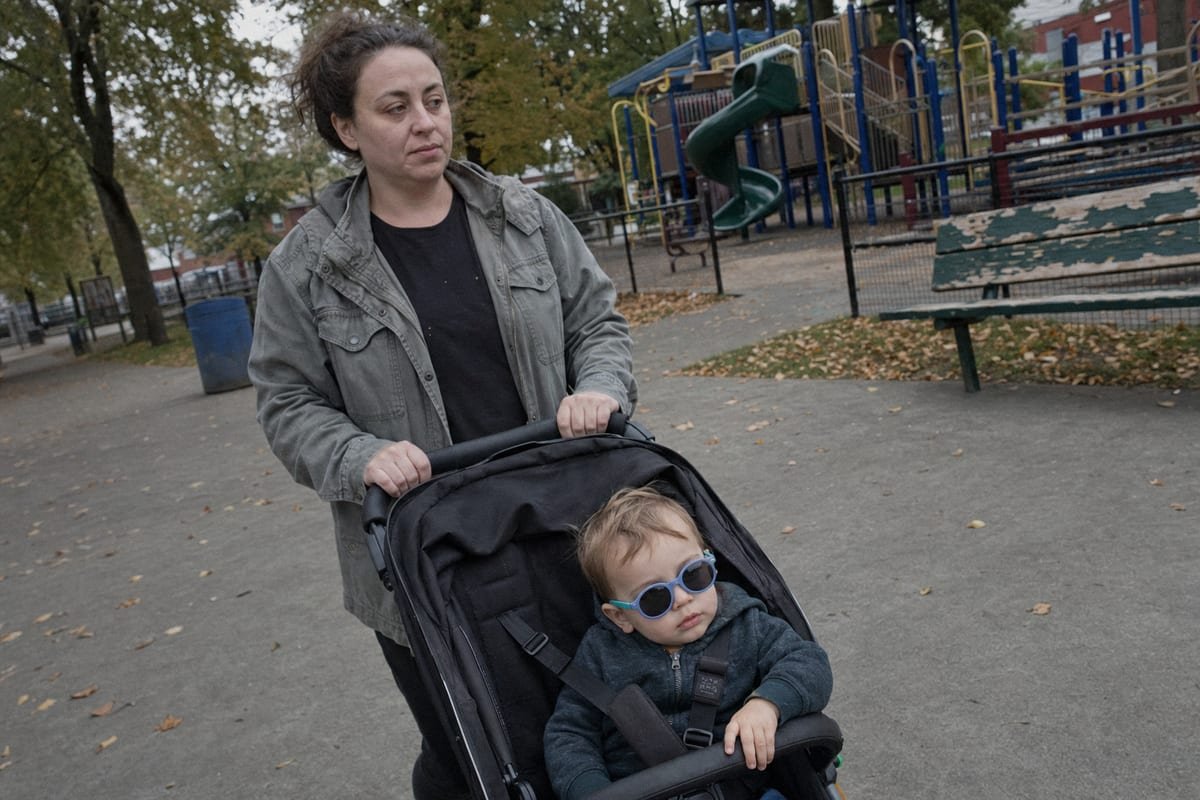
The core fact to understand is this: polarization and UV protection are two separate features. Polarization is a comfort-and-clarity upgrade. UV400 protection is the non-negotiable safety baseline for pediatric eye health 1. Children have larger pupils and clearer natural lenses than adults, so more UV radiation reaches their retinas. That makes full UVA and UVB blocking essential in every single unit you sell, whether polarized or not.
Polarized lenses add value in one specific situation: reflected glare. Light bouncing off flat reflective surfaces becomes horizontally polarized and creates harsh glare polarized light 2. A polarized filter blocks that horizontal light. Regular tinted lenses cannot do this. They simply darken the whole scene.
Match the lens to your customer's lifestyle
Here is the framework I share with new brand buyers before they choose:
| Your brand's core use case | Recommended lens | Why |
|---|---|---|
| Beach, pool, boating brands | Polarized UV400 | Intense glare from water |
| Ski and snow apparel brands | Polarized UV400 | Snow reflects most sunlight |
| Everyday kids' fashion lines | Regular UV400 | Glare exposure is moderate |
| Baby and toddler brands | Regular UV400 | Preserves natural vision; lower cost |
| Outdoor adventure brands | Mixed offering | Serve both segments |
One nuance worth noting: some young children use tablets in cars or strollers. Polarized lenses can make LCD screens look dark or distorted. For a baby-focused brand, that is a real reason to stay with regular UV400 lenses. There is an interesting counterpoint, though. Because toddlers play low to the ground, they actually face more ground-level glare than adults. So for a toddler brand built around beach holidays, polarization can still make sense. The decision always comes back to where your end customers actually spend their time.
What should I look for to make sure the polarized lenses I source are safe and durable for active children?
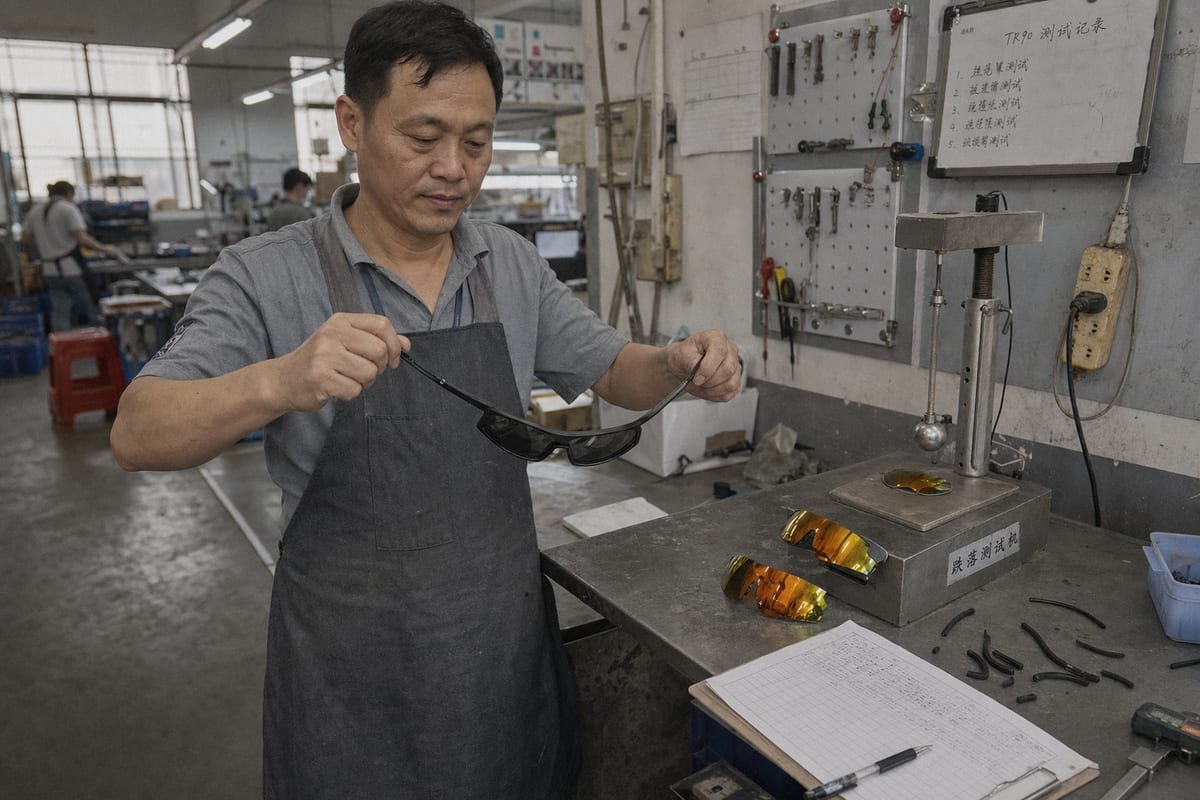
During a QC round last year, our team drop-tested a batch of shield-lens sport styles—like our wraparound mirrored models—because active kids treat sunglasses roughly. That mindset should shape your sourcing checklist too.
Look for TAC or polycarbonate polarized lenses with verified UV400 protection, proven impact resistance, and scratch-resistant coatings. Pair them with flexible frames in TPEE or TR90, and ask your supplier for test reports covering lens strength and lens retention.
Safety in children's eyewear is a system, not a single spec. The lens matters, but so does the frame that holds it. Let me break down what I check on our own lines.
Lens material comes first
For kids' polarized sunglasses, two materials dominate. TAC (Tri-Acetate Cellulose 4) polarized lenses are lightweight, offer strong glare reduction, and hold up well against scratches for the price. Polycarbonate lenses 5 offer the highest impact resistance, which matters for sports styles where a ball or a fall can strike the lens. Both can be made with full UV400 protection built into the material. Avoid basic acrylic lenses for active kids; they crack more easily and often distort visual clarity at the edges.
The frame is half the safety story
A perfect lens in a brittle frame is still a hazard. This is why we build most of our children's styles in TR90 and TPEE. These flexible frames bend instead of snapping, so there are no sharp broken edges near a child's face. Our two-tone round frames use exactly this logic: a soft matte finish, rounded hinges, and temple tips that flex with rough handling.
Your sourcing checklist
- Confirm UV400 certification 6 with test documentation, not just a sticker.
- Request the polarization efficiency rating of the lens film.
- Check impact resistance test results for the lens material.
- Bend the frame sample by hand; it should flex and recover.
- Inspect lens retention—lenses must not pop out under pressure.
- Verify no small detachable parts that create choking risks 7.
- Ask about coating durability after repeated cleaning cycles.
A supplier who hesitates on any of these points is telling you something. In fifteen years of eyewear production, I have learned that documentation discipline usually predicts overall quality discipline.
Will offering polarized lenses increase my per-unit cost and MOQ when working with a manufacturer?
Cost conversations are where I spend most of my time with procurement managers. The honest answer involves trade-offs, so let me lay them out the way I do in our quotation meetings.
Yes, polarized lenses typically raise per-unit cost by a modest margin over regular tinted UV400 lenses, mainly due to the polarizing film and lamination process. MOQ impact is usually small when you choose from a factory's existing styles rather than opening new molds.

The cost difference comes from real production steps, not markup games. A polarized lens is a laminated sandwich: a polarizing film bonded between protective layers, then cut, shaped, and coated. Regular tinted lenses skip the film and lamination. More process steps mean more material cost, more labor, and slightly higher reject rates during QC.
But the per-unit lens cost is only part of your landed cost picture. Here is how the numbers typically behave:
| Cost factor | Regular UV400 lens | Polarized lens |
|---|---|---|
| Lens material cost | Baseline | Moderately higher |
| Lamination and processing | Not required | Required |
| QC rejection rate | Lower | Slightly higher |
| Retail price ceiling | Standard | Noticeably higher |
| Margin potential | Standard | Often better |
Notice the last two rows. Polarized kids' sunglasses command higher retail prices because parents recognize glare reduction as a premium feature. Many of our brand customers find their margin percentage actually improves on polarized SKUs, even though the unit cost rises.
How MOQ really works
MOQ depends far more on tooling than on lens type. If you open a custom mold, your MOQ jumps regardless of lens choice. If you select from existing styles—we keep around 800 in our catalog—the polarized upgrade usually fits within normal MOQ terms, because the frame tooling already exists. The lens supplier's film minimums matter more than the frame factory's minimums, and standard gray or brown polarized films rarely create problems. Custom mirror coatings, like the orange-to-teal gradient on our sport shield styles, may need slightly higher quantities per color.
My practical advice: negotiate MOQ at the frame-style level, and treat the polarized option as a lens specification within that style. That framing keeps your risk low while you learn what your market wants.
Can I mix polarized and regular lens options within the same frame style to test market demand?
A European baby-brand buyer taught me a smart approach two seasons ago: she launched one frame in two lens versions and let sell-through data decide her reorder. It worked beautifully.
Yes, most factories can fit both polarized and regular UV400 lenses into the same frame style, since the lens cutting shape is identical. This lets you test demand at two price points while sharing tooling, packaging, and inventory risk across one SKU family.
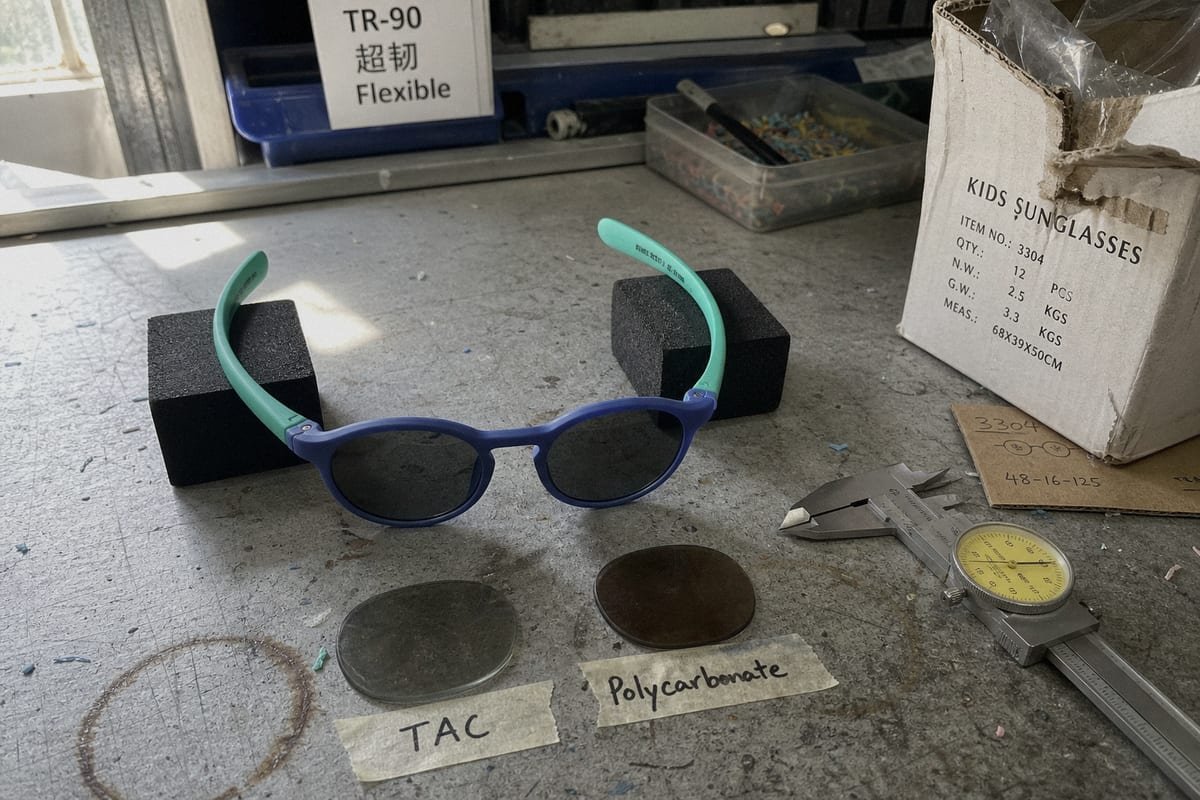
This mixed-lens strategy is one of the lowest-risk ways to enter the polarized segment, and I actively recommend it to first-time buyers. The frame does not care what lens sits inside it. Our round two-tone frames, for example, ship with standard smoke-gray UV400 lenses by default, but the same frame accepts a polarized TAC lens with no tooling change at all.
How to structure a two-tier test
The key is making the difference visible to the shopper. Parents will not pay more for polarization they cannot see or understand. Here is the structure that works for our customers:
| Element | Regular version | Polarized version |
|---|---|---|
| Frame and colorway | Identical | Identical or premium color |
| Lens | Tinted UV400 | Polarized UV400 |
| Hang tag | Standard UV messaging | Anti-glare demo card |
| Retail price | Entry point | Premium tier |
| Target shopper | Everyday-use parents | Beach, snow, travel parents |
A polarization demo card is worth the small packaging cost. It is a printed test image that only reveals a hidden picture through the polarized lens. Kids love it, and it instantly proves the upgrade is real. Our OEM packaging team builds these into retail-ready presentations regularly.
Read the results honestly
Give the test a full season. Track sell-through rate, not just units sold, because the two versions sit at different prices. If the polarized version holds a healthy share at the premium price, expand it into your sport and outdoor styles first—that is where glare reduction and reduced eye strain resonate most with parents. If regular lenses dominate, you have learned that your audience buys on style and UV safety, and you can invest your margin into colors and packaging instead. Either result is a win, because you found out with shared tooling and split inventory risk instead of a blind bet.
Conclusion
Choosing wrong lenses wastes budget and shelf space. The fix is simple: demand UV400 protection in every unit, add polarization where glare-heavy lifestyles justify it, and test both with one shared frame.
Footnotes
1. Authoritative guide from the American Academy of Ophthalmology on children’s UV protection. ↩︎
2. Wikipedia explains the physics of polarizing filters referenced in the glare-blocking mechanism. ↩︎
3. WHO explains UV radiation types and health effects relevant to UV400 protection claims. ↩︎
4. Background on TAC material used in polarized lens construction mentioned in the article. ↩︎
5. Wikipedia details polycarbonate properties explaining its impact-resistance advantage for kids’ sunglasses. ↩︎
6. FDA consumer guidance supports the importance of verified UV400 certification in sunglasses. ↩︎
7. CDC resource on child safety supports the checklist item about small detachable parts. ↩︎
More Articles You Might Like

Looking for a Reliable Kids Eyewear Partner?
Explore 800+ ready styles and full OEM/ODM support tailored to your brand.
Get in Touch English
  Español de México
  Deutsch
  Français
  日本語
日本語  العربية
  Português do Brasil