How to Choose Packaging (Pouch, Hard Case, or Blister Card) for Kids Optical Frames?
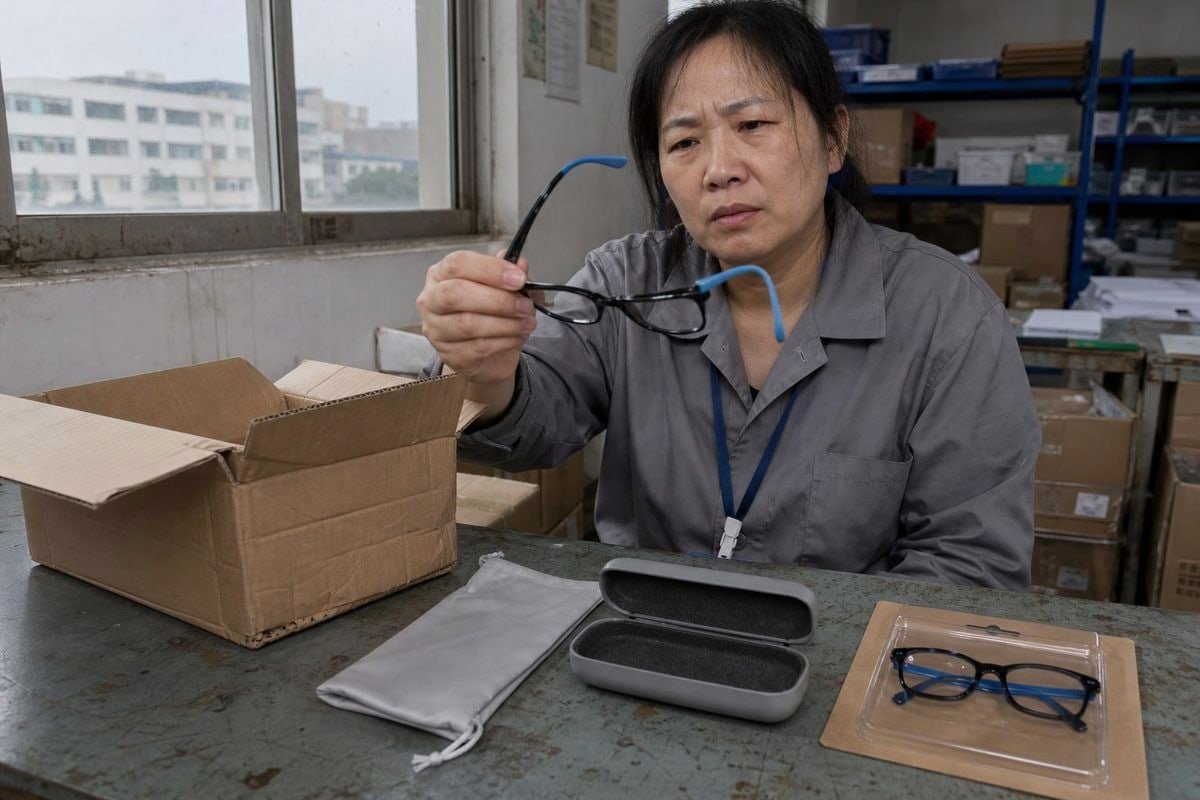
Choosing packaging for kids optical frames 1 looks simple until a shipment arrives crushed. On our production line in Taizhou, we have seen beautiful TR90 frames ruined by the wrong box CE marking 2. A bent temple, a scratched lens, an angry retailer — one packaging mistake can undo months of product development. The good news is that the pouch-versus-case-versus-blister decision follows a clear logic once you match the format to your protection needs, sales channel, and brand story.
Choose a hard case for maximum protection and premium positioning, a microfiber pouch for low-cost lightweight shipping and scratch protection, and a blister card for retail shelf visibility and tamper resistance. Most kids optical frame brands should default to a hard case, adding a pouch inside for daily lens care.
That is the short answer. But your channel, budget, and brand identity change the math. Let me walk you through how we help buyers make this call every week.
How do I decide between a pouch, hard case, or blister card for my kids' optical frames?
Last spring, a buyer from Australia asked us to quote all three formats for the same TR90 frame. Comparing them side by side made the trade-offs obvious, so I will share that same framework here.
Decide by ranking three factors: protection, presentation, and cost. Hard cases win on protection and perceived value, pouches win on cost and shipping weight, and blister cards win on retail display packaging and shelf impact. Rank your priorities first, then the format almost picks itself.

The mistake I see most often is treating these three formats as interchangeable containers. They are not. Each one was designed to solve a different problem, and your job is to identify which problem matters most for your product.
Here is the side-by-side view we share with new buyers:
| Factor | Pouch | Hard Case | Blister Card |
|---|---|---|---|
| Crush protection | Low | High | Low to medium |
| Scratch protection | High | High (with lining) | Medium |
| Unit cost | Lowest | Highest | Low to medium |
| Shipping volume | Minimal | Bulky | Flat but wide |
| Retail visibility | Low | Medium | Highest |
| Tamper evidence | None | Low | Built-in |
| Repeat daily use | Good | Best | None |
Start with how the frames will be used after purchase
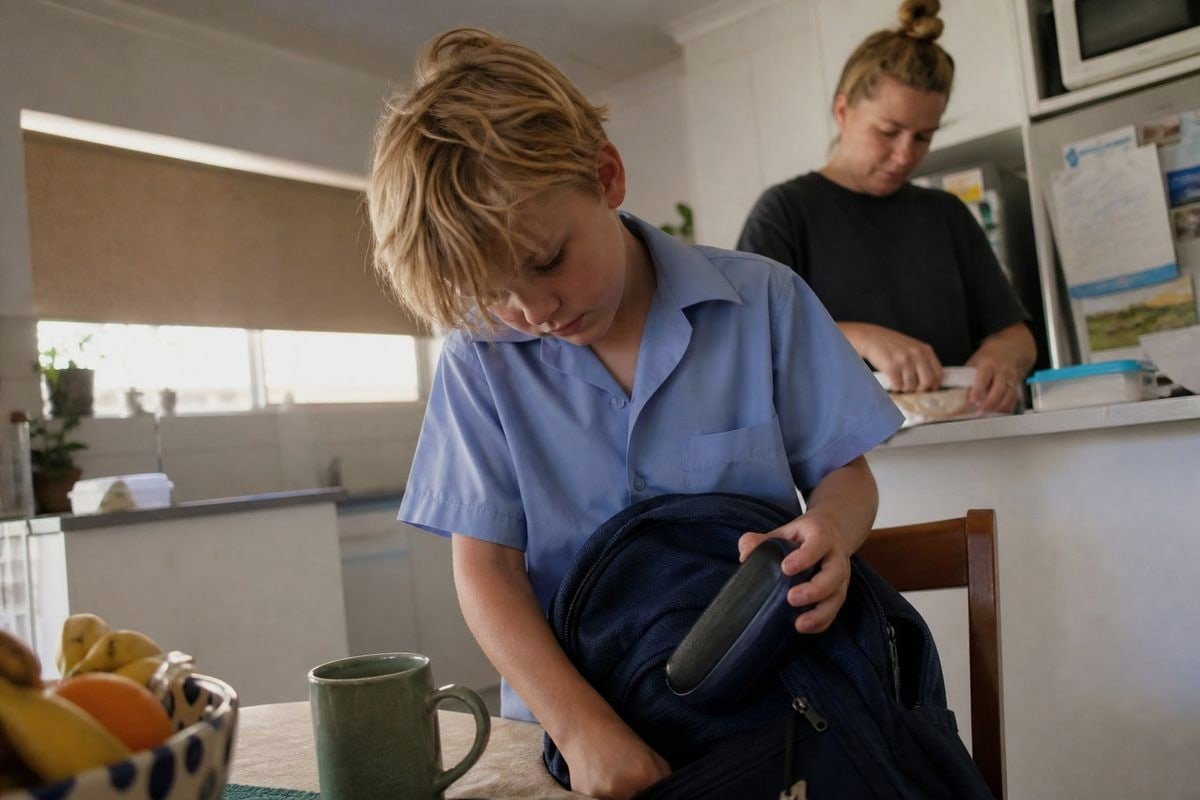
Kids' prescription frames are a durable-use product. A child wears them daily, tosses them in a school backpack, and drops them on playgrounds. That argues strongly for a hard case as the take-home protective storage solution. Hard-shell cases are the industry standard for preventing frame deformation in high-impact environments like backpacks, and parents know this instinctively.
A microfiber pouch plays a different role. It provides scratch protection and doubles as a cleaning cloth for daily lens maintenance. That dual function is why we often recommend microfiber cleaning pouches as a secondary layer inside a case rather than as standalone packaging.
Blister cards solve a point-of-sale problem, not a storage problem. They hang on pegs, show the product clearly, and resist tampering. Once opened, they go in the bin. If your frames never sit on a retail shelf, a blister card adds cost without adding value.
Then confirm the child-safety basics
Whatever format you pick, children's packaging must avoid sharp corners, use non-toxic and BPA-free plastic cases or materials, and comply with child safety regulations 3 such as CPSIA in the US and CE marking in Europe. A parent should open the package easily with one hand. A toddler should not be able to shred it in seconds. We ask buyers to test both scenarios with real families before approving samples.
Which packaging option best protects flexible TR90 frames during shipping and retail display?
There is a trade-off we weigh on every order: TR90 frames flex and bounce back, which tempts buyers to under-package them. Flexibility is not invincibility, and our QC records prove it.
A hard case offers the best protection for flexible TR90 frames because it resists crushing, pressure, and impact during transit. For shipping, pair it with a layered system: microfiber pouch inside, crush-resistant case, foam insert, and a corrugated outer carton for full-container protection.
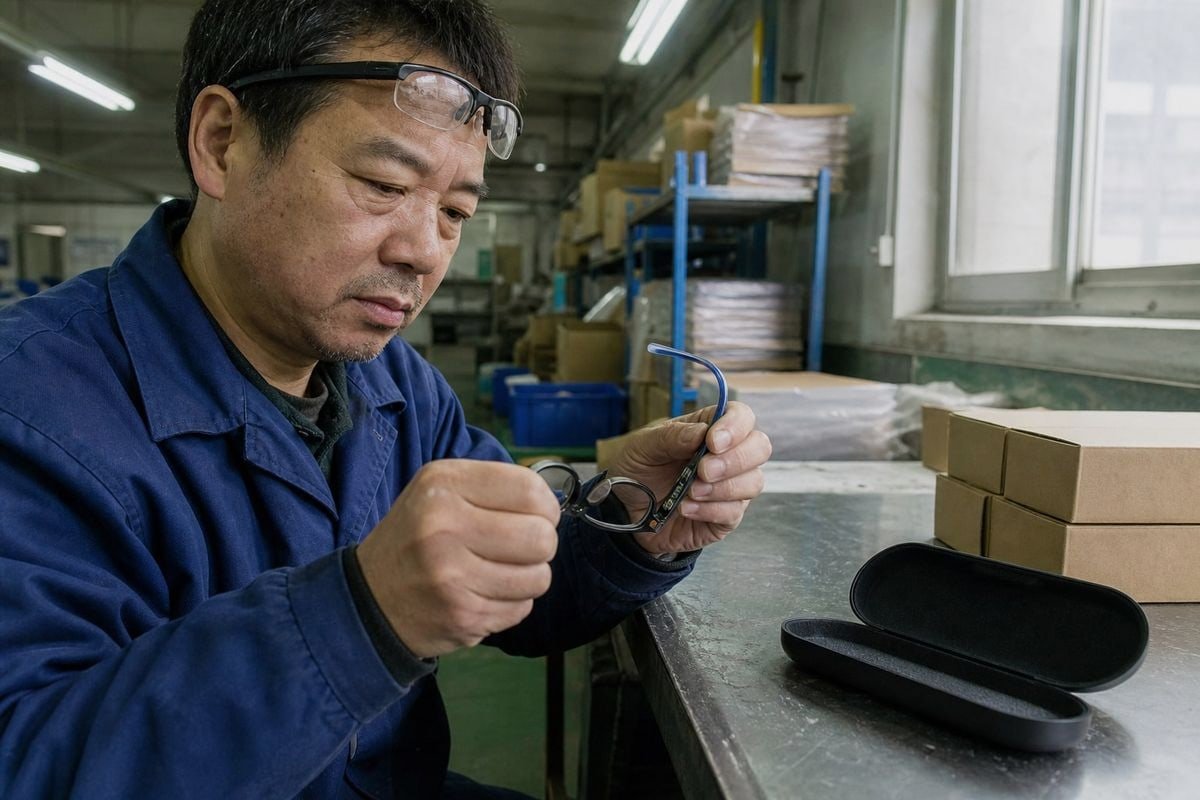
Eyewear is sensitive to three forces: pressure, friction, and impact. TR90 handles impact well — that is why we build with it. But sustained pressure inside a stacked shipping carton is a different threat. A frame compressed under weight for four weeks at sea can arrive with warped temples or misaligned hinges. Impact-resistant materials in the frame do not protect the lenses from friction scratches either. That job belongs to the packaging.
The layered protection system we recommend
For export orders, we build protection in layers rather than relying on any single component:
- Microfiber pouch around each frame to stop lens scratches and surface friction.
- Moisture barrier for humid sea-freight conditions.
- Hard case or EVA foam case to absorb crushing force and hold the frame's shape.
- Inner tray or divider so cases do not knock against each other.
- Corrugated outer carton rated for international shipping and stacking.
EVA foam cases deserve a special mention for kids' lines. They are lightweight, crush-resistant, and mold easily into playful shapes and colors, which makes utility packaging feel kid-relevant instead of clinical.
Where pouches and blister cards fit in the protection picture
A pouch alone protects against scratches but offers little structural resistance. If a buyer insists on pouch-only packing to cut freight cost, we require a rigid inner carton with dividers to compensate. Otherwise the damage rate climbs, and a cheaper pouch quietly becomes more expensive than a hard case once returns and complaints are counted.
Blister cards protect reasonably well on the shelf — the plastic dome shields the frame from handling and tampering. But for e-commerce shipping, a blister card is awkward. It is flat, wide, and easy to bend, so it needs its own shipper carton, which erases much of its cost advantage.
How does my choice of packaging affect branding and retail-readiness for my children's eyewear line?
A lesson we learned early in our fifteen years of eyewear work: parents judge frame quality by the box before they ever touch the frame. Packaging is your brand's first handshake.
Packaging sets your brand's perceived tier. Hard cases signal premium durability, pouches suggest budget-friendly or eco-conscious values, and blister cards read as mass-market retail. Custom branding options — printed logos, themed graphics, and color coding — turn any format into a retail-ready brand asset.
Think about the two frames in a typical kids' collection — say, a glossy black TR90 frame with sky-blue silicone temple tips for active boys, and a translucent pale-pink acetate style with a candy-colored, feminine appeal. The same frames feel completely different in a plain polybag versus a themed hard case. Packaging should look visually right for kids without feeling cheap, and it should match your brand tone, whether that is playful, premium, eco, or educational.
Match the format to your brand position
| Brand positioning | Best format | Branding approach |
|---|---|---|
| Premium / long-wear | Hard case | Embossed logo, soft-touch coating, magnetic closure |
| Playful / character-led | Shaped EVA case or printed case | Cartoon graphics, bright color blocking |
| Eco-conscious | Cotton pouch + kraft box | FSC-certified paperboard, recycled RPET blisters |
| Mass-market retail | Blister card | Bold parent-facing claims, hang-tab display |
| Budget / replacement pairs | Microfiber pouch | Printed logo, color coding by age or size |
Design for two audiences at once
Effective kids' packaging must speak to parents and children simultaneously. The parent-facing side carries value propositions: durability, UV protection, safe materials, fit information. The child-facing side carries visual appeal: vibrant colors, characters, and tactile textures. Sensory-inclusive touches like soft-touch coatings or embossed patterns can even reduce the anxiety some children feel about new medical accessories — the same reason we emboss dot and swirl grip patterns on our silicone temple tips.
Two current trends are worth building into your plan. First, second-life packaging 5: rigid boxes that convert into desk organizers or treasure chests keep your brand on a child's desk for years. Second, low-MOQ customization: smaller brands can start with printed stickers, sleeves, and inserts instead of fully custom molds, then upgrade as volume grows. On our side, buyers often pair packaging branding with our roughly 800 existing frame styles, so they launch a fully branded line without any mold investment at all.
What packaging works best for my target sales channel and budget when launching a kids' optical frame collection?
A distributor in Japan once asked us for one packaging spec that would work for optical shops, online stores, and wholesale all at once. We had to be honest: no single format does all three well.
Match packaging to channel: hard cases for optical shops and e-commerce, blister cards for mass-market shelves and point-of-purchase displays, and pouches with protective outer cartons for wholesale bulk programs. Hybrid solutions — a blister card with a case inside — bridge retail and online sales.
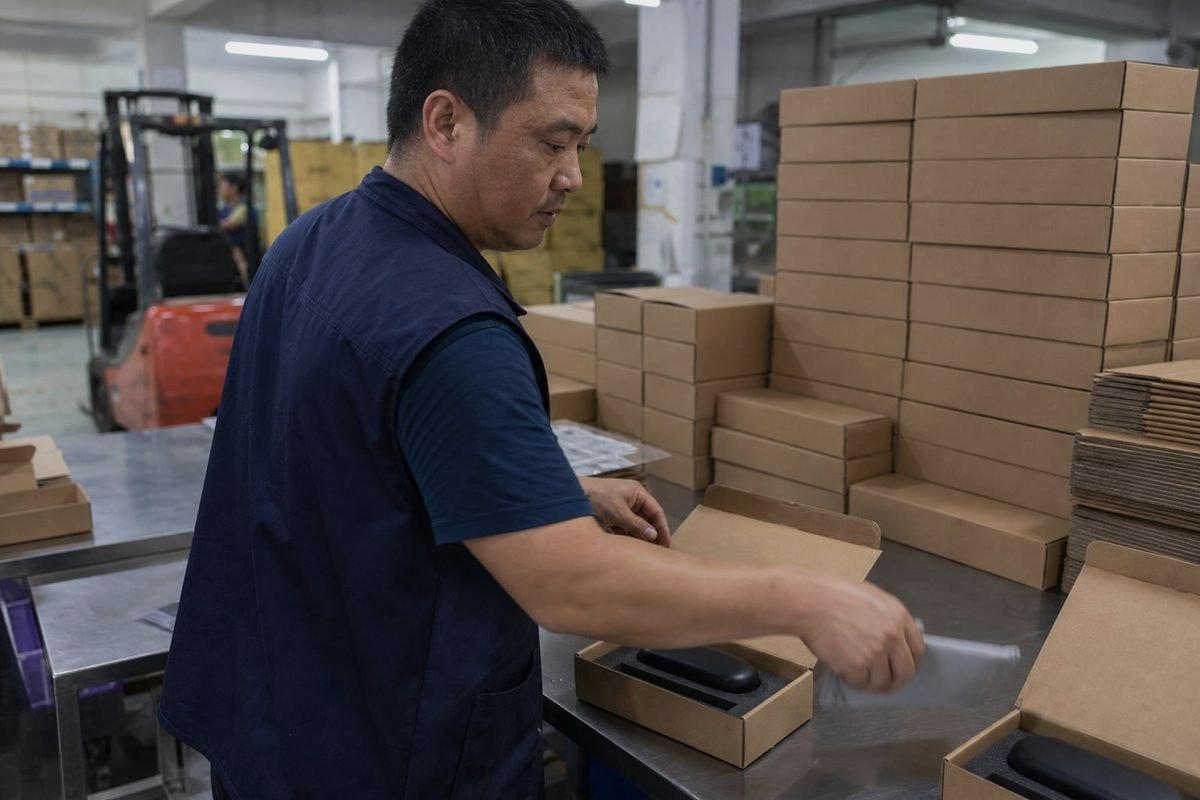
Channel realities drive costs that never appear on the packaging quote itself: dimensional weight, warehouse picking speed, FBA prep requirements, and damage-driven returns. Here is how we map the decision for buyers launching a new collection:
| Sales channel | Recommended format | Why it works | Budget note |
|---|---|---|---|
| Independent optical shops | Hard case + pouch | Premium feel, take-home protection | Higher unit cost, justified by price point |
| E-commerce / DTC | Compact hard case in mailer box | Survives parcel networks, unboxing appeal | Watch dimensional weight |
| Amazon FBA | Case in labeled shipper-ready box | Meets prep rules, cuts damage claims | Standardize sizes for storage fees |
| Mass-market retail | Blister card (RPET preferred) | Peg-hook display, tamper evidence | Lowest per-unit display cost |
| Wholesale / distributor | Pouch + divided master carton | Minimal freight volume for wholesale optical supplies | Distributor may repack downstream |
| Promotional programs | Printed pouch or sleeve | Fast, cheap, brandable | Ideal for giveaway budgets |
Budget honestly, including hidden costs
A pouch might save you meaningful money per unit versus a hard case. But if pouch-only packing raises your transit damage rate, each return can wipe out the savings across dozens of units. That is the cost-versus-value trap: the cheaper pouch becomes the more expensive choice. We advise buyers to test packaging samples in real-world distribution — actual courier shipments, actual warehouse handling — before committing to a full production run.
Do not overlook compliance and small functional extras
Whatever the channel, children's product packaging must meet CPSIA and CE requirements for non-toxic materials and choking-hazard prevention. Pediatric eyewear accessories are held to children's-product standards, not general packaging standards. On the functional side, some of our forward-thinking buyers now request small internal slots for Bluetooth trackers like AirTags, because lost glasses are one of the most common complaints from parents of young wearers. Details like these cost little but differentiate a collection at retail.
Conclusion
Poor packaging turns great kids' frames into complaints and returns. Rank protection, presentation, and cost, match the format to your channel, and test real samples before launch.
Footnotes
1. ISO 12870 provides the international quality and safety standards for spectacle frames. ↩︎
2. The European Commission’s official guide on CE marking requirements for products sold in the EEA. ↩︎
3. CPSC oversees the Consumer Product Safety Improvement Act (CPSIA) for children’s products in the US. ↩︎
4. Trade.gov offers resources for managing export logistics and reducing transit-related product damage. ↩︎
5. The EPA provides guidelines on sustainable packaging and the benefits of recycling and reuse. ↩︎
More Articles You Might Like


Looking for a Reliable Kids Eyewear Partner?
Explore 800+ ready styles and full OEM/ODM support tailored to your brand.
Get in Touch English
  Español de México
  Deutsch
  Français
  日本語
日本語  العربية
  Português do Brasil