Polarized vs Non-Polarized TR90 & TPEE Kids Sunglasses: Which Is Best?
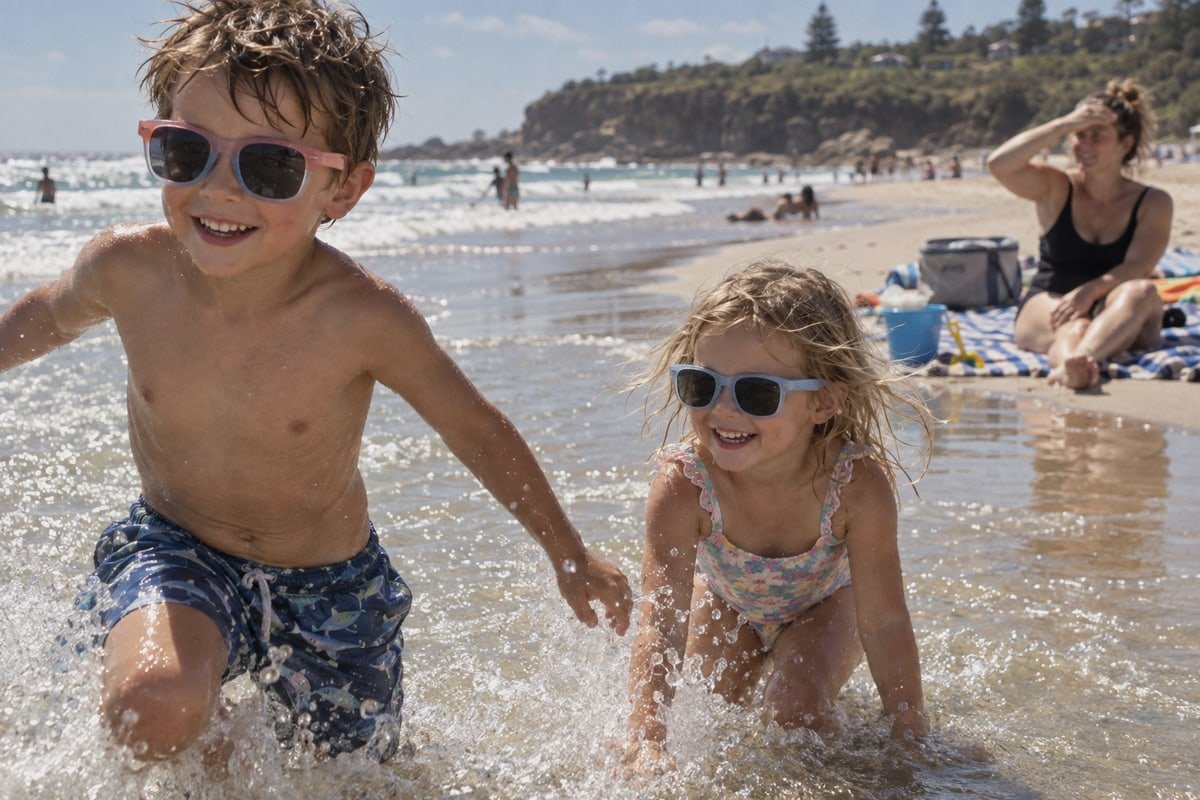
Buyers often ask our Taizhou factory about polarized vs non-polarized TR90 & TPEE kids sunglasses. Choose wrong and you overpay or underdeliver. Here is how we sort it out.
Polarized TR90 & TPEE kids sunglasses are best for glare-heavy outdoor use like beaches, snow, and sports. Non-polarized UV400 lenses are enough for everyday wear and screen use. Either way, UV400 protection, a flexible BPA-free frame, and secure fit matter more than polarization itself.
That short answer hides a lot of detail. Polarization is a lens choice. TR90 and TPEE are frame choices. They solve different problems. Below, I walk through each decision the way we walk buyers through it on a sampling call.
How do I know if my kids' sunglasses brand needs polarized lenses or standard UV400 protection?
A buyer from Australia once sent us photos of kids squinting on a beach. That single image answered her lens question faster than any spec sheet could.
Your brand needs polarized lenses if your customers' children spend long hours near water, sand, snow, or bright pavement. Standard UV400 protection is enough for casual daily wear, shaded playgrounds, and screen-heavy use. Always confirm UV400 first, then decide on polarization by use case.
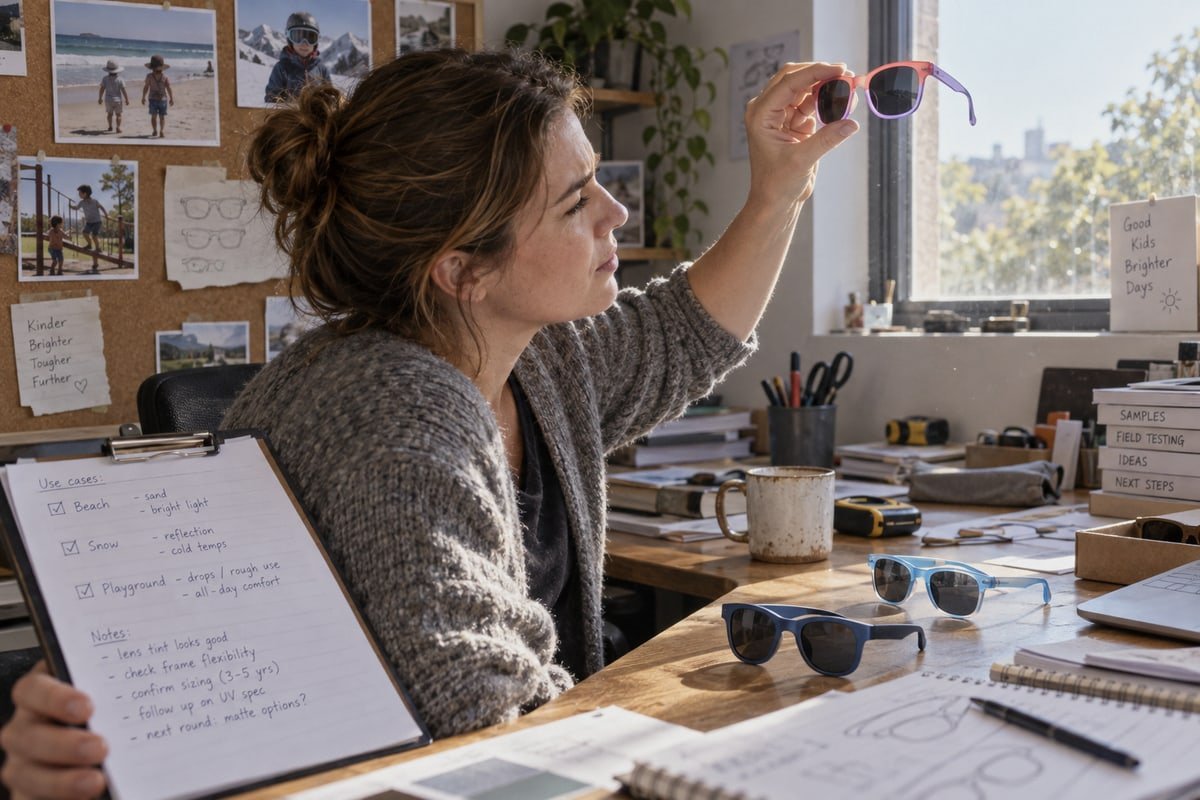
The fastest way to decide is to match the lens to the environment. Here is the table we share with new brands before we talk about frame colors.
| Child's typical environment | Lente polarizada | Non-polarized UV400 lens |
|---|---|---|
| Beach, lake, pool | Best choice | Acceptable |
| Snow, ski trips | Best choice | Acceptable |
| Cycling or skateboarding on bright roads | Strong glare reduction, but see depth-perception note | Good, simpler |
| Tablet or handheld gaming outdoors | Poor fit, LCD screens can look dark | Best choice |
| Shaded playground, city sidewalks | Works, but not needed | Best value |
| Light sensitivity or sensory needs | Best choice | Acceptable |
What polarization actually does
A polarized lens carries a filter that blocks horizontally reflected light. Glare from water, sand, pavement, and car glass bounces mostly in that horizontal plane. Consumer guides usually put the glare reduction at about 97–99%. The child squints less. Visual clarity improves. That is real eye strain prevention during a long day outside.
One SERP point deserves more attention than it gets. For children with photophobia 1 or sensory processing differences, polarized lenses work as a kind of visual quietener. They remove the harsh light spikes that can trigger overstimulation. If your brand serves that audience, polarization stops being optional.
What non-polarized lenses still deliver
Non-polarized lenses can still carry full Protección UV400. UV400 means the lens blocks rayos UVA y UVB 2 up to 400 nanometers. That is the non-negotiable outdoor eye safety spec for children. Polarization does not add UV protection. It only filters glare. A polarized lens without a UV rating is a marketing trick, not a safety product.
Non-polarized lenses also have two practical advantages. First, screens stay readable. Many kids use tablets in cars and on planes. Polarized lenses can turn those LCDs dark or blotchy. Second, polarization can subtly shift depth perception during fast movement. Some coaches prefer non-polarized lenses for baseball or cycling because spatial judgment matters more than glare comfort.
Una ruta de decisión simple
- Ask where your customers live and how strong the sun is there.
- List the top three activities the child will do in the glasses.
- Check whether screen use during travel is common.
- Note any light-sensitivity needs in your audience.
- Choose UV400 on every SKU, then add polarization only where steps 1–4 justify it.
We offer both UV400 and polarized lens options across our TR90 and TPEE ranges. So the lens question never blocks the frame choice.
Will polarized lenses affect the flexibility and durability of TR90 or TPEE frames I plan to source?
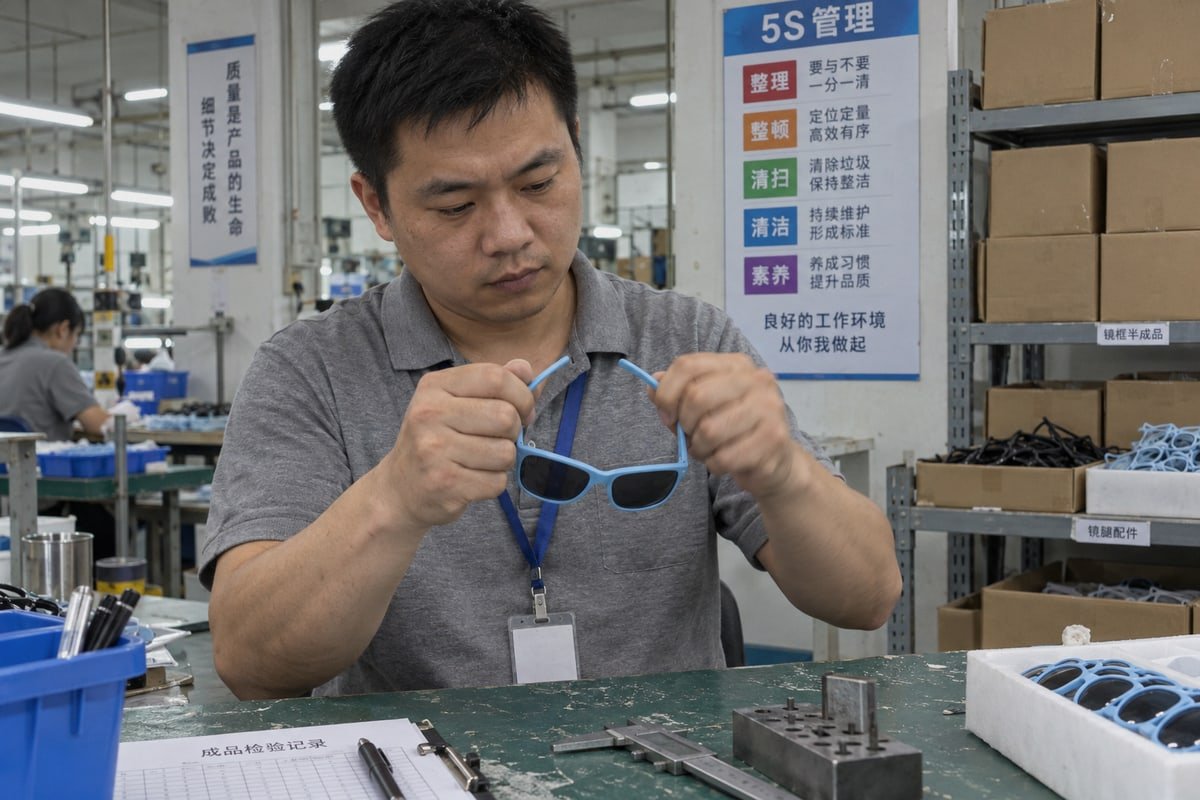
During a bend test on our 5S workshop floor, we twist TPEE frames until the temples nearly touch. The lens inside has to survive that abuse too.
Polarized lenses do not change the flexibility or durability of TR90 or TPEE frames themselves. The real risk is the lens: laminated polarized film can delaminate when soft frames twist hard. Specify in-mass polarized shatterproof lenses and a secure lens groove to keep both frame and lens reliable.
This question mixes two things. The frame material sets how the glasses bend. The lens construction sets whether the polarizing layer survives that bending. Let me separate them.
TR90 vs TPEE: the frame side
| Propiedad | TR90 | TPEE |
|---|---|---|
| Sensación | Lightweight, semi-rigid memory polymer | Rubber-like, very soft |
| Bending | Flexes under load and springs back | Can bend 180 degrees without snapping |
| Mejor rango de edad | Older, active kids, roughly 3–12 | Toddlers and infants, roughly 0–3 |
| Heat behavior | Strong shape memory | Lower melting point, less shape memory |
| Safety profile | BPA-free, hypoallergenic, non-toxic | BPA-free, hypoallergenic, tolerates chewing |
| Resistencia al impacto | Excellent for sports | Very good, absorbs rather than resists |
Both materials fall under what we call flexible frame technology. TR90 gives lightweight comfort with athletic stiffness. TPEE gives near-unbreakable softness. Our most requested hybrid pairs a TR90 front with TPEE temples. The front holds the lens shape. The soft temples wrap a small head without pressure points.
Why the lens, not the frame, is the weak point
A traditional polarized lens sandwiches a thin polarizing film between two lens layers. When a very soft frame twists, the lens edge flexes with it. Repeat that a few hundred times and the film can start to separate. You see it as cloudy edges or tiny bubbles. The frame is fine. The lens is ruined.
In-mass polarization solves this. The polarizing element is mixed into the lens material itself. There is no separate layer to peel apart. For TPEE frames we recommend in-mass polarized lenses every time. For TR90 frames, which flex less, laminated lenses are usually acceptable. In both cases we use shatterproof lenses with good impact resistance, because a child will drop them.
Heat and shape memory
TPEE has a lower melting point than TR90. A pair left on a car dashboard in summer can lose its original fit. TR90 returns to shape. This is not a polarization issue, but it changes the care note you print on packaging. We suggest brands add a simple heat warning for TPEE styles.
What our QC line checks
Our workers run bend cycles, check that the lens stays seated in its groove after twisting, and confirm the hinge rivets hold. Polarized and non-polarized lenses go through the same fixture. A good polarized lens passes the same way a good UV400 lens does.
What cost differences should I expect between polarized and non-polarized kids sunglasses for my next bulk order?
Every quote we prepare weighs the same trade-off: a slightly higher lens cost against a stronger shelf story. Neither answer is right for every brand.
Expect polarized kids sunglasses to cost moderately more per unit than non-polarized UV400 versions, because the polarized lens is the main added cost. Frame material, order quantity, custom colors, logo work, and packaging often move your total landed cost more than polarization does.
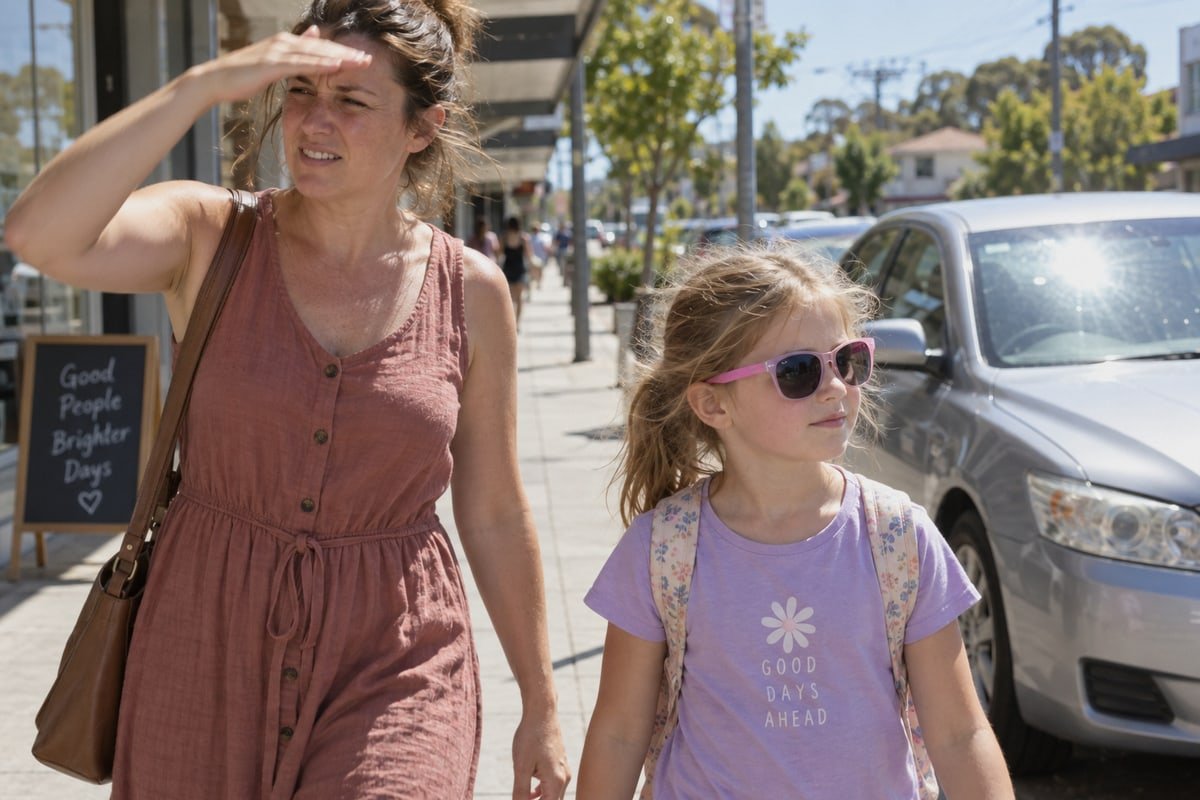
I will not quote hard numbers here. Prices shift with resin costs, quantity, and lens grade. But the relative weight of each cost driver stays stable. That is what a procurement manager actually needs.
Where the money actually goes
| Factor de costo | Effect on unit cost | What we tell buyers |
|---|---|---|
| Polarized vs non-polarized lens | Moderado | The lens is the main delta; in-mass polarized costs more than laminated |
| TR90 vs TPEE frame | Bajo a moderado | Material price and frame weight both matter |
| Nuevo molde personalizado | High, one-time | Avoidable by choosing from our roughly 800 existing styles |
| Custom colors and logo | Baja | Pad print, laser mark, or temple-tip branding |
| Packaging, case, retention strap | Bajo a moderado | Retail-ready presentation adds value parents notice |
| Cantidad del pedido | High leverage | Larger runs cut per-unit cost more than any lens change |
Notice that polarization sits in the middle. It is a real cost. It is not the biggest one.
Why existing styles beat new molds for a first order
A new frame mold is the single largest expense a young brand faces. Many buyers assume they need one to look original. They do not. Across 15 years we have built up about 800 open styles in TR90 and TPEE. A brand can pick a shape, choose a translucent coral or sky-blue colorway, add a logo, and launch. No mold fee. Lower risk. Then the polarized-versus-non-polarized decision becomes a lens line item, not a gamble.
Run a mixed assortment
Most of our long-term customers do not choose one lens for everything. They split the range:
- Polarized hero SKUs for beach, snow, and sport styles, priced as a premium tier.
- Non-polarized UV400 SKUs for everyday and toddler styles, priced for volume.
- Shared frame molds across both tiers to keep tooling and color stock simple.
This keeps the average unit cost close to a non-polarized order. It still gives the brand a premium story to tell.
The hidden cost of choosing wrong
The expensive mistake is not paying for polarization. It is paying for it on a toddler style that mostly gets worn in a stroller, or skipping it on a surf-brand style and getting complaints about glare. Returns and one-star reviews cost more than any lens upgrade. Match the lens to the use, and the cost question mostly answers itself.
Which option, polarized or non-polarized, will help my brand stand out with parents in my target market?
One lesson from fifteen years of shipping to 20-plus countries: parents rarely buy a lens spec. They buy the reason the spec matters to their child.
Polarized lenses help a brand stand out with parents in sunny, outdoor-focused markets like Australia, where glare is a daily concern. Non-polarized UV400 wins with parents who value simplicity, screen-friendly lenses, and lower prices. Either way, safety certification, comfort, and clear packaging claims drive the final choice.
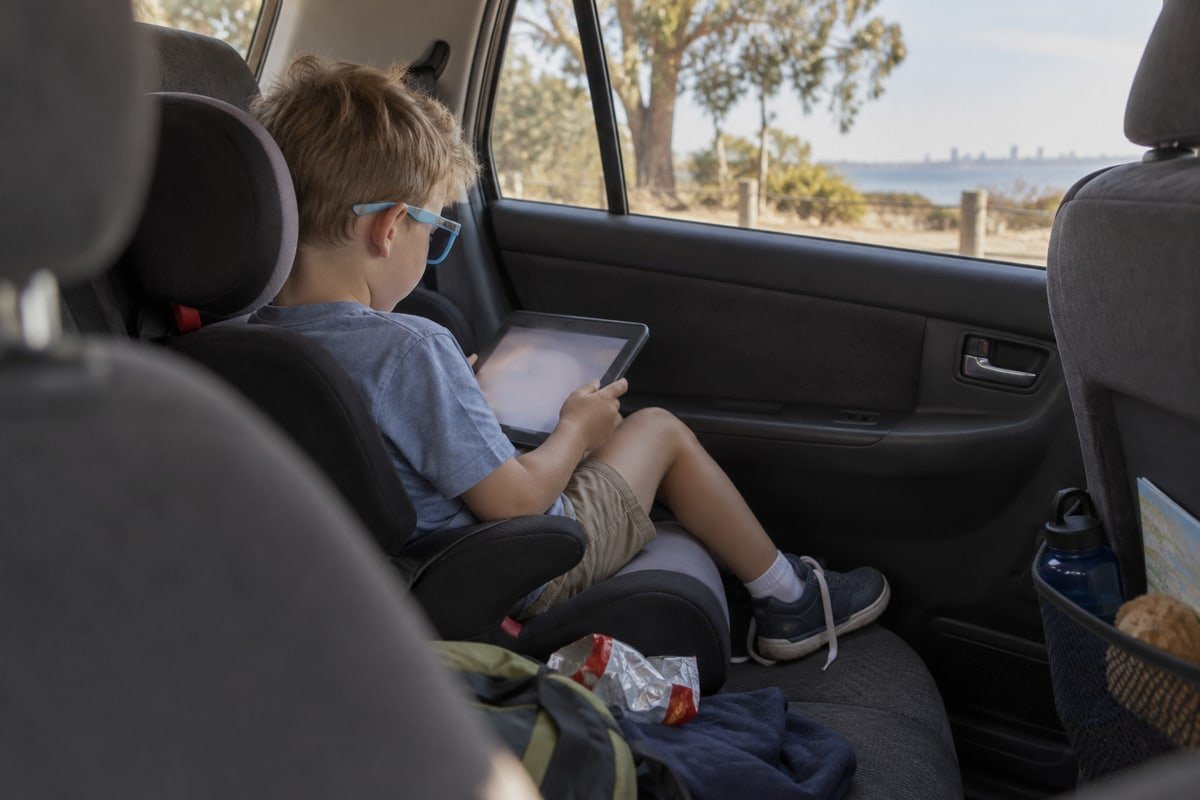
The youth sunglasses market is growing. One 2026 buyer's guide projects it at 4.3 billion US dollars 3 by 2026, at a 6.5% compound annual growth rate. Growth attracts new brands. So standing out is harder than it was five years ago. The lens choice is one tool for that, but only when it fits the market.
Match the lens story to the market
- Australia and other high-UV, beach-heavy markets. Glare is a lived problem. Parents already understand it. A polarized TR90 sports style with a strap sells the benefit in one line. Pair it with UV400 protection on the label and the story is complete.
- Japan and detail-focused markets. Comfort, fit precision, and clean packaging carry more weight than lens jargon. A soft TPEE toddler frame with certified UV400 lenses can be the hero. Offer polarized as a premium line rather than the default.
- Europe. Safety marks and materiales ecológicos 4 often lead the conversation. Buyers ask about materiales libres de BPA 5 and hypoallergenic frames before they ask about polarization. Non-polarized UV400 covers most of the range, with polarized reserved for ski and coastal styles.
Raise the objection, then resolve it
Some buyers argue polarized is simply the winner. Better comfort, less glare, an easy premium. Others argue it is optional, since most daily wear never involves strong glare, and it can clash with screens. Both sides are half right. Polarized is better for glare. It is not better for everything. Brands that win explain that honestly on the box. Parents trust a label that says when a feature helps.
Let the product tell the story
Color does the first job. Our translucent styles, like a wayfarer front fading from coral pink to clear lavender-gray, or a crystal sky-blue square with matte pastel temples, get picked up off the shelf by the child. Then the parent reads the small sticker. It says polarized and carries a CE mark. Or it says UV400. That sticker is where the sale is made or lost. Full OEM support means we can customize the lens, the sticker, the case, and the hang tag so the message is consistent.
What parents actually read on packaging
- UV400 protection, stated plainly.
- Age range and fit guidance.
- Flexible, BPA-free frame material.
- Polarized, only if the style is meant for glare.
- Care notes, including the heat warning for TPEE.
Keep those five points clear, and the lens choice becomes a benefit parents understand rather than a spec they ignore.
Conclusión
Polarization solves glare, not safety. Get UV400 protection, a flexible TR90 or TPEE frame, and secure fit right first. Then add polarized lenses where glare bites. Our factory builds both.
Interested in sourcing the products mentioned in this article? See details and request a quote here:
Notas al pie
1. Medical overview of light sensitivity and photophobia from a trusted government health resource. ↩︎
2. Authoritative FDA consumer guide providing current safety standards for UV protection in eyewear. ↩︎
3. Authoritative market data and growth projections for the global sunglasses industry. ↩︎
4. Overview of European Union policies on sustainable production and eco-friendly material standards. ↩︎
5. Official FDA resource detailing the safety and regulatory status of Bisphenol A (BPA). ↩︎
Más artículos que te podrían gustar

¿Buscas un socio confiable en gafas para niños?
Explore más de 800 estilos listos y soporte OEM/ODM completo adaptado a su marca.
Ponte en contacto English
  Español de México
  Deutsch
  Français
  日本語
日本語  العربية
  Português do Brasil