Do Kids Need Polarized TPEE Sunglasses? When Is Polarization Necessary?
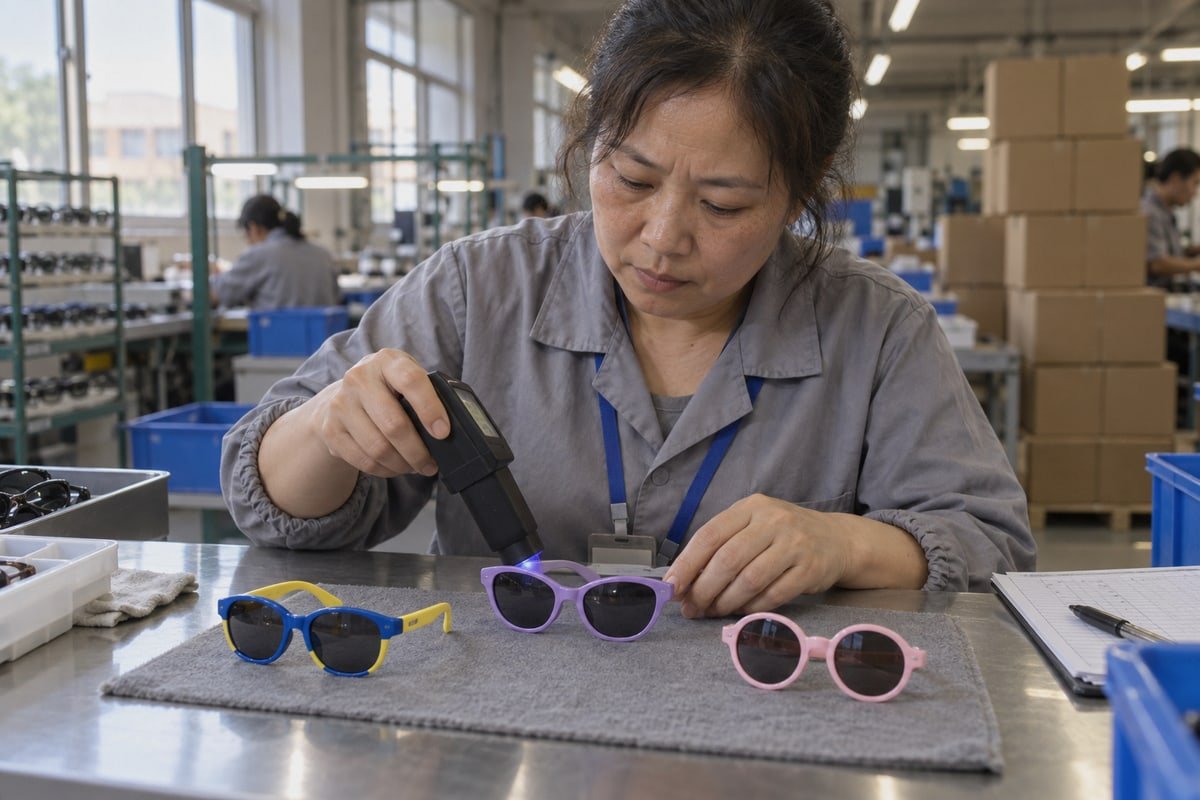
Every season, buyers ask our Taizhou team whether kids’ polarized TPEE sunglasses are essential. Guess wrong, and you overpay or under-protect. Here is what fifteen years of frames taught us.
Kids do not universally need polarized TPEE sunglasses. The must-have is UV400 protection that blocks 99–100% of UVA and UVB rays. Polarization is a comfort upgrade that becomes worth it around water, snow, sand, or bright pavement, or for children who squint and refuse to keep sunglasses on.
That answer sounds simple. In practice, it changes how you build a range. Below, I walk through how to judge your own brand’s need, which situations justify the cost, how to run two lens tiers without chaos, and how to talk to parents about it.
How do I know if my kids' sunglasses brand really needs polarized lenses?
A procurement manager from Australia once sent us her whole range with one question: which of these truly need polarization? We answered by studying her customers, not her catalogue.
Your brand needs polarized lenses if your customers mainly use sunglasses near water, snow, sand, or roads, or if glare complaints appear in reviews. If most use is school runs, gardens, and short walks, UV400 protection alone meets the safety need and polarization stays optional.
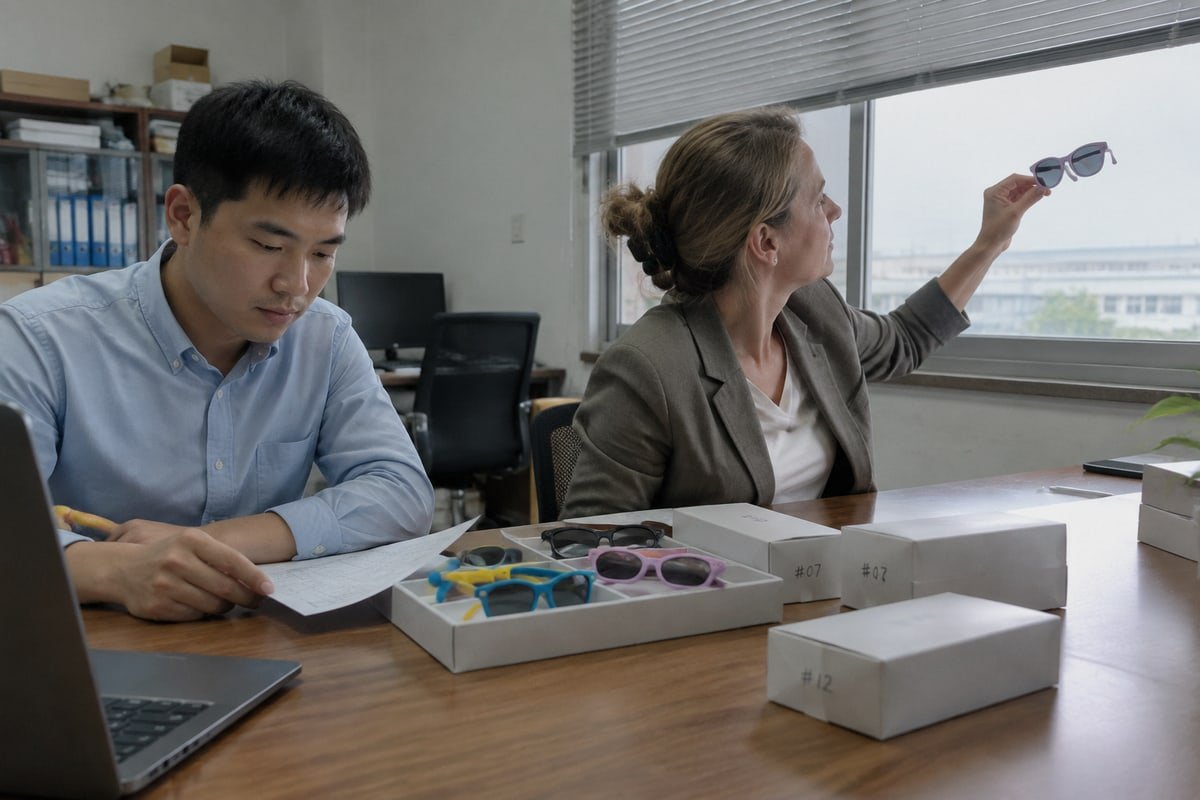
UV protection and polarization do two different jobs
This is where most brand briefs go wrong. They treat "polarized" as a safety word. It is not. UV400 protection is the safety layer. It blocks 99–100% of rayos UVA y UVB 1. That is the layer that matters for salud ocular pediátrica 2, because children's eyes are still developing and let more UV reach the retina than adult eyes do. Clinical-style guidance says kids can start wearing sunglasses from around 6 months old, and should wear them regularly outdoors.
Polarization is a separate film inside the lens. It filters light that bounces off horizontal surfaces. It improves visual clarity 3 and comfort. It does not add any UV blocking on its own. A cheap polarized lens without a UV400 rating can look dark and still let UV through.
| Característica | Lo que hace | Is it required for kids? |
|---|---|---|
| Protección UV400 | Blocks 99–100% of UVA and UVB rays | Yes, non-negotiable |
| Reduce el deslumbramiento reflejado de superficies planas | Cuts reflected glare from water, snow, sand, roads | Optional, situational |
| Wraparound fit | Limits light entering from the sides | Strongly recommended |
| Material detrás de ella | Survive bending, dropping, chewing | Recommended for under-fives |
On our production line, every kids' lens is specified as UV400 first. Polarization is then a lens option on top, never a replacement for that baseline.
A quick audit for your range
I suggest brands answer five questions before deciding:
- Where do your customers actually use the sunglasses? Beach and snow brands lean polarized. School and nursery brands often do not need it.
- Do your reviews mention squinting, glare, or kids pulling the glasses off?
- What is your core age range? Toddlers mouth things, so film quality and lens retention matter more than glare.
- What is your retail price band? Polarization adds cost that must be visible in the price.
- What is your market's climate? Bright, high-glare regions justify the upgrade more often.
If three or more answers point to glare, build polarization in. If not, invest that money in fit, frame quality, and packaging instead.
What situations make polarization worth the extra cost for children's eyewear?
Every polarized lens adds a film layer, some weight, and higher unit cost. On our line we weigh that against one thing: how much glare the child will actually face.
Polarization is worth the extra cost for beach holidays, pool days, boating, skiing, winter sun, long car rides, and bright playground surfaces. It cuts reflected glare from horizontal surfaces, reducing squinting, eye strain, and sun-related headaches. For backyard play, shaded walks, and quick errands, it is usually unnecessary.
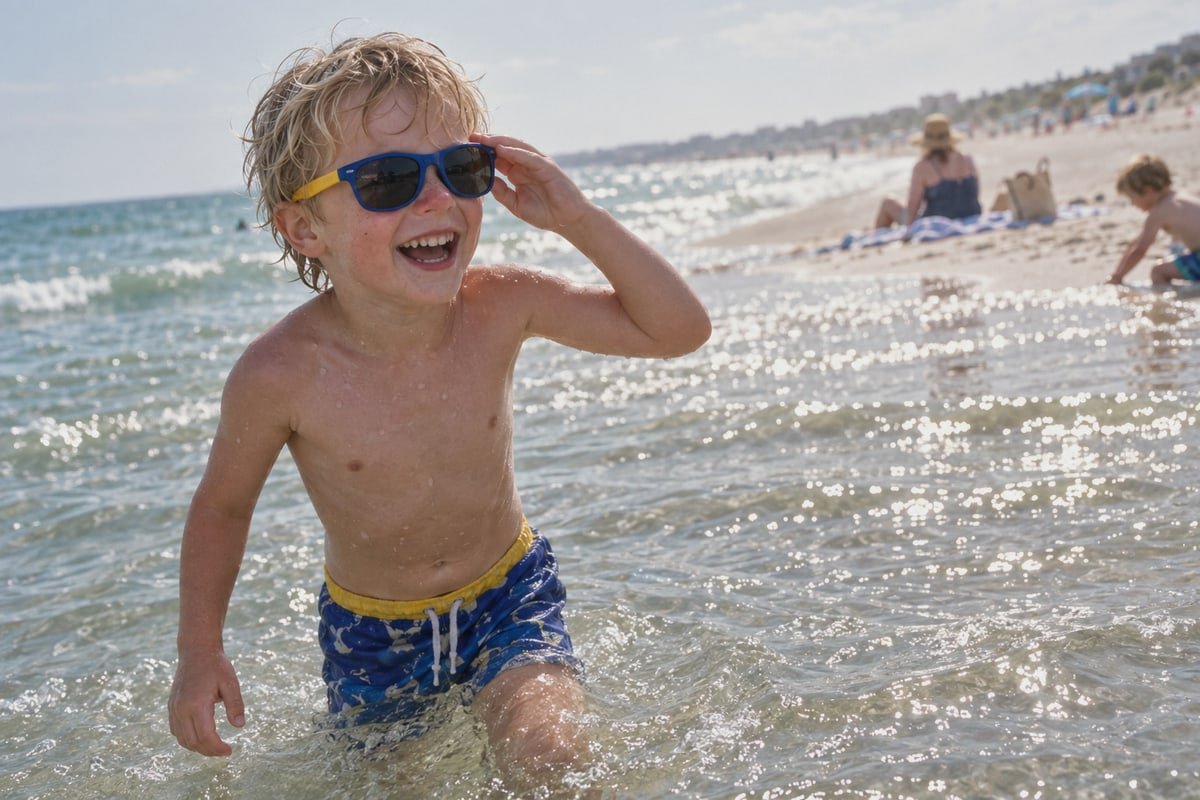
Glare reduction by environment
Glare is reflected light. It comes off flat, shiny surfaces and hits the eye in a concentrated, horizontal wave. Polarizing film blocks that wave. The child sees less "white blast" and more texture, color, and detail. That is the whole benefit, and it is a real one in the right place.
| Sol directo más fuerte reflejo del agua y la arena | Main glare source | Polarization value |
|---|---|---|
| Beach or pool | Water and sand | Muy alta |
| Skiing, sledding, winter sun | Snow and ice | Muy alta |
| Boating, fishing, lakes | Water surface | Muy alta |
| Long car rides | Dashboard and wet road reflections | Alta |
| Sports fields, bright playgrounds | Pavement and artificial turf | Medium to high |
| School drop-off, garden play | Scattered light, little reflection | Baja |
| Shaded walks, quick errands | Minimal glare | Baja |
Water and snow glare sit at the top for a reason. They reflect more light than almost any other surface a child meets. If your brand sells to coastal families or ski markets, polarization stops being optional in practice.
The objection: isn't it worth it for every child?
Some product pages argue that every child benefits from polarized lenses because outdoor time simply feels better. I understand that view. Glare reduction does lower eye strain and squinting, and some parents of children with sensory processing sensitivities tell us that polarized lenses calm the overwhelming "noise" of bright light. There is also growing pediatric interest in how polarization reveals textures and obstacles that reflected light hides, which may help spatial awareness on bright days.
But "beneficial" is not "necessary." If a child tolerates a non-polarized UV400 lens well and rarely meets reflective surfaces, the extra film buys little. Brands that push polarization on every SKU often end up with a higher price and no clear story for why.
Two trade-offs you should not hide
First, the screen problem. Polarized lenses can black out tablets, car dashboards, and handheld gaming devices at certain angles. Kids notice this fast. Second, film quality. Low-grade polarization films can peel or delaminate, and a loose film is a choking hazard for toddlers who mouth their glasses. When you do pay extra, pay for the lens construction, not just the word "polarized."
Can I offer both polarized and non-polarized TPEE sunglasses without complicating my product line?
Recently our workshop ran the same blush-pink round frame in two lens versions on one shift. The frame, packaging, and QC checklist did not change. Only the lens bin did.
Yes. Polarized and non-polarized TPEE sunglasses can share the same frame mold, colors, packaging, and sizing. Only the lens changes. Offer UV400 as the standard tier and TAC polarized lenses as a premium tier, and your SKU count grows by lens option, not by frame.
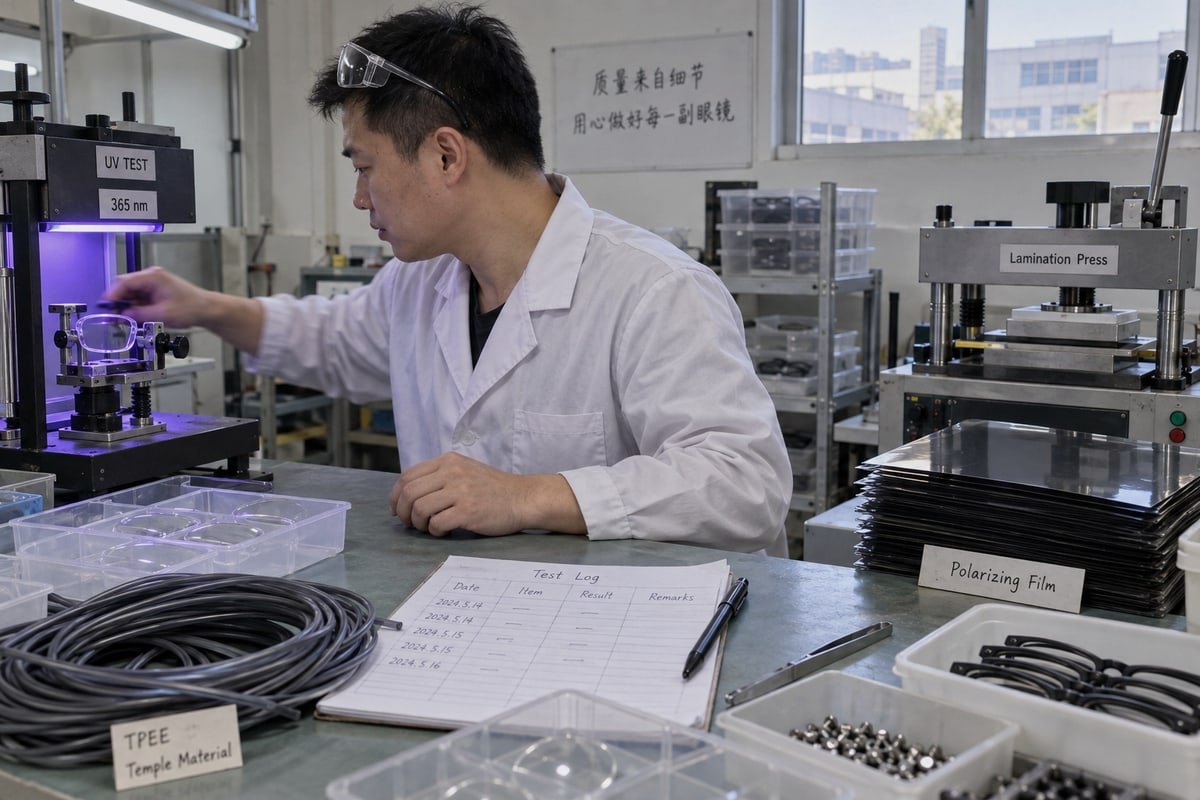
One frame, two lens tiers
The cleanest structure I have seen brands use is a simple two-tier offer built on a single frame family. Here is how it usually looks on our order sheets:
| Nivel | Lente | Marco | Lo mejor para | Packaging note |
|---|---|---|---|---|
| Norma | UV400, non-polarized | Same TPEE or TR90 frame | Nursery, school, everyday | Same box, "UV400" callout |
| Premium | UV400 + TAC polarized lenses | Same frame, same colors | Beach, snow, travel, sports | Same box, added "Polarized" sticker or sleeve |
Because the frame never changes, your size grading, hinge parts, and fit testing stay identical across both tiers. Retailers understand it instantly. Parents see one product with an upgrade choice, not two confusing products.
Why the frame never has to change
TPEE is the reason this works so well for children's eyewear. It is a soft, BPA-free material 5 that bends without snapping and returns to its original shape after being twisted. That memory behavior is why so many buyers ask us for TPEE for the under-five range. It handles dropping, sitting-on, and chewing far better than rigid plastic, which lowers the long-term cost of ownership for parents.
We hold around 800 existing styles, and most can take either lens type. The royal-blue-and-yellow square frame, the lavender cat-eye, and the blush-pink round frame in our current line all run both ways. That means a new brand can launch a two-tier range with no mold investment and test which tier sells before committing to custom tooling.
Keep the lens spec tight
A two-tier line only stays simple if the lens spec is strict. On our QC checklist we watch three things on the premium tier: the polarizing film must be fully bonded with no edge lift, the lens must sit tight in the rim so a toddler cannot pop it out, and the UV400 rating must apply to both tiers equally. Impact resistance is checked on the frame and lens as a unit, not separately, because a flexible frame with a loose lens is not a safe product.
For ordering, the process is short:
- Choose the frame styles and colors from the catalogue.
- Assign each color a Standard and Premium lens option.
- Confirm logo, CE marking on the temple, and packaging artwork once for both tiers.
- Set a minimum quantity per lens tier, not per frame.
How do I explain the benefits of polarized lenses to parents buying for active kids?
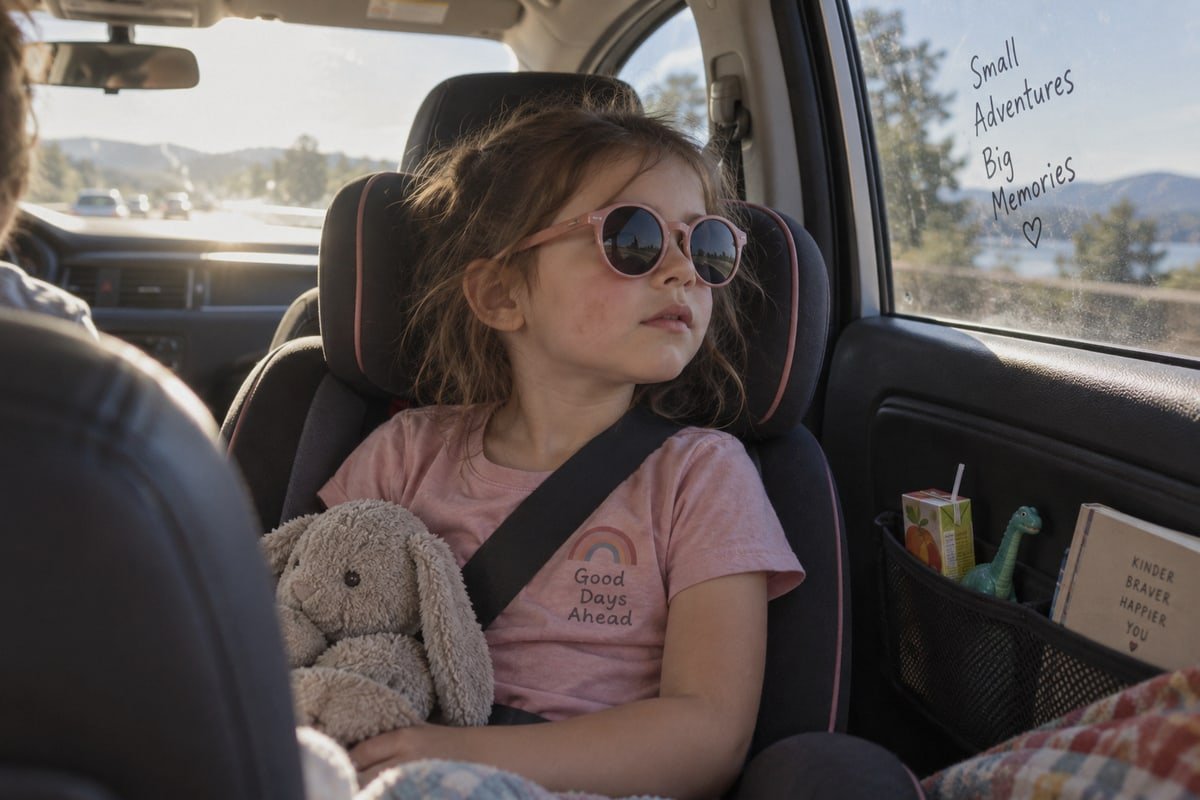
One lesson from years of shipping to Europe and Japan: parents do not buy lens technology. They buy a child who stops squinting and keeps the glasses on.
Explain polarized lenses in terms parents feel: less squinting, fewer sun-related headaches, and a child who keeps sunglasses on. Say clearly that UV400 protection is the safety layer and polarization is the comfort layer. Then match it to their life: beach, pool, snow, or long drives.
Lead with behavior, not physics
Most parents cannot picture a polarizing film. They can picture their child ripping sunglasses off at the beach. So start there. Glare makes kids squint. Squinting makes the glasses feel useless, so the child removes them. Then the eyes get no protection at all. Polarization breaks that loop by making the view comfortable enough that the child leaves the glasses alone.
That framing does two things. It sells the comfort benefit honestly. And it quietly reinforces that the real goal is keeping UV400 protection on the face all day. I always tell brand partners: wide-brim hats help, but they are not enough for full eye protection. Sunglasses that stay on are the point.
A talking script by age
| Grupo de edad | What to say to the parent | Which tier to suggest |
|---|---|---|
| 6 to 24 months | "Soft flexible frames and UV400 come first. Polarization only if you spend real time at the beach or pool." | Standard, unless high-glare lifestyle |
| 2 to 5 years | "Flexible TPEE frames survive drops and chewing. Polarized lenses help if your child squints outside or refuses glasses in bright light." | Standard or Premium, based on glare |
| 6 to 12 years | "For sports, water, snow, and road trips, polarized lenses reduce eye strain and headaches. For school days, UV400 alone is fine." | Premium for active or travelling kids |
Be honest about the trade-offs
Trust grows when you name the downside before the parent finds it. Tell them polarized lenses can make tablet screens and car dashboards look dark or blotchy. Tell them the film adds cost, and that the cost should buy well-bonded TAC polarized lenses that will not peel. Tell them polarization does not replace UV400 protection. Parents in our target markets respond well to that honesty, and it separates a serious brand from a low-price seller.
A checklist parents can screenshot
- Must-have: UV400 or 100% UVA/UVB protection on every lens.
- Must-have: a secure lens fit and a snug, wraparound-style frame.
- Helpful: polarized lenses for beach, pool, snow, boating, sports, and long car rides.
- Helpful: flexible, BPA-free TPEE frames with good impact resistance for toddlers.
- Caution: avoid cheap polarized lenses with peeling films, especially for children who mouth objects.
Conclusión
Kids' sunglasses fail when protection is guessed. Lead with UV400 protection, add polarization where glare lives, and build both on flexible TPEE frames. That is how safe ranges sell.
Interested in sourcing the products mentioned in this article? See details and request a quote here:
Notas al pie
1. Official FDA information regarding the health risks associated with ultraviolet radiation. ↩︎
2. Authoritative medical guidance from the American Academy of Ophthalmology on children’s eye protection. ↩︎
3. Comprehensive overview of sunglass lens functions, including polarization and visual clarity. ↩︎
4. International standard ISO 12312-1 covering safety requirements for sunglass lenses and filters. ↩︎
5. Technical explanation of thermoplastic elastomers like TPEE used in flexible consumer products. ↩︎
Más artículos que te podrían gustar


¿Buscas un socio confiable en gafas para niños?
Explore más de 800 estilos listos y soporte OEM/ODM completo adaptado a su marca.
Ponte en contacto English
  Español de México
  Deutsch
  Français
  日本語
日本語  العربية
  Português do Brasil