When Is a Private Label Kids Optical Frames Importer Classified as an MDR Manufacturer?
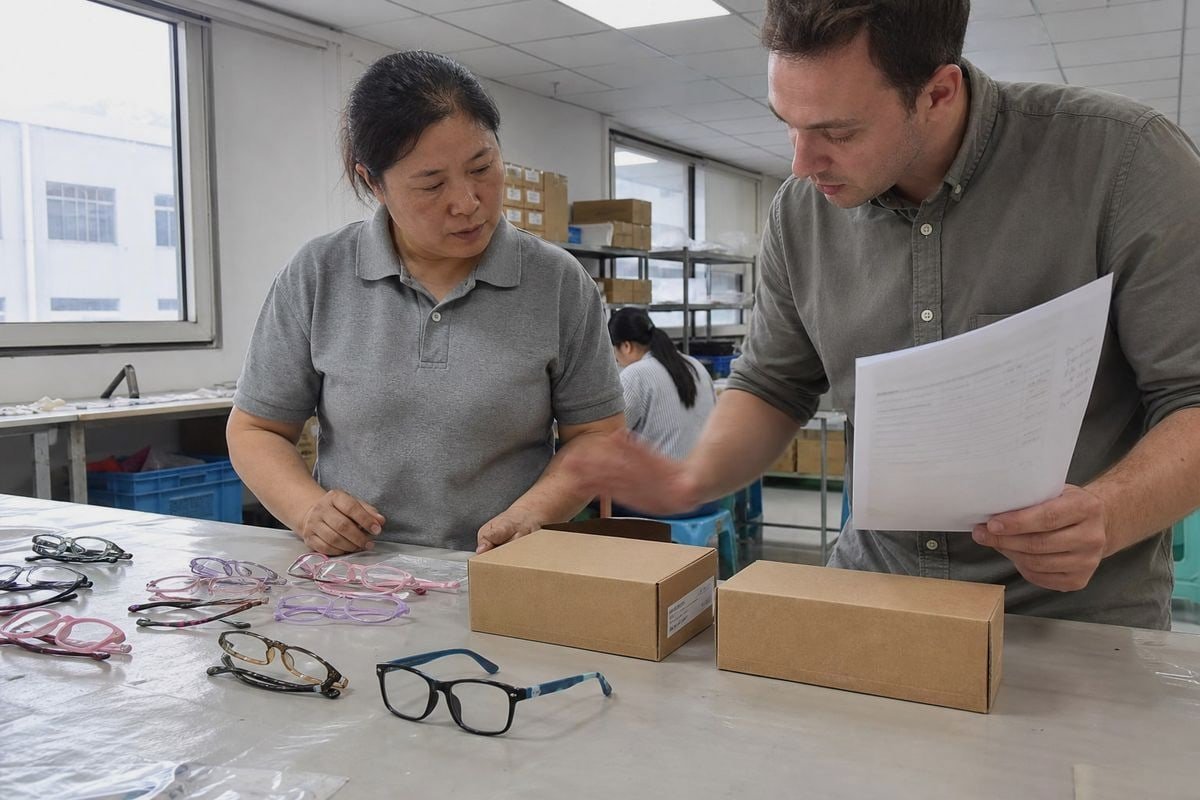
A private label kids optical frames importer can become an MDR manufacturer without realizing it. We see this confusion weekly on our production line in Taizhou, and it worries buyers deeply.
A private label kids optical frames importer is classified as an MDR manufacturer when it places frames on the EU market under its own name, trade name, or trademark — unless the original manufacturer remains clearly identified on the label and legally responsible for compliance.
That single sentence carries big consequences. Let me walk you through exactly how the rule works, what your factory should provide, and how to stay safe.
How do I know if my private label kids optical frames make me an MDR "manufacturer" under EU rules?
A German optical distributor once asked us to print only their logo on a batch of TR90 kids frames. That one request changed their entire legal status — and they had no idea.
You become an MDR manufacturer if your name or trademark is the product identity on the frames, packaging, or labeling, or if you modify the frames or change their intended purpose. Simply importing and reselling under the factory's brand does not trigger manufacturer status.
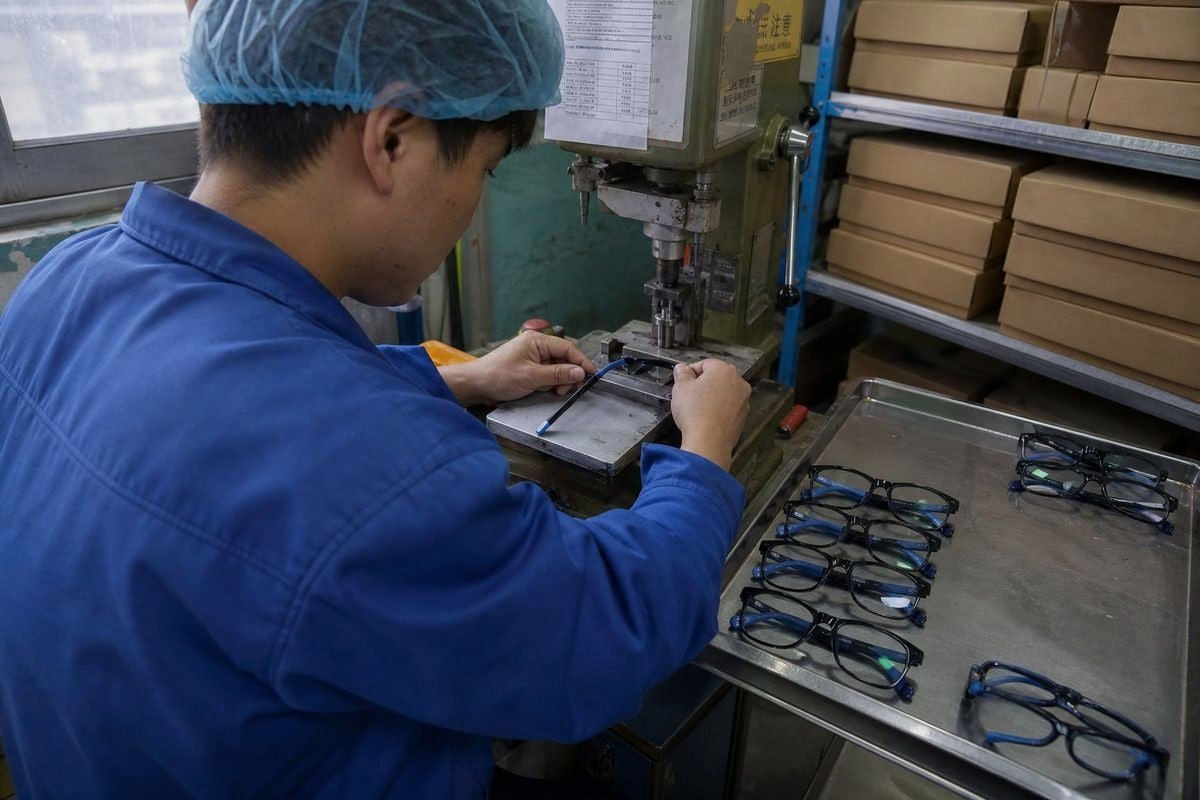
The key idea under EU MDR compliance is the role test. The regulation does not care how you sourced the frames. It cares how they appear on the market. Corrective spectacle frames — including children's frames — are treated as a Class I medical device 1 in the EU. So even the lowest-risk eyewear falls under real regulatory duties.
The three roles you might hold
Under the MDR, every economic operator has a defined role. There are four main ones: manufacturer, Authorized Representative, importer, and distributor. Your obligations depend entirely on which box you fall into.
| Scenario | Whose brand is on the frames? | Your MDR status |
|---|---|---|
| You import finished frames sold under the factory's name | Original manufacturer's | Importer only |
| You sell under your own brand, factory not identified on label | Yours | Legal manufacturer |
| Private label deal where the original manufacturer stays identified and responsible | Yours + factory's identity retained | Importer (if no other triggers) |
Article 16 is the trigger
Article 16 MDR 2 is the specific provision that converts a distributor or importer into a manufacturer. It lists the triggering actions: making a device available under your own name or trademark, changing the intended purpose, or modifying the device in a way that affects compliance. For kids frames, "modification" can be subtle. If you add marketing claims about age-specific safety or fit that the factory never validated, you may have changed the intended purpose. If you repackage or relabel without following the strict Article 16 exceptions, you may also cross the line.
One objection we hear often: "Private label is just a commercial arrangement, not a regulatory one." That view is only partly correct. It holds only when the original manufacturer remains named and responsible on the label. Once your brand stands alone as the product identity, the MDR treats you as the manufacturer — full stop.
What role does my OEM/ODM supplier play in determining my MDR compliance responsibilities?
Every quarter, our engineers sit down with European buyers to map out exactly who signs the Konformitätserklärung 3. That single decision shapes everything that follows in the partnership.
Your OEM/ODM supplier determines whether you can avoid manufacturer status. If the supplier stays identified on the label and holds full MDR responsibility, you remain an importer. If your brand replaces theirs, you inherit all manufacturer obligations regardless of who made the frames.

Here is the uncomfortable truth many buyers discover late. The old "OEM-PLM" model — where a private labeler took a lightweight compliance role and leaned on the original equipment maker's file — is largely obsolete under the MDR. The regulation's strict reading of "manufacturer" forced private labelers to act as full legal manufacturers or restructure their labeling entirely.
What the supplier controls, and what you control
Your factory controls product safety, materials, and production consistency. But it cannot control how you present the product in the EU. That split matters. In our fifteen years producing flexible TPEE and TR90 children's frames, we have seen the same product carry three different regulatory arrangements depending on the buyer's labeling choices.
| Responsibility | Supplier-branded model | Full private label model |
|---|---|---|
| Technical documentation | Original manufacturer | You (the brand owner) |
| Konformitätserklärung | Original manufacturer | Sie sind die Marke und der Importeur |
| CE marking responsibility | Original manufacturer | Sie sind die Marke und der Importeur |
| Quality Management System (QMS) 4 | Original manufacturer | You must operate one |
| Post-market surveillance | Original manufacturer | Sie sind die Marke und der Importeur |
| EUDAMED registration 5 as manufacturer | Original manufacturer | Sie sind die Marke und der Importeur |
| Appointing an Authorized Representative (non-EU maker) | Original manufacturer | You, if outside the EU |
Why children's frames raise the stakes
Kids frames serve a vulnerable population. Regulators expect enhanced risk management for children: hinge pinch points, flexibility under stress, temple-tip comfort, and material biocompatibility all get closer scrutiny. This is exactly why we build our kids optical frames with flexible TPEE temples and TR90 fronts — bendable, lightweight structures reduce injury risk on active children. If you take on manufacturer status, your technical documentation must demonstrate those child-specific risk considerations. A capable supplier makes that evidence available; a weak one leaves you exposed.
Note also that EU rules differ from the U.S. and Canada. FDA classification follows its own device definitions and establishment registration rules, and foreign manufacturers must register and appoint a U.S. Agent. Do not generalize your EU conclusions to other markets.
Which documentation should I request from my factory to support my MDR classification as an importer or brand owner?
We once shipped a container of pastel acetate kids frames to a Dutch brand, and their consultant requested nine separate documents before customs clearance. That checklist became our standard export pack.
Request the EU Declaration of Conformity, technical documentation or a summary, test reports covering materials and safety, labeling files showing CE marking and UDI, the supplier's QMS evidence, and a written private-label agreement defining who holds manufacturer responsibility.
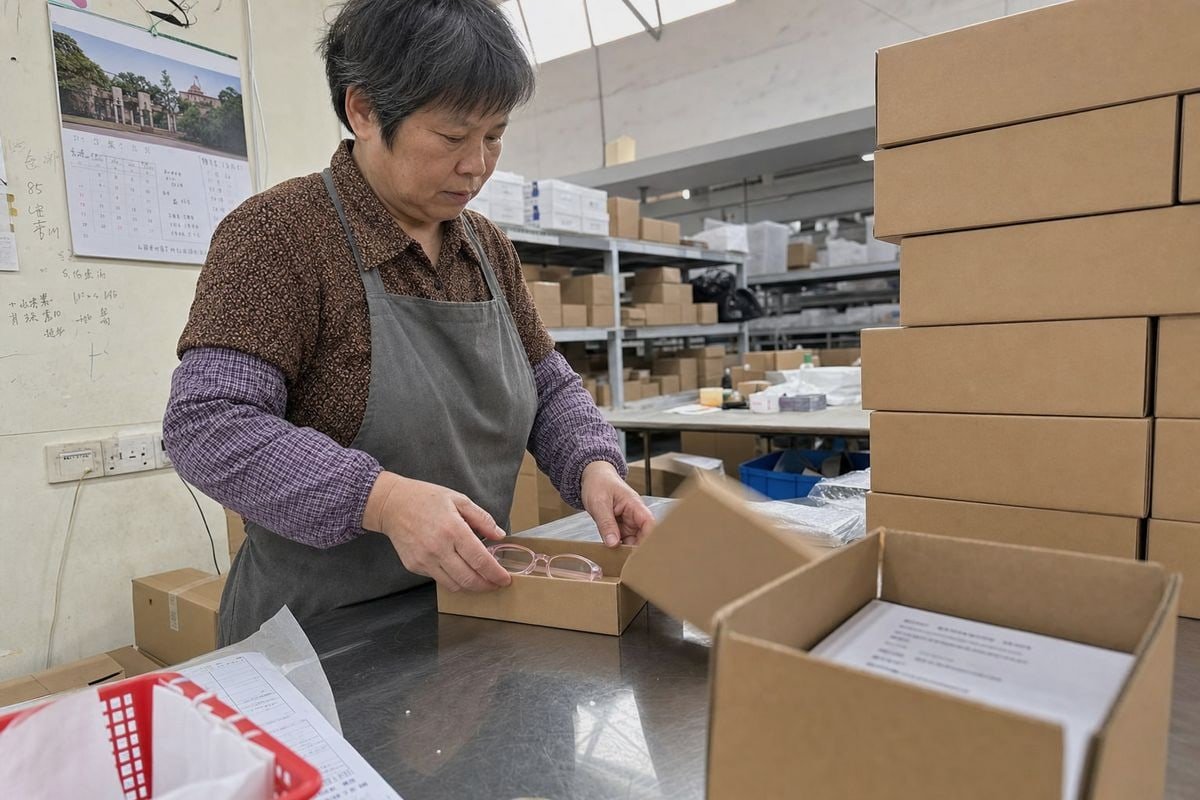
Documentation is where good intentions get tested. Under importer obligations, even a pure importer must verify the CE marking, confirm the Declaration of Conformity exists, check that a UDI has been assigned, verify labeling and instructions for use, and confirm registration information. If you are the brand owner acting as legal manufacturer, the bar rises much higher — you own the file, not just the verification.
A practical document checklist
Here is what we prepare for European buyers, organized by who typically needs it.
| Dokument | Needed as importer? | Needed as legal manufacturer? |
|---|---|---|
| EU-Konformitätserklärung | Verify it exists | You must issue it |
| Technical documentation | Access on request | You must hold and maintain it |
| Material and safety test reports | Empfohlen | Required within your file |
| Label artwork with CE marking and UDI | Verify | You control and approve |
| QMS certificate or process evidence | Helpful | Your own QMS is mandatory |
| Post-market surveillance plan | Not yours | You must run it |
| Private-label / quality agreement | Strongly recommended | Defines supplier duties to you |
Do not forget traceability and EUDAMED
The EUDAMED database is being rolled out in stages, and as it matures, market surveillance authorities can trace who registered as the manufacturer for any device. Private label manufacturers will be easier to identify and hold accountable. Your paper trail — batch records, incoming inspection reports, complaint logs — needs to match what the database says about you. Digital labeling and IFU options exist for Class I devices, but they demand version control and reliable end-user access, and that responsibility sits with the legal manufacturer, not the factory.
Our advice from years of export experience: sign the compliance agreement before the first purchase order, not after the first customs question.
Can working with an experienced manufacturer like OKAY EYEWEAR help me reduce MDR compliance risks for my private label frames?
Weighing mold investment against compliance workload is a trade-off we discuss with almost every new brand. The right factory choice changes both sides of that equation.
Yes. An experienced factory reduces your MDR risk by supplying complete technical documentation, validated child-safe materials, consistent quality control, and clear private-label agreements — so whether you act as importer or legal manufacturer, your compliance file rests on solid manufacturing evidence.
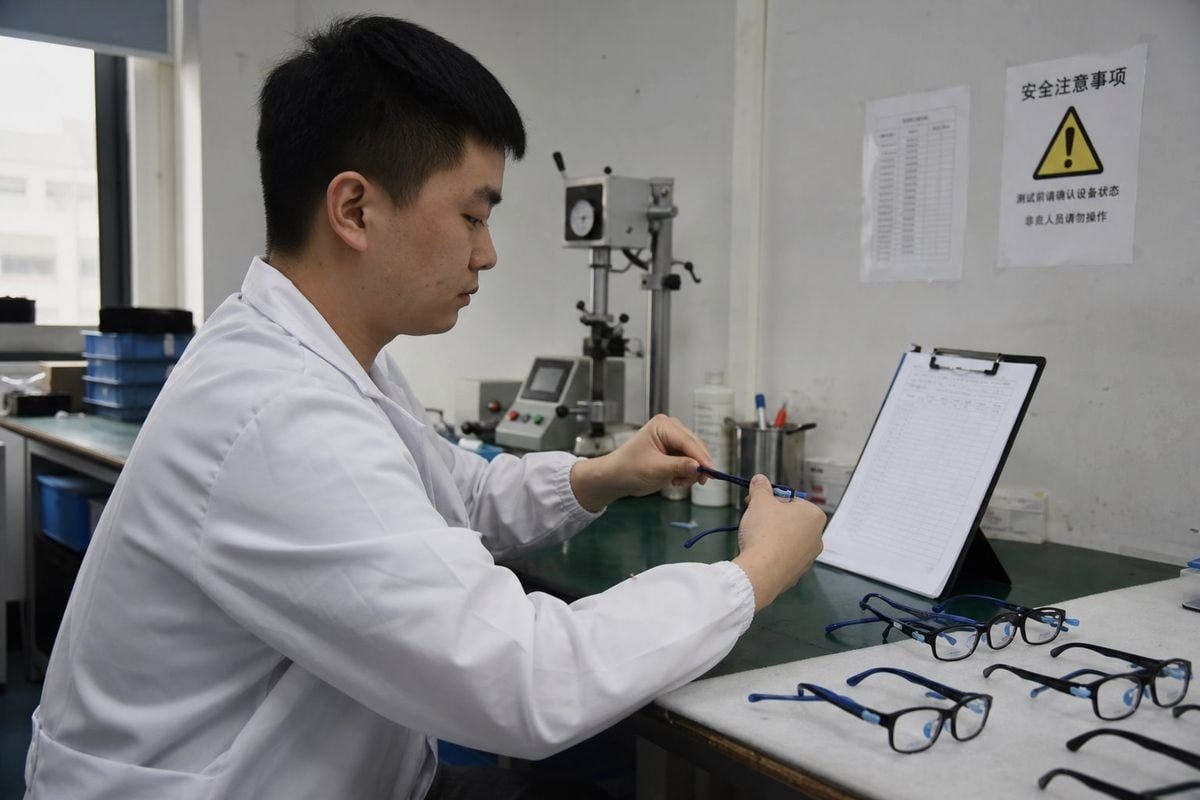
Let me be direct about what a factory can and cannot do. We cannot decide your legal status — your branding and labeling decisions do that. But we can make either path far safer. At our Taizhou facility, around 120 workers operate under 5S workshop management, and we have spent fifteen years refining flexible children's eyewear in TPEE and TR90. That depth matters for MDR risk in three concrete ways.
How a strong supplier lowers your regulatory exposure
First, materials and design. Children's eyewear regulations reward demonstrable safety thinking. Our TR90 fronts with TPEE temples flex instead of snapping, our silicone temple tips and cable-style ear hooks reduce pressure and slippage on small faces, and our materials are environmentally friendly. When you compile a risk file for a vulnerable pediatric population, that design evidence goes straight into your technical documentation.
Second, lower launch risk. With roughly 800 existing styles, a new brand can test the EU market without heavy mold investment. Fewer custom modifications also mean fewer opportunities to accidentally trigger Article 16 through device changes you did not document.
Third, full OEM/ODM support done properly. We handle custom colors, logos, lenses, packaging, and accessories — and we structure the paperwork around your chosen role. If you want to remain an importer, we discuss labeling that keeps the original manufacturer identified. If you choose full brand ownership, we supply the manufacturing evidence your QMS and post-market surveillance system will depend on.
A quick self-assessment before you commit:
- Decide your target role: importer or legal manufacturer.
- Confirm your supplier can support that role with documents, not promises.
- Put the arrangement in a written agreement before production starts.
- Align your labels, packaging, and marketing claims with that agreement.
- Set up your verification or QMS processes before the first shipment lands.
Buyers from more than twenty countries work with us on exactly this basis. The pattern is consistent: brands that settle the regulatory role early ship smoothly; brands that improvise the label later pay for it in delays and rework.
Schlussfolgerung
Your label decides your legal status. Brand the frames as yours and you become the MDR manufacturer — so choose your role deliberately, document it, and partner with a factory that backs you up.
Fußnoten
1. Provides details on the classification of Class I medical devices under EU MDR. ↩︎
2. Directly references and explains the specific EU MDR article that triggers manufacturer obligations. ↩︎
3. Details the requirements and purpose of the EU Declaration of Conformity for medical devices. ↩︎
4. Outlines the essential requirements for a Quality Management System under EU MDR. ↩︎
5. Authoritative source from the European Commission providing an overview of EUDAMED and its mandatory registration modules. ↩︎
Weitere Artikel, die Ihnen gefallen könnten
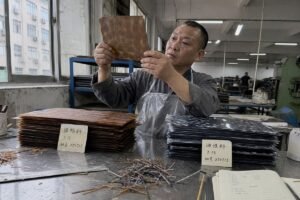
August 2026
Bio-Based vs Regular Cellulose Acetate: What's the Difference for Kids' Frames?
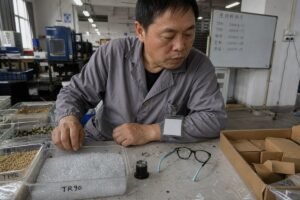
August 2026
How Recyclable Are Kids' Optical Frame Materials, and What Eco-Friendly Alternatives Exist?
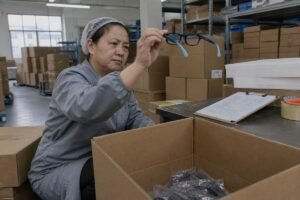
August 2026
Bleichen Kinderbrillengestelle im Lager aus oder altern sie, und wie kontrolliert man die Lagerbedingungen?
Auf der Suche nach einem zuverlässigen Partner für Kinderbrillen?
Entdecken Sie über 800 sofort verfügbare Modelle und umfassenden OEM/ODM-Support, der auf Ihre Marke zugeschnitten ist.
Kontakt aufnehmen English
  Español de México
  Deutsch
  Français
  日本語
日本語  العربية
  Português do Brasil