What Are Distributor Refund Liabilities for Kids Sunglasses Under Australian Consumer Law?
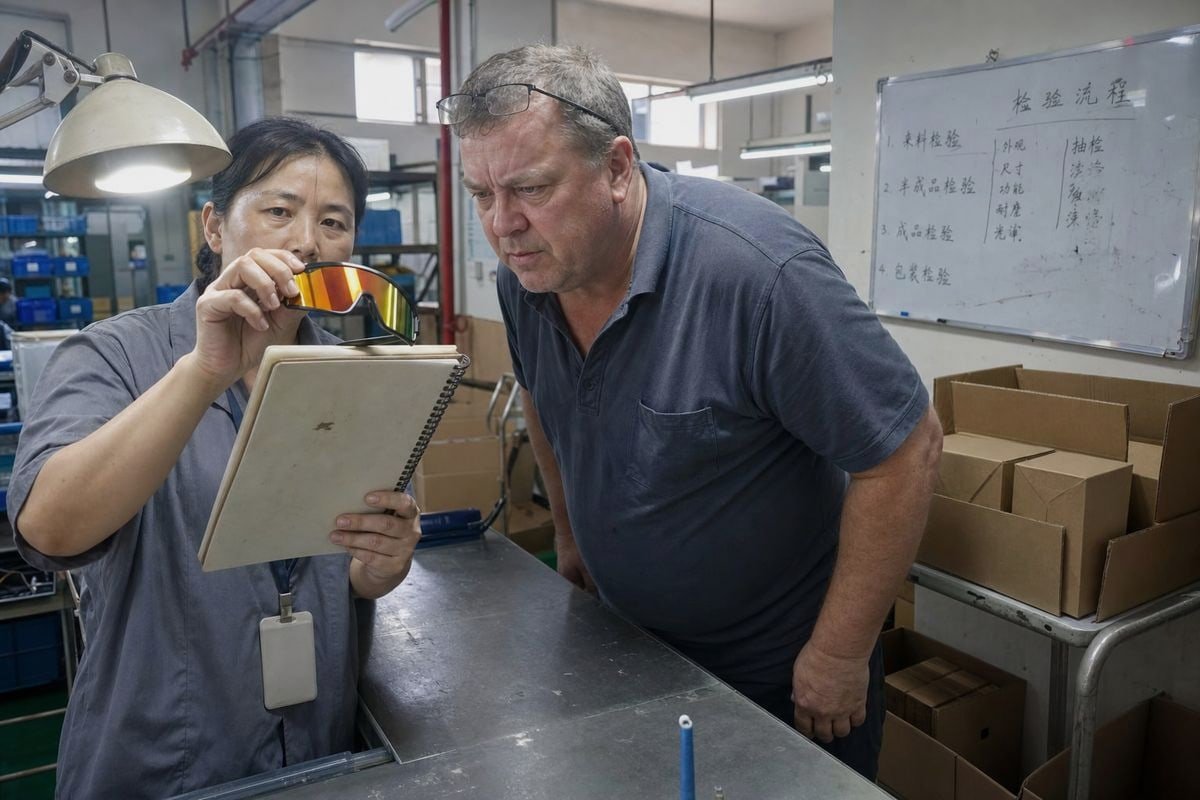
Distributor refund liabilities for kids sunglasses under australischen Verbraucherrecht 1 worry many of our Australian buyers. One weak hinge or false UV claim can trigger claims that erase an entire season’s margin. Having supplied children’s eyewear from our Taizhou factory for fifteen years, I have seen how fast a small defect becomes an expensive legal problem — and how easily good sourcing prevents it.
Under Australian Consumer Law, distributors of kids sunglasses must refund consumers directly if they are the seller, and must reimburse retailers for remedies caused by manufacturing faults. Importers of overseas-made sunglasses are deemed the manufacturer, carrying full liability for safety defects and consumer guarantee failures.
That short answer hides several moving parts. Who pays depends on where you sit in the supply chain. Let me walk you through each layer, step by step.
How Do I Determine My Refund Obligations as a Distributor Under Australian Consumer Law?
A Melbourne-based importer once asked me during a factory visit whether his "no refunds on sale items" sign protected him. I had to tell him the honest answer: it protected nothing.
Your refund obligations depend on your position in the supply chain. If you sold directly to the consumer, you must remedy consumer guarantee failures yourself. If you imported from an overseas manufacturer with no Australian office, you are legally deemed the manufacturer and carry full defect liability.
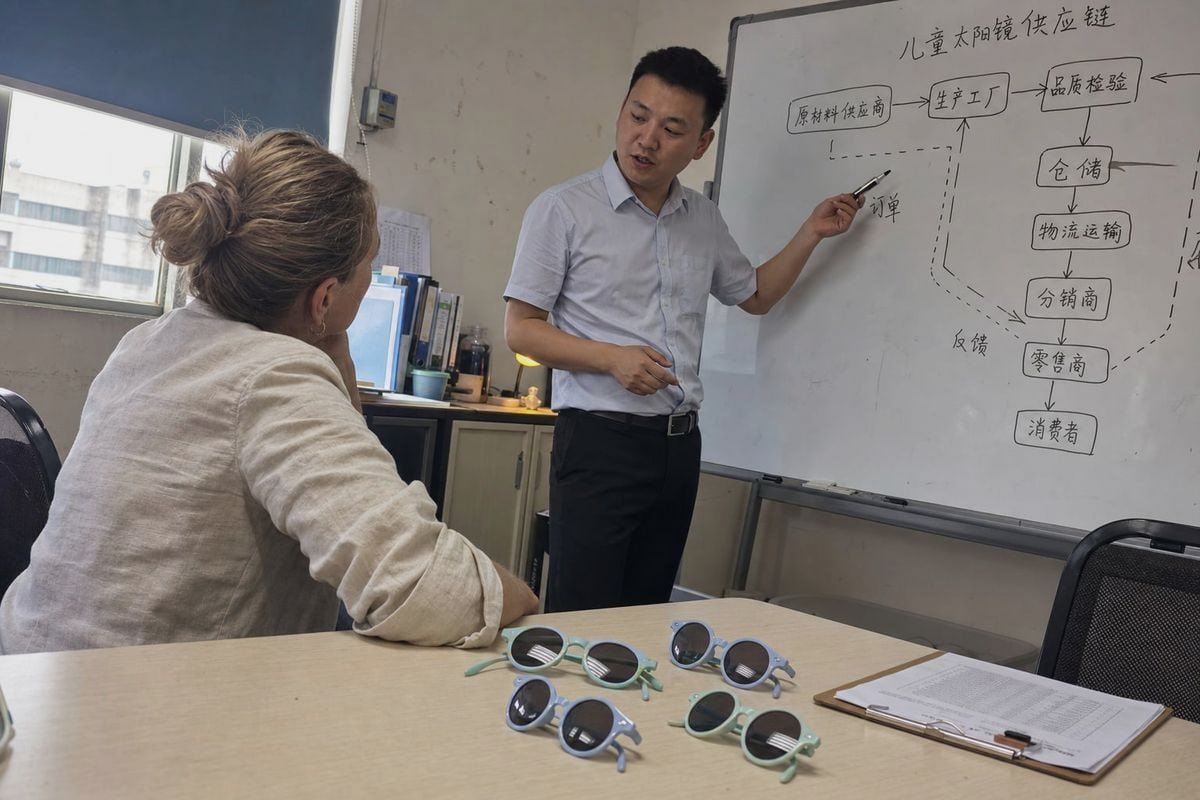
The Australian Consumer Law works through non-excludable consumer guarantees. Goods must be of acceptable quality, fit for purpose 2, and match their description. These are statutory rights. No contract term, store policy, or "no refund" sign can remove them. In fact, displaying such a sign can itself count as misleading conduct.
Who Does the Consumer Claim Against?
Consumers generally seek refunds from the business they bought from — the seller they contracted with. So if a parent buys kids sunglasses from a retailer, the refund claim runs against that retailer, not automatically against you as the distributor. But this does not mean you escape exposure. It just moves the pressure one step back in the chain.
Three Distinct Liability Layers
I always tell buyers to separate these three layers before they panic:
| Liability layer | Who owes it | When it applies |
|---|---|---|
| Consumer-facing refund | The seller (retailer, or you if you sell direct or drop-ship) | Any consumer guarantee failure |
| Reimbursement / indemnity | Manufacturer or deemed manufacturer, back to the retailer | When the fault is a manufacturing defect |
| Safety defect compensation | Manufacturer or importer deemed manufacturer | When a defect causes loss, damage, or injury |
Two traps deserve special attention. First, drop-shipping 3 does not shield you. If you process the transaction, you are the supplier under the ACL, even if you never touch the inventory. Second, the deemed manufacturer rule bites hard. If you import our sunglasses — or anyone's — from a factory with no Australian presence, Australian law treats you as the manufacturer. You then carry manufacturing defect liability with no local party upstream to claim reimbursement from. That is why the quality of your overseas partner matters so much.
Remedies also depend on the failure type. A major failure — sunglasses that are unsafe or significantly different from the sample — lets the consumer choose a refund or replacement. The business does not get to choose. A minor failure allows a repair first. And a refund, when owed, must be the full amount paid, in the original payment method where possible. Store credit cannot be forced on the consumer, and missing packaging is no excuse to reduce the amount.
What Product Safety Standards Must My Kids Sunglasses Meet to Reduce Refund Claims?
Lens category testing is where we see the most confusion. When we develop a new wraparound shield style or a soft two-tone TPEE frame at our factory, the lens specification is locked before any tooling decision, because the Australian standard leaves no room for guesswork.
Kids sunglasses sold in Australia must comply with AS/NZS 1067.1:2016, the mandatory safety standard covering UV protection, lens categories 0–4, and labeling. Non-compliance is a major failure under consumer guarantees, entitling parents to an immediate refund and exposing you to ACCC product safety action.
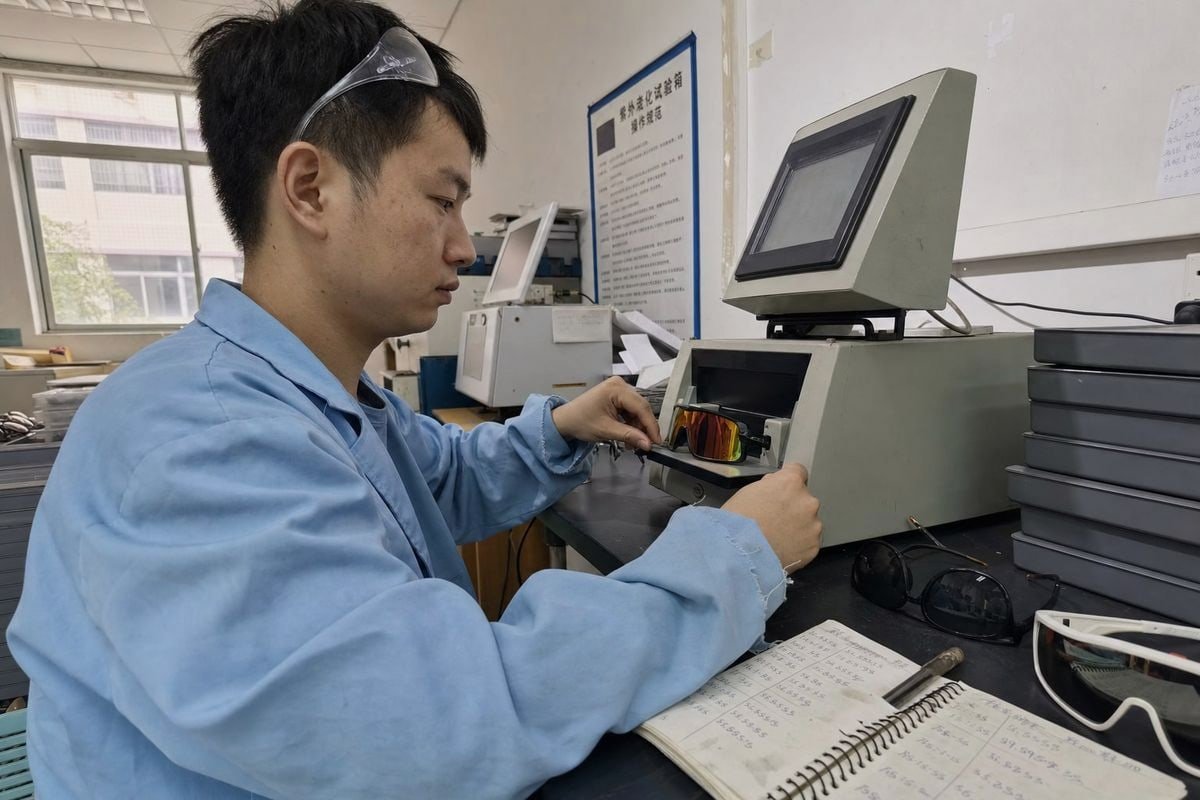
Compliance is your single best defense against refund claims. Most disputes I see with Australian buyers trace back to products that never should have shipped. The mandatory safety standard exists because sunglasses sit millimeters from a child's eyes. A failed lens is not a cosmetic issue. It is a safety issue, and safety issues are almost always treated as a major failure — the kind where the consumer, not you, chooses between refund and replacement.
Lens Categories and Labeling
AS/NZS 1067.1:2016 4 divides lenses into five categories. Getting the label wrong breaches the "match description" guarantee even if the lens itself performs.
| Lens category | What it is | Refund risk if mislabeled |
|---|---|---|
| Category 0–1 | Fashion spectacles, minimal sun glare reduction | High — marketing these as "sunglasses" for sun protection misdescribes the product |
| Kategorie 2 | Medium sunglare reduction, good UV protection | Moderate — must not be oversold as high-glare eyewear |
| Kategorie 3 | High sunglare reduction, good UV protection | Low if correctly labeled — the typical kids sunglasses category |
| Kategorie 4 | Very high protection, not for driving | Must carry required warnings |
The "Toy" Classification Trap
Some importers try to sidestep the standard by calling products "toy sunglasses." This rarely works. If the product lacks a clear, legible "toy" label but children use it for sun protection, it must still meet AS/NZS 1067.1. Our position at the factory has always been simple: we build every children's style — from round TR90 optical frames to sport shields — with real UV400 lenses, because a genuine toy loophole is narrow and the refund liability for guessing wrong is enormous.
Marketing Claims Create Their Own Guarantees
Fit for purpose is a separate guarantee from acceptable quality. If your packaging promises "blue light blocking" or "reduces eye strain," the product must actually deliver those specific benefits. A lens with perfect UV performance still fails the fit for purpose guarantee if the advertised health claim is untrue. We push our OEM clients to only print claims we can back with lens test reports, because the claim on the box becomes a legal promise in Australia.
How Can I Work With My Manufacturer to Minimize Warranty and Refund Risks?
Hinge fatigue taught us an expensive lesson years ago. An early batch of rigid frames cracked at the temple joint after children twisted them — normal kid behavior. That failure pushed our engineering team fully toward flexible TPEE and TR90 materials, and it changed how I advise every buyer on risk.
Reduce warranty and refund risk by choosing flexible, durable materials like TPEE and TR90, requiring pre-shipment testing against AS/NZS 1067.1:2016, negotiating written indemnity clauses covering manufacturing defects, and validating designs from proven existing molds before committing to custom tooling.
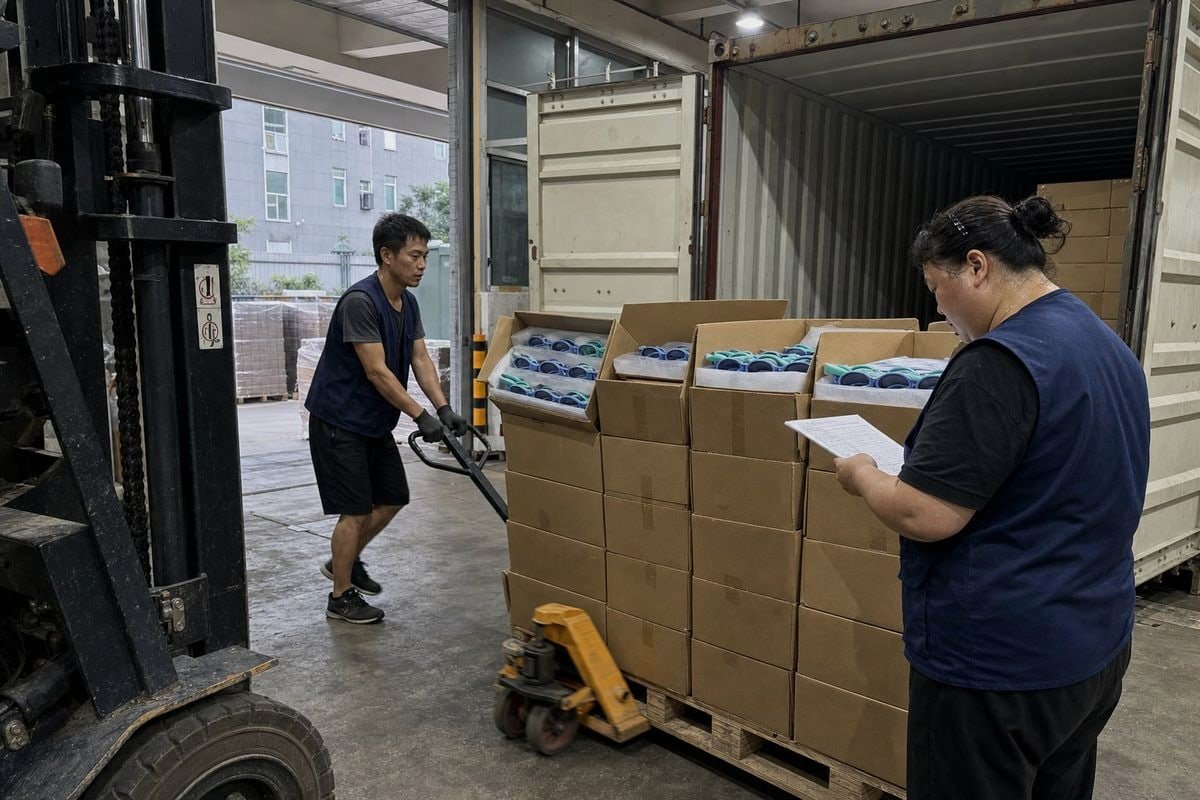
Every refund claim starts with a product failure. So the cheapest place to fight refund liability is on the production line, months before the goods reach an Australian shelf. Here is the process I recommend to distributors, based on what works with our long-term clients.
A Practical Risk-Reduction Sequence
- Start with material selection. Kids twist, drop, and sit on their sunglasses. Rigid, brittle plastic frames break with normal use — a classic acceptable quality failure. Flexible TPEE temples and TR90 fronts bend instead of snapping, which directly cuts breakage returns.
- Test the design before tooling. New brands do not need to gamble on unproven custom molds. We keep roughly 800 existing styles precisely so buyers can market-test a proven, already-refined design with lower risk. A validated mold means fewer field failures.
- Lock the lens specification in writing. Specify UV400 performance, the lens category, and the exact label wording in your purchase order. Ambiguity here is where mislabeling claims are born.
- Require pre-shipment inspection. Insist on batch-level checks: hinge cycling, lens adhesion, frame flex, and label accuracy. Our 5S-managed workshop runs these as standard, but you should demand documentation regardless of who you buy from.
- Negotiate manufacturer indemnification. ACL Section 274 5 gives suppliers a statutory right to reimbursement from the manufacturer when the fault is a manufacturing defect. But if you are the deemed manufacturer, that statutory route points at you. Replace it with a contractual indemnity clause obliging your overseas factory to cover remedy costs, and agree on the evidence needed to trigger it.
- Plan for the worst case. Agree in advance how a product recall 6 would work: who notifies whom, who pays for return freight, and how replacement stock ships. A recall plan written during a crisis is always worse than one written before it.
A reliable factory partner treats these steps as normal business, not as an imposition. If a supplier resists inspection or written indemnity, that resistance is itself useful information.
What Documentation Should I Request From My Supplier to Protect Myself From Compliance Disputes?
Paperwork wins disputes; memories do not. When one of our European clients faced a retailer chargeback claim, the batch test reports and inspection records we had archived resolved it in days instead of months. Australian distributors need the same paper shield.
Request lens test reports proving AS/NZS 1067.1:2016 compliance, UV400 certification, material safety declarations, batch-level inspection records, product specification sheets, label and packaging approvals, and a signed indemnity agreement. Keep everything traceable by purchase order and production batch number.
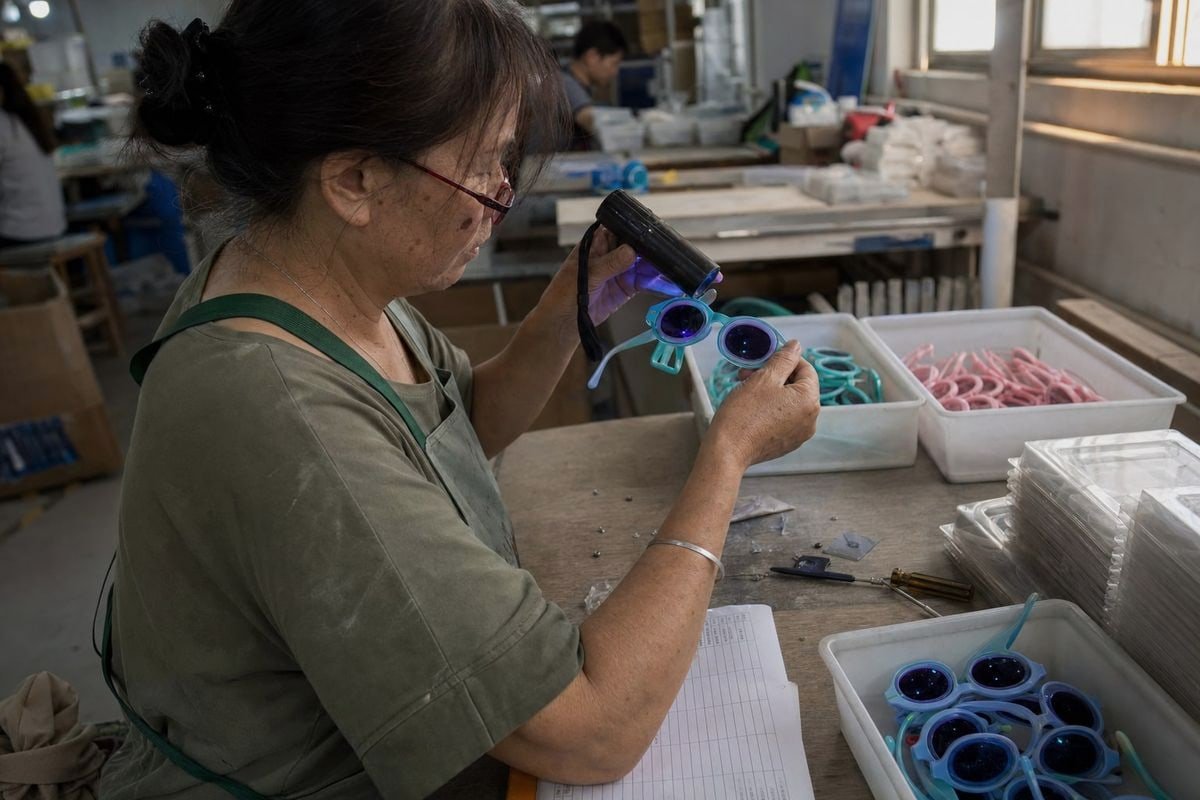
Documentation serves two purposes under the ACL. First, it proves compliance if the ACCC product safety team 7 or a fair trading regulator asks questions. Second, it establishes fault when a refund dispute moves up the supply chain and you need to invoke manufacturer indemnification. Without traceable records, every dispute defaults against you, because you are the local party the law can reach.
The Core Document Checklist
| Dokument | Was es beweist | Warum es Sie schützt |
|---|---|---|
| AS/NZS 1067.1:2016 test report | Lens category, UV transmittance, compliance with the mandatory safety standard | Rebuts "unsafe" and major failure claims at the source |
| UV400 lens certification | Actual UV protection performance | Defends your UV marketing claims and the fit for purpose guarantee |
| Material safety declaration | Frame and temple materials are non-toxic and child-safe | Critical for products worn on children's faces |
| Batch inspection records | Each shipment was checked before leaving the factory | Isolates faults to specific batches, limiting exposure and any product recall scope |
| Specification and label approval sheets | You approved the exact claims printed on packaging | Prevents mislabeling disputes over lens category wording |
| Signed indemnity agreement | The factory accepts financial responsibility for manufacturing defects | Replaces the statutory reimbursement you lose as deemed manufacturer |
Traceability Is the Multiplier
A folder of certificates means little if you cannot tie them to a specific shipment. We mark production batches and archive test data by order for our clients, and I urge every distributor to mirror this on their side. When a parent returns a cracked frame in March, you should be able to trace it to a purchase order, a production batch, and an inspection report within minutes. That trace turns a vague liability into a defined, recoverable cost. Remember the limitation periods 8 too: safety defect compensation claims can arrive up to three years after the consumer becomes aware of the loss, with a ten-year longstop from supply. Your records need to survive at least that long.
Schlussfolgerung
Distributor refund liabilities for kids sunglasses are real but manageable. Your exposure follows your supply chain role. Compliant materials, tested lenses, written indemnities, and traceable documentation keep those consumer guarantees from becoming your loss.
Fußnoten
1. Official ACCC guidance on the statutory consumer guarantees discussed throughout the article. ↩︎
2. Background on the implied warranty concept underlying the fit for purpose guarantee. ↩︎
3. Explains the drop-shipping business model referenced regarding supplier liability under the ACL. ↩︎
4. Standards Australia publishes the mandatory sunglasses safety standard referenced repeatedly. ↩︎
5. Legislative text of the ACL provision granting suppliers reimbursement rights from manufacturers. ↩︎
6. ACCC’s official product recall port
Weitere Artikel, die Ihnen gefallen könnten
August 2026
Sollte die Fabrik die Verpackung und Kennzeichnung von Kinder-Sonnenbrillen übernehmen oder einen bestimmten Lieferanten nutzen?
August 2026
Eigenes Lager vs. Direktlieferung durch den Lieferanten: Was senkt die Retourenkosten für Marken von Kinder-Sonnenbrillen?
August 2026
Direkt zum Lagerhafen oder Lagerung in Übersee: Was spart mehr bei den Versandkosten für Kinder-Sonnenbrillen?
Auf der Suche nach einem zuverlässigen Partner für Kinderbrillen?
Entdecken Sie über 800 sofort verfügbare Modelle und umfassenden OEM/ODM-Support, der auf Ihre Marke zugeschnitten ist.
Kontakt aufnehmen English
  Español de México
  Deutsch
  Français
  日本語
日本語  العربية
  Português do Brasil