Kids Sunglasses Sea Freight: Cargo Insurance vs Carrier Liability for Damage Claims?
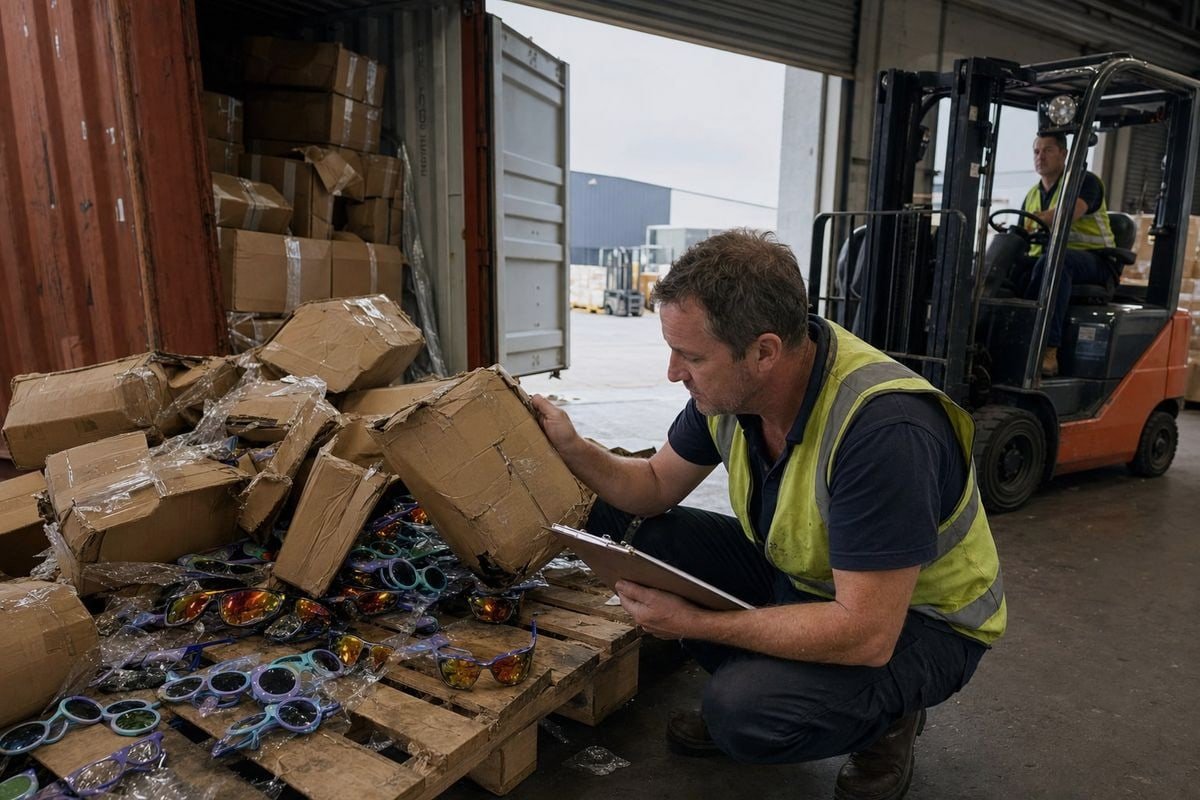
Kids sunglasses sea freight looks simple until a container arrives with crushed cartons double-wall export cartons 1. Our factory has seen buyers lose entire seasonal launches. That pain is avoidable with the right protection.
For kids sunglasses shipped by sea, cargo insurance is the primary damage-recovery tool because it covers full invoice value under All-Risk terms. Carrier liability is capped at roughly $500 per package under COGSA-style rules, requires proof of negligence, and rarely pays full value.
This distinction sounds technical, but it decides who pays when things go wrong. Let me walk you through both options, using real numbers and real freight scenarios from our export experience.
How can I protect my kids sunglasses shipment from sea freight damage or loss?
A buyer in Australia once asked me why her landed cost sheet 2 had no insurance line. Her freight forwarder had quoted ocean freight 3 only. In our fifteen years exporting kids eyewear from Taizhou, that gap has caused more losses than any factory defect.
Protect a kids sunglasses shipment by combining three layers: a marine insurance policy with All-Risk Coverage for full invoice value, export-grade packaging verified before loading, and clear Incoterms that define exactly when risk transfers from your supplier to you.
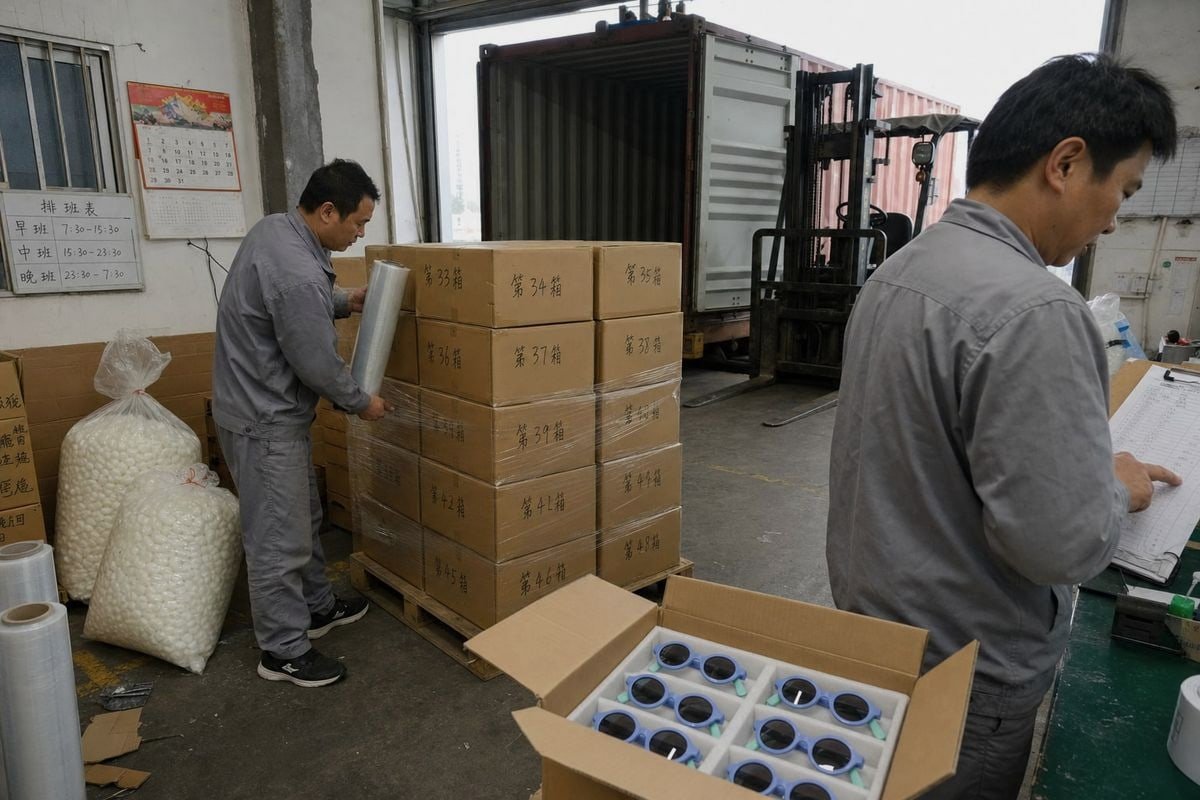
Protection works best as a system, not a single purchase. Each layer covers a different failure point during ocean transit.
Layer one: know who carries the risk
Your Incoterms decide who is financially exposed at each stage. Under FOB, risk passes to you once the goods are loaded at the origin port. Under CIF, the seller arranges insurance, but often only at minimum cover. We always recommend buyers confirm the coverage level in writing, not just the Incoterm on the invoice.
Layer two: choose the right coverage type
| Protection layer | Was es abdeckt | Who arranges it |
|---|---|---|
| All-Risk marine insurance | Breakage, water damage, theft, shortage, partial loss | Buyer or seller, per Incoterms |
| Carrier liability | Limited legal responsibility during carrier custody | Automatic, but capped and conditional |
| Export packaging | Prevents damage rather than compensating it | Supplier, verified by buyer |
| Documentation discipline | Enables successful Proof of Loss | Both parties |
Layer three: document everything at origin
Before every kids sunglasses container leaves our workshop, our QC team photographs sealed cartons, pallet wrapping, and container loading. Those photos have settled claims in days rather than months. Your Bill of Lading 4, packing list, and commercial invoice must match exactly, because insurers and carriers both check for inconsistencies first. For LCL shipping, where your cartons share container space with heavier cargo, this evidence matters even more. Ask your freight forwarder to note the carton condition on the receiving documents at the consolidation warehouse. That timestamp proves your goods entered the freight chain undamaged, which shifts the burden away from you when a claim starts.
What does carrier liability actually cover if my cargo arrives damaged?
The hardest email I ever wrote to a client explained why the shipping line owed her almost nothing for a crushed pallet of TR90 frames. The legal caps surprised her, and they surprise most first-time importers we work with.
Carrier liability covers physical loss or damage only while goods are in the carrier's custody, capped at $500 per package under COGSA or SDR 666.67 per package under the Hague-Visby Rules. You must prove carrier negligence, and many maritime perils are excluded.
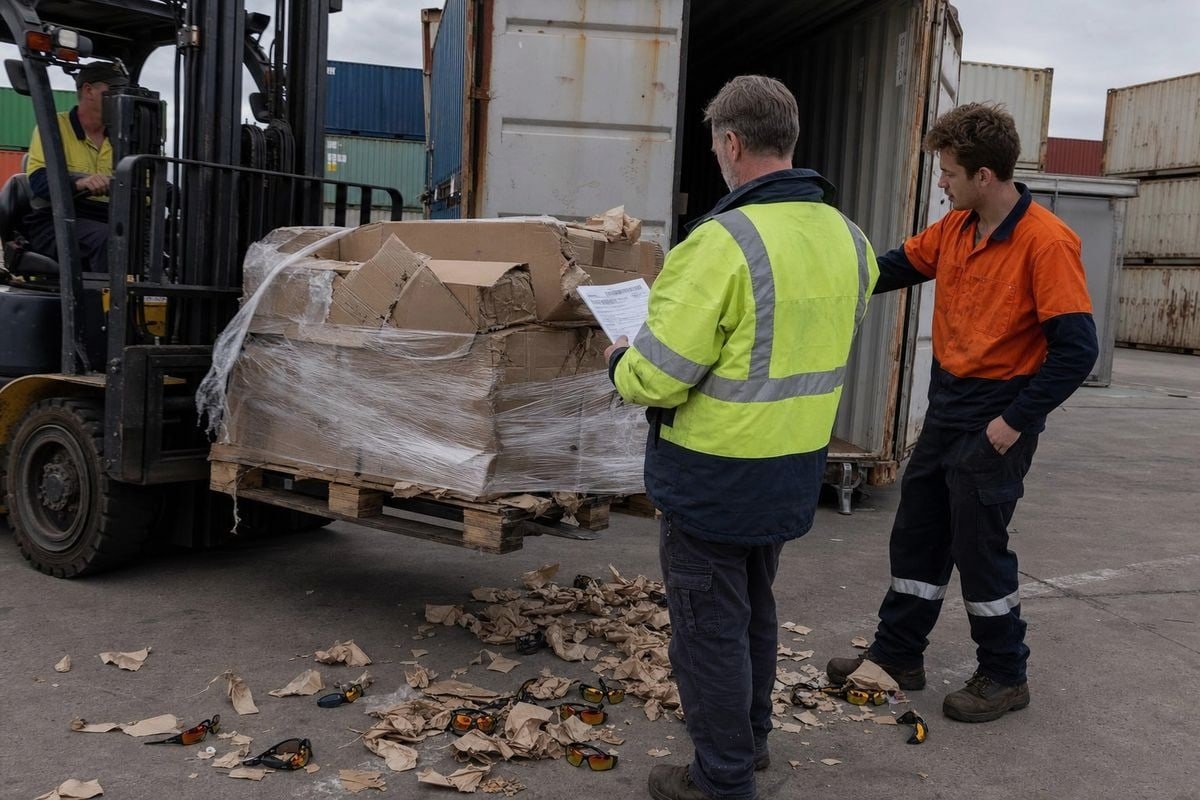
The numbers show why this coverage disappoints so many eyewear buyers. Kids sunglasses are light. A carton of 300 pairs might weigh only twelve kilograms, but hold thousands of dollars in product value.
The liability cap math
| Scenario | Shipment value | COGSA recovery ($500/package) | Hague-Visby recovery (SDR 2/kg) | Gap |
|---|---|---|---|---|
| One pallet, ruled a single "package" | $18,000 | $500 | Roughly $650 | Over $17,000 |
| 40 cartons, each a "package" | $18,000 | Up to $20,000 in theory | Varies by weight | Depends on proof |
| Partial damage, 10 cartons | $4,500 | Up to $5,000 in theory | Low, due to light weight | Depends on defenses |
Notice the word "package." Recent U.S. court rulings increasingly let carriers redefine "package" in the Bill of Lading through unitized assemblage clauses. If your forty cartons are shrink-wrapped on one pallet, and the Bill of Lading says "1 pallet," a carrier may argue that the entire pallet is one package worth $500. We now advise buyers to list carton counts explicitly on shipping documents for this exact reason.
The exclusions and the burden of proof
Carrier liability also excludes fire, Acts of God, and inherent vice 6. Heat-warped frames during a long equatorial transit? A carrier will likely call that inherent vice or improper packaging and deny the claim. You must also prove negligence, file notice within tight deadlines, and submit a formal Proof of Loss. That is a high bar for a buyer sitting thousands of miles from the damage. Some shippers argue carrier liability is enough for low-value cargo. For kids eyewear, we disagree, because the per-kilogram formulas punish light, high-margin goods more than almost any other product category.
Is cargo insurance worth the extra cost for my kids eyewear orders?
Weighing this cost is something I do with buyers almost weekly. A distributor testing thirty of our existing styles once hesitated over a premium of under a hundred dollars, then thanked us months later when a seawater-stained carton was fully reimbursed.
Yes. Cargo insurance typically costs 0.5% to 2% of cargo value, yet covers full invoice value door to door. For a $15,000 kids sunglasses order, roughly $75 to $300 in premium protects against losses that carrier liability might settle at only $500.
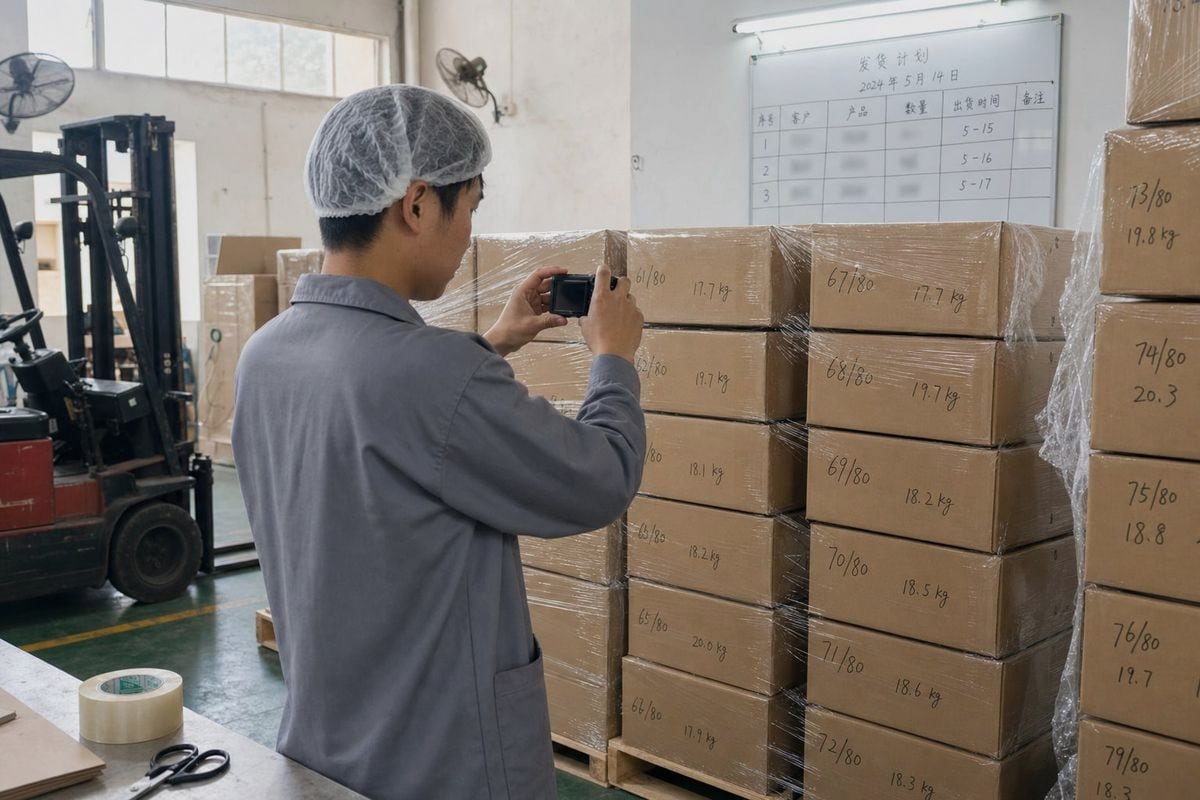
The value case rests on three facts about Brillen für Kinder 7 as cargo. First, it is fragile in specific ways: lenses scratch, hinges snap, and cartons crush under heavier freight. Second, it is seasonal, so a lost shipment can mean a lost selling window. Third, it is high-margin, so full-value recovery matters more than weight-based formulas suggest.
What All-Risk Coverage actually pays for
An All-Risk marine insurance policy commonly covers breakage, water damage, theft, shortage, and concealed damage from external causes, unless specifically excluded. Crucially, it pays on partial losses. If fifteen of your two hundred cartons arrive crushed, insurance reimburses those fifteen. Carrier liability claims on partial losses are far harder to win.
There is one scenario buyers rarely anticipate: General Average. If cargo is jettisoned or damaged to save a vessel, every cargo owner on that ship must legally contribute to the loss, even if their own goods arrived perfectly. Uninsured shippers pay that contribution from their own pocket. Insured shippers pass it to their insurer. We have never had a client face this, but the exposure is real and entirely uncontrollable.
When the math still favors caution
Cargo insurance is not perfect. Policies exclude delay, inherent vice, and losses caused by inadequate packaging. That last exclusion is why supplier packaging quality directly affects your insurability, which brings us to the next section. For small-batch brands, newer per-shipment micro-insurance platforms with AI-driven pricing can undercut annual open-cover policies, so low-volume buyers should compare both before committing.
What should I look for in my supplier's packaging to prevent freight damage claims?
Our 5S-managed workshop rebuilt its packing standard years ago after a single LCL shipment taught us how brutally consolidated cargo gets stacked. Since then, packaging has been part of our QC checklist, not an afterthought.
Look for individually protected units, rigid inner boxes, double-wall export cartons rated for stacking, moisture barriers or desiccants, and clear carton markings. Ask for packaging photos before loading, because insurers can deny claims traced to inadequate packing.
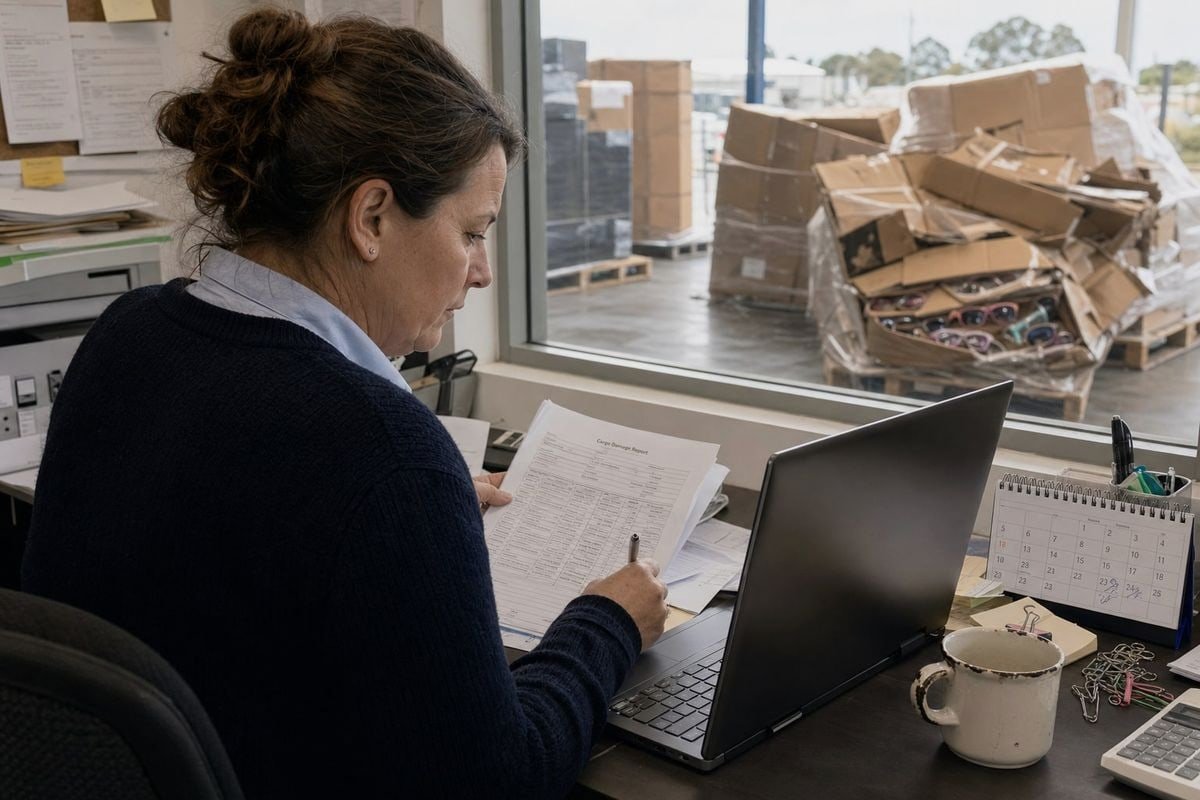
Packaging matters twice. It prevents damage physically, and it protects your claim legally. Both carriers and insurers use the improper packaging defense, so weak cartons can leave you with no recovery from anyone.
A practical packaging audit checklist
- Unit protection. Each pair should sit in a soft pouch or wrap that prevents lens scratching. Our flexible TPEE and TR90 frames resist snapping, but mirrored and polarized lenses still need surface protection.
- Inner boxes. Retail-ready inner boxes add crush resistance and keep accessories like cases and cloths from going missing, which supports shortage claims.
- Export cartons. Double-wall corrugated board with a stated stacking strength. In LCL shipping, your cartons may carry someone else's machinery on top.
- Moisture control. Desiccant packs and sealed liners guard against condensation and salt air during long transits. Eco-friendly packaging materials are worth pursuing, but test them for moisture absorption first, since a soggy recycled carton can trigger an inherent vice dispute.
- Markings and counts. Carton numbers, fragile marks, and piece counts that match the Bill of Lading exactly.
Evidence that wins claims
| Evidence item | Was zu vergleichen ist |
|---|---|
| Pre-loading photos of sealed cartons | Proves goods left the factory undamaged |
| Container loading photos or video | Counters the improper stowage defense |
| Clean Bill of Lading | Confirms carrier received cargo in good order |
| Destination damage photos with carton numbers | Links specific losses to transit |
| IoT shock or humidity sensor data | Acts as a digital witness against packaging defenses |
Some brands now place small shock and humidity sensors inside LCL cartons. That data can prove a drop or a moisture spike occurred in transit, bypassing the carrier's packaging arguments entirely. When we develop custom packaging for OEM clients, we design it to survive freight first and look good on the shelf second, because a beautiful box that fails at sea helps nobody.
Schlussfolgerung
Carrier liability is a capped, conditional fallback. For kids sunglasses moving by sea, All-Risk cargo insurance plus disciplined packaging and documentation is the protection that actually pays.
Fußnoten
1. Details the construction and strength of corrugated fiberboard used for heavy-duty shipping cartons. ↩︎
2. Authoritative .gov source defining landed cost components and calculation for international trade. ↩︎
3. Official site of the U.S. agency regulating the international ocean transportation system. ↩︎
4. Defines the critical legal document used in shipping that acts as a receipt and contract. ↩︎
5. Overview of insurance covering loss or damage of ships and cargo during transit. ↩︎
6. Industry-standard insurance reference defining inherent vice as a common exclusion in cargo policies. ↩︎
7. General overview of sunglasses, including their history, types, and protective functions. ↩︎
Weitere Artikel, die Ihnen gefallen könnten

August 2026
Sollte die Fabrik die Verpackung und Kennzeichnung von Kinder-Sonnenbrillen übernehmen oder einen bestimmten Lieferanten nutzen?

August 2026
Eigenes Lager vs. Direktlieferung durch den Lieferanten: Was senkt die Retourenkosten für Marken von Kinder-Sonnenbrillen?

August 2026
Direkt zum Lagerhafen oder Lagerung in Übersee: Was spart mehr bei den Versandkosten für Kinder-Sonnenbrillen?
Auf der Suche nach einem zuverlässigen Partner für Kinderbrillen?
Entdecken Sie über 800 sofort verfügbare Modelle und umfassenden OEM/ODM-Support, der auf Ihre Marke zugeschnitten ist.
Kontakt aufnehmen English
  Español de México
  Deutsch
  Français
  日本語
日本語  العربية
  Português do Brasil