Do Kids Optical Frames Need ARTG Registration Before Importing to Australia?
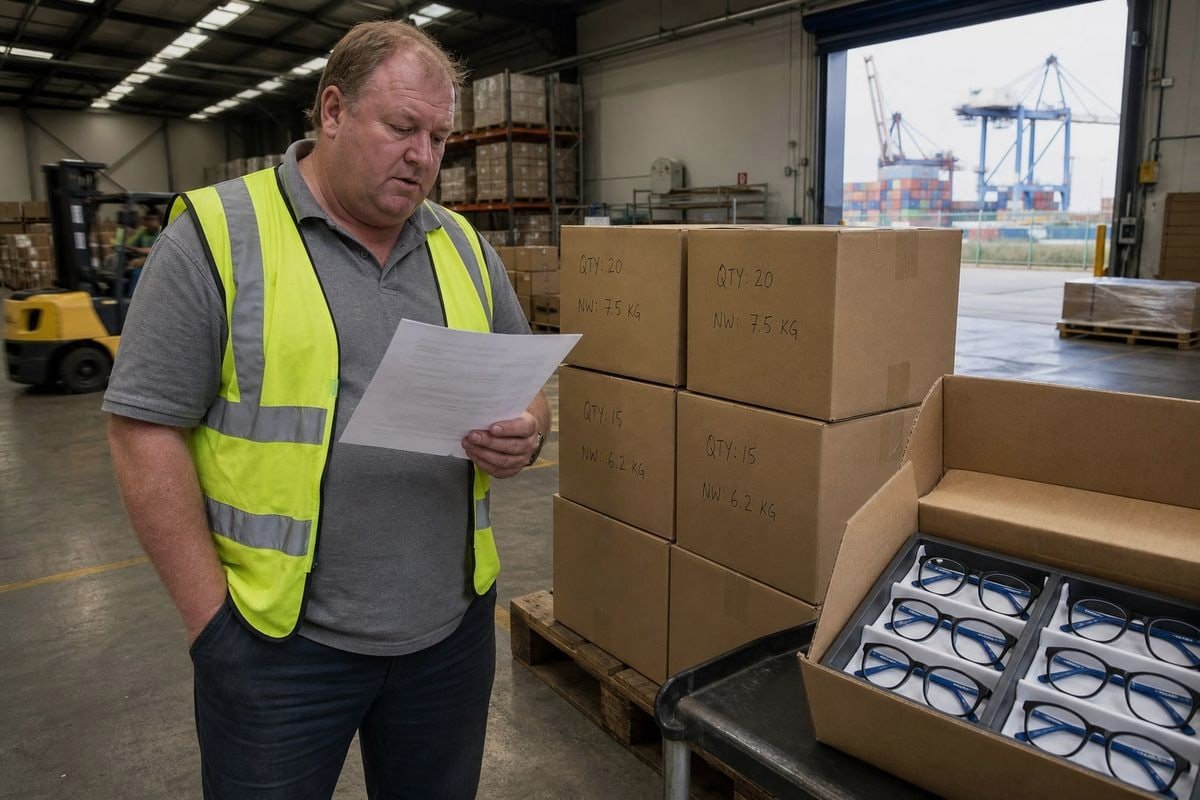
Kids optical frames and ARTG registration 1 questions land in my inbox weekly. Buyers worry a wrong classification will get shipments seized at Australian customs before they ever reach shelves.
Kids optical frames on their own generally do not need ARTG registration before import to Australia, because frames are not classified as medical devices. However, included lenses, therapeutic claims, or myopia-control features can change that answer, so classification must be checked case by case.
That short answer hides a lot of detail. Let me walk you through what ARTG actually means, where the real risks sit, and what to check before your first shipment.
What does ARTG registration actually mean for my kids optical frames business?
Last year, an Australian distributor delayed a whole order with us for six weeks Australian Sponsor arrangement 2. Why? Their customs broker insisted our TR90 kids optical frames needed ARTG inclusion. They did not.
The ARTG is the Australian Register of Therapeutic Goods, managed by the Therapeutic Goods Administration. Only therapeutic goods, such as medical devices, must be included before import or supply. Plain spectacle frames are governed by consumer product laws instead, so ARTG inclusion usually does not apply.
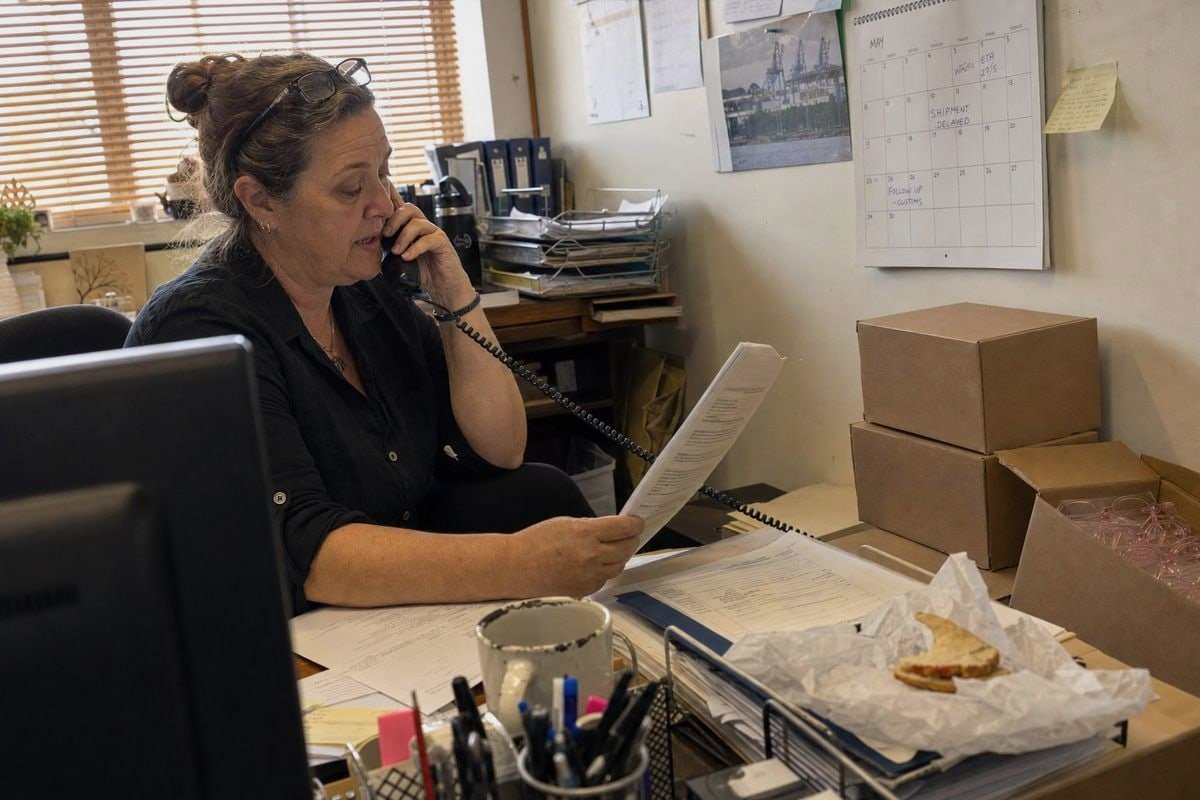
The ARTG is Australia's central register of therapeutic goods that can be legally supplied in the country. If a product counts as a medical device, it generally needs ARTG inclusion before it can be imported, exported, or supplied, unless an exemption applies. Inclusion is a gatekeeping step. The Therapeutic Goods Administration 3 expects evidence, documentation of your manufacturer relationship, and ongoing safety information before it lists anything.
Here is the key point for your business. Australian medical device regulations turn on what the product is and what claims it makes, not on whether it is sold for children. Industry guidance from ODMA states that spectacle frames themselves are not considered medical devices 4. They fall under consumer product safety rules instead.
How different kids eyewear products are treated
| Product type | ARTG inclusion needed? | Governing framework |
|---|---|---|
| Empty frames or frames with demo lenses | Generally no | Consumer product laws 5 |
| Frames with prescription lenses (refractive correction only) | No, exempt since 15 June 2024 | TGA exemption + consumer law |
| Frames with myopia-control lenses for children | Ja | Medical device classification rules |
| Non-prescription eyewear for sun protection or magnification | Nein | Declared not therapeutic goods |
| Frames marketed with therapeutic claims | Likely yes | Full TGA medical device framework |
So the question is rarely "is this for kids?" It is "what is inside the frame, and what does the marketing say?" In our fifteen years supplying kids' eyewear buyers across 20+ countries, misclassification has caused far more delays than actual non-compliance.
How do I know if my supplier's frames meet Australian safety standards before I apply?
One trade-off we weigh constantly on our production line is flexibility versus impact strength. Australian buyers ask about both, because "no ARTG" does not mean "no regulation."
Check that frames comply with Australian consumer product safety law: materials must be non-toxic and hypoallergenic, construction durable for children, and any plano or sun lenses aligned with the AS/NZS 1067.1 standard. Request test reports, material declarations, and quality control records from your supplier.
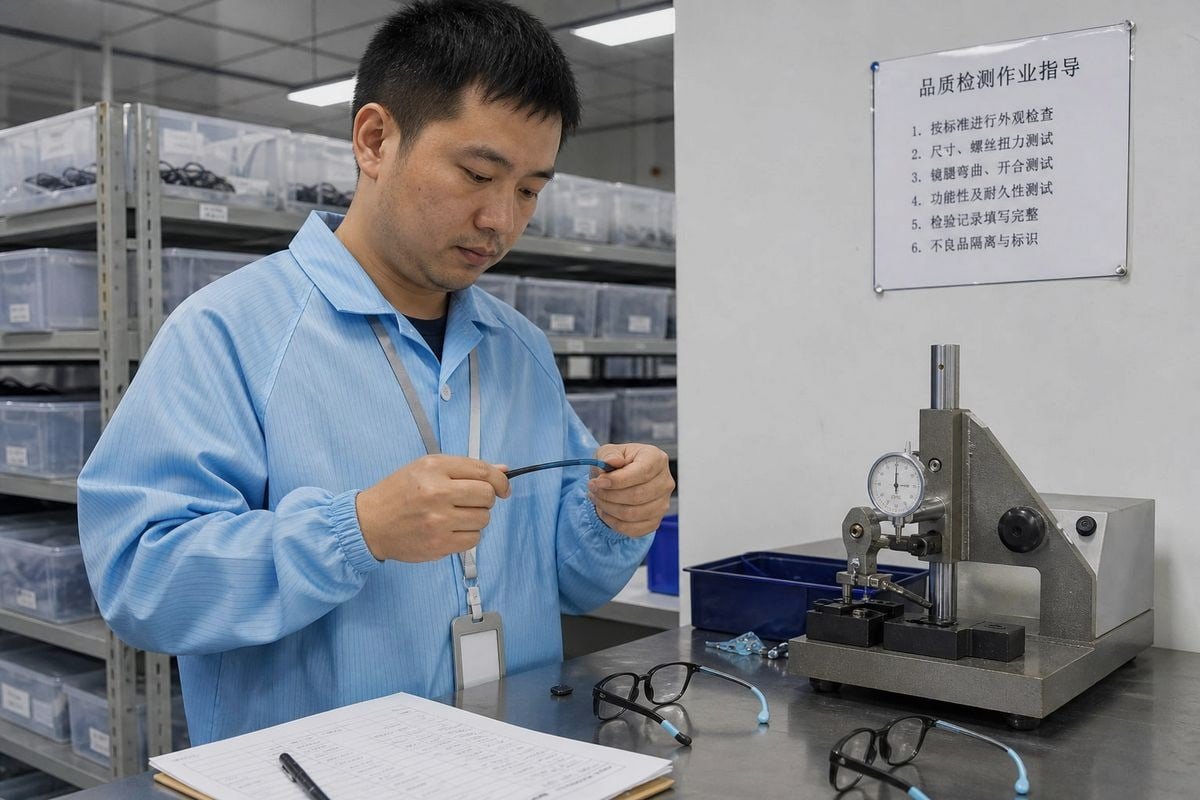
Even when ARTG inclusion is not required, importation requirements in Australia still cover consumer protection, labeling, and product safety. For children's eyewear, this is where liability actually lives. A frame that snaps and leaves a sharp edge near a child's eye is a consumer product safety problem, no matter how clean your customs paperwork looks.
What to verify before you commit to a supplier
- Material safety. Ask what the frame and temples are made of. We build most kids optical frames in TR90 with TPEE temples precisely because these materials are flexible, lightweight, and environmentally friendly. Children pull, twist, and sit on glasses. Rigid, brittle plastics fail these tests fast.
- Non-toxicity documentation. Request declarations showing materials are free of harmful substances. Children chew temple tips. This is not hypothetical; we design silicone temple tips knowing they will end up in mouths.
- Durability and flex testing. A child's frame should survive repeated bending at the hinge and temple. Ask how the supplier tests this, and how often.
- Lens standards where relevant. If your product includes plano sun lenses, alignment with AS/NZS 1067.1 for UV protection matters. AS/NZS 1067.1 standard 6 For demo lenses, confirm impact behavior and secure fitting.
- Batch-level quality control. One good sample proves nothing. Ask how the factory checks production runs. Our 5S-managed workshop runs inspection at incoming materials, in-process assembly, and pre-shipment stages.
Keep every document you collect. If a regulator or retailer ever questions your product, a clear paper trail showing why ARTG inclusion was not required — plus proof of safety compliance — is your best protection.
What documents or certifications should I request from my manufacturer for ARTG compliance?
A procurement manager from Melbourne once sent me a document checklist three pages long. Half of it applied to Class IIa medical devices, not children's frames. We trimmed it together.
Request material safety declarations, non-toxicity test reports, durability and flex test records, UV or impact test reports for any lenses, factory quality certificates, and a written product classification statement. If lenses make therapeutic claims, you also need conformity assessment evidence and an Australian Sponsor arrangement.
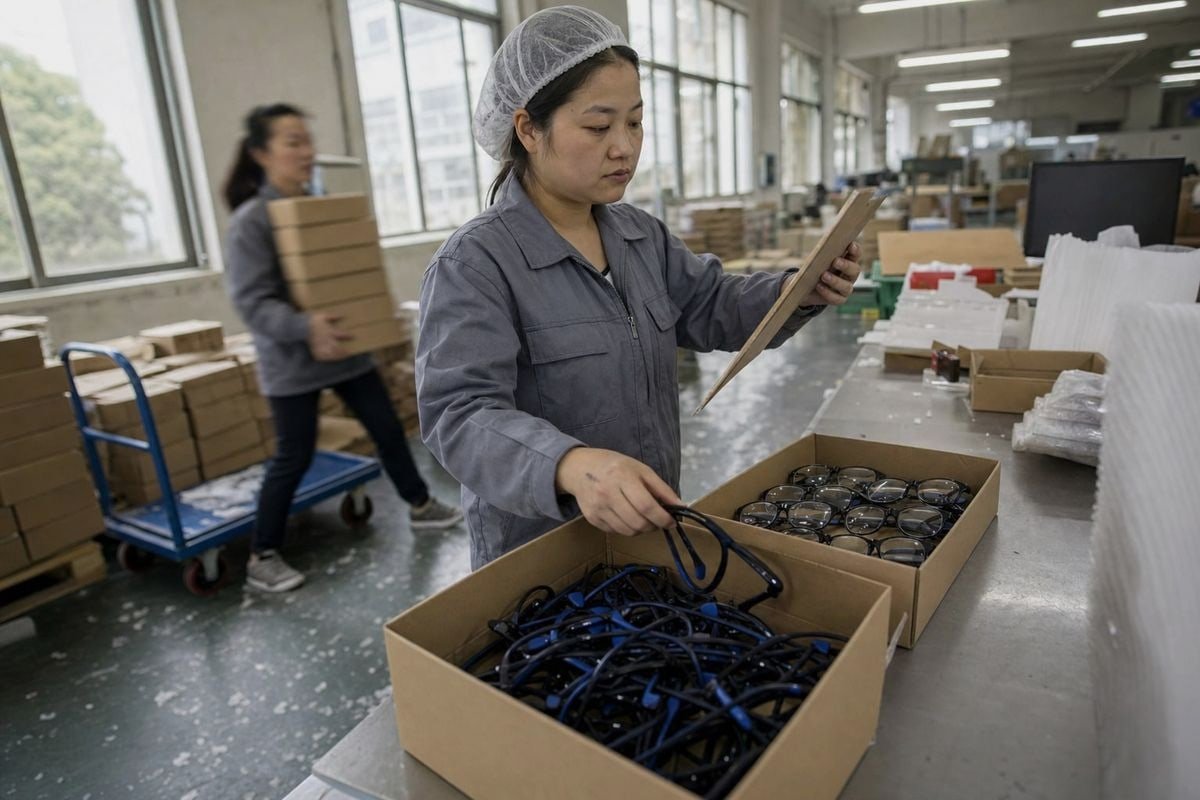
The right document set depends entirely on your product's classification. Asking for medical device paperwork on a plain frame wastes everyone's time. Missing the paperwork on a myopia-control lens can stop your shipment at the border. So match the documents to the product.
Document checklist by product scenario
| Dokument | Frames only | Frames + Rx lenses (refractive only) | Frames + therapeutic lenses |
|---|---|---|---|
| Material safety / non-toxicity declaration | Erforderlich | Erforderlich | Erforderlich |
| Durability and flex test records | Erforderlich | Erforderlich | Erforderlich |
| Lens test reports (UV, impact) | If demo/sun lenses | Erforderlich | Erforderlich |
| Prescription lens exemption record | Not needed | Empfohlen | Not applicable |
| Conformity assessment documentation | Not needed | Not needed | Erforderlich |
| ARTG inclusion via Australian Sponsor | Not needed | Not needed | Erforderlich |
| Product classification statement | Empfohlen | Empfohlen | Erforderlich |
Two documents deserve special attention. First, the product classification statement. Ask your manufacturer to state in writing what the product is: frame material, lens type, intended purpose, and any claims. This single page answers most customs and broker questions. We prepare these routinely for buyers entering regulated markets.
Second, if your product does fall under the medical device framework, remember that the TGA only deals with an Australian Sponsor — a local entity responsible for the ARTG entry. Your overseas factory cannot hold that role, but a good factory supplies the technical evidence your sponsor needs. Prescription spectacle lenses supplied solely for refractive correction have been exempt from ARTG inclusion since 15 June 2024, whether mounted in frames or unmounted, including common treatments like anti-reflective coatings. Keep a dated record of that exemption in your compliance file.
Can my OEM/ODM partner help me streamline the ARTG registration process for faster market entry?
The lesson we learned early: regulatory questions answered before sampling save months. One Australian brand we work with now sends us their claims wording before finalizing packaging artwork.
Yes. A capable OEM/ODM partner speeds up market entry by classifying products correctly at the design stage, supplying test reports and material documentation upfront, keeping claims within non-therapeutic boundaries, and providing the technical files an Australian Sponsor needs if ARTG inclusion ever becomes necessary.
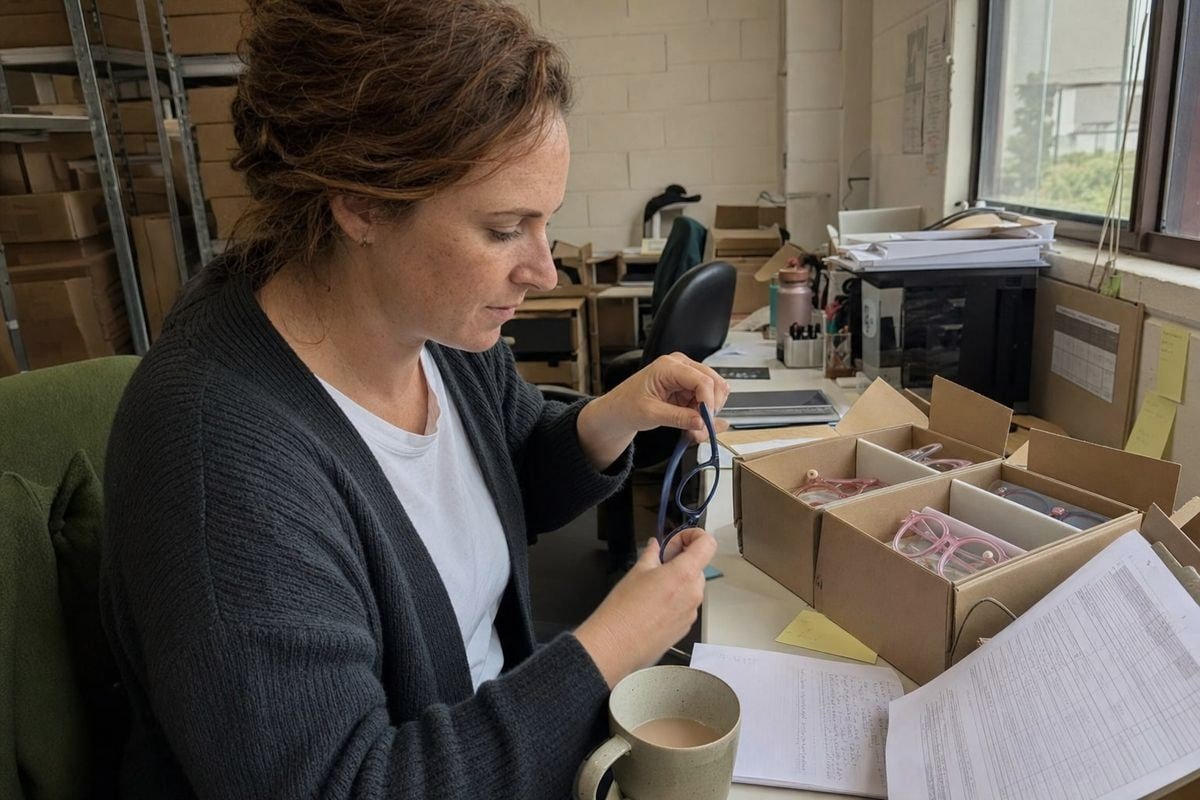
Your factory cannot register anything on the ARTG for you. But the right partner removes most of the friction before it appears. Here is how that works in practice.
Where a manufacturing partner adds real regulatory value
Design-stage classification. The cheapest time to fix a classification problem is before tooling. When a buyer wants a lens feature that edges toward therapeutic use — such as peripheral optics designed to slow die Myopie-Progression 7 in children — we flag it immediately, because that feature is not covered by the prescription lens exemption and pushes the product into full medical device classification territory.
Claims discipline. Marketing copy matters legally. "Comfortable, durable frames for active kids" keeps you in consumer product territory. "Slows myopia progression" puts you in front of the TGA. We review artwork and packaging claims with buyers during OEM development so the retail-ready presentation matches the regulatory position.
Ready documentation. Because we already export to buyers in 20+ countries, our material declarations, test records, and QC documentation exist before you ask. That shortens your broker's review from weeks to days.
Lower-risk market entry. With roughly 800 existing styles, new Australian brands can test the market without heavy mold investment. Choosing a proven, already-documented style is the fastest compliant path to a first shipment.
A quick decision tree before you import
| Frage | If yes | If no |
|---|---|---|
| Is it only a frame (or with demo lenses)? | No ARTG needed; follow consumer law | Go to next question |
| Are included lenses for refractive correction only? | Exempt from ARTG since June 2024 | Go to next question |
| Does the product make therapeutic claims or include myopia-control optics? | Full TGA pathway; engage an Australian Sponsor | Recheck classification with current TGA guidance |
One warning worth repeating: older articles still claim all optical lenses are medical devices requiring ARTG inclusion. That position was partly overtaken by the June 2024 exemption. Relying on outdated advice — in either direction — is how importers face border delays, product seizure, or enforcement action. Always verify against current TGA guidance, and keep dated records of what you checked.
Schlussfolgerung
Kids optical frames rarely need ARTG registration — but lenses, claims, and classification can change everything. Get classification right early, document safety compliance, and choose a partner who understands both.
Misreading Australian rules costs importers seized shipments and lost seasons. The fix is simple: verify classification against current TGA guidance, collect the right documents, and work with a factory that prepares them before you ask. If you are planning kids optical frames for the Australian market, reach out to Alan Kong at sales@okayeyewear.com — we will help you get the classification, materials, and paperwork right from the first sample.
Fußnoten
1. Official TGA page explaining the Australian Register of Therapeutic Goods. ↩︎
2. TGA guidance on the role and requirements of an Australian Sponsor for therapeutic goods. ↩︎
3. Official website of Australia’s regulatory body for therapeutic goods. ↩︎
4. TGA’s official information on medical devices and their regulation. ↩︎
5. ACCC page detailing Australian consumer product safety laws and regulations. ↩︎
6. Wikipedia provides a good overview of this specific Australian/New Zealand standard for eyewear. ↩︎
7. Replaced broken Wikipedia link with the main Wikipedia page for Myopia, which covers progression. ↩︎
Weitere Artikel, die Ihnen gefallen könnten
August 2026
Bio-Based vs Regular Cellulose Acetate: What's the Difference for Kids' Frames?
August 2026
How Recyclable Are Kids' Optical Frame Materials, and What Eco-Friendly Alternatives Exist?
August 2026
Bleichen Kinderbrillengestelle im Lager aus oder altern sie, und wie kontrolliert man die Lagerbedingungen?
Auf der Suche nach einem zuverlässigen Partner für Kinderbrillen?
Entdecken Sie über 800 sofort verfügbare Modelle und umfassenden OEM/ODM-Support, der auf Ihre Marke zugeschnitten ist.
Kontakt aufnehmen English
  Español de México
  Deutsch
  Français
  日本語
日本語  العربية
  Português do Brasil