Is Investing in an Exclusive Mold for Kids Optical Frames Worth It When Sourcing?
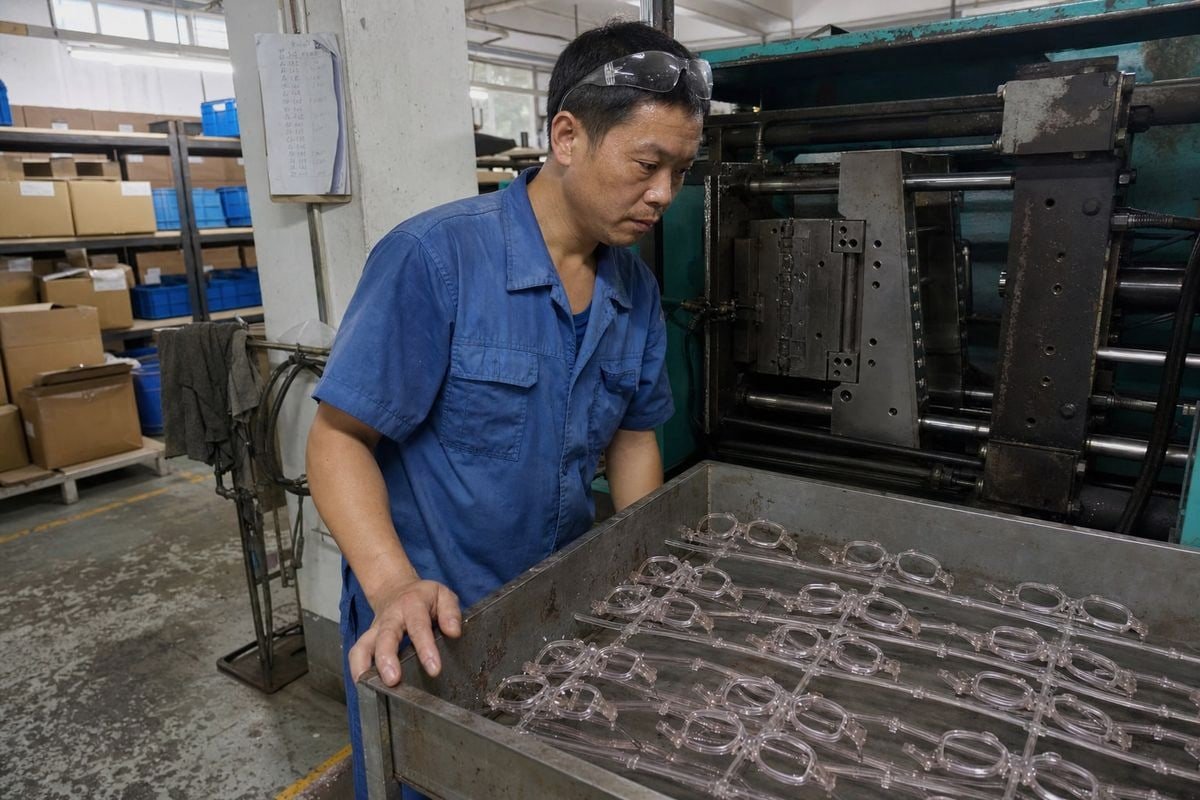
Every month, buyers ask me whether an exclusive mold 1 for kids optical frames is worth the money. On our production line in Taizhou, I have seen both outcomes — molds that built brands, and molds that became expensive paperweights.
An exclusive mold for kids optical frames is worth it only when you have proven repeat demand, a design-driven brand strategy, and margins that can absorb tooling costs of $1,000–$10,000. Otherwise, existing molds with custom colors, logos, and packaging are the smarter, lower-risk path.
That short answer hides a lot of detail. Let me walk you through how to make this decision properly, based on what I see buyers get right — and wrong — every year.
How do I know if my brand has enough order volume to justify an exclusive mold investment?
A buyer from Australia once told me she wanted her own mold before she had sold a single frame kids optical frames 2. I asked her one question: how many units will you sell in year one? She could not answer. We started her on existing styles instead — and she is glad we did gross margin per unit 3.
You have enough volume for an exclusive mold when you can confidently commit to at least 3,000–5,000 units per year of one design, your gross margin per unit can absorb the tooling amortization, and you have real sales data — not projections — validating the style.
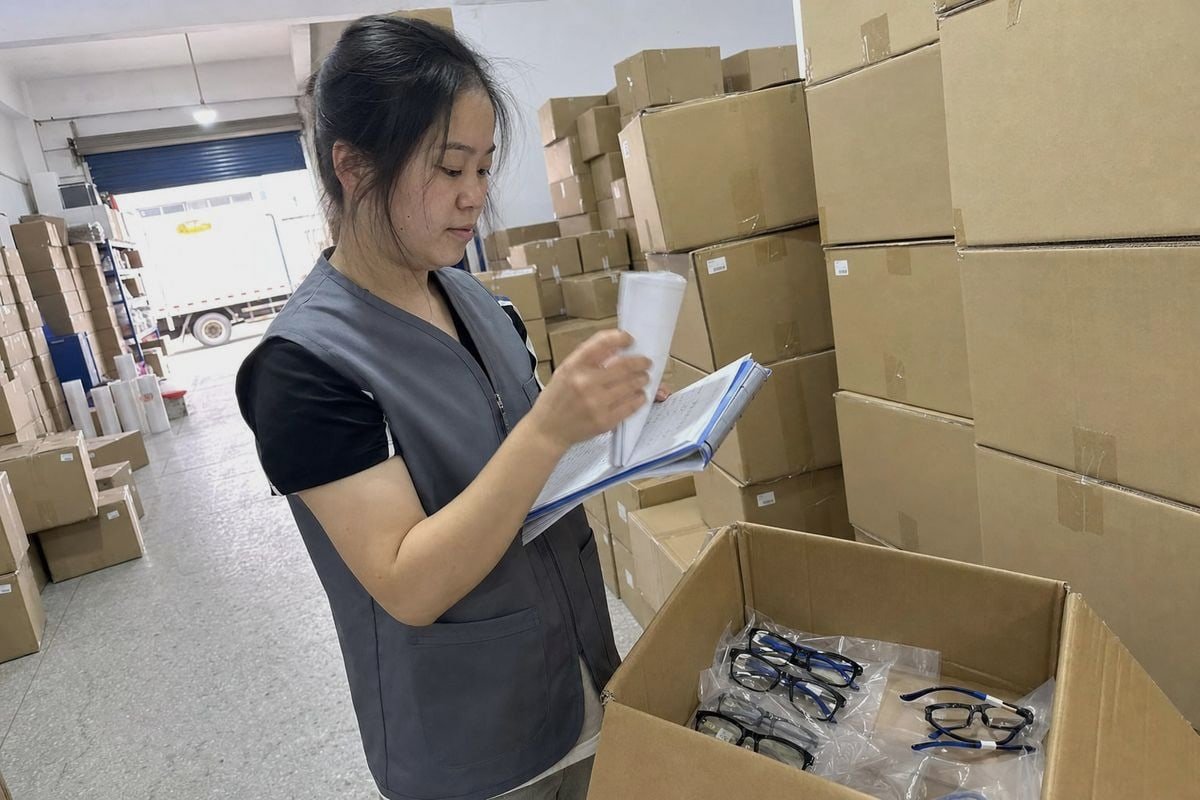
The math is not complicated, but people skip it. An exclusive mold is a fixed cost 4. You recover it by spreading it across every unit produced. If the volume never arrives, the cost per unit balloons and your margin disappears.
Run the break-even math first
Here is a simple example using real ranges we quote at our factory:
| Scenario | Tooling Cost | Annual Volume | Tooling Cost per Unit | Verdict |
|---|---|---|---|---|
| Small startup | $5,000 | 800 pcs | $6.25 | Too heavy — avoid |
| Growing brand | $5,000 | 3,000 pcs | $1.67 | Borderline — depends on margin |
| Established line | $5,000 | 10,000 pcs | $0.50 | Easily justified |
| Multi-year hit style | $5,000 | 30,000 pcs over 3 years | $0.17 | Clear winner |
Notice the pattern. Below roughly 3,000 units per year, the per-unit tooling burden starts to hurt, especially in children's eyewear where retail price points have ceilings. Above 10,000 units, the mold pays for itself quickly and gives you consistent quality and faster per-unit cycle times.
There is also the minimum order quantity 5 question. Custom mold development usually comes with MOQs around 600–1,000 pieces per production run. If your reorder rhythm cannot sustain that, you will sit on inventory. In our experience exporting to 20+ countries, the brands that succeed with exclusive tooling already validated the design with a smaller run from existing molds first. Volume evidence beats volume optimism, every single time.
What are the real costs and lead times involved in developing a custom mold with my supplier?
When we quote custom tooling for a client, I always break the project into phases before naming a number. Buyers who only hear "the mold costs $6,000" miss half the picture — the timeline, the samples, and the revisions all carry real weight too.
A custom kids' eyewear mold typically costs $1,000–$10,000 depending on complexity, with total development lead times of 45–90+ days. That covers eyewear mold design, tooling fabrication, prototype development, sample approval, and adjustments — before mass production even begins.
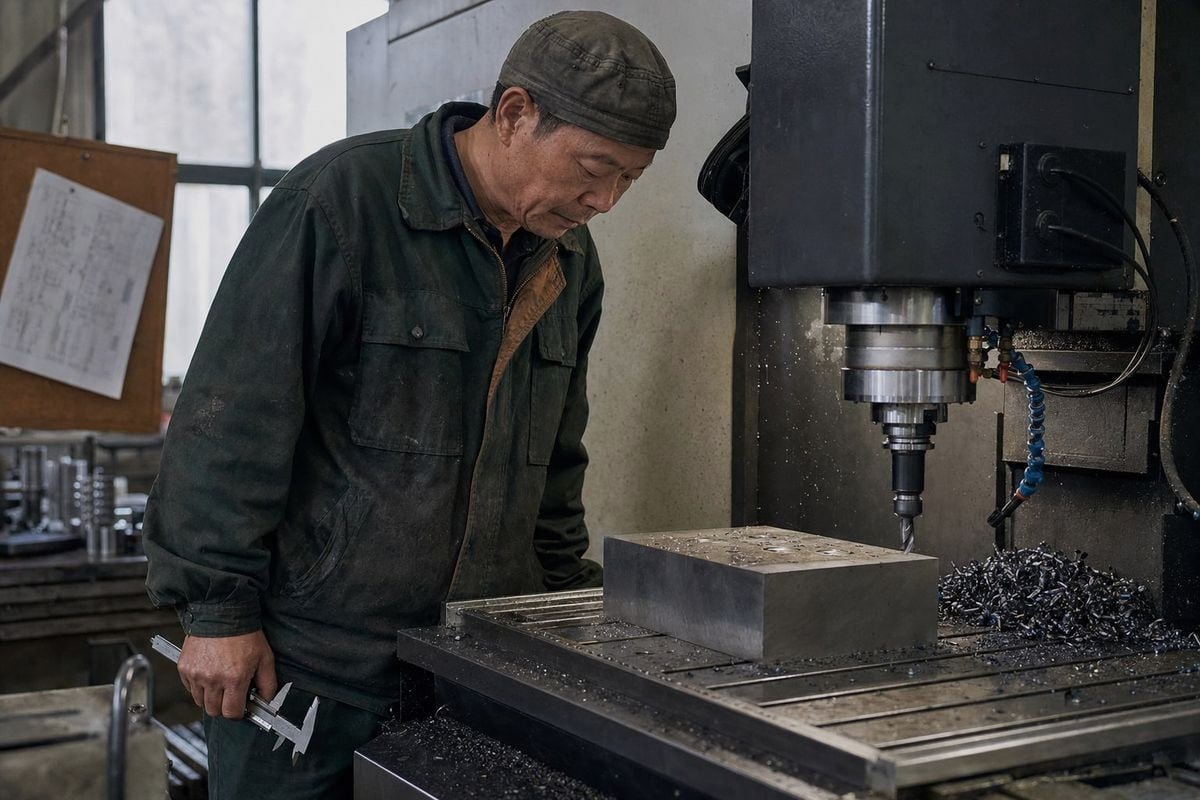
Let me unpack where the money and time actually go, because this is where inexperienced buyers get surprised.
The four cost drivers
Custom tooling cost is not one number. It moves with four variables:
- Design complexity. A simple one-piece TR90-Rahmen 6 is cheap to tool. A frame like our two-tone flexible styles — rigid front, TPEE temples, silicone eyewear tips, embossed patterns — may need multiple molds or inserts.
- Mold material and precision. Higher-grade tooling steel costs more upfront but survives more production cycles and holds tighter tolerances. For children's eyewear safety, precision matters — rough edges are not acceptable.
- Cavity count. A multi-cavity mold produces more frames per cycle. It costs more but lowers unit cost at scale.
- Revisions. Almost every mold needs at least one adjustment round after first samples. Budget for it.
The realistic timeline
| Phase | Typische Dauer | Was passiert |
|---|---|---|
| Design finalization | 1–2 weeks | 3D files, eyewear mold design review, feasibility check |
| Mold fabrication | 30–45 days | Steel cutting, machining, polishing |
| First samples (T1) | 1 week | Injection trial, fit and finish check |
| Adjustments | 1–3 weeks | Corrections, second trial if needed |
| Massenproduktion | 25–35 days | Full run, QC, packaging |
Add these up and you are looking at three to four months from signed drawings to shipped goods. Compare that with existing molds, where we can often deliver custom-colored production in 30–45 days. In the eyewear manufacturing process, time is a cost too. If your retail launch window is fixed, that difference can decide the whole project.
One more thing our engineers stress: pediatric frames demand flexible optical frame materials like TR90 and TPEE, and these materials have specific shrinkage rates and injection molding techniques. A supplier without genuine kids' frame experience may need extra revision rounds, stretching your timeline further.
Can I get a similar exclusive look by customizing colors, logos, or packaging on existing frame styles instead?
The biggest lesson from fifteen years in this industry is this: consumers buy the finished product, not the mold. Some of the most distinctive kids' frames we ship — like our translucent blush-pink acetate-look style with pastel silicone tips — run on shared tooling with completely different branding for different markets.
Yes, in most cases. Private label production on existing molds — with exclusive colorways, temple logos, custom lenses, and retail-ready packaging — delivers 80–90% of the branded look at a fraction of the cost, with no tooling investment and much shorter lead times.
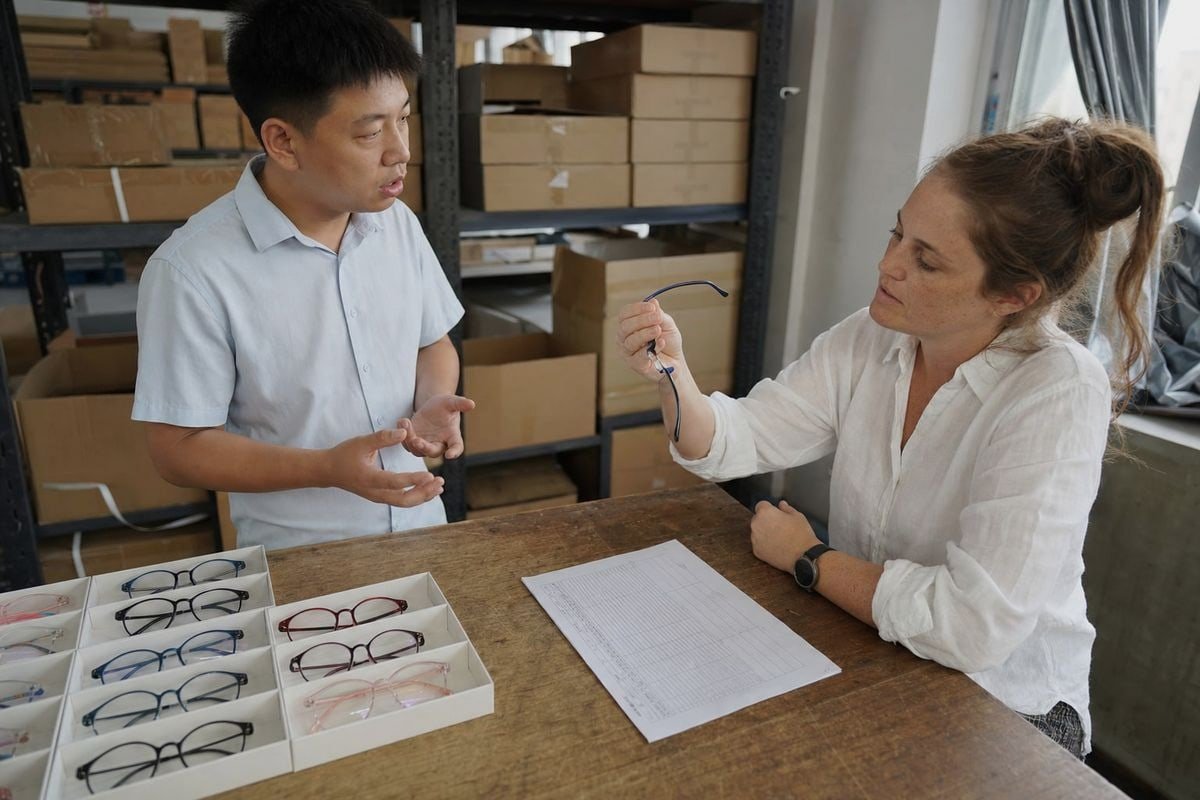
This is the middle path most buyers should seriously consider before committing capital to exclusive tooling. Here is how the two approaches compare in practice:
| Faktor | Exclusive Mold | Existing Mold + Customization |
|---|---|---|
| Upfront tooling cost | $1,000–$10,000 | $0 |
| Lead time to first shipment | 90–120 days | 30–45 days |
| Design uniqueness | Fully exclusive shape | Shared shape, exclusive finish |
| MOQ pressure | High (600–1,000+ per run) | Lower, more flexible |
| Risk if design fails | Sunk tooling cost | Minimal |
| Brand presence | Maximum | Strong, if executed well |
What you can actually customize without a new mold
The customization menu is wider than most buyers expect. On our roughly 800 existing styles, we routinely change:
- Colorways — exclusive color combinations, including two-tone temples and translucent finishes, can be reserved for one buyer in one market.
- Logos — printed, embossed, or laser-engraved on temples; engraved text on inner arms.
- Gläser — UV400, polarized, blue-light, or optical demo lenses.
- Temple tips and details — soft silicone tips in brand colors.
- Verpackung — branded cases, cloths, hang tags, and retail-ready boxes.
A well-chosen exclusive colorway on a proven frame shape often looks more "designed" than a rushed custom mold. And there is a hybrid strategy I recommend often: launch on existing molds, learn which shapes and sizes your market loves, then invest in exclusive tooling for your best seller. That way the mold decision is backed by your own sales data, not guesswork. When sourcing eyewear manufacturers, ask specifically whether they support this staged path — factories with deep style libraries make it easy; trading companies usually cannot.
What risks should I consider before committing to an exclusive mold with an overseas manufacturer?
A procurement manager from Europe once showed me a mold quote from another supplier that never specified who would own the tooling. That single missing clause could have cost her the entire investment. Due diligence before paying is not optional — it is the whole game.
The main risks are demand risk (the design fails and tooling becomes sunk cost), ownership risk (unclear mold ownership terms), capability risk (the factory lacks kids' frame expertise), and compliance risk (frames failing children's product safety standards). Each is manageable with proper contracts and verification.
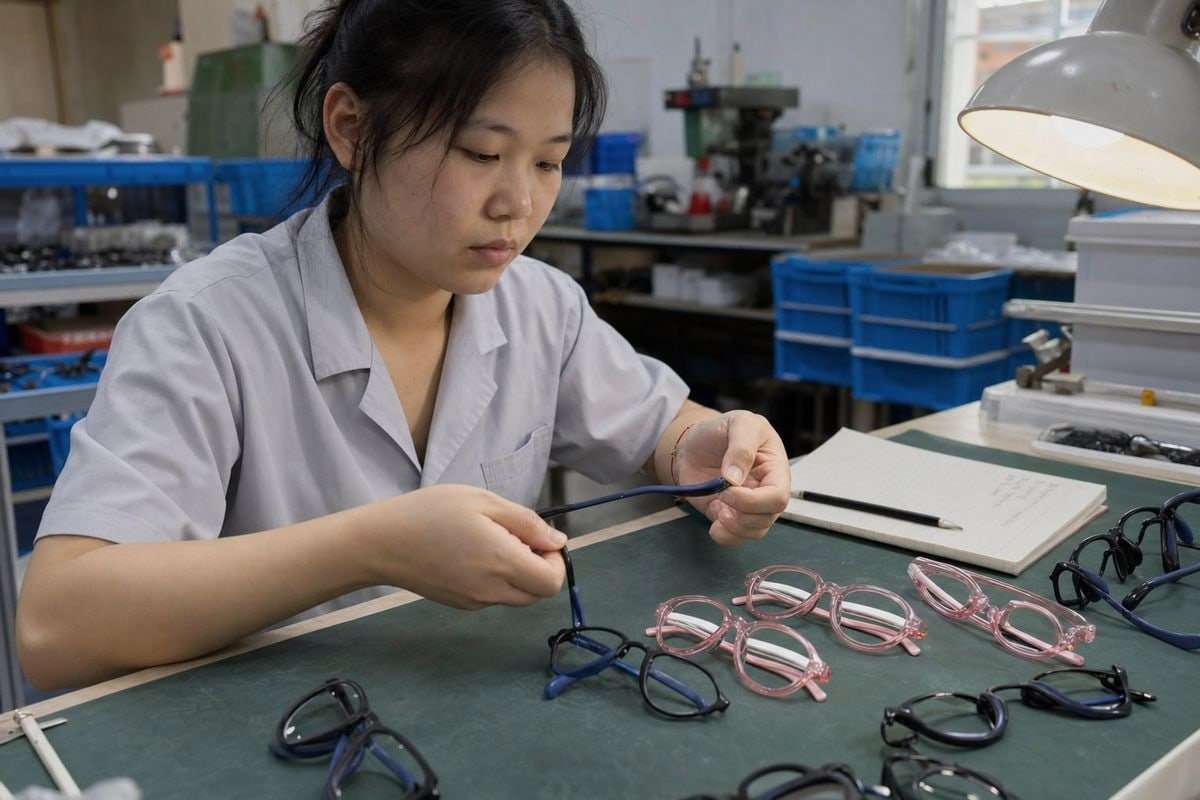
Let me break these down the way I would if you were sitting across the table from me in our showroom.
Demand risk — the biggest one
If the design does not sell, the mold is a sunk cost. You cannot repurpose a frame mold for another shape. This is exactly why many suppliers, ourselves included, push new brands toward ready-made collections first. Market validation before tooling is not caution — it is basic financial discipline.
Ownership and exclusivity risk
Get these terms in writing before paying anything:
- Wer besitzt die Form? If you paid for it, the contract should state it is yours.
- Is it truly exclusive? Confirm the supplier will not run your mold for other customers. Some "custom" offers are only cosmetic changes on shared tooling.
- What happens if you switch factories? Clarify whether the mold can be released to you and under what conditions.
- Mold lifespan and maintenance. Who pays for repairs after a set number of cycles?
Capability and compliance risk
Children's frames are unforgiving. Kids sit on them, bend them, and chew them. A factory used to adult fashion frames may not understand the flexibility, hinge durability, and edge-finishing that pediatric wear demands. Verify the TR90 frame material grades and TPEE specifications, ask about testing for your target market's children's product regulations, and always approve physical samples — never production from renders. Ask for the factory's QC process in writing, request references from buyers in your region, and if possible, audit the workshop. A 5S-managed floor with dedicated kids' frame lines tells you far more than a polished website ever will.
Schlussfolgerung
An exclusive mold rewards proven demand and punishes guesswork. Validate your design on existing molds first, then invest in tooling once your own sales data justifies it.
Fußnoten
1. Explains the process of injection molding, which uses molds. ↩︎
2. Replaced with an authoritative source from the American Association for Pediatric Ophthalmology and Strabismus, directly addressing glasses fitting and lens types for children. ↩︎
3. Replaced with an authoritative Wikipedia entry that defines gross margin and includes discussion of unit margins. ↩︎
4. Replaced with an authoritative Wikipedia entry providing a comprehensive definition of fixed costs. ↩︎
5. Defines and explains the concept of minimum order quantity. ↩︎
6. Explains polyamide, the material from which TR90 frames are made. ↩︎
Weitere Artikel, die Ihnen gefallen könnten
August 2026
Bio-Based vs Regular Cellulose Acetate: What's the Difference for Kids' Frames?

August 2026
How Recyclable Are Kids' Optical Frame Materials, and What Eco-Friendly Alternatives Exist?
August 2026
Bleichen Kinderbrillengestelle im Lager aus oder altern sie, und wie kontrolliert man die Lagerbedingungen?
Auf der Suche nach einem zuverlässigen Partner für Kinderbrillen?
Entdecken Sie über 800 sofort verfügbare Modelle und umfassenden OEM/ODM-Support, der auf Ihre Marke zugeschnitten ist.
Kontakt aufnehmen English
  Español de México
  Deutsch
  Français
  日本語
日本語  العربية
  Português do Brasil