How to Request Child Fitting Training Materials for Kids Optical Frames from Suppliers?
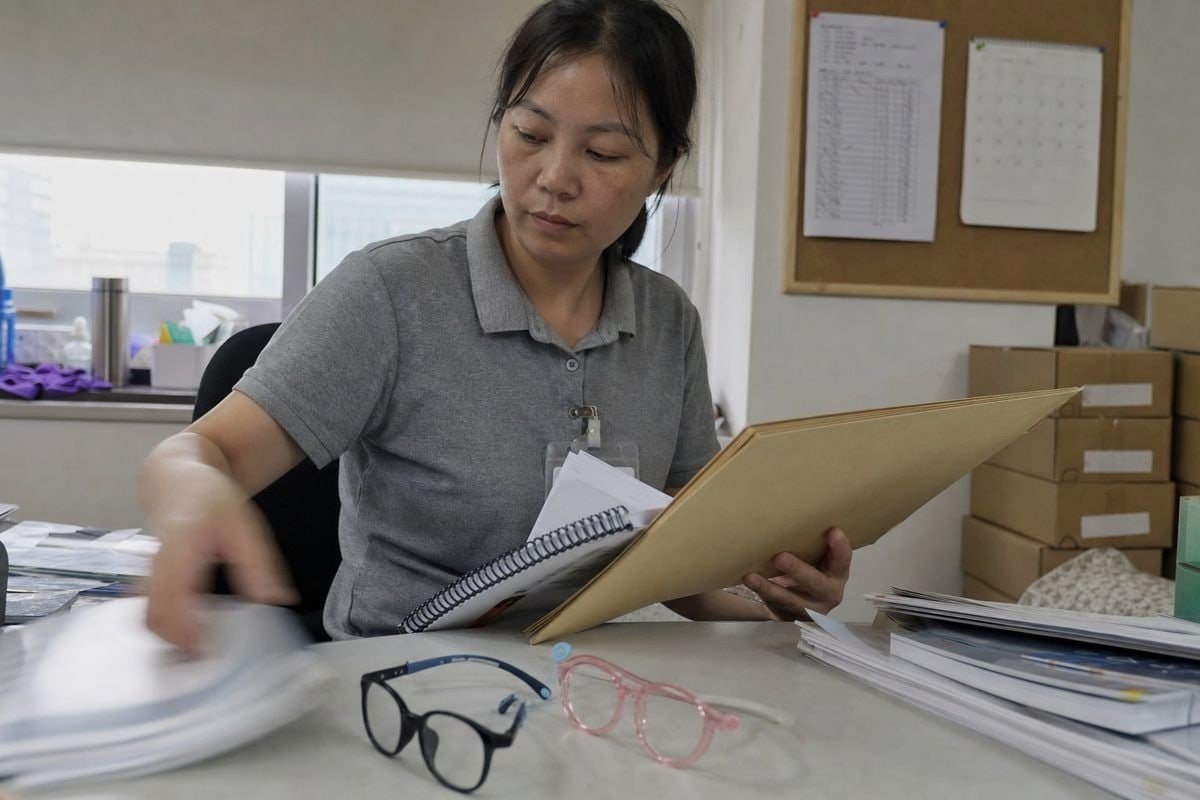
Child fitting training materials exist at most factories, including ours in Taizhou anthropometric design briefs 1. Yet buyers rarely ask for them. Poorly fitted kids frames get returned, and your brand takes the blame.
To request child fitting training materials for kids optical frames, contact your supplier’s sales or education team and ask for pediatric-specific fit guides, age-based size charts, frame adjustment videos, measurement tutorials, and demo frames. Specify the age groups you serve and whether you need digital, print, or trainer-led formats.
That is the short answer. Below, I will walk you through exactly what to ask for, how to phrase the request, and how to judge what you receive.
What Fitting Training Materials Should I Ask My Optical Frame Supplier to Provide?
A buyer from Australia once told me her retail staff had been fitting toddlers using adult sizing logic. Nobody had ever given them a proper pediatric dispensing guide 2. That conversation changed how we package our documentation.
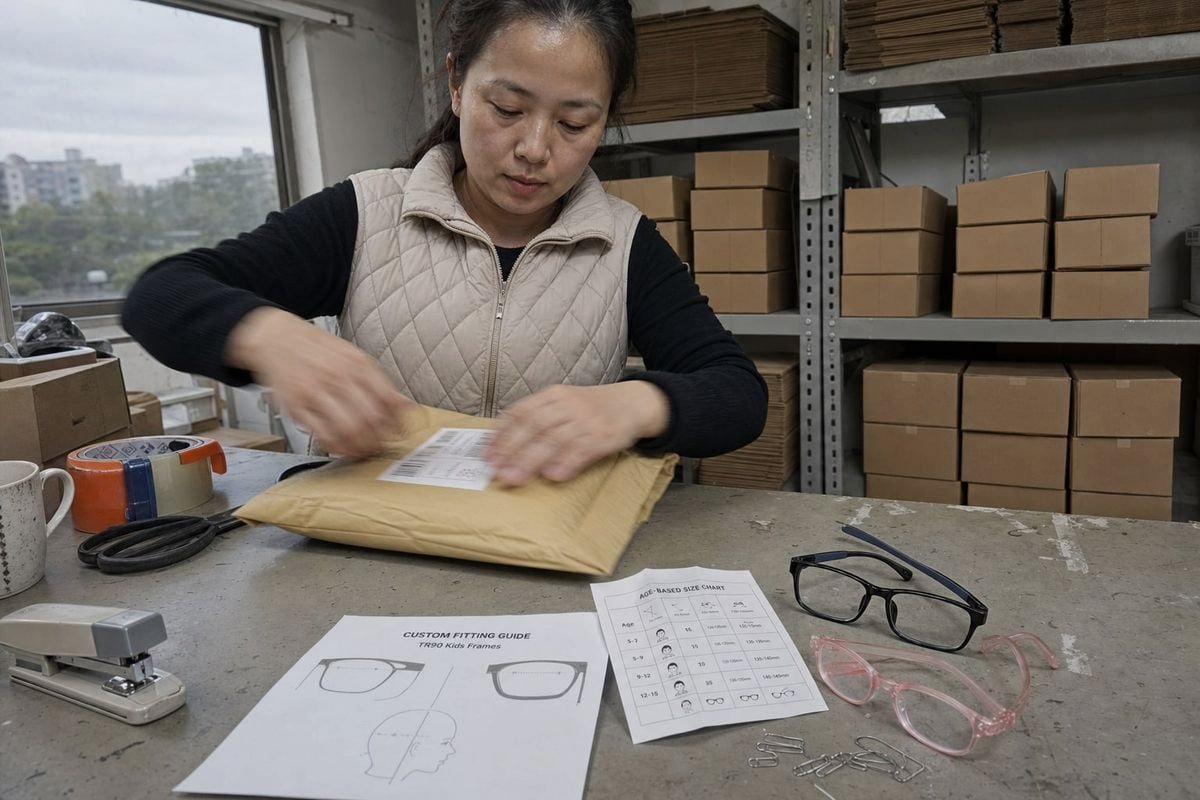
Ask your supplier for a pediatric fitting guide, age-specific size charts covering lens width, bridge width, and temple length, frame adjustment instructions, material data sheets, safety certificates, measurement tutorials for pediatric pupillary distance, demo sample frames, and staff training videos or webinars.
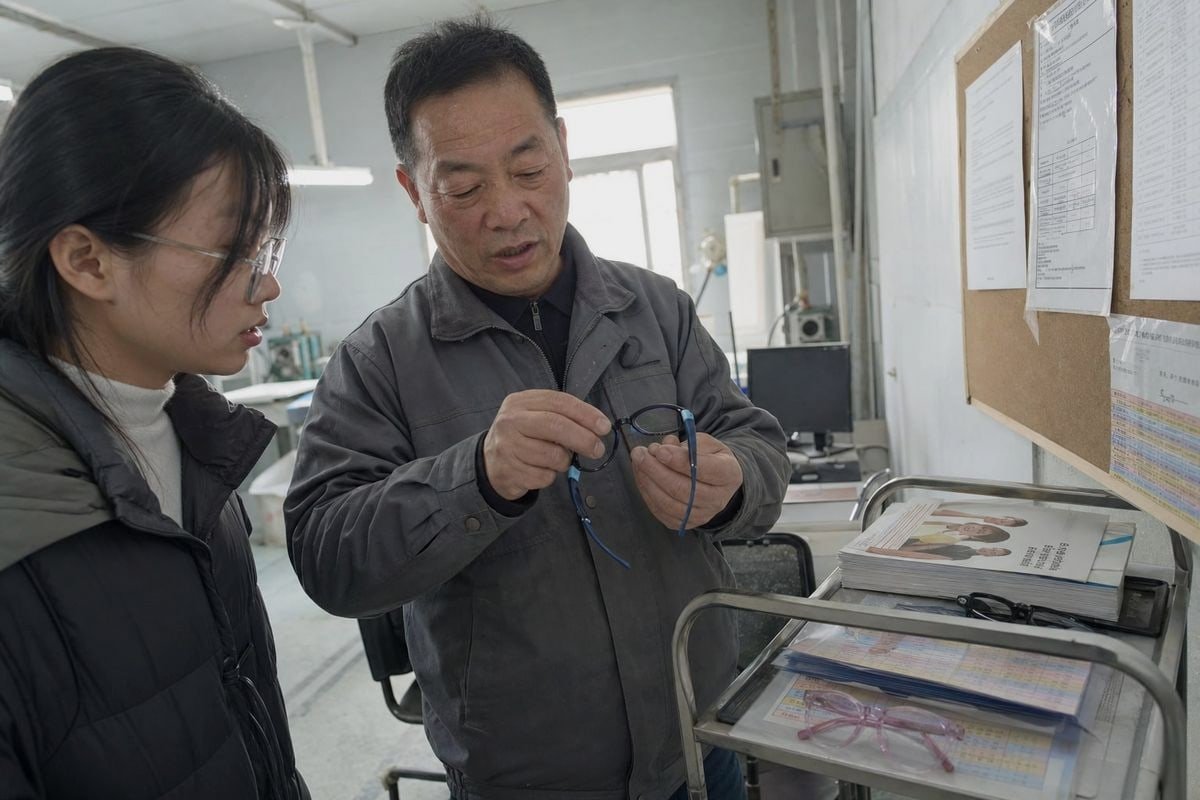
Most suppliers will send you a catalog by default. A catalog is not training. You need to ask for materials that teach your team how to fit, measure, and adjust. In our experience shipping to buyers in 20+ countries, the requests that get the best results are specific and itemized.
The Core Document Pack
Here is what a complete request should cover:
| Material Type | What It Should Include | Warum es wichtig ist |
|---|---|---|
| Pediatric dispensing guide | Bridge fit, temple fit, vertical fit rules for children | Kids are not small adults; fit logic differs |
| Age-based size chart | Lens width, bridge width, temple length by age group | Standardizes retail frame selection |
| Adjustment instructions | Temple shortening, bridge modification, ear hook tuning | Enables in-store corrections |
| Material data sheets | TR90, TPEE properties, hypoallergenic frame materials | Supports staff answers to parent questions |
| Safety documentation | UV400 reports, impact resistance certificates | Teaching tool for explaining safety claims |
| Measurement tutorials | Monocular PD, fitting height, temple length measurement 3 | Prevents the most common dispensing errors |
| Demo frames | Physical samples, RX-able prototypes | Hands-on practice before real customers arrive |
Do Not Forget Product-Specific Fit Sheets
Ask for fit sheets tied to the actual frames you stock. A general guide helps, but a sheet showing the exact bridge geometry, hinge behavior, and strap system of each model is far more useful on the shop floor. At our factory, we prepare these per style because our TPEE temples 4 behave differently from rigid acetate, and staff need to know that before they start bending anything.
Also request video content. A two-minute clip showing a temple adjustment beats ten pages of text for busy retail staff.
How Do I Request Custom Fitting Guides for TR90 Kids Frames from My Manufacturer?
When we develop a new TR90 frame with TPEE temples on our production line, our engineers document the flex points and safe adjustment range. That internal documentation is exactly what a custom fitting guide is built from — buyers just need to trigger the request.
Email your manufacturer's sales contact with your frame model numbers, target age groups, and preferred format, then ask for a custom fitting guide covering TR90 flex properties, safe heating and adjustment limits, bridge fit references, and temple modification steps specific to those models.
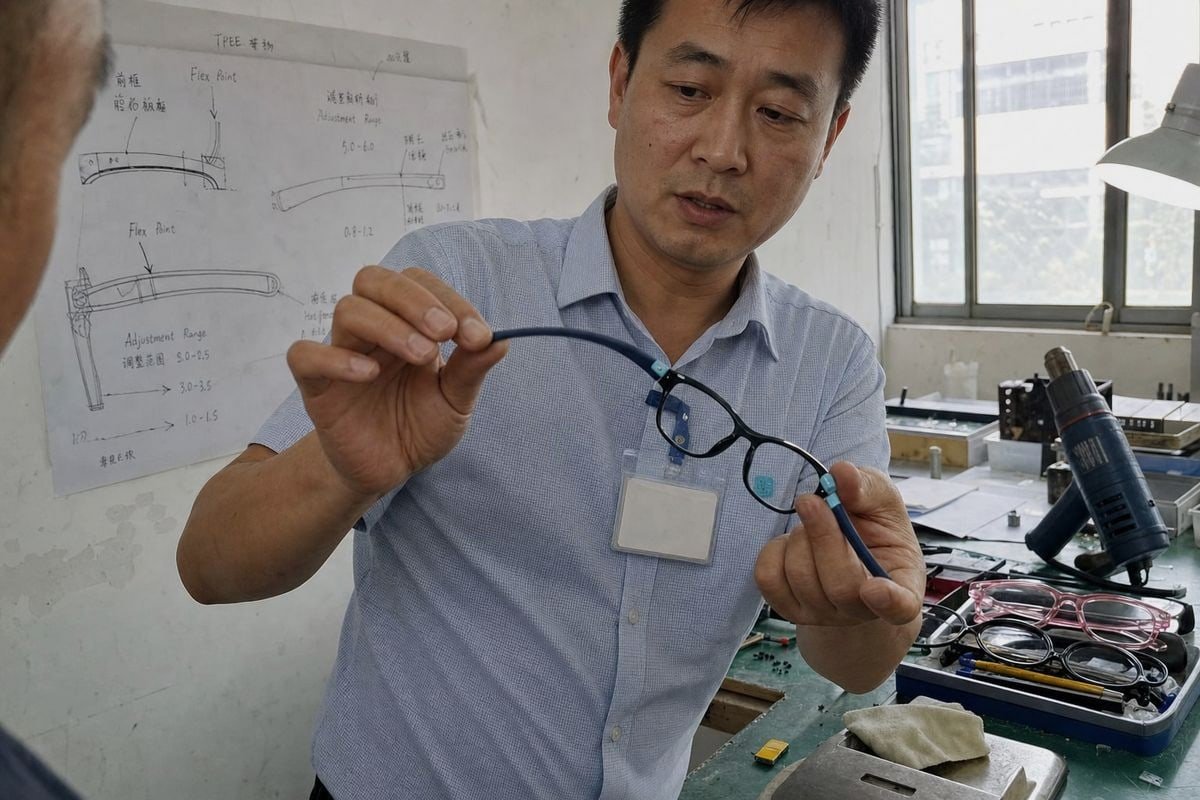
TR90 is a memory polymer 5. It flexes, returns to shape, and tolerates rough handling from active children. But that same flexibility means adjustment techniques differ from acetate or metal 6. A generic guide will not tell your staff how much heat a TR90 bridge tolerates, or that a TPEE temple should never be adjusted the way a metal side is. This is why custom, material-specific guidance matters.
A Step-by-Step Request Process
- Identify the right contact. Ask your account manager whether the factory has a technical or QC team that produces documentation. At our facility, requests routed through sales reach engineering within days.
- List your exact models. Include SKU numbers or style codes. A guide for "TR90 frames" is vague; a guide for the three styles you stock is actionable.
- State the age groups. Infant, toddler, school-age, and teen frames have different anatomical bridge fit requirements. Say which you sell most.
- Specify the format. Digital PDF for onboarding, printed quick-reference cards for the dispensing table, or video for adjustment demos.
- Ask for material data sheets. Detailed TR90 and TPEE data sheets help staff explain the mechanical advantages of memory materials to parents.
- Request anthropometric design briefs. These explain the geometric logic behind the frame — for example, how we accommodate a child's undeveloped nasal bridge with a lower crest and wider frontal angle.
- Set a follow-up date. Note the contact name, request date, and product lines covered.
What a Good Custom Guide Contains
Ask that the guide addresses safe adjustment temperatures, hinge and connector behavior, ear hook repositioning, and what to do when a temple is too long. If the manufacturer offers shorter sides as a factory option, the guide should say so — because modifying temples in-store is always a second-best solution compared to ordering the correct temple length measurement from the start.
One caution: some suppliers prefer to sell product rather than invest in education, and may reserve detailed support for larger accounts. If you hit that wall, treat it as a signal. A partner who documents nothing about pediatric fit probably has not thought deeply about pediatric safety either.
What Should I Look for in a Supplier's Child Frame Fitting Training Support?
Not all training support is equal. I have reviewed materials from other factories that our buyers forwarded to us, and some were simply adult fitting guides with the word "kids" added to the cover. That is worse than nothing, because it teaches wrong habits.
Look for pediatric-specific content that covers children's facial morphology, anatomical bridge fit, monocular pupillary distance protocols, fitting height, and shorter temple options. Verify the material is current, matched to the supplier's actual frame range, and available in the format your team can actually use.
Pediatric fitting is a specialist skill, not just a product choice. Children have flatter nasal bridges, smaller vertical facial proportions, and faces that change rapidly. Good pediatric dispensing guidance reflects this. It warns against the "grow into it" mistake, where parents buy oversized frames that sit wrong today in the hope they fit later. It explains why a narrower bridge with a larger frontal angle keeps a frame stable on a small nose.
An Evaluation Checklist
Use this table when reviewing what a supplier sends you:
| Evaluation Question | Pass Signal | Warnsignal |
|---|---|---|
| Does it explain anatomical bridge fit for children? | Covers crest height, frontal angle, splay | Only shows adult bridge diagrams |
| Are measurement protocols included? | Monocular pediatric pupillary distance, fitting height | Generic binocular PD only |
| Does it address temple issues? | Shorter sides, ear hook adjustment, tip shortening | No temple guidance at all |
| Is it aligned with the current range? | References current SKUs and sizing tables | Outdated models, no size data |
| Does it cover materials? | TR90/TPEE behavior, hypoallergenic frame materials | No material information |
| Is safety documented? | UV400 and impact resistance references | Vague safety claims |
| Does it include soft skills? | Child communication and parent involvement tips | Purely technical content |
Look Beyond the Documents
Strong manufacturer educational resources go past PDFs. Ask whether the supplier offers webinars, account-manager walkthroughs, or a dispensing kit for kids that includes rulers, PD sticks, and sample frames. Some forward-thinking suppliers now offer sensory-inclusive fitting modules 7 for neurodivergent children with tactile sensitivities, and even 3D digital assets for virtual try-on troubleshooting 8. You may not need everything, but the breadth of what a supplier can offer tells you how seriously they take pediatric eyewear.
Also check whether the training is brand-neutral or tied to one frame range. Product-specific content is fine for the frames you stock, but your optical staff training manual should rest on universal pediatric fit principles that apply no matter what you sell next season.
Can My Supplier Help Train My Retail Staff on Fitting Kids Optical Frames Safely?
A distributor in Japan once asked us to prepare an onboarding pack for six new retail staff who had never fitted a child before. We built it from our QC documentation, adjustment videos, and a set of demo frames pulled from our 800-style range. Their return rate on kids frames dropped noticeably within a season.
Yes, many suppliers can support retail staff training through webinars, adjustment demonstration videos, demo frame kits, printed quick-reference charts, and account-manager walkthroughs. Ask your supplier to bundle these into a structured onboarding toolkit tied to the specific frames your stores carry.

Supplier-led training works best when it is structured, not ad hoc. The goal is to turn supplier materials into a repeatable onboarding toolkit your practice manager or retail lead can run without the supplier present.
Building a Staff Training Toolkit from Supplier Materials
A workable structure looks like this:
| Training Stage | Supplier Resource Used | Outcome |
|---|---|---|
| Week 1: Foundations | Pediatric dispensing guide, size charts | Staff understand why kids fit differs from adults |
| Week 2: Measurement | PD and fitting height tutorials, measurement tools | Staff take accurate pediatric measurements |
| Week 3: Hands-on | Demo frames, RX-able prototypes, adjustment videos | Staff practice frame adjustment techniques safely |
| Week 4: Communication | Parent involvement tips, safety certificates | Staff explain material and safety benefits to parents |
| Ongoing | Poster-style quick-reference charts, webinar updates | Knowledge stays current with new collections |
What to Ask For, Specifically
Request physical demo samples for hands-on practice. Staff should learn lens groove depth and pediatric beveling behavior on frames that do not belong to a customer. Ask whether the supplier will run a live webinar for your team, or record a walkthrough of the most common adjustments — bridge tweaks, ear hook repositioning, and temple tip shortening for small faces.
You might object that your in-house experience makes supplier training unnecessary. I understand that view, but I would push back gently. Even experienced dispensers benefit from structured measurement and adjustment protocols, because pediatric fit errors are usually process errors, not skill errors. A written protocol catches the shortcuts that experience quietly introduces.
Finally, keep records. Save the supplier contact name, the date of each request, the product lines covered, and a follow-up date for updated materials when new collections launch. Training support is a relationship, and relationships need maintenance from both sides.
Schlussfolgerung
Untrained staff turn good kids frames into returns and lost trust. The fix is simple: ask your supplier for specific, pediatric-focused training materials — and use them systematically.
Fußnoten
1. Comprehensive resource on human body measurement data used for ergonomic product design. ↩︎
2. CDC vision health resource supports the importance of proper pediatric eyewear dispensing practices. ↩︎
3. Background on standard eyeglass frame measurements including temple length used in fitting. ↩︎
4. Reliable technical overview of thermoplastic elastomers used in flexible eyewear components. ↩︎
5. Authoritative Wikipedia entry explaining shape-memory polymer properties and applications. ↩︎
6. Background on traditional frame materials contrasted with TR90’s adjustment behavior. ↩︎
7. NIH resource detailing sensory sensitivities and behaviors relevant to pediatric fitting. ↩︎
8. Background on the AR technology underlying virtual try-on tools for eyewear fitting. ↩︎
Weitere Artikel, die Ihnen gefallen könnten

August 2026
Bio-Based vs Regular Cellulose Acetate: What's the Difference for Kids' Frames?

August 2026
How Recyclable Are Kids' Optical Frame Materials, and What Eco-Friendly Alternatives Exist?
August 2026
Bleichen Kinderbrillengestelle im Lager aus oder altern sie, und wie kontrolliert man die Lagerbedingungen?
Auf der Suche nach einem zuverlässigen Partner für Kinderbrillen?
Entdecken Sie über 800 sofort verfügbare Modelle und umfassenden OEM/ODM-Support, der auf Ihre Marke zugeschnitten ist.
Kontakt aufnehmen English
  Español de México
  Deutsch
  Français
  日本語
日本語  العربية
  Português do Brasil