How to Prevent Suppliers from Discontinuing Best-Selling Kids Optical Frames?
Nothing frustrates a buyer more than losing best-selling kids optical frames overnight demand forecasting data 1. Our factory in Taizhou has watched brands scramble when a winning frame suddenly vanished from a supplier’s catalog.
To prevent suppliers from discontinuing best-selling kids optical frames, choose factories with deep style catalogs, verify their production capacity, build long-term supplier relationships with continuity commitments, and negotiate minimum stock agreements or backup mold arrangements for your top-performing styles.
Discontinuation is a supply-chain event 2, not just a sales problem. Below, I break down the four decisions that determine whether your bestseller survives for years or disappears without warning.
How can I choose a supplier with enough style variety to avoid sudden discontinuations?
A buyer from Australia once told me she lost her top three frames in one season because her supplier "refreshed" the whole line. That conversation shaped how we manage our own catalog.
Choose a supplier with a large, stable style library — several hundred active styles — because broad catalogs signal that the factory keeps molds alive long-term rather than rotating small collections. Ask for style age data, mold ownership details, and their historical discontinuation rate before committing.
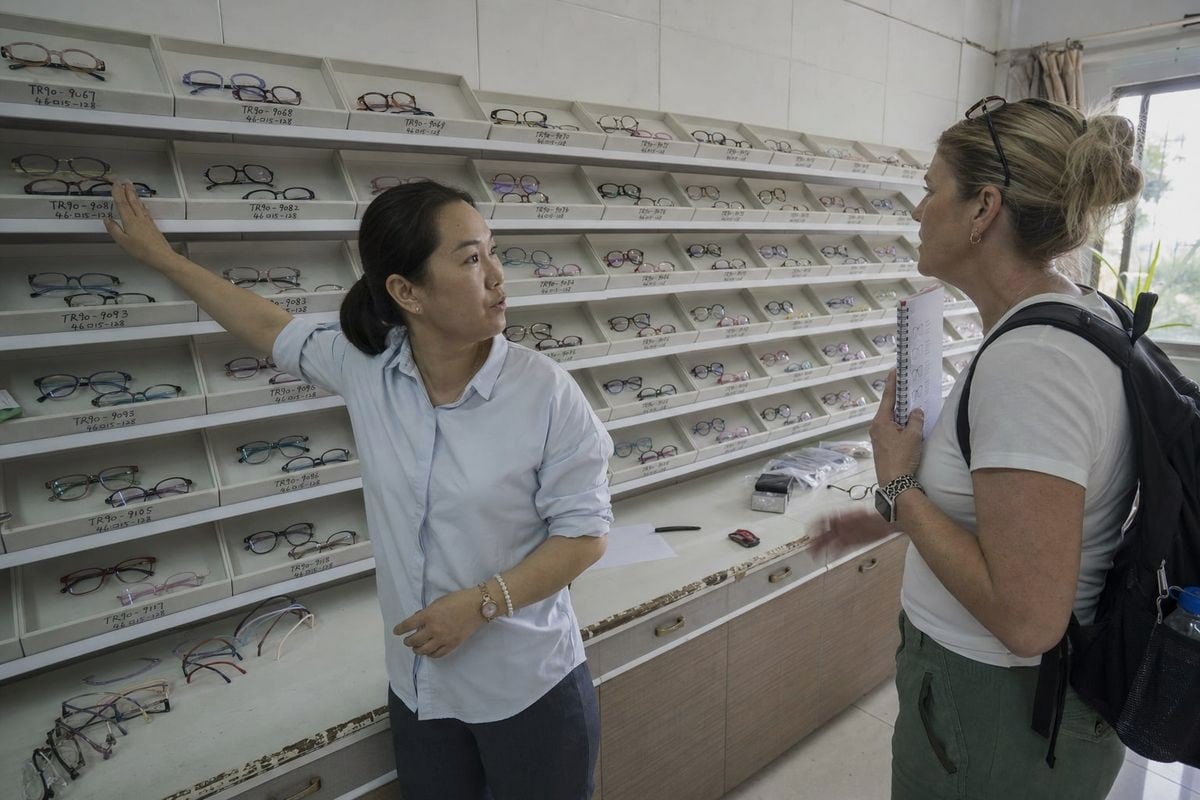
Style variety is not just about choice at launch. It tells you how a supplier thinks about Produktlebenszyklusmanagement 3. A factory running only 50 styles must constantly retire old designs to make room for new ones. A factory maintaining a deep library — we keep roughly 800 existing styles available — can let a proven frame live for years because it does not need that mold's "slot" for something else.
Why catalog depth reduces discontinuation risk
When suppliers discontinue winning frames, it is usually a portfolio decision, not a demand decision. Small-catalog vendors rationalize their assortment aggressively. Deep-catalog factories rarely do, because each mold is a paid-off asset generating steady orders. That is a structural difference, not a marketing claim.
Questions that reveal catalog stability
| Frage zu stellen | What a good answer looks like | Rote Fahne |
|---|---|---|
| How many styles are active right now? | Hundreds, with clear SKU records | Fewer than 100, vague numbers |
| How old are your longest-running styles? | 5+ years still in production | Full refresh every 1–2 years |
| Who owns the molds? | Factory owns them outright | Molds rented or shared with traders |
| Do you notify buyers before retiring a style? | Yes, with a last-buy window | No formal process |
There is a real tension here. Some buyers prefer exclusive distribution with one boutique supplier for brand control. Exclusivity feels safe, but it concentrates your supply chain risk management into one decision-maker. My honest position: exclusivity only works when the supplier gives you a written continuity commitment. Otherwise, a deep-catalog factory partner protects your children's eyewear market position far better, because you can pivot to a near-identical style within the same material family — TR90 fronts, TPEE temples — without requalifying a whole new vendor.
What should I look for in a factory's production capacity to ensure long-term style availability?
Touring our 5S-verwalteten Werkstatt 4, visiting buyers often ask about output numbers first. I redirect them, because raw capacity matters less than capacity structure — molds, workers, and material pipelines.
Look for factory-owned molds, in-house injection and assembly, a stable workforce, documented frame material sourcing for TR90 and TPEE, and enough spare capacity to rerun old styles in small batches. These factors determine whether a style stays producible for years, not just months.
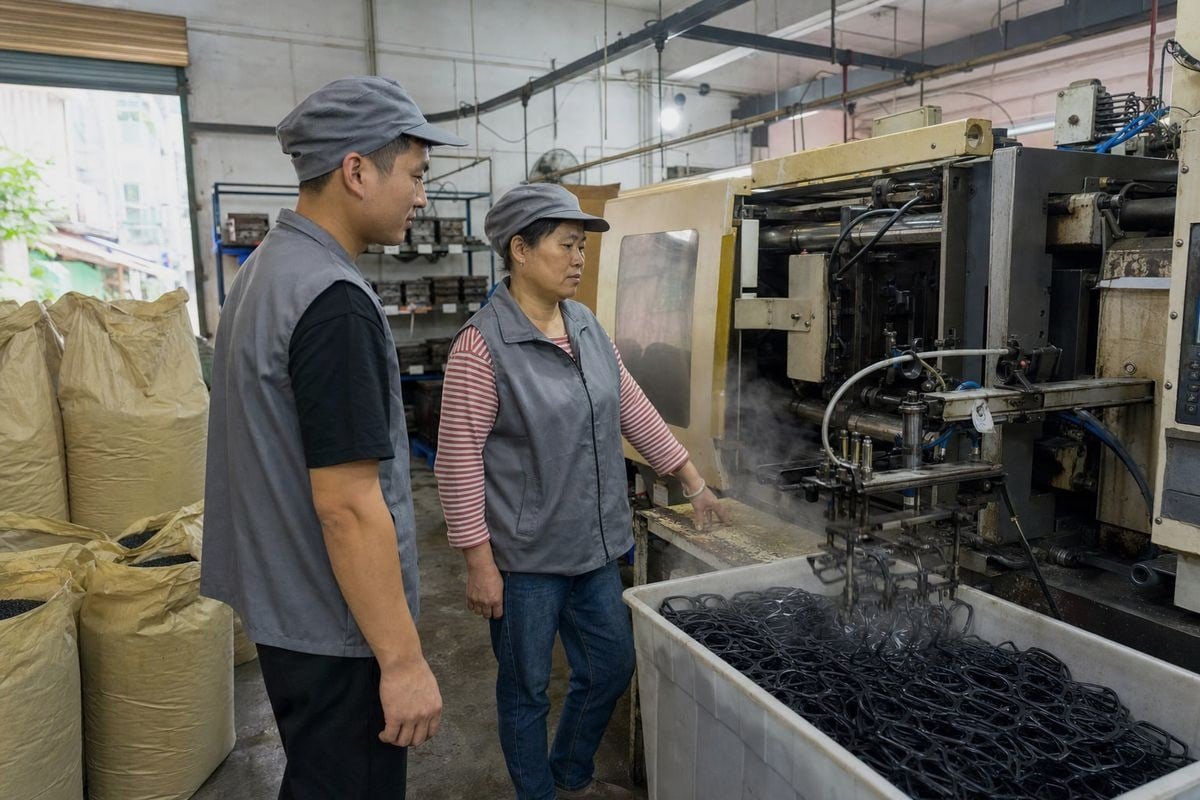
Production capacity for continuity is different from production capacity for volume. A factory can ship a million units a year and still be a discontinuation risk if it outsources injection, borrows molds, or churns through workers. Here is what actually keeps a style alive on the production floor.
Mold condition and storage
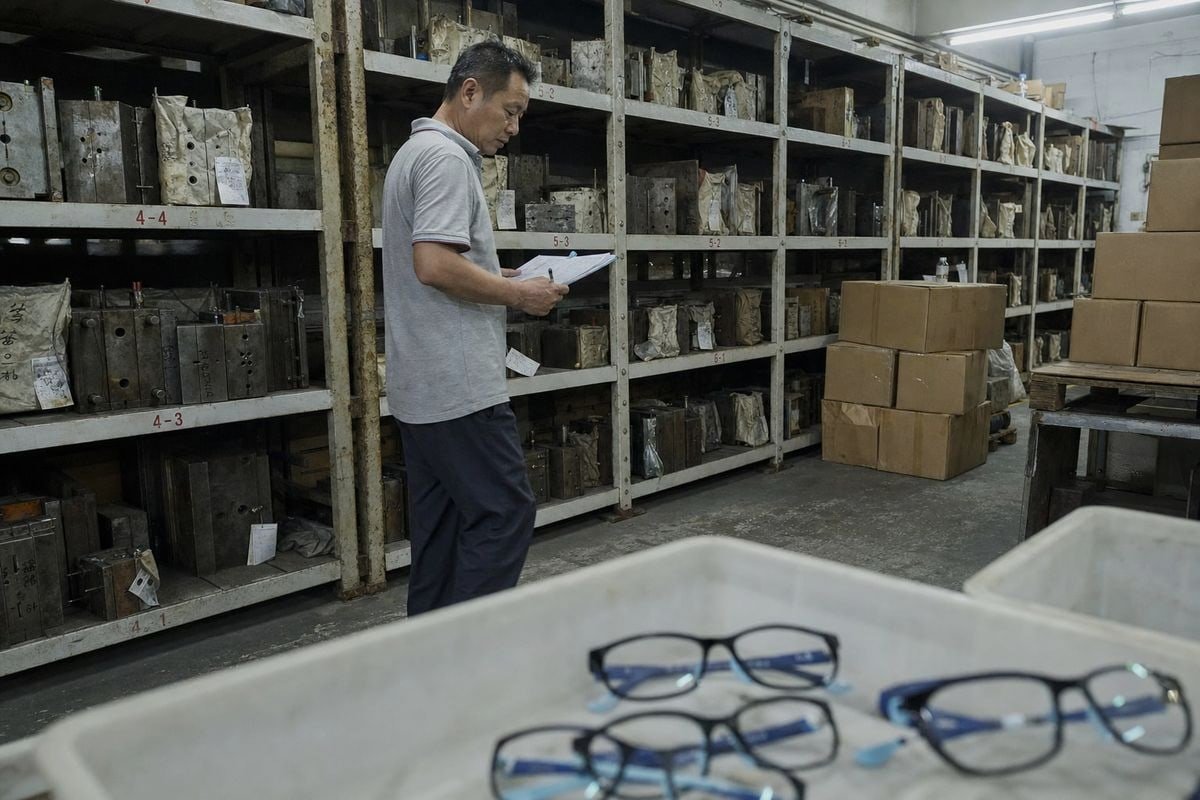
Molds are the physical foundation of style availability. Ask whether the factory stores, maintains, and periodically services its molds. At our facility, a well-maintained TR90 injection mold can keep producing consistent frames for many years. A neglected mold degrades, and "we can't run that style anymore" often really means "the mold wore out and nobody budgeted a repair."
Material pipeline stability
Pediatric frames raise the bar. Safety, flexibility, and durability requirements mean you cannot swap resins casually. Verify that the supplier has reliable, environmentally friendly frame material sourcing for TR90 and TPEE, with more than one resin supplier. Material shortages are a common hidden trigger for discontinuations.
Capacity checklist
| Faktor | Why it protects your style | How to verify |
|---|---|---|
| In-house injection molding | No dependency on subcontractors who may drop the job | Factory tour or video audit |
| Workforce stability | Skilled assembly of flexible temples needs experienced hands | Ask headcount and average tenure — ours is around 120 workers with 15 years of eyewear experience behind the operation |
| Small-batch rerun ability | Old styles stay economical even at modest reorder volumes | Ask their minimum rerun quantity |
| Dual resin sources | Material shortage will not kill the style | Request material supplier documentation |
| QC continuity | Consistent hinge strength and flex across production years | Review inspection records and 5S practices |
One more point for your eyewear procurement strategies: prioritize factories over traders. A trader's listing can disappear while the factory behind it keeps producing. Buying at factory level gives you direct visibility into whether a style is genuinely gone or merely delisted from one channel.
How do I build a supplier relationship that keeps my best-selling frames in stock for years?
Our longest-standing accounts — some running the same frame shapes for many seasons across 20+ countries — share one habit: they treat us as a planning partner, not a purchase order address.
Build the relationship through consistent reorder forecasts, quarterly reviews of your top styles, early sharing of demand forecasting data, and clear vendor agreements covering advance discontinuation notice. Suppliers protect styles for buyers who make future volume visible and communication two-way.
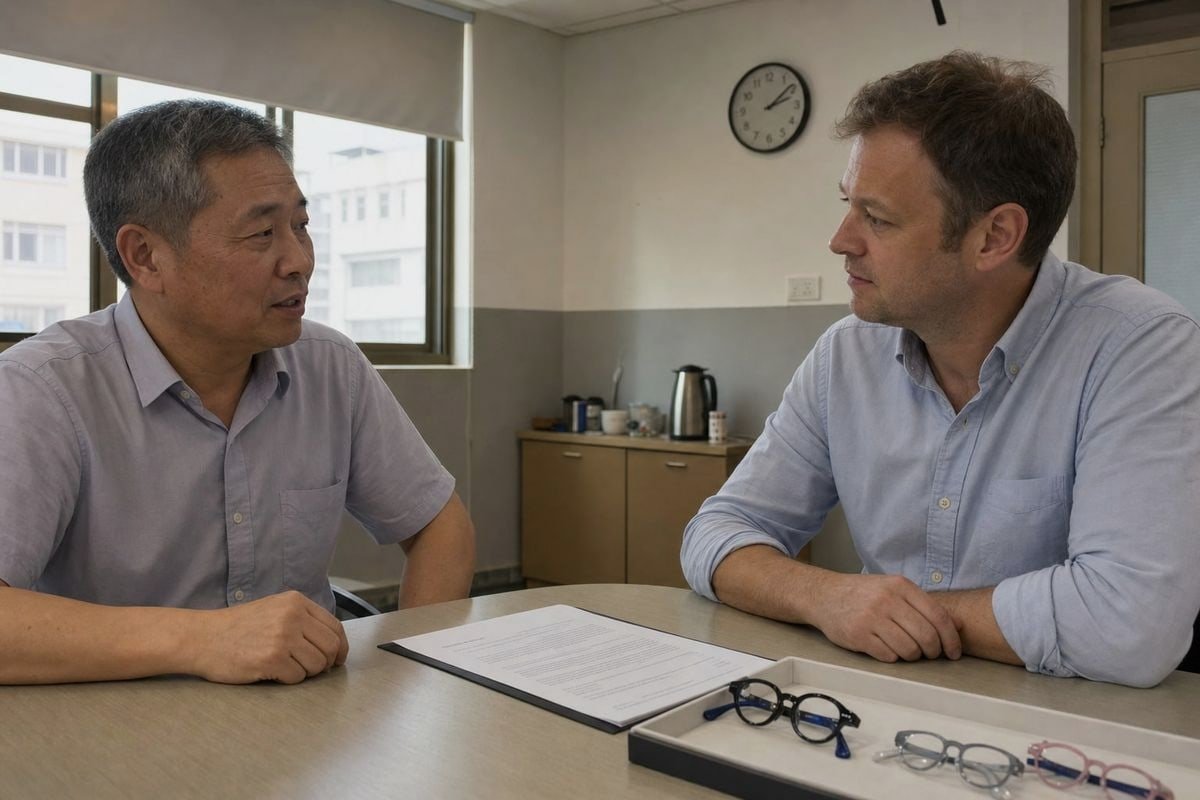
Supplier relationship management sounds abstract, so let me make it concrete. Factories decide which molds to maintain and which styles to protect based on predictability. A buyer who orders erratically, negotiates only on price, and never shares plans gives us no reason to prioritize their styles. A buyer who shares a rolling forecast changes the math entirely — we schedule material purchases, reserve mold time, and flag risks to them first.
A practical relationship-building process
- Share a rolling forecast. Even a rough 6-month estimate helps your supplier plan resin buying and production slots for your frames.
- Hold quarterly top-seller reviews. Walk through your best-selling kids optical frames together. Ask directly: is anything on this list at risk in the next 12 months?
- Negotiate notice clauses. Put 90–180 days of advance discontinuation notice into your vendor agreements, plus the right to a last-time buy.
- Document everything. Keep full specs, fit notes, colorways, and photos for every top style. If you ever need a substitute, this file cuts qualification time dramatically.
- Be a good customer. Pay on time, communicate clearly, and give feedback on quality. Factories quietly rank their buyers, and top-ranked buyers get early warnings.
There is a stockpiling objection worth addressing. Some buyers ask whether they should just bulk-buy a year of inventory instead of investing in the relationship. Extra stock helps for proven winners, but it ties up cash and creates dead inventory if children's sizing trends shift. Good optical inventory management pairs a modest buffer with a supplier who warns you early — that combination beats a warehouse full of frames you may never sell.
Should I request minimum stock commitments or backup molds to protect my top-selling styles?
Weighing this trade-off comes up in almost every negotiation we handle for high-volume accounts: pay a little more for guaranteed continuity, or run lean and accept the risk.
Yes — for genuine top sellers, request written minimum stock commitments, last-time-buy rights, and, at high volumes, a dedicated or backup mold. These arrangements cost little relative to the revenue a discontinued bestseller destroys, and reputable factories will negotiate them.
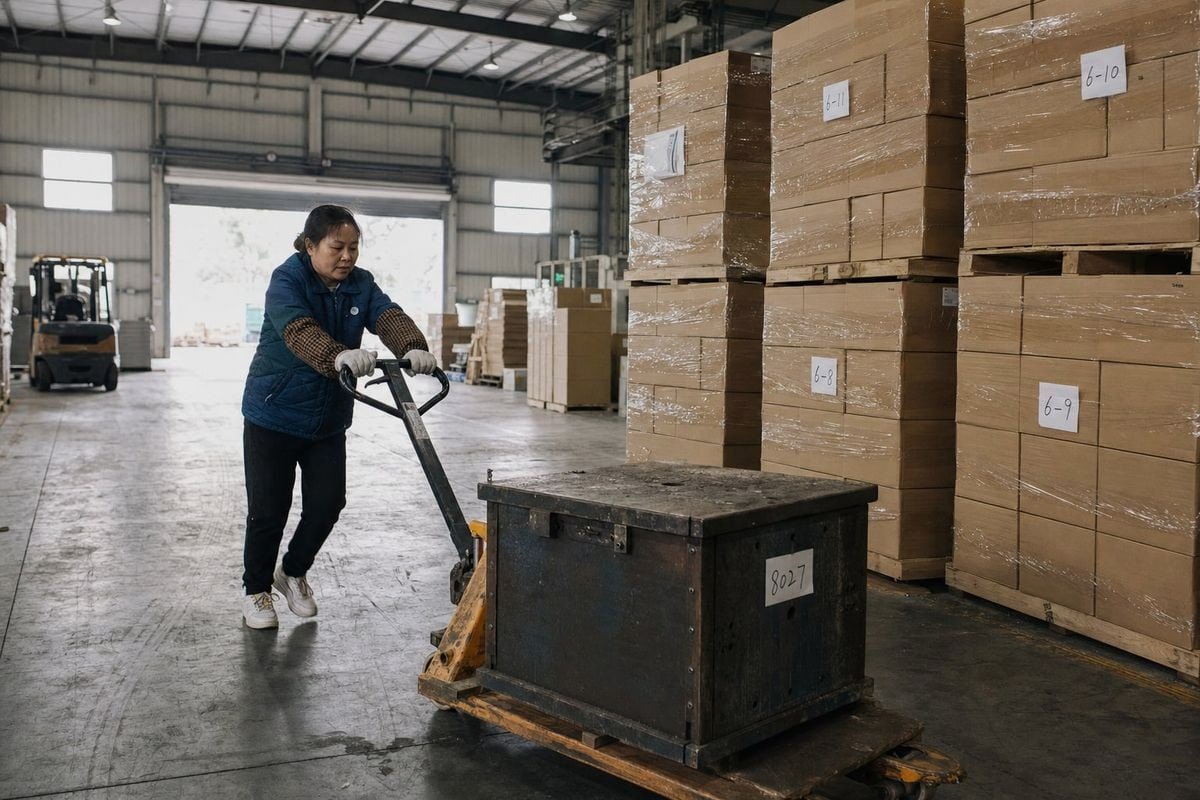
Not every frame deserves this protection. Apply it to the styles that would genuinely hurt if they disappeared — often just three to five SKUs driving a disproportionate share of revenue. Concentration risk on top products is exactly where formal product obsolescence planning pays off.
Comparing your protection options
| Schutzinstrument | Sie handhaben | Typical cost | Was es garantiert |
|---|---|---|---|
| Minimum stock commitment | Steady sellers with predictable reorders | Small price premium or volume commitment | Supplier holds finished goods or components for you |
| Safety-stock buffer on your side | High-revenue styles during transitions | Your own cash, roughly 1–2 weeks of sales as a floor | Time to react if supply pauses |
| Last-time-buy clause | Any style at risk of retirement | Negotiation effort only | Right to a final production run before discontinuation |
| Dedicated or backup mold | Very high-volume hero styles | Mold investment, often modest for TR90 tooling | The style physically cannot be discontinued out from under you |
| Digital spec file | Every top seller | Documentation time | Rapid replication by an approved alternative line if needed |
How we structure these deals in practice
When a brand's style reaches consistent volume with us, we can discuss dedicated tooling or reserved production. Because buyers start from our existing 800-style library, many launch without any mold investment at all, then invest in a custom or backup mold only after the market proves the style. That sequencing keeps their risk low at every stage.
One caution from experience: a backup source is only useful if it is qualified before the crisis. A lookalike frame that matches dimensions but fails on hinge strength, temple flex, or comfort will not hold your reorder rate. For pediatric eyewear, close enough is not enough — parents notice fit immediately. Sample, test, and approve substitutes for durability and safety compliance while your primary supply is still healthy. That is the difference between a controlled transition and a lost bestseller.
Schlussfolgerung
Discontinued bestsellers drain revenue and parent trust fast. Prevent it with deep-catalog factory partners, verified capacity, forecast-driven relationships, and contractual protections — turning discontinuation risk into a managed, survivable event.
Fußnoten
1. Explains the process and importance of demand forecasting in business operations. ↩︎
2. Defines supply chain event management within a business context. ↩︎
3. Wikipedia offers a comprehensive and authoritative definition of product lifecycle management (PLM). ↩︎
4. Provides a foundational understanding of the 5S methodology in lean manufacturing. ↩︎
Weitere Artikel, die Ihnen gefallen könnten
August 2026
Bio-Based vs Regular Cellulose Acetate: What's the Difference for Kids' Frames?
August 2026
How Recyclable Are Kids' Optical Frame Materials, and What Eco-Friendly Alternatives Exist?
August 2026
Bleichen Kinderbrillengestelle im Lager aus oder altern sie, und wie kontrolliert man die Lagerbedingungen?
Auf der Suche nach einem zuverlässigen Partner für Kinderbrillen?
Entdecken Sie über 800 sofort verfügbare Modelle und umfassenden OEM/ODM-Support, der auf Ihre Marke zugeschnitten ist.
Kontakt aufnehmen English
  Español de México
  Deutsch
  Français
  日本語
日本語  العربية
  Português do Brasil