How to Prevent Parallel Imports of Kids Optical Frames with Exclusive Style Codes?
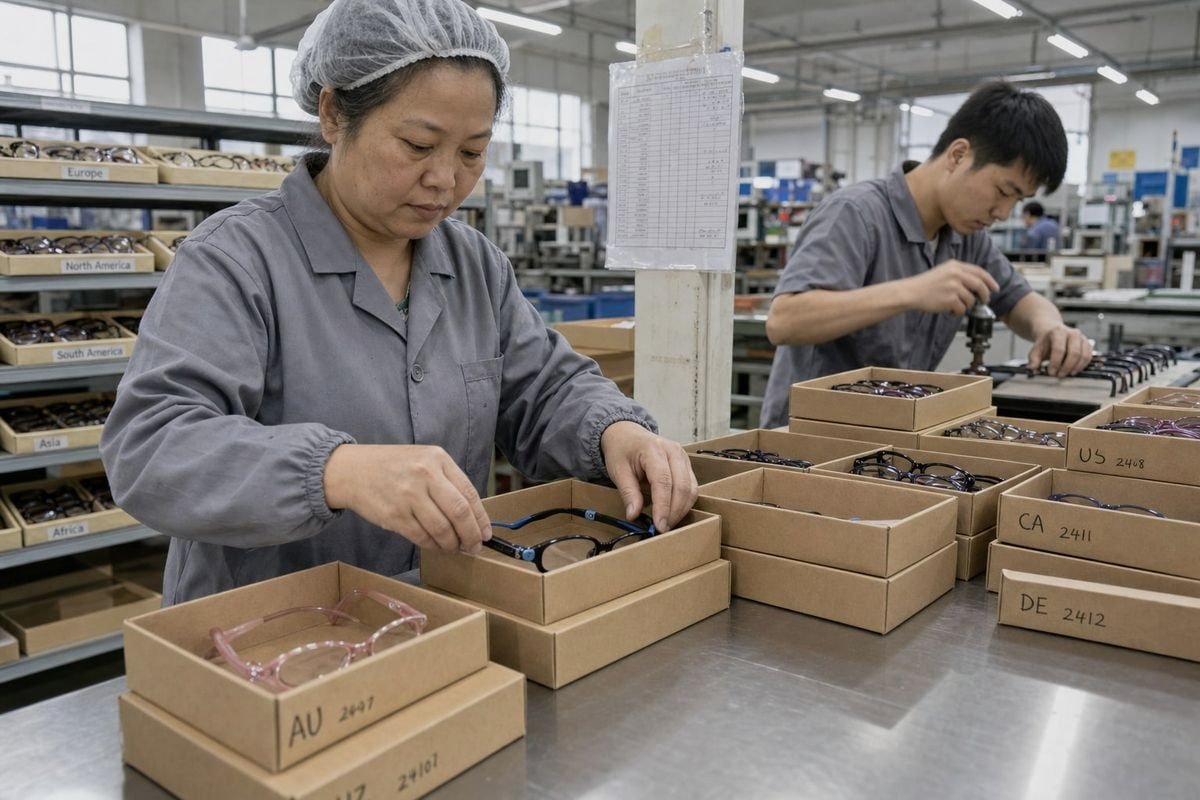
Parallel imports 1 of kids optical frames can quietly destroy a brand’s pricing. On our production line in Taizhou, we’ve watched buyers face exactly this problem — genuine frames, wrong channel, undercut margins.
To prevent parallel imports of kids optical frames, pair exclusive style codes with layered controls: exclusive-supply agreements with your factory, territorial distribution contracts, region-specific colors and packaging, unit-level traceability, trademark registration, and customs recordation. Style codes alone identify diversion; contracts and enforcement actually stop it.
Style codes are a tool, not a shield. Below, I’ll walk through how to combine them with contracts, product differentiation, and smart negotiation so gray-market sellers cannot ride on your investment.
Last year, a European buyer showed me a marketplace listing selling "his" frame at 30% below his retail price exclusive-supply agreements 2. The frame was genuine. The channel was not. That conversation changed how we structure style exclusivity.
Exclusive style codes stop unauthorized resellers only when each code is contractually locked to one buyer, one territory, and one channel. Assign codes per market, record every production batch against them, and use the code trail as evidence to enforce distribution agreements and remove gray-market listings.
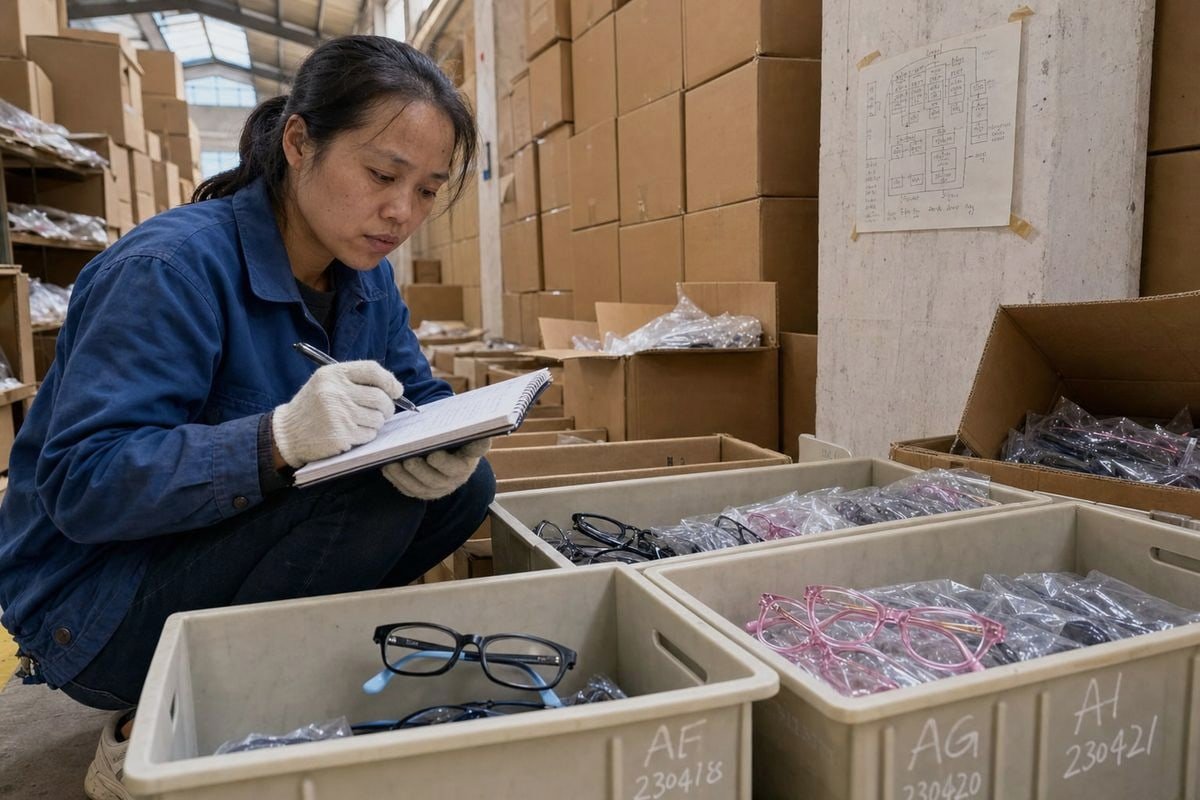
Let me be direct: a style code printed on a temple arm does not scare a gray-market trader 3. What scares them is what the code makes possible — proof. Parallel imports are genuine goods that leak out of one market and re-enter another without permission. The problem is not counterfeiting. It is unauthorized channel movement. So your defense must focus on visibility and enforcement, not just labeling.
What a style code can and cannot do
A code creates operational visibility. It tells you which SKU, colorway, size, and season belongs to which authorized market. It cannot, by itself, stop a distributor from reselling genuine stock across a border. That takes contracts and trademark enforcement behind the code.
| Schicht | What it does | Style code's role |
|---|---|---|
| Contract law | Bans out-of-territory sales | Code defines what "your" product is |
| Product design | Makes regions distinguishable | Code maps to region-specific specs |
| Traceability | Traces leaked units to source | Code plus batch ID pinpoints the leaker |
| Customs | Blocks materially different imports | Code documents the differences |
| Channel management | Keeps authorized sellers competitive | Code anchors your authorized-seller list |
Making the code enforceable
In our experience supplying brands in 20+ countries, the buyers who succeed do three things. First, they get written exclusivity on the style code from us, the factory — so we never sell that exact configuration to anyone else. Second, they mirror that exclusivity in their own distribution agreements downstream. Third, they log production batches against codes, so when a diverted frame surfaces, a test buy plus the batch record identifies exactly which partner leaked it. That evidence turns a vague complaint into a contract breach claim 4 with teeth. This is where grey market prevention shifts from wishful thinking to real anti-diversion tactics.
What should I ask my manufacturer to guarantee style exclusivity in my region?
When new buyers visit our 5S-managed workshop, the exclusivity question usually comes up before lunch. It should. The wrong answers here are why so many brands find "their" frame on a competitor's shelf.
Ask your manufacturer for a written exclusive-supply clause tied to specific style codes and territories, mold or tooling ownership terms, an NNN agreement, controls on overrun and defective stock, and a commitment not to sell the same colorway-plus-branding configuration to any other buyer in your region.

Factories vary enormously in how seriously they treat exclusivity. At our factory, we distinguish clearly between open-catalog styles — part of our roughly 800 existing designs any buyer can order — and locked configurations that belong to one customer. You need your supplier to make that same distinction in writing. Verbal promises evaporate when a bigger order arrives from your territory.
The exclusivity checklist to put in your supply contract
- Style-code lock. Name the exact style codes, colorways, and sizes covered. Vague phrases like "similar designs" are unenforceable.
- Gebietsdefinition. Specify the countries where the factory will not supply that configuration to anyone else.
- NNN agreement. A Non-Disclosure, Non-Use, Non-Circumvention agreement enforceable in China protects your custom specs and stops the factory from approaching your customers directly.
- Mold and tooling ownership. If you paid for a mold, the contract must say you own it and it cannot run for other buyers.
- Overrun and reject handling. Excess production and QC rejects must be destroyed or de-branded, never sold. Leaked overruns are a classic gray-market source.
- Design-file access limits. Restrict who inside the factory can access your artwork, packaging dies, and lens specs.
- Cooperation clause. The factory agrees to share batch records if you investigate diverted goods.
Also register your geistigen Eigentumsrechte 5 where you sell and where you manufacture. Design patents and trademark registration 6 in both jurisdictions give your contract clauses something solid to stand on. A reliable OEM partner will welcome these terms — hesitation is itself useful due-diligence data.
Can custom colors and packaging help me identify and trace parallel imports back to their source?
Here's a trade-off we discuss with almost every OEM client: identical global stock is cheaper to run, but regionally differentiated stock is far easier to police. For most children's eyewear brands, differentiation wins.
Yes. Region-specific colorways, packaging inserts, warranty cards, and discreet inner-temple codes make parallel imports visually identifiable, provide traceable evidence pointing to the leaking distributor, and — in markets like the US — can establish the material differences needed for customs enforcement against unauthorized imports.
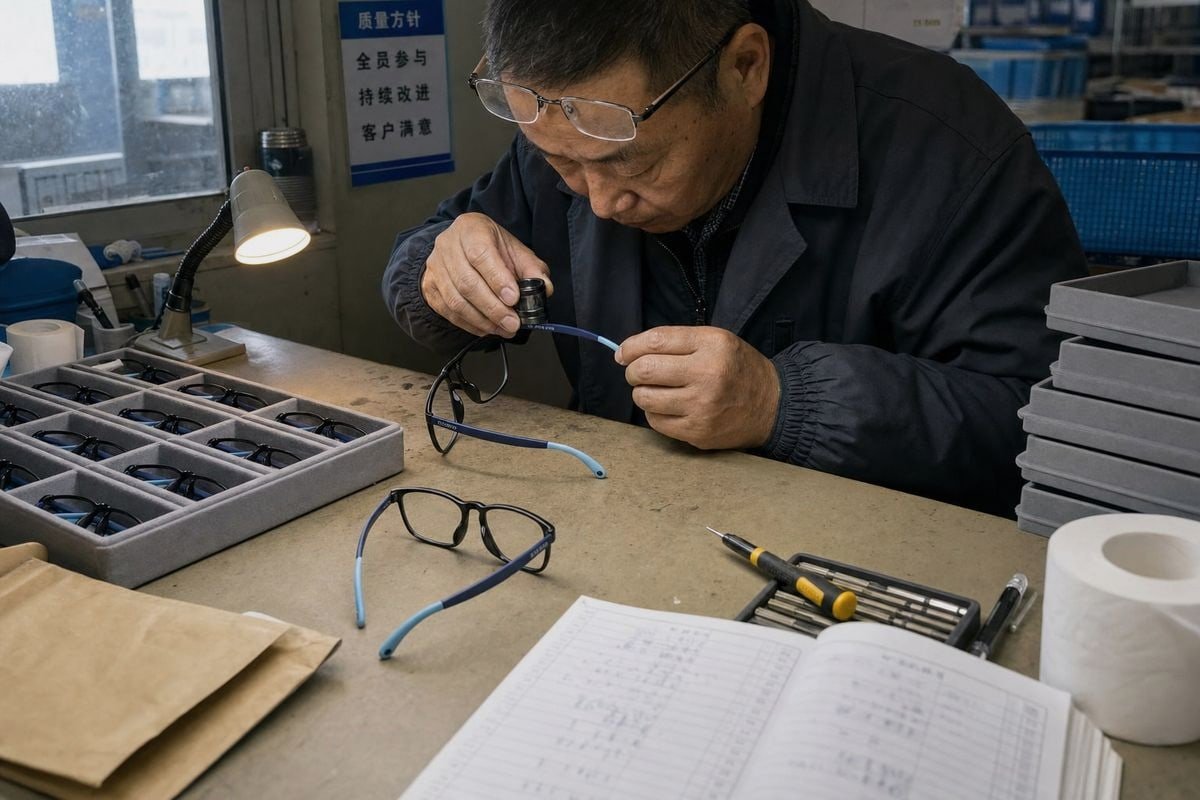
Product differentiation turns your frames themselves into an enforcement tool. Take the two styles we often use as examples: a glossy black TR90 frame with navy-and-black TPEE temples and cable ear hooks, and a translucent blush-pink acetate-look frame with pastel silicone tips. Both carry engraved inner-temple text. That engraving space is valuable real estate. We can laser a region code, a batch identifier, or a distributor-specific mark there — invisible to a child, obvious to your compliance team.
Practical differentiation options by cost and traceability power
| Methode | Cost impact | Traceability power | Sie handhaben |
|---|---|---|---|
| Region-exclusive colorway | Moderate (MOQ per color) | High — instantly visible | Flagship styles |
| Inner-temple region/batch code | Sehr niedrig | High — survives repackaging | All styles |
| Region-coded packaging and inserts | Niedrig | Medium — can be swapped | Verkaufsfertige Programme |
| Market-specific warranty card | Sehr niedrig | Medium — supports customs claims | US/EU markets |
| QR-based unit authentication | Low–moderate | Very high — unit-level | Premium lines |
Why this matters for customs and trademark enforcement
In the United States, trademark owners can block gray goods through customs when unauthorized imports are physically and materially different from the authorized domestic version — but that protection must be applied for, and the differences must be real and documented. Regional warranty terms, localized labeling, and market-specific packaging create exactly those differences. Eyewear is already a customs-sensitive category, so origin marking and packaging consistency are not cosmetic details. They are part of enforceability. Keep original markings and identifying codes intact through your whole supply chain, and instruct authorized distributors never to remove them — retailer compliance on this point protects everyone. Combined with online monitoring and occasional test buys, this gives you genuine supply chain visibility: when a diverted frame appears, the color, code, and insert tell you which market it escaped from and often which partner let it go.
How do I negotiate exclusive style rights with an OEM/ODM factory without a huge minimum order?
A procurement manager from Australia once told me she assumed exclusivity meant a five-figure unit commitment. It doesn't have to. After 15 years of eyewear manufacturing, we've built several lower-risk paths to the same outcome.
Negotiate tiered exclusivity: start with an exclusive custom colorway or branding configuration on an existing catalog style at a modest MOQ, commit to volume growth milestones rather than one huge order, offer to fund small tooling changes, and secure territory-limited exclusivity instead of expensive global rights.
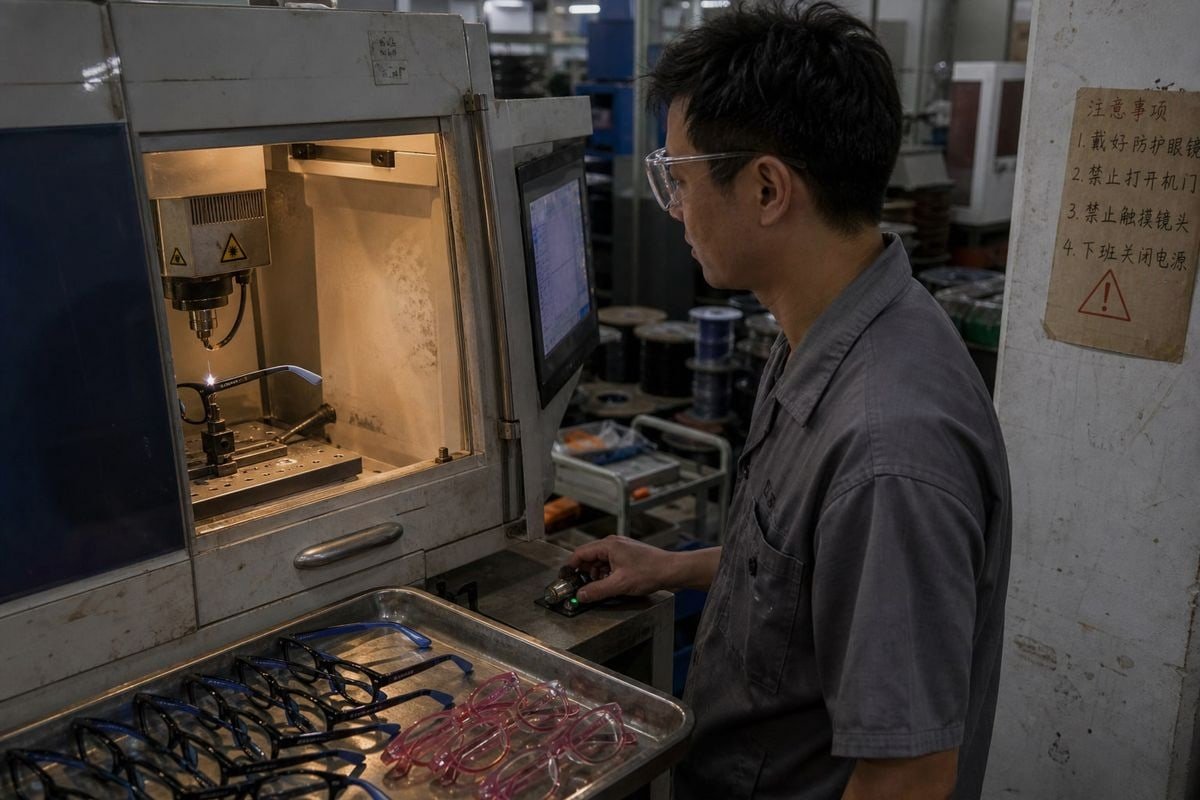
Full custom molds are expensive, and factories protect their tooling economics. But exclusivity is not all-or-nothing. The smartest buyers we work with treat it as a ladder they climb as their children's eyewear market position grows.
The exclusivity ladder
| Level | Was Sie bekommen | Typical commitment | Risikostufe |
|---|---|---|---|
| 1. Exclusive colorway | Unique color/pattern on a catalog frame | Modest MOQ per color run | Niedrig |
| 2. Exclusive configuration | Your color + logo + packaging locked to you | Colorway MOQ + branding setup | Low–medium |
| 3. Territory-exclusive style | Full style reserved for your region | Annual volume milestone | Mittel |
| 4. Custom mold ownership | Fully proprietary design, mold owned by you | Tooling investment + MOQ | Higher |
How to make a small order attractive to the factory
Put yourself in the factory's position. Reserving a style means turning away other buyers, so offer value in exchange. Realistic levers include a written 12-month volume forecast with review milestones, exclusivity that lapses if minimums are missed, territory-limited rather than global rights, and a modest exclusivity fee or tooling contribution. On our side, this is exactly why we maintain a large existing-style library: a new brand can lock an exclusive TPEE-temple colorway and retail-ready packaging without any mold investment, test the market, then graduate to a proprietary design once sales justify it. Whatever level you choose, get it in writing with the specific style codes named, and align it with your downstream distribution agreements so your authorized distributors inherit the same territorial discipline. One more negotiation tip: keep pricing gaps between your markets reasonable. Even perfect contracts strain under a 40% cross-border price spread, because arbitrage incentive is the fuel that parallel importers run on. Fair, consistent pricing is one of the cheapest brand protection strategies available.
Schlussfolgerung
Exclusive style codes work when contracts, differentiation, traceability, and fair pricing back them up. If you want a factory partner who structures exclusivity properly, contact Alan Kong at sales@okayeyewear.com.
Fußnoten
1. Explains the concept of parallel imports. ↩︎
2. Defines exclusive supply agreements and their key terms. ↩︎
3. Explains what a gray market is and how traders operate within it. ↩︎
4. Defines breach of contract as a legal cause of action. ↩︎
5. Defines intellectual property and its various forms of protection. ↩︎
6. Replaced with the official United States Patent and Trademark Office (.gov) page on how to apply for a trademark. ↩︎
Weitere Artikel, die Ihnen gefallen könnten
August 2026
Bio-Based vs Regular Cellulose Acetate: What's the Difference for Kids' Frames?

August 2026
How Recyclable Are Kids' Optical Frame Materials, and What Eco-Friendly Alternatives Exist?
August 2026
Bleichen Kinderbrillengestelle im Lager aus oder altern sie, und wie kontrolliert man die Lagerbedingungen?
Auf der Suche nach einem zuverlässigen Partner für Kinderbrillen?
Entdecken Sie über 800 sofort verfügbare Modelle und umfassenden OEM/ODM-Support, der auf Ihre Marke zugeschnitten ist.
Kontakt aufnehmen English
  Español de México
  Deutsch
  Français
  日本語
日本語  العربية
  Português do Brasil