How to Organize Nationwide Transfer of Discontinued Kids Optical Frames Inventory?
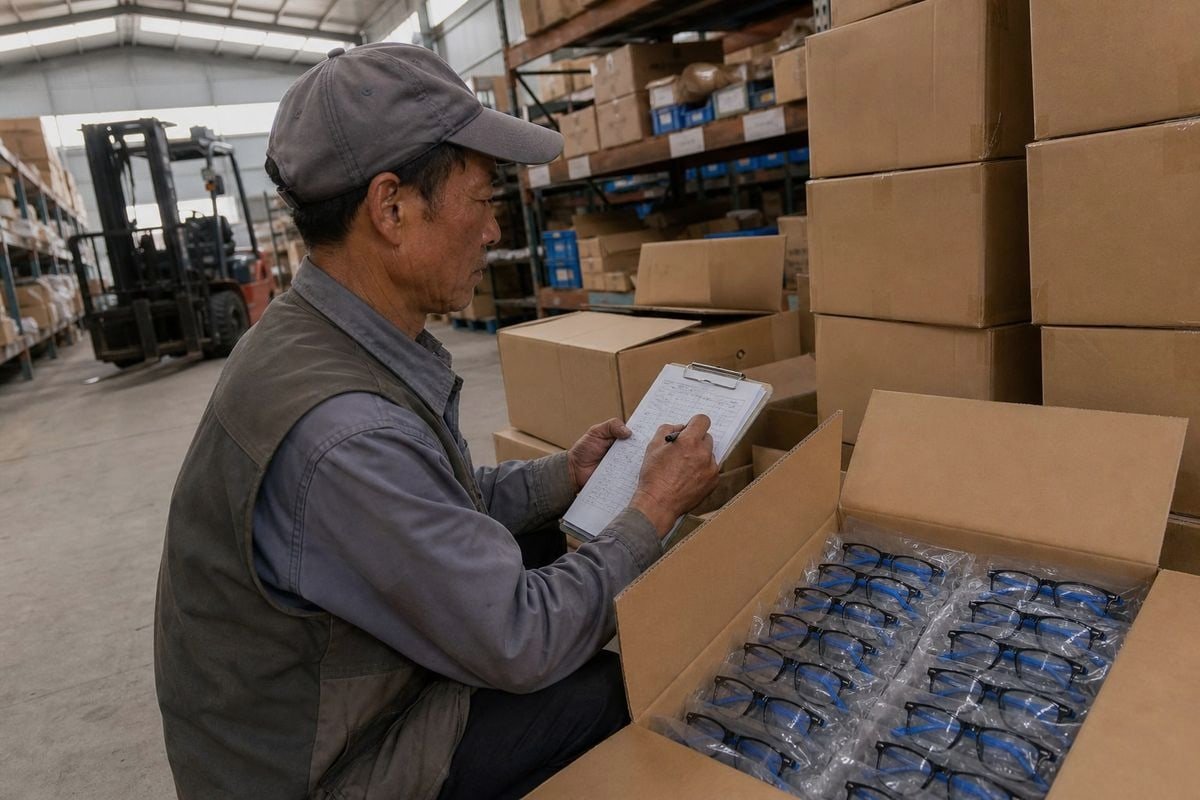
Discontinued kids optical frames inventory piles up fast TR90 kids frame 1. I have watched buyers panic over dead stock frames 2 that our factory shipped only two seasons earlier. Left alone, that stock eats margin, clutters shelves, and blocks new collections.
To organize a nationwide transfer of discontinued kids optical frames inventory, audit every SKU by status, clean product data across systems, segment frames by size and age band, match stock to high-demand pediatric locations, set cost thresholds, then ship, verify receipt, and liquidate or donate the remainder.
That is the short answer. The full process has more moving parts. Let me walk you through each stage, step by step, using what we see across the children’s eyewear market every day.
How can I plan a nationwide transfer of discontinued kids optical frames without losing inventory value?
A distributor in Europe once told me his discontinued kids frames lost half their value simply because nobody planned the move. At our Taizhou factory, we hear this story often.
Plan the transfer by first classifying each frame as still orderable, exchange-eligible, or fully dead stock. Then calculate recovery value per SKU, subtract freight and handling, and only move frames where expected sale price at the destination exceeds total transfer cost.
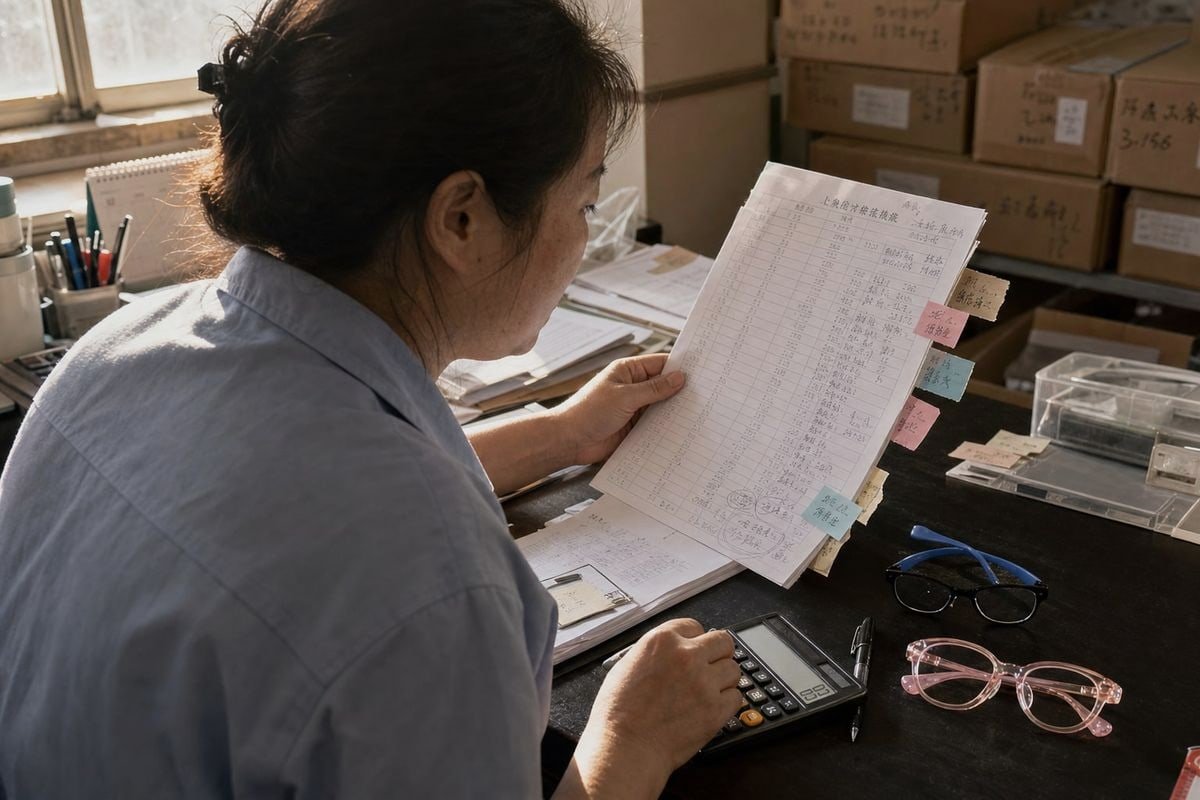
The biggest mistake I see is treating "discontinued" as one single status. It is not. Some frames were discontinued last month and remain fulfillable through your supplier for a limited window. Some are still eligible for exchange under distributor programs. Others are genuinely obsolete inventory with no supplier support at all. Each status demands a different plan, because the transfer strategy for a frame you can still exchange is completely different from the strategy for true dead stock frames.
Start with a status audit
Before a single box moves, list every discontinued SKU and tag its status. This audit becomes the backbone of your entire reverse logistics effort 3. Distributor discontinuation lists show that some frames phased out in recent cycles remain exchange-eligible for months, and one annual exchange cycle can involve dozens of styles at once. Discontinuation is a recurring event, not a one-time purge, so build a repeatable audit, not a rescue mission.
| Frame Status | Was es bedeutet | Best Action |
|---|---|---|
| Recently discontinued, still orderable | Supplier can still fulfill for a limited period | Keep selling locally; hold transfer |
| Exchange-eligible | Distributor will swap for current styles | Exchange first, transfer what remains |
| Dead stock, sellable condition | No supplier support, frames still retail-ready | Transfer to high-demand locations |
| Dead stock, damaged or ancient | No realistic retail value | Donate, recycle, or write off |
Protect value with a cost threshold
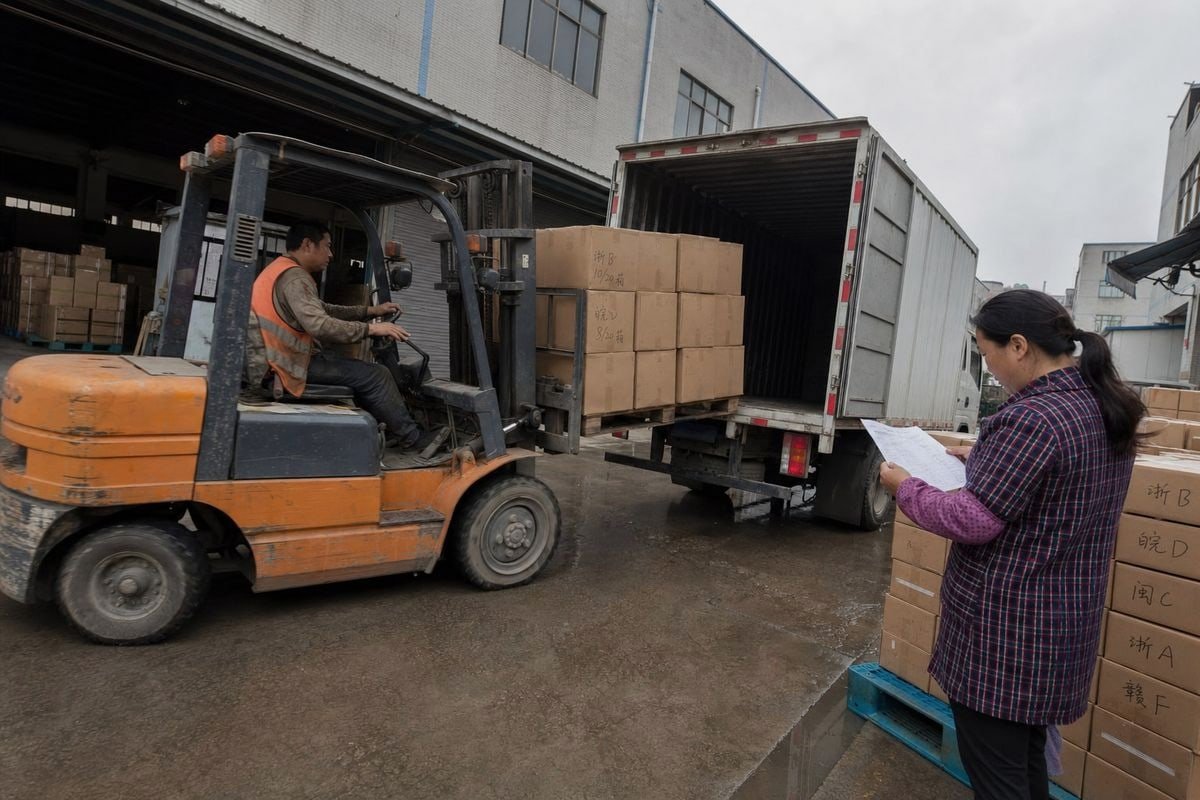
Set a simple rule: a frame ships only when its expected recovery value beats freight, handling, and admin cost. In our experience exporting kids frames to twenty-plus countries, buyers who skip this math end up paying more to move excess eyewear inventory 4 than the frames are worth. A compact TR90 kids frame is light and cheap to ship in bulk, which helps the math. But fragmented single-unit transfers rarely pay off. Consolidate shipments, use multi-leg routes where your nationwide distribution network allows, and batch transfers by region.
What steps should I take to safely redistribute discontinued frame stock across my retail locations?
During a 5S review in our workshop last year, our team found mislabeled cartons that would have shipped the wrong colorway. That small catch taught me how fragile transfers are without data discipline.
Safely redistribute discontinued frame stock by cleaning item master data first, then classifying frames by size, age band, color, and price tier, selecting receiving stores with strong pediatric traffic, shipping in verified batches, and confirming receipt with synchronized inventory and catalog updates.
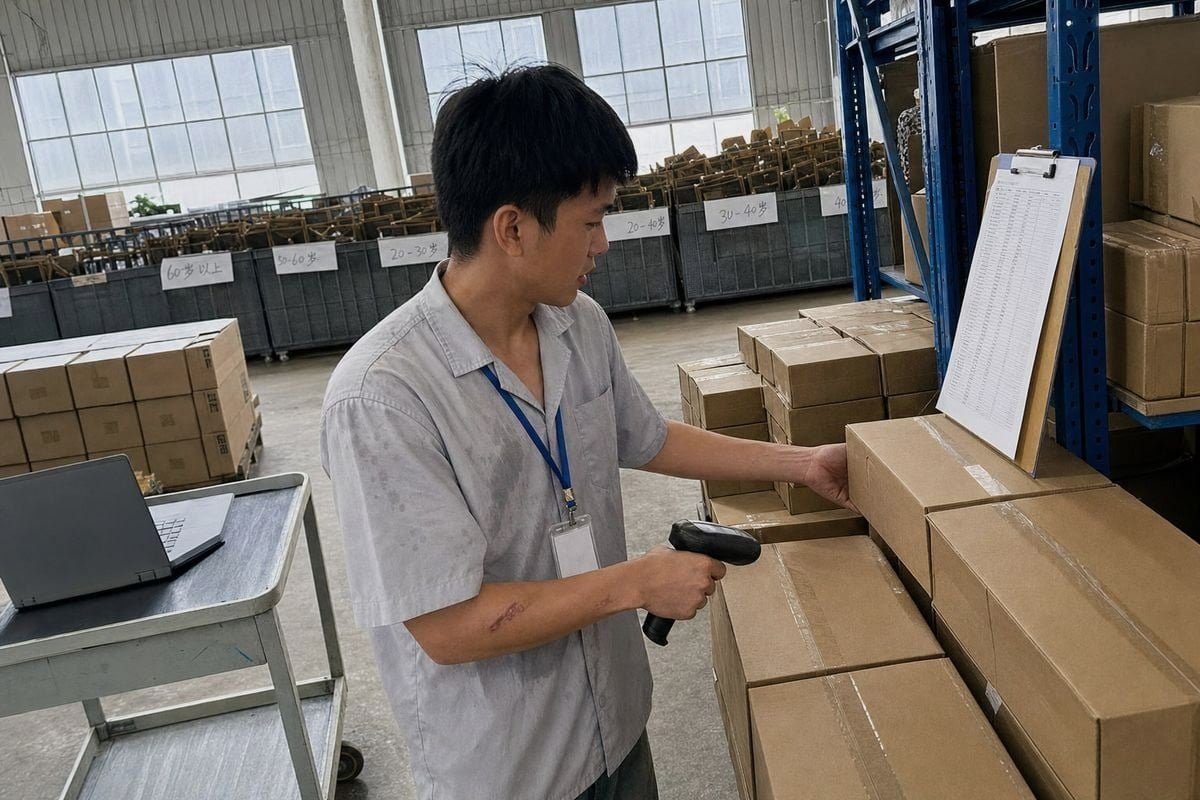
Physical shipping is the easy part. The hard part is keeping your data honest across every location. If your item masters, store counts, and online catalogs are not synchronized, a nationwide transfer creates phantom stock, customer disappointment, and refund headaches. Optical inventory software 5 vendors make this point clearly: when inventory syncs correctly, discontinued frames disappear from online assortments automatically. That means system hygiene is not a nice-to-have. It is the foundation of the whole redistribution.
A seven-step redistribution workflow
- Audit the discontinued list. Mark each item as still orderable, exchange-eligible, or dead stock.
- Clean product data. Make sure the same frame carries one consistent identifier across every store and system. Watch for recently discontinued items that require manual entry in online ordering systems, because those are the ones most likely to slip through the cracks digitally.
- Classify kids frames properly. Children's frames are not generic stock. Segment by lens size, bridge width, age band, color story, and price tier.
- Identify receiving locations. Look for stores with high pediatric traffic, under-served kids assortments, or value-oriented customer bases.
- Set transfer thresholds. Base them on stock age, units on hand, warranty status, and markdown risk.
- Ship in consolidated batches. Partner with retail logistics providers or use inventory transfer services if internal shipping is weak. Good warehouse management optical practice 6 means barcoded cartons, packing lists, and condition checks at both ends.
- Verify and update. Confirm receipt, update counts, and activate or remove online listings as appropriate.
Why kids frames need extra care in transit
Kids frames built from flexible materials like TR90 and TPEE travel well because they resist crushing, but demo lenses scratch and silicone temple tips attract dust. We pack ours with individual sleeves at the factory for exactly this reason. Insist your receiving stores inspect condition on arrival, not weeks later.
How do I decide which discontinued styles to consolidate, transfer, or liquidate first?
One trade-off I weigh constantly when advising importers: a frame's original wholesale price tells you almost nothing about where it should go next. Local fit and demand matter far more.
Prioritize by demand signal, not original price. Transfer frames with clear size or style demand elsewhere, consolidate fragmented quantities into one selling location, and liquidate frames that are outdated, oversupplied everywhere, or too costly to move relative to their recovery value.
Kids frames are more sensitive to size, comfort, and style preference than most adult lines. A translucent pink acetate frame in a compact size may be dead weight in one store and a fast seller in another with younger patient traffic. A glossy black sporty frame with blue silicone temples may suit a location serving active school-age kids perfectly. So the decision tree must run frame by frame, not brand by brand.
The decision framework
| Signal | Best First Move | Warum |
|---|---|---|
| Sells well in some regions, not others | Transfer | Local demographics still support full or near-full price |
| Small quantities scattered across many stores | Consolidate | One store with full size runs sells better than five with fragments |
| Slow everywhere, but current style | Discount or bundle | Second-pair deals and closeout offers recover value locally |
| Slow everywhere, outdated style | Liquidate wholesale | Overstock distributors buy excess eyewear inventory in bulk |
| Damaged, incomplete, or very old | Donate or recycle | Charities and optician training schools accept frames for practice and reuse |
Use turnover data, not gut feeling
Calculate inventory turnover per SKU per location. Frames below your turnover threshold for two consecutive review periods enter the decision tree automatically. This removes emotion from eyewear liquidation decisions. Sales data analysis also reveals which receiving stores genuinely have pediatric demand, rather than which store managers merely say yes to free stock.
Do not let closeouts crowd out current collections
Here is an objection I hear from buyers: "Why liquidate at all? We can keep selling discontinued frames indefinitely." I push back on this. Too much obsolete inventory on display distracts from current collections and confuses the customer journey. Industry merchandising guidance recommends keeping kids frames in a dedicated, clearly organized section precisely because clarity sells. Treat transfers as selective recovery, not indefinite preservation. Frame-only closeout offers can even work as a patient-acquisition tool, drawing value-seeking families in and converting them to lens sales, but only when the closeout section stays small and intentional.
Can working with a reliable eyewear manufacturer help me avoid discontinued inventory problems in the future?
A buyer from Australia once asked me why her previous supplier forced minimums that left her drowning in dead stock frames. Her question shaped how we structure our own catalog program.
Yes. A reliable manufacturer reduces discontinued inventory risk by offering large existing style libraries that eliminate heavy mold commitments, flexible order quantities for market testing, consistent restock availability, and OEM support that keeps proven styles alive under your own brand.
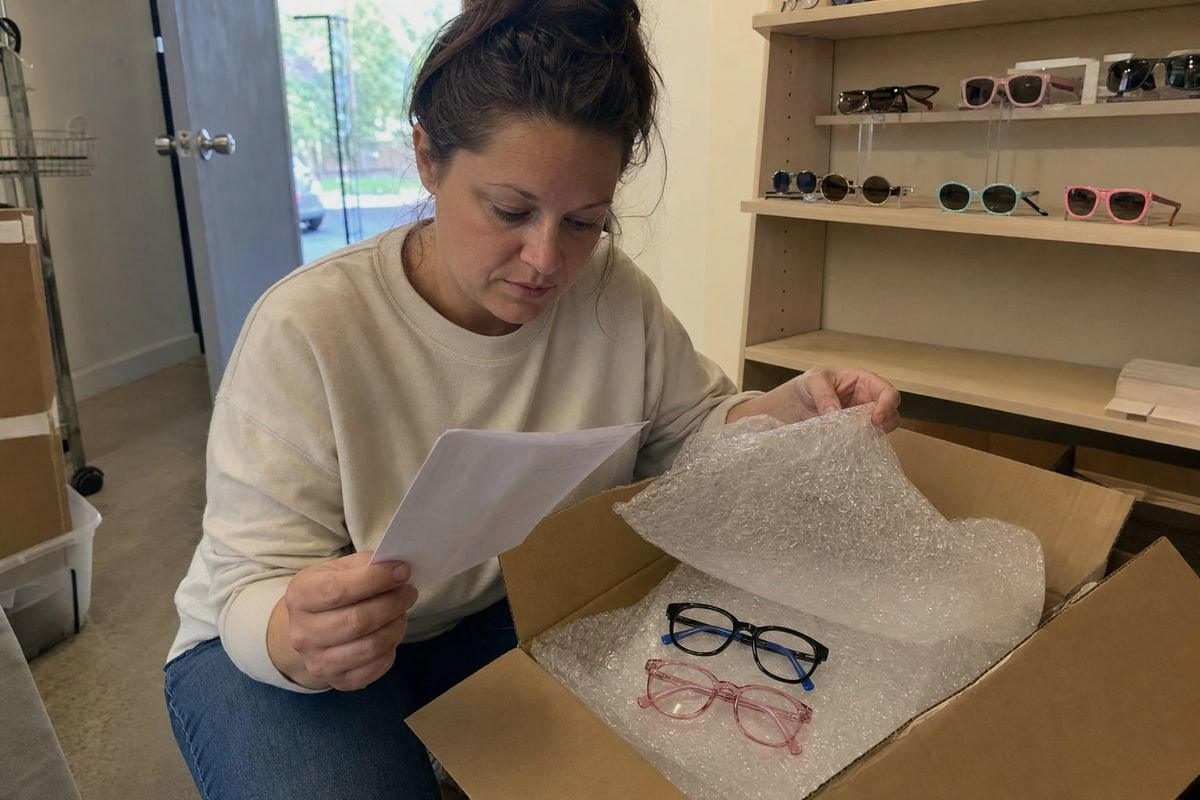
Discontinued inventory problems usually start upstream, long before frames reach your shelves. If your optical supply chain 7 forces you to over-order unproven styles, you are manufacturing your own future dead stock. Our factory in Taizhou maintains roughly 800 existing kids eyewear styles, and the reason is simple: brands and importers should be able to test the children's eyewear market with lower risk, choosing from proven designs instead of gambling on custom molds. When a style underperforms, the exposure is small. When it performs, restocking is straightforward.
Where manufacturer choice changes your inventory risk
| Risk Factor | Weak Supplier | Zuverlässiger Fertigungspartner |
|---|---|---|
| Style commitment | Custom molds, high minimums | Large existing library, lower test quantities |
| Discontinuation notice | Sudden, no warning | Advance notice with last-order windows |
| Restock reliability | Inconsistent availability | Stable production, 5S-managed workshop |
| Material durability | Frames fail before they sell | Flexible TR90 and TPEE frames that survive shelf life and kids' use |
| Branding support | Generic stock only | Full OEM/ODM: colors, logos, lenses, packaging |
Design and forecasting matter too
Predictive demand sensing gets attention now, and it helps. But the simpler lever is choosing styles with durable appeal. Flexible, lightweight frames in safe, environmentally friendly materials age slowly as retail propositions, because parents always want comfort and safety. Our engineers focus on TPEE temples and TR90 fronts for exactly that reason: comfort-driven designs stay relevant across seasons, while trend-driven gimmicks discontinue themselves. A manufacturer that supplies wholesale optical frames with consistent quality control also gives you cleaner data, because fewer defects mean fewer returns polluting your inventory counts. Over fifteen years of eyewear production, the pattern is clear to us: buyers who treat their factory as a long-term partner carry far less obsolete inventory than buyers who chase the cheapest quote each season.
Schlussfolgerung
Discontinued kids frames drain cash quietly until you act. Audit status, clean data, segment by size and demand, transfer selectively, liquidate the rest — and partner upstream to prevent the next pile-up.
Fußnoten
1. Explains TR90 material properties and specifically highlights its suitability for children’s frames. ↩︎
2. Defines dead stock and its impact on inventory management. ↩︎
3. Explains the concept and importance of reverse logistics in supply chain. ↩︎
4. Provides strategies for managing and reducing excess inventory. ↩︎
5. Highlights how optical inventory software streamlines tracking and management. ↩︎
6. Outlines best practices for efficient warehouse management in general logistics. ↩︎
7. Explains supply chain management specifically within the optometry and optical industry. ↩︎
Weitere Artikel, die Ihnen gefallen könnten
August 2026
Bio-Based vs Regular Cellulose Acetate: What's the Difference for Kids' Frames?
August 2026
How Recyclable Are Kids' Optical Frame Materials, and What Eco-Friendly Alternatives Exist?
August 2026
Bleichen Kinderbrillengestelle im Lager aus oder altern sie, und wie kontrolliert man die Lagerbedingungen?
Auf der Suche nach einem zuverlässigen Partner für Kinderbrillen?
Entdecken Sie über 800 sofort verfügbare Modelle und umfassenden OEM/ODM-Support, der auf Ihre Marke zugeschnitten ist.
Kontakt aufnehmen English
  Español de México
  Deutsch
  Français
  日本語
日本語  العربية
  Português do Brasil