How to Justify Adding or Replacing Kids Optical Frames Suppliers in a Category Review?
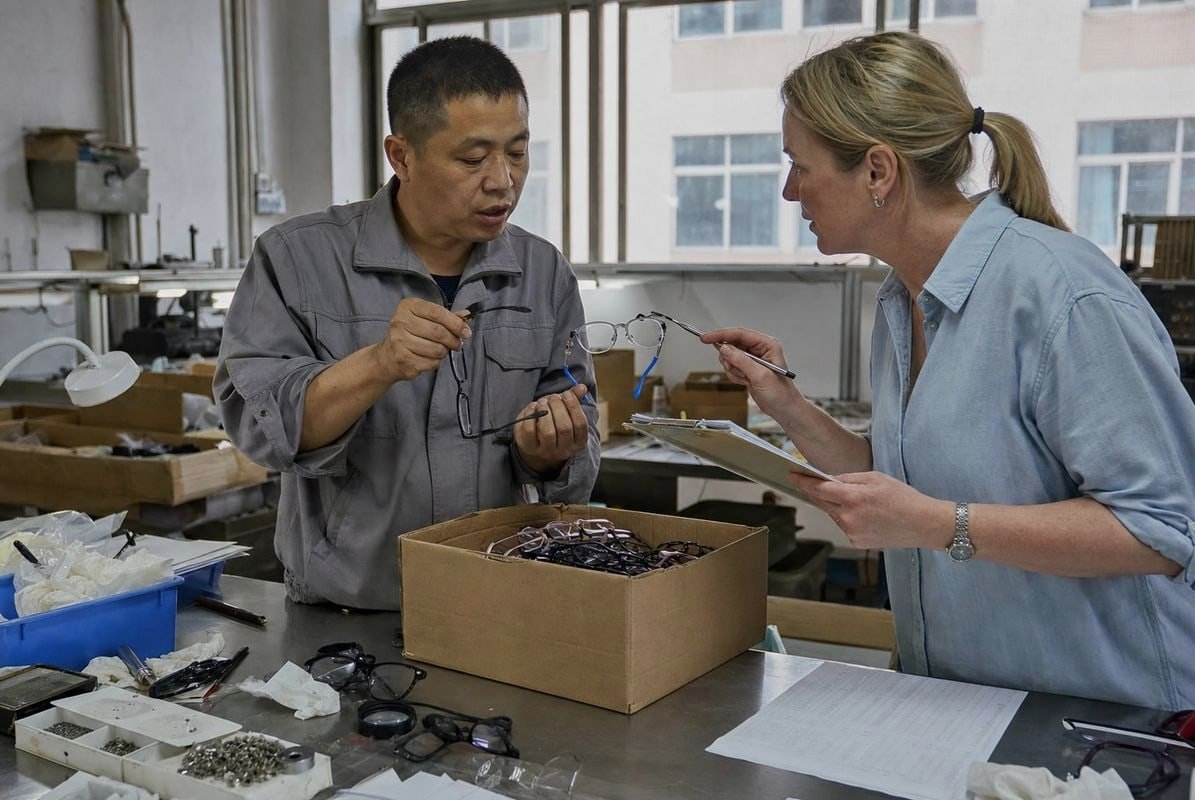
Justifying a change in kids optical frames suppliers feels risky pediatric fit 1. I have watched buyers visit our Taizhou factory after a season of broken hinges, returns, and awkward stakeholder questions. Doing nothing costs more.
Justify adding or replacing kids optical frames suppliers by documenting measurable gaps: high breakage or return rates, poor pediatric fit, missing safety certifications, weak sell-through, or assortment holes. Present a scored supplier comparison, a phased transition plan, and projected margin and warranty-cost improvements to stakeholders.
That is the short answer. The rest of this article breaks it down step by step safety certifications 2. I will show you the trigger signals, the evaluation criteria, the stakeholder pitch, and the risks to manage.
How do I know it's time to add or replace a kids optical frames supplier?
A buyer from Australia once showed me a box of returned frames with cracked hinge barrels SKU proliferation 3. Every failure came from the same vendor. Our production team saw the pattern in minutes: rigid material, no flex zone, wrong choice for kids.
It is time to act when data shows repeated failures: rising breakage and warranty claims, frames that slip on children's low nose bridges, missing small sizes, slow inventory turns, or a supplier that treats pediatric eyewear as a shrunken adult line rather than a specialty.
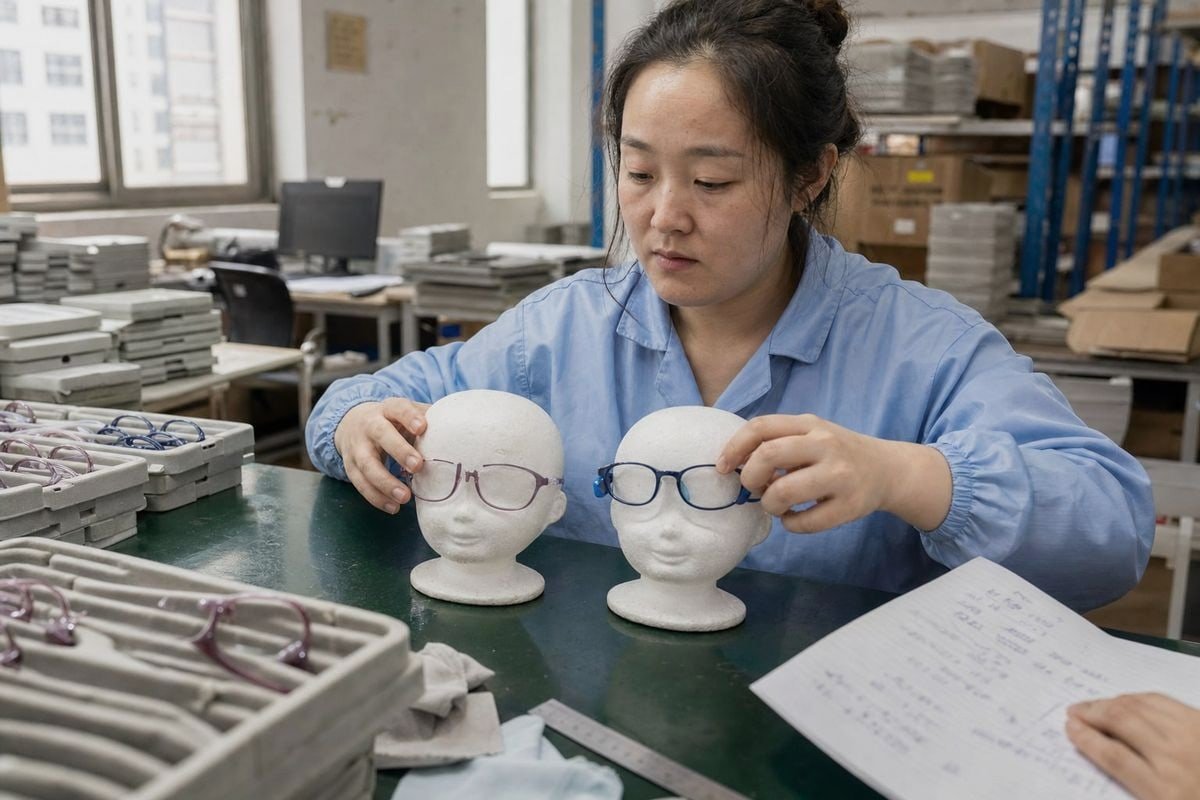
Kids' eyewear is a distinct category, and your review should treat it that way. Children have flatter nasal bridges, faster head growth, and much rougher daily habits than adults. A supplier that performs well in adult frames can quietly underperform in the pediatric optical market, and the signals show up in your operations long before they show up in a spreadsheet.
Operational signals worth tracking
In our fifteen years making children's frames, the clearest early warnings we hear from buyers are these:
- Breakage and warranty claims trending up. Kids will drop, sit on, and twist their glasses. Frequent breakage is expected, so if one vendor's claims run visibly higher than the rest of your lineup, the product design is the problem, not the children.
- Repeated in-store adjustments. If opticians keep re-bending temples or tightening frames that slip, the bridge geometry and temple design are wrong for young faces. A frame labeled "child size" can still carry an unsuitable bridge dimension.
- Gaps in size coverage. Very young children may outgrow frames in as little as three to six months. If your supplier only covers ages 8–12, you are losing the toddler and preschool segments entirely.
- Slow turns and redundant SKUs. Good eyewear category management favors fewer, better-performing collections. If a vendor's styles overlap each other and none of them sells through, that is dead inventory.
Add versus replace: a simple rule
Add a supplier when your current assortment leaves gaps in fit, sizing, style, or price point. Replace a supplier when quality, durability, warranty support, or sell-through consistently underperforms. Keep the two decisions separate in your review document; mixing them weakens both arguments.
What criteria should I use to evaluate a new supplier during a category review?
Every trade-off we weigh on our production line comes down to one question: will this frame survive a real child? Buyers who audit our workshop ask about materials first, but the strongest reviews I have seen score suppliers across six or seven dimensions.
Evaluate new kids optical frames suppliers on pediatric fit performance, frame material durability, safety compliance and certifications, warranty terms, price-to-value ratio, size and assortment coverage, OEM/ODM flexibility, and inventory productivity. Score each dimension against your current suppliers to expose measurable gaps.
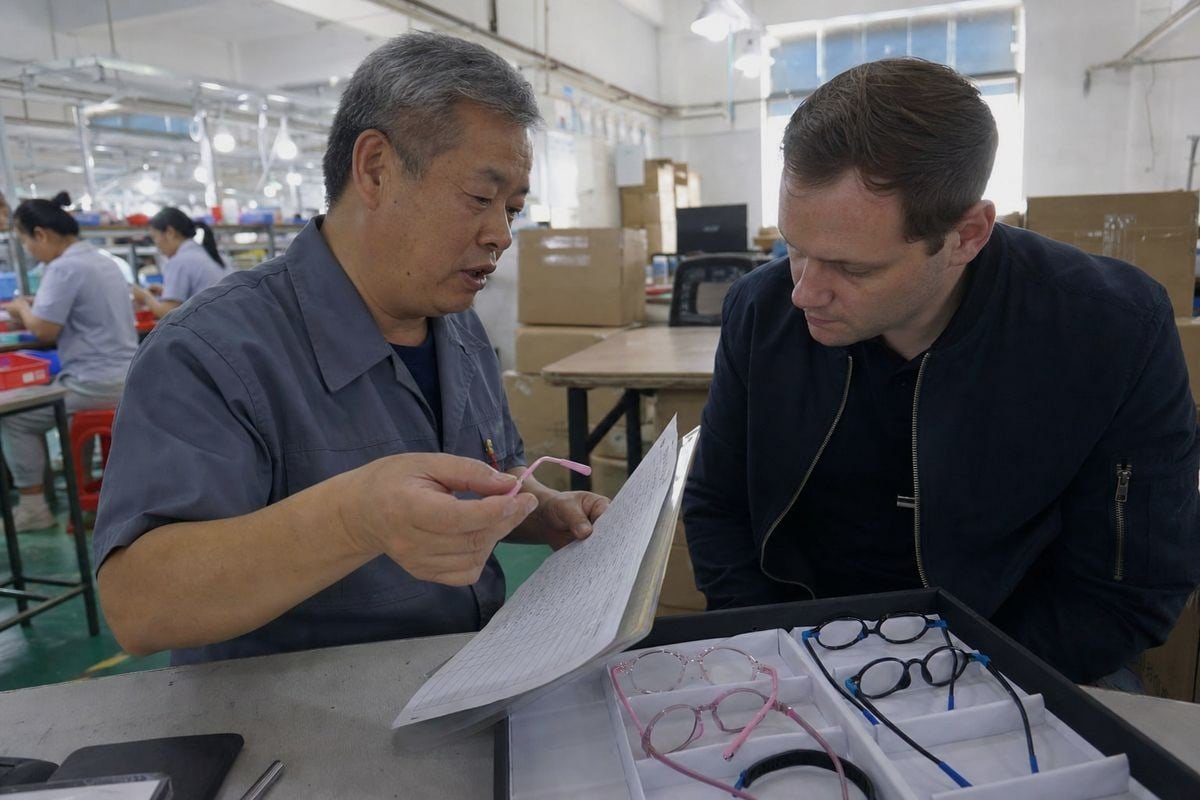
A category review becomes persuasive when it moves from opinion to a scorecard. Below is the framework I recommend to buyers sourcing wholesale optical frames for children. It reflects what serious brands from Europe, Japan, and Australia actually audit when they visit factories like ours.
A practical supplier scorecard
| Criterion | What to check | Warum es für Kinder wichtig ist |
|---|---|---|
| Fit performance | Bridge dimensions (DBL range), temple curve, weight | Children's eyewear safety starts with frames that stay on active, low-bridge faces |
| Material durability | Flexible frame materials like TR90 and TPEE; twist and flex testing | Kids bend and drop frames daily; rigid materials fail fast |
| Safety compliance | Optical supplier certifications, non-toxic and hypoallergenic materials, rounded edges | Non-negotiable for pediatric products and retail compliance |
| Lens quality | Lens impact resistance 5 (polycarbonate/Trivex compatibility), UV400 options | Shatter-resistant lenses are the standard of care for children |
| Warranty support | Replacement policy, claim turnaround | Breakage is predictable, so warranty quality is product quality |
| Assortment breadth | Style count, size range by age group | An 800-style catalog lets you launch without heavy mold investment |
| OEM/ODM capability | Custom colors, logos, packaging, lenses | Retail-ready presentation without tooling risk |
| Commercial terms | MOQ, lead time, price-to-value | Total cost includes returns and adjustments, not just unit price |
How to weigh cost against breakage
A common objection I hear: a lower-cost vendor is good enough for price-sensitive families. Sometimes that is true. But run the math on total cost. If a cheaper frame generates double the returns, extra adjustment labor, and lost repeat customers, the "savings" disappear. Conversely, do not overcorrect into premium pricing for toddlers who will outgrow the frame in six months; mid-range flexible frames often deliver the best value there. The right answer is segment-specific, and your scorecard should reflect that.
Verify supplier quality control in person or by audit
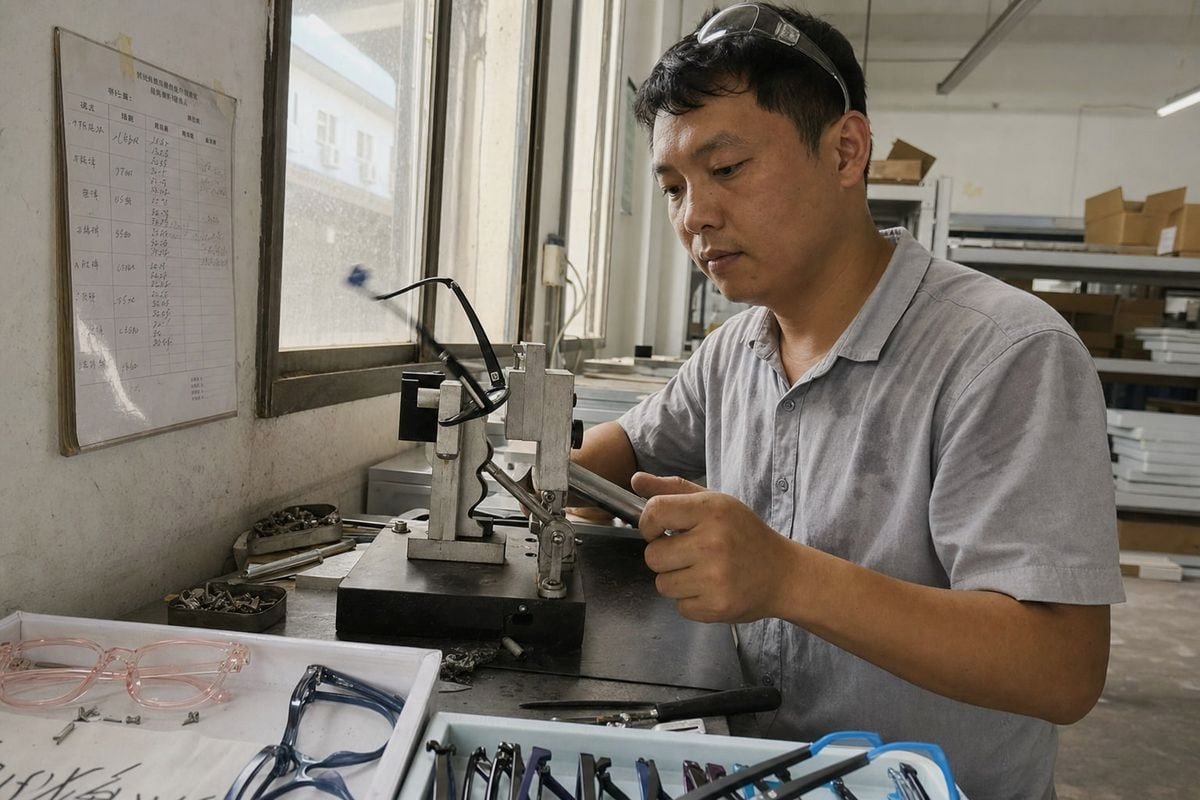
Ask for the factory's QC process, not just samples. At our 5S-managed workshop, incoming material checks, in-line hinge testing, and final inspection are documented stages. Any supplier who cannot show you that process is asking you to take quality on faith.
How can I present a supplier switch to stakeholders without disrupting my supply chain?
One lesson our export team learned early: buyers rarely fear the new supplier — they fear the transition. When a Japanese kids' brand moved a collection to us, they ran both suppliers in parallel for one season. That overlap made the internal pitch easy.
Present the switch as a phased, data-backed plan: show the scorecard gap, pilot the new supplier on a limited SKU range, run parallel supply for one season, and lock in safety documentation and lead times before cutting over. Frame it as risk reduction, not disruption.
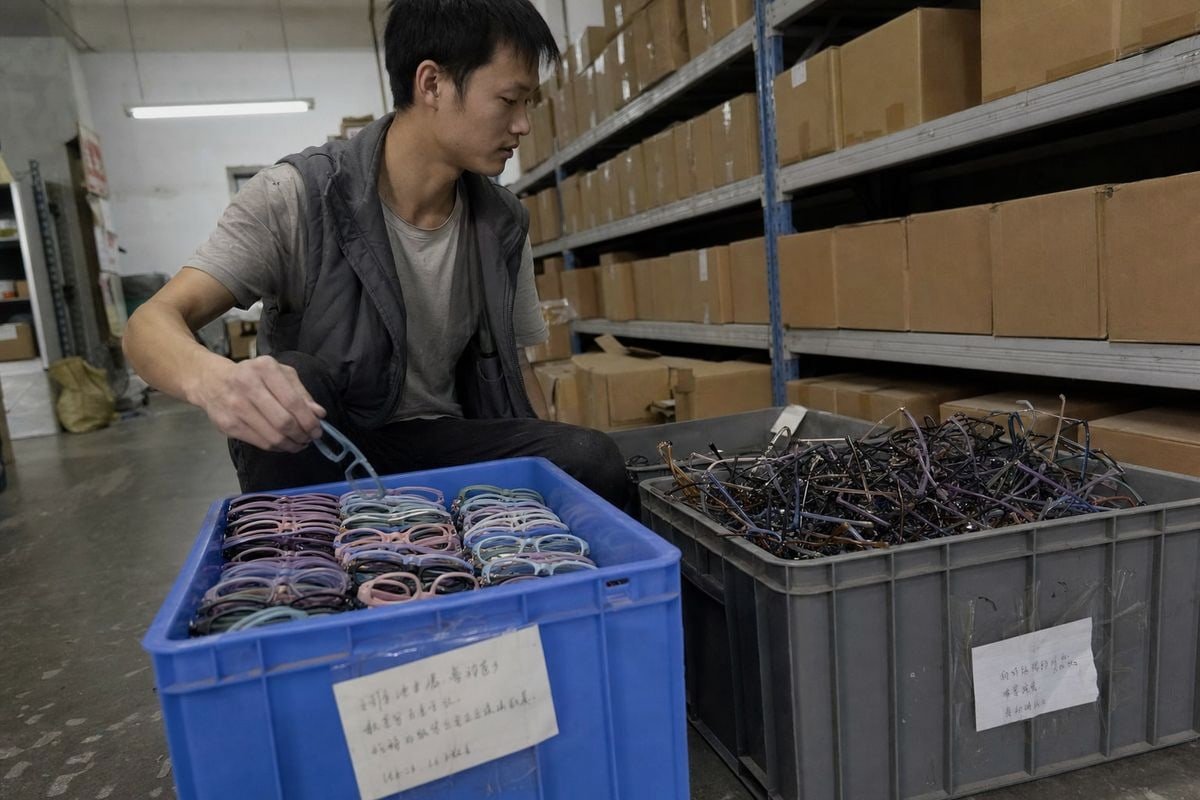
Stakeholders approve plans, not complaints. Your presentation should answer three questions: what is broken, what is the fix, and how do we avoid a stockout while fixing it. Here is a sequence that works.
A five-step transition roadmap
- Lead with the numbers. Open with return rates, warranty claims, turn rates, and margin by vendor. Tie each metric to consumer purchasing behavior: parents who experience a broken frame or a slipping fit rarely rebuy the brand.
- Show the scorecard comparison. Put the incumbent and the candidate side by side on fit, durability, certifications, warranty, and price-to-value. Let the gap speak.
- Propose a pilot, not a divorce. Start with a limited range — for example, a small-size segment your current lineup misses. Working from an existing catalog of proven styles keeps this low-risk; there is no mold investment and samples can be evaluated within weeks.
- Run parallel supply for one season. Keep the incumbent on core SKUs while the new supplier proves lead-time reliability and consistency. Compare sell-through and claim rates head-to-head.
- Cut over with buffer stock. Before delisting anything, hold safety stock on transitional SKUs and confirm the new supplier's production and shipping calendar against your retail merchandising strategies and seasonal resets.
What each stakeholder needs to hear
| Stakeholder | Their concern | Your message |
|---|---|---|
| Finance | Margin and write-offs | Lower warranty costs and better turns improve net margin |
| Operations | Stockouts and lead times | Parallel supply and buffer stock protect availability |
| Sales/Retail | Customer complaints | Better kids glasses fit means fewer returns and happier parents |
| Compliance | Children's eyewear safety | Full documentation and certifications secured before launch |
Document everything. A one-page transition timeline with named owners does more for stakeholder confidence than any sample tray.
What risks should I consider before replacing my current kids optical frames supplier?
We turn away projects sometimes. When a buyer wants a rushed switch before their peak season with no sampling window, our advice is to wait. A supplier change done badly hurts the category more than a mediocre incumbent does.
Key risks include quality inconsistency in early production runs, lead-time slippage, loss of incumbent goodwill and warranty coverage on existing stock, hidden compliance gaps, SKU proliferation from adding vendors, and transition stockouts. Mitigate each with sampling, audits, phased volumes, and contractual protections.
Every supplier change carries risk, and pretending otherwise weakens your case with stakeholders. The stronger move is to name each risk and pair it with a mitigation. Here is the risk map I walk through with new buyers.
Risk and mitigation map
| Risiko | Likelihood if unmanaged | Abmilderung |
|---|---|---|
| First-run quality variance | Medium–High | Golden samples, Inspektion vor dem Versand 7, documented supplier quality control gates |
| Lead-time slippage | Mittel | Pilot orders first; verify real production capacity, not brochure claims |
| Compliance gaps in new market | Mittel | Confirm material safety data and certifications for your specific market before PO |
| Stockouts during cutover | Mittel | Parallel supply and buffer stock on core SKUs |
| Too many vendors, fragmented inventory | Mittel | Add a supplier only for a defined gap; consolidate redundant SKUs at the same time |
| Losing incumbent warranty on existing stock | Low–Medium | Negotiate wind-down terms covering frames already in the field |
The over-diversification trap
One risk deserves special attention. Adding suppliers for variety's sake creates more SKUs, more replenishment complexity, and weaker stock discipline. Every new vendor must fill a measurable gap — a missing size range for toddlers, a flexible frame materials capability your lineup lacks, a sustainability story your eco-conscious parents ask for, or a price tier you cannot currently serve. If the gap is not measurable, consolidate instead.
Protect yourself contractually
Before the first bulk order, agree in writing on defect thresholds, replacement terms, inspection rights, and lead-time commitments. Serious factories welcome this. In our experience exporting to more than twenty countries, the buyers who put quality expectations on paper get the smoothest long-term partnerships, because both sides know exactly what "good" means.
Schlussfolgerung
Weak suppliers quietly drain your kids' category through breakage, returns, and lost parents. Audit with a scorecard, pilot new partners in phases, and let the data justify every change.
Fußnoten
1. Explains the importance of proper fit for children’s comfort and vision. ↩︎
2. Provides information on mandatory safety certifications for children’s products in the US. ↩︎
3. Explains how an excessive number of SKUs increases operational complexity and costs. ↩︎
4. Explains the benefits of flexible materials like TR-90 for children’s eyewear durability. ↩︎
5. Compares polycarbonate and Trivex lenses for their impact resistance in children’s eyewear. ↩︎
6. Defines TCO as a procurement methodology for calculating all costs over a product’s lifecycle. ↩︎
7. Explains PSI as a quality control process to verify goods before shipment. ↩︎
Weitere Artikel, die Ihnen gefallen könnten
August 2026
Bio-Based vs Regular Cellulose Acetate: What's the Difference for Kids' Frames?

August 2026
How Recyclable Are Kids' Optical Frame Materials, and What Eco-Friendly Alternatives Exist?
August 2026
Bleichen Kinderbrillengestelle im Lager aus oder altern sie, und wie kontrolliert man die Lagerbedingungen?
Auf der Suche nach einem zuverlässigen Partner für Kinderbrillen?
Entdecken Sie über 800 sofort verfügbare Modelle und umfassenden OEM/ODM-Support, der auf Ihre Marke zugeschnitten ist.
Kontakt aufnehmen English
  Español de México
  Deutsch
  Français
  日本語
日本語  العربية
  Português do Brasil