How to Handle Kids Optical Frames Returns and Recalls Under Australian Consumer Law?
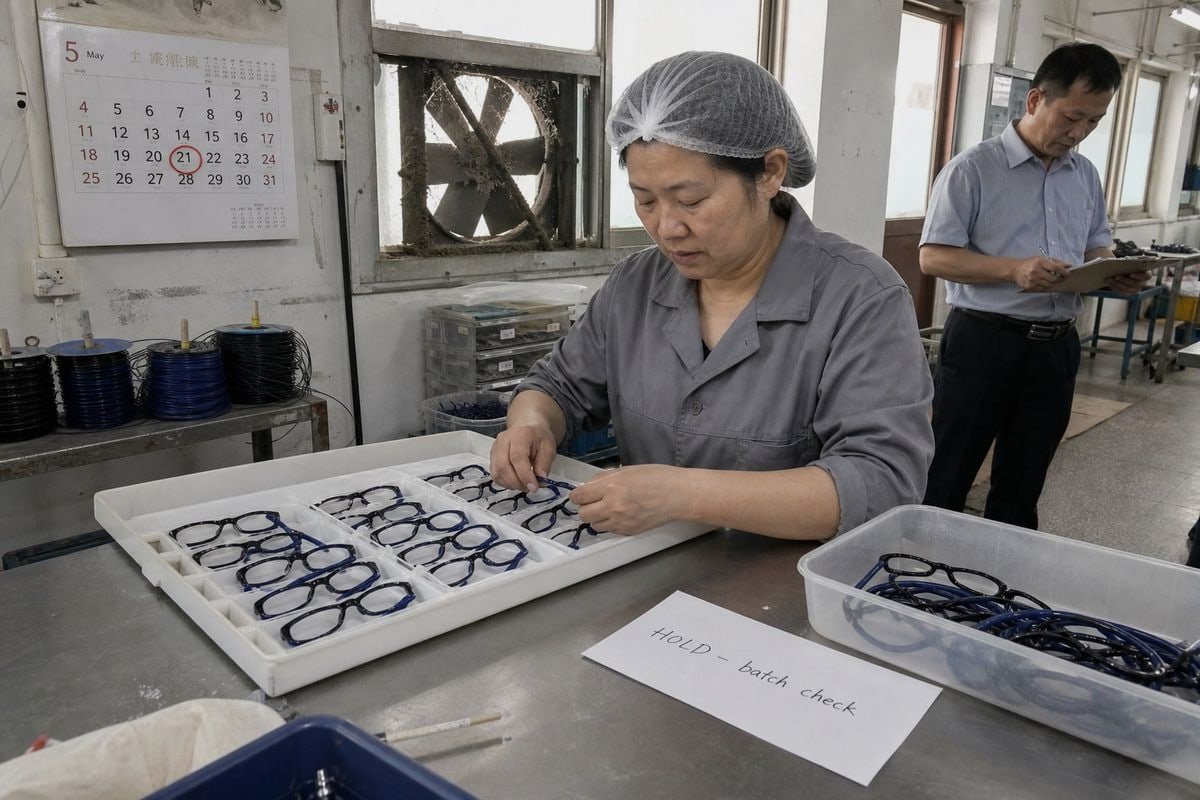
Kids optical frames returns and recalls under Australian Consumer Law worry every brand we supply from our Taizhou factory. One weak batch can trigger refunds, recall notices, and lost retailer trust overnight.
Under Australian Consumer Law, kids optical frames must meet consumer guarantees of acceptable quality, safety, and fitness for purpose. If a frame fails, you must offer a repair, replacement, or refund, and notify the ACCC within two days of starting any safety recall.
The rules sound strict, but they become manageable once you break them into steps. Below, I walk through the four questions our Australian buyers ask us most often.
What Does Australian Consumer Law Require Me to Do If a Batch of Kids Optical Frames Fails Safety Standards?
A few years ago, an Australian importer called us in a panic about a hinge issue found after shipment. That call taught our whole team how fast ACL obligations kick in.
If a batch of kids optical frames fails safety standards, you must stop selling it immediately, notify the ACCC within two days of initiating a recall, offer consumers a refund, replacement, or repair, and communicate the recall clearly to retailers and end customers.

Australian Consumer Law treats children's products with extra care, and for good reason. A frame that snaps at the hinge or sheds a small screw is not just a quality complaint. It is a potential safety issue for a child. That changes your legal position completely.
Consumer Guarantees Come First
Every pair of glasses you sell in Australia carries automatic consumer guarantees 1. Consumer guarantees Australia-wide require goods to be of acceptable quality, fit for purpose, and matching their description. A store policy cannot override these rights. If your frames fail these guarantees, the customer is entitled to a remedy no matter what your returns page says.
The remedy depends on whether the failure is major or minor. This distinction drives everything.
| Failure Type | Definition | Who Chooses the Remedy | Typical Remedy |
|---|---|---|---|
| Major failure 2 | Product is unsafe, substantially unfit for purpose, or very different from its description | The consumer | Refund, replacement, or compensation for lost value |
| Minor failure | Problem can be fixed within a reasonable time | The business | Free repair first |
A safety standard failure in children's eyewear is almost always a major failure. That means the parent chooses the remedy, not you.
Recall Obligations Are Time-Sensitive
A recall is different from handling one faulty pair. It addresses a batch-wide safety or compliance problem. Once you decide to recall — even a voluntary product recall 3 — you must notify the ACCC 4 within two days. You then need a recall plan covering communication, remedies, product retrieval, and safe disposal. Mandatory product standards, such as AS/NZS 1067.1:2016 5 for children's sunglasses and fashion spectacles, set the compliance baseline. Non-compliance with a mandatory standard is treated as a major failure under the ACL, so there is no room to argue it down to a repair.
In our experience supplying brands across 20+ countries, the businesses that survive recalls well are the ones that act within hours, not weeks.
How Can I Work With My Manufacturer to Set Up a Clear Returns and Recall Process Before Launching a New Frame?
Whenever a new buyer samples our TR90 kids optical frames with TPEE temples, we push them to agree on defect definitions before the first purchase order — not after the first complaint.
Work with your manufacturer before launch to define defect categories, agree on acceptable quality standards, set batch traceability codes, allocate recall costs in writing, and establish a rapid communication channel. A pre-agreed process turns a chaotic recall into a managed procedure.
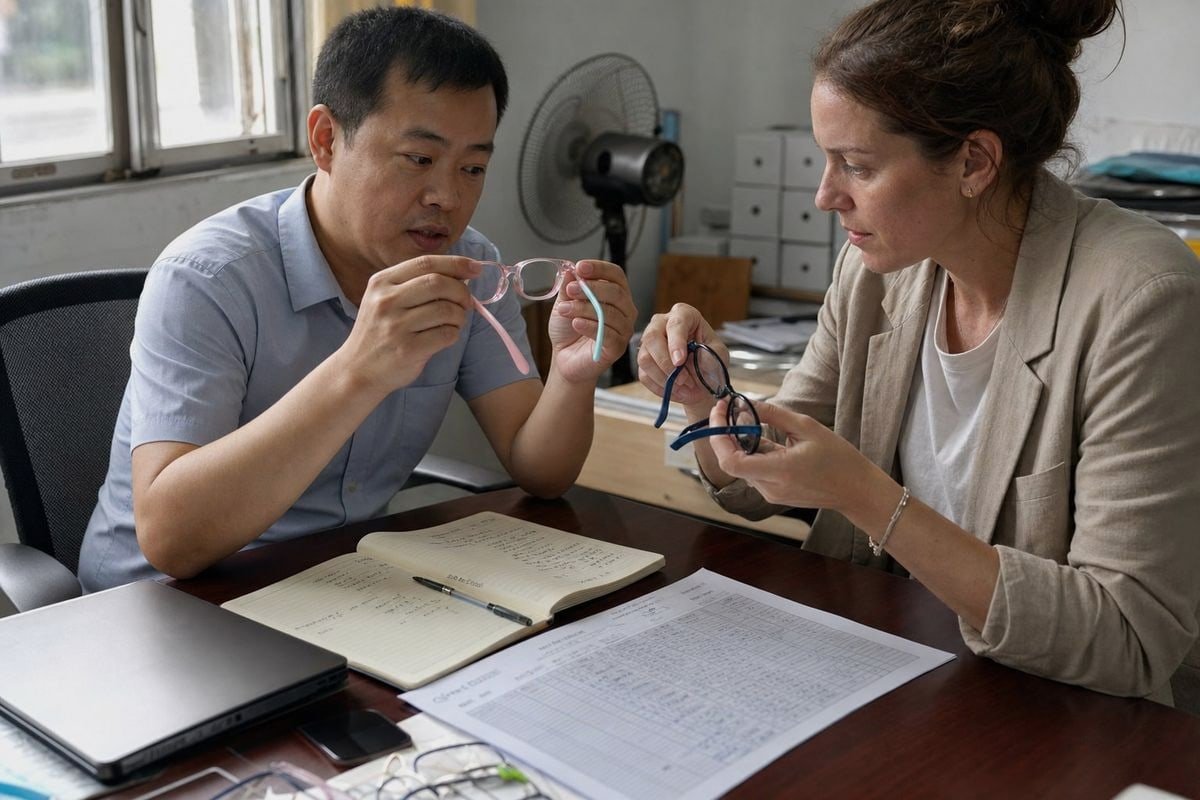
The worst time to negotiate recall responsibility is during a recall. Yet most first-time importers only think about it once faulty children's glasses start coming back. At our factory, we build these agreements into the sampling stage because it protects both sides.
A Practical Pre-Launch Checklist
Here is the process we recommend to every brand we work with:
- Define "defective" together. Agree on what counts as a manufacturing defect versus wear and tear. A bent temple on a flexible TPEE arm behaves differently from a cracked rigid acetate front. Write both scenarios down.
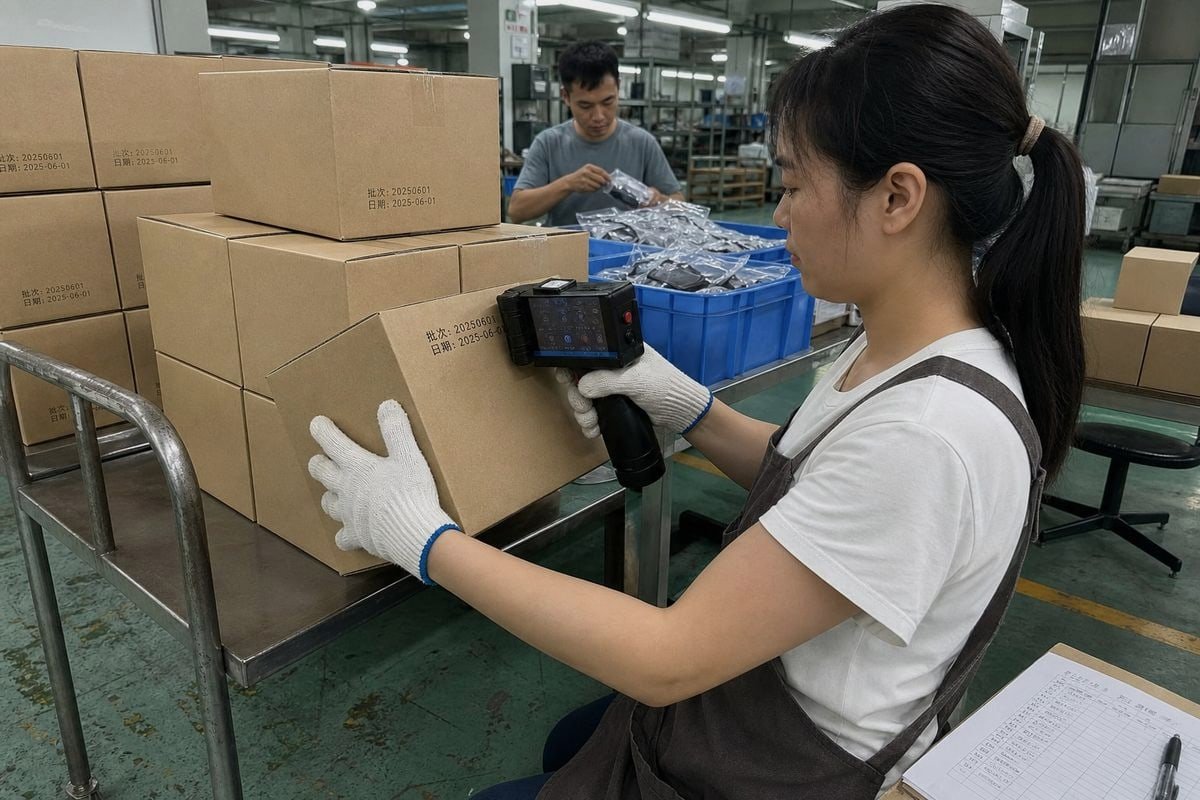
- Set batch and date coding. Every carton and, ideally, every temple arm should carry a batch code. Without it, you cannot isolate a recall to one production run, and you may have to recall everything.
- Agree on liability and cost sharing. Under the ACL, the retailer faces the consumer first, but liability can extend up the supply chain to importers and manufacturers. Your supply agreement should mirror that chain.
- Fix response times. We commit to responding to quality alerts fast, because a supplier who replies in two weeks makes your two-day ACCC notification impossible to manage well.
- Pre-approve remedy stock. Holding a small buffer of replacement frames lets you offer replacements immediately instead of waiting for a new production run.
Why Flexible Materials Change the Conversation
Optical retail obligations in Australia extend beyond breakage. Poor fit or discomfort in a child's frame — especially for all-day wear — can itself breach acceptable quality or fitness for purpose. This is one reason we specialize in TPEE and TR90. Flexible temples and soft silicone tips reduce pressure complaints and breakage returns at the source. Prevention is the cheapest recall strategy you will ever buy. With around 800 existing tested styles, a brand can also launch on proven geometry instead of gambling on an unvalidated new mold.
What Documentation and Quality Records Should I Request From My Supplier to Support a Recall Claim?
One lesson from fifteen years running our 5S-managed workshop: paperwork nobody asked for at order time becomes the paperwork everybody demands during a recall.
Request material safety certificates, mandatory standard test reports, batch production records, incoming and outgoing QC inspection reports, component traceability data, and signed quality agreements. These documents prove compliance, isolate affected batches, and support defective eyewear claims against your supplier.
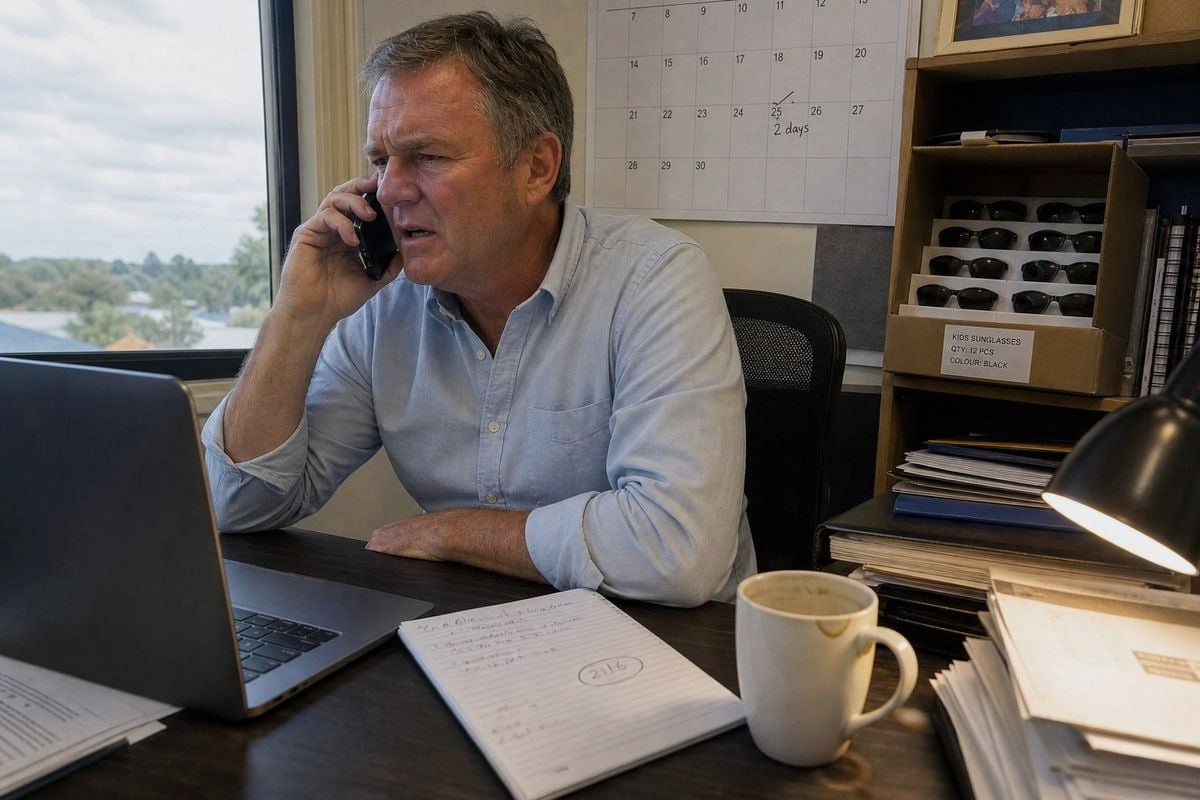
Documentation does two jobs. First, it proves to Australian regulators and retailers that you exercised due diligence on product safety regulations eyewear brands must follow. Second, it gives you the evidence to recover recall costs from the party actually at fault. Without records, you carry the full financial weight alone.
The Core Document Set
| Dokument | Was es beweist | When to Request It |
|---|---|---|
| Zertifikate zur Materialsicherheit 6 | Frames use safe, non-toxic, hypoallergenic materials | Before first order |
| Standards test reports | Compliance with AS/NZS 1067.1:2016 and relevant mandatory standards | Per new style |
| Batch production records | Which units came from which run, machine, and material lot | Per shipment |
| QC inspection reports | Defect rates found and corrective actions taken | Per shipment |
| Component traceability | Source of hinges, screws, lenses, and temple tips | Before first order |
| Signed quality agreement | Agreed tolerances and liability allocation | Before first order |
Match Records to Consumer Evidence
Remember that parents making consumer rights optical claims may not hold a paper receipt. Australian guidance accepts bank statements, order confirmations, and warranty cards as proof of purchase requirements. Your documentation should mirror that flexibility. If a parent proves purchase through an online order number, your batch records must let you trace that order back to a production date. We assign batch codes at our factory precisely so our buyers can connect a single customer complaint to one production run within a day. That capability is what turns "recall everything" into "recall 2,000 units from batch 0324" — a difference that can save a small brand's entire year.
Also keep photographs of approved pre-production samples. When a dispute arises over whether a fault is a manufacturing defect or shipping damage, the golden sample photo often settles it in minutes.
How Do I Communicate a Recall to Parents and Retailers Without Damaging My Brand's Trust?
A procurement manager from a European baby brand once told me something I now repeat to every client: parents forgive a recall, but they never forgive a cover-up.
Communicate a recall early, plainly, and through every channel parents use. State the specific hazard, the affected batch codes, and the exact remedy offered. Make the return process free and effortless, apologize once sincerely, and show the corrective steps you have taken.
Recalls feel like brand damage, but handled well, they can actually build trust. Parents buying children's eyewear care about safety above everything. A brand that acts decisively signals that it puts kids first — exactly the positioning you want.
Structure Your Message by Audience
Retailers and parents need different information, delivered at different speeds.
| Audience | Zeitplanung | Key Content | Channel |
|---|---|---|---|
| Retailers and distributors | Immediately, before public notice | Batch codes, stock removal instructions, credit process | Direct email and phone |
| Parents and consumers | Within days of ACCC notification | Hazard in plain language, remedy options, free return method | Email, website banner, social media, in-store signs |
| Regulators | Within two days of initiating the recall | Full recall plan and progress reporting | ACCC recall notification |
Language That Protects Trust
Avoid legal hedging in consumer-facing notices. Say "the hinge screw may loosen and become a choking hazard for young children" rather than "certain units may exhibit fastener retention variance." Plain language shows respect. Then remove every barrier to acting: prepaid return labels, no receipt demanded when batch codes identify the product, and a refund or replacement processed within days. Since consumers are entitled to reimbursement of reasonable return postage, build that cost in from the start rather than fighting it claim by claim.
Finally, close the loop publicly. Explain what changed — a redesigned hinge, a new supplier test protocol, an added QC checkpoint. When we help brands relaunch a corrected style, we often supply updated packaging noting the improved construction. Parents notice. Retailers who watched you handle ACCC product recalls professionally will keep stocking you, because you just proved you are safe to do business with.
Schlussfolgerung
Kids optical frames returns and recalls under Australian Consumer Law reward preparation. Define defects early, keep traceable records, communicate honestly, and choose a manufacturing partner who treats safety as the product.
Fußnoten
1. Details the automatic rights consumers have regarding goods and services. ↩︎
2. Clarifies the definition and implications of a major product failure under Australian law. ↩︎
3. Explains the process and requirements for businesses initiating a product recall. ↩︎
4. Explains the role and responsibilities of Australia’s consumer protection regulator. ↩︎
5. Provides information on the specific Australian/New Zealand standard for eyewear. ↩︎
6. Describes the importance of documentation for product safety and compliance. ↩︎
Weitere Artikel, die Ihnen gefallen könnten
August 2026
Bio-Based vs Regular Cellulose Acetate: What's the Difference for Kids' Frames?
August 2026
How Recyclable Are Kids' Optical Frame Materials, and What Eco-Friendly Alternatives Exist?
August 2026
Bleichen Kinderbrillengestelle im Lager aus oder altern sie, und wie kontrolliert man die Lagerbedingungen?
Auf der Suche nach einem zuverlässigen Partner für Kinderbrillen?
Entdecken Sie über 800 sofort verfügbare Modelle und umfassenden OEM/ODM-Support, der auf Ihre Marke zugeschnitten ist.
Kontakt aufnehmen English
  Español de México
  Deutsch
  Français
  日本語
日本語  العربية
  Português do Brasil