How to Customize Colors, Logos, and Packaging for Exclusive Kids Optical Frames?
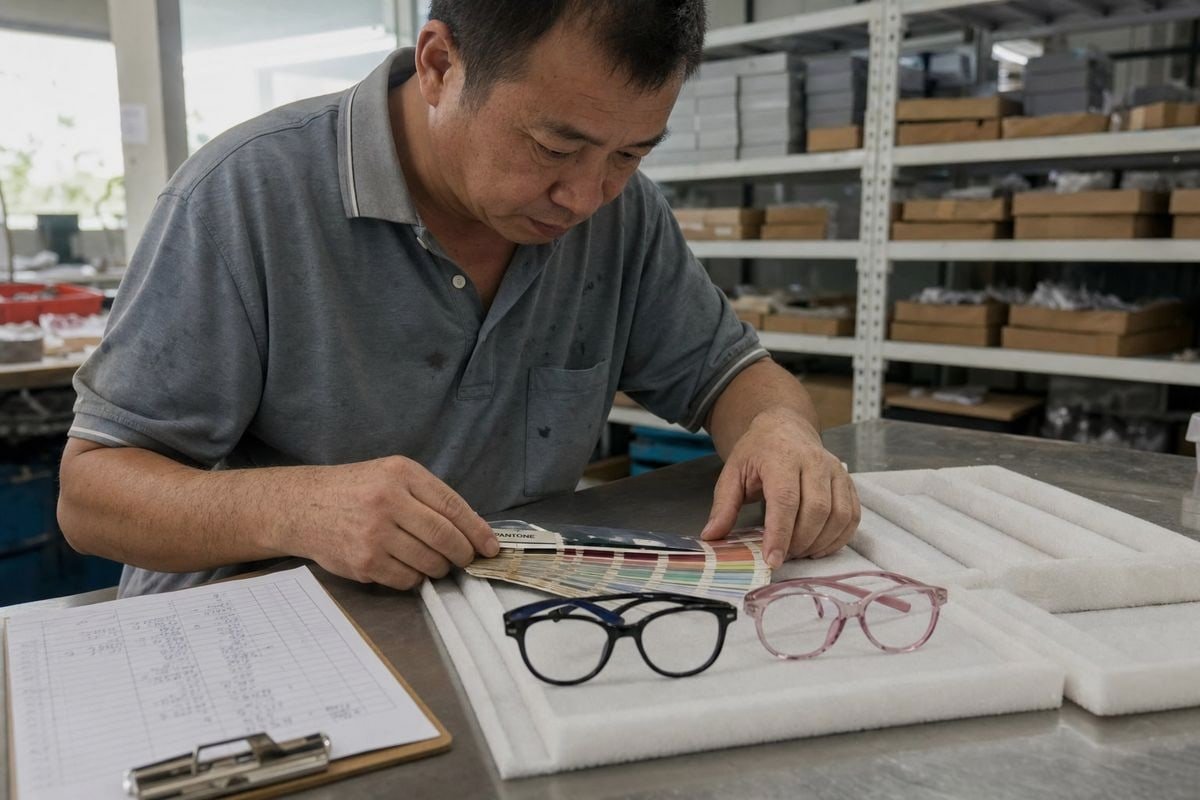
Custom kids optical frames can make or break a private label eyewear launch Pantone-Referenzen 1. On our production line in Taizhou, I see brands struggle with this every week.
To customize kids optical frames, define your brand palette with Pantone references, choose a logo method suited to the frame material (printing, engraving, or embossing), and design retail packaging around your price tier. Confirm everything through a pre-production sample before mass production begins.
That is the short answer. Below, I will walk through each layer in detail, based on how we actually run OEM/ODM manufacturing projects 2 for children’s eyewear brands.
What Customization Options Are Available for Kids Optical Frames?
Last year, a buyer from Australia asked me a simple question: "What exactly can we change on your frames?" My answer surprised her — almost everything, within material limits.
Kids optical frames can be customized across four layers: frame design (shape, size, material), color finish (solid, translucent, two-tone, patterned), brand marking (printed, engraved, or embossed logos), and packaging (cases, pouches, cloths, cartons, hang tags). Each layer must match the frame material and order volume.
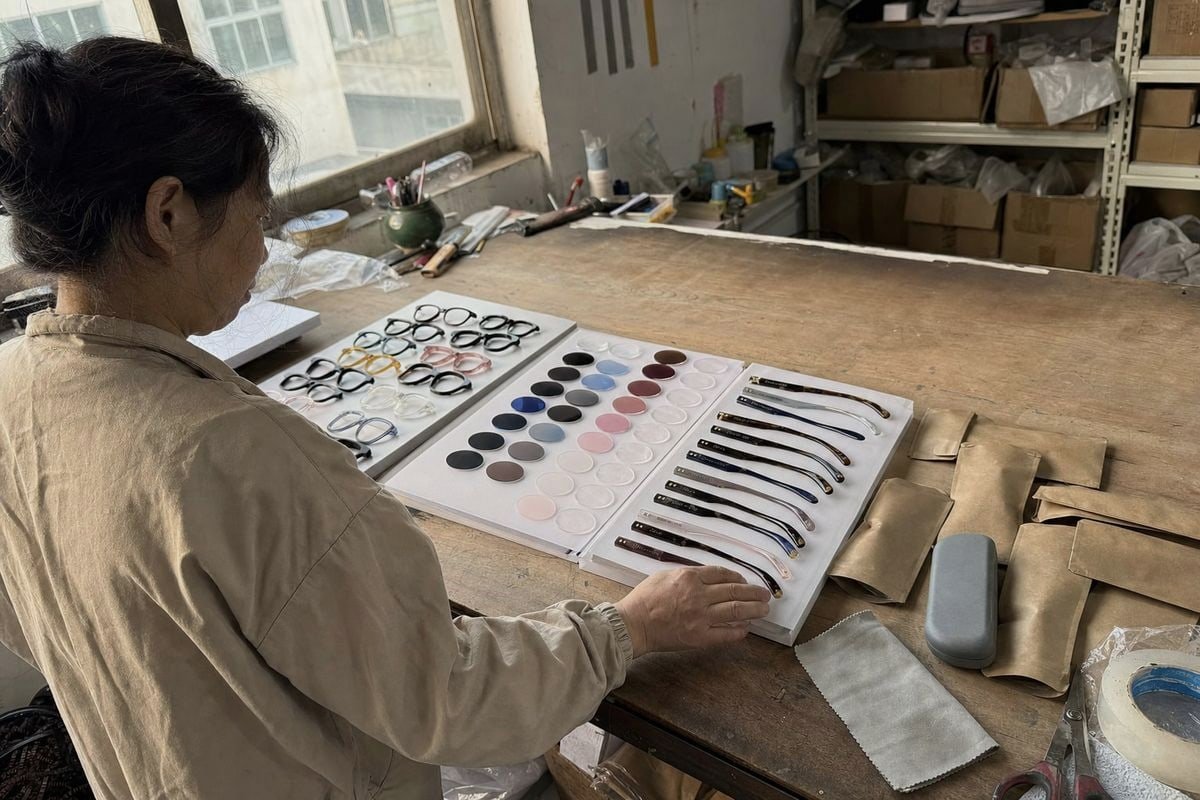
The most useful way to think about customization is as a stack of linked decisions. Each choice affects the next one. At our factory, we always ask buyers to pick the frame style and structure first, because children's eyewear design sets the rules for everything else. A TR90-Rahmen 3 with TPEE temples behaves very differently from an acetate frame when you print, dye, or engrave it.
The Four Customization Layers
Here is how we break it down for new brands:
| Schicht | What You Can Change | Typical Constraint |
|---|---|---|
| Rahmendesign | Shape, lens size, bridge fit, temple length | Mold cost for new shapes; existing styles avoid this |
| Color finish | Solid, translucent, frosted, two-tone, gradients, prints | Material type; complex finishes need higher volumes |
| Brand marking | Logo on temples, inner arms, demo lenses, hinges | Flat area available; frame geometry |
| Verpackung | Case, pouch, cloth, box, insert, hang tag, QR sticker | Print MOQs; retail channel requirements |
One practical tip from our side: you do not always need new molds. We keep around 800 existing styles that buyers can private-label. That means a startup brand can build an exclusive look through custom colors, logos, and packaging alone — without heavy tooling investment. It is the lowest-risk path into pediatric optical frames.
Material matters more than most buyers expect. Flexible frame materials like TPEE and TR90 are ideal for active kids because they bend without snapping. They also take pad printing and laser marking well. Acetate, on the other hand, allows richer translucent and layered colors, like the jelly-pink cat-eye style we produce. Silicone temple tips add comfort but limit where a logo can sit. Hypoallergenic materials 4 should be non-negotiable for anything touching a child's skin.
Lens options matter too. Demo lenses can carry a printed logo for shelf appeal, and impact-resistant lenses are standard for children's optical use.
How Do I Get My Own Logo and Brand Identity on the Frames?
A trade-off I weigh with buyers constantly: visible branding sells recognition at retail, but subtle branding keeps a cleaner design that parents often prefer on small faces.
Send your logo as a vector file (AI, PDF, or SVG) with Pantone color codes. Then choose a placement — outer temple for visibility, inner arm for subtlety — and a method: pad printing, silk printing, laser engraving, color-filled engraving, or 3D hot stamping.
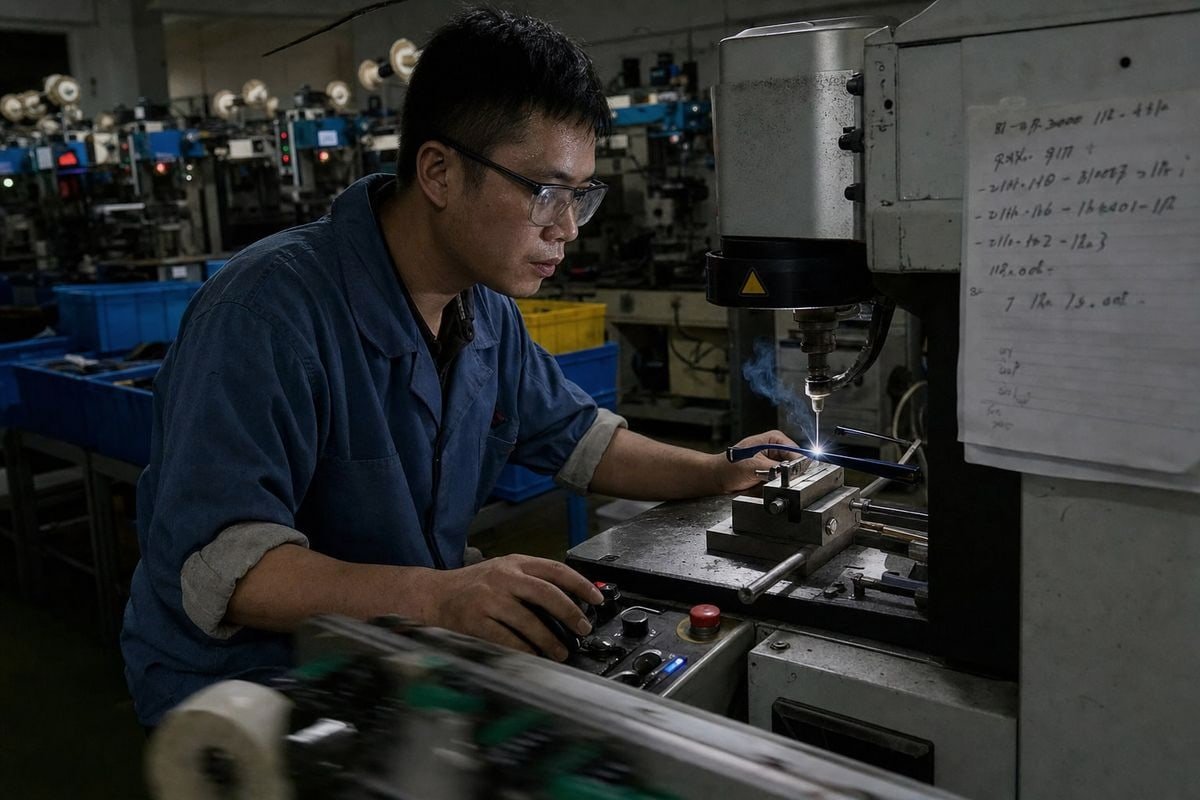
Eyewear branding on kids frames comes down to three decisions: file, placement, and method. Get any one wrong and the result looks cheap or wears off within months.
Start With the Right Files
The single most common mistake I see is a brand sending a JPG logo pulled from their website. A pad printing plate made from a low-resolution JPG produces fuzzy edges on a temple arm that is only a few millimeters wide. We always request vector files 5 — AI, PDF, or SVG — plus Pantone or CMYK codes for the logo color itself.
Choose Placement Deliberately
Common placements include the outer temple, inner temple arm, temple tips, hinges, and demo lenses. On the translucent pink acetate style we make, we engrave fine text on the inner arm so the jelly-like finish stays clean. On sportier TR-90 frames, an outer-temple print reads better at retail distance.
Match the Method to Material and Budget
| Logo Method | Durability | Look | Am besten geeignet für |
|---|---|---|---|
| Tampondruck | Mäßig | Crisp, colorful | TR90/TPEE temples 6, budget tiers |
| Silk printing | Mäßig | Smooth coverage | Larger flat surfaces |
| Lasergravur | Hoch | Subtle, permanent | Premium, minimalist branding |
| Engraving + color fill | Hoch | Visible and durable | Mid-to-premium lines |
| 3D hot stamping | Moderate-high | Raised, tactile, premium | Acetate frames |
Durable marks like laser engraving survive years of kid handling. Printed logos cost less but can wear at contact points, so we position them away from where fingers grip the frame. In our experience exporting to twenty-plus countries, the brands that last choose one consistent method across the whole line — it makes their pediatric optical frames instantly recognizable on an optician's shelf.
What Should I Know About MOQs and Lead Times for Custom Colors?
Our engineers once spent two weeks matching a buyer's brand blue on TPEE temples. The lesson: custom colors are achievable, but they cost time and volume — plan for both.
Custom colors typically carry a minimum order quantity per color per model — often around 1200 pieces split across three colors in the industry, though low-MOQ programs exist. Expect 7–15 days for samples and 30–60 days for mass production after sample approval.
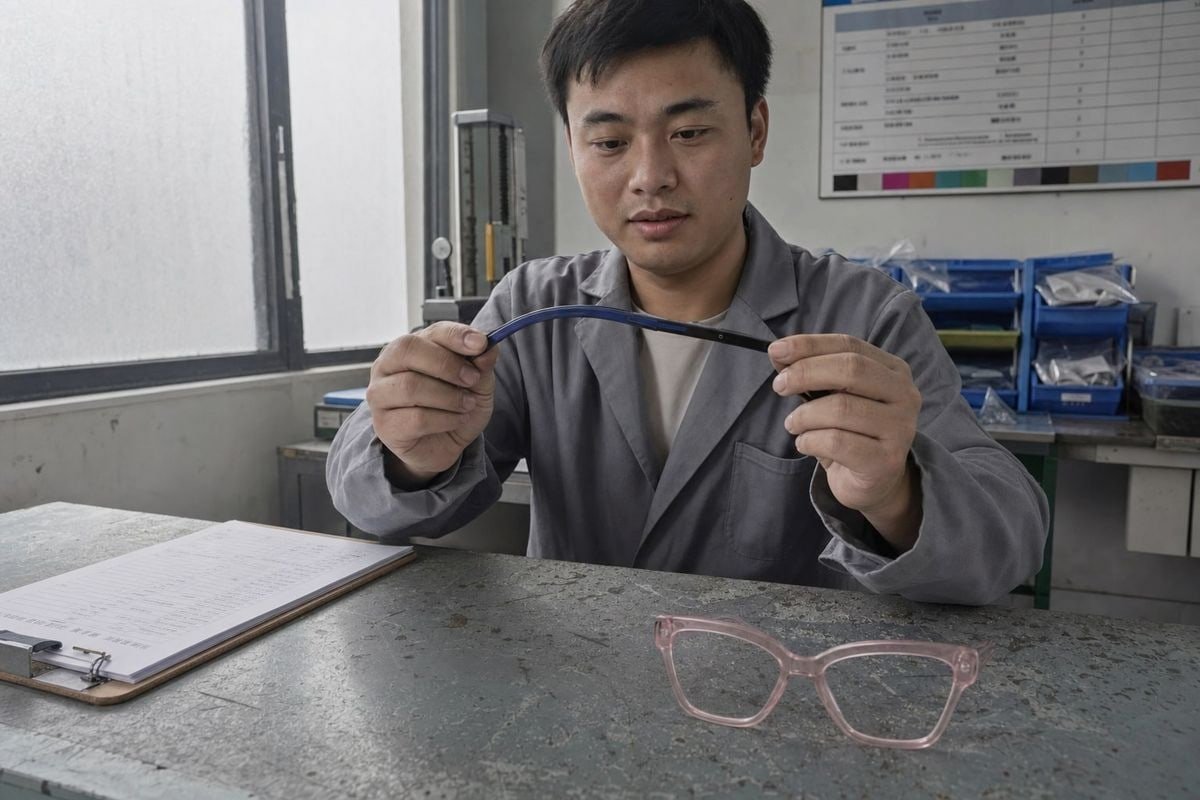
Minimum order quantity is where creative ambition meets manufacturing reality. Here is the honest tension: brands want exclusive colorways in small test batches, but injection molding and material dyeing require workable batch sizes to hold color tolerances. A run that is too small makes consistent Pantone matching harder, not easier.
Why Custom Colors Have MOQs at All
When we dye TR90 or TPEE material, we mix a full batch of pellets to one color formula. Small batches waste material and increase color drift between runs. That is why industry listings commonly quote figures like 1200 pieces per model across three colors for custom kids optical frames. That said, the market is shifting. Low-MOQ and startup-friendly programs are growing, and our approach of offering roughly 800 existing styles lets new brands test the market with in-stock colors first, then commit to exclusive colors once sales prove demand.
A Realistic Timeline
- Brief and color reference submitted (Pantone or physical swatch) — day 1.
- Color mixing and lab dips — about one week.
- Pre-production sample with logo and packaging mockup — one to two weeks.
- Your review and revisions — depends on you; lock this fast.
- Mass production — typically 30–60 days depending on volume and finish complexity.
- Final QC inspection and shipment.
Two planning notes from our 15 years of eyewear experience. First, complex finishes — gradients, marble effects, layered translucents — repeat less consistently than solids, so budget extra sampling time. Second, always align your retail launch date backward from production, not forward from today. Buyers who leave buffer time for one sample revision almost never miss their season. Buyers who don't, often do.
How Can I Ensure My Packaging Looks Retail-Ready and On-Brand?
A Japanese buyer once rejected an otherwise perfect shipment sample over one detail: the case zipper color clashed with her brand palette. She was right — packaging is the brand.
Match packaging to your price tier and channel: a branded hard case, microfiber cloth, printed box, and hang tag for retail; add barcode or QR stickers for compliance. Apply your exact Pantone colors and logo to every touchpoint, and approve a physical packaging sample before production.
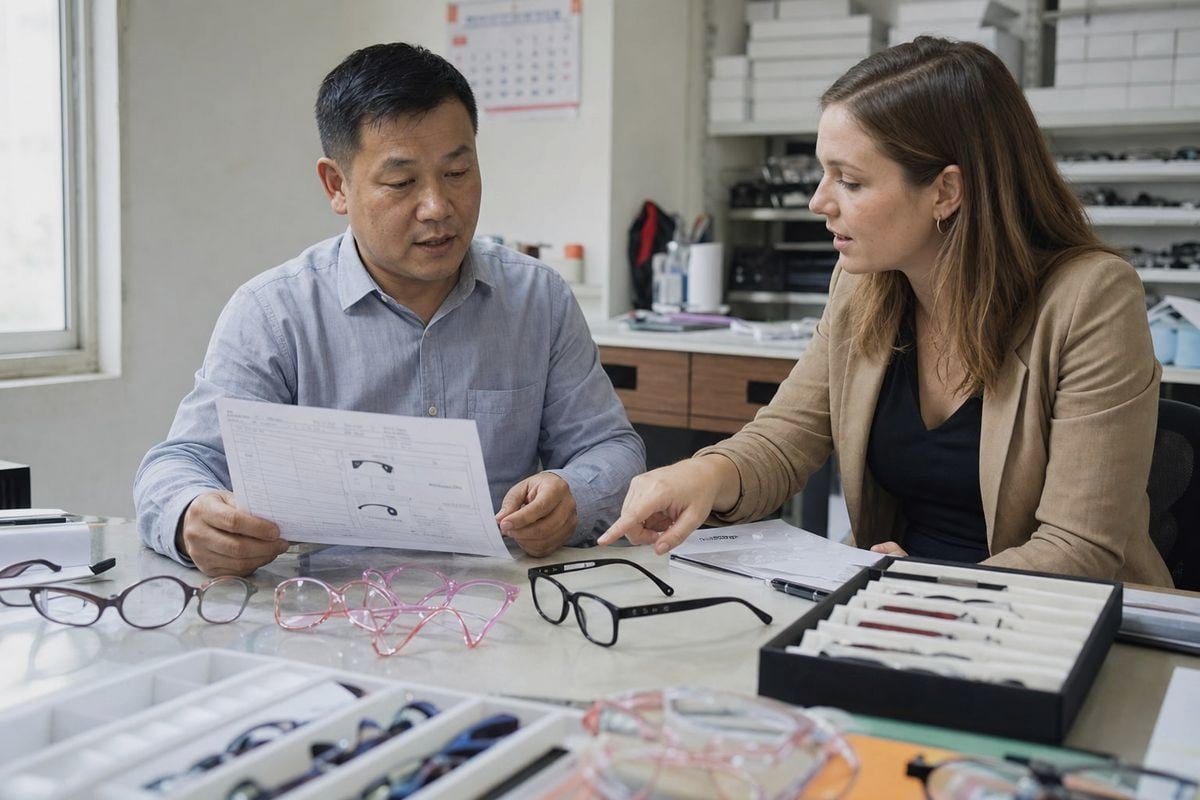
Retail packaging design for children's eyewear has to do three jobs at once: protect the frame, sell the brand, and survive real family life. Most factories only think about the first job. In our 5S-managed workshop, we treat packaging as part of the product, because for a private label eyewear brand, the unboxing is often the first physical brand experience a parent has.
Build a Complete Packaging Kit
| Komponente | UV-Transmissionsbericht (akkreditiertes Labor) | Branding Opportunity |
|---|---|---|
| Hartschalenkoffer | Protection in backpacks | Logo emboss, custom color, zipper pull |
| Soft pouch | Lightweight daily carry | Screen-printed logo, fabric color |
| Microfiber cloth | Lens care | Full-surface print |
| Printed box/carton | Retail shelf presence | Full brand design, age labeling |
| Insert card | Care instructions, warranty | Brand story, eye-health tips |
| Hang tag & QR/barcode stickers | Retail compliance, traceability | Link to try-on tools or content |
Balance Premium Looks With Kid-Proof Practicality
Here is the tension worth naming: a premium-looking box improves shelf appeal, but kids products need robust, parent-friendly packaging. A delicate magnetic-closure box photographs beautifully and dies in a school bag. Our recommendation is to split the roles — let the outer box carry the premium retail presentation, and let the hard case carry the durability. Custom packaging solutions can also lean sustainable: recyclable cardboard cartons and reusable cases appeal strongly to the environmentally conscious parents our European and Australian buyers serve, and they pair naturally with our environmentally friendly frame materials.
One more modern angle: a QR code printed inside the box costs almost nothing and can link to fitting guides, AR try-on filters, or eye-health content for kids. It turns packaging from a container into a channel.
Schlussfolgerung
Define your brand identity first, then translate it into colors, logos, and packaging your factory can produce consistently. Sample, approve, then scale — that is how exclusive kids optical frames succeed.
Fußnoten
1. Wikipedia provides a comprehensive and authoritative explanation of the Pantone Matching System. ↩︎
2. This article clearly explains the key differences between OEM and ODM manufacturing, relevant to the anchor text. ↩︎
3. Details the lightweight, flexible, and durable properties of TR90 material. ↩︎
4. Wikipedia provides a clear definition of ‘hypoallergenic’ and discusses its usage and lack of strict regulation. ↩︎
5. Adobe explains vector file formats (AI, PDF, SVG) and their benefits. ↩︎
6. Explains TPEE material characteristics and its suitability for kids’ eyewear. ↩︎
Weitere Artikel, die Ihnen gefallen könnten
August 2026
Bio-Based vs Regular Cellulose Acetate: What's the Difference for Kids' Frames?
August 2026
How Recyclable Are Kids' Optical Frame Materials, and What Eco-Friendly Alternatives Exist?
August 2026
Bleichen Kinderbrillengestelle im Lager aus oder altern sie, und wie kontrolliert man die Lagerbedingungen?
Auf der Suche nach einem zuverlässigen Partner für Kinderbrillen?
Entdecken Sie über 800 sofort verfügbare Modelle und umfassenden OEM/ODM-Support, der auf Ihre Marke zugeschnitten ist.
Kontakt aufnehmen English
  Español de México
  Deutsch
  Français
  日本語
日本語  العربية
  Português do Brasil