How to Choose the Right Payment Method for Your First Kids Optical Frames Order?
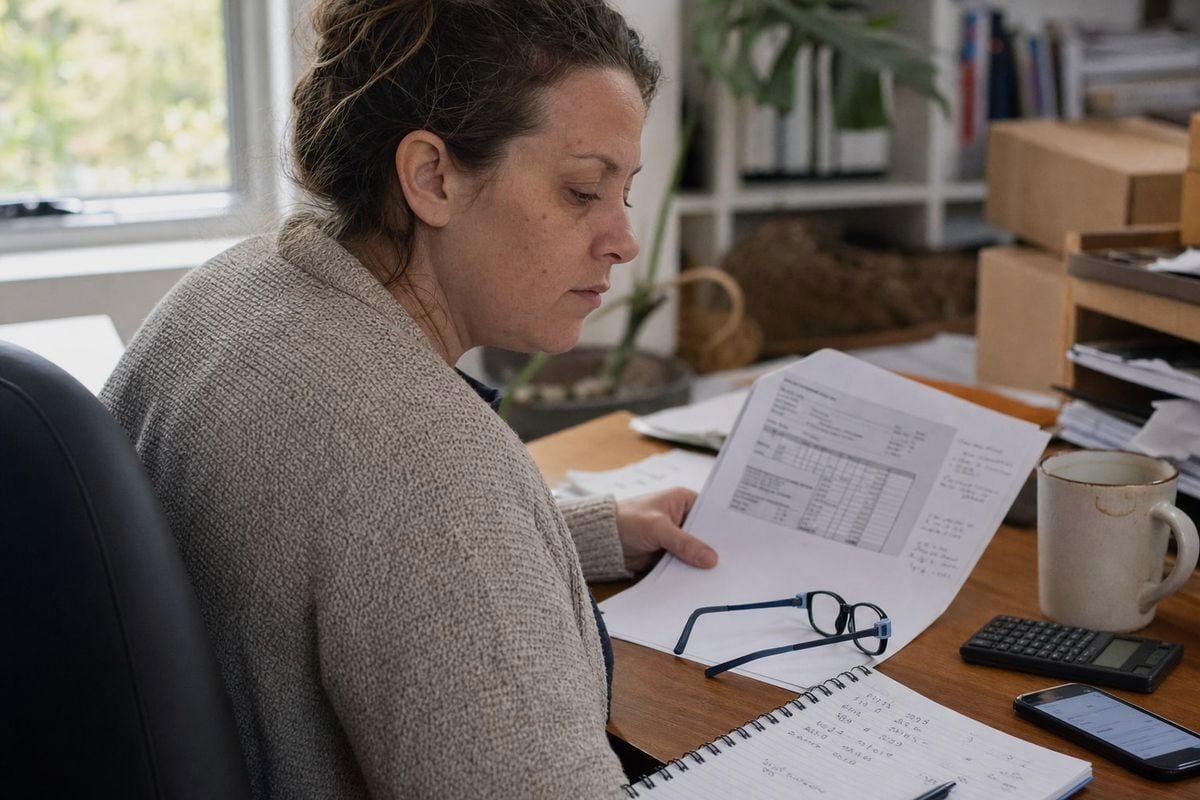
Choosing the right payment method for your first kids optical frames order feels risky. Our factory in Taizhou has seen new buyers freeze at this exact step, and lose weeks.
The right payment method for a first kids optical frames order is usually a bank transfer (T/T) with a 30% deposit and 70% balance before shipment, or a platform-protected payment like PayPal or Trade Assurance for smaller trial orders under a few thousand dollars.
That is the short answer. The full picture depends on your order size, your country, and how much trust you have built with the supplier. Let me walk you through each part, based on what actually happens when brands place their first order with us.
What Payment Terms Should I Expect When Ordering from a Kids Eyewear Factory?
During a recent onboarding call with a first-time buyer from Australia, the very first question was not about our TR90-Rahmen 1 at all. It was about payment terms.
Most kids eyewear factories, including ours, quote 30% deposit with the order and 70% balance before shipment via T/T bank transfer. Sample orders are usually paid 100% upfront. Larger repeat buyers may later negotiate balance-against-documents or partial credit terms.

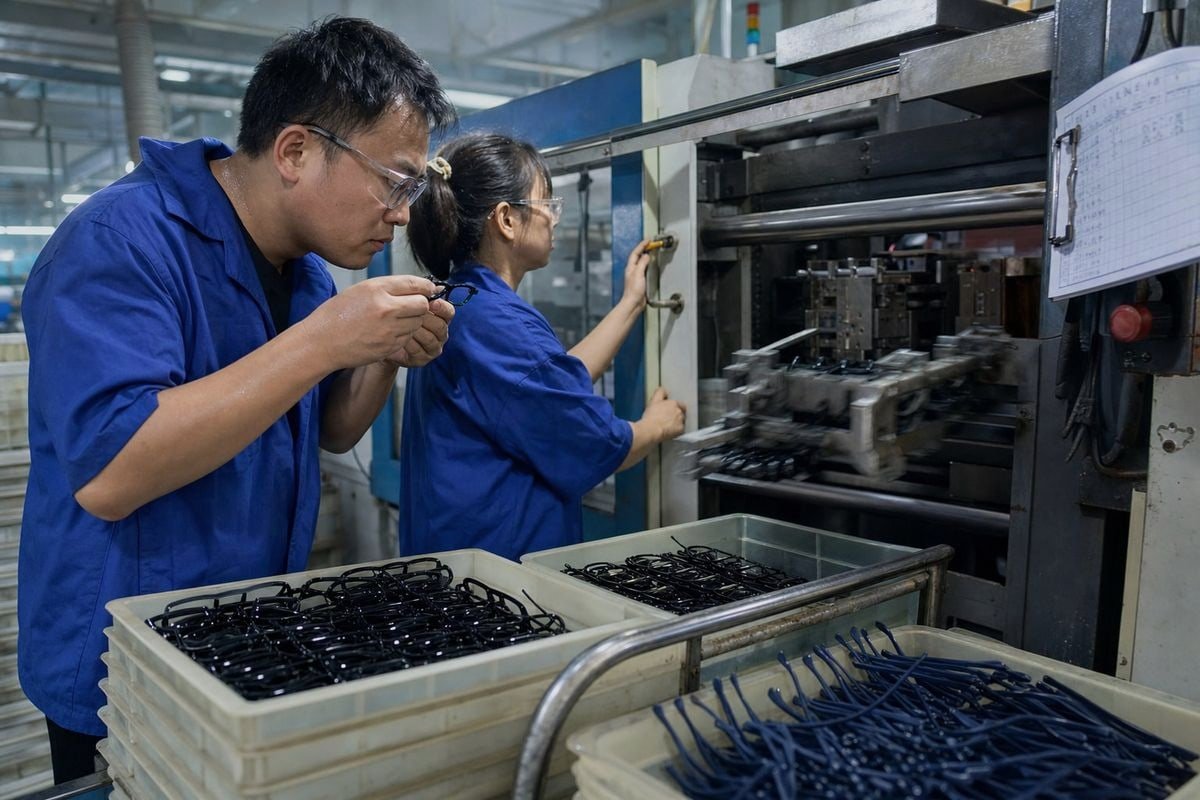
These terms exist for a practical reason, not because factories distrust buyers. When you order custom kids optical frames from us — say, our TR90 frames with flexible TPEE temples in your brand's colors — we buy raw material, run Spritzgussverfahren 2, apply your logo, and produce your packaging. The deposit covers that committed cost. The balance protects us against a buyer disappearing after production is complete.
The typical payment flow, step by step
- You confirm the quotation and pro forma invoice (PI).
- You pay the deposit, usually 30% by T/T.
- We produce a pre-production sample for your approval.
- Production runs, followed by our QC inspection.
- You pay the 70% balance after seeing inspection photos or a third-party report.
- We ship, and you receive the Frachtbrief 3 and documents.
Common term structures compared
| Term structure | When it applies | Buyer risk level |
|---|---|---|
| 100% upfront | Samples and very small trial orders | Higher — vet the supplier first |
| 30% deposit / 70% before shipment | Standard first bulk orders | Balanced for both sides |
| 30% deposit / 70% against B/L copy | Established relationships | Lower for the buyer |
| Open account / net terms | Long-term partners only | Lowest, rarely offered on order one |
One more thing I always tell buyers: get every term written on the PI — currency, bank fees, incoterms, and what triggers the balance payment. Verbal agreements about installment payment plans or balance timing cause most disputes I have seen in fifteen years of eyewear export.
How Can I Protect My Payment When Placing My First Bulk Order?
A lesson we learned early: buyers who verify us thoroughly before paying become our best long-term partners. So we actively encourage verification, and I will show you exactly what to check.
Protect your first payment by verifying the factory's business license, paying only to the company's corporate bank account, confirming bank details by video call, using a pro forma invoice with clear terms, and tying the balance payment to a passed quality inspection.
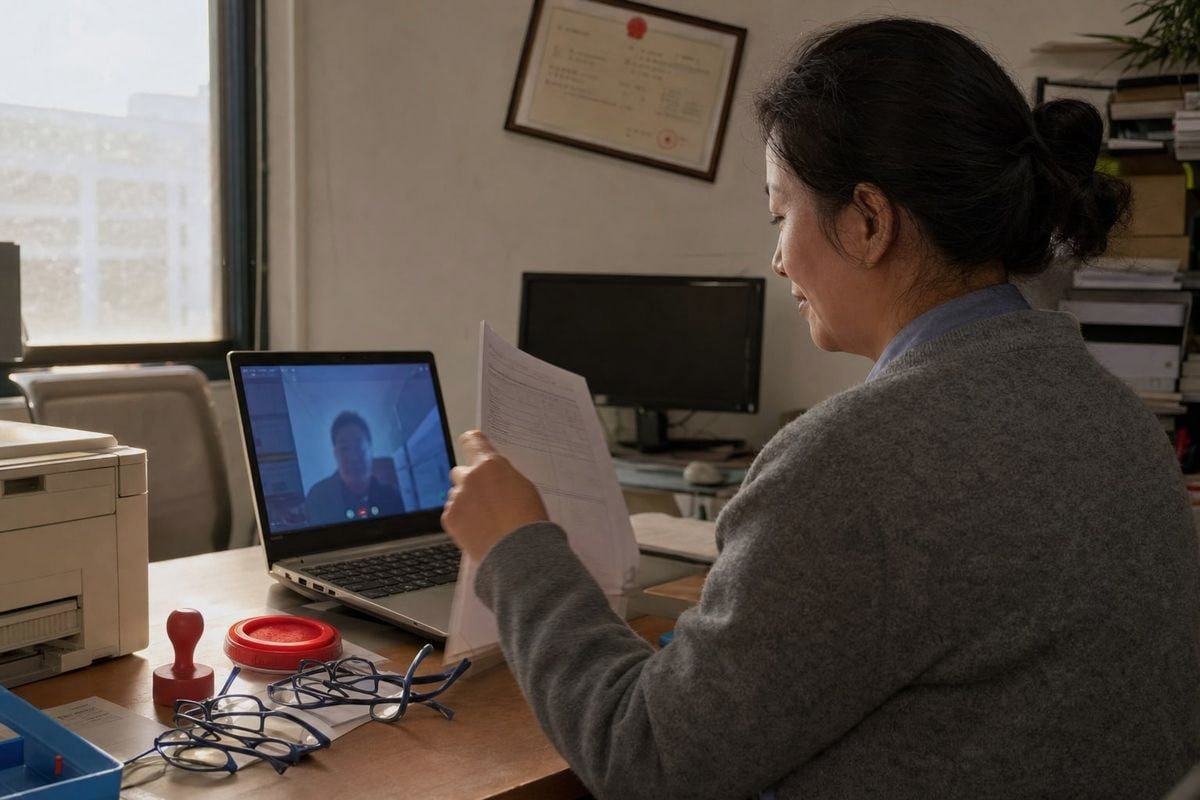
Payment protection is really two problems stacked together. The first is fraud — sending money to the wrong party. The second is performance risk — paying the right party but receiving late, wrong, or poor-quality frames. You need a defense for each.
Defense against fraud
Email interception is the number one scam in B2B trade. A hacker watches the email thread, then sends "updated bank details" right before you pay. The fix is simple. Confirm the beneficiary name and account by a separate channel — a video call or a verified phone number — before every transfer. The account name must match the company name on the business license and the PI. Never pay a personal account for a factory order. When buyers pay us, the beneficiary is our registered company, full stop. Also treat your own side seriously: use a business card with strong credit card fraud protection for sample payments, and check that any payment page uses proper secure checkout encryption and a reputable payment gateway security provider before entering card details.
Defense against performance risk
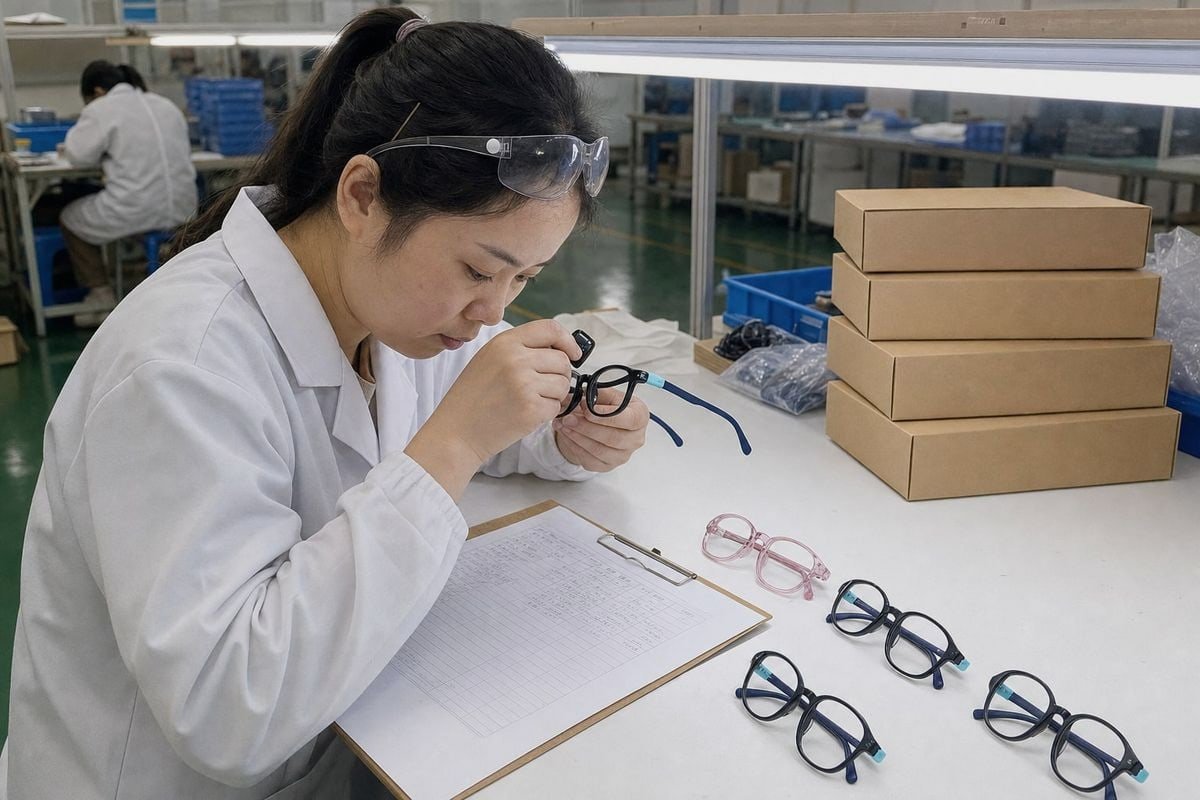
Structure the money around milestones. Pay the deposit only after approving a physical sample. Release the balance only after inspection — either our QC photos and video, or a third-party inspection you commission. We host third-party inspectors in our 5S-managed workshop regularly, and I consider it a healthy sign when a first-time buyer requests one. Finally, confirm the refund and exchange policy for defects in writing. Our standard is to replace or credit confirmed defective units, and putting that on the PI costs nothing but prevents arguments later.
Quick protection checklist
- Verify the business license and export record.
- Match the bank account name to the company name.
- Confirm bank details by video before wiring funds.
- Approve a pre-production sample first.
- Tie the balance to inspection results.
- Document the defect and remedy policy on the PI.
Which Payment Method Is Safest for Small Businesses Ordering Custom Optical Frames?
Here is a trade-off I discuss with buyers every month: the safest payment channel is rarely the cheapest one, and the cheapest is rarely the safest. Your order size decides where the balance lies.
For small businesses, platform-protected payments such as Alibaba Trade Assurance or PayPal are safest for first orders under roughly $3,000–$5,000. For larger custom orders, a T/T bank transfer to a verified corporate account, split 30/70 around inspection, offers the best mix of safety and cost.
Let me break down the real options B2B buyers use with us, because consumer logic does not transfer cleanly. Retail shoppers compare Buy Now Pay Later options like Klarna or Affirm, tap a digital wallet, or use FSA HSA eligible expenses at checkout. Those tools matter to your end customers — and if you sell prescription-ready frames, features like vision insurance reimbursement 4 support and digital wallet integration on your own store will lift conversion. But at the factory level, the toolbox is different.
Factory payment methods compared
| Methode | Typical fee | Buyer protection | Sie handhaben |
|---|---|---|---|
| T/T Banküberweisung | $20–50 flat, per wire | Low (bank cannot reverse easily) | Standard and large orders |
| PayPal | 3–5% + FX margin | Strong dispute process | Samples, small trial orders |
| Alibaba Trade Assurance 5 | Built into platform | Refund if terms are breached | First orders with new suppliers |
| Credit card via gateway | 3–4% | Chargeback rights 6 | Samples, small payments |
| Letter of Credit 7 | $200+ in bank fees | Very strong, document-based | Large orders, rarely worth it under $50k |
How to decide in practice
My honest guidance is layered. Use PayPal or a card for your sample order — the fees are trivial at that size, and you keep chargeback rights while testing a new supplier's reliability. Some buyers even use a one-time virtual card number for that first small payment, which limits exposure neatly. For the first bulk order, if the supplier is on a platform, Trade Assurance gives you a structured claims process. Once trust is established — usually by order two or three with us — most buyers move to plain T/T because the 3–5% saved on a $15,000 order is real money. What I discourage is letting a supplier push you to T/T for a tiny first sample while refusing any protected channel. A confident factory accepts small protected payments; we certainly do.
What Should I Know About Deposits and Balance Payments Before Signing an Order?
One of our European buyers once asked why the deposit percentage rose when she added custom acetate colors, like our translucent pink frames. The answer taught her more about factory economics than any brochure could.
Know that the deposit funds materials and custom work, so it rises with customization; that the balance trigger must be defined in writing; and that inspection should always happen before the balance payment, because your leverage disappears the moment the final wire clears.
The deposit-and-balance structure is where most first-order misunderstandings live, so let me unpack it carefully.
Why deposit size varies
A stock-color order from our roughly 800 existing styles carries low factory risk, so 30% is standard. Heavy customization changes the math. Custom colors mean dedicated material batches. Custom logos, packaging, and accessories mean purchases we cannot reuse if you cancel. That is why customized orders sometimes carry a 40–50% deposit. It is not greed; it is unrecoverable cost. This is also why I steer new brands toward our existing styles first — you avoid mold investment, keep the deposit low, and test your market with less capital locked up.
What the balance trigger should say
"Balance before shipment" is vague. Nail down the exact trigger on the PI:
| Balance trigger | What it means for you |
|---|---|
| Before production finishes | Weakest — avoid on a first order |
| After QC photos/video | Acceptable minimum standard |
| After third-party inspection passes | Strongest position for a first order |
| Against bill of lading copy | Goods shipped first — usually order two onward |
Points buyers forget to fix in writing
Agree the currency and who pays intermediary bank fees, or your "70%" arrives short and delays release. Confirm what happens to the deposit if the pre-production sample fails approval. Define lead time from deposit receipt, not from order date. And record after-sales terms — defect thresholds, the replacement process, and any prescription lens warranty arrangement if lenses are part of your program. When these five items are on paper, deposits stop being scary. They become a simple, predictable rhythm: deposit, sample, production, inspection, balance, shipment.
Schlussfolgerung
First orders fail on payment confusion more than on product quality. Verify the supplier, protect small payments, split larger ones around inspection, and document everything. Do that, and your first kids optical frames order becomes routine — I have watched it happen for buyers in over twenty countries, and it can happen for you.
Fußnoten
1. Background on the thermoplastic material used for the flexible kids eyewear frames. ↩︎
2. Explains the manufacturing process used to produce the custom eyewear frames. ↩︎
3. Defines the shipping document referenced as a trigger point for balance payments. ↩︎
4. CDC resource on vision health relevant to insurance reimbursement for prescription eyewear. ↩︎
5. Explains the platform escrow service referenced repeatedly as a payment protection option. ↩︎
6. Authoritative FTC guide explaining consumer rights for disputing credit card charges and exercising chargeback protections. ↩︎
7. Background on this formal trade finance instrument mentioned as a high-security payment option. ↩︎
Weitere Artikel, die Ihnen gefallen könnten
August 2026
Bio-Based vs Regular Cellulose Acetate: What's the Difference for Kids' Frames?

August 2026
How Recyclable Are Kids' Optical Frame Materials, and What Eco-Friendly Alternatives Exist?
August 2026
Bleichen Kinderbrillengestelle im Lager aus oder altern sie, und wie kontrolliert man die Lagerbedingungen?
Auf der Suche nach einem zuverlässigen Partner für Kinderbrillen?
Entdecken Sie über 800 sofort verfügbare Modelle und umfassenden OEM/ODM-Support, der auf Ihre Marke zugeschnitten ist.
Kontakt aufnehmen English
  Español de México
  Deutsch
  Français
  日本語
日本語  العربية
  Português do Brasil