How to Avoid Overstocking Kids’ Sunglasses When Sourcing in Bulk?
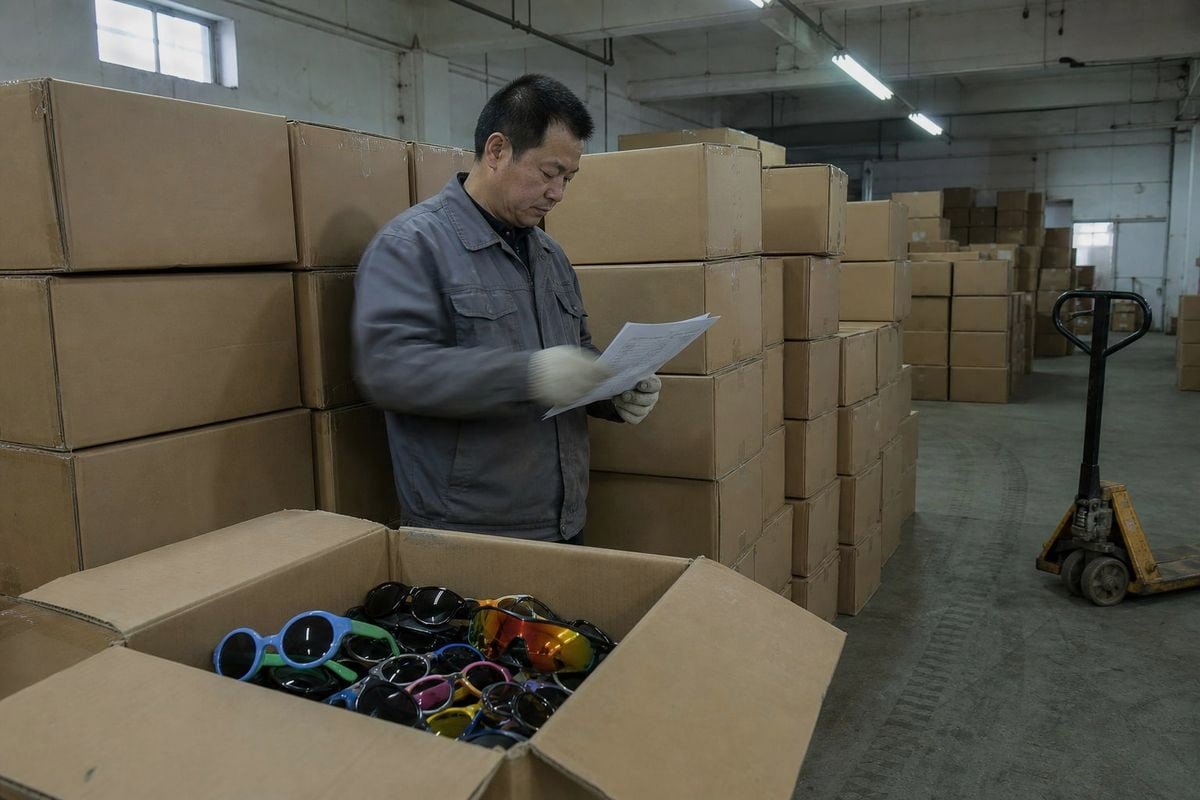
Overstocking kids’ sunglasses when sourcing in bulk 1 drains cash fast TPEE temples 2. I have watched buyers visit our Taizhou factory, order big, and then sit on dead stock for two seasons.
To avoid overstocking kids’ sunglasses when sourcing in bulk, start with a small test assortment, validate sell-through data, negotiate flexible MOQs with mixed styles and colors, reserve most of your budget for fast replenishment, and only reorder deeply on styles that have already proven they sell.
That is the short answer. Now let me walk you through each step in detail, using what we see from real buyers across 20+ countries.
How can I test market demand before committing to a large kids' sunglasses order?
A buyer from Australia once told me she almost ordered 10,000 units of one style on gut feel. Instead, we suggested she sample five styles first. That decision saved her season.
Test demand for kids' sunglasses by ordering small trial quantities across several styles, selling them through your real channels for four to eight weeks, tracking sell-through rate per SKU, and then scaling only the proven winners in your next bulk order.
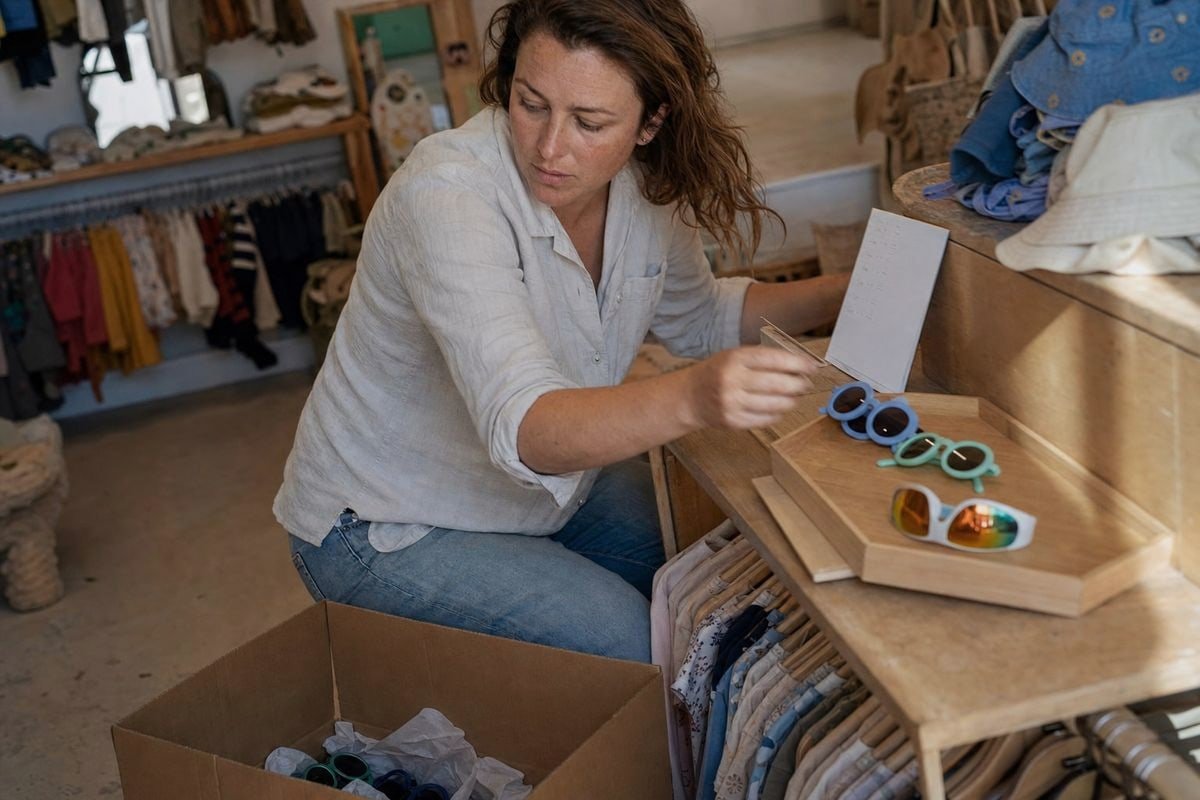
Kids' sunglasses are seasonal, trend-driven, and age-sensitive. That makes gut-feel ordering risky. The good news is that testing demand does not need to be complicated. It just needs to be deliberate.
Start with a structured test order
We usually recommend buyers pick three to six styles from our existing catalog of roughly 800 designs. This lets them test without any mold investment. Order shallow quantities per style. Sell them through your actual sales channels — your website, your retail shelf, or your Amazon listing. Do not judge demand from a trade show reaction alone. Real purchase behavior is the only signal that matters.
Track the right numbers
During the test window, watch three metrics closely:
| Metric | What it tells you | Healthy signal |
|---|---|---|
| Sell-through rate | How fast a style moves | 60%+ within the test window |
| Return rate | Fit, comfort, and quality issues | Under 5% |
| Repeat or reorder interest | Whether demand is durable | Customers ask for more colors or sizes |
A style that sells 70% of its test stock in six weeks deserves a deeper reorder. A style that sells 15% should be dropped or repriced — not reordered in bulk because you "believe in it."
Use seasonality to your advantage
Kids' sunglasses spike around summer, school holidays, and vacation travel. Time your test so results arrive before your main buying window. In our experience exporting to Europe and Japan, buyers who test in early spring make far better summer bulk decisions than those who order blind in winter.
What minimum order quantities should I expect when sourcing from a flexible-material eyewear factory?
MOQ is the question I answer most often on sales calls. Buyers worry that flexible TPEE and TR90 eyewear demands huge commitments. In reality, the numbers are more workable than most expect.
Flexible-material kids' eyewear factories typically set MOQs of around 300–1,200 pieces per style for existing designs, and higher for fully custom molds. Choosing catalog styles, standard colors, and negotiated mixed orders can bring your effective commitment per SKU much lower.
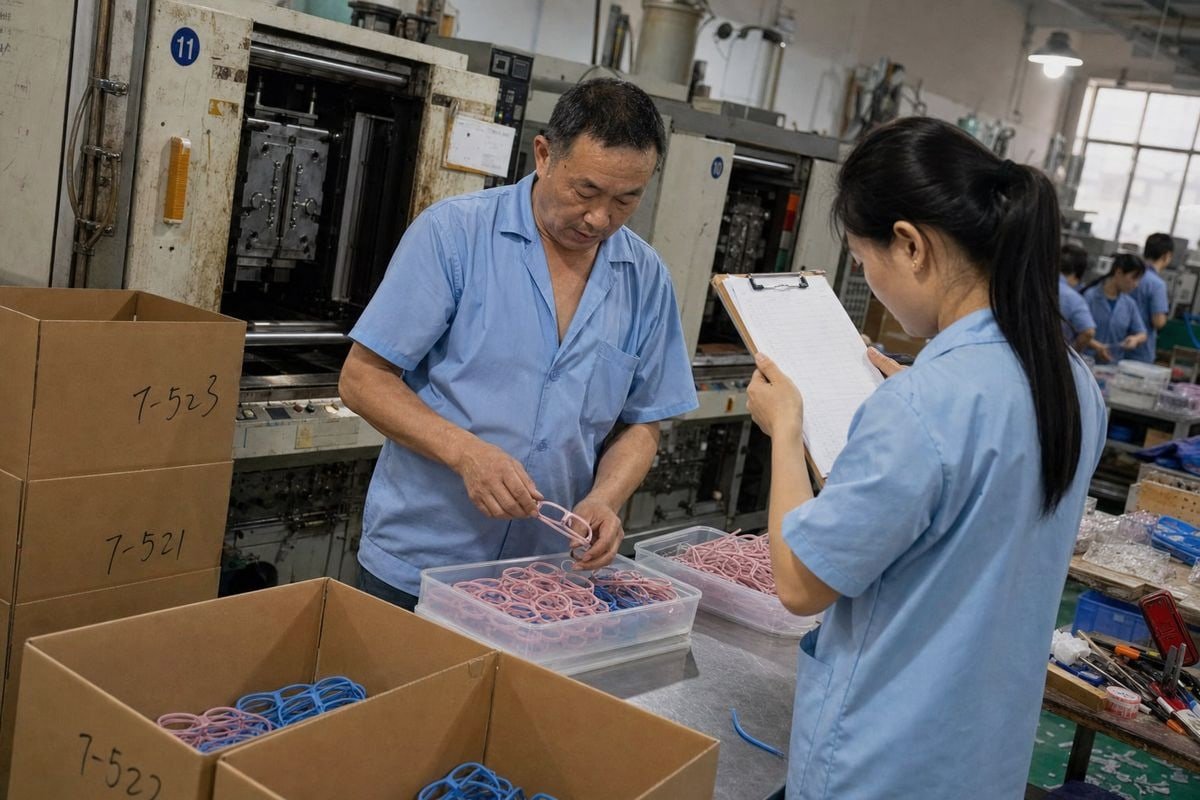
MOQ exists for a reason. It covers material batching, color mixing, and production line setup. But MOQ is a constraint to manage — not a target to hit. Many buyers overstock simply because they treat the MOQ as a purchase recommendation. It is not.
What drives MOQ up or down
Different customization levels carry very different MOQ realities. Here is how it generally works with flexible-material factories like ours:
| Bestellart | Typical MOQ range | Overstock risk |
|---|---|---|
| Existing catalog style, standard colors | 300–600 pcs per style | Niedrig |
| Existing style, custom color or logo | 600–1,200 pcs per style | Mittel |
| Custom lens, packaging, and branding | 1,000–2,000 pcs | Medium–high |
| Fully new design with new mold | 3,000+ pcs plus mold cost | Hoch |
The pattern is clear. The more custom your order, the deeper your commitment. That is why we always advise new brands to launch from existing styles first. You get retail-ready product, your own logo and packaging, and a fraction of the inventory risk.
How to negotiate smarter terms
Ask your supplier directly about these levers:
- Trial-order pricing for a first cooperation.
- Split shipments — produce once, ship in two batches.
- Reorder priority, so replenishment lead time shrinks after the first run.
- Mixing colors within one style's MOQ.
A reliable factory wants a long-term partner, not a one-time bulk sale. When a buyer asks us for a smaller first order with a clear replenishment plan written into your purchase agreement, we see a serious partner — and we work with that.
Can I mix styles, colors, and sizes within one bulk order to reduce overstock risk?
Last year, a European kids' brand asked us to split one container across eight styles in three age bands. Their sell-through improved, and their dead stock nearly disappeared. Mixing works.
Yes. Most kids' eyewear factories allow mixing styles, colors, and frame sizes within one bulk order, often against a combined total MOQ. Mixing spreads risk across SKUs, keeps per-style quantities shallow, and lets you discover winners without overcommitting to any single design.
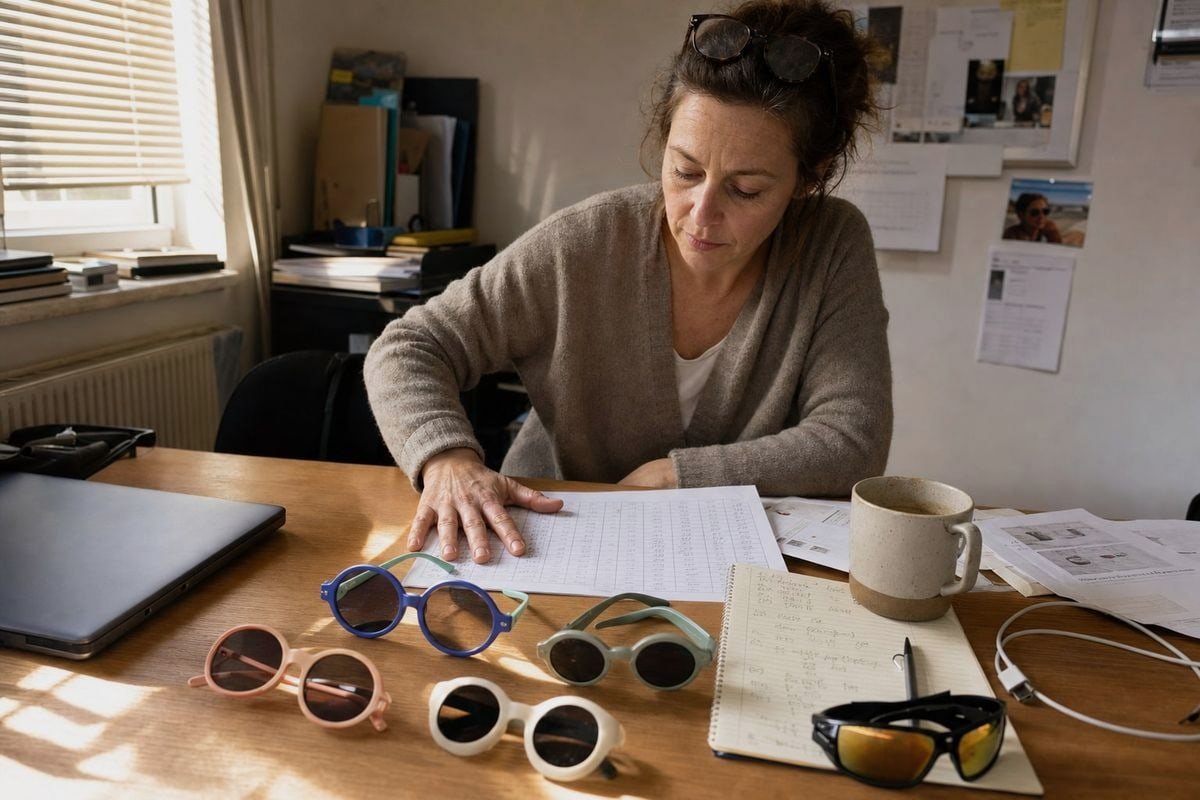
Dead stock rarely comes from ordering too much overall. It comes from ordering too much of the wrong SKU. Mixing is the direct fix, but it has to be structured, not random.
Mix wide, but stay disciplined
There is a trap here. Some buyers swing from one extreme to the other — from one giant single-style order to a chaotic order with thirty styles in every color. Both fail. Too few SKUs concentrates risk. Too many SKUs creates fragmentation, slow sellers, and messy inventory. In our experience, the sweet spot for a first bulk order is roughly five to ten styles, two to three colorways each, across two or three age bands.
A practical mixing framework
| Dimension | Recommended spread | Warum |
|---|---|---|
| Styles | 5–10 per order | Enough variety to find winners |
| Colors per style | 2–3 | Tests color preference without diluting depth |
| Age/size bands | 2–3 (e.g., 2–5 yrs, 5–9 yrs) | Fit drives sell-through in kids' eyewear |
| Depth per SKU | Shallow first, deep on reorder | Reserve budget for replenishment |
Watch the size distribution
One overlooked cause of overstock is size mismatch. Kids' sunglasses are not one generic category. A frame sized for a three-year-old will not fit a nine-year-old, and parents notice immediately. On our production line, we size TR90 fronts 3 and TPEE temples to specific age bands for exactly this reason. Match your size split to your actual customer demographics, not to an even three-way split by default.
How do I choose which kids' sunglasses styles will actually sell before I order in bulk?
Style selection is where I spend the most time advising buyers. After fifteen years making children's eyewear, we can usually tell which designs will move — and which will collect dust.
Choose kids' sunglasses styles by combining proven safety features — UV400 lenses, flexible impact-resistant frames — with clear age-band fit, current color trends, and your own channel data. Prioritize versatile everyday shapes first, and treat bold trend styles as small experimental add-ons.
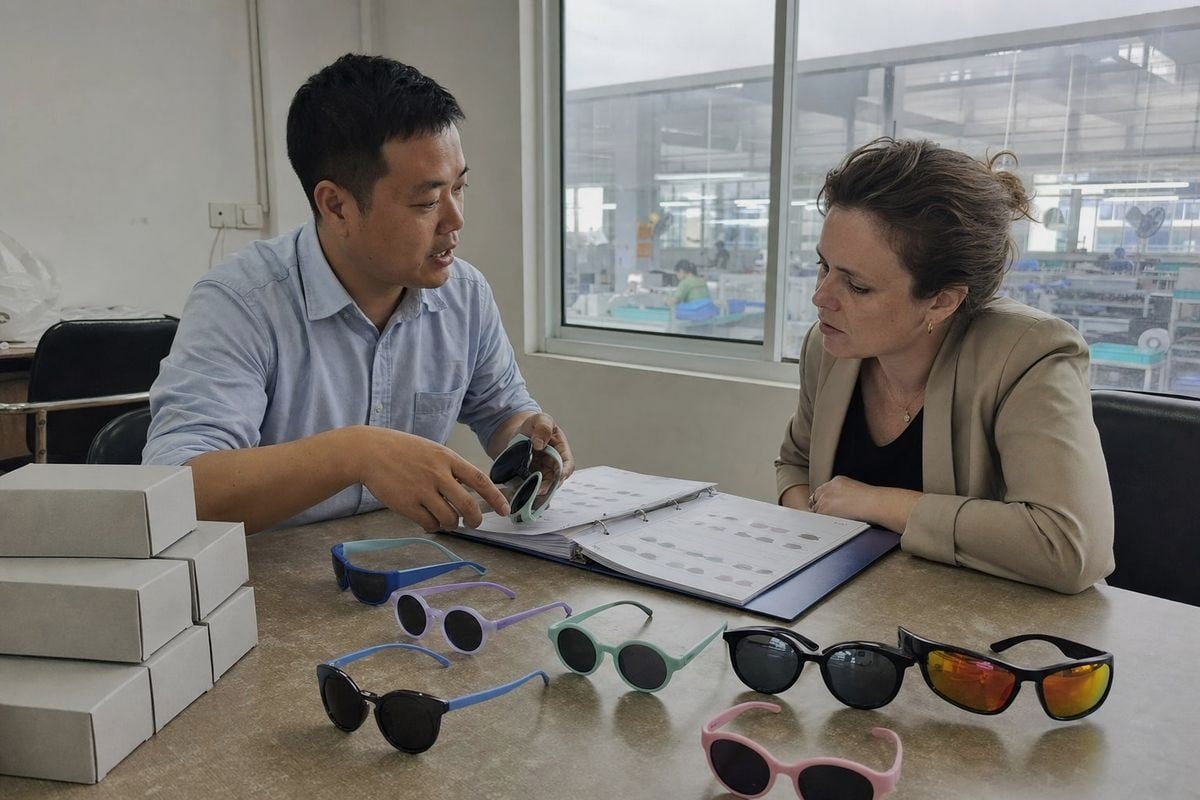
Parents buy kids' sunglasses differently than they buy adult fashion eyewear. Safety and comfort come first. Style comes second — but it still decides which pair a child actually agrees to wear. Both filters must pass, or the product stalls on the shelf.
The non-negotiables that speed up sell-through
Certain features consistently reduce returns and build trust, which directly improves how fast inventory moves:
- UV400-rated lenses 4, clearly labeled.
- Flexible temples that bend without snapping — this is why we build with TPEE and TR90 rather than rigid cheap plastics.
- Impact-resistant, lightweight frames that survive being dropped, sat on, and stuffed into backpacks.
- Environmentally friendly materials 5, which matter more every year to parents in Europe, Japan, and Australia.
A cheap pair that breaks in a week generates returns, bad reviews, and slow repeat sales. Quality is an inventory strategy, not just a product spec.
Balance safe bets with small experiments
Think of your assortment in two tiers. Your core tier should be classic, versatile shapes — rounded frames in pastel two-tone colors, for example, sell steadily across markets and seasons. Your experimental tier can include bolder pieces, like sport-style wraparound shields with verspiegelten Gradienten-Gläsern 6, which perform strongly with active-kids and outdoor brands but are more segment-specific. Order the core deep enough to reorder confidently. Order the experiments shallow, and let real sales decide their future.
Sense-check against your channel
Finally, match style to channel. A boutique baby brand sells different frames than an outdoor sports retailer. When buyers send us their store photos and customer profiles, our team can point them toward the styles that similar customers reorder most. Use your supplier's cross-market experience — it is free market research.
Weitere Artikel, die Ihnen gefallen könnten

August 2026
Sollte die Fabrik die Verpackung und Kennzeichnung von Kinder-Sonnenbrillen übernehmen oder einen bestimmten Lieferanten nutzen?

August 2026
Eigenes Lager vs. Direktlieferung durch den Lieferanten: Was senkt die Retourenkosten für Marken von Kinder-Sonnenbrillen?

August 2026
Direkt zum Lagerhafen oder Lagerung in Übersee: Was spart mehr bei den Versandkosten für Kinder-Sonnenbrillen?
Auf der Suche nach einem zuverlässigen Partner für Kinderbrillen?
Entdecken Sie über 800 sofort verfügbare Modelle und umfassenden OEM/ODM-Support, der auf Ihre Marke zugeschnitten ist.
Kontakt aufnehmen English
  Español de México
  Deutsch
  Français
  日本語
日本語  العربية
  Português do Brasil