How to Avoid Overlap When Sourcing New Kids’ Optical Frame Styles?

Sourcing new kids’ optical frame styles feels exciting until two “new” designs arrive at our Taizhou factory looking almost identical. Overlap wastes cash, clutters boards, and confuses buyers. It is avoidable.
To avoid overlap when sourcing new kids’ optical frame styles, audit the manufacturer’s full catalog first, map every style to a distinct fit or use-case slot, compare designs against competitor lines, request exclusivity where needed, and customize proven frame bases instead of buying near-duplicates.
That is the short answer. Below, I break each step down with the checks, tables, and questions we walk our own B2B buyers through before they place an order.
How can I check a manufacturer's existing catalog before choosing new frame styles?
During a recent showroom visit, a European buyer asked to see all our rounded rectangular TR90 kids' frames side by side. Within minutes, she spotted three near-duplicates in her own shortlist. That review saved her an entire redundant SKU.
Request the manufacturer's complete style list sorted by shape, size, material, and age band, not just a lookbook. Then cross-check each candidate style against that list for matching bridge width, lens shape, and temple design before confirming any purchase order.
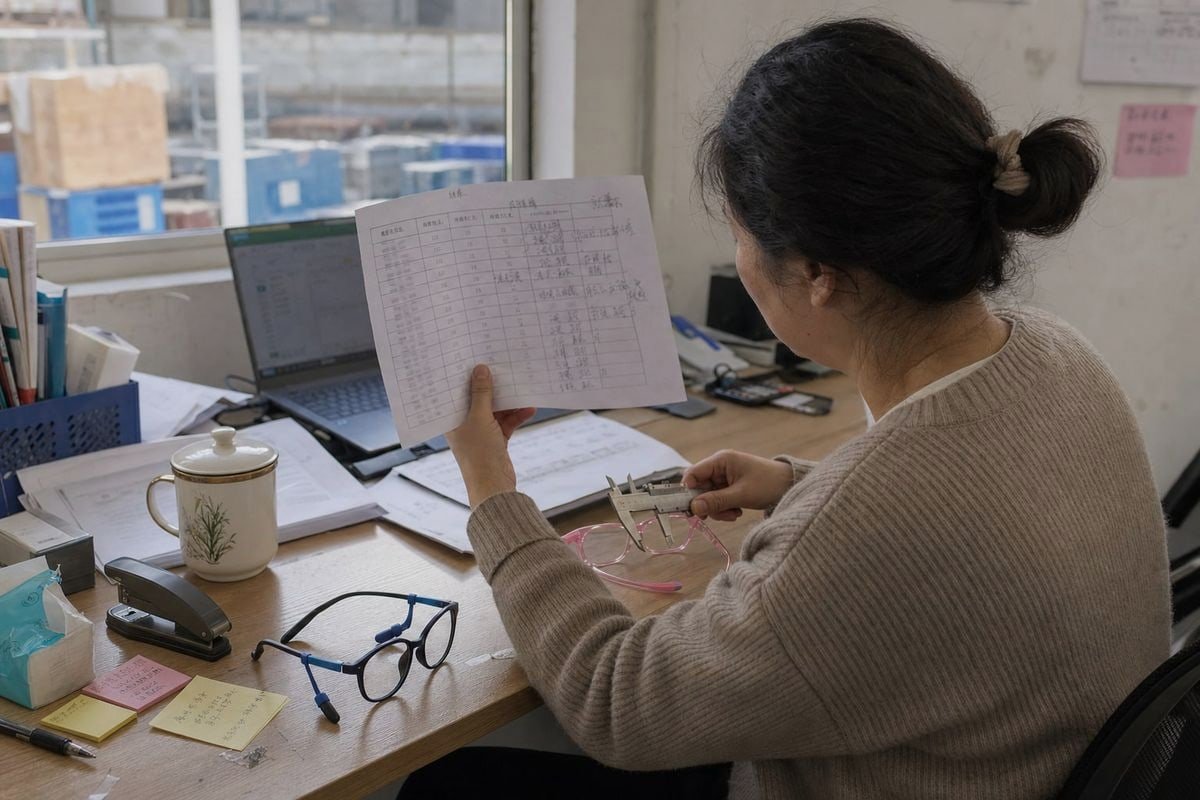
A lookbook shows a supplier's favorites. A full catalog shows the truth. At our factory, we maintain roughly 800 existing styles, and we always encourage buyers to review the structured list before choosing anything new. Why? Because overlap usually hides in the specs, not the photos. Two frames can look different in marketing images yet share the same bridge fit, the same lens shape, and the same age target. On a shelf, they compete with each other instead of with your competitors.
What to ask for from the supplier
Ask for a spreadsheet or ordered export, not a PDF of glamour shots. Good wholesale eyewear suppliers can provide this within a day. The key fields matter more than the pretty renders.
| Catalog Field | Why It Matters for Overlap |
|---|---|
| Lens width / bridge / temple (e.g., 46-16-125) | Identical measurements mean identical fit profiles |
| Frame shape (round, rounded rectangle, cat-eye) | Same shape plus same size equals a duplicate slot |
| Material (TR90, TPEE, acetate, metal) | Pediatric frame materials define durability and comfort roles |
| Target age band | Two frames for ages 5–8 with the same DBL overlap |
| Color range available | A winner in more colors beats a new near-twin |
How to run the comparison
First, list your current assortment with the same fields. Next, place candidate styles into that grid. Then flag any candidate that matches an existing frame on three or more fields. Finally, ask the supplier which existing styles already sell well to markets like yours. In our experience exporting to 20+ countries, buyers who do this simple exercise cut their duplicate rate dramatically. Strong optical inventory management 1 starts before the purchase order, not after the stock arrives.
What details help me confirm a design isn't already sold by competing brands?
A procurement manager from Australia once sent us a frame she loved, only to discover a rival brand had launched almost the same translucent pink acetate 2 shape a season earlier. We rebuilt the temple design together, and her version stood apart.
Compare frame shape, colorway, temple construction, hinge details, size run, and price tier against competitor lines. Check trade show catalogs, competitor websites, and marketplace listings, and ask your supplier directly which brands already bought that mold or a close variant.
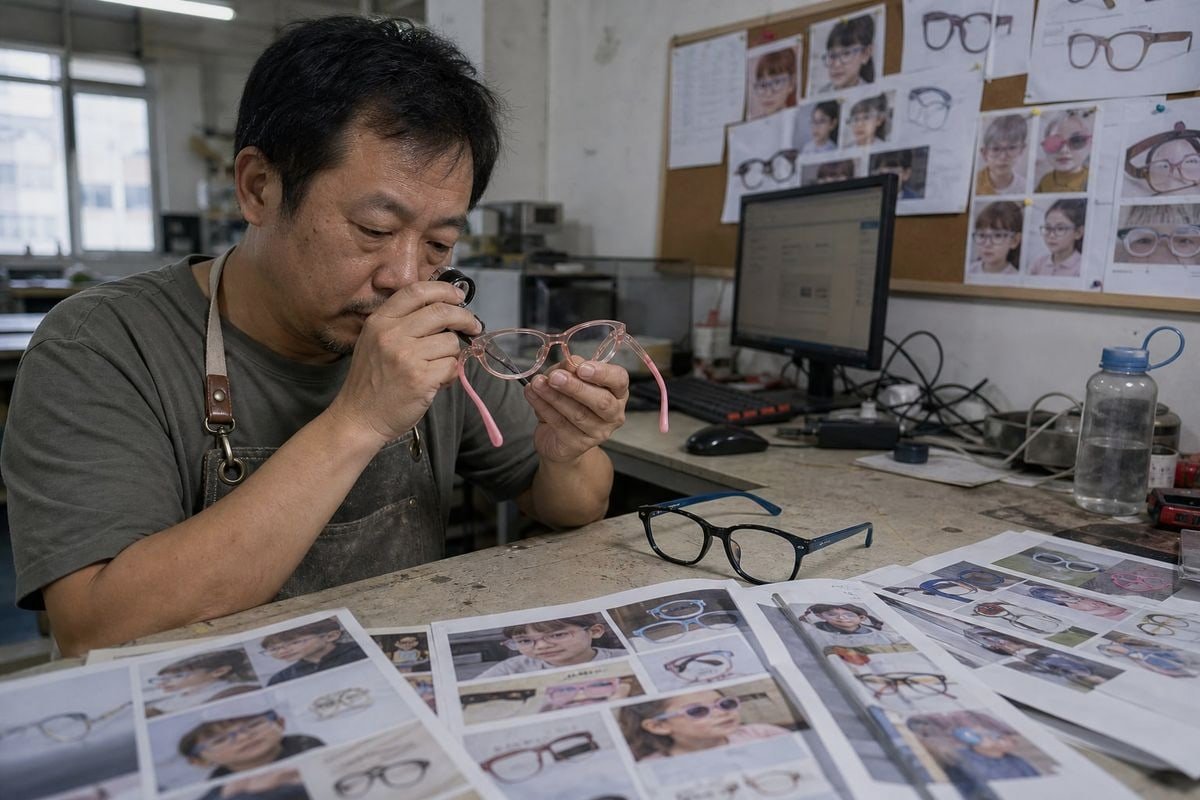
Visual similarity alone does not prove overlap, and visual difference alone does not disprove it. What matters is whether a parent scanning shelves or online listings sees your frame as interchangeable with a competitor's. Serious eyewear market analysis looks at several layers at once. Here is a scannable checklist we share with buyers doing competitor research:
- Front shape and lens silhouette. Rounded rectangles and soft cat-eyes dominate current children's eyewear trends, so subtle details carry the differentiation load.
- Color story. A glossy black front with navy-and-blue flexible temples reads sporty; a translucent blush pink acetate reads soft and minimalist. If a competitor owns that exact story at your price point, adjust it.
- Temple construction. Cable-style ear hooks, silicone tips, embossed dot patterns, and two-tone rubber sections are all visible differentiators parents notice.
- Size run and age band. A competitor may sell a similar look but only for ages 8–12, leaving the 4–7 slot open for you.
- Price tier and channel. The same aesthetic at a different price and channel may not overlap commercially at all.
- Lens and feature package. Blue-light protection, polarized options, or impact-resistant polycarbonate compatibility can turn a familiar shape into a distinct offer.
Ask the supplier the awkward question
Then there is the direct route. Ask your supplier plainly: who else has bought this style, and into which regions? A factory that values long-term partnerships will answer honestly. At our workshop, we track which of our styles ship to which markets, and we will tell a buyer if a style is already active in their country. Product differentiation is easier to build before production than to explain after launch. A ten-minute conversation can prevent a season of shelf confusion.
Should I request exclusivity agreements when sourcing new kids' optical frame styles?
Weighing exclusivity is a trade-off we discuss with buyers almost weekly. exclusivity agreements 3 Full exclusivity protects your identity but raises minimums; open styles cost less but risk shared shelves. Neither answer is automatically right.
Request exclusivity when a style anchors your brand identity or your market is small and visible. For volume basics, regional or category exclusivity is usually enough. Full mold exclusivity makes sense mainly for custom-developed designs with committed order quantities.
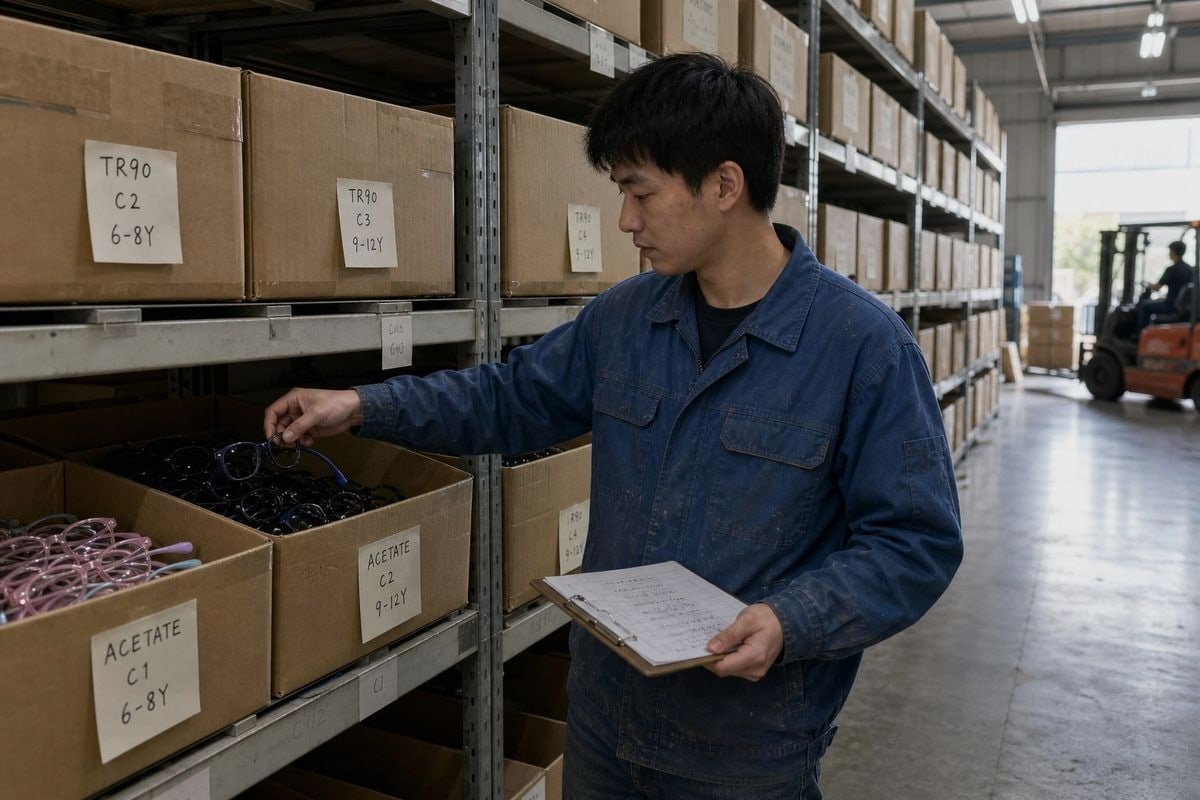
Exclusivity is not one thing. It comes in tiers, and each tier carries a different cost and a different level of protection. Buyers who understand the tiers negotiate better and avoid paying for protection they do not need. Here is how we typically structure the conversation:
| Exclusivity Type | Was es abdeckt | Typical Condition | Am besten geeignet für |
|---|---|---|---|
| Colorway exclusivity | Your specific color combination on an open mold | Modest MOQ | Testing new markets with low risk |
| Regional exclusivity | A style reserved for your country or region | Annual volume commitment | Established brands in defined markets |
| Category exclusivity | Style reserved for your channel (e.g., optical shops only) | Negotiated per case | Brands avoiding channel conflict |
| Full mold exclusivity | The entire design belongs to you | Mold investment or high committed volume | Signature private label optical lines |
The honest economics behind it
A factory keeps its lights on through volume, so full exclusivity on a low-volume style is a genuine cost to the supplier. That is why colorway or regional exclusivity is often the smart middle ground. In our own OEM/ODM projects 4, most buyers start with an existing style, secure their custom colors and logo exclusively, and only invest in a fully exclusive mold once sales data proves the concept. That path protects cash flow and still delivers real product differentiation.
One more point buyers sometimes miss: exclusivity should be written down. A verbal promise across time zones is not a contract. Ask for the scope, the territory, the duration, and the volume conditions in writing. A reliable partner will not hesitate. In fifteen years of eyewear work, the buyers who formalize exclusivity early are the ones who avoid painful surprises at trade shows later.
How do I balance customization with using proven frame bases to avoid style overlap?
Our engineers learned this lesson developing a TR90 frame with TPEE temples: the base geometry took months to perfect, but new colorways and temple details took weeks. Proven bases plus smart customization is the fastest route to a differentiated line.
Start with a proven frame base that already fits children well, then customize colors, temple details, logos, lens features, and packaging to create differentiation. Reserve fully new molds for genuine gaps in fit, age band, or use case your current line cannot cover.

The instinct to source entirely new designs every season is understandable, but it is often where overlap begins. Some buyers argue that a broad assortment creates more chances to match every taste. In practice, choice only helps when options differ meaningfully in fit, price, or role; otherwise, it adds confusion and ties up inventory. A tighter, better-differentiated line usually outsells a bloated one. That is the core of good frame collection planning.
Think in slots, not styles
Before customizing anything, define the jobs your kids' line must do. A practical slot structure looks like this:
| Assortment Slot | Fit / Feature Priority | Customization Focus |
|---|---|---|
| Younger-child everyday | Small bridge (DBL around 14–17 mm), soft silicone tips | Playful colors, embossed patterns |
| School durable primary | Spring hinges, flexible TPEE temples, kids' glasses durability | Neutral colors, subtle branding |
| Active / sporty | Cable-style ear hooks, secure retention, flexible materials | Bold two-tone contrasts like black and navy |
| Fashion-forward older child | Cat-eye or trend shapes, translucent acetates | Blush pinks, jelly finishes, engraved details |
| Growth-friendly size run | Same aesthetic across two or three sizes | Consistent color families per size |
Fill each slot with one strong style, not three similar ones. Then customize within the slot. A proven rounded rectangular base can become a sporty black-and-blue frame with rubberized temples for one slot, while a soft square base becomes a translucent pink fashion piece for another. Same engineering confidence, zero overlap.
Where customization pays off most
Children's eyewear fit should drive the base choice; aesthetics should drive the customization. Only commission a new mold when the change is structural: a lower bridge for flatter nose profiles, a shorter temple length, or a growth-friendly size progression your line lacks. Everything else — colorways, temple prints, lens packages such as blue-light or UV400 options, logos, and retail-ready packaging — can be layered onto proven bases. This approach lets a new brand launch without heavy mold investment and still look completely its own.
Schlussfolgerung
Overlap drains budgets quietly. Audit catalogs, verify competitor lines, secure sensible exclusivity, and customize proven bases. Build a kids' frame line where every style earns its slot — we're glad to help.
Fußnoten
1. Offers best practices for managing inventory effectively in an optical business. ↩︎
2. Describes cellulose acetate as a plant-based material used for eyewear frames. ↩︎
3. Defines exclusivity clauses and their role in manufacturing agreements. ↩︎
4. Clarifies the definitions and differences between OEM and ODM manufacturing models. ↩︎
Weitere Artikel, die Ihnen gefallen könnten
August 2026
Bio-Based vs Regular Cellulose Acetate: What's the Difference for Kids' Frames?

August 2026
How Recyclable Are Kids' Optical Frame Materials, and What Eco-Friendly Alternatives Exist?
August 2026
Bleichen Kinderbrillengestelle im Lager aus oder altern sie, und wie kontrolliert man die Lagerbedingungen?
Auf der Suche nach einem zuverlässigen Partner für Kinderbrillen?
Entdecken Sie über 800 sofort verfügbare Modelle und umfassenden OEM/ODM-Support, der auf Ihre Marke zugeschnitten ist.
Kontakt aufnehmen English
  Español de México
  Deutsch
  Français
  日本語
日本語  العربية
  Português do Brasil