What to Do If Kids Eyewear Causes Skin Allergies or Pressure Marks?
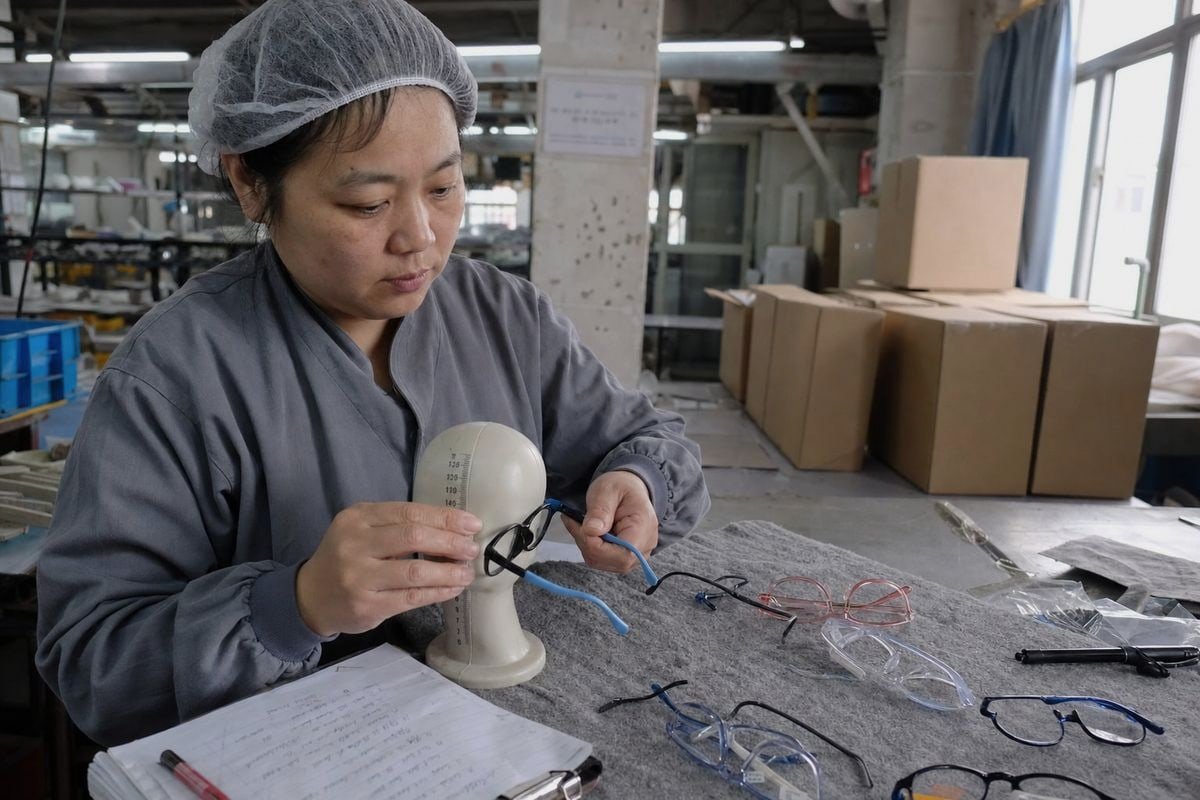
Kids eyewear skin allergies and pressure marks are complaints we take seriously on our production line, because one itchy red mark can cost a brand a loyal customer forever.
First, identify the cause: itchy, recurring rashes suggest allergic contact dermatitis from nickel or plastic additives, while red indentations indicate poor fit. Switch to hypoallergenic frame materials like TR90 or TPEE, adjust the bridge and temples, and consult a pediatric optician or dermatologist if irritation persists.
The fix depends on which problem you actually have. Below, I will walk you through materials, fit diagnosis, manufacturer questions, and how to stop repeat complaints for good.
What Materials Should I Look for to Avoid Allergic Reactions in Kids' Eyewear?
Over fifteen years of building children's frames in our Taizhou factory, I have learned one thing: material choice decides most allergy outcomes before a child ever wears the glasses.
Choose nickel-free frames made from TR90, TPEE, medical-grade acetate, pure titanium, or bio-based polymers. Avoid cheap metal alloys, unverified coatings, and low-grade plastics with plasticizers, dyes, and UV stabilizers, since these additives are the most common triggers of contact dermatitis in children.

Nickel remains the single most frequent culprit in eyewear-related contact dermatitis 1, and pediatric skin is especially vulnerable. Spectacle frames are a documented source of nickel exposure 2 in children. Chromium and cobalt often co-sensitize alongside nickel. That is why our engineers moved almost our entire kids' line to flexible polymers years ago. TR90 fronts with TPEE temples give us frames with no exposed metal on the skin contact zones.
But here is a nuance many buyers miss: "plastic" is not automatically safe. The real risks in plastics are specific additives — plasticizers 3, solvents, dyes, waxes, and UV stabilizers. Temple dyes have even been identified as test allergens 4 in suspected spectacle dermatitis cases. So the question is not "plastic or metal," but "which grade, and what is inside it."
Material Comparison at a Glance
| Material | Allergy Risk | Weight | Flexibility | Best For |
|---|---|---|---|---|
| TR90 | Very low | Very light | High | Everyday optical frames |
| TPEE | Very low | Very light | Very high | Active kids, toddlers |
| Medical-grade acetate frames | Low | Medium | Low | Fashion-forward styles |
| Pure titanium eyeglass frames | Very low | Light | Medium | Premium lines |
| Cheap metal alloys | High (nickel) | Medium | Low | Avoid for kids |
| Bio-based castor oil polymers | Very low | Very light | High | Eco-positioned brands |
Watch the Hidden Metal
Also check hidden components. Some plastic frames contain internal metal wire cores in the temples. Fine scratches and coating wear can expose that metal over time, blurring the line between pressure irritation and true allergy. We specify plastic hinges or shielded cores for our youngest age groups for exactly this reason.
How Can I Tell If a Frame Design Is Causing Pressure Marks on Small Faces?
A buyer from Australia once sent us photos of red dents on a toddler's nose bridge, worried about allergy. Our fit review found the real issue in minutes: the bridge was two sizes too narrow.
Pressure marks look like red indentations or soreness that appear after wear and fade quickly once glasses come off. They concentrate at the nose bridge, temples, or behind the ears. Unlike allergic rashes, they are not itchy, scaly, or recurring on rested skin.

The distinction matters because the fixes are completely different. Allergy is an immune reaction. A pressure mark is mechanical irritation. Mixing them up leads parents to swap frames when a simple bridge fit adjustment would solve everything — or worse, to keep adjusting a frame when the child actually needs nickel-free frames.
The Simple Diagnostic Test
- Remove the glasses and wait 30 to 60 minutes.
- If the mark fades and the skin looks normal, it is pressure.
- If the skin stays red, itchy, swollen, or scaly, suspect contact dermatitis.
- If both symptoms appear, treat fit and material together, because a tight frame increases skin contact and friction, which worsens allergen exposure.
Where the Marks Appear and What They Mean
| Location | Likely Cause | Design Fix |
|---|---|---|
| Nose bridge dents | Bridge too narrow or frame too heavy | Wider saddle bridge, lighter TR90 front |
| Red lines at temples | Frame front too narrow | Wider frame or flexible temple material |
| Soreness behind ears | Temples too short or bent too sharply | Longer temples, softer temple tip covers |
| Marks under eyes | Frame sitting too low | Adjust pangle, raise bridge fit |
Children's faces also grow fast. A frame that fit perfectly in March can clamp by June. We recommend our brand partners tell retail customers to do a 90-day growth check on temple length and bridge width, since kids' facial development outpaces standard adjustment cycles. Our flexible TPEE temples buy extra tolerance here, because they hold securely with minimal clamping force instead of relying on tightness.
What Should I Ask My Manufacturer About Hypoallergenic Testing and Certifications?
When new buyers audit our 5S-managed workshop 5, the smartest ones ask about material documentation before they ask about price. That question order tells me they will build a durable kids' brand.
Ask for material composition disclosure, nickel-release test reports on any metal parts, heavy-metal and phthalate compliance for your target market, and colorant safety documentation. Also confirm batch-level quality control, since "hypoallergenic" has no legal definition and demands evidence.

Here is an uncomfortable truth I share openly with our clients: "hypoallergenic" is a marketing word, not a certified standard. Any supplier can print it on a box. What protects your brand is documented proof for each specific claim. When we develop a custom frame for a client's market — Europe, Japan, Australia — we map the material file to that market's chemical regulations before tooling starts.
The Questions That Separate Real Factories From Traders
Ask these directly, and watch how fast and how specifically the supplier answers:
- What is the exact base polymer of the frame front and temples? Vague answers like "eco plastic" are a red flag.
- Do metal components (hinges, screws, wire cores) have nickel-release test data?
- Which plasticizers, dyes, and UV stabilizers are used, and are they compliant with my market's regulations?
- Are silicone nose pads and temple tips made from skin-contact-grade material?
- Is testing done per batch or only once per style?
- Can you provide the same material consistently across reorders?
That last question matters more than buyers expect. A frame that passed testing last year proves nothing if the factory quietly switches resin suppliers. Our incoming-material inspection exists precisely to prevent that drift. We also keep retained samples from production runs, so if a skin complaint ever arises, we can trace the exact batch and material lot within days, not weeks.
One more point on coatings: worn or scratched surface coatings 6 can increase allergen release from underlying materials. Ask how your supplier tests coating adhesion and durability, not just initial appearance.
How Do I Fix Recurring Skin Irritation Complaints From My Customers' Children?
Recurring complaints once taught us a hard lesson: a European client's returns spiked every summer, and the pattern pointed to sweat and heat — not the frame itself — amplifying a borderline material issue.
Build a systematic response: log complaint patterns by location and symptom, give parents an immediate-relief protocol of cleaning, refitting, and barrier products, then trace repeat cases to specific components. Switch materials or redesign contact points when the same trigger keeps appearing.
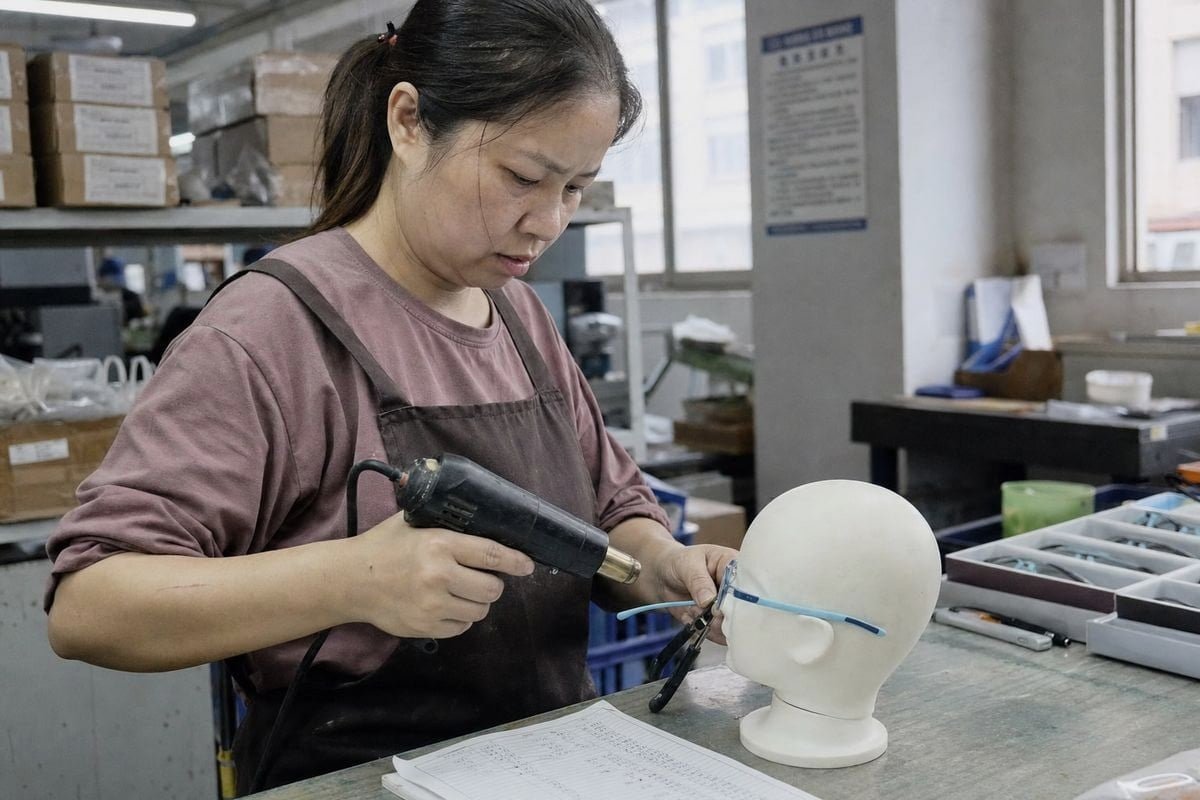
Random complaints are noise. Repeating complaints are data. So the first move is to log every case: symptom type, skin location, wear duration, season, and frame model. Patterns emerge fast. Complaints clustered behind the ears point to temple tips or temple dyes. Bridge complaints point to nose pad material or bridge geometry. Summer clusters point to sweat, sebum, and heat lowering the skin's tolerance threshold — active kids and sports make everything worse.
The Immediate-Relief Protocol to Give Parents
| Step | Action | Why It Works |
|---|---|---|
| 1 | Pause wear if skin is swollen or broken | Prevents worsening and infection |
| 2 | Clean frames daily with mild soap and microfiber | Removes sweat, sebum, and residue that drive irritation |
| 3 | Visit a pediatric optician for refit | Redistributes weight evenly across the bridge and ears |
| 4 | Add moleskin strips or non-silicone pad covers | Creates a temporary barrier against friction |
| 5 | Apply fragrance-free barrier cream to contact zones | Repairs the skin barrier and reduces chafing |
| 6 | See a dermatologist if the rash recurs | Patch testing 7 identifies the specific allergen |
When to Escalate Beyond Home Fixes
Tell parents to seek medical care if the rash keeps returning in the same spots, if there is swelling, blistering, or broken skin, or if pain continues after professional adjustment. Patch testing can pinpoint whether nickel, a dye, or a rubber component is responsible.
On the product side, do not just refund and forget. Recurring cases justify component changes: swapping temple tip material, moving to nickel-free hinge hardware, or reworking the bridge for genuine skin sensitivity relief. When our clients report a pattern, we can usually pull an alternative from our roughly 800 existing styles, so they fix the problem without new mold investment. That speed — replacing a problem SKU in weeks rather than a full development cycle — is what turns a complaint wave into a retention story.
Conclusion
Kids eyewear skin allergies and pressure marks are solvable: diagnose allergy versus fit, choose verified hypoallergenic frame materials, demand real testing documentation, and treat recurring complaints as design data.
Footnotes
1. Authoritative NIH resource explaining the causes, symptoms, and types of contact dermatitis. ↩︎
2. NIH resource on nickel allergy supports the claim about nickel exposure risks in children. ↩︎
3. EPA page on phthalate plasticizers supports the discussion of harmful plastic additives. ↩︎
4. Background concept link clarifying what allergens are and how they trigger reactions. ↩︎
5. Background on the 5S manufacturing methodology referenced for factory quality management. ↩︎
6. General background on coatings supports the discussion of coating wear and allergen release. ↩︎
7. Medical reference explaining patch testing, the diagnostic method mentioned for allergen identification. ↩︎
More Articles You Might Like


Looking for a Reliable Kids Eyewear Partner?
Explore 800+ ready styles and full OEM/ODM support tailored to your brand.
Get in Touch English
  Español de México
  Deutsch
  Français
  日本語
日本語  العربية
  Português do Brasil