Como Testar Distorção de Armação e Deslocamento de Lente em Armações Ópticas Infantis ao Fornecer?

A distorção da armação e o deslocamento da lente em armações ópticas infantis podem arruinar silenciosamente um lançamento. Em nossa linha de produção, vimos um lote empenado causar devoluções, reclamações e perda de confiança do varejo.
Para testar armações ópticas infantis quanto à distorção da armação e deslocamento da lente, execute um teste de toque de quatro pontos em superfície plana, verifique a simetria das hastes e da ponte, pressione a borda da lente para confirmar o encaixe seguro, realize testes de flexão e queda, e verifique os resultados em relação às normas ISO 12870 e às normas de segurança para óculos infantis.
Esses testes parecem técnicos, mas são simples de executar. Abaixo, vou guiá-lo por cada um deles, passo a passo, exatamente como fazemos em nossa própria oficina.
Que Métodos de Teste Posso Usar para Verificar a Flexibilidade da Estrutura Antes de Fazer um Pedido em Massa?
Na primavera passada, um comprador da Austrália devolveu uma amostra de um concorrente que quebrou na haste após duas torções. Nossa equipe de CQ usa essa amostra em treinamento até hoje.
Antes de um pedido em massa, teste a flexibilidade da armação com um teste de torção da haste, um teste de flexão da armação inteira, uma verificação de toque de quatro pontos em uma superfície plana e ciclagem repetida de abertura e fechamento da dobradiça. O material da armação TR90 de qualidade e as hastes TPEE devem retornar à sua forma sem esbranquiçamento, rachaduras ou deformação permanente.
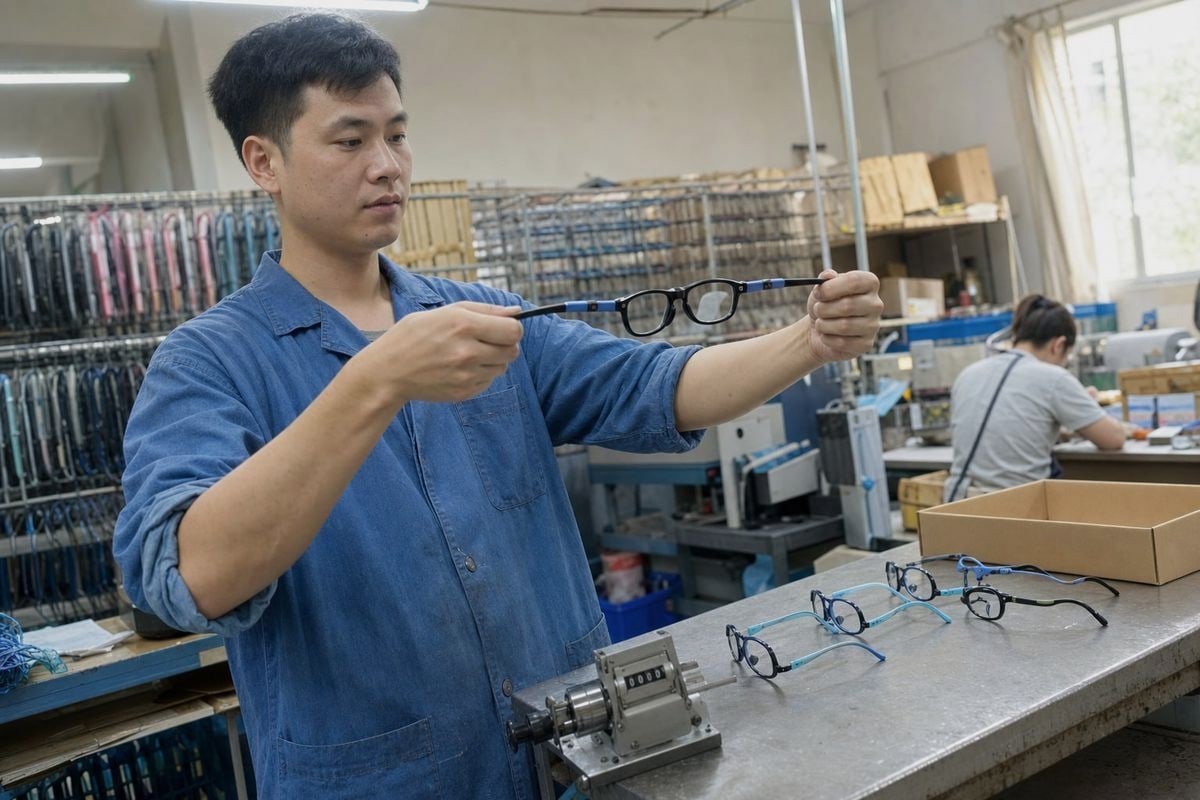
O teste de flexibilidade é o primeiro portão no controle de qualidade de óculos, pois as crianças dobram, sentam e puxam seus óculos diariamente. Uma armação que não consegue flexionar e se recuperar distorcerá muito antes que as lentes caiam. Em nossa oficina gerenciada por 5S, realizamos essas verificações em cada amostra de pré-produção e novamente em unidades aleatórias de cada lote a granel.
O Teste de Toque de Quatro Pontos
Coloque a armação de cabeça para baixo em uma mesa plana com as hastes abertas. As pontas das hastes e as bordas das lentes devem tocar a superfície uniformemente. Se a armação balançar, a frente está torcida ou uma haste está mais alta que a outra. Esta é a triagem de bancada mais rápida para estabilidade dimensional e não custa nada para ser realizada.
Testes de Flexão e Recuperação
Torça suavemente a frente da armação, dobre as hastes para fora além de sua abertura normal e solte. Bom material de armação TR90 e TPEE se recuperam instantaneamente. Observe o branqueamento por estresse perto das dobradiças e da ponte — essa linha pálida significa que o polímero está fatigado e falhará nas mãos de uma criança.
| Teste | Como Realizar | Critérios de aprovação | Sinal de Rejeição |
|---|---|---|---|
| Toque de quatro pontos | Apoie a armação em superfície plana | Sem balanço, contato uniforme | Qualquer oscilação ou inclinação |
| Flexão da abertura das hastes | Abra as hastes 15–20° além do normal | Retorno completo à forma | Expansão permanente ou branqueamento |
| Torção da frente | Torça suavemente a frente da armação | Retorna simetricamente | Distorção residual |
| Ciclo de dobradiça | Abra/feche as hastes 50+ vezes | Tensão consistente | Afrouxamento ou rangido |
Também recomendamos solicitar ao seu fornecedor dados de ciclagem de temperatura. Armações armazenadas em contêineres de transporte quentes podem amolecer e empenar, portanto, o comportamento do material entre aproximadamente -10°C e 55°C é importante para a durabilidade real. durabilidade da dobradiça e retenção da forma.
Como Verifico Se as Lentes Permanecem Firmemente Ajustadas Sob Estresse e Impacto Diários?
Há um equilíbrio que pesamos em cada novo estilo: uma ranhura de lente mais apertada segura as lentes firmemente, mas muita tensão estressa a borda e pode quebrá-la durante a montagem.
Verifique a retenção da lente pressionando ao redor da borda da lente para verificar se há movimento, realizando um teste de agitação, flexionando a armação enquanto observa o assento da lente e realizando testes de resistência ao impacto, como o teste de queda de bola. As lentes não devem se mover, girar, chacoalhar ou sair.
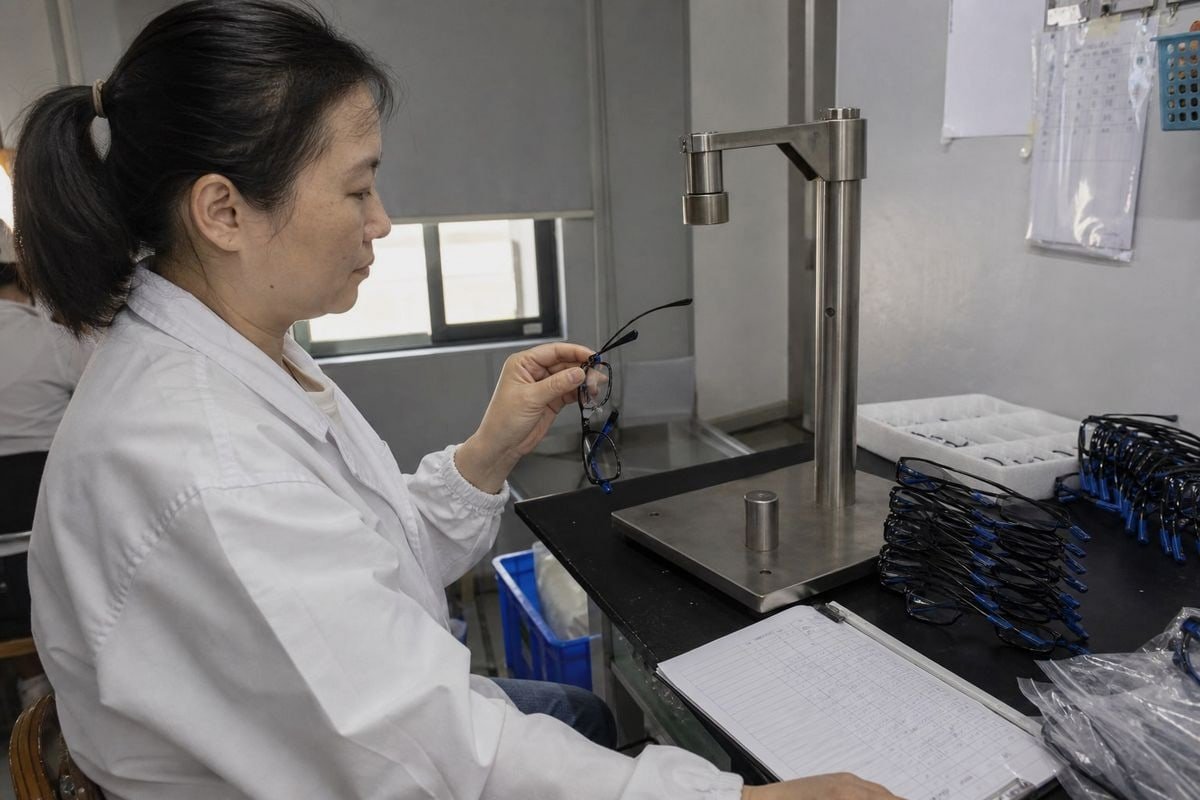
O deslocamento da lente é mais perigoso do que a distorção da armação, pois uma lente solta é tanto uma falha óptica quanto um risco de segurança. Em armações ópticas pediátricas, uma lente que se solta durante a brincadeira pode expor uma borda afiada perto do olho de uma criança. É por isso que tratamos os padrões de retenção de lentes como um item de aprovação/reprovação rigoroso, nunca como uma nota cosmética.
Verificações de Encaixe com as Mãos
Pressione levemente ao redor de toda a borda de cada lente com o polegar. A lente deve parecer sólida, sem cliques, levantamentos ou deslocamento lateral. Em seguida, segure a armação por uma haste e agite-a firmemente. Qualquer chocalho significa que o bisel não está totalmente encaixado na ranhura. Finalmente, flexione suavemente a frente da armação enquanto observa a borda da lente — uma lente bem cortada permanece encaixada mesmo quando a borda se move.
Verificações de Rotação e Alinhamento
Uma lente não precisa cair para falhar. Uma lente rotacionada em um formato de olho assimétrico se comporta como um defeito, e em lentes marcadas a cruz de ajuste e a linha de 180 graus devem permanecer niveladas. Se você estiver adquirindo óculos acabados pré-montados em vez de armações em estoque, isso é ainda mais importante. Alguns compradores assumem que a verificação da lente é trabalho do óptico a jusante — discordo. Uma vez que as lentes são montadas na fábrica, uma verificação com lenteômetro para potência e orientação pertence à inspeção final do fornecedor, não à mesa de devoluções do varejista.
Teste de Impacto
Para o estresse do dia a dia, testamos amostras em queda da altura da mesa em piso duro e inspecionamos o encaixe da lente depois. Lentes de policarbonato combinadas com uma borda flexível de TR90 absorvem bem o impacto; bordas rígidas e quebradiças transferem o choque diretamente para a ranhura da lente. Pergunte ao seu fornecedor qual material de lente eles montam como padrão e confirme se as lentes de demonstração e as prontas para prescrição passam no teste de resistência ao impacto antes do envio.
Quais Normas de Segurança Devo Referenciar ao Auditar a Durabilidade de Armações Ópticas Infantis?
Uma gerente de compras do Japão uma vez me pediu nossa documentação completa de testes antes mesmo de ela revisar os preços. Respeitei isso — os padrões são a linguagem compartilhada entre fábrica e marca.
Referência à ISO 12870 para requisitos de armações de óculos, incluindo deformação da ponte, estabilidade dimensional e durabilidade das dobradiças; o teste de queda de bola da FDA para resistência ao impacto das lentes; e normas regionais de segurança para óculos infantis, como as regras da EN para brinquedos adjacentes e liberação de níquel para seus mercados-alvo.
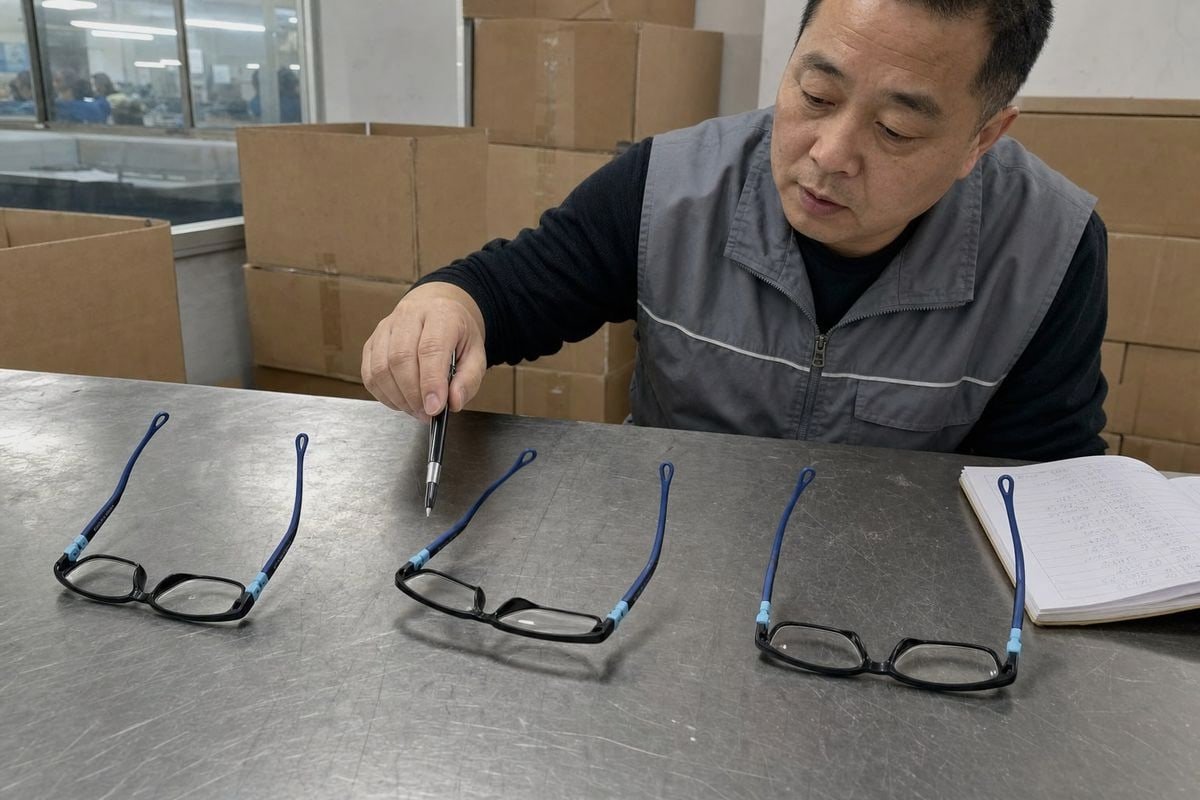
Os padrões transformam o julgamento subjetivo em critérios de aceitação que você pode escrever em uma ordem de compra. Quando exportamos para compradores em mais de 20 países, o conjunto de padrões abaixo cobre a maioria das conversas de auditoria e também deve ancorar seu programa de garantia de qualidade do fornecedor.
| Padrão / Teste | O Que Abrange | Por que é importante para armações infantis |
|---|---|---|
| ISO 12870 | Estabilidade dimensional da armação, teste de deformação da ponte, durabilidade das hastes, resistência à transpiração | O principal referencial para determinar se uma armação mantém sua forma sob carga e calor |
| Teste de queda de bola da FDA 1 (EUA) | Resistência ao impacto das lentes | Confirma que as lentes resistem a um impacto definido sem estilhaçar |
| Regulamentos químicos EN / regionais | Segurança do material, liberação de níquel, substâncias restritas | Crianças colocam as armações na boca e as tocam constantemente; o contato com a pele deve ser seguro |
| Avaliação de estabilidade UV | Envelhecimento do material sob luz solar | Previne fragilidade e desbotamento que levam à distorção e lentes soltas ao longo do tempo |
Como Usar Isso em uma Auditoria
Não pergunte apenas "você está em conformidade?" Peça as cláusulas específicas testadas. De acordo com a ISO 12870, o teste de deformação da ponte aplica carga à armação e mede a deformação permanente — um preditor direto se a armação cederá no nariz de uma criança após meses de uso. A ciclagem de durabilidade da dobradiça sob o mesmo padrão prevê a durabilidade da dobradiça muito melhor do que um rápido movimento na feira.
Alguns compradores argumentam que o julgamento prático é mais importante do que a papelada, já que os formatos de rosto das crianças e os materiais das armações variam muito. Isso é parcialmente justo — nenhum certificado substitui uma verificação de ajuste no rosto em um manequim infantil. Mas, em nossa experiência, os programas de fornecimento mais fortes usam ambos: os padrões definem o mínimo, e a inspeção prática capta o que a papelada perde. Considere também a resistência química contra protetor solar e agentes de limpeza, além de um teste simulado de mastigação nas pontas das hastes e peças pequenas, pois componentes lascados são um risco de asfixia para crianças mais novas.
Que Perguntas Devo Fazer ao Meu Fabricante para Confirmar o Processo de Controle de Qualidade Dele?
No início dos meus quinze anos nesta indústria, aprendi que as respostas de uma fábrica revelam mais do que seu showroom. Respostas vagas sobre controle de qualidade geralmente significam controle de qualidade vago.
Pergunte ao seu fabricante como eles inspecionam as matérias-primas, quais verificações em processo eles realizam durante a injeção e montagem, se a inspeção final cobre alinhamento, encaixe da lente e recuperação de flexão, contra quais padrões eles testam e como eles documentam e lidam com unidades rejeitadas.

O objetivo dessas perguntas é ver se o controle de qualidade existe em todas as etapas, ou apenas como um retoque cosmético final antes da embalagem. Em nossa fábrica em Taizhou, estruturamos o controle de qualidade de óculos em três níveis — material de entrada, em processo e inspeção final — e qualquer fornecedor sério deve ser capaz de descrever algo semelhante sem hesitação.
A Estrutura de Perguntas
| Estágio | Perguntas a Fazer | Resposta Forte Soa Assim |
|---|---|---|
| Matérias-primas | Como vocês verificam lotes de TR90 e TPEE? Vocês testam substâncias restritas? | Certificados de lote, rastreabilidade de material, relatórios de conformidade ambiental |
| Em processo | Que verificações ocorrem durante a moldagem e montagem? Como a tensão da dobradiça é controlada? | Pontos de verificação definidos, especificações de torque ou tensão, aprovações do operador |
| Inspeção final | Vocês realizam verificações de toque em quatro pontos, flexão e encaixe da lente em cada unidade ou por amostragem AQL? | Um plano AQL escrito com critérios claros de rejeição |
| Padrões | Quais cláusulas da ISO 12870 vocês testam? As lentes passam no teste de queda de bola? | Números de cláusulas específicas e relatórios de teste de terceiros |
| Falhas | O que acontece com as unidades rejeitadas? Como vocês lidam com um envio defeituoso? | Política de retrabalho ou sucata, processo de ação corretiva, termos de substituição |
Sinais de Alerta Versus Sinais Verdes
Um sinal de alerta é um fornecedor que responde a todas as perguntas com "sem problema". Um sinal verde é aquele que explica seus critérios de rejeição — por exemplo, qualquer balanço na bancada, abertura desigual da haste, retenção solta da lente ou marcações desalinhadas da lente aciona rejeição ou retrabalho. Peça para ver seus registros de inspeção de um pedido anterior. Pergunte quem realiza as verificações e como esses funcionários são treinados.
Mais uma pergunta que sempre incentivo: como vocês protegem as armações durante o transporte? Calor e pressão em contêineres podem desfazer o alinhamento perfeito de fábrica. Embalagem individual adequada, caixas prontas para varejo e práticas de carregamento de contêineres fazem parte da garantia de qualidade do fornecedor, não um pensamento posterior. Um parceiro que pensa no seu produto até chegar ao rosto da criança — não apenas até sair do cais — é o parceiro que vale a pena manter por anos.
Conclusão
A distorção da armação e o deslocamento da lente são evitáveis. Testes de bancada, verificações de retenção, benchmarks da ISO 12870 e perguntas direcionadas ao fornecedor protegem sua marca — e cada criança que usa suas armações.
Notas de rodapé
Documento oficial de orientação da FDA explicando a regulamentação de lentes resistentes ao impacto e o teste de queda de bola. ↩︎
Mais Artigos que Você Pode Gostar

Procurando um Parceiro Confiável em Óculos Infantis?
Explore mais de 800 estilos prontos e suporte completo OEM/ODM adaptado à sua marca.
Entre em Contato English
  Español de México
  Deutsch
  Français
  日本語
日本語  العربية
  Português do Brasil