Insights e Atualizações da Indústria de Óculos Infantis
Explore artigos sobre materiais TPEE e TR90, segurança de óculos infantis, dicas de fabricação OEM/ODM e tendências do setor da OKAY EYEWEAR.
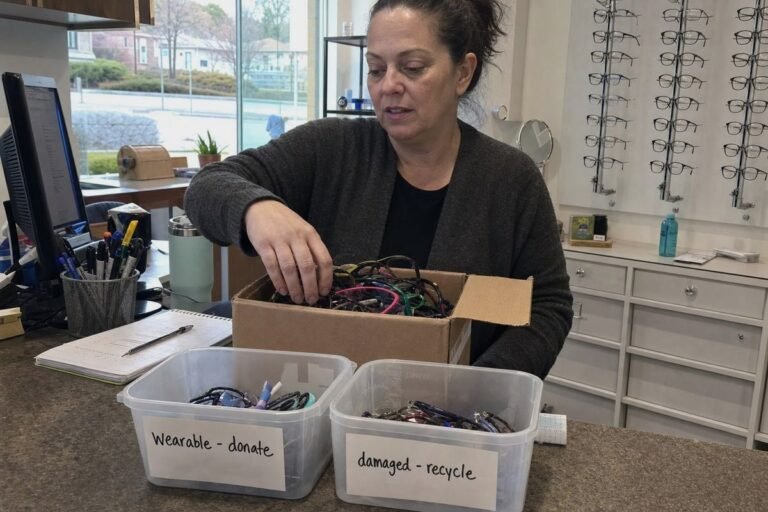
Como os óculos infantis que não servem mais podem ser reciclados ou reutilizados?
Saiba para onde vão os óculos infantis que já não servem: doação, reciclagem de TR90/TPEE ou reutilização criativa — para que os óculos antigos não vão para o aterro.
Leia mais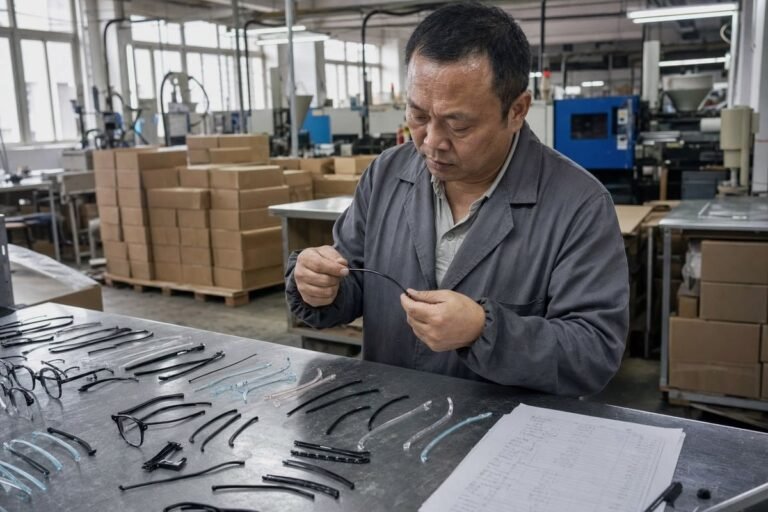
Quão eficazes são os materiais biodegradáveis e recicláveis em óculos infantis?
Compradores de óculos infantis, esta é a sua resposta: armações de base biológica e recicláveis combinam com a durabilidade do TR...
Leia mais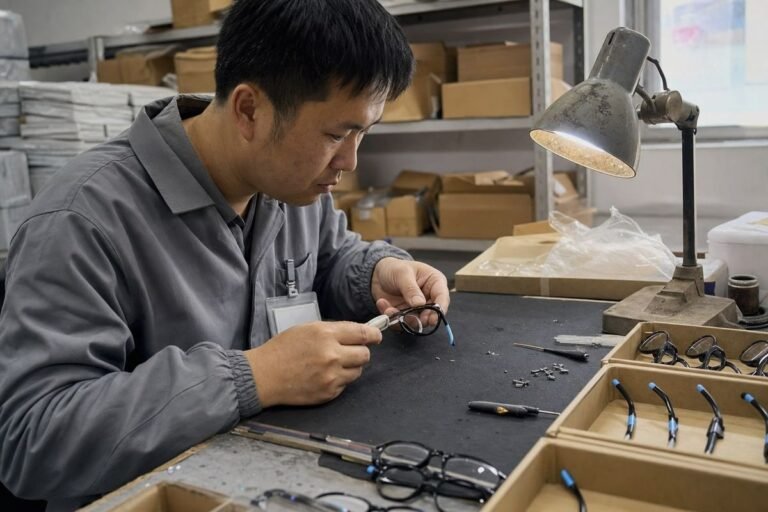
É Possível Trocar as Lentes Após uma Mudança de Receita para Óculos Infantis?
Armações TR90 de aro completo tornam a substituição de lentes após uma mudança de prescrição segura e fácil para óculos infantis; designs quebradiços ou semi-aro...
Leia mais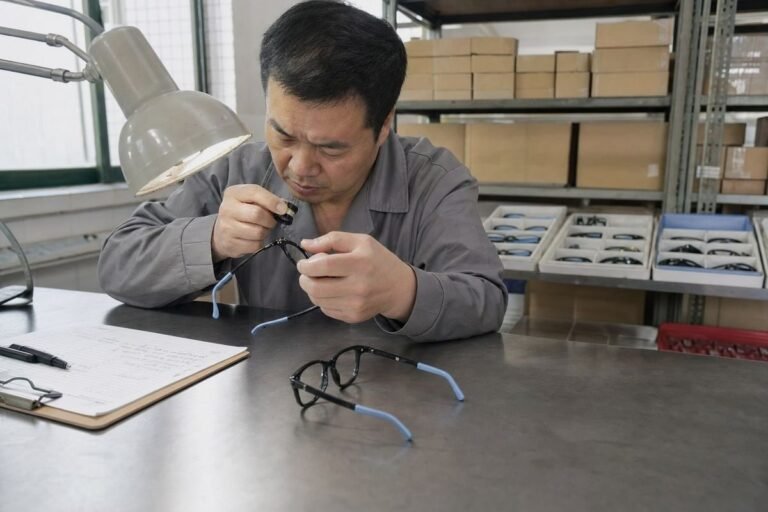
A garantia de óculos infantis cobre a quebra da armação?
Garantias de óculos infantis geralmente excluem quebra acidental da armação; saiba o que defeitos de fabricação, planos de proteção e políticas de varejistas realmente cobrem...
Leia mais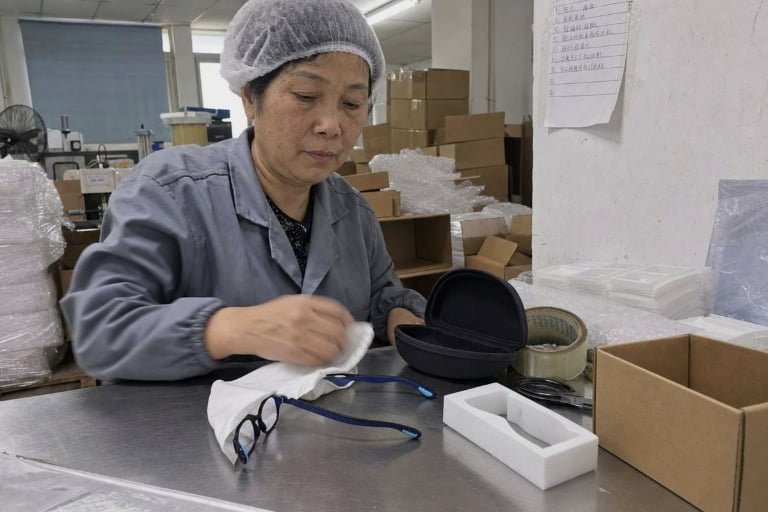
Como evitar deformações e arranhões ao enviar óculos infantis?
Evite deformação e arranhões ao enviar óculos infantis com embalagem em camadas: bolsas de microfibra, estojos rígidos, inserções de espuma e papelão justo...
Leia mais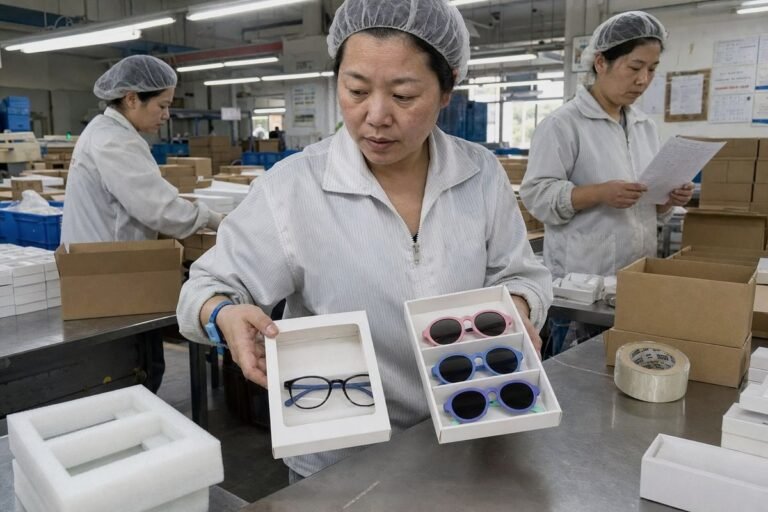
Como Escolher Embalagem de Par Único vs. Pacote com Vários Pares para Óculos Infantis?
Lutando entre embalagem de óculos infantis de par único e pacote com vários pares? Saiba como faixa etária, canal de vendas e prioridades dos pais determinam o certo...
Leia mais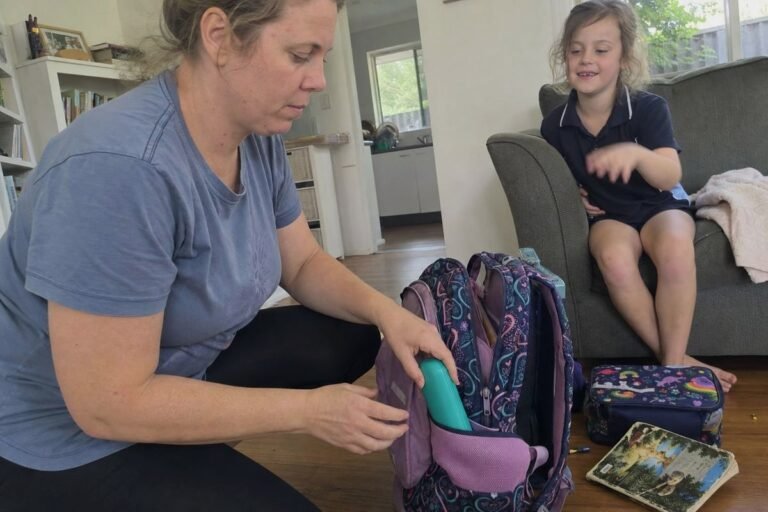
Como Guardar Óculos Infantis e Escolher a Estojo Certo?
Aprenda como guardar óculos infantis com segurança e escolher um estojo de óculos rígido que resista a esmagamento na mochila, quedas e arranhões...
Leia mais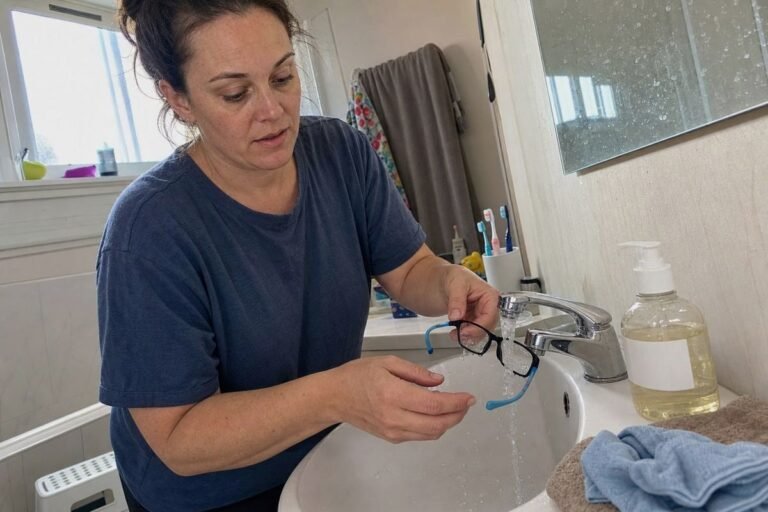
Como Desinfetar Óculos Infantis Sem Danificar Lentes e Armações?
Aprenda como desinfetar óculos infantis da maneira certa: passos seguros e aprovados por dermatologistas que limpam completamente sem deformar armações ou turvar...
Leia mais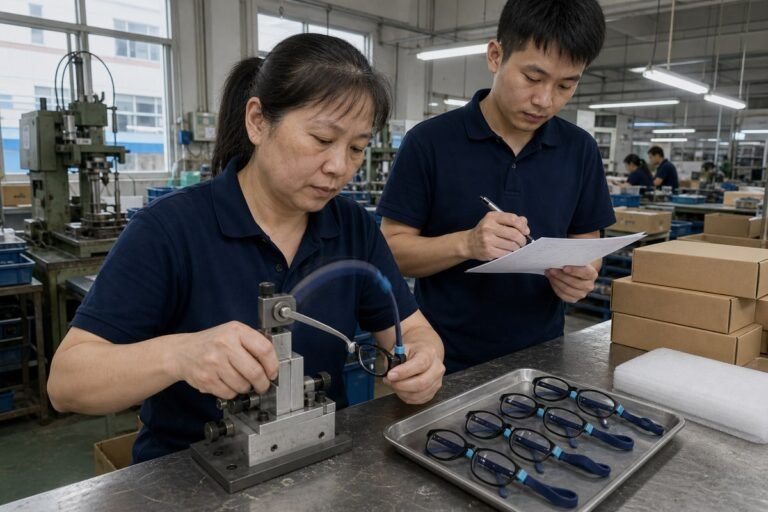
Auditorias de Fornecedores de Armações Ópticas Infantis: Inspeção Interna ou de Terceiros?
Auditorias de fornecedores de armações ópticas infantis funcionam melhor combinando verificações internas para profundidade do produto com inspeções de terceiros para verificação CPSIA, cortando...
Leia mais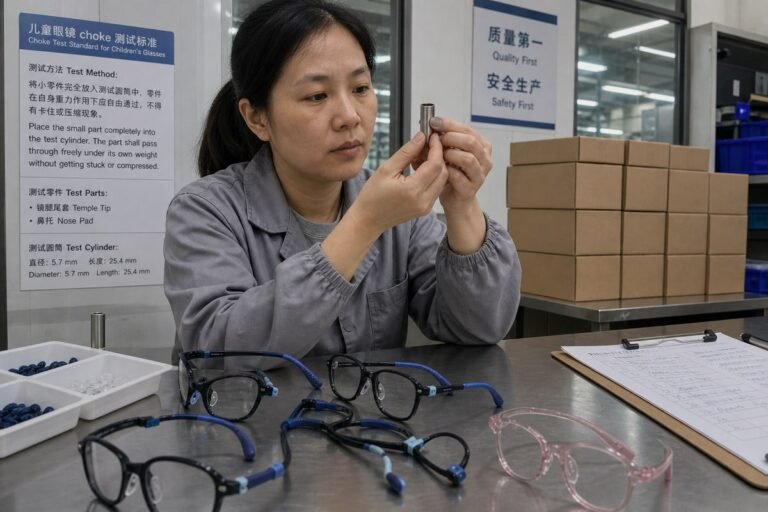
Como Garantir que Brindes de Armações Ópticas Infantis Sejam Livres de Risco de Sufocamento?
Garanta que brindes de armações ópticas infantis sejam livres de risco de asfixia, verificando as regras CPSC, ASTM F963 e CPSIA antes da distribuição — evite peças soltas...
Leia mais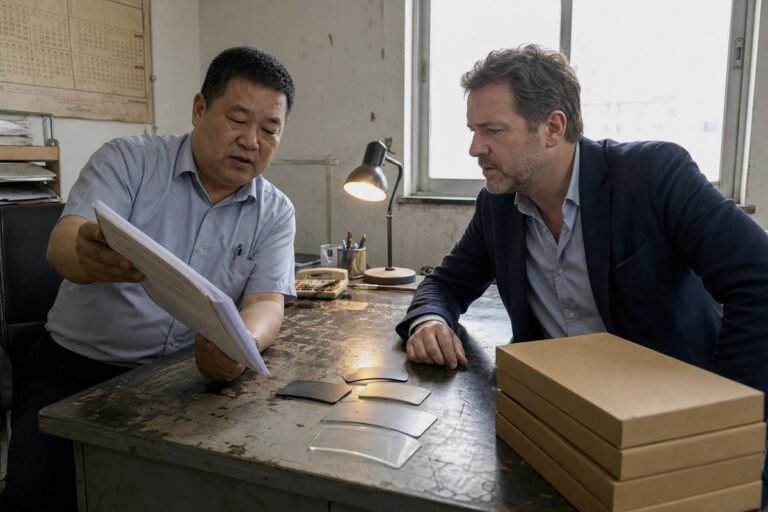
Auditorias no Local vs. de Terceiros: Como Elas se Diferenciam na Cobertura para Fornecedores de Armações Ópticas Infantis?
Auditorias no local verificam a autenticidade do material TR90 e as práticas reais de produção em fornecedores de armações ópticas infantis, capturando riscos que padronizados...
Leia mais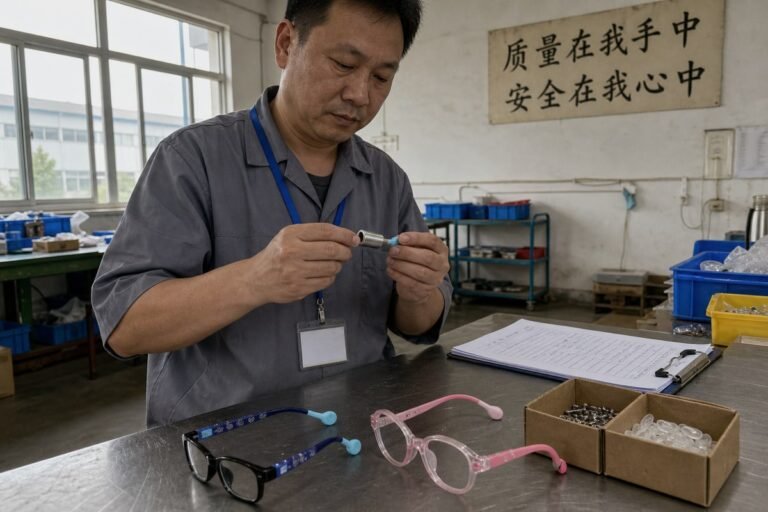
Como Garantir que Brindes com Armações Ópticas Infantis Não Representem Risco de Asfixia?
Armações ópticas infantis flexíveis de peça única evitam riscos de asfixia; aprenda o teste de tamanho CPSC, verificações ASTM F963 e etapas de rotulagem para...
Leia mais English
  Español de México
  Deutsch
  Français
  日本語
日本語  العربية
  Português do Brasil