How to Sign an NDA with Suppliers When Sourcing Kids Optical Frames?
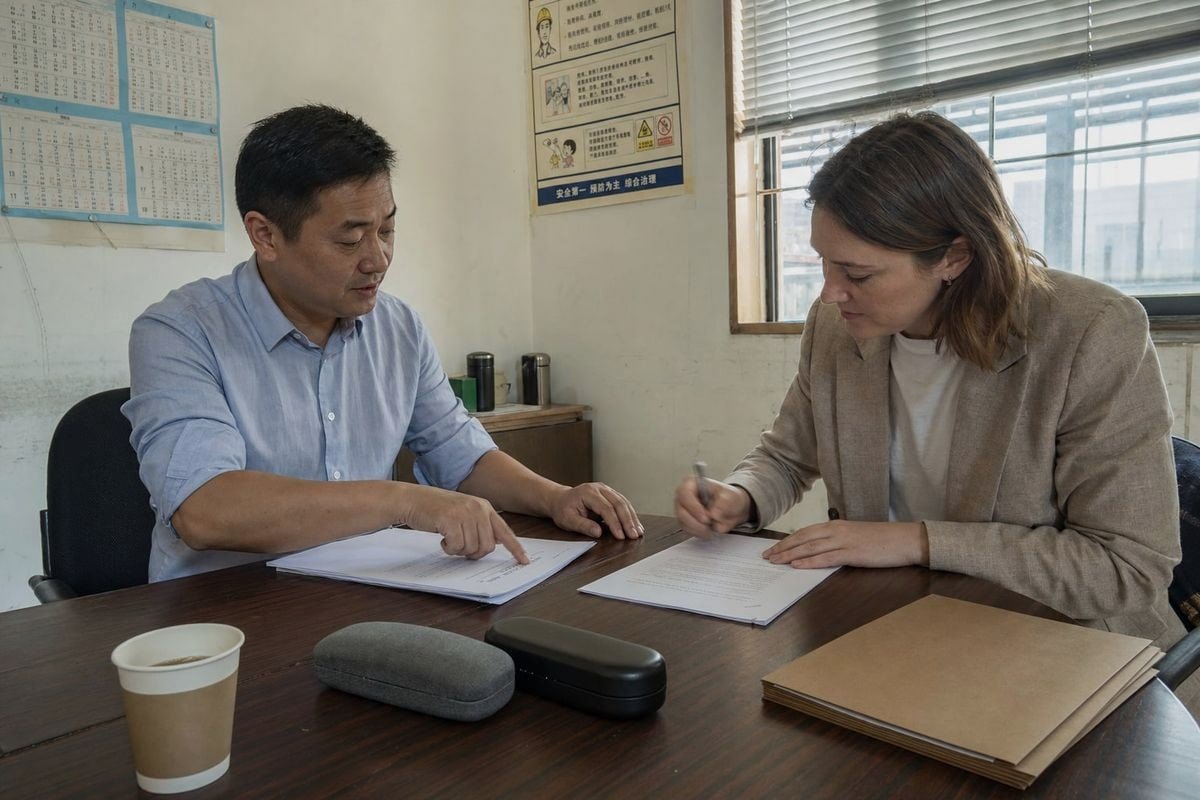
Signing an NDA with suppliers when sourcing kids optical frames feels awkward for many buyers. I see this hesitation from our side of the table almost every week.
To sign an NDA with suppliers when sourcing kids optical frames, send a tailored one-way or NNN agreement before sharing CAD files, define confidential information broadly, state the manufacturing purpose narrowly, set governing law in the supplier’s jurisdiction, and keep signed copies from an authorized signatory.
That is the short answer. But the real risk is not getting a signature. The real risk is sharing your designs too early, or signing a weak document that no court will enforce. In this guide, I will walk you through what actually works, based on how professional buyers handle NDAs with our factory in Taizhou.
A buyer from Australia once asked me, almost apologetically, if our factory would mind signing an NDA. I told her we sign them for serious clients all the time.
Serious OEM/ODM suppliers routinely sign NDAs before receiving proprietary eyewear designs. Test willingness early: mention the NDA in your first or second email, before sending drawings. A professional factory will agree quickly; hesitation, vague replies, or refusal signals a supplier you should not trust with designs.
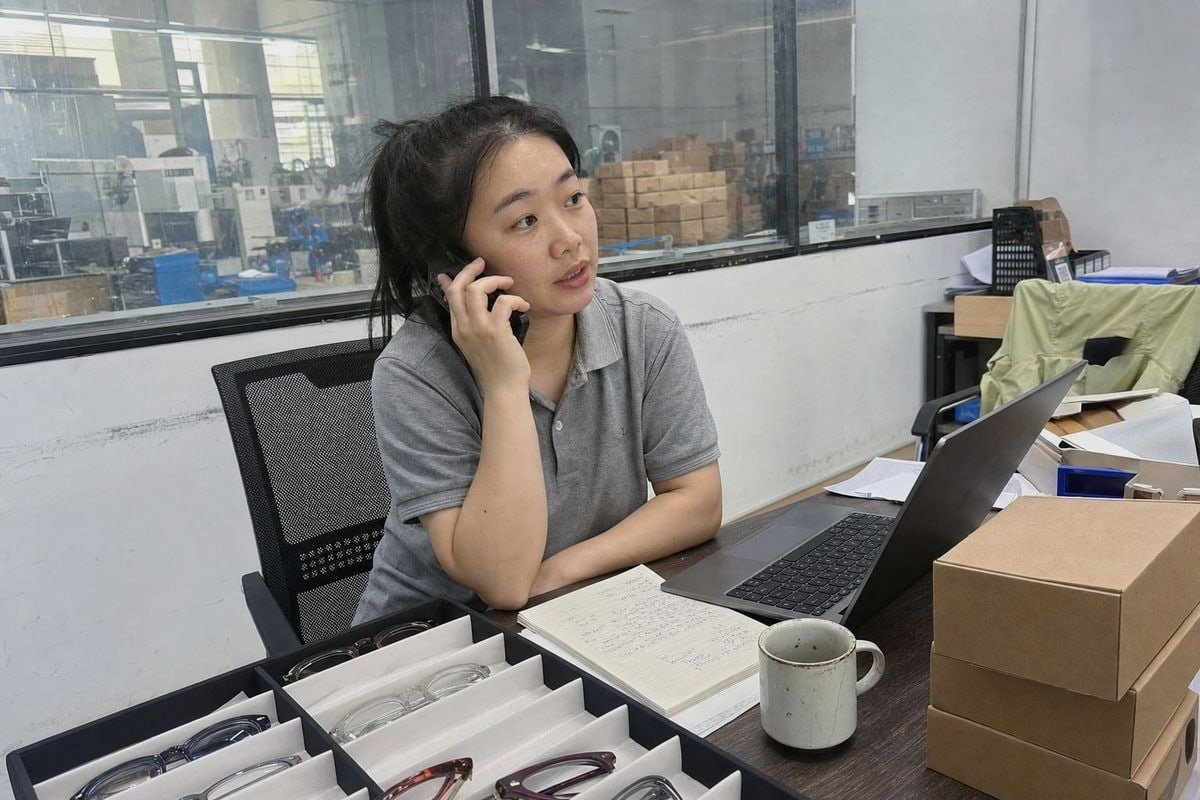
The simplest way to find out is to ask early and watch how the supplier responds. At our factory, we work with children's brands from more than twenty countries. The professional ones raise the NDA topic during initial outreach, not after they have already emailed us their CAD files. Their timing tells us they are organized. Our fast agreement tells them we are trustworthy. It is a two-way signal.
Ask at the right moment
Do not lead your very first message with a legal document. First, screen the supplier’s capability. Ask about materials, certifications, and production capacity 1. Then, once the supplier looks like a real candidate, say something simple like: "Before we share technical details, we would like to sign a confidentiality agreement. Is that acceptable?" A factory that handles intellectual property protection 2 seriously will say yes within a day or two.
Read the response, not just the answer
How a supplier answers matters as much as whether they answer. Here is what different responses usually mean:
| Supplier Response | What It Likely Means | Your Next Step |
|---|---|---|
| "Yes, send it over" within 1–2 days | Experienced with international buyers | Proceed, verify signatory authority |
| "We have our own template" | Common and acceptable | Review it; ensure it still protects you |
| "NDAs are not necessary between friends" | Deflection; weak IP culture | Treat as a red flag |
| No reply on the NDA question | Avoidance | Do not share designs |
| Asks what you plan to disclose first | Reasonable diligence | Answer in general terms only |
One more point from our side of the business. A factory with real ODM experience protects client designs because its reputation depends on it. We keep client projects separated in our workshop for exactly this reason. Suppliers who live on copying other people's styles have no such incentive. The NDA question exposes which type you are dealing with, before any damage is done.
What should I include in an NDA to properly protect my kids optical frame designs?
When we develop a new TR90 frame with TPEE temples for a client, the sensitive information goes far beyond one drawing. Buyers often protect too little.
An effective kids eyewear NDA should define confidential information to cover CAD files, mold specs, material formulations, fit data, safety test protocols, pricing, and launch plans. Add non-use and non-circumvention clauses, mold ownership rights, return-and-destruction duties, a 2–5 year confidentiality period, breach remedies, and clear governing law.
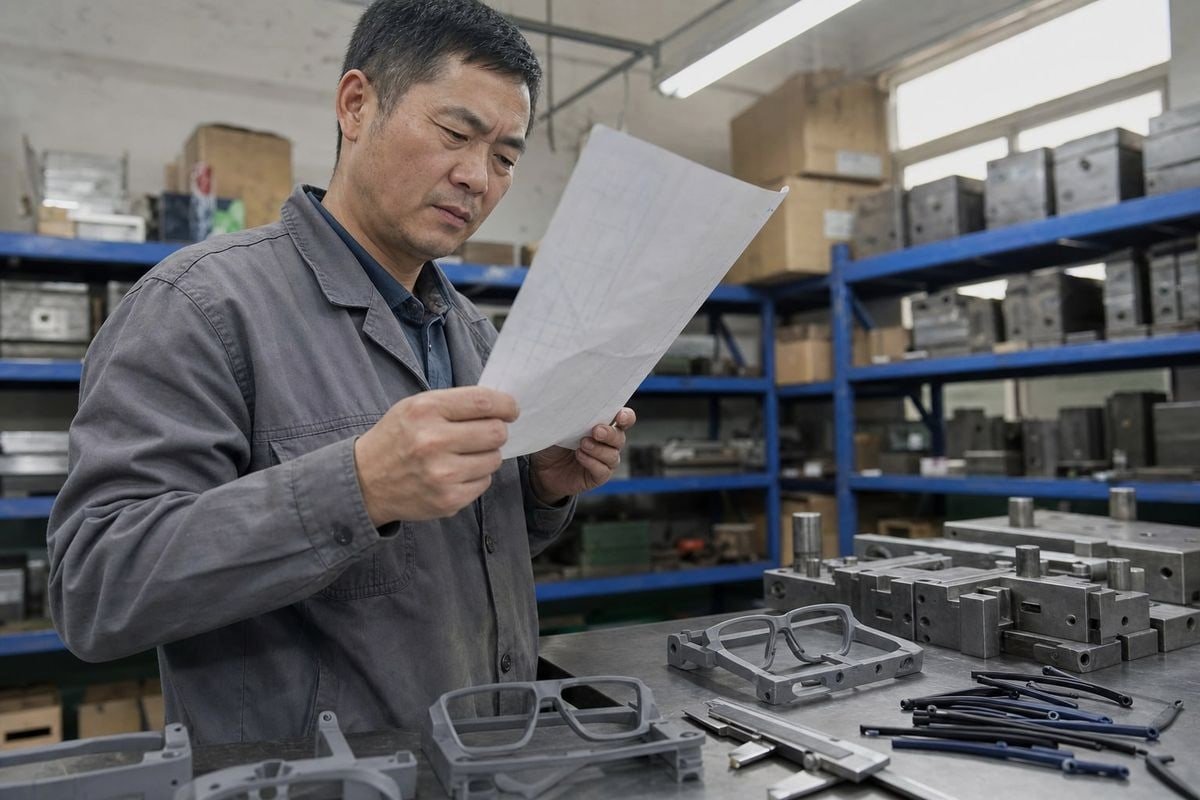
Generic templates miss what makes children's eyewear special. Kids optical frames involve fit and comfort data for small faces, flexible material blends, hinge engineering, and child-safety benchmarks. A standard template written for software or consulting will not name any of that. So tailor the document before you send it.
Define confidential information for eyewear, specifically
List the actual categories a frame supplier will see. In our experience, a strong definition covers:
- 3D CAD files, technical drawings, and mold specifications
- Proprietary material blends, such as custom BPA-free TPEE ratios or acetate patterns
- Custom hinge designs, including spring hinges and silicone connectors
- Fit data, size sets, and any ergonomic or facial-mapping parameters for children
- Internal safety testing protocols and break-strength benchmarks
- Target costs, margins, forecasts, and your supplier shortlist
- Launch dates, retail partners, and branding artwork
Note the last few items. Your commercial information deserves trade secret confidentiality 3 just as much as your design files. If a factory knows your launch date and your retailer list, a leak hurts even without a copied frame.
One-way or mutual, and the clauses that carry weight
Use a one-way NDA when you are the only party disclosing valuable information. Accept a mutual NDA if the factory shares its own proprietary process know-how, which happens in deep product development agreement work. Either way, these clauses do the heavy lifting:
| Cláusula | Why It Matters for Kids Frames |
|---|---|
| Purpose limitation | Restricts use to "evaluating and manufacturing kids optical frames for the buyer" only |
| Non-use | Stops the factory from making your design for other customers |
| Non-circumvention clause | Prevents the supplier from selling directly to your retailers |
| Mold ownership rights | Confirms you own custom molds and tooling; blocks open-market sales |
| Return/destruction | Requires deletion of files and return of samples at project end |
| Duration | Fixed term of 1–3 years; confidentiality surviving 2–5 years; longer for trade secrets |
| Remedies | Injunctive relief plus damages; penalty clauses where locally enforceable |
| Governing law | Determines whether the agreement can actually be enforced |
One honest caution. An NDA protects confidentiality only. It does not replace design registration 4, trademarks, or patents. And it does not replace regulatory work either; if you sell in the US, CPSIA compliance and FDA registration requirements for optical products remain your obligation regardless of any manufacturing agreement.
Can I trust a factory's NDA if I'm sourcing from overseas, like from China?
Fifteen years of exporting from Taizhou has taught our team one thing about contracts: a document that cannot be enforced locally is mostly decoration.
Yes, but only if the agreement is enforceable in the factory's jurisdiction. For China, use an NNN agreement (non-disclosure, non-use, non-circumvention), draft it in Chinese, choose Chinese governing law and courts, and confirm the signer has authority and applies the company chop.
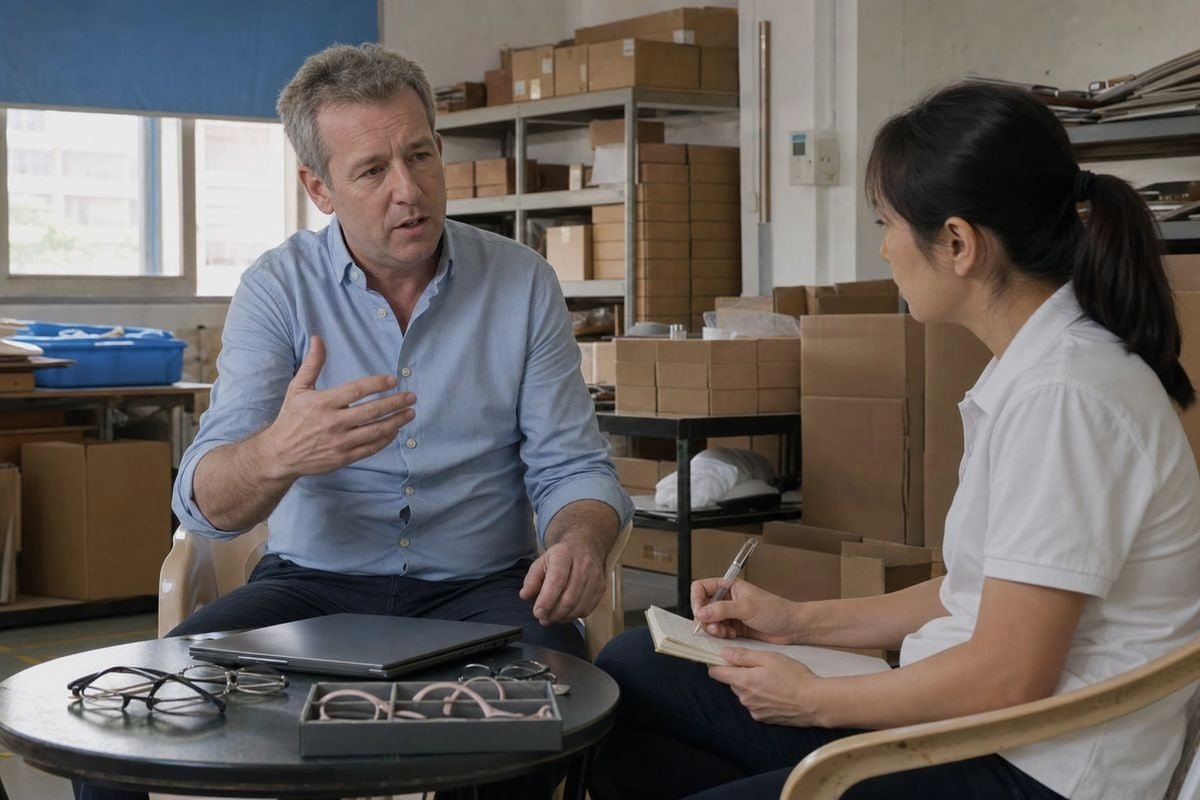
Many buyers send us US-style NDAs 5 governed by, say, California law. We sign them to show good faith. But experienced buyers know that suing a Chinese factory in a California court achieves little, because the judgment is hard to enforce in China. The practical answer is to bring the contract to where the supplier's assets are.
Why an NNN beats a standard NDA in China
A Western NDA focuses on secrecy. In manufacturing hubs, the bigger risk is use, not disclosure. A factory rarely publishes your design; the risk is that it quietly produces your frame for someone else, or approaches your retail partners directly. An NNN agreement addresses all three risks:
- Non-disclosure — the supplier cannot share your information.
- Non-use — the supplier cannot manufacture your design for itself or others.
- Non-circumvention — the supplier cannot bypass you to sell to your customers or competitors.
Make it enforceable, step by step
Here is the workflow professional buyers follow with us:
- Draft the NNN in Chinese, with an English reference version, and state that the Chinese text governs.
- Choose Chinese law and a Chinese court (or arbitration body) for disputes.
- Verify the supplier's full registered legal name — the Chinese name, not the English trading name.
- Confirm the signer is a legal representative or holds written authorization.
- Require the official company chop 6 (seal) alongside the signature. In China, the chop matters more than the signature.
- Consider liquidated damages 7 for breach, drafted with local counsel, so a court has a concrete number to award.
- Use a recognized e-signature process if signing digitally, and preserve the executed copy securely.
From our side, we actually respect buyers more when they arrive with a proper Chinese-law NNN. It tells us they understand the market, and it usually predicts a well-organized, long-term partnership — the kind we build our OEM business on.
What red flags should I watch for that suggest a supplier won't honor our NDA agreement?
Over the years, I have watched buyers get burned by suppliers who signed everything cheerfully and honored nothing. The paperwork was never the problem. The partner was.
Watch for suppliers who sign instantly without reading, resist naming their legal entity, showcase other brands' custom designs in showrooms, refuse to disclose subcontractors, push you to skip the NDA to "save time," or have no system for storing client files and master samples securely.
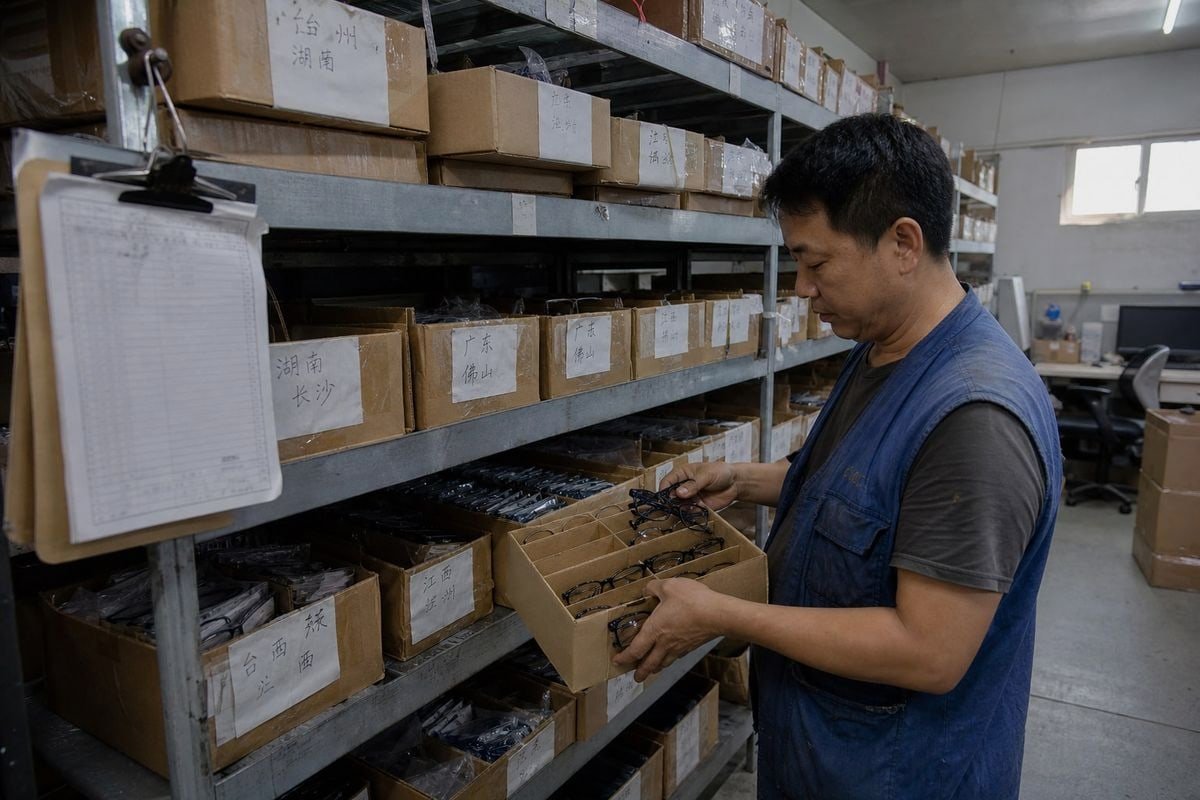
A signature is cheap. Behavior is expensive to fake. So judge the supplier's daily habits, not just their willingness to sign. When brands audit our workshop, they look at how we handle other clients' projects — because that is exactly how we will handle theirs.
Behavioral red flags versus healthy signals
| Bandeira Vermelha | Healthy Signal |
|---|---|
| Signs any document in minutes, no questions | Reviews the NDA, asks reasonable clarifying questions |
| Uses only an English trading name | Provides registered legal name, address, and signatory title |
| Shows you other clients' custom frames as "our designs" | Keeps client projects confidential, shows only open-catalog styles |
| Cannot say who makes the molds or coatings | Discloses subcontractors and extends confidentiality to them |
| Pressures you to send CAD files "to quote faster" | Quotes from a limited concept brief until the NDA is signed |
| No traceability, no archived master samples | Retains master samples and batch records systematically |
Test them before you trust them
Three practical tests work well. First, ask how they store client drawings and who inside the factory can access them; a real answer names roles and systems, not just "don't worry." Second, ask whether temple molds or lens coating work is subcontracted, and whether those partners are bound by back-to-back confidentiality. Third, share a limited, low-sensitivity brief first and watch how carefully they handle it. In our oficina gerenciada por 5S 8, controlled document handling is part of daily discipline. A factory that cannot describe its own controls probably has none. And one caution on catalogs: choosing from a supplier's existing styles — we offer around 800 for exactly this reason — is a legitimate low-risk path, but if a supplier presents obviously custom, branded designs as their own catalog, someone else's NDA already failed.
Conclusão
Sign early, tailor the NDA to eyewear, make it enforceable locally, and vet supplier behavior. Do this, and your kids optical frame designs stay yours from first sample to launch.
Notas de rodapé
1. Authoritative Wikipedia entry defining productive capacity in a manufacturing and economic context. ↩︎
2. WIPO explains IP protection principles relevant to vetting supplier confidentiality practices. ↩
Mais Artigos que Você Pode Gostar

5 de agosto de 2026
Acetato de Celulose Bio-Baseado vs. Regular: Qual a Diferença para Armações Infantis?
5 de agosto de 2026
Quão Recicláveis São os Materiais de Armações Ópticas Infantis e Quais Alternativas Ecológicas Existem?
5 de agosto de 2026
As Armações Ópticas Infantis Branqueiam ou Envelhecem em Armazenamento e Como Controlar as Condições do Armazém?
Procurando um Parceiro Confiável em Óculos Infantis?
Explore mais de 800 estilos prontos e suporte completo OEM/ODM adaptado à sua marca.
Entre em Contato English
  Español de México
  Deutsch
  Français
  日本語
日本語  العربية
  Português do Brasil