子供用サングラスの年齢範囲とサイズ比率をどう選ぶべきか?
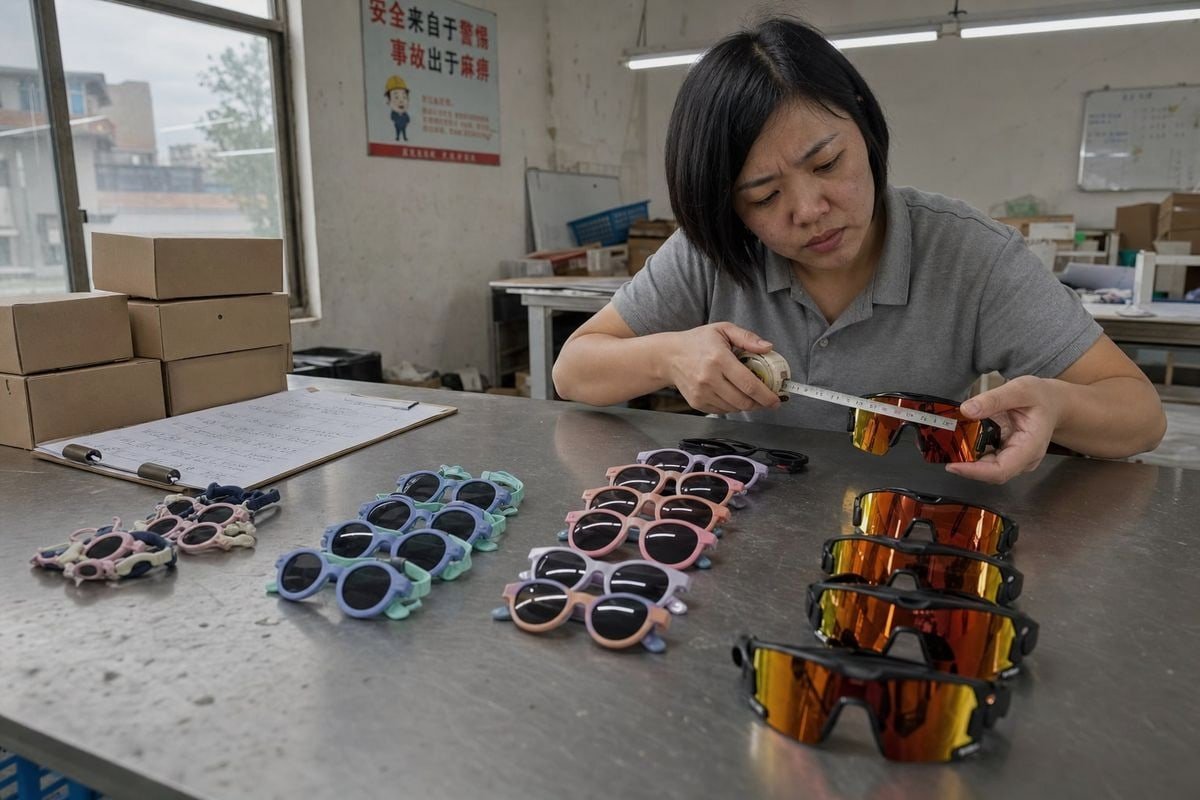
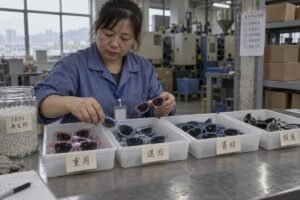
子供用サングラスの年齢範囲とサイズ比率の選択は、当社の台州工場に問い合わせるほとんどすべての新規バイヤーを悩ませます。 子供用サングラス 1. 間違えると、売れ残った在庫がすぐに積み上がります。正しく行えば、すべてのサイズがスムーズに売れます。当社がブランドをそのように支援する方法を以下に示します。.
子供用サングラスは、ベビー(0〜2歳)、トドラー(2〜4歳)、キッズ(5〜10歳)、ユース(11〜16歳)の4つの年齢範囲にグループ化し、レンズ幅は約35mmから52mmまでスケールアップする必要があります。実用的な注文比率は、ベビー約15%、トドラー約30%、キッズ約40%、ユース約15%です。.
年齢ラベルだけでは利益率を守ることはできません。以下に、サイジングが実際にどのように機能するか、注文数量をどのように分割するか、そして柔軟なフレームが固定サイズよりも優れているのはいつかについて説明します。.
子供の年齢グループごとに適切なサングラスのサイズをどのように決定しますか?
昨年の春、オーストラリアのバイヤーがサンプルを1つ送り、「すべての年齢で作成してほしい」と依頼しました。その1つの依頼は、2週間のサイジングワークショップになりました。なぜなら、 子供用サングラスは大人用フレームのようにスケールアップしません。.
レンズ幅とフレーム幅で年齢に合ったサングラスのサイズを選びましょう:赤ちゃん(0〜2歳)はレンズ幅35〜38mm、フレーム幅115〜120mmが必要です。幼児(2〜4歳)はレンズ幅40〜42mmが必要です。子供(5〜10歳)はレンズ幅43〜47mmが必要です。若者(11〜16歳)はレンズ幅47〜52mm、フレーム幅135〜140mmが必要です。.
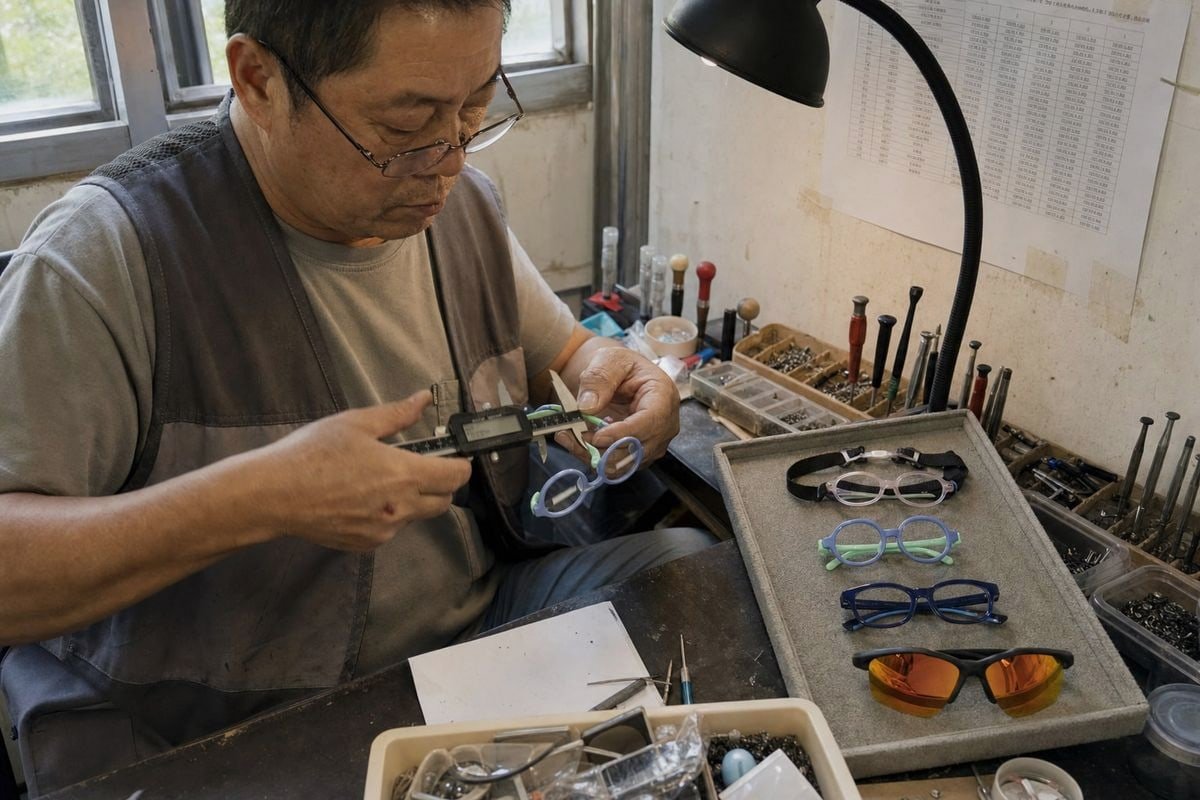
年齢は出発点にすぎません。2人の4歳児でも、頭の幅は大きく異なる場合があります。したがって、実際のサイジング言語は測定値です。 レンズ幅 2, 、ブリッジ幅、フレーム前面幅、テンプル長。当社の工場で新しい金型を開発する際には、まずこれらの4つの数値を中心に設計し、その後で年齢ラベルを付けます。.
推奨するコアサイズマップ
| 年齢範囲 | レンズ幅 | フレーム幅 | テンプル長 | 一般的なラベル |
|---|---|---|---|---|
| 0–6 months | シェード推奨 | — | — | 推奨しません |
| 6–24 months | 35–38 mm | 4〜6歳 | 105–110 mm | ベビー |
| 2–4 years | 40–42 mm | 10〜13歳 | 110–118 mm | トドラー |
| 5–7 years | 43–45 mm | 125–132 mm | 115–122 mm | キッズ(スモール) |
| 7–10歳 | 45–47 mm | 132–138 mm | 10〜13歳 | キッズ(ラージ) |
| 11–16 years | 47–52 mm | 135–140 mm | 10–13歳 | ユース/スモールアダルト |
なぜブリッジ幅がバイヤーの予想以上に重要なのか
子供のブリッジ幅は通常13〜18mmです。乳幼児は未発達の 鼻梁 3, を持っているため、標準的なノーズパッドは滑ります。そのため、当社のベビー用スタイルでは、低めに設定されたサドルブリッジを使用し、多くの場合、調節可能なネオプレンストラップと組み合わせています。この詳細を省略すると、レンズがどれほど優れていても、返品は増加します。.
Two more rules we share with every client. First, if a child sits at the top of a stated age band, size up. Manufacturer age labels run wide, and the lower end of the range usually fits best. Second, verify fit with a simple stay-put test: the frame should hold during a 90-degree forward head tilt without sliding down the nose or pinching the temples.
製品ライン全体で、実際の顧客需要に合わせるために、どのサイズ比率で注文すべきですか?
Order splits are the trade-off I discuss most with importers. Too many baby sizes and you sit on stock; too few toddler sizes and you miss your fastest-moving segment.
バランスの取れた最初の注文は、おおよそ15%の赤ちゃん(0〜2歳)、30%の幼児(2〜4歳)、40%の子供(5〜10歳)、15%の若者(11〜16歳)に分かれます。子供のバンドは、最も広い学齢期の人口と最も長い着用シーズンをカバーしているため、最も早く売れます。.

Size ratios are really demand forecasts. In our fifteen years supplying children's brands across 20+ countries, we have seen a consistent pattern: the 5–10 kids band moves fastest, toddlers come second, and baby plus youth fill out the edges. But your channel changes the math.
Ratio by sales channel
| Channel type | Baby 0–2 | Toddler 2–4 | Kids 5–10 | Youth 11–16 |
|---|---|---|---|---|
| Baby/maternity brand | 35% | 40% | 20% | 5% |
| General kids' retailer | 15% | 30% | 40% | 15% |
| Outdoor/sports brand | 5% | 20% | 45% | 30% |
| Promotional products | 0% | 25% | 55% | 20% |
A few practical rules sit behind these numbers:
- Toddlers outgrow frames fastest, so repeat purchases are highest in the 2–4 band. Stock it generously if you sell direct to parents.
- Youth sizes overlap small adult frames, so wrap-around style sport models in 47–52 mm lenses can serve both markets and reduce your SKU risk.
- Baby sizes need extra accessories — head straps, cases, saddle bridges — which raise unit cost. Order them in colors that photograph well, because this band sells on emotion.
- Test before you scale. Because we hold around 800 existing styles, many of our clients launch with small mixed orders across three sizes, read the sell-through data for one season, then rebalance. That approach beats any theoretical ratio.
Also plan lens ratios, not just frame ratios. Polarized lenses justify a higher retail price in the kids and youth bands, while standard UV400保護 tinted lenses are usually enough for the baby band, where wearing time is shorter.
異なる成長パターンを持つバイヤーがさまざまな国にいる場合、正確なサイズをどのように取得できますか?
A Japanese client once returned our standard kids sample with one note: the bridge sat too high. That single millimeter conversation reshaped how we spec frames for different regions.
地域差に対応するため、新しい年齢層のラベルを作成するのではなく、ブリッジ幅、ノーズパッドの高さ、テンプルの長さを調整します。ローカル市場から頭幅データを収集し、地域別のフィットサンプルをリクエストし、本格的な生産に入る前に着用テストでフィットを確認してください。.
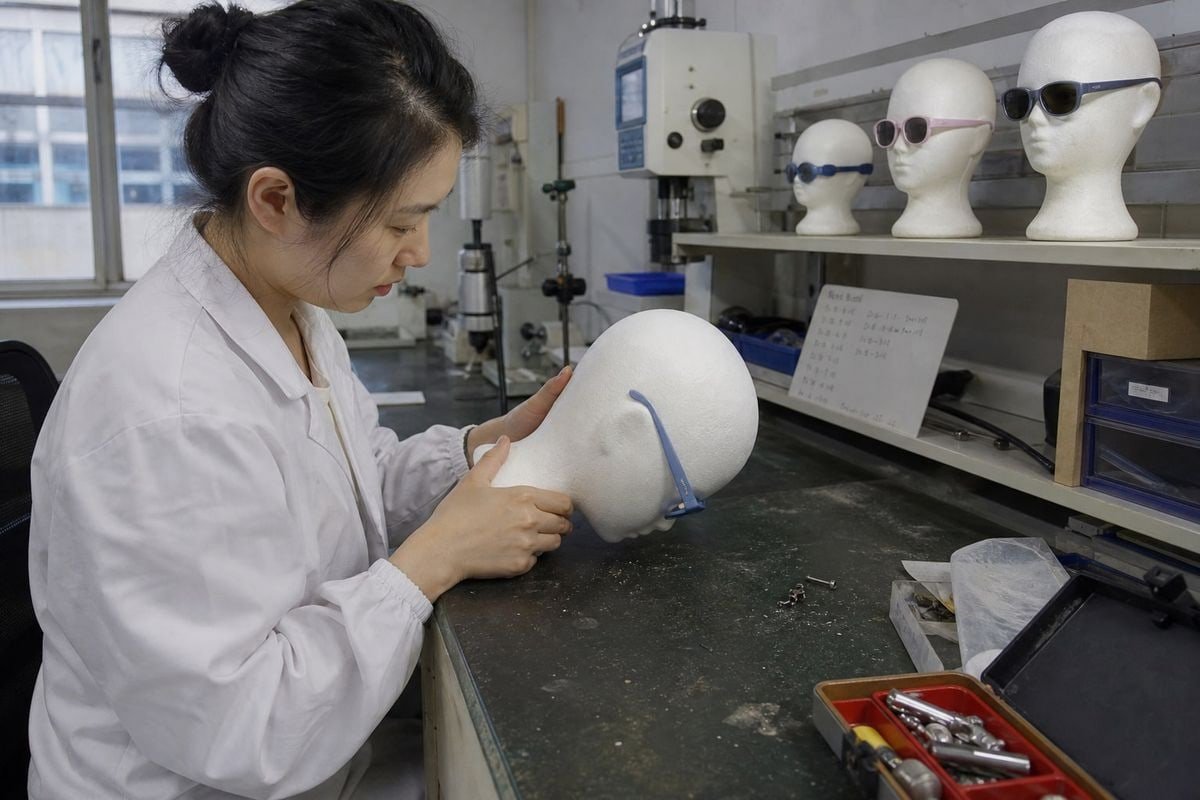
Growth charts differ by country, and facial structure differs even more. Average head width, nasal bridge height, and cheekbone prominence all vary by region. An age label that fits well in Germany can slide down noses in Japan or pinch temples in Brazil. The age bands stay the same worldwide; the fit geometry inside them should not.
What actually changes by region
In our export experience, three dimensions do most of the work:
- Bridge height and width. Lower nasal bridges are common across East Asian markets. We drop the bridge and widen the nose pads so the lens does not rest on the cheeks. This matters most in the toddler and kids bands.
- テンプルの長さ。. Head depth varies. A temple length that grips well in one market can press behind the ears in another. Flexible TPEE frames forgive small mismatches because the temples flex outward instead of clamping.
- Frame front width. Broader face shapes need 2–4 mm more frame width at the same age. We often run two front widths on one style for clients selling in multiple regions.
A simple process that works
- Send us your target market and typical customer age bands.
- We pull comparable styles from our 800-style library that already fit that region.
- You test samples on real children locally — five to ten kids per size band is enough to spot problems.
- We adjust bridge, temples, or front width in the OEM stage before mass production.
One more note on standards. Different markets also reference different quality frameworks. Buyers shipping to the US frequently ask about ANSI Z80.3規格 4 for nonprescription sunwear, while European buyers focus on EN ISO markings. Both expect full blocking of UVAおよびUVB線 5, which is why we default to UV400 protection lenses regardless of destination. Sizing may flex by region; UV performance should not.
固定年齢基準のサイズ設定の代わりに、調節可能または柔軟なフィットオプションを提供すべきですか?
Flexibility is where our engineers spend most of their development hours. TPEE and TR90 are the reason many buyers found us in the first place, so I will be direct about what these materials solve — and what they do not.
はい — フレキシブルフレームと調整可能なオプションにより、各サイズの適応年齢範囲が広がり、返品率が低下しますが、それらは固定サイズを置き換えるのではなく補完します。最適なラインナップは、3つまたは4つの固定サイズバンドを、柔軟な素材、スプリングヒンジ、およびストラップアクセサリーと組み合わせています。.
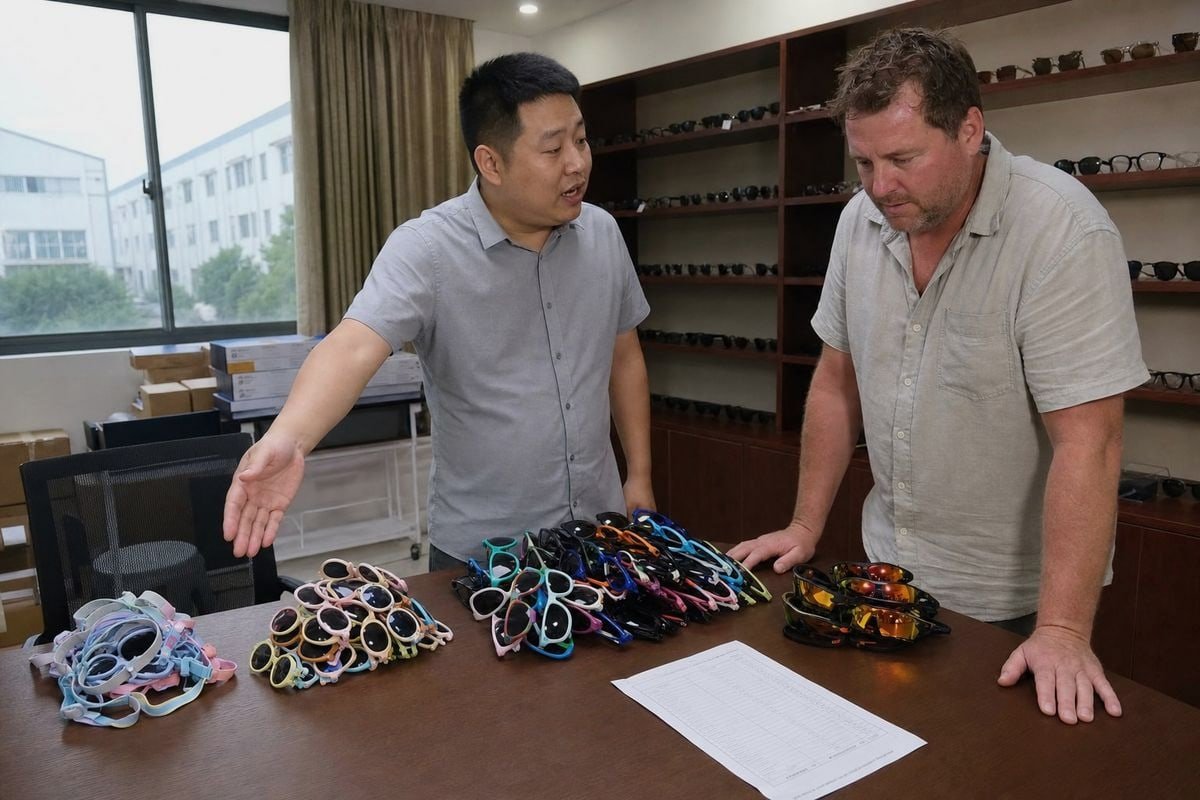
No single frame fits ages two through ten. But smart flexibility can stretch each size band by a year or more on each end. That means fewer SKUs, simpler inventory, and a wider real-world fit window per style.
Flexibility options compared
| オプション | その機能 | Best age band | コストへの影響 |
|---|---|---|---|
| Flexible TPEE frames | Bend without snapping; forgive rough handling | All ages, especially 0–7 | 中程度 |
| TR90 frame + TPEE temples | Rigid front holds lens shape; soft temples flex to head width | 5–16 | 中程度 |
| Outward spring hinges | Temples open past 90° to relieve lateral pressure during rapid head growth | 4–9 | 無条件交換 |
| Adjustable neoprene strap | Holds frames on babies and toddlers with undeveloped bridges | 0–4 | 低 |
| Rubberized temple tips | Add grip so frames pass the stay-put test | 全年齢対象 | 低 |
Where flexibility earns its cost
Impact resistance is the first payoff. Kids drop, sit on, and throw their sunglasses. Flexible frames bend and recover, and paired with ポリカーボネートレンズ 6, the whole unit survives playground abuse that would crack standard acetate. Fewer breakages mean fewer complaints landing on your customer service desk.
Coverage is the second payoff. Children look upward at adults constantly, so their lenses need more vertical height than adult proportions suggest. Flexible wrap-around sport styles — like the shield designs in our performance line — block peripheral light from the sides while a taller lens blocks light from above. For everyday round or retro shapes, we keep the lens-to-face ratio generous for the same reason.
One caution: do not push lens darkness as a substitute for fit. Very dark Category 4 tints 7 are unnecessary for daily wear and limit the natural light a developing child needs. Well-fitted frames with quality UV400 lenses protect better than any extreme tint on a loose frame.
結論
Wrong size ranges quietly drain a kids’ eyewear launch — dead stock in one band, sellouts in another. The fix is simple: four measurement-based age bands, channel-adjusted ratios, regional fit tuning, and flexible TPEE construction. Build on those four pillars, and your sunglasses line fits real children and real demand. If you want a sizing plan mapped to your market, our team is one email away.
脚注
1. General overview of sunglasses types and their protective functions. ↩︎
2. Explains standard eyewear measurements including lens width and bridge size. ↩︎
3. Defines the anatomical structure of the nasal bridge and its development. ↩︎
4. Accessible Wikipedia overview of the ANSI Z80.3 requirements for nonprescription eyewear safety and quality. ↩︎
5. World Health Organization guide on ultraviolet radiation and eye health. ↩︎
6. American Academy of Ophthalmology details the safety benefits of polycarbonate lenses. ↩︎
7. International standard defining filter categories for sunglass lenses. ↩︎


 English
  Español de México
  Deutsch
  Français
  日本語
日本語  العربية
  Português do Brasil