ストラップ vs テンプル式キッズサングラス:どの年齢層に最適か?
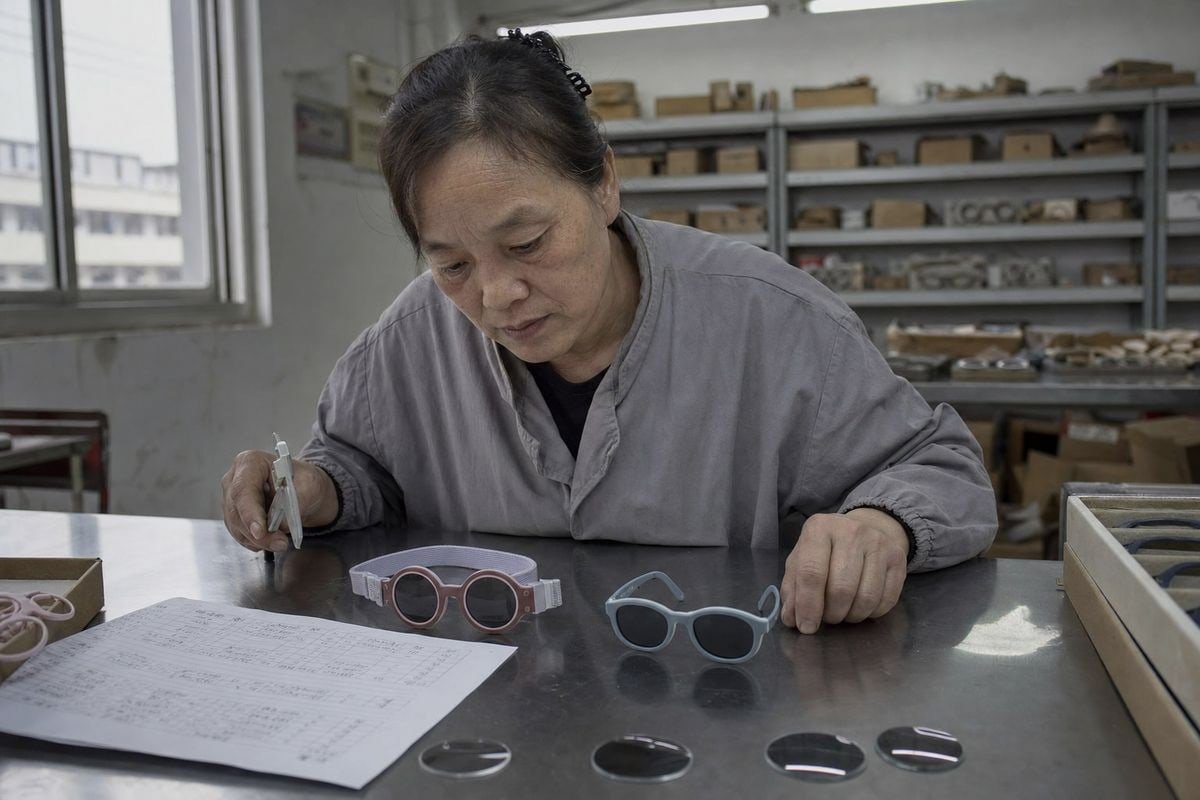
ストラップ vs テンプル式キッズサングラスは、当社の台州工場を訪れるバイヤーから最もよく聞かれる質問です。間違った選択をすると、メガネは投げ捨てられたり、紛失したり、まったく着用されなくなったりします。これが私たちの答えです。.
ストラップ式キッズサングラスは、ストラップが小さな頭にしっかりと固定されるため、0〜3歳児に最適です。テンプル式サングラスは、顔の構造、運動能力、テンプルアームへの耐性が十分に成熟し、しっかりとフィットするようになった4歳以上の子どもに適しています。.
これは短いバージョンです。しかし、本当の境界線は誕生日ではなく、発達です。以下に、各年齢層、移行期間、そしてそれがお客様の製品ラインにとって何を意味するかを詳しく説明します。.
赤ちゃんにテンプルフレームではなくストラップ付きサングラスが必要かどうかはどうすればわかりますか?
オーストラリアのバイヤーは、撮影中にテンプルフレームが乳児モデルから滑り落ち続けたため、サンプルを返品しました。私たちのチームは常にこのパターンを見ており、 その理由は解剖学的なものです.
生後0〜2ヶ月の赤ちゃんは、鼻梁が平らで未発達、耳が小さいためテンプルアームを固定できないため、ストラップ付きサングラスが必要です。調節可能なネオプレンストラップが頭を包み込み、レンズを目に固定し、標準的なフレームを壊してしまう掴んで投げる時期にも耐えます。.
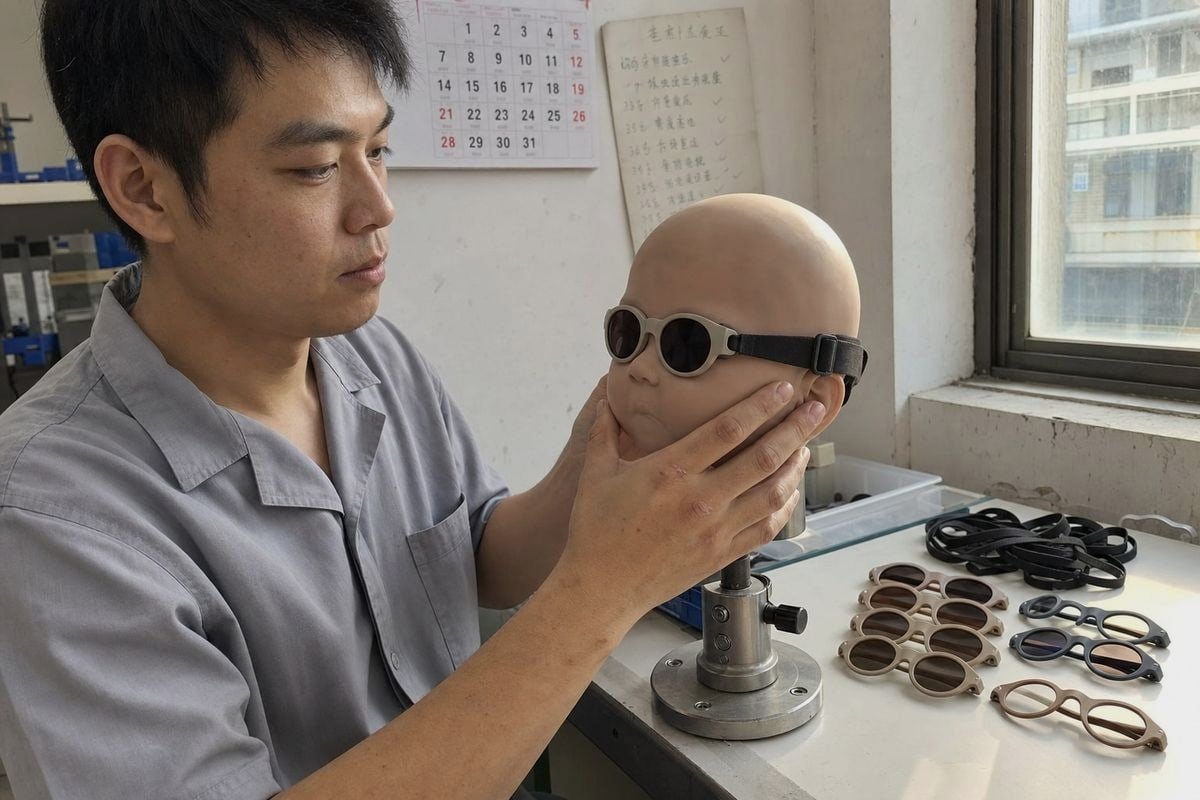
乳児の目の健康がここにあります。赤ちゃんの目のレンズは、ほとんどの UVA線 1 をろ過できません。大人のレンズができるように。したがって、滑り落ちたり、曲がったりするサングラスは、単なる些細な迷惑ではありません。それらは、保護が最も重要であるまさにその年齢で、若い目を露出させます。だからこそ、私たちが0〜2歳向けに構築するすべてのもののデザインを推進するのは、スタイルではなく保持力なのです。.
乳児の顔でテンプルアームが失敗する理由
乳児の鼻梁はほとんど平らです。フレームが置かれる構造的な棚がありません。耳は小さくて柔らかいため、テンプルの先端はしっかりと引っ掛ける場所がありません。つかんで投げる発達段階を追加すると、テンプルフレームは数秒で地面に落ちるおもちゃになります。.
優れたストラップシステムの外観
サンプリングルームでは、出荷前に各ストラップスタイルのデザインで4つのことを確認します。
| 特徴 | 確認すべき点 | なぜそれが重要なのか |
|---|---|---|
| ストラップ素材 | 柔らかく調節可能なネオプレンまたはエラスティック | 頭の成長に合わせて調整されます。 pinchingなし |
| フレーム素材 | 柔軟なTPEEフレーム、ヒンジなし | 壊れずに曲がります。赤ちゃんが噛んだり転んだりしても安全です |
| レンズ仕様 | 100% UVA/UVB保護、飛散防止レンズ | 発達中の目に完全なカバレッジ |
| カバレッジ | ラップアラウンドデザイン | 小さな顔の周辺光漏れをブロックします |
正直な注意点:6ヶ月未満の赤ちゃんは、ほとんど日陰にいる必要があります。サングラスは幼児の補助です 日焼け止め 2, 、帽子やベビーカーのキャノピーの代わりではありません。リアバックルにも注意してください。硬いプラスチックの留め具はチャイルドシートのヘッドレストに押し付けられる可能性があるため、乳児用スタイルでは留め具を平らにしてオフセンターに配置します。この年齢ではメガネが口に入るので、すべての素材はBPAフリーである必要があります。.
何歳になったら、子供用のストラップ付きサングラスからテンプル(つる)付きサングラスに安全に切り替えられますか?
すべての製品会議で私たちが考慮するトレードオフは、保持力と自立です。ストラップはよりよく保持します。テンプルは子供が自分でメガネを管理できるようにします。スイッチポイントは、それらの線が交差する場所です。.
ほとんどの子供は、鼻梁が鋭くなり、自分でサングラスをかけられるようになる3歳から4歳の間で、ストラップ付きからテンプル(つる)付きのサングラスに切り替えることができます。ケーブルテンプルまたはラップテンプルデザインは、5〜6歳でのストレートテンプルになる前の、この移行期間中の理想的なブリッジとなります。.
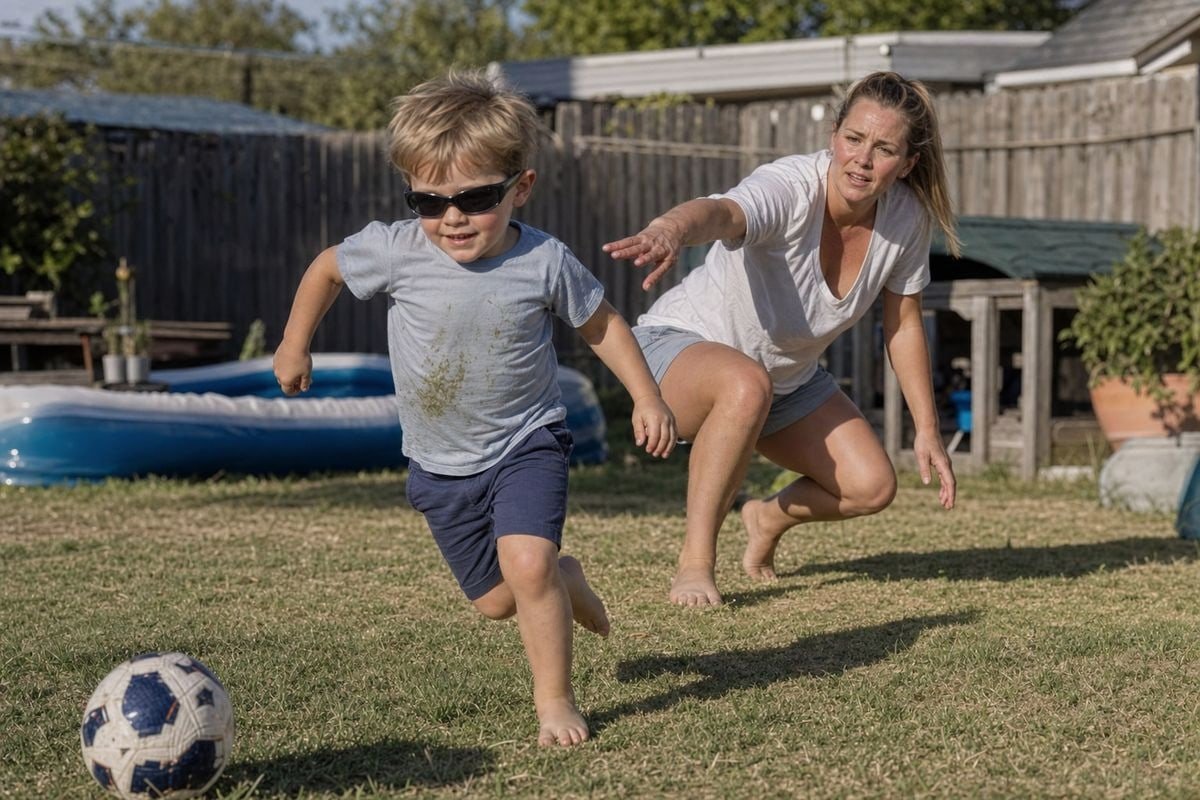
15年以上にわたり子供用フレームを構築してきた経験から、年齢ラベルはせいぜい大まかなガイドであることがわかりました。3歳児の中にはテンプルフレームをうまく扱える子もいます。5歳児の中には、まだ遊び場で投げ飛ばしている子もいます。したがって、固定された誕生日ではなく、準備チェックリストと段階的な移行をお勧めします。.
移行ラダー、ステップバイステップ
- フルストラップステージ(0〜3歳)。. 最大の保持力。子供はまだメガネをかけ続けることを信頼できません。.
- 取り外し可能なストラップステージ(2〜4歳)。. 取り外し可能なストラップが付属するテンプルフレーム。屋外ではストラップを使用し、耐性が高まるにつれて取り外します。バイヤーの多くは、2つの年齢層にまたがるため、この構成を注文しています。.
- ケーブルまたはラップテンプルステージ(3〜6歳)。. テンプルアームが耳の後ろにカーブして、さらにグリップ力を高めます。これは、ほとんどの親が知らない中間カテゴリです。.
- ストレートテンプルステージ(5歳以上)。. 標準的な構造、, 子供の頭の幅とテンプルの長さに合わせたサイズ.
準備の兆候を確認します
| シグナル | テンプルに対応できますか? |
|---|---|
| 自発的に15分以上メガネをかけ続ける | はい |
| 鼻梁がフレームを滑らずに明らかにサポートしている | はい |
| まだ数秒でメガネを外す | まだです |
| Complains about pressure behind the ears | Try cable temples first |
Material matters during this phase, too. Flexible TPEE frames, or TR90 fronts with TPEE temples, forgive the twisting and sitting-on that transition-age kids inflict. Impact resistance is not optional at this stage; it is the difference between a product that lasts a season and one that generates returns.
アクティブな幼児の顔に実際にフィットするのは、ストラップタイプとテンプルタイプ、どちらのスタイルですか?
During a drop-and-flex test last spring, our QC team timed how long different retention systems survived a toddler-simulation rig. The results matched what parents already know from the playground.
4歳未満のアクティブな幼児には、ストラップスタイルのサングラスが最適です。ストラップが頭全体を囲み、緩めることができないためです。4歳以上のアクティブな子供には、ラバー加工されたケーブルテンプル付きのラップアラウンドデザインが、独立して着用できる一方で、ほぼ同じように機能します。.
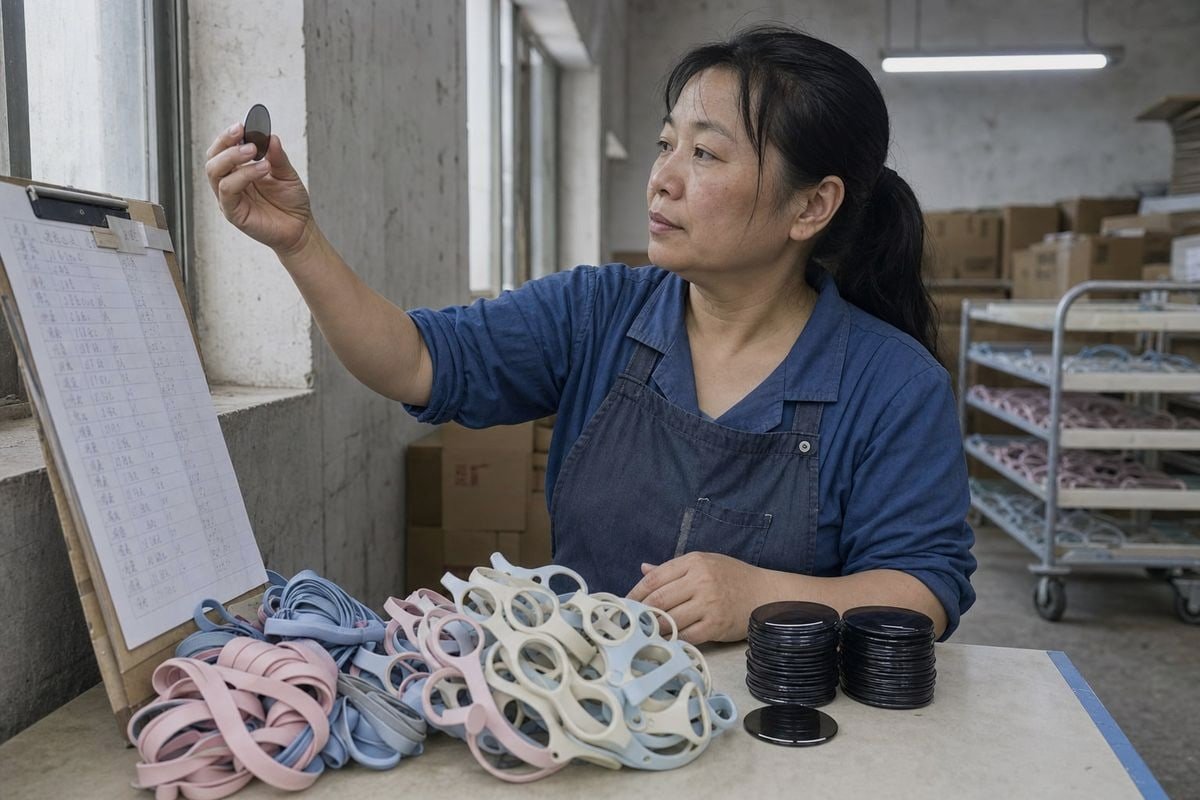
Activity level changes the math. A calm toddler in a stroller might tolerate a light temple frame. A sprinting, climbing, sand-throwing toddler will defeat anything that relies on the nose and ears alone. So the honest answer depends on how your customer's child actually plays.
Retention by activity type
| シナリオ | Best choice | 理由 |
|---|---|---|
| Stroller rides, car trips | Low-profile strap, flat closure | Avoids pressure against headrests |
| Playground and beach | Full strap with wrap-around design | Survives running, digging, falls |
| Swim and splash play | Snug strap, vented frame | Prevents loss in water; venting limits fogging |
| Preschool sports (4+) | Cable-temple wrap frame with rubber grips | Retention plus independence |
| School-age cycling | Sport shield frame with grippy temple tips | Wind coverage, secure at speed |
The fine print on straps
Straps are not perfect. A high-tension strap can seal a micro-climate around the eyes, which raises fogging and heat-rash risk in humid climates. Our export clients in Southeast Asia specifically request vented frames for this reason. Fit the strap snug, never tight.
One more retention detail buyers often miss: lens choice does not change retention needs. 偏光レンズ 3 for kids cut glare beautifully off water and sand, but a polarized lens in a frame that falls off protects nobody. And for children wearing behind-the-ear hearing aids 4, temple arms can crowd the device and cause feedback, making a low-profile strap system the practical choice regardless of age. Shatter-resistant lenses remain non-negotiable across every scenario above.
追加の複雑さなしに、子供用アイウェアコレクションでストラップとテンプルの両方のオプションを提供できますか?
A distributor in Japan asked me this exact question last year, worried that two retention systems meant double the SKUs, molds, and headaches. The answer surprised her.
はい。ブランドは、取り外し可能なストラップを備えた共有フレームプラットフォームを使用し、新しい金型ではなく既存の金型加工済みデザインから選択し、レンズと素材の仕様を一貫させて、0〜2歳、3〜5歳、6〜12歳などの明確な年齢帯に範囲を整理することで、両方のスタイルを効率的に提供できます。.
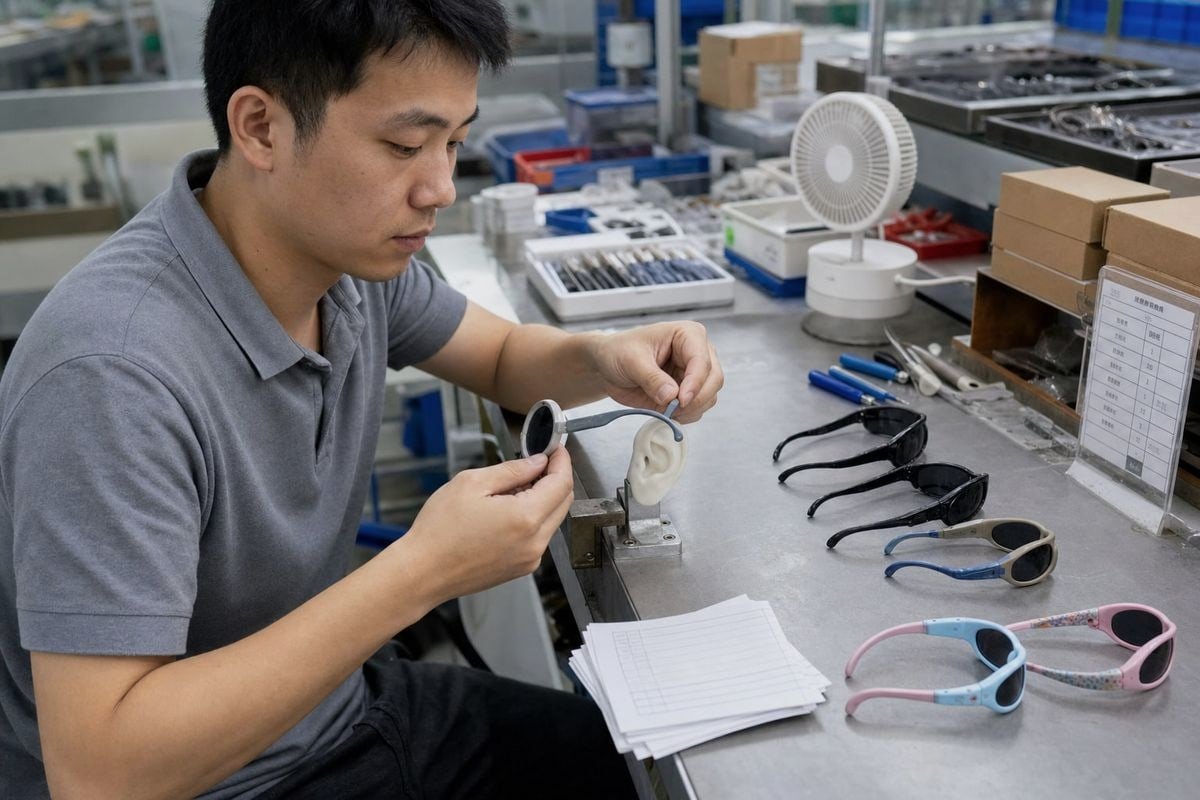
Complexity comes from tooling, not from variety. That distinction changes everything for a growing brand. At our factory, roughly 800 existing styles are already tooled, so a buyer can assemble a strap-plus-temple range without investing in a single new mold. That lowers launch risk dramatically, and it lets a brand test which retention style its market actually prefers before committing to custom development.
Three ways to keep the range simple
Use detachable straps as a bridge SKU. One frame with a removable adjustable neoprene strap 5 covers both the late-strap and early-temple stages. One product, two age bands, one inventory line.
Standardize the spec sheet. Keep 100% UVA/UVB protection, BPAフリー素材 6, and impact resistance identical across every model. Then only the retention system and size change between age bands. Your packaging, compliance documents, and marketing claims stay uniform.
Let age bands drive merchandising, not engineering. A clean shelf structure might look like: strap goggle styles for 0–2, detachable-strap and cable-temple styles for 3–5, and temple-style frames for 6–12, with sportier shield shapes for the older, style-conscious end. School-age kids often reject anything that looks babyish, so the older band should look deliberately grown-up, like the wraparound shield styles with mirrored lenses that our sport line uses.
Through OEM/ODM support, custom colors, logos, lens tints, and retail-ready packaging can then unify the whole range under one brand identity. The result reads as one coherent collection, not two separate product lines.
結論
Strap styles win retention for ages 0–3; temple styles win independence from age 4 up. Match the design to development, standardize the safety spec, and both can live in one clean collection.
脚注
1. WHO explains UV radiation risks, supporting claim about infants’ limited UVA filtering ability. ↩︎
2. CDC guidance on sun protection backs the article’s advice on supplementing sunglasses with shade. ↩︎
3. Background reference explaining polarization, relevant to the lens technology discussed. ↩︎
4. NIH source on hearing aids supports the note about temple arms interfering with devices. ↩︎
5. Wikipedia background on neoprene material used in infant sunglasses straps. ↩︎
6. FDA resource on BPA safety supports the recommendation for BPA-free children’s products. ↩︎


 English
  Español de México
  Deutsch
  Français
  日本語
日本語  العربية
  Português do Brasil