子供用サングラスのサプライヤーのテストレポートが本物であることを確認する方法

サプライヤーのテストレポートが本物であることを確認する方法を知ることは、偽造品からブランドを保護します CPSC認定の検査機関リスト 1. 。台州の生産ラインでは、バイヤーが完全に異なる製品をカバーする磨かれたPDFに騙されるのを見てきました。そしてその時には、商品はすでに輸送中でした。リコールされた出荷は、長年のブランドの信頼を破壊する可能性があります。.
子供用サングラスのサプライヤーのテストレポートが本物であることを確認するには、発行された検査機関にレポート番号を直接確認し、引用された基準に対する検査機関の認定を確認し、製品モデル、バッチ、日付、および申請者名を実際の注文と照合してください。.
それが簡単な答えです。次に、次の購入注文の前に適用できるように、完全な検証ワークフローをステップバイステップで説明します。.
製品と完全に一致するかどうかを確認するために、最初にどのような詳細を確認すべきですか?
オーストラリアのバイヤーが、競合他社のレポートを私に転送して、それが正しいかどうか尋ねてきました。 通知機関が登録する 2. 。それは本物のレポートでした。大人のファッションサングラス用に発行されたもので、彼女が購入していた子供用モデルではありませんでした。本物ですが、役に立ちませんでした。.
まず、レポートの製品モデル、SKU、写真、素材、カラーウェイがお客様のサングラスと一致していることを確認してください。次に、申請者名がサプライヤーと一致していること、引用されている規格が仕向地市場に適合していること、および試験日が現在の生産ロットと一致していることを確認してください。.
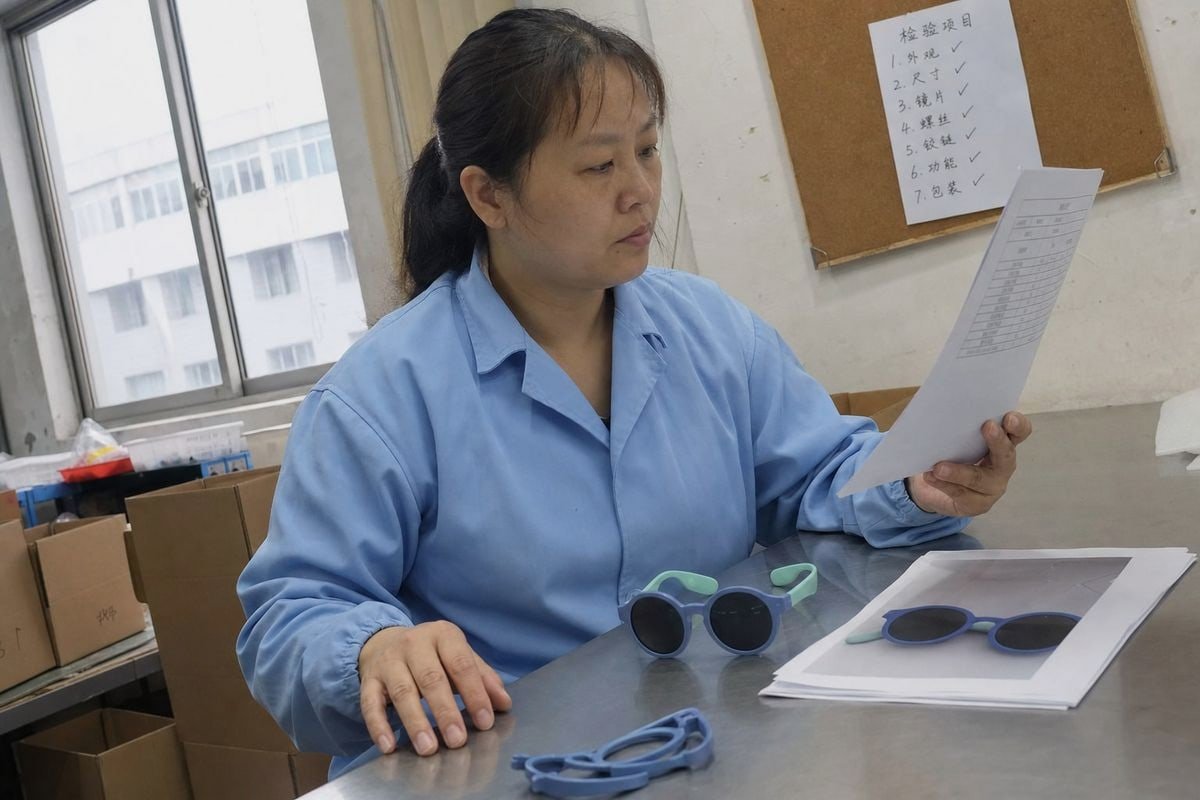
子供用アイウェアを製造して15年間、最も一般的な問題は偽造ではありません。それは不一致です。レポートは完全に本物でありながら、実際に輸入している製品をカバーしていない可能性があります。したがって、最初の仕事は詐欺探しではなく、製品の一致チェックです。.
信頼できるレポートの構造
適切なラボレポート はISO/IEC 17025のレポート要件に従います。一意のラボレポート追跡番号、ラボの名前と連絡先情報、テスト方法、写真付きの明確なサンプル説明、サンプル受領日、テスト日、発行日、単位付きの結果、および承認された署名者を含める必要があります。これらのうちいくつかが欠落している場合は、文書を疑わしく扱い、より厳密に検証してください。.
行ごとに比較するもの
レポートを注文書と物理的なサンプルと一緒に置いてください。次に、この表を確認してください。
| レポートフィールド | 一致する必要があるもの | なぜ重要なのか |
|---|---|---|
| 製品モデル/ SKU | POとサンプル | 「子供用サングラス」というラベルだけでは何も証明されません |
| サンプル写真 | フレーム形状、レンズタイプ、色 | ラップアラウンドシールドレンズは丸いフレームとは異なるテストを行います |
| 材料リスト | フレーム基材とレンズ素材(例:TR90、TPEE、PCレンズ) | 異なる材料は異なる化学的および衝撃結果を意味します |
| 申請者/クライアント名 | サプライヤーの事業免許または請求書 | 説明のない第三者の申請者は赤信号です |
| 引用された基準 | あなたの市場の要件 | ISO 12312-1基準 3 EU向けは米国の規則とは異なります |
| テストおよび発行日 | 現在の生産スケジュール | 古いレポートは今日の材料を反映していない可能性があります |
ワークショップの経験からのもう一つのポイント:コーティングが重要です。鮮やかなミラーグラデーションレンズ(私たちが製造するオレンジからティールへのシールドスタイルなど)は、コンポーネントレベルのテストを必要とする表面コーティングを使用しています。レポートは、隠された毒素がベースプラスチックではなく、塗料や仕上げ層にしばしば含まれているため、レンズ、フレーム基材、およびコーティングを個別にカバーする必要があります。.
テストラボが認定を受けており、証明書が偽造されていないことをどのように確認できますか?
TR90およびTPEEフレームをテストに送る際、バイヤーが独立して確認できる検査機関を選択します。サプライヤーが検査機関の連絡先情報を提供することを拒否した場合、それだけで何かがわかります。.
公式認定ディレクトリを通じてラボを検証する — 米国のCPSC認定ラボリスト、中国のCNAS/CMAマーク、または欧州の通知機関登録簿。次に、レポート番号をラボのオンライン検証ポータルに入力するか、ラボに直接メールで送信してレポートの存在を確認します。.

基本的な原則は単純です。サプライヤーは決してあなたの唯一の真実の情報源であってはなりません。検査機関自体からの独立した確認は、主張を証拠に変えるものです。ここに私がすべての新しいバイヤーに推奨するシーケンスがあります。.
5段階のラボ検証プロセス
- 元のPDFファイルを入手してください, 、スクリーンショット、スキャン、JPG、またはDOCではありません。変更されたドキュメントは、低品質の画像ではより見えにくくなります。PDFにデジタル署名がある場合は、PDFソフトウェアで検証して、暗号化された証明書が完全であることを確認してください。.
- 基本情報を記録する: レポート番号、ラボ名、テストされた規格、テスト日、製品モデル。.
- ラボの認定範囲を確認してください。. 認定は一般的ではありません。ラボは化学試験については認定されているかもしれませんが、ISO 12312-1規格の光学試験については認定されていない可能性があります。または、規格の古いバージョンについては認定されていない可能性があります。米国の子供向け製品については、ラボがCPSC認定ラボのリストに掲載されていることを確認してください。なぜなら CPSIAコンプライアンス 4 子供向け製品証明書を発行する前に、認定された第三者によるテストが必要だからです。.
- ラボの検証ポータルを検索してください。. ほとんどの大手試験会社では、ラボレポートの追跡番号をオンラインで入力できます。システムが番号を全く認識できない場合、そのレポートは、そのラボによって発行されなかった可能性が高いです。.
- 検証済みのバージョンとサプライヤーのコピーを比較してください。. 一部のサプライヤーは、有効なレポートを改変し、モデル番号や日付を変更して、関連性があるように見せかけます。ラボのバージョンとサプライヤーのバージョンの違いは失格となります。.
市場固有の検証ポイント
| 仕向地市場 | 主な要件 | 検証方法 |
|---|---|---|
| アメリカ合衆国 | CPSIA準拠、子供向け製品証明書 | CPSC認定ラボのリスト。確認してください。 鉛およびフタル酸エステル試験 5 適用範囲 |
| 欧州連合 | ISO 12312-1規格、該当する場合はEN 71 | 通知機関および認定登録簿 |
| 中国起源の試験 | CNAS / CMAの法的マーク | CNAS認定ディレクトリ |
| 影響に関する主張 | 落下球テスト 6 または同等のもの | テスト方法がラボの認定範囲に含まれていることを確認してください。 |
バイヤーが見落としがちなニュアンス: FDA登録番号 耐衝撃性アイウェアの経路に関する米国の規制登録に関連していますが、UV性能や化学的安全性 の証明ではありません。サプライヤーに、ある種類の文書を別の文書の代わりとして提示させないでください。.
サプライヤーのテストレポートが偽造または古い可能性を示唆する危険信号は何ですか?
長年にわたり、バイヤーがセカンドオピニオンのために私たちに転送した何百もの競合他社の文書をレビューしてきました。偽物は通常、小さな、一貫した方法でそれ自体を明らかにします。どこを見ればよいかを知っていれば。.
主な危険信号には、スキャンまたは画像のみで存在するレポート、ロゴの歪み、フォントの一貫性のなさ、非現実的なテストスケジュール、ラボのデータベースにレポート番号がないこと、現在の製造と結びついていない古いテスト日付、元のファイルやラボの連絡先を共有することを拒否するサプライヤーなどが含まれます。.
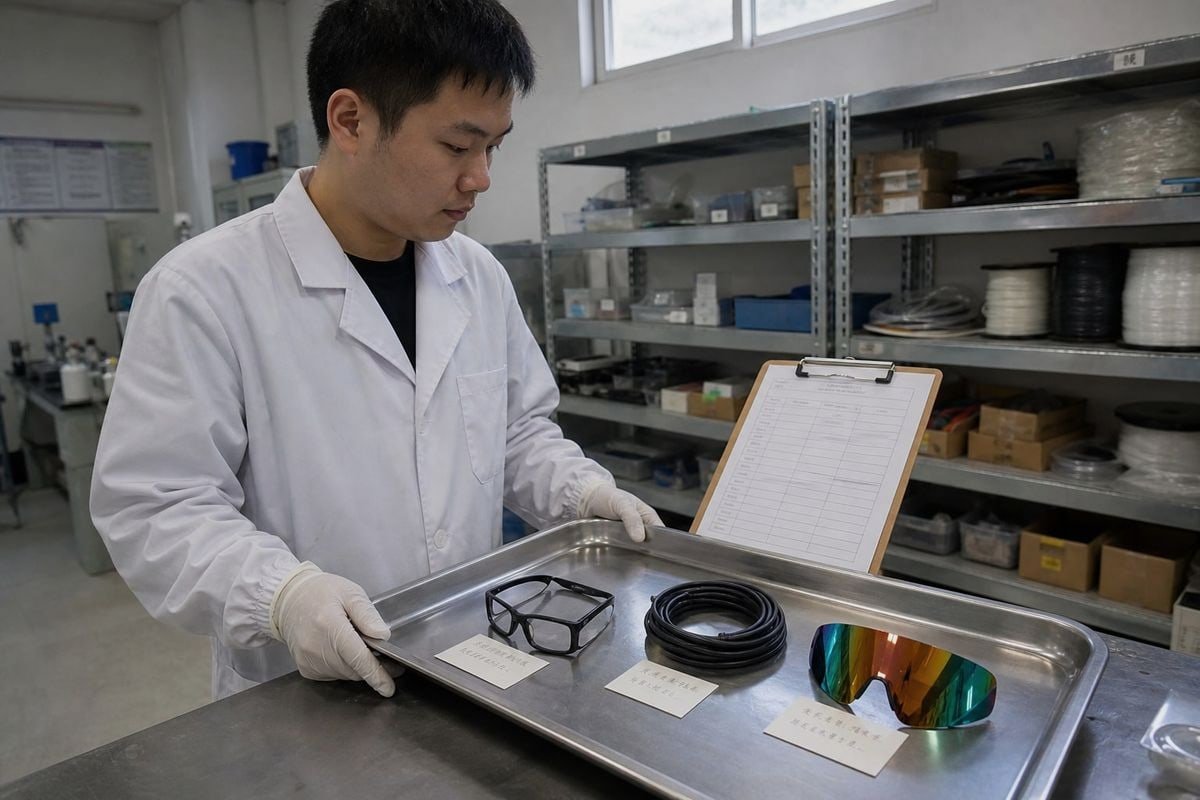
詐欺師はバイヤーのスキミングに依存しています。スローダウンして、監査人が行うように文書を検査してください。試験機関からの業界ガイダンスは、同じ繰り返しパターンを強調しており、それらは文書、タイムライン、および行動の3つのレイヤーにきれいにマッピングされます。.
文書レベルの警告サイン
結果を読む前に、ファイル自体を見てください。ぼやけた、または引き伸ばされたロゴ、ページ途中で変わるフォント、言語スタイルの突然の変化、コピー&ペーストされたように見える署名、ラボの実際のテンプレートと一致しないブランディングに注意してください。内部の一貫性も確認してください。最初のページにあるモデル番号は、4ページ目にあるモデル番号と一致する必要があります。偽造されたレポートは、偽造者が表示フィールドのみを編集したため、しばしば逸脱します。.
タイムラインと行動の警告サイン
| 赤信号 | それが示唆すること | あなたの返信 |
|---|---|---|
| JPGまたはスキャンとしてのみ存在するレポート | オリジナルが改変された可能性があります | ラボから元のPDFを要求してください |
| "「サンプル受信」と「発行」の日付が1日違い | 安全チェック全体には非現実的なテスト期間 | ラボにタイムラインを確認するように依頼してください |
| レポートが数年前のもの | 現在の材料または規格バージョンを反映していない可能性があります | バッチ固有の再テストを要求してください |
| ラボの連絡先を尋ねられたときにサプライヤーが言い逃れをする | サプライヤーは独立した検証を恐れている | エスカレートするか、立ち去る |
| 申請者名が未知の第三者企業である | 借り物または再利用されたレポートの可能性 | 文書化された下請け業者の説明を求める |
タイムラインのロジックは特に注意が必要です。子供用アイウェアの完全なテスト—UV透過率、コーティングの鉛およびフタル酸エステルテスト、機械的チェック—には実際のラボ時間が必要です。一晩で完了したとされる複雑なレポートは、ほぼ間違いなく再利用または偽造されたものです。同様に、 UV400保護等級 7 はハングタグに印刷されているのはマーケティング用語であり、証拠ではありません。それを裏付けるラボデータのみが重要です。そして、古い本物のレポートでさえ問題であることを忘れないでください。材料、コーティングサプライヤー、および標準バージョンは変更されます。3年前に製造された生産ロットに関連付けられたレポートは、来月出荷されるロットを保証することはできません。.
大量注文をする前に、独立した第三者による再検査を依頼すべきですか?
ここに、バイヤーが約800の既存スタイルから選択する際に、私たちが公然と議論するトレードオフがあります。再テストには数百ドルと約2週間かかりますが、税関検査の失敗またはリコールは注文全体とブランドの評判を失うことになります。私たちは常に再テストを奨励します。.
はい — お子様用サングラスの初回のご注文または高額のご注文については、実際の生産ロットからのサンプルに対して、独立した第三者による再検査のコミッションを支払います。サプライヤーのレポートは検証されるべき主張であり、証明ではなく、ロット固有のテストにより、再利用またはリサイクルされた文書のリスクが排除されます。.

この質問には2つの陣営があります。一方の陣営は、既知のラボからのレポートで十分であり、再テストは無駄だと述べています。より厳格な陣営は、ラボが確認し、製品の詳細が一致するまで、どのレポートも信頼されるべきではないと述べています—そしてそれでも、子供用製品のロットテストは価値があります。私は、テストされる工場として、厳格な陣営にしっかりと味方します。子供用アイウェアは、消費者安全への暴露と輸入コンプライアンスへの暴露を同時に運びます。どちらも、書類がいかに公式に見えるかではなく、出荷される正確な製品に依存します。.
再テストが明らかに価値がある場合
再テストは、これらの状況で明らかに意味があります: 新しいサプライヤーとの最初の注文, 、拒否されると損害を受けるほど大きい注文、サプライヤーがレポートの真正性を完全に確認できなかった製品、および厳しく規制された市場に参入する子供用製品。米国向けの製品の場合、次のものが必要です 認定された第三者テスト 8 は、子供用製品証明書を裏付けるために、いずれにしてもCPSC認定の研究所で行われます—したがって、それを追加として扱うのではなく、クリティカルパスに組み込んでください。.
再テストを適切に実行する方法
サプライヤーのゴールデンサンプルからではなく、実際の生産ロットからサンプルをプルします。サプライヤーが結果に影響を与えるチャネルを持たないように、自分で選択したラボに送付します。宛先市場の正確な標準とバージョンを指定します。物理的な検証を含めます:分光光度計測定は、UV保護の主張を検証する唯一の決定的な方法であり、ドロップボールテストまたは同等の衝撃チェックは、レンズがアクティブな子供の日常の乱用に耐えられることを確認します。サングラスと書類の両方が完璧に見える可能性があります。測定のみがパフォーマンスを証明します。.
最後に、検証を中心に支払い条件を構造化します。ラボがサプライヤーのレポートを書面で確認した後、または独立した再テストが合格した後でのみ、最終支払いまたは出荷をリリースします。私の経験では、真面目な工場はこれに反対することはありません。私たちは、これらのテストに合格するように、柔軟なTPEEおよびTR90フレームを構築します—製品に自信のあるサプライヤーは精査を歓迎します。.
結論
偽造または不一致のレポートは、子供たちを危険にさらし、ブランドを法的なトラブルに陥れます。書類を検証し、ラボを検証し、製品を一致させ、ロットを再テストしてください—すべてのサプライヤーレポートを証拠ではなく主張として扱ってください。.
脚注
子供用製品の認定ラボを検証するための公式米国政府データベース。. ↩︎
製品コンプライアンスを評価する権限のある組織を検証するためのEUデータベース。. ↩︎
サングラスおよび関連アイウェア保護の国際標準。. ↩︎
消費者製品安全改善法の公式概要。. ↩︎
子供用消費財の化学物質制限に関する公式安全要件。. ↩︎
アイウェアレンズの耐衝撃性テストを詳述したFDA規制。. ↩︎
UV保護カテゴリの技術的な意味を説明するWikipediaエントリ。. ↩︎
認定ラボによる子供用製品の第三者テストに関するCPSC要件。. ↩︎
 English
  Español de México
  Deutsch
  Français
  日本語
日本語  العربية
  Português do Brasil