子供用サングラスの米国への輸出はFDAの承認が必要ですか?
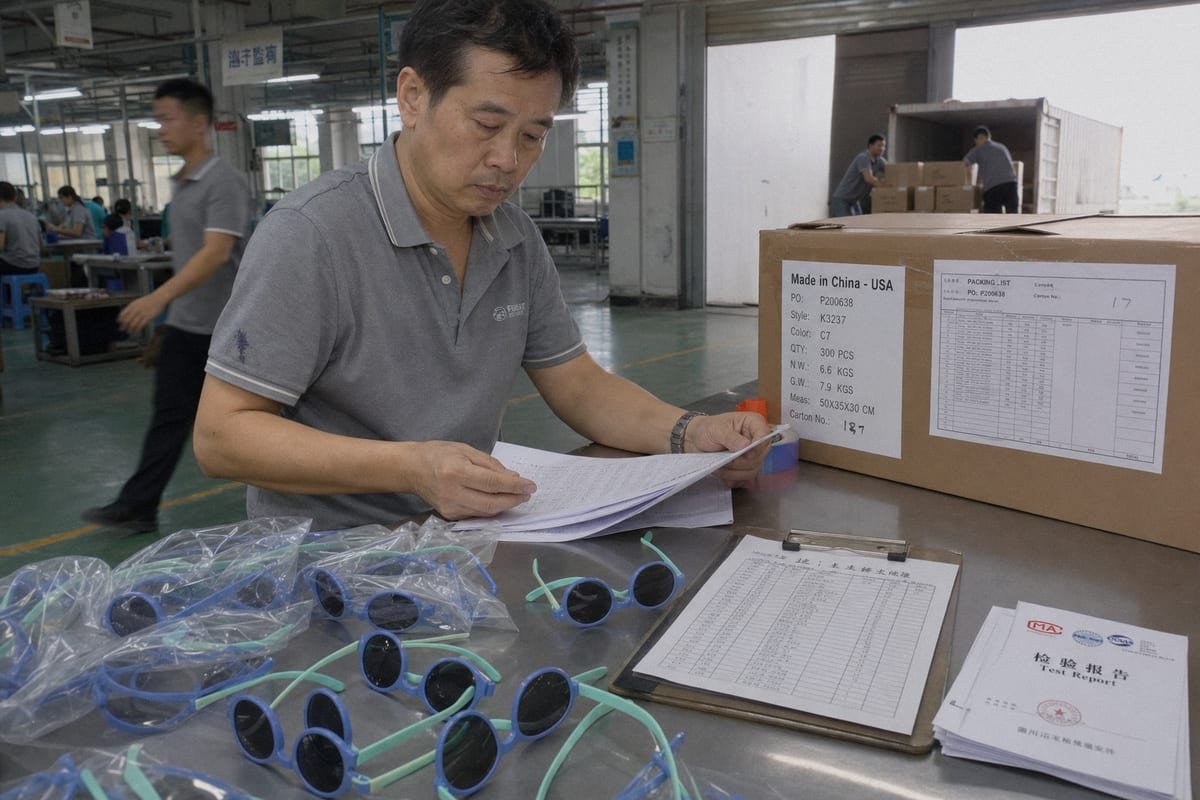
子供用サングラスの米国への輸出は、多くのバイヤーが「FDA承認」について問い合わせるため、懸念事項となっています。必要書類が1通でも不足すると、通関で出荷が保留される可能性があります。当社の輸出チームは、毎週この質問に直面しています。.
米国に輸出される子供用サングラスには、FDAの市販前承認や510(k)承認は必要ありません。ただし、FDAの規則を遵守する必要があります。すなわち、施設登録、医療機器登録、および21 CFR 801.410に基づく耐衝撃性認証、さらにCPSCが施行するCPSIAの子供向け製品要件です。.
その簡単な答えには、多くの詳細が隠されています。コンプライアンスが実際にどのようなものか、工場から米国通関まで、段階的に説明します。.
米国では、子供用サングラスに適用されるFDAおよび耐衝撃性基準は何ですか?
かつてベビー用品ブランドのバイヤーから、なぜサングラスにFDAの監督が必要なのかと尋ねられたことがあります。その答えは彼女を驚かせました。FDAはサングラスを医療機器として扱います。.
FDAは、子供用スタイルを含むすべてのサングラスを、UV放射を軽減するため、クラスI医療機器として分類しています。これらは510(k)免除ですが、レンズは21 CFR 801.410に基づき耐衝撃性試験に合格する必要があり、任意規格ANSI Z80.3はUV透過率と光学品質をカバーしています。.
医療機器としての分類は、多くの輸出業者を不意打ちにします。米国規制当局の目には、サングラスはファッションアクセサリーではありません。それらは有害な光から目を保護することを意図した医療機器です。その意図がFDAの管轄を引き起こします。良いニュースは、 クラスI医療機器 1 最も軽い規制負担に直面します。市販前審査、臨床データ、承認書はありません。残るのは「一般管理」とレンズに関する非常に具体的な規則です。.
コア規則:21 CFR 801.410
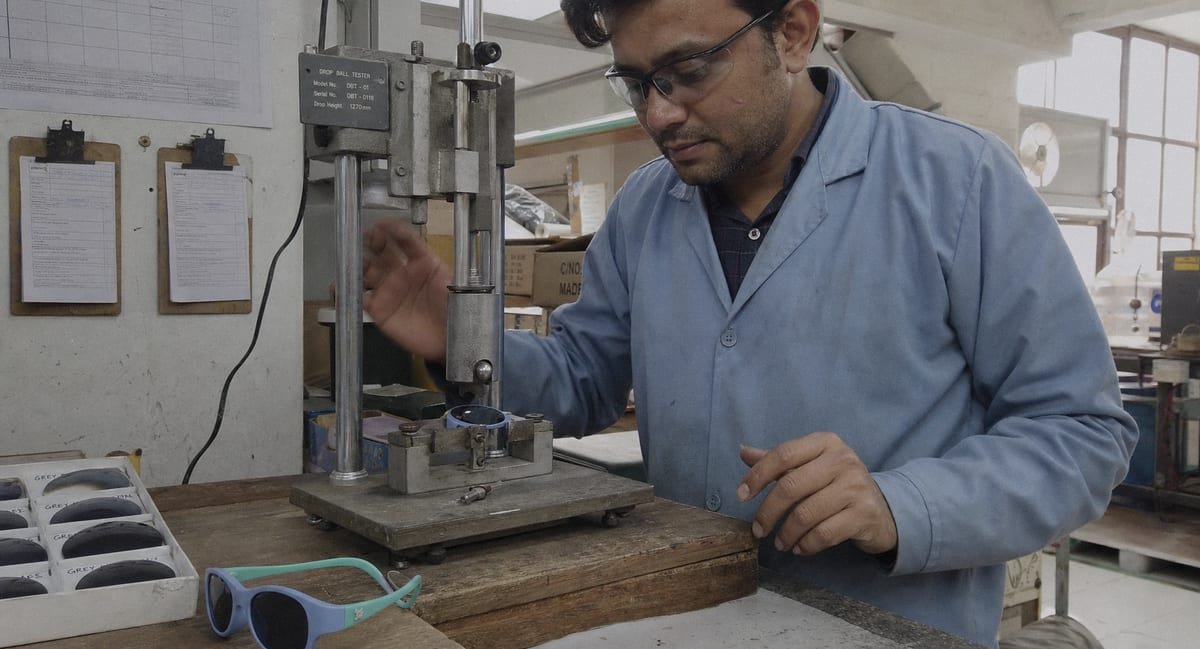
この規制では、すべての サングラスレンズ 2 米国で販売されるものは耐衝撃性が必要です。標準的な方法は、ドロップボールテストです。5/8インチのスチールボールを50インチの高さからレンズに落下させます。レンズは割れてはいけません。FDAのガイダンスでは、 子供用サングラス 3 この要件の対象となります。小型サイズやUV表示のあるおもちゃのようなデザインには免除はありません。.
当社の工場では、子供用フレーム用のUV400レンズを製造する際、輸出前に各バッチのサンプルに対してこの耐衝撃性テストを実施しています。非処方レンズの場合、統計的なバッチテストが許可されており、大量生産のプロセスを実用的に保ちます。.
基準の組み合わせ方
| 標準 | タイプ | 対象範囲 | 必須? |
|---|---|---|---|
| 21 CFR 801.410 | FDA規制 | レンズの耐衝撃性(ドロップボールテスト) | はい |
| ANSI Z80.3 | 業界標準 | UV透過率、光学品質、ラベリングカテゴリ | 任意ですが、小売業者によって期待されています |
| 16 CFR 1500/1501 | CPSC規則 | 子供向けの小さな部品、有害物質 | はい、子供向け製品の場合 |
| CPSIA | 連邦法 | 鉛およびフタル酸エステル類のテスト、追跡ラベル | はい、子供向け製品の場合 |
パターンに注目してください。FDAはレンズを医療機器としてカバーします。CPSCおよびCPSIAは製品を子供向けアイテムとしてカバーします。子供用サングラスは両方の規制下に同時に存在するため、私はそれをデュアルコンプライアンス製品と呼んでいます。.
FDA登録が必要ですか、それとも輸入前に適合レンズ検査だけでよいですか?
「登録」と「テスト」の混同は、新しい米国輸入業者との最初の電話でほぼ毎回発生します。20カ国以上に輸出してきた経験から、米国システムは両方を理解している人に報います。.
両方が必要です。製造施設はFDAの施設登録と医療機器の登録を完了する必要があり、海外の工場は米国代理人を任命する必要があります。別途、すべてのレンズバッチは21 CFR 801.410に基づいた落下ボールテストの認証が必要です。登録だけでは、またはテストだけでは、円滑な輸入には十分ではありません。.
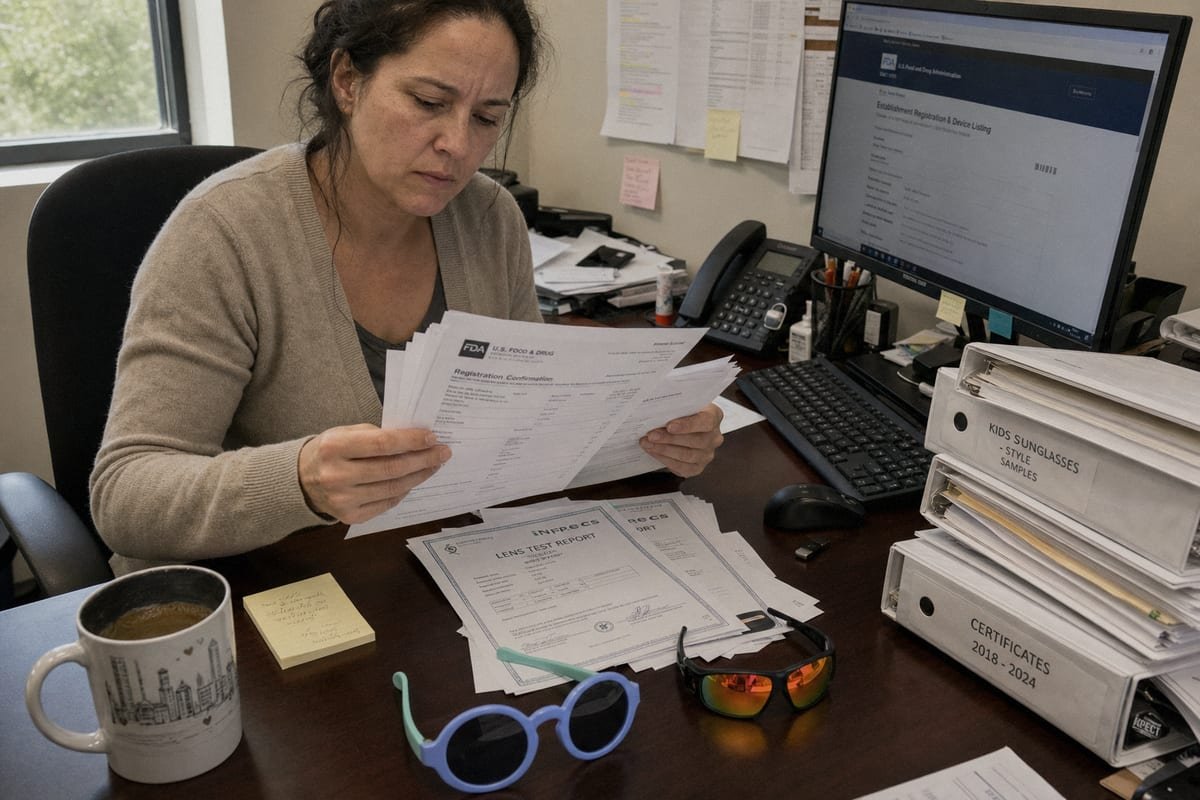
これらは、2つの異なる質問に答える2つの異なる義務です。登録はFDAに誰がどこで医療機器を製造しているかを伝えます。テストは製品自体が安全であることを証明します。税関およびFDAの審査官は、出荷が到着したときにどちらかを確認できます。.
登録とリストの内容
医療機器の登録とリストは、品質判断ではなく、管理プロセスです。外国の製造業者は、その施設を FDAデータベース 4, 、年次料金を支払い、サングラスを正しい製品コードの下にリストし、米国に居住する米国代理人を指名します。米国代理人は、その外国施設に対するFDAの公式連絡先です。一部の輸入業者も、サプライチェーンでの役割に応じて登録する必要があります。.
私が常に強調する重要な点:登録は承認ではありません。FDA自身が、登録は製品が「FDA承認」であることを意味しないと述べており、パッケージやマーケティングでそのフレーズを使用すると、それ自体がラベリング違反になる可能性があります。.
一目でわかる違い
| 条件 | 実際にはどういう意味ですか | 子供用サングラスに適用されますか? |
|---|---|---|
| FDA承認 | 高リスク医療機器の市販前承認 | いいえ |
| 510(k)クリアランス | 中程度のリスクを持つ医療機器の市販前通知 | いいえ、サングラスは免除されます |
| FDA施設登録 | 施設は毎年FDAに登録します | はい |
| 医療機器のリスト | 製品はFDAデータベースに記載されています | はい |
| ドロップボールテストの認証 | レンズの耐衝撃性試験は出荷ごとに文書化されます | はい |
したがって、輸入前の実際の手順は簡単です。まず、工場が現在の登録とリストを保持していることを確認します。次に、レンズが耐衝撃性試験に合格したこと、および認証が出荷に付属していることを確認します。第三に、両方の記録にアクセスできるように保管してください。どちらか一方でも記録が欠けていると、保留につながる可能性があります。衝撃に関する文書の提出を怠った実績のある製造業者は、 輸入アラート 86-07 5, に載る可能性さえあります。これにより、税関は物理的な検査なしで将来の出荷を自動的に差し押さえることができます。これはコストのかかる状況であり、完全に回避可能です。.
米国の通関手続きのために、製造業者はどのような書類と試験報告書を提供すべきですか?
数年前、初めて輸入を行うお客様から「FDA証明書」について尋ねられました。そのような単一の文書は存在しません。存在する文書は文書パッケージであり、米国向けのすべての注文に対して当社が準備します。.
あなたの製造業者は、21 CFR 801.410 に基づく落下ボール試験証明書、FDA 施設登録およびデバイス登録の証明、鉛およびフタル酸エステルに関する第三者 CPSIA 試験報告書、お子様向け製品証明書に必要なデータ、および正確な製品説明が付いた商業インボイスを提供する必要があります。.
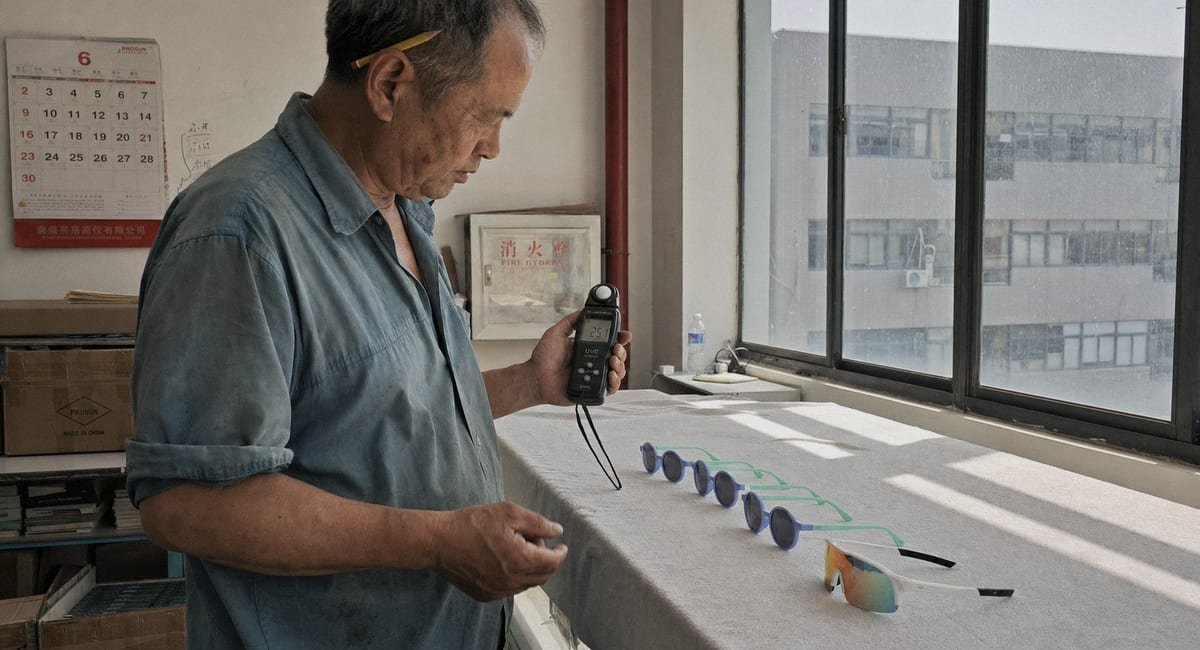
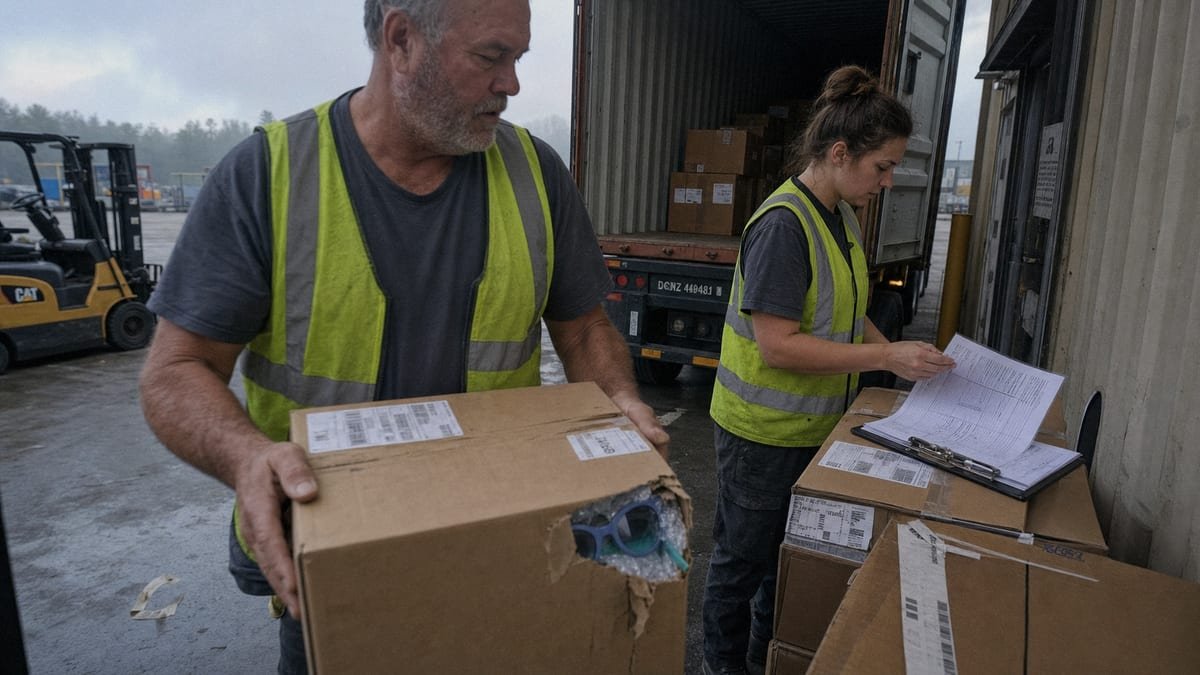
書類を3つの山に分けて考えてください。FDA文書、CPSC文書、および標準的な貿易文書です。各山は異なる規制当局に対応しており、米国税関国境保護局は入国時にいずれかについて質問する可能性があります。米国税関の輸入要件を満たすことは、差押通知が届いてからではなく、商品が出荷される前に山が準備されている方がはるかに簡単です。.
完全な文書チェックリスト
| 文書 | 発行元 | 目的 |
|---|---|---|
| 耐衝撃性(ドロップボール)認証 | 外国製造業者 | レンズが21 CFR 801.410に適合していることを証明します |
| FDA登録およびリスト確認 | FDAデータベース経由の製造業者 | 施設と製品が登録されていることを確認します |
| 米国代理人の指定 | 製造業者 | 米国内のFDA連絡先を指定します |
| 第三者機関の検査レポート | CPSC認定検査機関 | 子供向け製品の鉛およびフタル酸エステル検査 |
| 子供向け製品証明書CPC | 米国輸入者 | すべての適用されるCPSC規則への準拠を証明します |
| 追跡ラベルの詳細 | 製造業者 | 製品またはパッケージのCPSIAトレーサビリティ |
| 商業送り状および梱包明細書 | 製造業者/輸出業者 | 標準的な税関申告書類 |
誰が何を発行するか
業務分担に注意してください。外国の工場は輸出前にレンズをテストし、FDAのガイダンスに記載されているとおりに耐衝撃性認証を出荷に含めます。認定された第三者機関は、 CPSIAコンプライアンス試験 6 完成品のサンプルを扱います。しかし、子供向け製品証明書CPCは、それらの検査レポートに基づいて、輸入者によって発行されます。当社はテストデータを提供します。お客様はCPCを発行します。また、CPSCのeFilingイニシアチブにも注意してください。これは、証明書データを、 CBPシステム 7 を通じて、入国時に電子的に提出することを義務付けるものです。現在データを整理しているバイヤーは、その移行がスムーズであることを実感するでしょう。.
経験からのもう一つの警告:新しい塗料サプライヤーや異なるプラスチック樹脂など、製造における素材の変更は、法的に新しい第三者検査と改訂されたCPCを必要とします。工場にそのような変更を通知するように伝えてください。.
子供用メガネの米国の安全要件をすでに理解している工場をどのように選べますか?
15年間の眼鏡製造で私が学んだ最も難しい教訓はこれです。コンプライアンスの問題は、しばしば偽装されたサプライヤー選択の問題です。適切な工場は、問題が発生する前にそれを防ぎます。.
現在のFDA施設登録、社内ドロップボールテスト、文書化されたCPSIAの経験、およびTPEEやTR90などの子供に安全な素材を備えた工場を選択してください。サンプル耐衝撃性証明書、過去の注文からの第三者検査機関のレポート、および一貫した品質管理の証拠を要求してから、契約してください。.
価格表はコンプライアンス能力については何も教えてくれません。質問が教えてくれます。バイヤーが私たちの台州ワークショップを訪れるとき、問題のない米国での発売に至るのは、単価について尋ねる前に、テスト手順、素材のトレーサビリティ、および文書について尋ねる人々です。.
真の能力を明らかにする質問
- あなたの施設は現在FDAに登録されていますか、そしてあなたの米国代理人は誰ですか?能力のある工場は、登録の詳細とともに、1通のメールで回答します。.
- 耐衝撃性試験はどのように行いますか?「必要に応じてラボに送る」という曖昧な約束ではなく、社内のドロップボール装置とバッチサンプリングについて聞きたいはずです。"
- 過去の子供向け注文のCPSIA検査レポートの編集済みバージョンを共有できますか?過去のレポートは、工場が実際に鉛およびフタル酸エステル検査、小部品規則、および追跡ラベルを処理したことを証明します。.
- 子供用フレームにはどのような素材を使用していますか?ここでの柔軟で環境に優しい素材が重要です。私たちはほとんどの子供用フレームをTR90で、テンプルはTPEEで作っています。なぜなら、それらは折れるのではなく曲がるため、怪我のリスクと破損クレームの両方を減らすからです。.
- 素材の変更にはどのように対応しますか? 準拠した工場は、樹脂やコーティングを切り替える前に通知します。なぜなら、素材の変更は既存のテストレポートを無効にするからです。.
既存のスタイルがコンプライアンスリスクを低減する理由
多くの新しいブランドが見落としている実用的な近道があります。新しい金型からではなく、工場の既存のカタログから始めると、構造はすでに製造、テスト、出荷されています。当社の約800の既存スタイルにより、ブランドは金型投資を抑えて立ち上げ、OEM/ODMカスタマイズを通じて色、レンズ、ロゴ、パッケージを適応させながら、実績のあるテスト済みのベースデザインを維持できます。製品が幼児向けのパステルカラーの丸型フレームであっても、年長の子供向けのミラーレンズ付きスポーティなラップアラウンドシールドであっても、コンプライアンスパスは同じです。登録された施設、認定されたレンズ、テストされた素材、完全な書類。そのパスを特別なリクエストではなく、日常的なものとして扱う工場が、米国市場で望むパートナーです。.
結論
FDAの承認は必要ありませんが、FDAのコンプライアンスは必要です。登録、ドロップボール認証、CPSIAドキュメントにより、子供用サングラスは米国税関を通過し続けます。これを日常的に扱う工場を選んでください。.
脚注
医療機器をクラスI、II、IIIに分類するFDAの公式ページ。. ↩︎
サングラスレンズの耐衝撃性要件を詳述した公式21 CFR 801.410規制テキスト。. ↩︎
紫外線放射に対する保護アイウェアとしての機能を含む、サングラスの一般的な概要。. ↩︎
医療機器施設の登録および製品リストの検索と検証のための公式FDAデータベース。. ↩︎
非準拠の耐衝撃性レンズの物理的検査なしでの差し押さえに関する公式FDA輸入アラート。. ↩︎
消費者製品安全改善法とその子供向け製品に対する要件を説明する公式CPSCリソース。. ↩︎
電子輸入データ提出に使用される自動商取引環境システムに関する公式CBPページ。. ↩︎
 English
  Español de México
  Deutsch
  Français
  日本語
日本語  العربية
  Português do Brasil