子供用サングラスのサイズアップ交換プログラムをデザインする方法
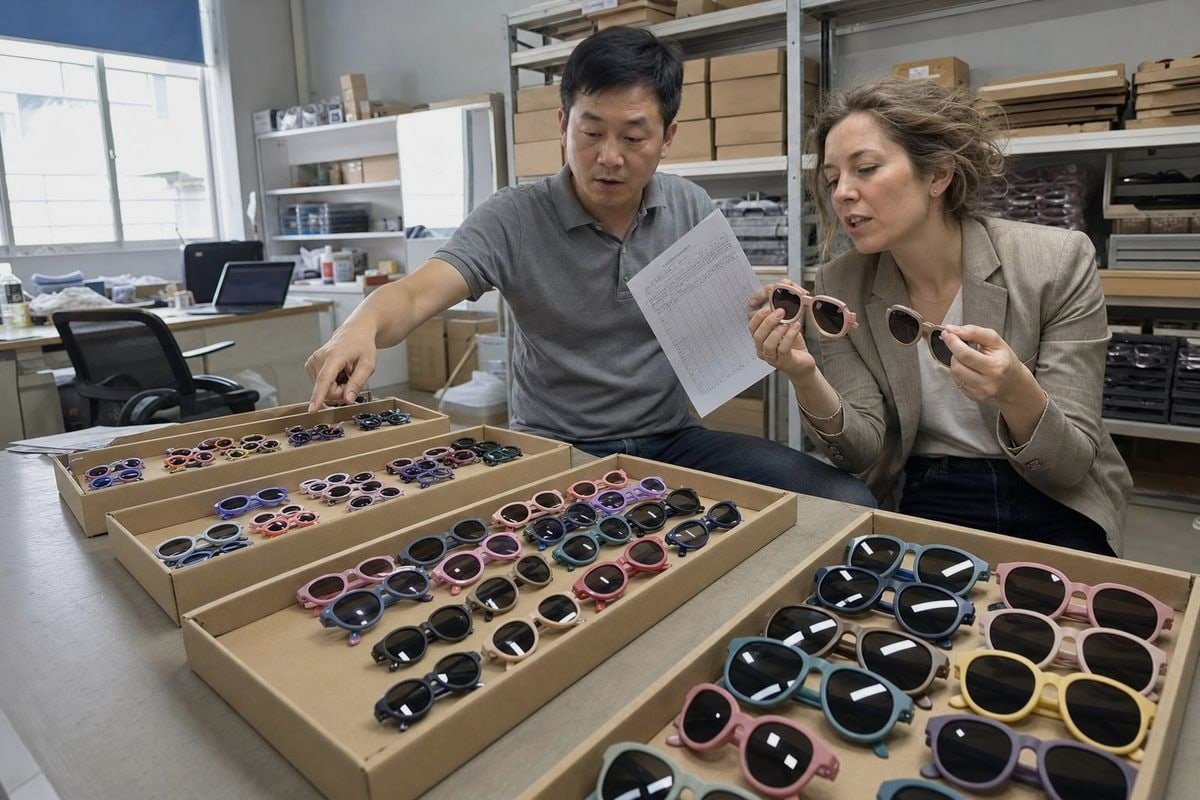
子供用サングラスのサイズアップ交換プログラムは、バイヤーが常に当社の工場に問い合わせるものであり、正直なところ、ほとんどのブランドは最初これを間違っています。問題は次のとおりです。子供の顔は急速に成長するため、春には完璧にフィットするフレームでも、挟んだり、滑ったり、 UVカット 1 秋には。そうなると、[子供はサングラスをかけなくなり](https://okayeyewear.com/why-kids-resist-wearing-sunglasses-design-fix-do/)、親はブランドを責め、リピート購入は決して実現しません。解決策は、子供のアイウェアを成長管理された製品ライフサイクルとして扱うことです。計画的なサイズ階層、移行に適した素材、そして「子供がサイズアウトした」を「次のサイズを注文する時」に変えるマーケティングストーリーを備えています。’
子供用サングラスのサイズアップ交換プログラムを設計するには、発達年齢層別にサイズをセグメント化し、フィットベースのアップグレードの引き金(トリガー)を定義し、成長に合わせて調整可能な柔軟なフレーム素材を使用し、製造業者と協力して拡張可能なサイズ範囲を構築し、下取りクレジットと明確なサイズガイドを通じて保護者にプログラムをマーケティングします。.
これらの各ステップは、詳しく見る価値があります。以下では、アップグレードプログラムがロイヤルティを構築するか、単に複雑さを増すかを決定する4つの決定事項を説明します。.
子供用サングラスのアップグレード計画に適した年齢別のサイズカテゴリをどのように決定しますか?
当社の長年の欧州バイヤーの1社は、かつて単一の「3〜10歳向けワンサイズ」フレームで立ち上げました。返品は、当社のフィッティングデータがすでに示していたことを教えてくれました。年齢層は、利便性ではなく、顔の成長に従う必要があります。.
年齢に基づいたサイズカテゴリを、発達段階の区分(おおよそ0〜2歳、3〜5歳、6〜9歳、10歳以上)に分けて決定し、各ティアのレンズ幅、ブリッジ幅、テンプル長を定義します。顔の成長が最も速いのは6歳未満であるため、若い区分ではサイズ間のギャップを狭くする必要があります。.
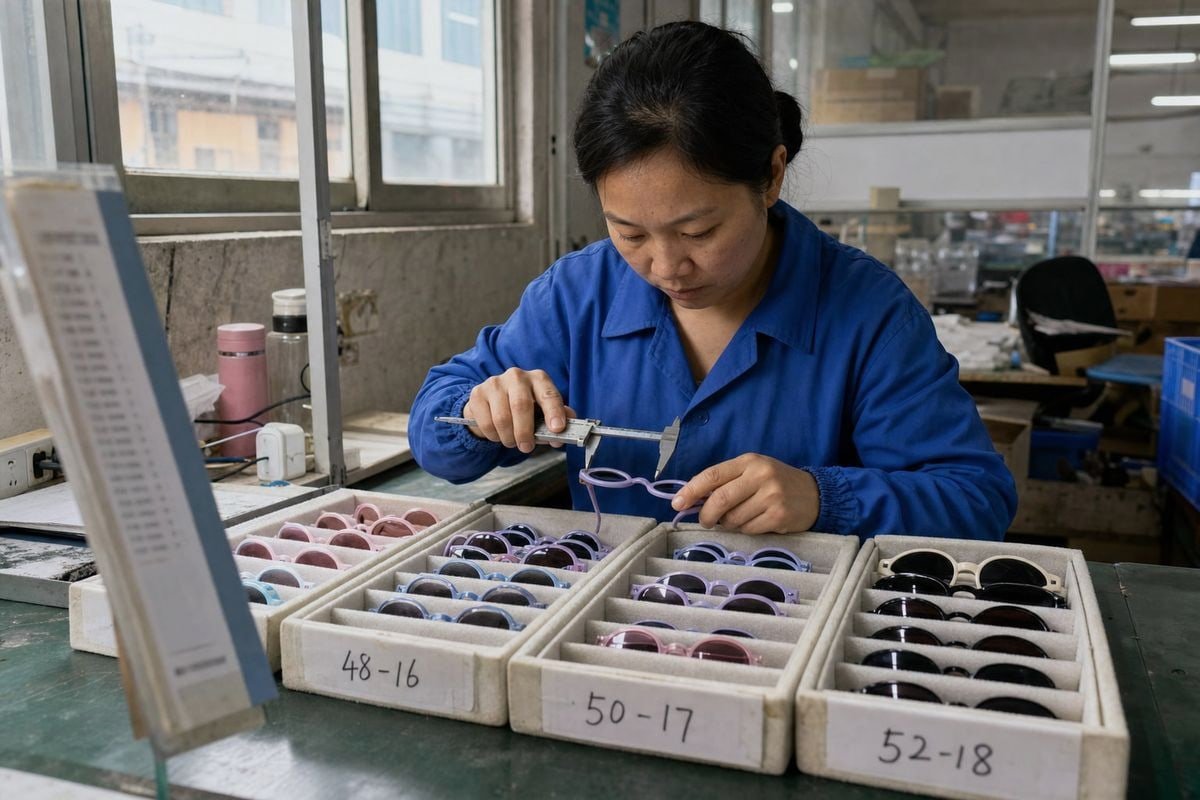
年齢は出発点であり、すべてではありません。小児のフィットに関するガイダンスは明確です。頭の形、, ブリッジの発達 2, 、テンプルの長さは、誕生日よりも重要です。したがって、サイズカテゴリは測定値に基づいて構築されるべきであり、年齢は親のショッピングのショートカットとしてのみ使用されます。.
各階層を定義する3つの測定値
各サイズ階層には3つの数値が必要です。 レンズ幅 3, 、ブリッジ幅、テンプルの長さ。ブリッジ幅は最も注意が必要です。子供の鼻梁は幼児期には平坦で、徐々に発達するため、フレームのずれは子供用アイウェアで最も一般的なフィットの失敗です。瞳孔間距離も年齢とともに成長するため、階層ごとのレンズ幅は、快適さとUVカットの両方の主要な指標である、目をレンズの中心に配置する必要があります。.
ブランド構築に役立つ実用的なフレームワークを以下に示します。 成長調整サイジングチャート:
| 年齢区分 | 一般的なレンズ幅 | ブリッジの焦点 | 再確認の頻度 |
|---|---|---|---|
| 0~2歳 | 35~40 mm | 非常に低く、広いブリッジ。調節可能なシリコンストラップを検討してください。 | Every 2–3 months |
| 3~5歳 | 40~44 mm | 低いブリッジ、柔らかい接触面 | Every 3–4 months |
| 6–9 years | 44~48 mm | 発達中のブリッジ。標準的なフィットで問題ありません。 | Every 6 months |
| 10歳以上 | 48~52 mm | 成人に近いブリッジ形状 | 6~12ヶ月ごと |
各ブラケットにアップグレードトリガーを組み込む
チャートと並行して、親に客観的な物理的トリガーを提供します。テンプルに赤い跡、まつげがレンズに触れる、フレームが鼻から滑り落ちる、またはレンズの後ろで目が中心からずれるなどです。これらの信号は重要です。なぜなら 小児の視覚発達 4 は、一貫した保護に依存しているからです。フィットの悪いサングラスはあまり着用されず、子供が最も必要とするときに保護が低下します。非常に幼い子供は、実際には3〜6ヶ月ごとに新しいサイズが必要になる場合があります。そのため、0〜2歳と3〜5歳の階層は、年長の階層よりも測定値の間隔を狭くする必要があります。その狭い間隔が、アップグレードプログラムを恣意的ではなく応答的に感じさせます。.
どのようなフレーム素材なら、子供たちがサングラスのサイズを安全に移行しやすくなりますか?
素材の選択は、すべての新しいプロジェクトで検討するトレードオフです。剛性は構造を与えますが、柔軟性は子供が2つのサイズの間にいる数ヶ月を許容します。そのバランスを正しく取ることが、実用的なアップグレードプログラムの核心です。.
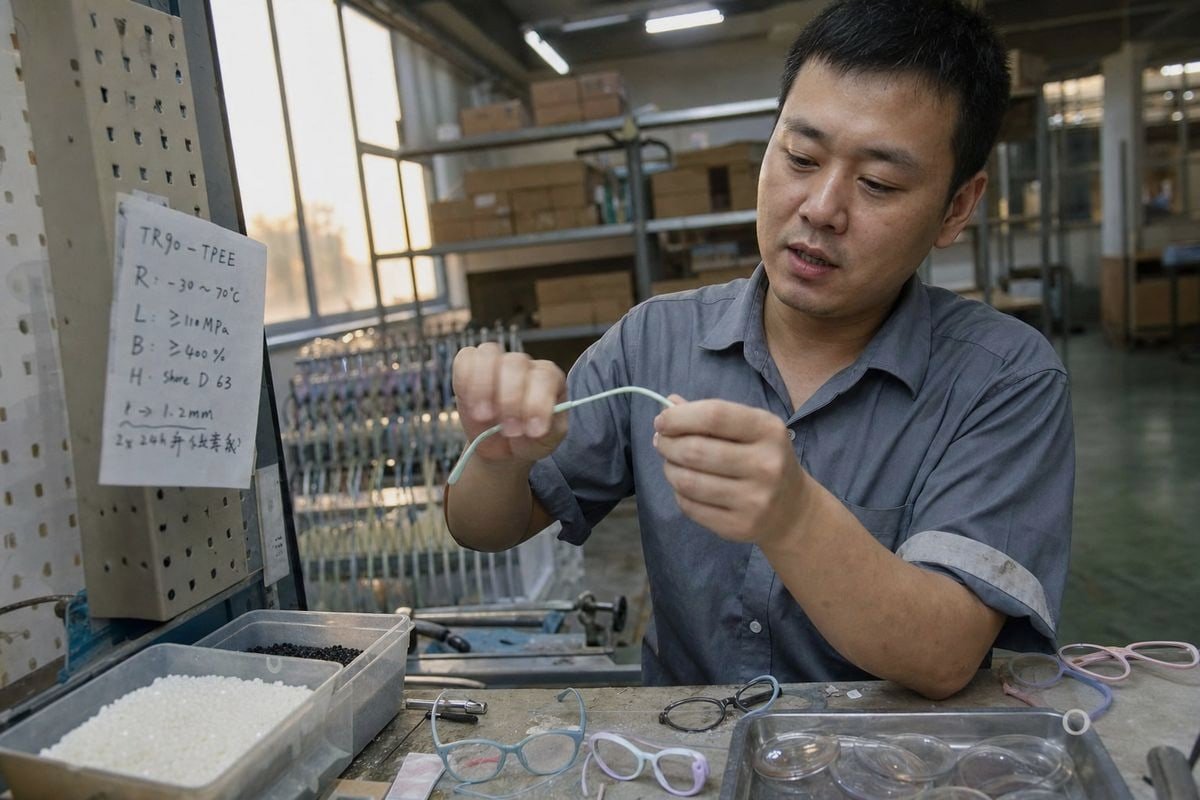
TPEEやTR90のような柔軟なフレーム素材は、サイズ移行が最も安全なのは、折れることなく曲がり、成長期の一時的なきつさに耐え、激しい取り扱い後も元の形状に戻るからです。衝撃に強いポリカーボネートレンズと柔らかいテンプルチップと組み合わせることで、完全な安全性を実現します。.
サイズチャートは完璧ではありません。子供は常に、現在のフレームがわずかにきつく、次のサイズがわずかに緩いサイズの境界で数週間または数ヶ月を過ごします。フレーム素材によって、その移行期間が快適か不快かが決まります。.
なぜ柔軟性が使用可能なフィット感を拡張するのか
硬いアセテートまたは硬いPCフレームは、快適なバンドが狭いです。頭が数ミリ成長すると、, テンプルの圧力が急激に上昇し, 、赤い跡が現れ、子供はサングラスを外します。柔軟なフレーム素材は異なる動作をします。子供用アイウェアを15年間製造してきた当社では、 TR90フロント 5 TPEEテンプルを使用して、まさにこの理由で標準化しています。TR90はレンズの形状と光学アライメントを維持しますが、TPEEテンプルは頭が広がるにつれて外側に優しく曲がります。その柔軟性により、親は各サイズ階層内で数ヶ月間快適に着用でき、交換スケジュールが攻撃的ではなく寛大に感じられます。.
移行に適したデザインのための素材比較
| 素材 | 柔軟性 | 安全プロファイル | アップグレードプログラムでの最適な使用法 |
|---|---|---|---|
| TPEE | 非常に高い。子供の使用ではほぼ壊れない | 柔らかく、曲げても鋭いエッジがない | Temples and full frames for 0–5 tiers |
| TR90 | 高い。形状記憶で元に戻る | 軽量で衝撃に強い | Frame fronts for 3–10 tiers |
| シリコンタッチコーティング | N/A(表面) | グリップ力があり、ずれを軽減 | 全年齢層に対応するノーズパッドとテンプルチップ |
| 標準的な硬質プラスチック | 低 | ストレスがかかると割れる可能性がある | 6歳未満のサイズには使用しない |
小さなハードウェア、大きな違い
Two additions widen the transition window further. テンプルが頭に対して剛性に押し付けられるのではなく、外側に曲がるようにすることで快適さを向上させます。TPEEは、1つのヒンジポイントではなく、アーム全体にわたって素材自体を通じて同様の効果を達成します。一部のスタイルでは、両方を組み合わせています。その結果、座られたり、片手で引っ張られたり、バックパックに詰め込まれたりしても耐えられる、ぴったりとした、許容範囲の広いグリップが得られます。 6 テンプルがフレームに負担をかけずに90度以上に開くため、成長と乱暴な扱いを吸収します。また、0〜2歳児向けには、テンプルフィットの代わりに調節可能なシリコンストラップが使用されるため、ストラップベースの1つのサイズでより広い成長範囲を真にカバーできます。すべての年齢層のすべてのレンズには、 UV400保護 7 — 柔軟性があっても、レンズの仕様を妥協する正当な理由にはなりません。耐衝撃性のポリカーボネートレンズは、子供向けには引き続き標準です。なぜなら、それらは飛散防止性があり、最も幼く、最も不器用な年齢層で最も重要だからです。.
毎回新しい金型を注文することなく、スケーラブルなサイズ展開をメーカーと協力して作成するにはどうすればよいですか?
オーストラリアの調達マネージャーから、昨年この正確な質問を受けました。「アップグレードのコンセプトは気に入っていますが、4つのサイズは4つの金型を意味しますよね?」必ずしもそうではありません。その答えは、彼らの全体のローンチ計画を変えました。.
メーカーの既存の金型ライブラリからサイズ範囲を構築し、実績のある1つのデザインを事前に構築されたサイズバリアント全体にスケーリングし、交換可能なテンプル長などのモジュールコンポーネントを使用し、販売量が投資を正当化した場合にのみカスタム金型をヒーロースタイル用に予約することで、新しい金型費用を回避します。.
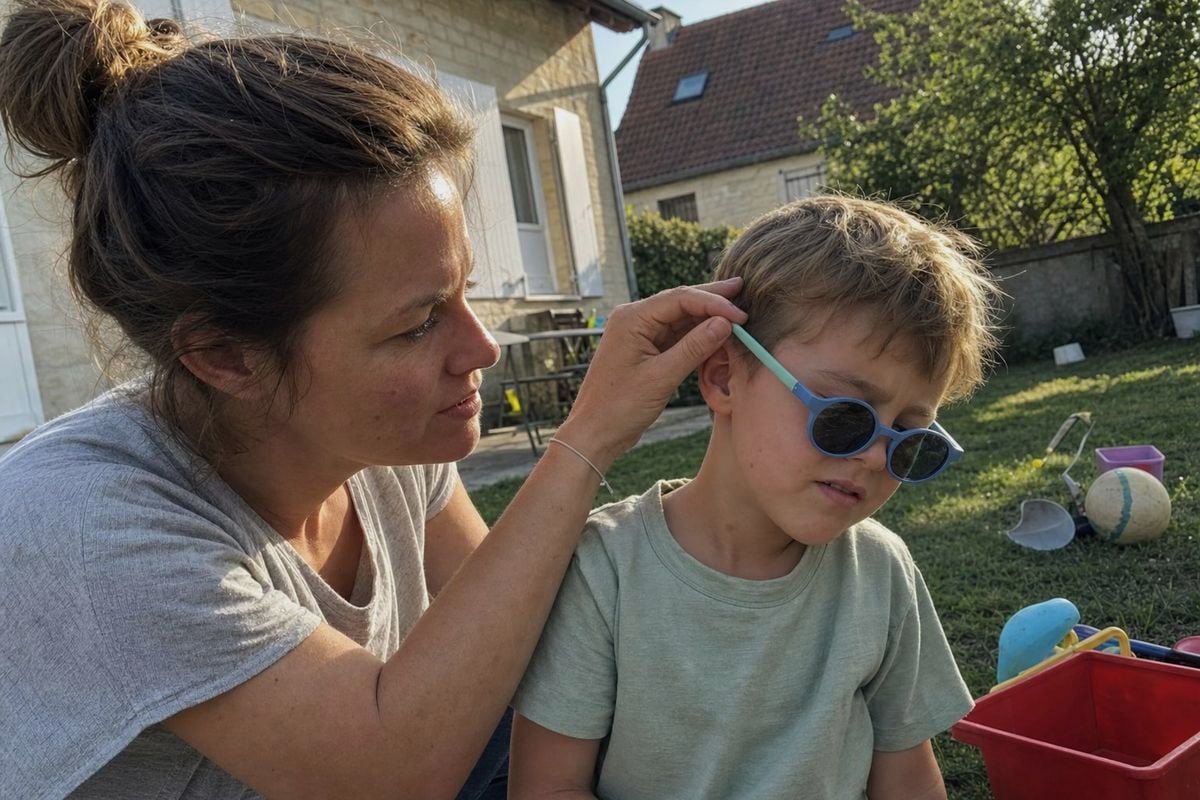
金型投資は、マルチサイズプログラムの最大の障壁です。単一の射出成形金型は数千ドルかかる可能性があり、カスタムツーリングのみで構築された4段階のサイズ範囲は、1つのユニットを販売する前にそのコストを掛けます。より賢いシーケンスがあります。.
既存のスタイルライブラリから始める
当社の工場では約800の既存スタイルを維持しており、以前のバイヤーからの要望により、人気のあるシルエットの多くはすでに小、中、大の子供用サイズで利用可能です。新しいブランドは、マットで柔軟な構造を持つ、私たちの柔らかいパープルとミントのツートンカラースタイルなど、丸みを帯びたフレームを3〜5歳児向けに選択し、次に6〜9歳児向けに互換性のある類似スタイルを選択できます。カスタムカラー、カスタムロゴ、カスタムパッケージにより、新しいスチールがカットされていなくても、範囲は1つの家族として見えます。これは、ブランドが多額の初期リスクなしに、サブスクリプションベースのアイウェアモデルまたはアップグレードプログラムをテストする方法です。.
段階的なツーリングロードマップ
- フェーズ1: 既存の金型から、統一されたOEMカラーウェイとブランディングを使用してすべてのサイズ範囲をローンチします。.
- フェーズ2: モジュール式要素(交換可能なテンプル長またはストラップキット)を追加して、サイズ間のフィット感を微調整します。.
- フェーズ3: いずれかのサイズ範囲で需要が証明されたら、そのヒーローサイズのみにカスタム金型を投資します。.
- フェーズ4: ボリュームが増加するにつれて、カスタムデザインを隣接するサイズに段階的に拡張します。.
コミットする前にサプライヤーに尋ねるべきこと
各候補スタイルの実際のレンズ幅、ブリッジ幅、テンプル長を尋ね、成長に合わせて調整されたサイジングチャートとサイズ範囲間の間隔を確認します。テンプルにスプリングヒンジを使用しているか、レンズ仕様が一貫しているか(UV400保護と 偏光オプション 8 はすべてのサイズで提供されるべきです)、そしてワークショップがサイズ間で色の整合性を維持できるため、範囲が棚で1つの製品ラインとして認識されるかを確認します。20か国以上に輸出する経験から、バイヤーがこれらの詳細を事前に検証することで、最も一般的な失敗を回避できます。つまり、写真では統一されているように見えるが、親の手には4つの無関係な製品のように感じるサイズ範囲です。.
保護者向けにサイズアッププログラムを宣伝するのに役立つパッケージングとマーケティング戦略は何ですか?
パッケージングは、優れたアップグレードプログラムが静かに失敗するのを見てきた場所です。私たちはかつて、バイヤーのために美しくサイズ設定された3段階の範囲を製造しましたが、その箱にはサイズに関する言及が一切ありませんでした。親は次のサイズが存在することを知る機会がありませんでした。.
サイズアッププログラムを促進するために、パッケージにサイズ階層とフィットチェックガイドを印刷し、印刷可能な定規などの自宅でのサイズ測定ツールを含め、サイズアウトしたフレームの買い取りクレジットを提供し、成長に基づいたリマインダーメールを送信し、買い替えを繰り返しの出費ではなく安全のマイルストーンとして位置づけます。.
親は次のサイズを購入することに抵抗はありません。いつ、なぜ、どのサイズを購入すればよいかわからないことに抵抗があります。すべてのパッケージングおよびマーケティングの決定は、その情報ギャップを埋めるべきです。.
パッケージでシステムを教える
サイズ名と測定値を箱に明確に印刷します:「サイズ2・3〜5歳・顔幅105〜115 mmに適合」。蓋の内側に簡単なフィットチェックリストを追加します:レンズの中心に目がある、頬やまつげに触れていない、耳の後ろに赤い跡がない、滑っていない。家庭で測定できる印刷された定規または折りたたみ式サイジングカードを含めます。オンライン返品率を下げるのと同じ家庭用サイジングツールです。現在、より多くの親が印刷されたフレーム測定値を使用してオンラインでアイウェアを購入しているため、パッケージは、彼らが所有しているペアと次に注文するペアの間の橋渡しとなります。当社のOEMパッケージングチームは、小売準備のプレゼンテーションの一部としてこれらのインサートを構築しており、バイヤーは一貫して、インサートが広告よりも優れていると述べています。.
買い替えをロイヤルティに変えるプログラム
| プログラムの種類 | 仕組み | 最適 |
|---|---|---|
| 下取りクレジットプログラム | 成長したフレームを返品して次のサイズの割引を受ける。返品されたものは再整備または寄付する。 | サステナビリティ重視のブランド |
| サブスクリプションベースのアイウェアモデル | 子供の年齢に基づいて12〜18ヶ月ごとに次のティアを自動発送 | 利便性を重視する親 |
| 紛失・破損保証 | 一定期間内の破損または紛失に対する割引交換 | 活動的なアウトドアブランド |
| 成長リマインダーメール | 子供の年齢層に合わせて調整されたフィットチェックのリマインダーメール | すべてのダイレクトツーコンシューマーブランド |
宣伝ではなく、安全性を伝える
コンバージョンにつながるメッセージは、プロモーションではなく保護的なものです。成長したサングラスは滑り落ち、端から目に紫外線をさらします。バックパックに入れっぱなしになります。アップグレードを、成長段階に応じた一貫したUV400保護による小児視力発達の保護として位置づけることで、リピート購入が責任ある子育てへと変わります。循環的なアプローチはこれをさらに強化します。下取りクレジットプログラムを通じて返品された成長したフレームは寄付または再整備でき、これはヨーロッパやオーストラリアのバイヤーがサービスを提供する環境意識の高い親に強く響きます。.
結論
成長したフレームは、静かにリピート販売と紫外線保護を損ないます。段階的なサイズプラン、柔軟な素材、モールドスマートソーシング、親に優しいマーケティングは、成長を最も信頼できる収益サイクルに変えます。.
脚注
UV放射と紫外線対策に関する権威あるガイダンスを提供する更新されたWHO Q&Aページ。. ↩︎
子供用眼鏡のフィッティングに関するAAOのガイダンス。特にブリッジフィットを強調。. ↩︎
眼鏡フレームの測定とレンズサイジングに関する技術概要。. ↩︎
アメリカ眼科学会による子供の視覚発達のマイルストーンに関する包括的なガイド。. ↩︎
TR90フレームの製造に使用される高性能ポリマーであるポリアミド12に関する技術概要。. ↩︎
眼鏡フレームのコンポーネントとテンプル構造に関する権威あるWikipediaの概要。. ↩︎
国際的なサングラスの安全基準とUV400保護レベルを説明するWikipediaセクション。. ↩︎
光の偏光とその保護レンズへの応用に関する科学的説明。. ↩︎


 English
  Español de México
  Deutsch
  Français
  日本語
日本語  العربية
  Português do Brasil