年齢と頭囲で子供用サングラスのサイズを決定する方法は?
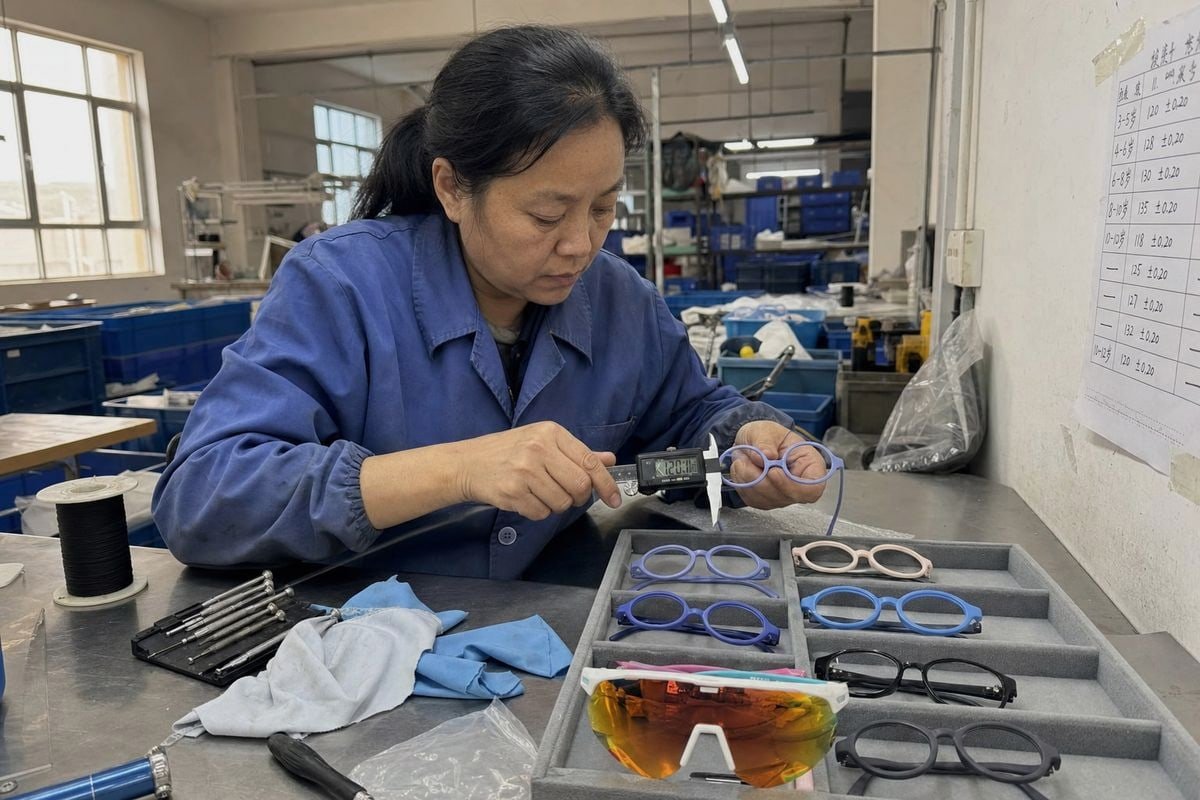
年齢と頭囲で子供用サングラスのサイズを決定する 頭囲 1 シンプルに聞こえますが、ロットが「きつすぎる」と返されることがあります。当社の生産ラインでは、1ミリの違いが発売を台無しにするのを見てきました。.
子供用サングラスのサイズを決定するには、年齢層を使用して範囲を絞り込み、次に頭囲とテンプルからテンプルまでの顔の幅で確認します。これらの数値をフレーム幅、レンズ幅、ブリッジ幅、テンプル長と比較します。測定値は、年齢と一致しない場合は常に年齢を優先します。.
[年齢別チャート](https://okayeyewear.com/what-age-ranges-size-ratios-choose-kids-sunglasses/)は出発点であり、最終目的地ではありません。以下に、正確な数値、フィット感のチェック、およびサイジングを信頼できるものにするための調達手順を詳しく説明します。.
子供の年齢グループごとに、どの頭囲測定値を使用すればよいですか?
オーストラリアのバイヤーから、なぜ4歳のテスターが「3〜8歳」とラベル付けされたフレームを着用できなかったのか尋ねられたことがあります。台州工場での当社のフィッティングデータがそれを明らかにしました。同じ年齢でも、頭は非常に異なります。.
約44~48cmを6~24ヶ月、48~52cmを2~5歳、50~54cmを6~10歳、53~56cmをトゥイーンおよびティーンに適用します。頭囲は、鼻梁がまだ標準的なフレームを支えられない乳児にとって最も重要です。.
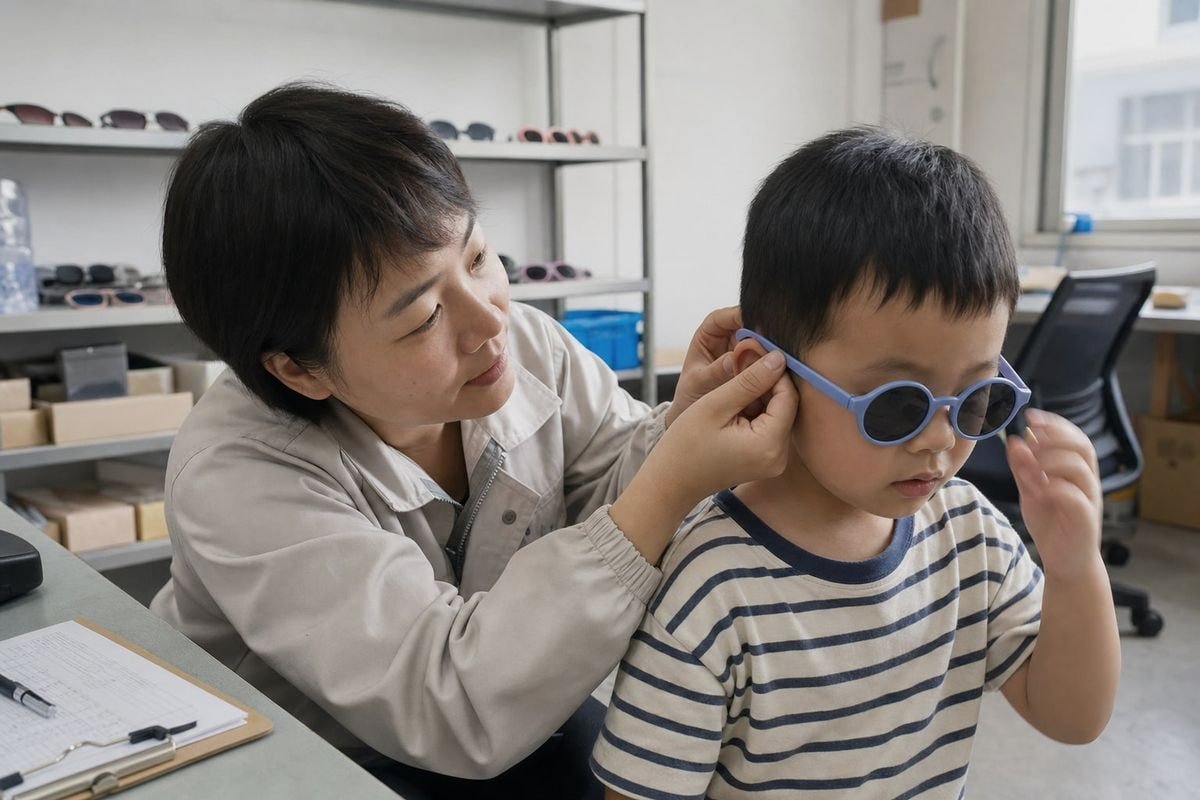
頭囲は、24か月未満の乳児にとって最も信頼できる測定値です。鼻梁は平坦で未発達であるため、フレームは成人用眼鏡のように鼻に固定できません。代わりに、フィット感は頭の巻き付けのテンションと、多くの場合、調節可能なヘッドストラップに依存します。子供が2歳を過ぎて成長するにつれて、テンプルを横切る顔の幅がより実用的な数値になります。なぜなら、フレームのアームが実際に配置される場所だからです。.
実用的な年齢と測定値の参照
これは、ブランドバイヤーと共有する統合チャートです。頭囲と、注文時に重要なフレームの数値を組み合わせています。.
| 年齢グループ | 頭囲(約) | レンズ幅 | フレーム幅 | テンプル長 2 |
|---|---|---|---|---|
| 35〜37 mm | 44–47 cm | 14〜15 mm | 37〜40 mm | 105–110 mm |
| 1–2.5歳 | 46–49 cm | 37–39 mm | 4〜6歳 | 105–115 mm |
| 5〜4歳 | 48–51 cm | 40–42 mm | 10〜13歳 | 4〜6歳 |
| 4–7歳 | 50–53 cm | 43–45 mm | 125–132 mm | 7〜9歳 |
| 7–10歳 | 51–54 cm | 45–47 mm | 130–138 mm | 122–128 mm |
| 10–16歳 | 53–56 cm | 47–52 mm | 135–145 mm | 128–140 mm |
??の注意点が重要です。第一に、多くの公開されているチャートは、子供用光学フレームの寸法から取られたものであり、サングラス専用ではないため、常に実際のサングラスの仕様シートと比較して確認してください。第二に、子供たちは成長の急増を不均一に経験します。背の高い5歳の子供は、7〜10歳のバンドを必要とする場合があります。だからこそ、バイヤーにこう伝えています。年齢は範囲を絞り込み、測定値はフィット感を確認します。.
子供のフレームサイズが快適で安全にフィットするかどうかを知るにはどうすればよいですか?
現在のカタログにあるパープルブルーとミントティールのモデルである新しいラウンドフレームスタイルのフィットトライアル中に、快適さの失敗は着用後60秒以内に現れることを学びました。.
フレームは、その全体の幅が子供のこめかみからこめかみまでの顔の幅と一致し、ブリッジが滑らずにぴったりと収まり、テンプルのカーブが耳の後ろにちょうど収まり、子供が下を向いたり頭を振ったりしてもサングラスが所定の位置にとどまる場合にフィットします。.
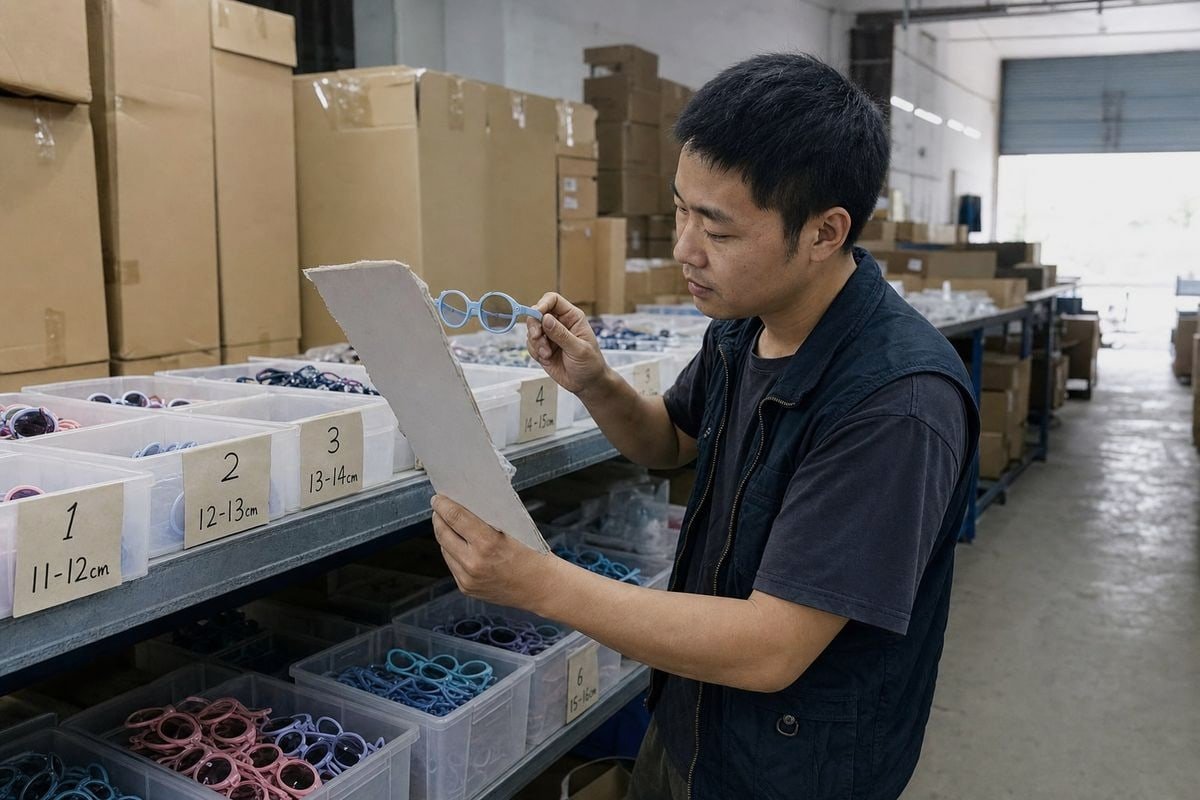
フィット感は、4つの測定値が連携して機能することにかかっています。1つでも欠けると、ペア全体が失敗します。.
フィット感を決定する4つの数値
フレーム幅 is the total front width. It should equal the child's face width across the temples, measured just below the eyes and above the cheekbones. If the child is not already wearing glasses, add about 5–10 mm to the measured face width when estimating. Too wide, and the frame slides; too narrow, and the arms bow outward and pinch.
鼻梁の幅 is the primary determinant of vertical fit. For children, comfortable bridges usually land between 11 and 19 mm, with most kids in the 14–18 mm zone. A bridge that is too wide lets the lenses sit too low, which exposes the eyes to overhead UV — defeating the point of UV400保護 3 entirely.
テンプル長 should place the bend of the arm precisely behind the ear. That bend provides the leverage that keeps frames secure during running and jumping. Children also have more prominent mastoid bones 4 behind the ear, so we design zero-pressure temple tips to prevent tension headaches.
レンズ幅 drives coverage. Pediatric eye sizes generally fall between 31 and 53 mm; use that as a sanity check.
Quick Signs of a Bad Fit
| 症状 | 可能性のある原因 | Fix |
|---|---|---|
| 鼻梁の赤い跡 | Bridge too wide or frame too big | Smaller bridge width or head strap |
| Red marks at temples | Frame width too narrow | Go up one frame width band |
| フレームが頬に乗る | Insufficient cheekbone clearance | Choose a frame with a taller B-measurement |
| Falls off when looking down | Temple bend in wrong position | Adjust or lengthen temple length |
| Lenses fog quickly | Frame bottom touching skin | More cheekbone clearance |
One more point buyers often skip: even non-prescription lenses should align their optical centers close to the child's pupillary distance. A large mismatch creates a prism effect 5 that strains young eyes during long wear.
どのフレーム素材が、様々な頭の形にフィットするのに役立ちますか?
There is a real trade-off we weigh on every new mold: a stiffer frame holds its shape on shelves, but a flexible frame fits more head shapes per SKU. After fifteen years of making children's eyewear, we almost always choose flexibility.
しなやかなTPEEフレームとTR90フレームは、テンションがかかると外側に広がり、こめかみを強く圧迫することなく、最も幅広い頭の形にフィットします。このテンションフィットは、年齢層間のサイズ重複に対応し、破損を減らし、子供の敏感な乳突骨への圧力を軽減します。.
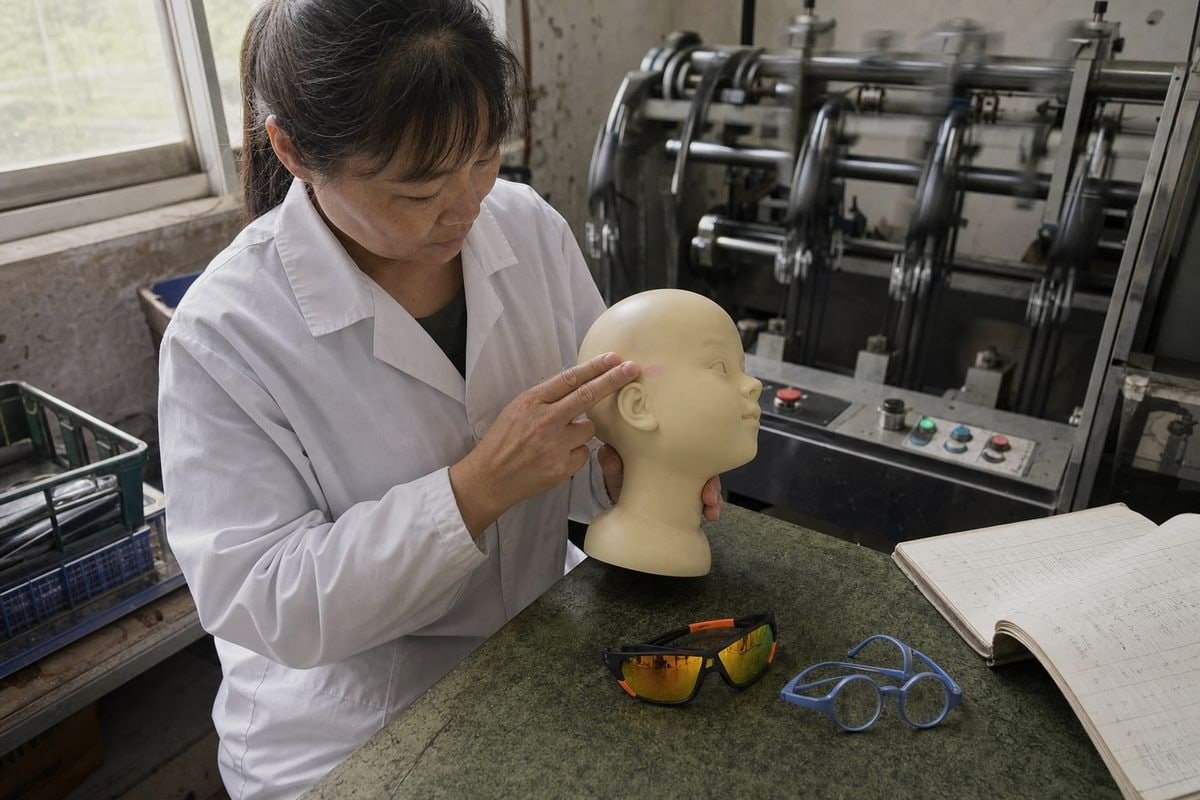
Material choice is really a fit strategy, not just a durability decision. A rigid frame fits one narrow band of head widths. A flexible one covers a spread. For brands selling online, where nobody can try before buying, that spread directly reduces returns.
How the Main Materials Compare
| 素材 | 柔軟性 | 中程度から重い | 最適 | Fit Advantage |
|---|---|---|---|---|
| TPEE | Very high, near-unbreakable bend | 非常に軽い | Babies, toddlers | Tension-fit absorbs size overlap; safe if chewed or stepped on |
| TR90 | High, memory flex | 軽い | Preschool to teen | Springs back to shape; comfortable all-day wear |
| TR90 + TPEE テンプル | Structured front, soft arms | 軽い | 全年齢対象 | Stable lens platform with gentle, zero-pressure grip |
| 標準的な硬質プラスチック | 低 | 中程度 | Older teens, adults | Cheap, but narrow fit window and higher breakage |
In our workshop, the TR90-front-with-TPEE-temples combination is the most requested build from optical companies and kids' brands. The TR90 front keeps the lenses stable — important when pairing with impact-resistant ポリカーボネートレンズ 6 or polarized lenses — while the TPEE temples flex gently around wider heads.
Material Choices for Active and Sport Use
Sport shield styles, like our wraparound single-lens models with mirrored gradient lenses, add another consideration: helmet compatibility. Kids wearing bike or ski helmets need ultra-thin, flat temple arms that slide under the helmet's retention system without creating pressure points. Flexible materials make this possible without loosening the everyday fit. For babies, we pair soft TPEE frames with an adjustable head strap, because straps do the anchoring work the undeveloped nose bridge cannot.
メーカーから子供用サングラスを調達する際に、信頼性の高いサイズチャートをどのように作成できますか?
Early in my export career, I let a client publish an age-only size label on their packaging. The return rate taught us both a lesson, and we rebuilt their chart around real frame measurements within one season.
メーカーの仕様書から取得した、フレーム幅、レンズ幅、ブリッジ幅、テンプル長といった、検証済みのフレーム測定値と各年齢層をペアにしてサイズチャートを作成します。その後、最終的なパッケージングと製品ページを確定する前に、実際の子供たちで物理的なサンプルを検証してください。.
A reliable size chart is built in steps, not copied from a competitor. Here is the process we walk buyers through.
A Five-Step Sourcing Process
- Request full spec sheets, not just age labels. Every style should list lens width, bridge width, frame width, and temple length. If a supplier can only tell you "fits 3–8 years," that is a warning sign. Broad age ranges without measurements hide fit problems.
- Sample across the size spread. We keep around 800 existing styles in our catalog precisely so brands can test multiple sizes and shapes without paying for new molds. Order samples from at least two adjacent size bands.
- Run a real-child wear test. Put samples on children at the edges of each age band. Check the four fit points: temple width, bridge seat, temple bend position, and cheekbone clearance. Watch for fogging and sliding during play.
- Lock your chart with both age and measurement. Publish age as the shopping shortcut, then list frame width and temple length so careful parents can verify. This two-layer chart matches how the best-performing guides present sizing.
- Confirm safety specs alongside size. Fit and protection travel together. Verify UV400 protection on every lens, confirm impact-resistant polycarbonate where the market requires it, and check that 偏光レンズ 7 meet the intended use.
Some buyers push back: "Age-only labels are simpler for shoppers." True — and we do not remove age labels. We layer measurements underneath them. Others worry that measurement-based charts scare off casual buyers. In practice, the opposite happens: clear numbers reduce guessing, and returns drop. As an OEM/ODM partner, we also print the finalized chart directly onto custom packaging, so the sizing guidance ships with every retail-ready unit. And because children's faces change quickly, we advise brands to remind customers to re-measure each season rather than lean on "grow-with-me" claims.
結論
Wrong sizing means returns, complaints, and lost trust. The fix is simple: use age to narrow, measure to confirm, and validate samples before launch. That is how our factory helps brands size kids' sunglasses right.
脚注
<span



 English
  Español de México
  Deutsch
  Français
  日本語
日本語  العربية
  Português do Brasil