子供用サングラスの一般的なVLT(レンズ透過率)とは?
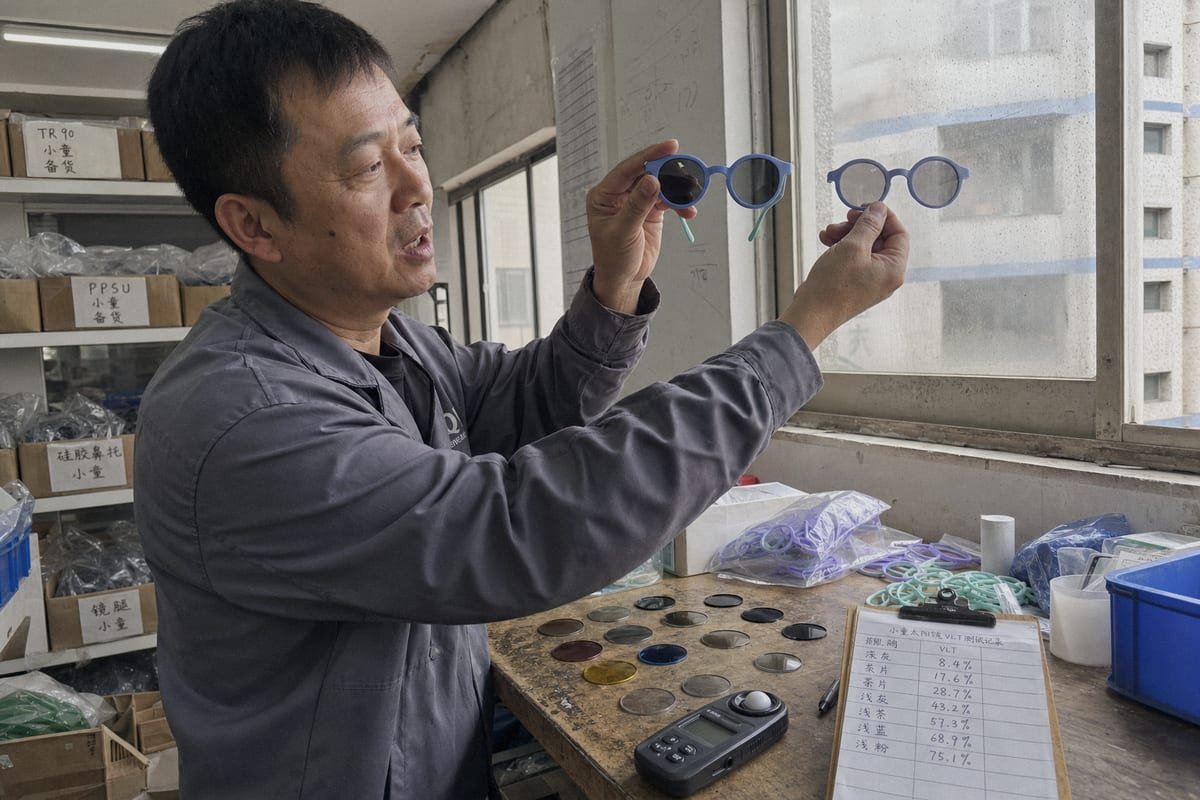
バイヤーはほぼ毎週、子供用サングラスの一般的なVLTについて私に尋ねてきます ミラーコーティング 1. .間違った色合いを選ぶと、子供たちは目を細めたり、不平を言ったり、製品の着用を拒否したりします。私たちの生産ラインでは、これを数年前に解決しました。.
子供用サングラスの一般的なVLTは、明るい晴れた状況では8〜18%(カテゴリー3)、日常のさまざまな光では18〜43%(カテゴリー2)です。VLTはレンズの暗さのみを制御します。UV400保護は、UVAおよびUVB線を100%ブロックするもので、別個の譲れない要件です。.
その短い答えは基本をカバーしています。しかし、ブランドのために子供用アイウェアを調達している場合は、より詳細が必要です。説明させてください。.
屋外で使用する子供用サングラスを探す場合、どのようなVLT範囲を見ればよいですか?
オーストラリアの販売代理店がかつて私たちの工場に競合他社のサンプルを2つ送り、片方が幼児には「暗すぎる」と感じるのはなぜかと尋ねました。答えはVLTにあり、それは彼の注文仕様全体を変えました。.
屋外での使用には、強い日差しにはVLTが8%から18%(レンズカテゴリー3)の子供用サングラスを、日差しの変わりやすい場合には18%から43%(カテゴリー2)のものを入手してください。カテゴリー3は、ビーチ、遊び場、夏の屋外遊びの業界標準です。.
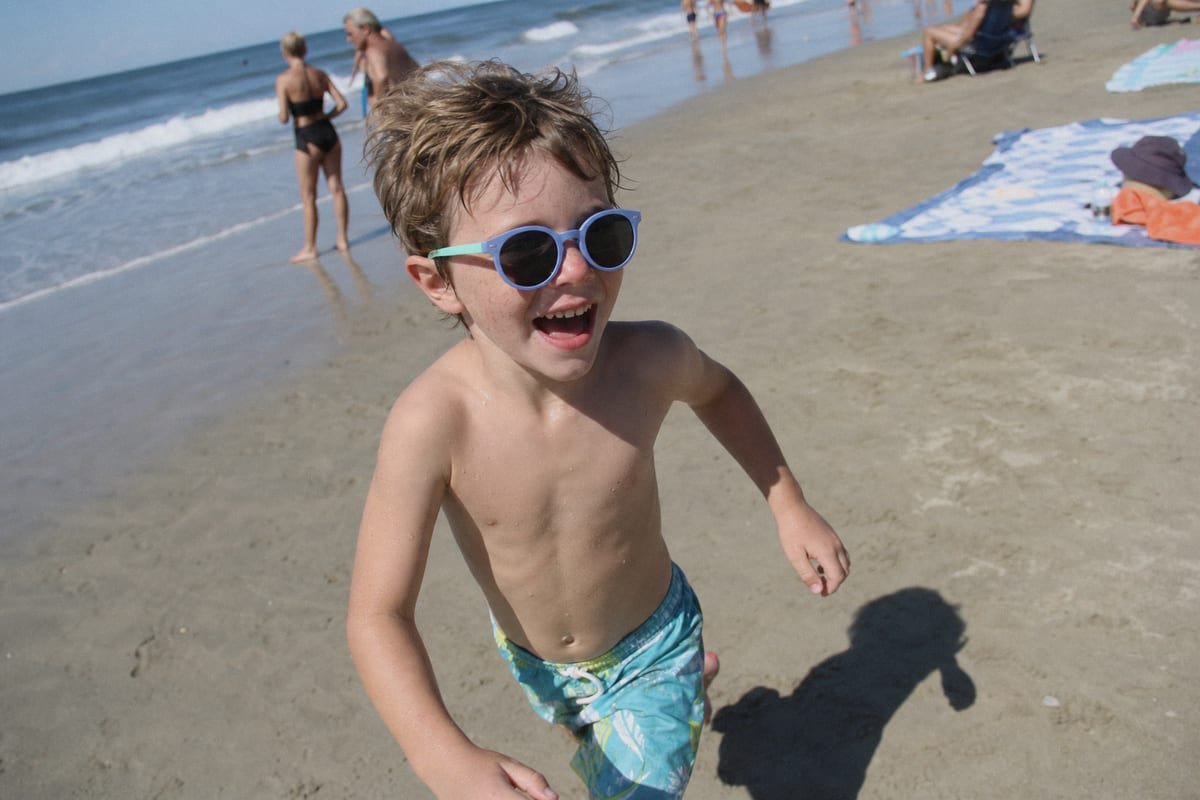
VLTは可視光透過率の略です。それはレンズを通過する 可視光スペクトル 2 の量を示します。VLTが0%のレンズはすべての可視光をブロックします。VLTが100%のレンズは完全に透明です。数値が低いほどレンズは暗くなります。数値が高いほどレンズは明るくなります。それだけです。.
クライアントの子供向けコレクションのレンズ仕様を作成する際には、標準のカテゴリーシステムから始めます。内訳は次のとおりです。
標準VLTカテゴリーシステム
| レンズカテゴリー | 一般的なVLT範囲 | 子供向けの使用に最適 | 子供向けラインでの一般的な普及率 |
|---|---|---|---|
| カテゴリー0 | 80–100% | 屋内、安全メガネ | 稀 |
| カテゴリー1 | 43–80% | 曇り、低照度 | 時々 |
| カテゴリー2 | 18–43% | 日常のさまざまな光 | 非常に一般的 |
| カテゴリ3 | 8–18% | カテゴリー3 | 業界標準 |
| 明るい太陽、ビーチ、遊び場 | 3–8% | カテゴリー4 | 氷河、高地 |
専門的なもののみ.
私たちのカタログにある約800の既存スタイルのほとんどは、レンズカテゴリー3の色合いで出荷されています。それは偶然ではありません。カテゴリー3は明るい日中の強いまぶしさ軽減を提供しますが、それは親が実際に子供にサングラスをかけるときです。カテゴリー2は、北ヨーロッパや日本のような、より変動の多い天候の市場をターゲットにしたブランドに適しています。.
子供用アイウェアブランドにとって、VLTカテゴリーが十分に安全かどうかをどうすればわかりますか?
VLTはレンズを通過する可視光のみを測定します。UV保護は別のコーティングまたは材料特性であり、UV400処理のない暗いレンズでも有害な光線を通す可能性があります。.
VLTカテゴリーは、UVAおよびUVB光線の100%を遮断するUV400保護が認証されたものと組み合わせると、子供にとって安全です。VLT自体は安全性の指標ではありません。カテゴリー2とカテゴリー3は、UVフィルターと耐衝撃性が認証されていれば、どちらも安全な選択肢です。.
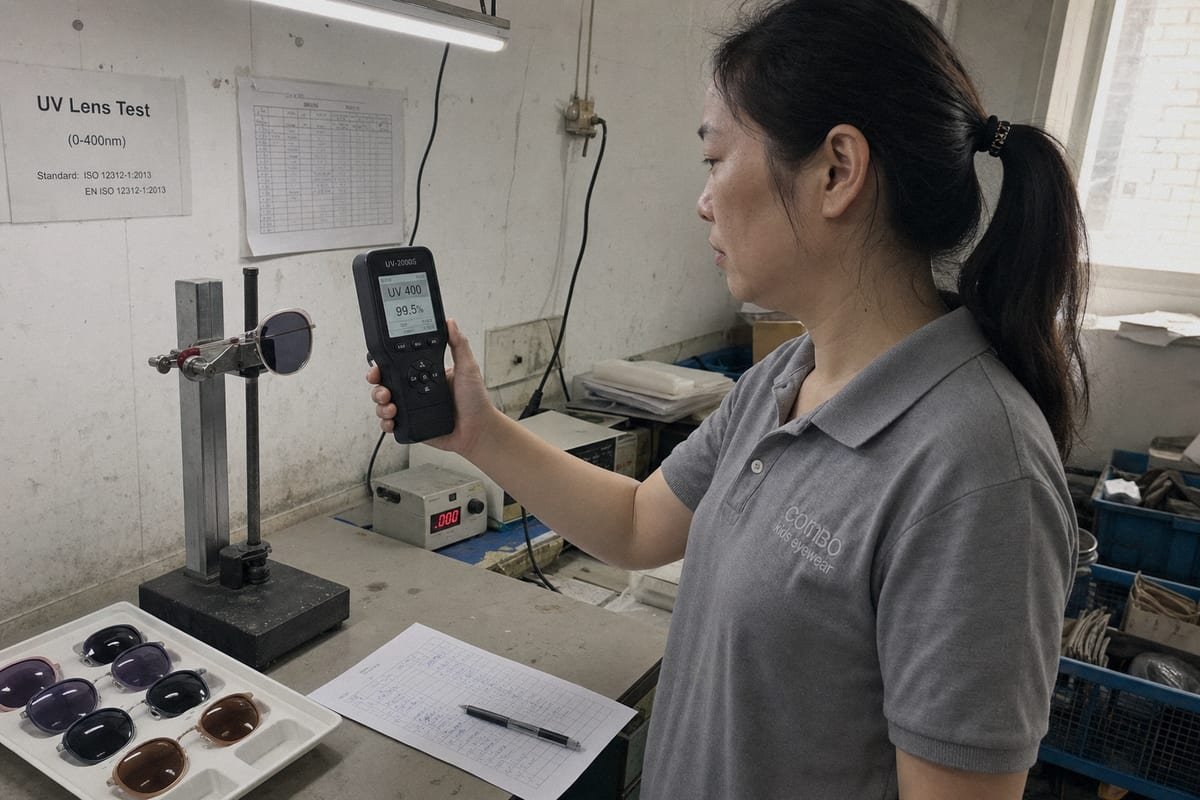
私たちの5S管理ワークショップでの品質チェックは、早い段階で厳しい教訓を教えてくれました。暗さと安全性は完全に異なる2つのテストです。レンズは一方に合格し、もう一方に失敗する可能性があります。 UVAおよびUVB 3 私が新しくオンボーディングするすべてのブランドに強調する点は次のとおりです。VLTは快適さと視認性に関するものです。UVフィルターは網膜の健康に関するものです。子供の水晶体は、大人のレンズよりも多くの紫外線を網膜に透過させるため、カットすることは 可視光のカットよりもはるかに重要です。実際、暗いレンズに 適切なUVフィルター.
がないと、サングラスがないよりも悪い場合があります。暗い色合いは瞳孔を散大させ、UV線が通過すると、より多くの網膜に到達します。
したがって、サプライヤーを評価する際には、チェックリストを3つのレイヤーに分けます。
- 3層の安全チェックリスト. まずUVフィルター。 UV400保護 4 要求する.
- すべてのレンズに、色合いの暗さに関係なく。私たちは、淡いカテゴリー1の色合いから暗いカテゴリー3のレンズまで、子供向け製品全体にこの基準を適用しています。. 次に耐衝撃性。 ポリカーボネートレンズは、子供がボール、肘、または地面に当たったときにUV線を自然にブロックし、粉砕に抵抗するため、標準です。サプライヤーにレンズ素材の使用状況を尋ね、 5 落下ボールテスト.
- の文書を要求してください。. Once safety is locked in, choose the tint level based on your market's climate and the product's use case.
There is one more layer premium buyers should know about: uniformity of luminous transmittance. A quality lens must transmit light evenly across its surface. Uneven tinting creates visual ghosting and prismatic distortion. Children are far less tolerant of this than adults. In our experience, distorted optics are one of the fastest routes to a child refusing to wear the glasses — and to your brand getting returns. We inspect optical clarity and tint uniformity on every production batch for exactly this reason.
Avoid Category 4 lenses (3–8% VLT) for general children's lines. They are built for glaciers and high-altitude glare, and they are too dark for everyday play. They are also illegal for driving in many markets, which creates labeling complications you do not need.
サングラスのレンズを選ぶ際、なぜVLTは大人よりも子供にとってより重要なのでしょうか?
During development of our TPEE-temple sunglasses line, a pediatric optician client made a comment that reshaped our lens sourcing: children's eyes are not small adult eyes. They behave differently under light.
VLTは子供たちにとってより重要です。なぜなら、子供たちの目は網膜により多くの光を伝え、太陽と日陰の間を急速に移動し、過度の暗さは健康な目の発達に関連する自然な光への曝露を減らす可能性があるからです。適度で適切に選択された色合いは、非常に暗い色合いよりも優れています。.
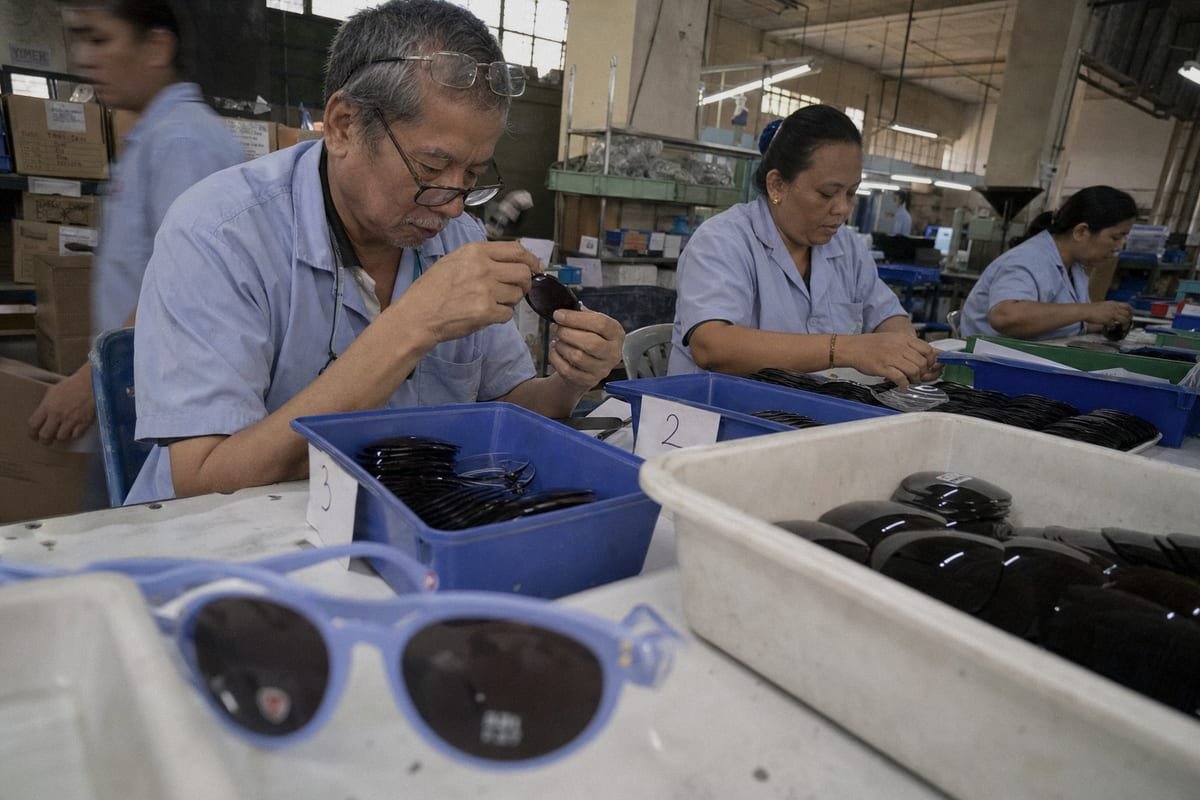
Let me break this down into the three factors that make VLT selection genuinely different for children.
Children's Eyes Let More Light Through
A child's ocular lens is clearer than an adult's. More visible light and more UV reach the retina. This makes UV400 protection non-negotiable, and it also means very bright glare feels more intense to a child. Good glare reduction, tuned to real-world conditions, reduces squinting and eye strain during long outdoor sessions.
Kids Change Environments Fast
Adults sit on a beach for two hours. Children sprint from bright sun into tree shade and back within seconds. An extremely dark lens leaves them nearly blind in the shaded moments, which is a trip-and-fall risk. This is why we often steer everyday kids' lines toward the higher end of Category 3 or into Category 2. It is a practical trade-off between glare control and visibility.
The Emerging Myopia Consideration
Pediatric research increasingly links time in bright natural light to slower 近視の進行 6 in developing eyes. Some researchers caution that habitually wearing excessively dark lenses during daily play may limit that beneficial light exposure. This does not mean skipping sunglasses. It means choosing a sensible VLT rather than the darkest available option, and reserving very dark tints for genuinely intense conditions.
| 要因 | Adult Eyes | Children's Eyes | VLT Implication |
|---|---|---|---|
| Lens clarity | Yellows with age, filters more light | Very clear, transmits more light | UV400 essential at any tint |
| Environment shifts | Slow, predictable | Rapid sun-to-shade movement | Avoid extremely low VLT |
| Eye development | Complete | Ongoing, light-sensitive | Moderate tints for daily wear |
| Glare sensitivity | 中程度 | Higher subjective discomfort | Category 3 for bright sun |
There is also a comfort dimension in lens color. Neutral gray tints reduce overall brightness without distorting 偏光レンズは、目を細めることを減らします。目を細めることが減れば、午後の長いアウトドア活動での目の疲れも軽減されます。また、コントラストを高め、鮮明にします 7, which helps children accept the glasses. Some premium filters also target short-wavelength scattering — the so-called blue blur — which cuts squinting more effectively than simply making the lens darker. And for late-afternoon wear, a lighter tint allows the evening wavelengths that support a child's natural sleep-wake rhythm to reach the retina.
子供用アイウェアメーカーと協力する際に、カスタムVLTレベルをリクエストできますか?
A promotional products buyer once asked our team for three tint depths of the same frame — light for retail in Scandinavia, medium for Central Europe, and dark for an Australian summer campaign. We delivered all three from one mold.
はい、評判の良い子供用アイウェアメーカーは、リクエストに応じてカスタムVLTレベルを製造できます。通常、バイヤーはターゲットVLTパーセンテージまたはレンズカテゴリーを指定し、工場はレンズのティント、コーティング、または偏光レンズオプションを通じてそれを一致させます。これは通常、製造前サンプルで確認されます。.

Custom VLT is one of the most practical and lowest-cost customizations available in OEM/ODM eyewear. Unlike a new frame shape, it requires no new mold. At our Taizhou factory, adjusting lens transmittance is part of our standard ODM workflow, alongside custom colors, logos, and packaging. Here is how the process typically runs:
How Custom VLT Ordering Works
- Define the use case. Tell your supplier where and how the glasses will be worn. Beach retail in Queensland needs a different spec than school-run eyewear in Hamburg.
- Specify the target. Give a VLT percentage or a tight range, such as 12–15%, not just "Category 3." Precision here prevents surprises later.
- Choose the lens build. Options include standard tinted polycarbonate 8, gradient tints, mirrored coatings, and polarized lenses. Polarized lens benefits go beyond darkness — they cut reflected glare from water and pavement, which is valuable for beach and sport lines. Note that mirror coatings lower effective VLT slightly, so we factor that in.
- Approve pre-production samples. We send tinted samples for sign-off before mass production. Bright-light testing at your end is worth the extra week.
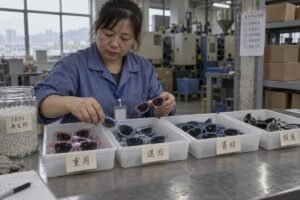
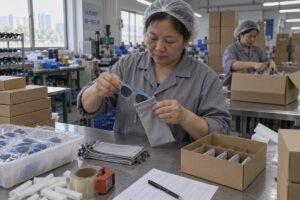
- Verify in QC. Transmittance and tint uniformity should be checked batch by batch, not assumed.
| カスタマイズ | Affects VLT? | Mold Cost? | Typical Kids' Application |
|---|---|---|---|
| Standard tint depth | Yes, directly | いいえ | エブリデイサングラス |
| グラデーションティント | Yes, varies top to bottom | いいえ | Fashion-led lines |
| ミラーコーティング | Slightly lowers VLT | いいえ | Sport shield styles |
| 偏光レンズ | Set per spec | いいえ | Beach, water, sport ranges |
| フォトクロミック | Variable VLT by light | いいえ | Premium all-day wear |
One honest note from fifteen years in this trade: not every buyer needs custom VLT. Many new brands do better selecting from existing tested styles — we keep roughly 800 on hand for that reason — and reserving customization for logos, frame colors, and packaging. Test the market first. Refine the lens spec in your second order, once real customer feedback tells you whether your VLT choice matched your market's light conditions.
結論
Getting VLT wrong means squinting kids and returned stock. The typical VLT for kids' sunglasses is 8–18% for bright sun, 18–43% for mixed light — always paired with UV400 protection.
脚注
1. Corrected Wikipedia entry for mirrored sunglasses, detailing reflective coatings and their light-blocking properties. ↩︎
2. Wikipedia entry explaining the physics of transmittance and light passing through materials. ↩︎
3. CDC guide on UV radiation types, including UVA and UVB, and their effects. ↩︎
4. FDA resource explaining ultraviolet radiation and the importance of UV protection for health. ↩︎
5. Official FDA regulation regarding the impact resistance requirements for eyeglasses and sunglasses. ↩︎
6. Peer-reviewed study on the relationship between outdoor light exposure and myopia development in children. ↩︎
7. American Academy of Ophthalmology guide on choosing sunglasses for optimal eye health and color clarity. ↩︎
8. Wikipedia page detailing the properties and safety applications of polycarbonate plastic. ↩︎

 English
  Español de México
  Deutsch
  Français
  日本語
日本語  العربية
  Português do Brasil