ما هو معدل نقل الضوء المرئي (VLT) النموذجي لنظارات الأطفال الشمسية؟
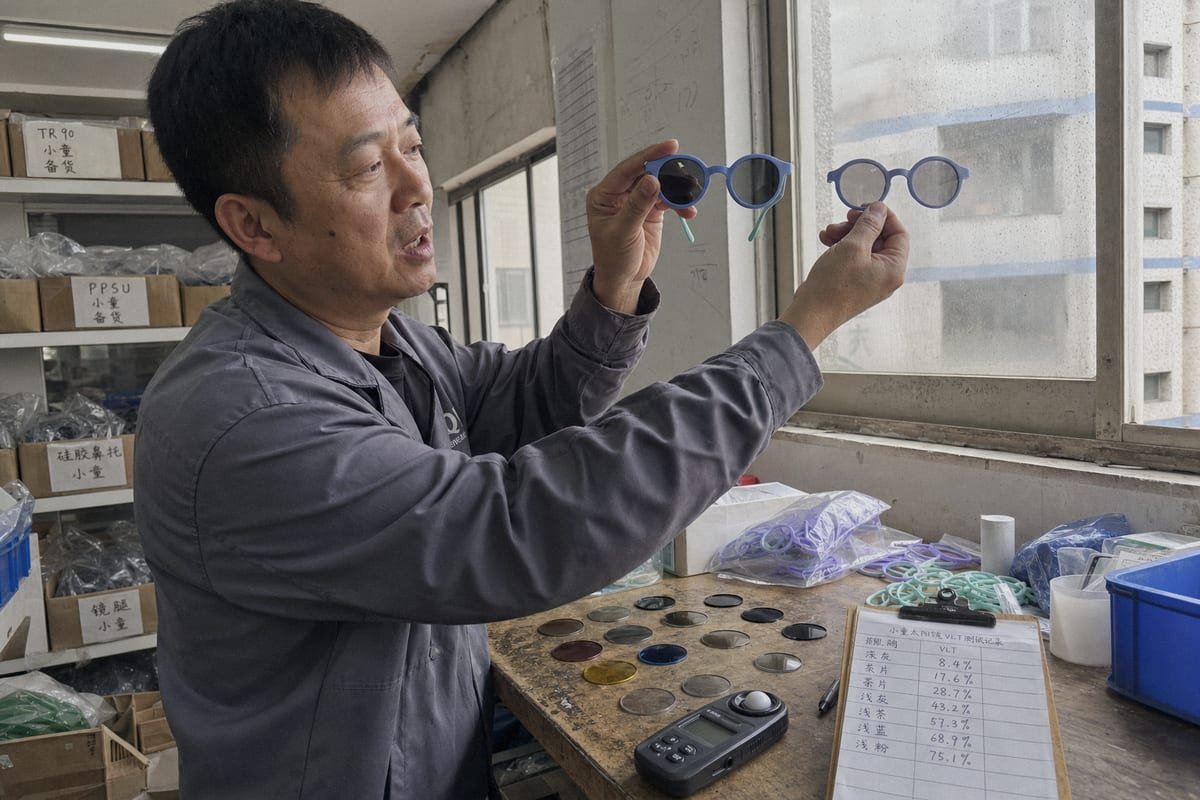
يسألني المشترون عن معدل نقل الضوء المرئي (VLT) النموذجي لنظارات الأطفال الشمسية أسبوعيًا تقريبًا الطلاءات العاكسة 1. اختر اللون الخاطئ، وسوف يرمش الأطفال أو يشتكون أو يرفضون ارتداء المنتج. في خط الإنتاج الخاص بنا، قمنا بحل هذه المشكلة منذ سنوات.
معدل نقل الضوء المرئي (VLT) النموذجي لنظارات الأطفال الشمسية هو 8-18% (الفئة 3) للظروف المشمسة الساطعة و 18-43% (الفئة 2) للضوء المختلط اليومي. يتحكم معدل نقل الضوء المرئي (VLT) في عتامة العدسة فقط؛ حماية UV400 التي تمنع 100% من الأشعة فوق البنفسجية الطويلة والمتوسطة هي متطلب منفصل وغير قابل للتفاوض.
هذه الإجابة المختصرة تغطي الأساسيات. ولكن إذا كنت تقوم بتوريد نظارات الأطفال لعلامة تجارية، فأنت بحاجة إلى مزيد من التفاصيل. دعني أرشدك خلال ذلك.
ما هو نطاق VLT الذي يجب أن أبحث عنه عند شراء نظارات شمسية للأطفال للاستخدام الخارجي؟
أرسل موزع من أستراليا ذات مرة إلى مصنعنا عينتين من المنافسين وسأل لماذا شعر أحدهما بأنه "داكن جدًا" للأطفال الصغار. جاءت الإجابة إلى معدل نقل الضوء المرئي (VLT)، وقد غيرت مواصفات طلبه بالكامل.
للاستخدام الخارجي، ابحث عن نظارات شمسية للأطفال بنفاذية ضوء مرئي (VLT) تتراوح بين 8% و 18% (فئة العدسة 3) للشمس القوية، أو 18% إلى 43% (فئة 2) للضوء المتغير. الفئة 3 هي المعيار الصناعي للشاطئ والملعب ولعب الأطفال في الهواء الطلق في الصيف.
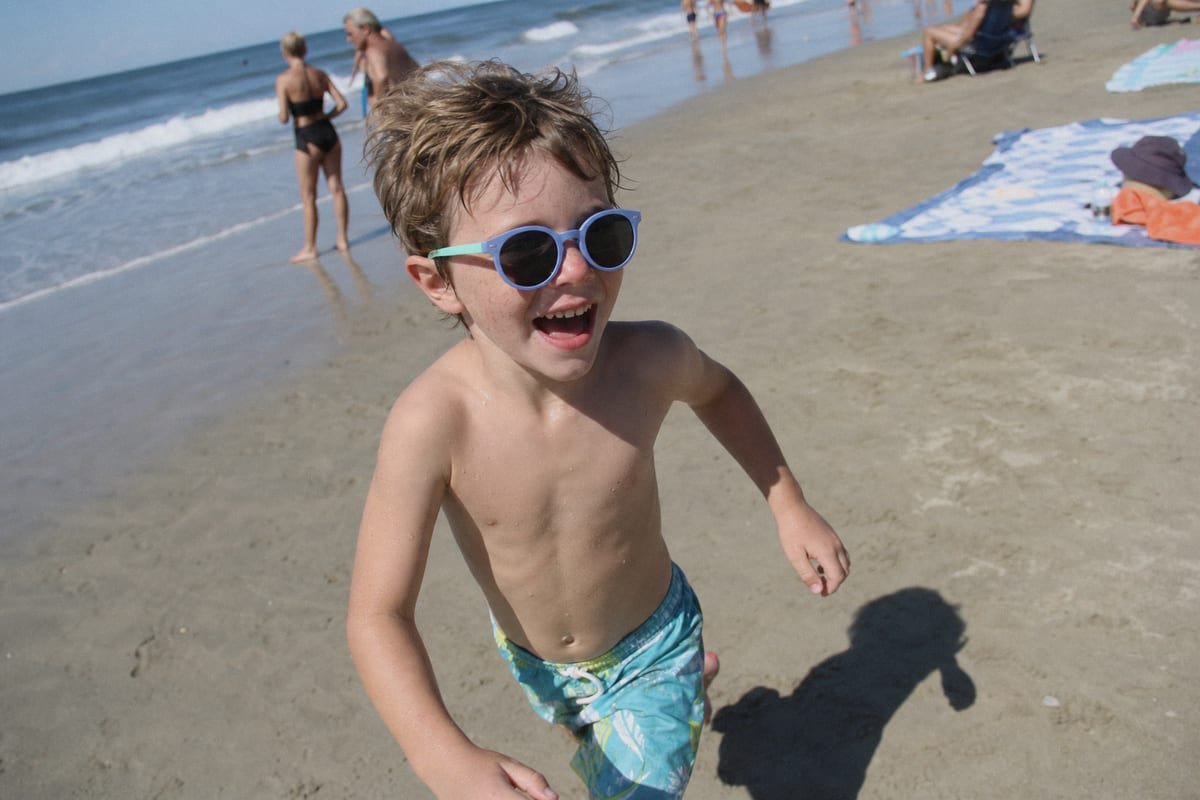
VLT تعني نقل الضوء المرئي. يقيس كمية طيف الضوء المرئي 2 التي تمر عبر العدسة. عدسة بمعدل VLT 0% تحجب كل الضوء المرئي. عدسة بمعدل VLT 100% شفافة تمامًا. الأرقام الأقل تعني عدسات أغمق. الأرقام الأعلى تعني عدسات أفتح. الأمر بهذه البساطة.
عندما نقوم ببناء مواصفات العدسات لمجموعات الأطفال لعملائنا، فإننا نعمل من نظام الفئات القياسي. إليك كيفية تقسيمه:
نظام فئات معدل نقل الضوء المرئي (VLT) القياسي
| فئة العدسة | نطاق معدل نقل الضوء المرئي (VLT) النموذجي | أفضل استخدام للأطفال | مدى شيوعها في خطوط الأطفال |
|---|---|---|---|
| الفئة 0 | 80–100% | الاستخدام الداخلي، نظارات السلامة | نادر |
| الفئة 1 | 43–80% | الطقس الغائم، الضوء الخافت | عرضي |
| الفئة 2 | 18–43% | الضوء المختلط اليومي | شائع جدًا |
| الفئة 3 | 8–18% | الشمس الساطعة، الشاطئ، الملعب | المعيار الصناعي |
| الفئة 4 | 3–8% | الأنهار الجليدية، المرتفعات العالية | متخصص فقط |
معظم الأنماط الموجودة البالغ عددها حوالي 800 في كتالوجنا يتم شحنها بصبغات من الفئة 3 للعدسات. هذا ليس مصادفة. توفر الفئة 3 تقليلًا قويًا للوهج في ضوء النهار الساطع، وهو الوقت الذي يضع فيه الآباء بالفعل نظارات شمسية لأطفالهم. تعمل الفئة 2 بشكل جيد للعلامات التجارية التي تستهدف الأسواق ذات الطقس الأكثر تقلبًا، مثل شمال أوروبا أو اليابان.
ملاحظة مهمة حول الحدود. ترسم المصادر المختلفة خطوط الفئات بشكل مختلف قليلاً. يصف البعض الفئة 2 بأنها 20-40% VLT بدلاً من 18-43%. النمط العام يبقى على حاله في كلتا الحالتين. لأغراض التوريد، حدد النسبة المئوية الدقيقة لمعدل نقل الضوء المرئي (VLT) في طلب الشراء الخاص بك، وليس فقط اسم الفئة. نقوم دائمًا بتأكيد النسبة المستهدفة مع المشترين قبل بدء إنتاج العدسات، لأن "الفئة 3" وحدها تترك مجالًا لعدسة بنسبة 8% أو عدسة بنسبة 18% - وهذه تبدو مختلفة بشكل ملحوظ على الرف.
كيف أعرف ما إذا كانت فئة VLT آمنة بما يكفي لعلامتي التجارية لنظارات الأطفال؟
علمتني فحوصات الجودة في ورشة العمل التي تدار بنظام 5S درسًا قاسيًا في وقت مبكر: العتامة والسلامة اختباران مختلفان تمامًا. يمكن للعدسة أن تجتاز اختبارًا وتفشل في الآخر.
فئة VLT آمنة للأطفال عندما تقترن بحماية UV400 معتمدة تحجب 100٪ من الأشعة فوق البنفسجية الطويلة (UVA) والأشعة فوق البنفسجية القصيرة (UVB). VLT بحد ذاتها ليست مقياسًا للسلامة؛ الفئتان 2 و 3 كلاهما خياران آمنان إذا كانت تصفية الأشعة فوق البنفسجية ومقاومة الصدمات معتمدة.
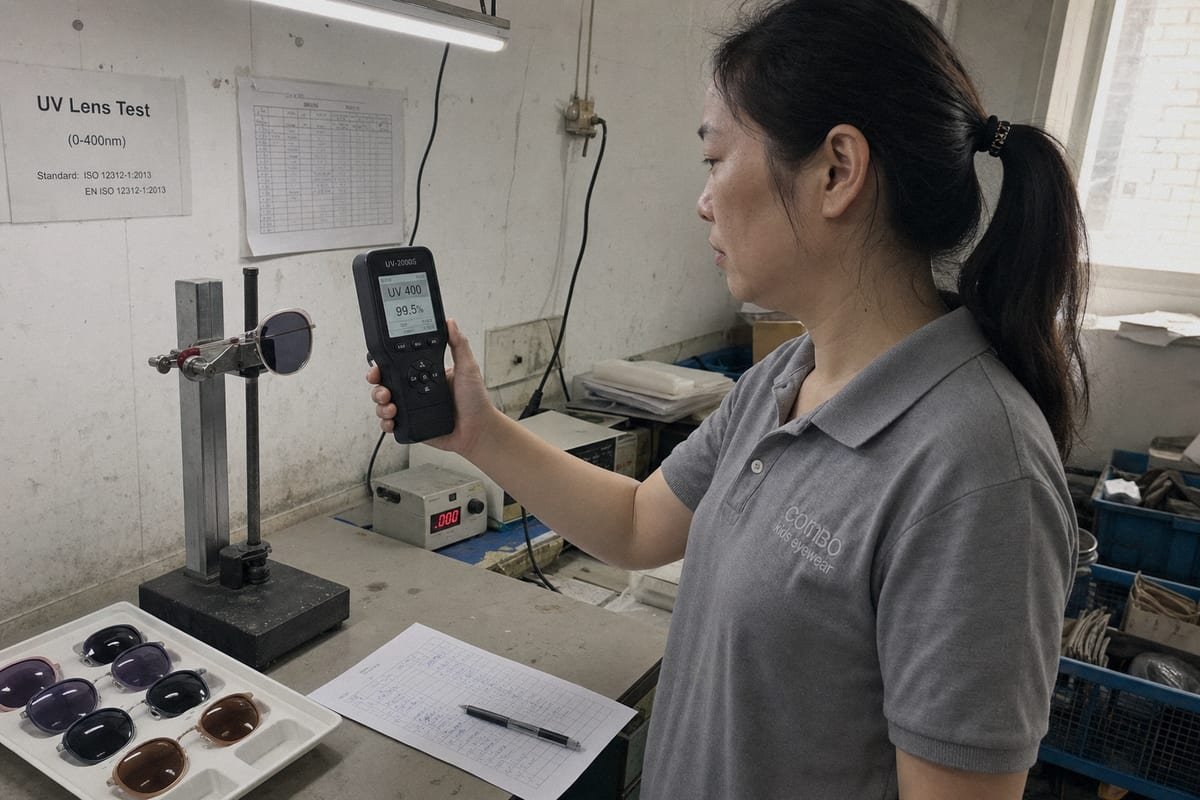
هذه هي النقطة التي أشدد عليها مع كل علامة تجارية جديدة نقوم بضمها. VLT يتعلق بالراحة والرؤية. ترشيح الأشعة فوق البنفسجية يتعلق بصحة شبكية العين. عدسة العين البلورية للطفل تنقل المزيد من الأشعة فوق البنفسجية إلى الشبكية مقارنة بالبالغين، لذا فإن القطع الأشعة فوق البنفسجية UVA و UVB 3 أكثر أهمية بكثير من قطع الضوء المرئي. في الواقع، عدسة داكنة بدون ترشيح مناسب للأشعة فوق البنفسجية يمكن أن تكون أسوأ من عدم ارتداء نظارات شمسية على الإطلاق. اللون الداكن يتسبب في اتساع بؤبؤ العين، وإذا مرت الأشعة فوق البنفسجية، فإن المزيد منها يصل إلى الشبكية.
لذلك عند تقييم مورد، افصل قائمة الفحص الخاصة بك إلى ثلاث طبقات:
قائمة فحص السلامة ثلاثية الطبقات
- ترشيح الأشعة فوق البنفسجية أولاً. اطلب حماية UV400 4 على كل عدسة، بغض النظر عن عتامة الصبغة. نطبق هذا المعيار عبر مجموعتنا الكاملة للأطفال، من صبغات الفئة 1 الباهتة إلى عدسات الفئة 3 الداكنة.
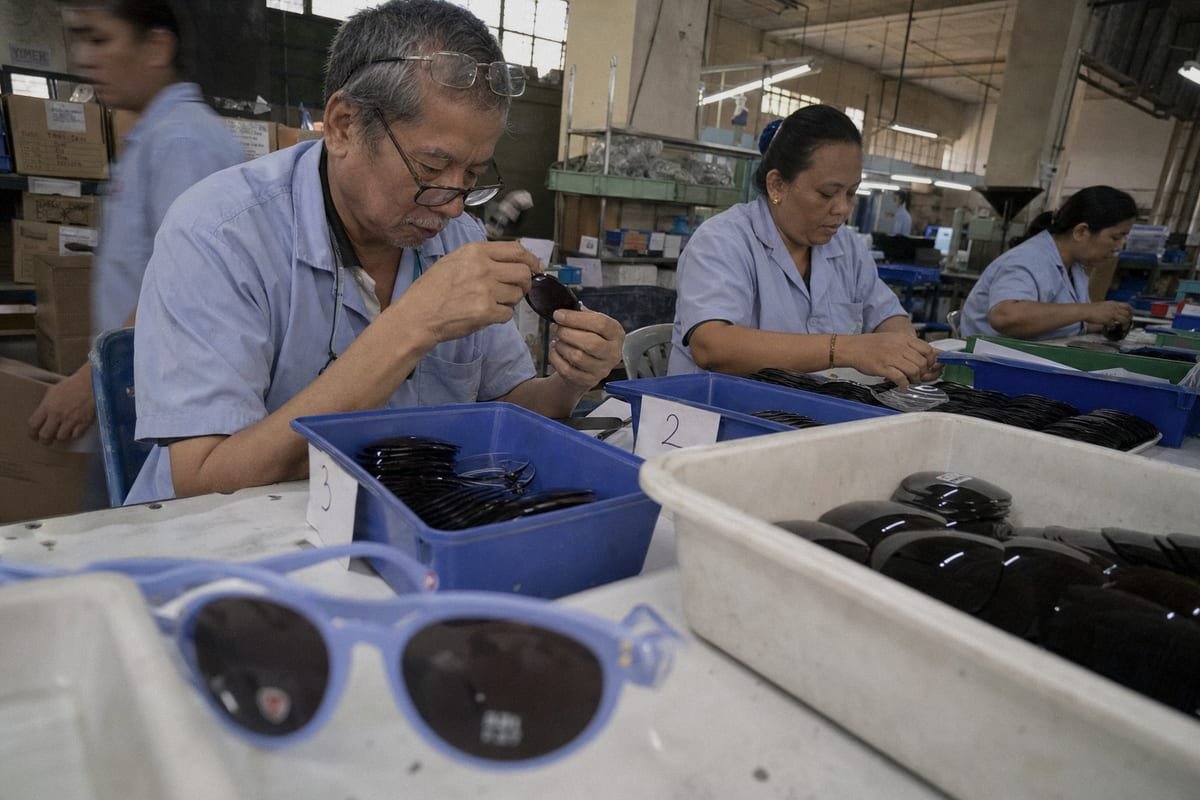
- مقاومة الصدمات ثانياً. عدسات البولي كربونات هي المعيار للأطفال لأنها تحجب الأشعة فوق البنفسجية بشكل طبيعي وتقاوم التشظي عند تعرضها لكرة أو مرفق أو رصيف. اسأل المورد الخاص بك عن مادة العدسة التي يستخدمونها واطلب اختبار إسقاط الكرة 5 وثائق.
- فئة نفاذية الضوء المرئي ثالثاً. بمجرد تأمين السلامة، اختر مستوى التظليل بناءً على مناخ سوقك وحالة استخدام المنتج.
هناك طبقة أخرى يجب أن يعرفها المشترون المميزون: انتظام نفاذية الضوء. يجب أن تنقل العدسة عالية الجودة الضوء بالتساوي عبر سطحها. يخلق التظليل غير المتساوي ظلالاً شبحية وتشويهاً منشورياً. الأطفال أقل تحملاً لهذا بكثير من البالغين. في تجربتنا، يعد تشويه البصريات أحد أسرع الطرق لرفض الطفل ارتداء النظارات - ولإعادة منتجات علامتك التجارية. نقوم بفحص الوضوح البصري وانتظام التظليل في كل دفعة إنتاج لهذا السبب بالضبط.
تجنب عدسات الفئة 4 (3-8% VLT) لخطوط الأطفال العامة. إنها مصممة لـ الأنهار الجليدية والوهج على ارتفاعات عالية, ، وهي داكنة جدًا للعب اليومي. كما أنها غير قانونية للقيادة في العديد من الأسواق، مما يخلق تعقيدات في الملصقات لا تحتاج إليها.
لماذا تعتبر نسبة نفاذية الضوء المرئي (VLT) أكثر أهمية للأطفال مقارنة بالبالغين عند اختيار عدسات النظارات الشمسية؟
أثناء تطوير خط نظاراتنا الشمسية ذات الأذرع المصنوعة من TPEE، أدلى أحد عملاء أخصائيي العيون للأطفال بتعليق أعاد تشكيل مصادر العدسات لدينا: عيون الأطفال ليست عيون بالغين صغار. إنها تتصرف بشكل مختلف تحت الضوء.
VLT مهم أكثر للأطفال لأن عيون الأطفال تنقل المزيد من الضوء إلى الشبكية، فهم يتحركون بسرعة بين الشمس والظل، وقد يؤدي التعرض المفرط للظلام إلى تقليل التعرض للضوء الطبيعي المرتبط بنمو العين الصحي. الصبغة المعتدلة المختارة جيدًا تتفوق على الصبغة الداكنة جدًا.
دعني أفصل هذا إلى العوامل الثلاثة التي تجعل اختيار VLT مختلفًا حقًا للأطفال.
عيون الأطفال تسمح بمرور المزيد من الضوء
عدسة العين لدى الطفل أكثر وضوحًا من البالغ. المزيد من الضوء المرئي والمزيد من الأشعة فوق البنفسجية تصل إلى الشبكية. هذا يجعل حماية UV400 ضرورية، ويعني أيضًا أن الوهج الساطع جدًا يبدو أكثر حدة للطفل. تقليل الوهج الجيد، المضبوط على الظروف الواقعية، يقلل من التحديق وإجهاد العين أثناء الجلسات الخارجية الطويلة.
الأطفال يغيرون البيئات بسرعة
يجلس البالغون على الشاطئ لمدة ساعتين. يركض الأطفال من الشمس الساطعة إلى ظل الأشجار والعودة في غضون ثوانٍ. العدسة الداكنة جدًا تجعلهم عميانين تقريبًا في لحظات الظل، مما يشكل خطر التعثر والسقوط. هذا هو السبب في أننا غالبًا ما نوجه خطوط الأطفال اليومية نحو الطرف الأعلى من الفئة 3 أو إلى الفئة 2. إنها مقايضة عملية بين التحكم في الوهج والرؤية.
اعتبار قصر النظر الناشئ
تربط الأبحاث المتعلقة بالأطفال بشكل متزايد الوقت في الضوء الطبيعي الساطع بـ تقدم قصر النظر 6 تباطؤ.
| العامل | في تطور العيون. يحذر بعض الباحثين من أن ارتداء العدسات الداكنة بشكل مفرط بشكل روتيني أثناء اللعب اليومي قد يحد من هذا التعرض للضوء المفيد. هذا لا يعني تخطي النظارات الشمسية. هذا يعني اختيار VLT معقول بدلاً من أغمق خيار متاح، وحجز التظليلات الداكنة جدًا للظروف الشديدة حقًا. | عيون البالغين | عيون الأطفال |
|---|---|---|---|
| تأثير VLT | وضوح العدسة | يصفر مع التقدم في العمر، ويقوم بتصفية المزيد من الضوء | واضح جداً، ينقل المزيد من الضوء |
| UV400 ضروري عند أي تظليل | تغيرات البيئة | بطيء، يمكن التنبؤ به | حركة سريعة من الشمس إلى الظل |
| تجنب VLT منخفض للغاية | تطور العين | كامل | مستمر، حساس للضوء |
| تظليلات معتدلة للارتداء اليومي | معتدل | حساسية الوهج | انزعاج ذاتي أعلى |
الفئة 3 للشمس الساطعة هناك أيضًا بُعد راحة في لون العدسة. تقلل التظليلات الرمادية المحايدة من السطوع العام دون تشويه 7, إدراك اللون.
هل يمكنني طلب مستويات VLT مخصصة عند العمل مع مصنع نظارات للأطفال؟
، مما يساعد الأطفال على قبول النظارات. تستهدف بعض المرشحات المميزة أيضًا تشتت الضوء قصير الموجة - ما يسمى بالضباب الأزرق - والذي يقلل من التحديق بشكل أكثر فعالية من مجرد جعل العدسة أغمق. وللارتداء في وقت متأخر بعد الظهر، يسمح التظليل الأخف للأطوال الموجية المسائية التي تدعم إيقاع النوم والاستيقاظ الطبيعي للطفل بالوصول إلى الشبكية.
نعم، يمكن لمصنعي نظارات الأطفال ذوي السمعة الطيبة إنتاج مستويات VLT مخصصة عند الطلب.

سأل مشترٍ للمنتجات الترويجية فريقنا ذات مرة عن ثلاثة أعماق تظليل لنفس الإطار - فاتح للبيع بالتجزئة في الدول الاسكندنافية، ومتوسط لأوروبا الوسطى، وداكن لحملة صيفية في أستراليا. قمنا بتسليم الثلاثة من قالب واحد.
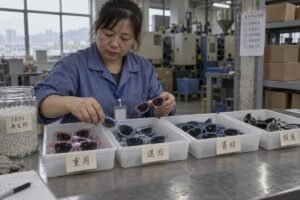
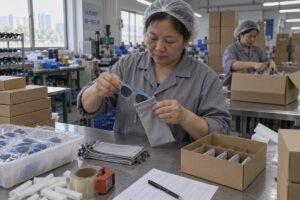
يعد VLT المخصص أحد أكثر التخصيصات عملية وأقل تكلفة المتاحة في نظارات OEM/ODM. على عكس شكل الإطار الجديد، فإنه لا يتطلب قالبًا جديدًا. في مصنعنا في تايتشو، يعد ضبط نفاذية العدسة جزءًا من سير عمل ODM القياسي لدينا، جنبًا إلى جنب مع الألوان والشعارات والتعبئة المخصصة. إليك كيف تسير العملية عادةً:
- كيف يعمل طلب VLT المخصص. حدد حالة الاستخدام.
- أخبر المورد الخاص بك أين وكيف سيتم ارتداء النظارات. يتطلب البيع بالتجزئة للشاطئ في كوينزلاند مواصفات مختلفة عن نظارات المدرسة في هامبورغ. قدم نسبة VLT أو نطاقًا ضيقًا، مثل 12-15٪، وليس فقط "الفئة 3". الدقة هنا تمنع المفاجآت لاحقًا.
- اختر بناء العدسة. تشمل الخيارات بولي كربونات ملون قياسي 8, ، تدرجات الألوان، طلاءات عاكسة، وعدسات مستقطبة. فوائد العدسات المستقطبة تتجاوز الظلام - فهي تقلل الوهج المنعكس من الماء والرصيف، وهو أمر قيم لخطوط الشاطئ والرياضة. لاحظ أن طلاءات المرآة تقلل من VLT الفعال قليلاً، لذلك نأخذ ذلك في الاعتبار.
- الموافقة على عينات ما قبل الإنتاج. نرسل عينات ملونة للتوقيع قبل الإنتاج الضخم. اختبار الضوء الساطع من جانبك يستحق أسبوعًا إضافيًا.
- التحقق في مراقبة الجودة. يجب فحص النفاذية وتوحيد اللون دفعة بدفعة، وليس افتراضها.
| التخصيص | يؤثر على VLT؟ | تكلفة القالب؟ | تطبيق الأطفال النموذجي |
|---|---|---|---|
| عمق اللون القياسي | نعم، مباشرة | لا | نظارات شمسية يومية |
| صبغة متدرجة | نعم، يختلف من الأعلى إلى الأسفل | لا | خطوط الموضة الرائدة |
| طلاء مرآة | يقلل قليلاً من VLT | لا | أنماط درع الرياضة |
| عدسة مستقطبة | تم التعيين حسب المواصفات | لا | نطاقات الشاطئ والماء والرياضة |
| فوتوكروميك | VLT متغير حسب الضوء | لا | ارتداء ممتاز طوال اليوم |
ملاحظة صادقة واحدة من خمسة عشر عامًا في هذه التجارة: ليس كل مشترٍ يحتاج إلى VLT مخصص. العديد من العلامات التجارية الجديدة تبلي بلاءً أفضل في الاختيار من بين الأساليب المختبرة الموجودة - نحتفظ بحوالي 800 في المخزون لهذا السبب - وحجز التخصيص للشعارات وألوان الإطارات والتعبئة والتغليف. اختبر السوق أولاً. قم بتحسين مواصفات العدسة في طلبك الثاني، بمجرد أن تخبرك ملاحظات العملاء الحقيقية بما إذا كان اختيار VLT الخاص بك قد تطابق مع ظروف الإضاءة في سوقك.
الخلاصة
الخطأ في VLT يعني تضييق الأطفال وإرجاع المخزون. VLT النموذجي لنظارات الأطفال الشمسية هو 8-18٪ للشمس الساطعة، و 18-43٪ للضوء المختلط - دائمًا مقترن بحماية UV400.
ملاحظات ختامية
إدخال ويكيبيديا المصحح للنظارات الشمسية العاكسة، مع تفصيل الطلاءات العاكسة وخصائصها الحجب للضوء. ↩︎
إدخال ويكيبيديا يشرح فيزياء النفاذية والضوء الذي يمر عبر المواد. ↩︎
دليل مراكز السيطرة على الأمراض حول أنواع الأشعة فوق البنفسجية، بما في ذلك الأشعة فوق البنفسجية أ والأشعة فوق البنفسجية ب، وتأثيراتها. ↩︎
مورد إدارة الغذاء والدواء يشرح الأشعة فوق البنفسجية وأهمية الحماية من الأشعة فوق البنفسجية للصحة. ↩︎
لائحة إدارة الغذاء والدواء الرسمية المتعلقة بمتطلبات مقاومة الصدمات للنظارات والنظارات الشمسية. ↩︎
دراسة تمت مراجعتها من قبل الأقران حول العلاقة بين التعرض للضوء الخارجي وتطور قصر النظر لدى الأطفال. ↩︎
دليل الأكاديمية الأمريكية لطب العيون حول اختيار النظارات الشمسية للحصول على صحة العين المثلى ووضوح الألوان. ↩︎
صفحة ويكيبيديا توضح خصائص وتطبيقات السلامة للبلاستيك البولي كربونات. ↩︎
مقالات أخرى قد تعجبك

هل تبحث عن شريك موثوق به للنظارات للأطفال؟
استكشف أكثر من 800 نمط جاهز ودعم OEM/ODM كامل مصمم خصيصًا لعلامتك التجارية.
اتصل بنا English
  Español de México
  Deutsch
  Français
  日本語
日本語  العربية
  Português do Brasil